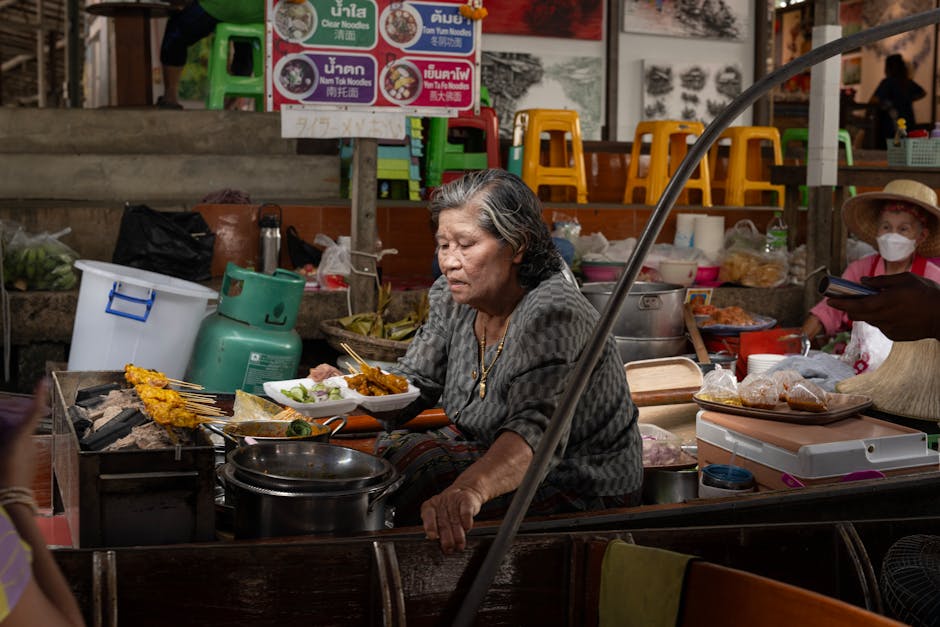
Self-guided audio tour in Bangkok
Start Free on iPhone
Start free on iPhone to unlock this self-guided walking tour in Bangkok. Hear all the stories that make it amazing, walk at your own pace, and begin whenever you want.
Your Private Tour Guide
Tucked away on the edge of Bangkok’s bustling Chinatown lies Talat Noi, a neighborhood where the rhythmic clanging of hammers on engine parts harmonizes with the quiet hum of riverside life. This self-guided walking route invites you to explore one of the city's most atmospheric districts, a place where time seems to fold in on itself. Here, 200-year-old mansions stand adjacent to industrial scrap yards, and narrow alleyways are transformed into open-air galleries. Unlike the polished tourist centers, Talat Noi retains a gritty, authentic charm that rewards the curious traveler. As you begin your neighborhood stroll, you will encounter the 'Sieng Kong' zone, the heart of Bangkok's used automotive parts trade. Piles of grease-stained engines and rusted gears create a surreal, industrial landscape that has defined this community for generations. Yet, nestled within this labyrinth are stunning examples of heritage architecture, such as the So Heng Tai mansion, which showcases the enduring legacy of the Hokkien Chinese community. This walking tour Bangkok experience is perfect for those who want to see how tradition and industry coexist in the modern age. Art lovers will find plenty to admire as the route weaves through Trok San Chao Rong Kueak, where vibrant murals depict local life, mythical creatures, and the neighborhood's history. Because Talat Noi is a living, breathing community, the street art is often evolving, with new pieces appearing on weathered brick walls. The journey concludes at the riverside, where the neo-Gothic spires of the Holy Rosary Church offer a serene contrast to the industrial energy encountered earlier. Whether you are a photography enthusiast or a history buff, this self-guided walk offers a deep dive into the hidden-gems of the capital. Discover at your own pace why this area is considered the soul of old Bangkok on a walking tour Bangkok that feels like a step back in time. **Note:** This area is known for its ever-changing character. Street art, pop-up venues, and temporary exhibitions may differ from what's described. That's part of the adventure - you might discover something entirely new!
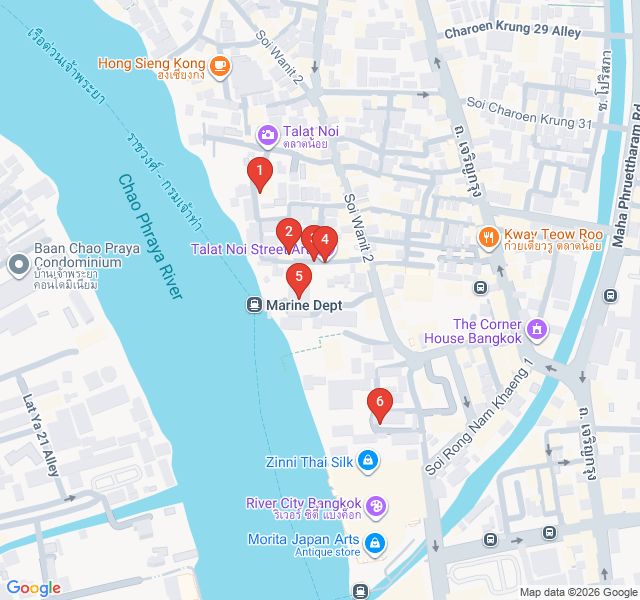
Numbers indicate the order of stops on the tour.
Welcome to one of the last remaining traditional Chinese courtyard houses in Bangkok. Built in the early 19th century by the wealthy So clan, this Hakka-style mansion is a architectural marvel of wood and stone. As you look around, you might notice something unexpected: a deep scuba diving pool in the center of the historic courtyard. The current generation of the So family maintains the property by operating a diving school here, blending ancient heritage with modern utility. Notice the intricate carvings on the door frames and the weathered beauty of the wooden beams. It is a rare glimpse into the lifestyle of the merchant elite who helped build the city's foundations along the riverbank.
To find this stop, you must look past the piles of rusted engine parts and grease-covered floors. Mother Roaster is a quintessential Talat Noi experience, located on the second floor of what looks like an active scrap metal warehouse. The contrast is intentional; as you ascend the stairs, the smell of industrial oil gives way to the aroma of freshly roasted specialty coffee. Founded by a passionate septuagenarian 'mother' who remains a fixture behind the counter, this spot highlights the neighborhood's creative rebirth. It is a perfect example of how local entrepreneurs are repurposing industrial spaces into hip, community-focused hubs without erasing the area's gritty history.
This narrow alleyway, or 'trok,' is the artery of Talat Noi’s industrial heritage. As you walk, you are surrounded by the Sieng Kong community, famous for trading second-hand engine parts. The sheer volume of metal stacked here is staggering. This area has been the center of the trade for over a century. Look for the small shrines tucked between the workshops, where mechanics offer incense for good luck. The name of the alley refers to the 'Blacksmith’s Shrine' nearby, a nod to the area's long association with metalwork and craftsmanship. The sounds and smells here are a raw, unfiltered part of Bangkok’s working-class identity.
As you move toward the river, the industrial landscape softens into a gallery of street art. These murals were largely created as part of community revitalization projects. You will see depictions of daily life—children playing, elderly residents, and the iconic orange Fiat 500 that has become a symbol of the neighborhood. Please note that street art is volatile; some murals may fade or be replaced by new works, reflecting the neighborhood's living nature. The art serves as a bridge between the older generation of residents and the younger visitors exploring the area. It’s an ideal spot for photography, capturing the intersection of Thai-Chinese culture and contemporary urban expression.
Standing prominently on the riverbank, the Marine Department building is a striking example of 19th-century European-style architecture in Bangkok. Established during the reign of King Rama V, this institution was crucial for managing the growing international trade on the Chao Phraya River. The building’s elegant facade and yellow-and-white color scheme reflect the Western influences that were popular in Thai official architecture at the time. While the interior is used for government business, the exterior and the surrounding riverside walkway offer a peaceful vantage point to watch the ferries and barges navigate the river’s currents, connecting Talat Noi to the rest of the world.
Known locally as 'Kalawar,' this Roman Catholic church is a testament to the diverse cultural tapestry of Talat Noi. Originally built by Portuguese settlers in the late 1700s, the current Gothic Revival structure dates back to the 1890s. Its towering spire and beautiful stained-glass windows are rare sights in a city dominated by Buddhist temples. The church was built on land granted by King Rama I, emphasizing the long history of religious tolerance in the capital. Step inside if the doors are open to admire the vaulted ceilings and the quiet atmosphere that stands in stark contrast to the mechanical clatter of the nearby scrap yards.
Start Free on iPhone
Explore “Talat Noi: Heritage, Engines, and Art” with your very own Private Tour Guide with Zigway. Start free on iPhone, skip the large group and the fixed routes, and hear the city come alive as you go.
Your Private Tour Guide
Don't miss the good stuff
Explore Freely
 Easy
EasyBangkok, Thailand
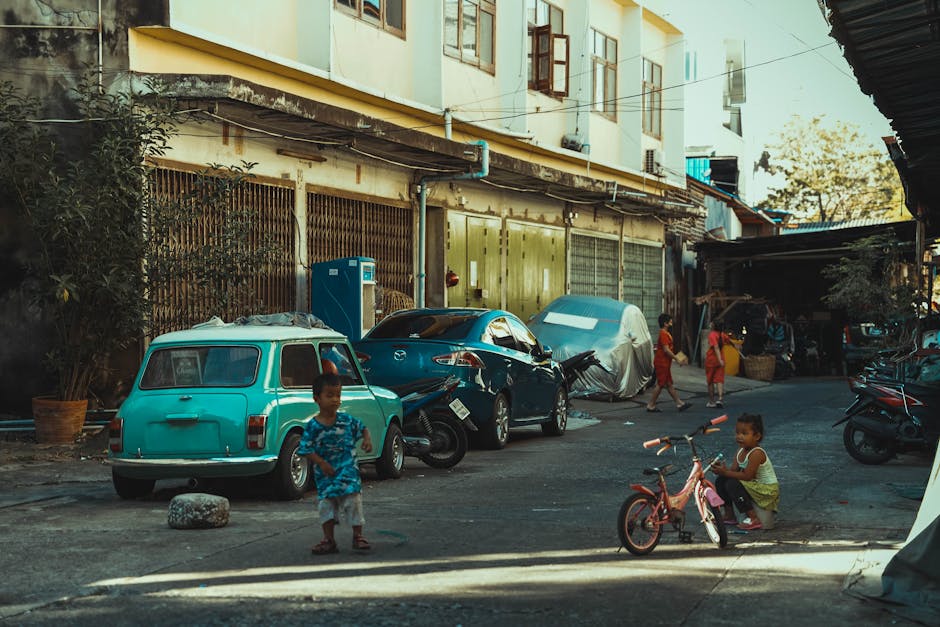
Discover Ari's blend of retro architecture, Michelin-rated street food, and vibrant cafe culture on this self-guided neighborhood stroll.
 Moderate
Bangkok, Thailand
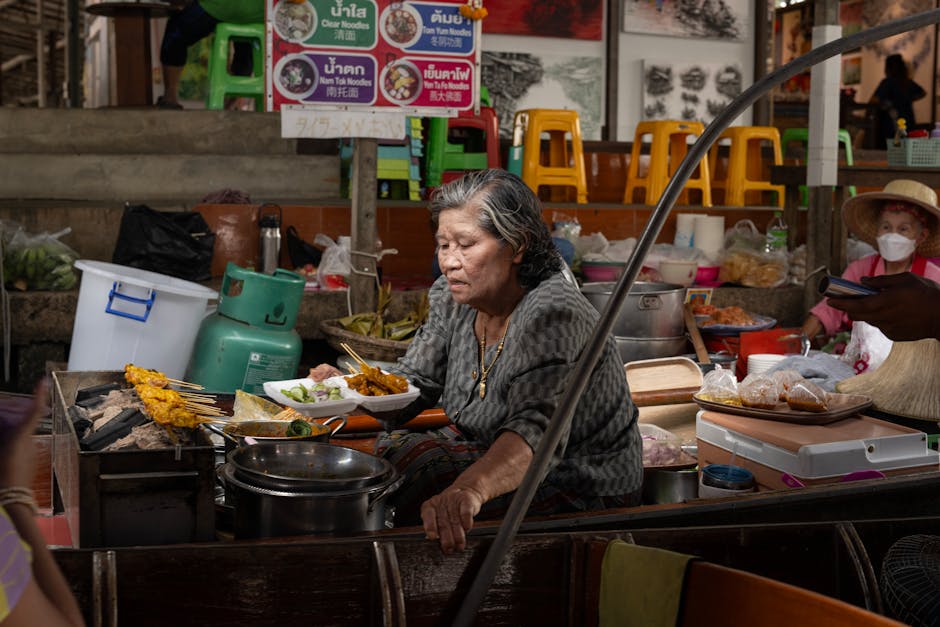
Discover the golden spires and royal history of Bangkok's Old City on this self-guided audio walk through the majestic Rattanakosin Island.
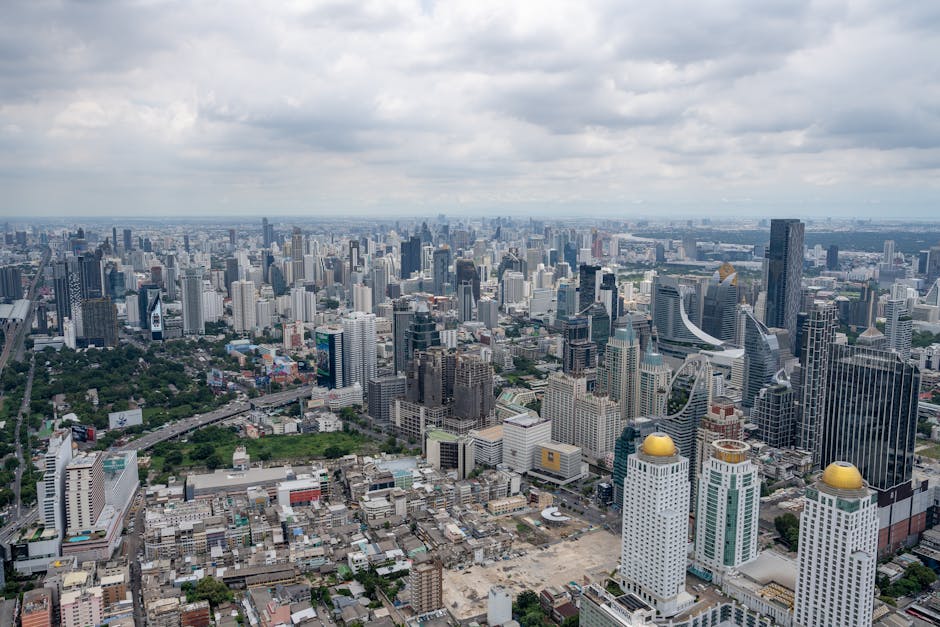 Easy
EasyBangkok, Thailand
Discover the European-inspired grandeur of Bangkok's Dusit district on this self-guided royal architectural walk.
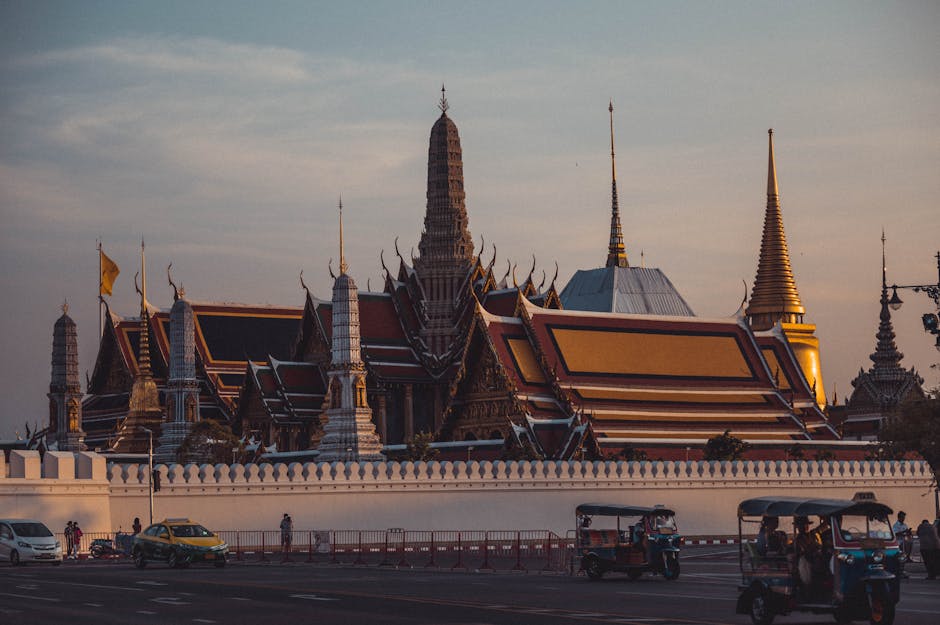 Moderate
Bangkok, Thailand
Discover the spiritual heart of Bangkok's retail district on this self-guided walk through temples, art hubs, and sacred street shrines.
 Easy
EasyKrakow, Poland
Explore the prestigious Jagiellonian University district, featuring Neo-Gothic architecture, Baroque churches, and Krakow's hidden scholarly gems.
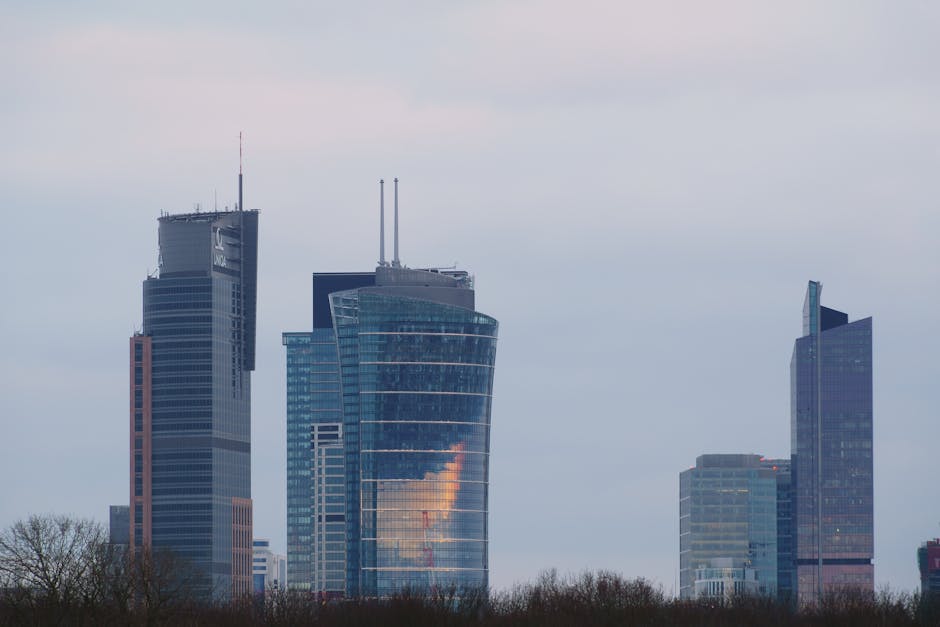 Easy
EasyWarsaw, Poland
Discover the hidden courtyards and grand pre-war architecture of Warsaw's most atmospheric neighborhood on this self-guided stroll.
 Easy
EasySalzburg, Austria
Discover Salzburg's oldest medieval alley, the birthplace of the 'Silent Night' author, and breathtaking views on this quiet self-guided walk.
 Easy
EasyNairobi, Kenya
Discover Nairobi's iconic skyline on this self-guided architecture walk through the CBD’s most famous modernist and Brutalist landmarks.
 Easy
EasyChiang Mai, Thailand
Explore Chiang Mai's trendiest district at your own pace. Discover contemporary art galleries, local design shops, and iconic modern architecture.
 Moderate
Chiang Mai, Thailand
Explore Chiang Mai's creative soul, from Nimman’s boutique bookshops to the mystical tunnels of Wat Umong and the scenic Angkaew Reservoir.
 Moderate
Chiang Mai, Thailand
Discover Chiang Mai’s soul through its markets and flavors. A self-guided route from the historic Kad Luang to the city’s best street food gems.
 Easy
EasyChiang Mai, Thailand
Discover hidden temples, traditional brass-smith workshops, and local markets on this serene self-guided walk through Chiang Mai's southern district.