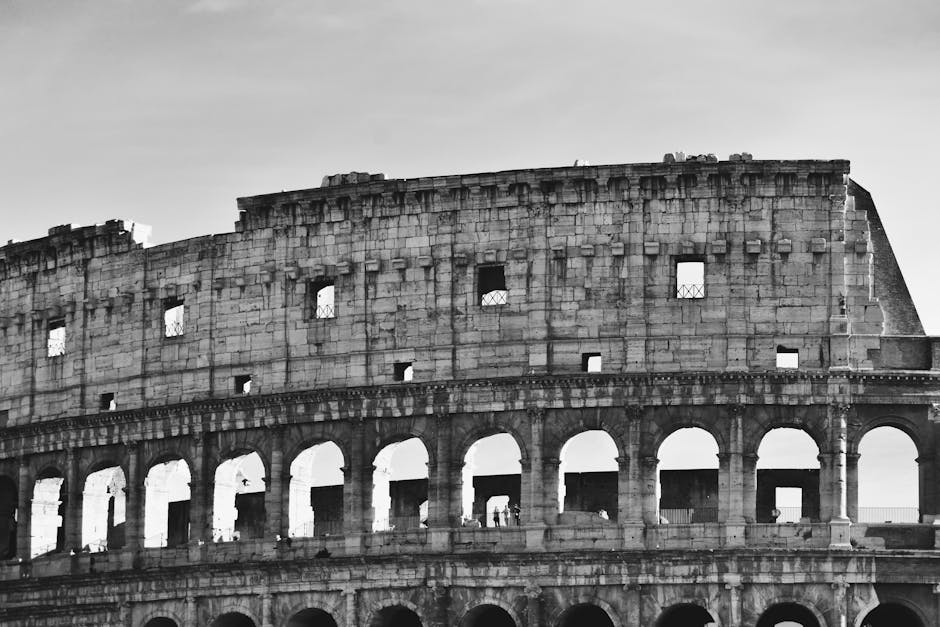
Self-guided audio tour in Rome
Start Free on iPhone
Start free on iPhone to unlock this self-guided walking tour in Rome. Hear all the stories that make it amazing, walk at your own pace, and begin whenever you want.
Your Private Tour Guide
Embark on a profound journey through Rome's spiritual and artistic heritage with this self-guided walk connecting some of the city's most significant religious landmarks. The Path of the Three Basilicas leads you through the historic Esquilino and Laterano neighborhoods, offering a deep dive into the layers of Roman history, from early Christian mosaics to High Renaissance sculpture. This walking route is designed for those who wish to explore at their own pace, moving from the golden ceilings of Santa Maria Maggiore to the solemn steps of the Scala Sancta. Along the way, you will encounter hidden gems like the 9th-century Byzantine mosaics of Santa Prassede and the powerful, brooding presence of Michelangelo’s Moses in San Pietro in Vincoli. This isn't just a trek between churches; it is a traverse through time. You will see how the Roman Empire transitioned into the seat of the Catholic Church, all while enjoying the atmospheric streets of the Esquiline Hill. The route provides a quieter alternative to the crowded Colosseum area, though it remains within sight of Rome's most famous monuments. Highlights include the Archbasilica of Saint John Lateran—the highest-ranking church in Christendom—and the verdant slopes of Colle Oppio Park, which offers stunning views of the Colosseum. Whether you are interested in the theological significance of these sites or the breathtaking art housed within their walls, this audio walk offers a comprehensive look at the 'Eternal City' beyond the standard tourist path. Discover the legends of miraculous snowfalls, the mystery of Saint Peter's chains, and the architectural evolution of Rome’s sacred spaces on this evocative neighborhood stroll.
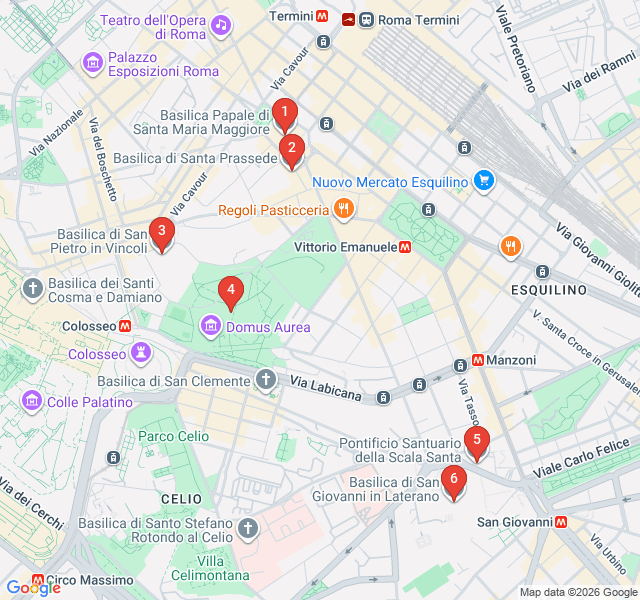
Numbers indicate the order of stops on the tour.
Begin your self-guided adventure at one of Rome's four papal basilicas. Santa Maria Maggiore is the largest church in Rome dedicated to the Virgin Mary and has stood here since the 5th century. According to legend, the Virgin appeared in a dream to Pope Liberius, telling him to build a church where snow fell the next morning—remarkably, it snowed right here in the middle of a Roman August. Look up to see the stunning 13th-century mosaics in the apse and the coffered ceiling, which is said to be gilded with the first gold brought back from the Americas. The church also houses a relic believed to be part of the Holy Crib of Bethlehem.
Just a short walk from the grand Santa Maria Maggiore lies this intimate, often overlooked gem. Santa Prassede is famous for its breathtaking 9th-century mosaics, which represent a rare peak of Byzantine art in Rome. As you enter the San Zenone Chapel, you’ll be surrounded by shimmering gold leaf and vibrant colors that have survived for over a millennium. The church is dedicated to Saint Praxedes, who, along with her sister Pudentiana, was known for hiding persecuted Christians. Don't miss the 'Column of the Scourging' in the side chapel, a relic brought from Jerusalem in 1223.
This basilica, whose name means 'Saint Peter in Chains,' was built to house the very shackles that held St. Peter during his imprisonment in Jerusalem and Rome. Legend says when the two sets of chains were brought together, they miraculously fused into one. However, the most famous resident here is Michelangelo’s Moses. Originally intended for the tomb of Pope Julius II, this colossal marble figure is renowned for its intense, lifelike detail—look for the 'horns' on his head, a common medieval mistranslation of 'rays of light.' It is said Michelangelo himself struck the statue's knee and shouted 'Why don't you speak?' because it looked so real.
As you transition between basilicas, enjoy a neighborhood stroll through the Parco del Colle Oppio. This park sits atop the Oppian Hill and covers the remains of Emperor Nero’s infamous 'Golden House' (Domus Aurea) and the subsequent Baths of Trajan. It offers one of the most iconic views in the city: a framed perspective of the Colosseum through the Mediterranean pines. It’s a perfect spot to pause and appreciate the sheer scale of ancient Rome before continuing toward the Lateran district. The ruins you see scattered throughout the greenery are remnants of the massive bath complexes that once served thousands of Roman citizens.
Located across from the Lateran Palace, the Scala Sancta is one of the most sacred sites in Christendom. These 28 white marble steps are believed to be the ones Jesus climbed in Pontius Pilate’s palace in Jerusalem. Brought to Rome by Saint Helena in the 4th century, they are now encased in wood to protect them. You will notice pilgrims climbing them exclusively on their knees as an act of penance. At the top of the stairs is the 'Sancta Sanctorum' (Holy of Holies), once the private chapel of the Popes, which houses a famous 'acheiropaieton'—an image of Christ said to have been 'not painted by human hands.'
Your walking route concludes at the Archbasilica of Saint John Lateran. While many think St. Peter's is the most important church, this is actually the Cathedral of Rome and the official seat of the Pope. Its facade proudly declares it the 'Mother and Head of all churches in the city and the world.' Inside, you’ll find massive statues of the twelve Apostles lining the nave, each carved by different masters of the late Baroque period. Take a moment to admire the ornate Gothic baldacchino over the high altar, which is said to contain the relic skulls of Saints Peter and Paul. The adjacent 13th-century cloister is also worth a visit for its intricate twisted columns.
Start Free on iPhone
Explore “The Path of the Three Basilicas” with your very own Private Tour Guide with Zigway. Start free on iPhone, skip the large group and the fixed routes, and hear the city come alive as you go.
Your Private Tour Guide
Don't miss the good stuff
Explore Freely
 Easy
EasyRome, Italy
Explore Rome’s industrial heart on this self-guided walk featuring massive murals, the 'Iron Colosseum,' and unique industrial archaeology.
 Easy
EasyRome, Italy
Explore Rome’s whimsical Fairytale District. A self-guided walk through Art Nouveau palaces, mythical fountains, and the magical Coppedè architecture.
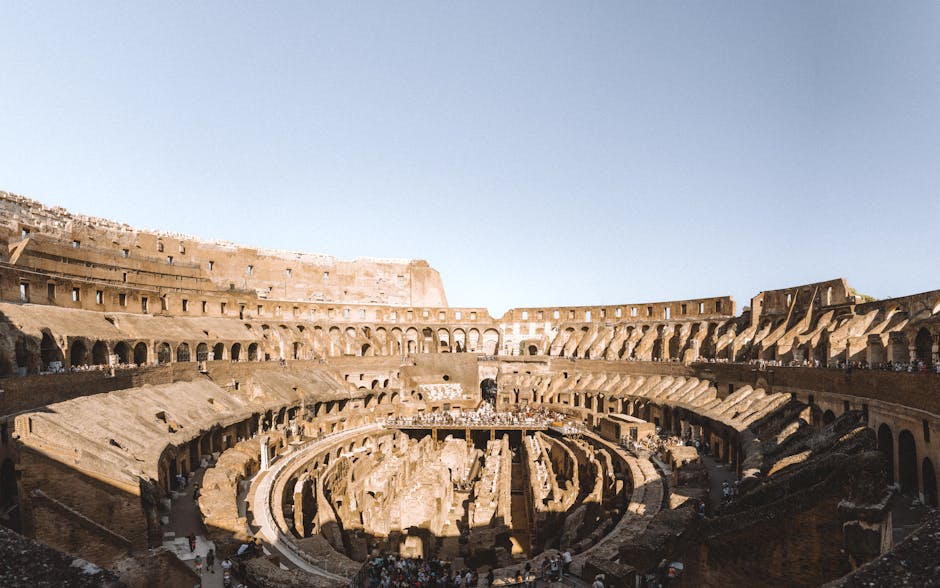 Moderate
Rome, Italy
Uncover Rome's hidden history on this self-guided walk through ancient gladiator pits, subterranean temples, and buried Roman houses.
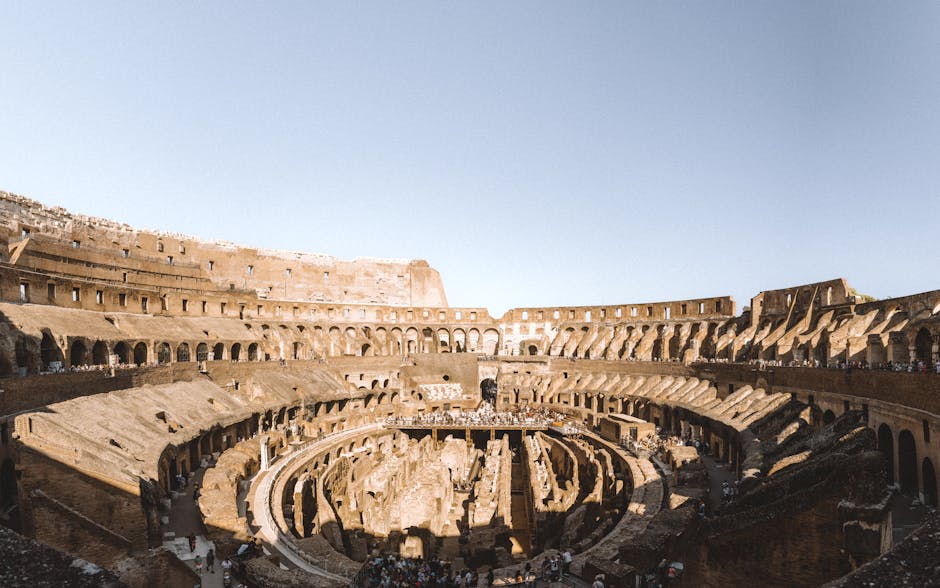 Challenging
Rome, Italy
Walk the 'Queen of Roads.' Explore ancient catacombs, imperial villas, and historic basalt stones on this scenic self-guided Roman adventure.
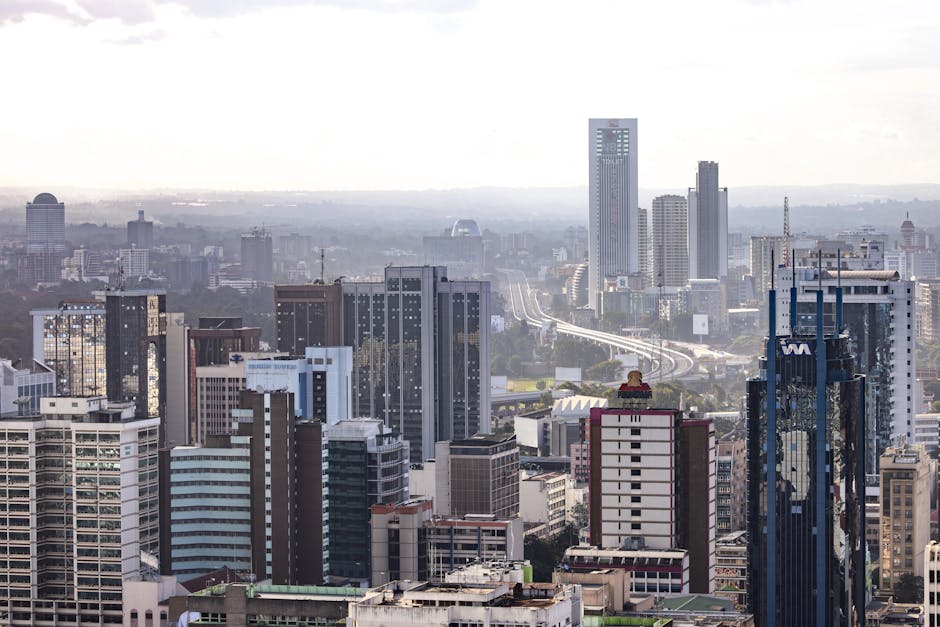 Easy
EasyNairobi, Kenya
Explore Nairobi's architectural evolution from colonial-era landmarks to iconic Brutalist skyscrapers on this historic self-guided walking route.
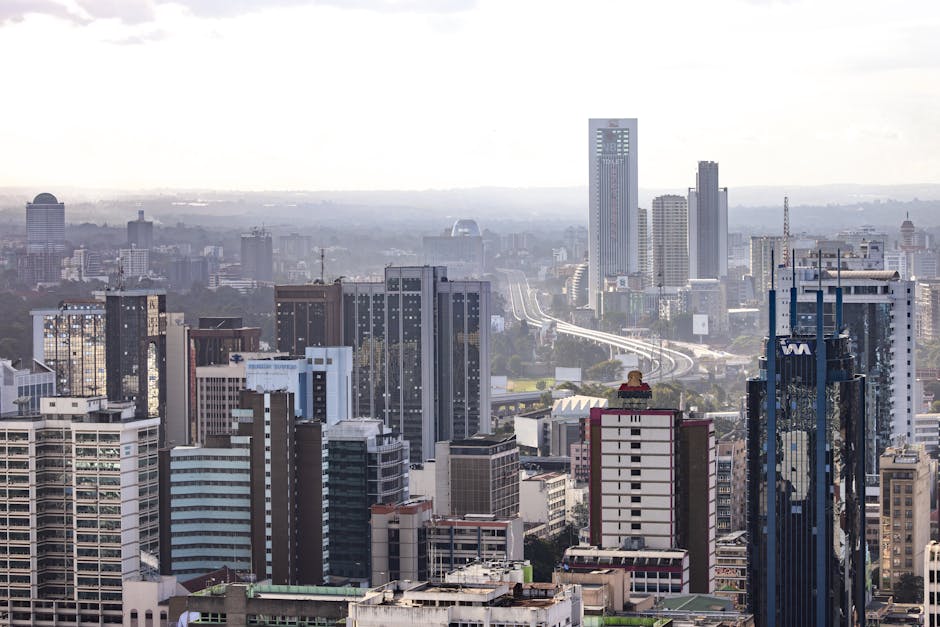 Easy
EasyNairobi, Kenya
Discover Nairobi's iconic skyline on this self-guided architecture walk through the CBD’s most famous modernist and Brutalist landmarks.
 Easy
EasySalzburg, Austria
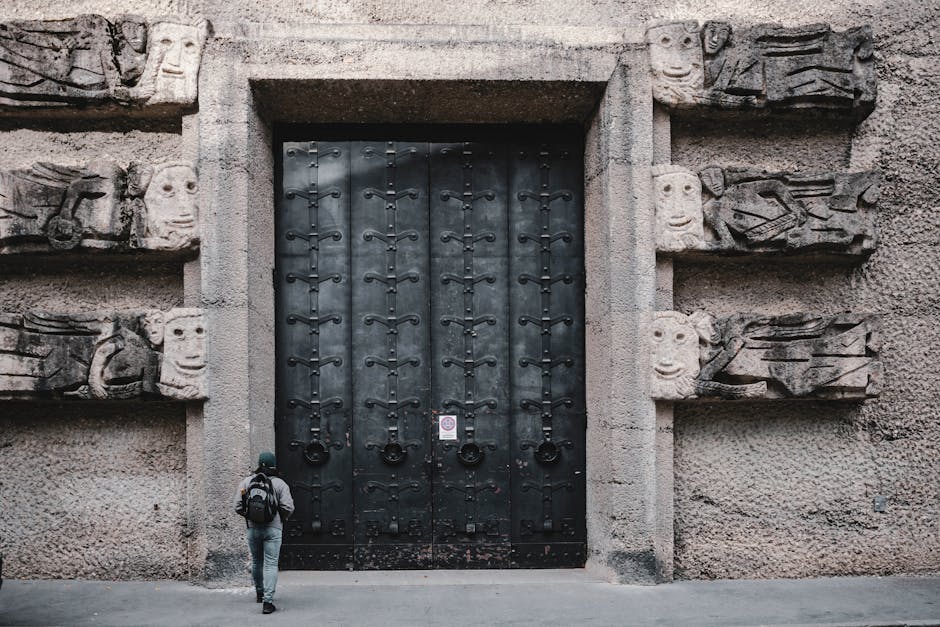
Discover the 'Rome of the North' on this self-guided walk through the Baroque squares and monumental legacy of Salzburg’s Prince-Archbishops.
 Moderate
Vienna, Austria
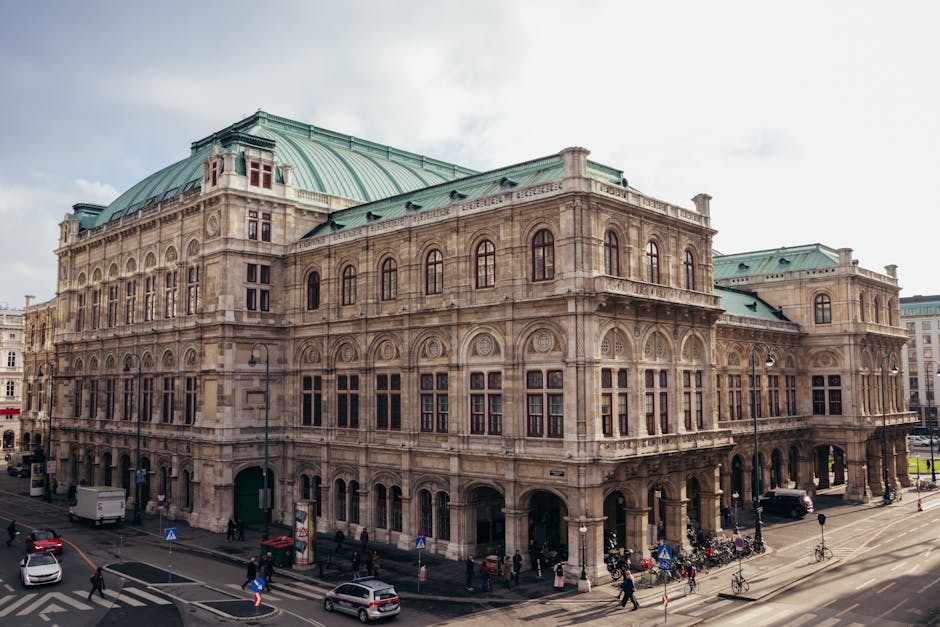
Follow the footsteps of Mozart and Strauss through Vienna’s historic center on this self-guided walk through the city's rich musical history.
 Easy
EasyFlorence, Italy
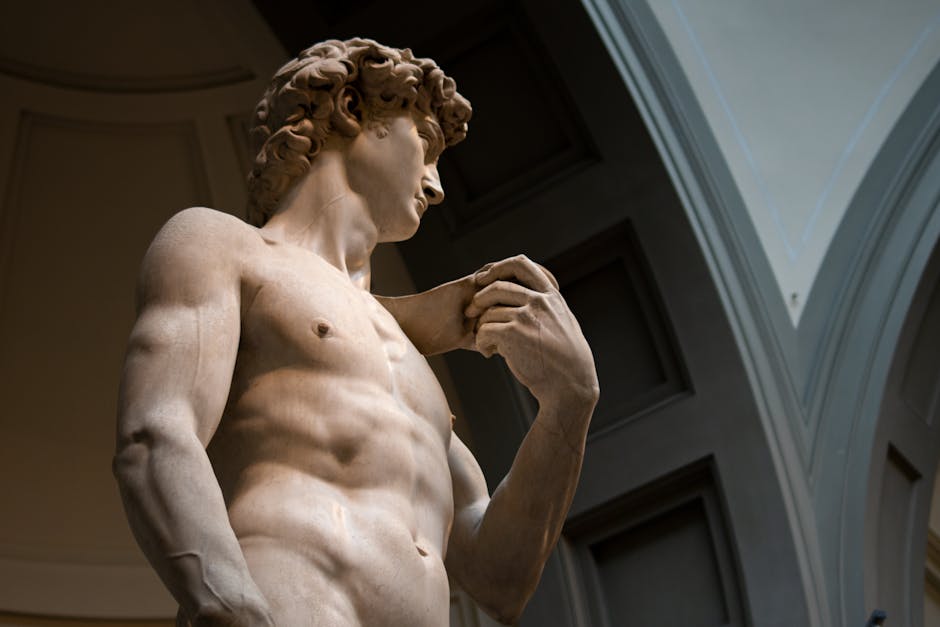
Discover the intersection of Renaissance architecture and modern luxury on this self-guided walk through Florence’s high-fashion districts.
 Easy
EasyFlorence, Italy
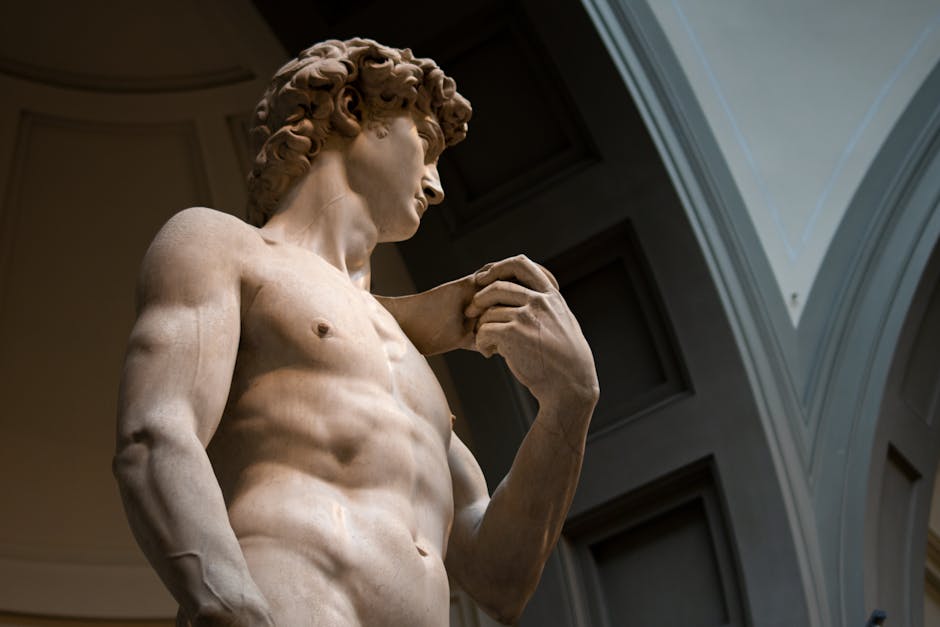
Explore the medieval streets of Florence through the eyes of Dante Alighieri on this self-guided literary and historical walking route.
 Easy
EasyFlorence, Italy
Experience the magic of Florence at sunset. Discover iconic bridges and breathtaking river views on this romantic self-guided audio walk.
 Easy
EasyFlorence, Italy
Discover the 'buchette del vino'—Florence's unique Renaissance wine windows—on this self-guided walk through the city's historic streets.