Self-guided audio tour in Florence
Start Free on iPhone
Start free on iPhone to unlock this self-guided walking tour in Florence. Hear all the stories that make it amazing, walk at your own pace, and begin whenever you want.
Your Private Tour Guide
Step away from the grand Renaissance palazzos and dive into the narrow, shadowed alleys of the 13th century with this self-guided walk through Dante’s Florence. Long before the Medici family rose to power, Florence was a city of stone towers, bitter family feuds, and a burgeoning literary scene that would change the world forever. This neighborhood stroll follows the footsteps of Dante Alighieri, the Supreme Poet, exploring the physical remains of the city he loved and was eventually exiled from. You will discover the medieval heart of the city, where the Guelphs and Ghibellines once clashed and where the Divine Comedy first began to take shape in the mind of its creator. On this walking route, you will encounter the ancient Torre della Castagna, where the city’s leaders once sought refuge, and the humble church where Dante is said to have first glimpsed his muse, Beatrice Portinari. The route winds through the historic district of the Duomo and the medieval center, highlighting landmarks like the Badia Fiorentina and the Bargello, which served as the seat of government during Dante’s lifetime. Each stop offers a window into the daily life of a medieval Florentine, from the politics of the Priors to the spiritual importance of the Baptistery of St. John, which Dante affectionately called his 'beautiful San Giovanni.' This independent exploration allows you to experience the atmosphere of the Middle Ages at your own pace. While Florence is often celebrated for its 15th-century art, this walk focuses on the grit and glory of the 1200s. It is a must-do for literature lovers and history enthusiasts looking for a deeper connection to the city's past. Whether you are a first-time visitor or a returning traveler, this journey through the 'City of Lilies' provides a unique perspective on the man who shaped the Italian language. While many people look for a guided tour Florence offers plenty of hidden history that is best discovered through a self-guided walk like this one, allowing for quiet reflection in the very spots where the poet once stood.
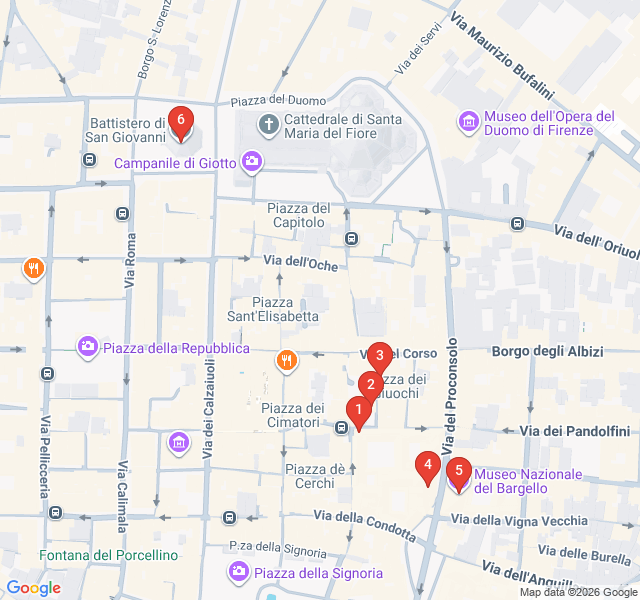
Numbers indicate the order of stops on the tour.
Start exploring with Zigway at the Torre della Castagna, one of the few remaining medieval towers in Florence that escaped the 'leveling' of the city. Built in the 11th century, this tower served as the meeting place for the Priors of the Arts—the city’s governing body—before the Palazzo Vecchio was constructed. Its name, the 'Tower of the Chestnut,' comes from the ancient practice of using chestnuts as voting ballots. Imagine the tension within these thick stone walls as the city's leaders debated the fate of Florence while rival factions fought in the streets below. This structure represents the rugged, defensive architecture of Dante’s era, where every noble family lived in a fortified tower to protect themselves during civil unrest.
A short walk brings you to the Museo Casa di Dante. While the building you see today is a 20th-century reconstruction built on the site of the Alighieri family homes, it captures the essence of the neighborhood where the poet was born in 1265. This area was the epicenter of Dante’s world, filled with the sights and smells of a bustling medieval city. Outside, you may notice a curious detail on the paving stones: a profile of Dante etched into the ground, often kept visible by locals pouring water over it. This stop serves as a monument to the man whose work bridged the gap between the Middle Ages and the Renaissance, creating the foundation for the modern Italian language.
Enter the quiet sanctuary of Santa Margherita dei Cerchi, often called the 'Church of Dante.' This small, unassuming space is steeped in romantic legend. It is believed to be the place where Dante first saw Beatrice Portinari, the woman who became his eternal muse and the guide through Paradise in his Divine Comedy. Inside, you will find the Portinari family tomb and a basket where visitors often leave handwritten letters to Beatrice, asking for help with their own heartaches. Whether or not their famous encounters happened exactly here, the church remains a powerful symbol of the courtly love that defined much of Dante's literary output and personal mythology.
Directly across from the Bargello stands the Badia Fiorentina, the oldest monastery in Florence. Its slender, hexagonal bell tower is a landmark that Dante himself mentioned in the Paradiso, noting how its bells marked the hours for the Florentine citizens. The Badia was the most important religious site in the medieval city, and it was here that Dante reportedly attended Mass and watched Beatrice from afar. If the doors are open, the interior offers a peaceful retreat from the city noise, featuring Filippino Lippi’s masterpiece, 'The Apparition of the Virgin to St. Bernard.' The connection between the monastery and the poet reminds us of the deep religious convictions that underpin his epic poetry.
The imposing Bargello fortress was once the seat of the Podestà, the highest judicial magistrate in Florence. It was within these walls that Dante’s political career met its tragic end; in 1302, he was officially condemned to exile on charges of corruption and opposition to the Pope. He never returned to his beloved city again. Today, the building houses an incredible collection of Renaissance sculpture, but for Dante fans, the highlight is the Chapel of the Podestà. Inside, a fresco by Giotto contains the oldest known portrait of Dante Alighieri, painted by a man who was likely his contemporary and friend. Looking at his profile here, you see the poet before he became a legend.
The final stop on this self-guided adventure is the Baptistery of St. John, the octagonal jewel of the Piazza del Duomo. For Dante, this was the most sacred spot in Florence. He was baptized here, as were almost all Florentines for centuries. In the Inferno, he refers to it as 'mio bel San Giovanni' (my beautiful Saint John). The glittering gold mosaics of the ceiling, depicting the Last Judgment with its terrifying devils and suffering sinners, directly influenced Dante’s vivid descriptions of the circles of Hell. Standing before the 'Gates of Paradise' (the famous bronze doors added later), reflect on how this single building represents the spiritual home that the exiled poet longed for until the end of his life.
Start Free on iPhone
Explore “Dante’s Medieval Florence” with your very own Private Tour Guide with Zigway. Start free on iPhone, skip the large group and the fixed routes, and hear the city come alive as you go.
Your Private Tour Guide
Don't miss the good stuff
Explore Freely
 Easy
EasyFlorence, Italy
Discover the intersection of Renaissance architecture and modern luxury on this self-guided walk through Florence’s high-fashion districts.
 Easy
EasyFlorence, Italy
Experience the magic of Florence at sunset. Discover iconic bridges and breathtaking river views on this romantic self-guided audio walk.
 Easy
EasyFlorence, Italy
Discover the 'buchette del vino'—Florence's unique Renaissance wine windows—on this self-guided walk through the city's historic streets.
 Easy
EasyFlorence, Italy
Explore the 'Other Side' of Florence. Discover traditional workshops, marbled paper, and stone mosaics on this self-guided Oltrarno neighborhood stroll.
 Easy
EasyNairobi, Kenya
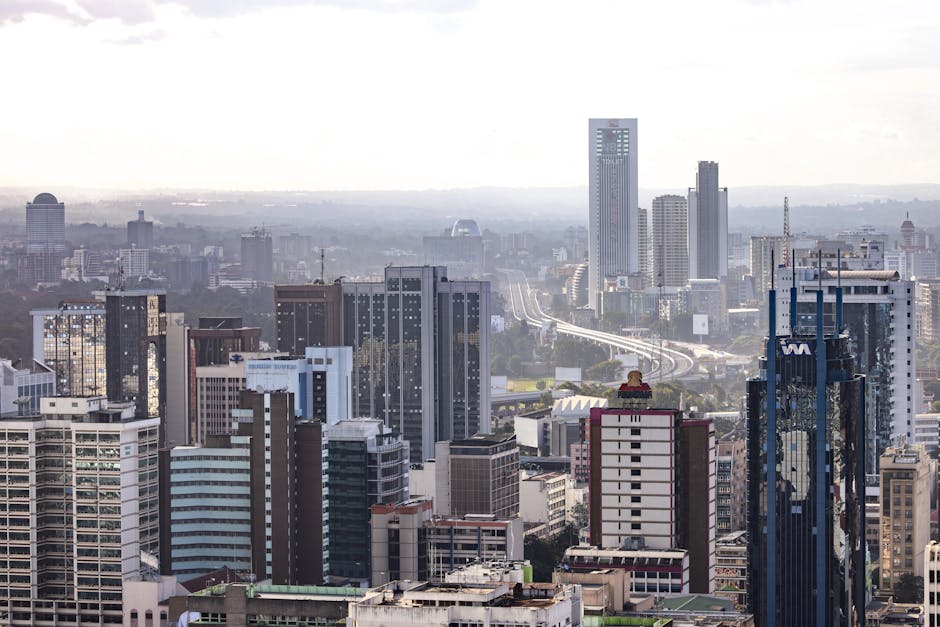
Explore Nairobi's architectural evolution from colonial-era landmarks to iconic Brutalist skyscrapers on this historic self-guided walking route.
 Easy
EasyNairobi, Kenya
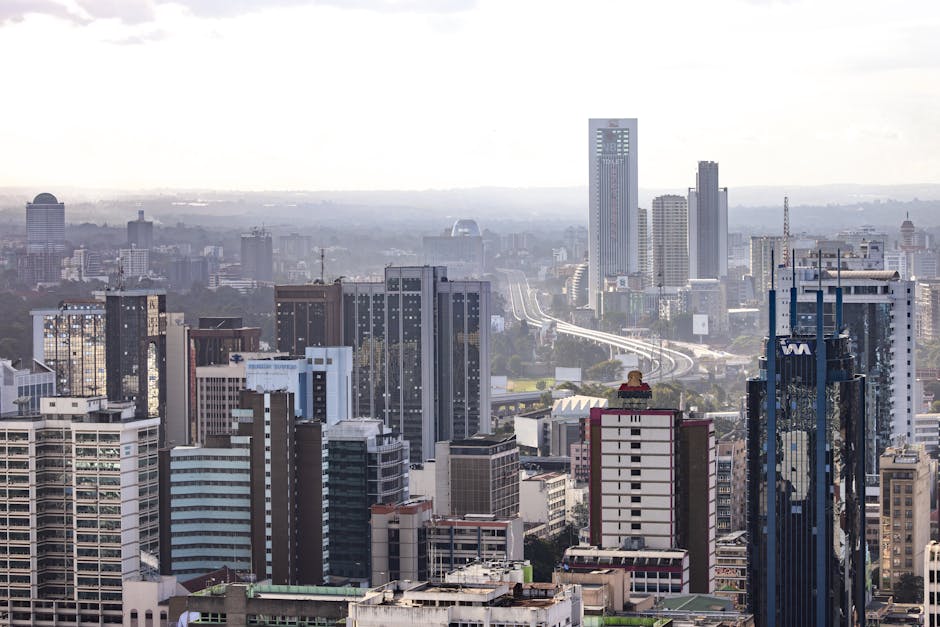
Discover Nairobi's iconic skyline on this self-guided architecture walk through the CBD’s most famous modernist and Brutalist landmarks.
 Easy
EasyKrakow, Poland
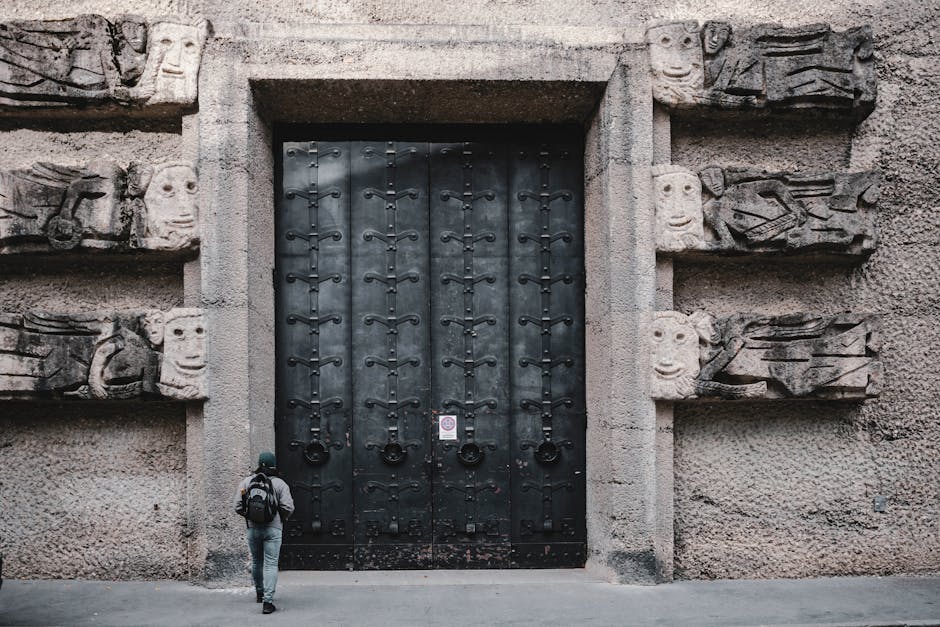
Explore the prestigious Jagiellonian University district, featuring Neo-Gothic architecture, Baroque churches, and Krakow's hidden scholarly gems.
 Easy
EasySalzburg, Austria
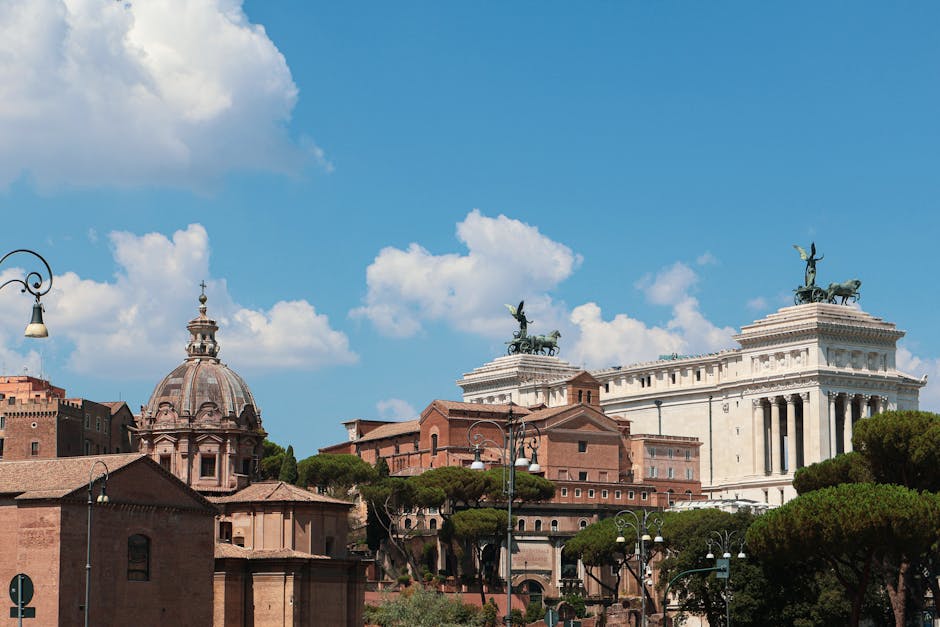
Discover the 'Rome of the North' on this self-guided walk through the Baroque squares and monumental legacy of Salzburg’s Prince-Archbishops.
 Easy
EasyRome, Italy
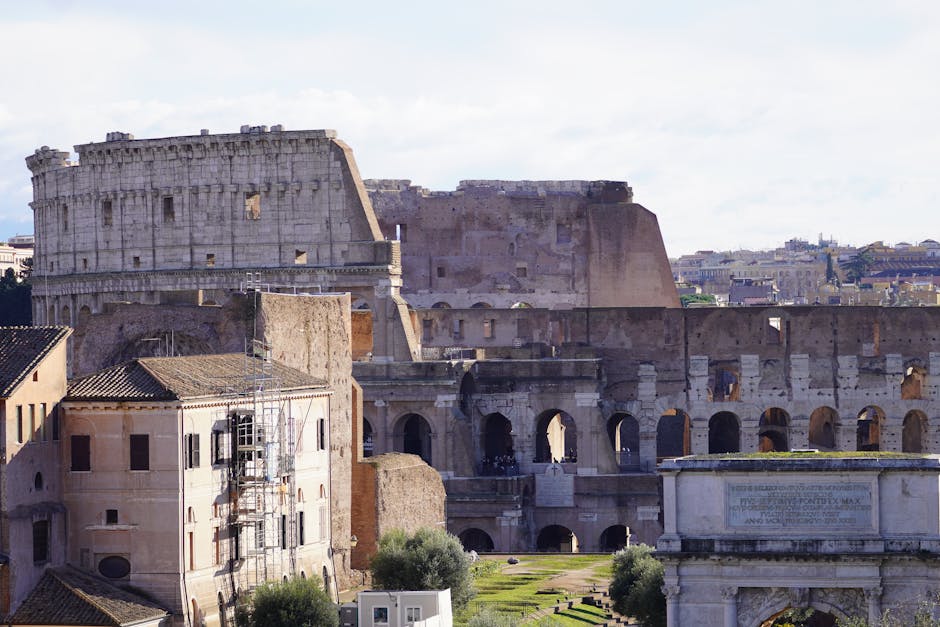
Explore Rome’s industrial heart on this self-guided walk featuring massive murals, the 'Iron Colosseum,' and unique industrial archaeology.
 Easy
EasyRome, Italy
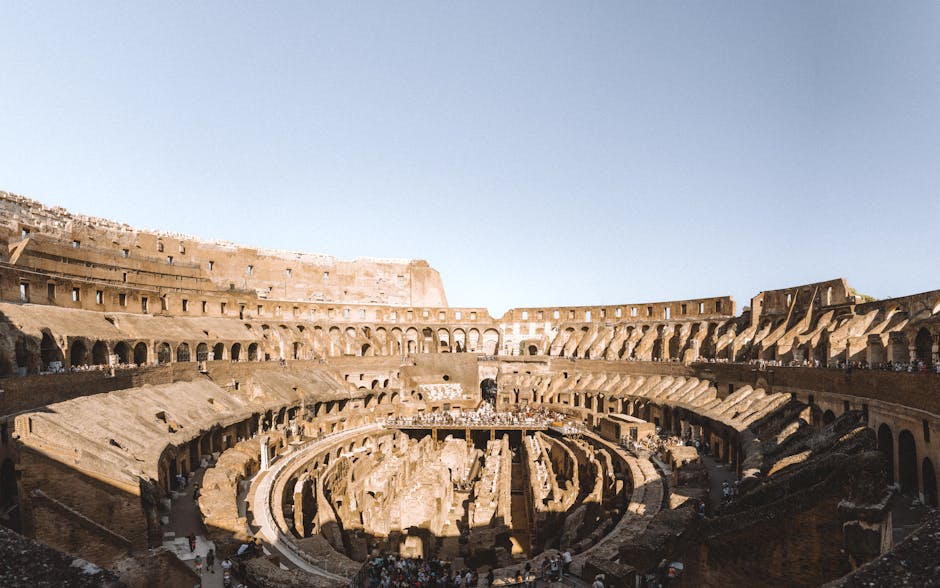
Explore Rome’s whimsical Fairytale District. A self-guided walk through Art Nouveau palaces, mythical fountains, and the magical Coppedè architecture.
 Moderate
Rome, Italy
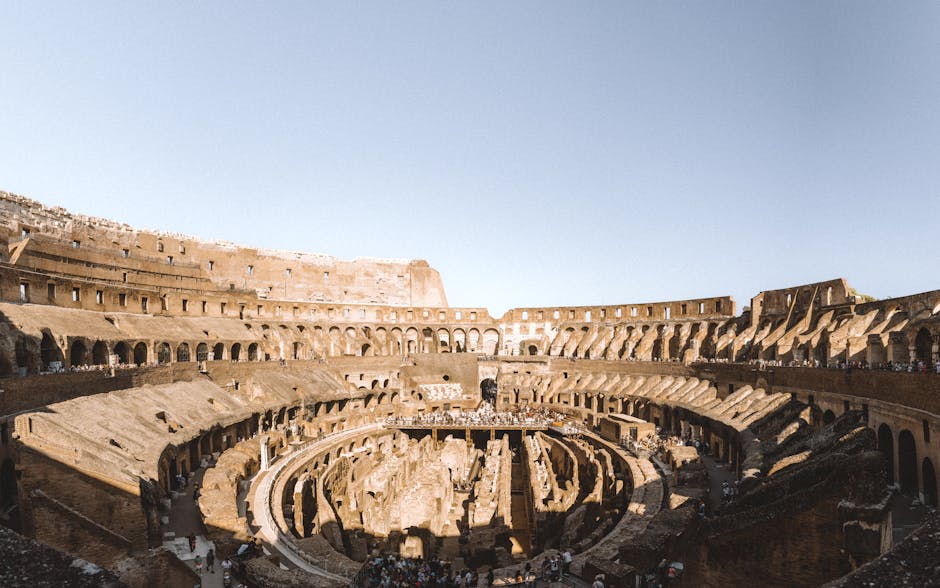
Uncover Rome's hidden history on this self-guided walk through ancient gladiator pits, subterranean temples, and buried Roman houses.
 Challenging
Rome, Italy
Walk the 'Queen of Roads.' Explore ancient catacombs, imperial villas, and historic basalt stones on this scenic self-guided Roman adventure.