Self-guided audio tour in Florence
Start Free on iPhone
Start free on iPhone to unlock this self-guided walking tour in Florence. Hear all the stories that make it amazing, walk at your own pace, and begin whenever you want.
Your Private Tour Guide
Florence is world-renowned for its towering cathedrals and Renaissance masterpieces, but some of its most charming secrets are hidden at waist height. This self-guided walk invites you to discover the 'buchette del vino'—the unique wine windows of Florence. These tiny, arched openings are found nowhere else in the world, serving as a fascinating portal into the city's social and economic history. Originally created by noble families to sell surplus wine from their country estates directly to the public, these windows bypassed taxes and middlemen, becoming a staple of local life for centuries. As you navigate the medieval heart of the city, you will see how these architectural quirks tell a story of resilience. During the plague of the 1630s, these windows allowed for a form of 'socially distanced' commerce, where wine was passed through the stone and coins were collected in vinegar-filled bowls for disinfection. This walking route Florence offers leads you from the bustling streets near Santa Croce through the refined district of San Lorenzo and across to the vibrant Oltrarno neighborhood. You will encounter grand palazzi belonging to wine dynasties like the Antinori, discover windows hidden behind ornate inscriptions at the Palazzo dei Cartelloni, and visit the very spots where this tradition has been modernly revived. Whether you are interested in the quirky side of history or looking for the most Instagram-worthy corners of the city, this neighborhood stroll provides a unique perspective on the Florentine lifestyle. Exploring independently allows you to stop and admire the intricate stonework or even pause for a glass of Chianti at a window that has returned to active service. It is an easy, atmospheric walk that combines architectural discovery with the city's enduring love for the vine.
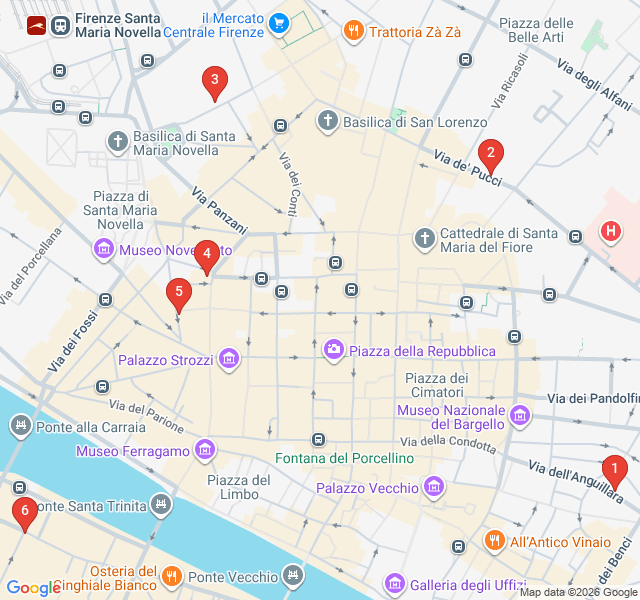
Numbers indicate the order of stops on the tour.
Begin your self-guided adventure at one of the most well-preserved wine windows in the Santa Croce district. These 'buchette del vino' were an ingenious solution for wealthy families to sell wine from their country estates directly to the public. Notice the dimensions—the arches are typically just large enough to fit a 'fiasco,' the traditional straw-bottomed Tuscan wine flask. During the 1630s plague, these windows became essential for safety; merchants would pass wine through the hole to avoid contact, and customers would drop their coins into a bowl of vinegar to disinfect them. It is a striking example of how historic architecture adapted to public health needs long before the modern era.
As you move toward the heart of the city, you will find a window integrated into the grand Palazzo Pucci. This location is significant because it shows how the windows were a standard feature of noble residences. Historically, a customer would knock on the small wooden shutter, and the 'cellaio' (the household's cellarman) would appear to fill their bottle. Today, this window is part of an active restaurant, illustrating how Florentines have preserved these quirks of history. Take a moment to look at the surrounding stonework; the windows were often designed to mirror the style of the main palace doors, maintaining the aesthetic harmony of the building's facade.
This stop offers a unique blend of science and tradition. The Palazzo dei Cartelloni was the home of Vincenzo Viviani, a mathematician and devoted pupil of Galileo Galilei. He decorated the facade with large stone 'posters' or inscriptions praising Galileo's discoveries. Tucked away among these tributes to the stars and physics is a humble wine window. It serves as a reminder that even in a house dedicated to intellectual revolution, the practical business of selling wine was a constant. It is one of the more unusual settings for a wine window, showcasing how deeply integrated this practice was across all levels of Florentine society.
You are now standing before the palace of one of the world's oldest and most famous wine dynasties. The Antinori family has been producing wine since 1385. While they now manage a global empire, this small window on the side of their Renaissance palace marks their origins in local trade. It represents the transition of wine from a common household surplus to a luxury export. The palace itself is a masterpiece of 15th-century architecture, designed by Giuliano da Maiano. Even for a family of such immense wealth and status, the direct sale of wine through a tiny hole in the wall was a respected and necessary part of their heritage.
Located on the poetically named 'Street of the Beautiful Women,' this window is often cited as one of the most beautiful in Florence. It is frequently decorated with seasonal flowers by the locals, making it a favorite for photography. Look closely for a marble plaque near the opening; these inscriptions often detailed the specific hours of operation or guaranteed that the wine sold was produced exclusively on the owner's estate. This area was historically known for its high concentration of noble residences, and the presence of such an ornate window suggests that selling wine was not just a business, but a point of pride for the families living here.
The final stop on our walking route is BABAE, a contemporary venue that made global headlines in 2019. They were the first to officially re-activate their historic wine window for modern service. While many windows across the city have been filled in or turned into mailboxes, this one returned to its original purpose. If you arrive during their service hours, you can ring the bell and experience the tradition yourself, receiving a glass of wine through the stone arch. It is a perfect bridge between the medieval past and the modern Florentine nightlife, proving that some traditions are timeless. This spot in the Oltrarno neighborhood is the ideal place to conclude your exploration with a drink in hand.
Start Free on iPhone
Explore “The Hidden Wine Windows Walk” with your very own Private Tour Guide with Zigway. Start free on iPhone, skip the large group and the fixed routes, and hear the city come alive as you go.
Your Private Tour Guide
Don't miss the good stuff
Explore Freely
 Easy
EasyFlorence, Italy
Discover the intersection of Renaissance architecture and modern luxury on this self-guided walk through Florence’s high-fashion districts.
 Easy
EasyFlorence, Italy
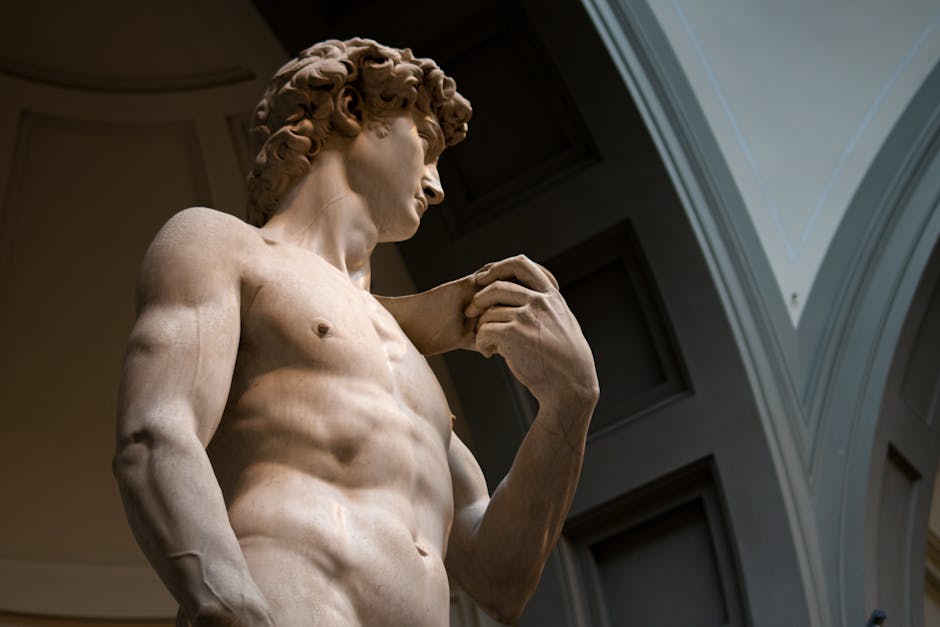
Explore the medieval streets of Florence through the eyes of Dante Alighieri on this self-guided literary and historical walking route.
 Easy
EasyFlorence, Italy
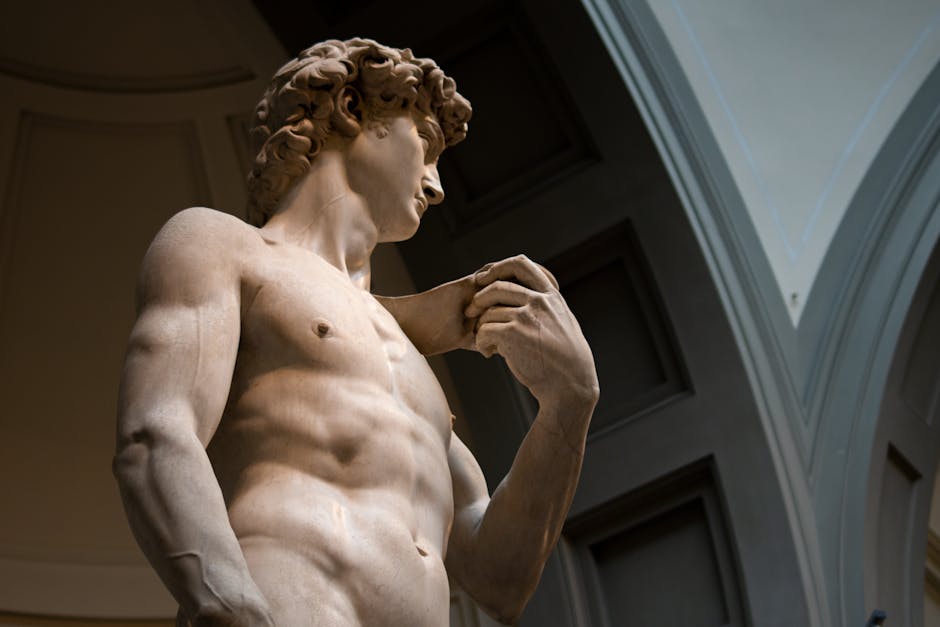
Experience the magic of Florence at sunset. Discover iconic bridges and breathtaking river views on this romantic self-guided audio walk.
 Easy
EasyFlorence, Italy
Explore the 'Other Side' of Florence. Discover traditional workshops, marbled paper, and stone mosaics on this self-guided Oltrarno neighborhood stroll.
 Easy
EasyVienna, Austria
Explore Vienna’s vibrant open-air gallery along the Danube Canal on this self-guided street art and nightlife stroll through Leopoldstadt.
 Easy
EasyKrakow, Poland
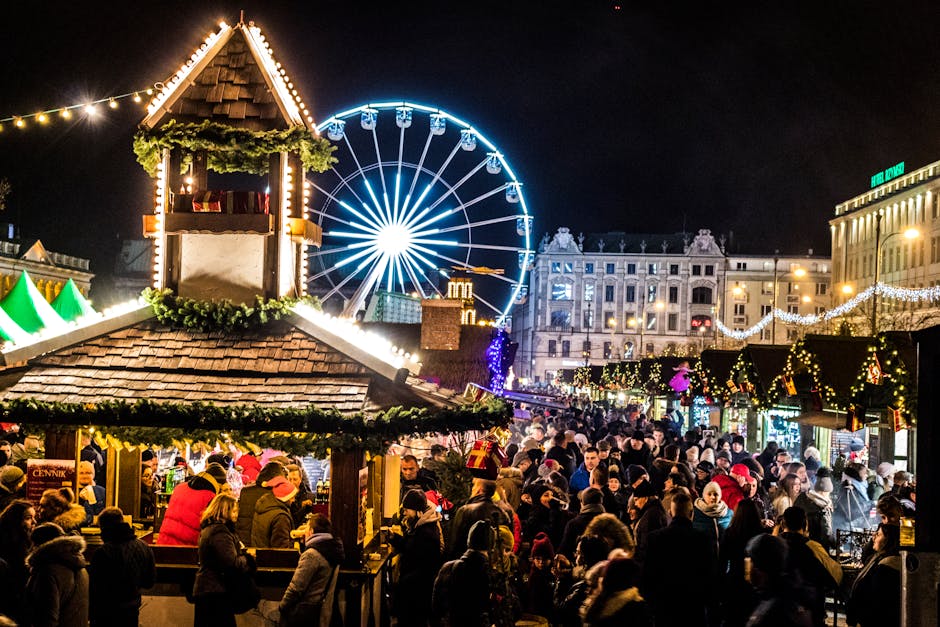
Explore Krakow's hidden nightlife with this self-guided walk through medieval cellars, jazz clubs, and bohemian bars in the Old Town and Kazimierz.
 Easy
EasyGdansk, Poland
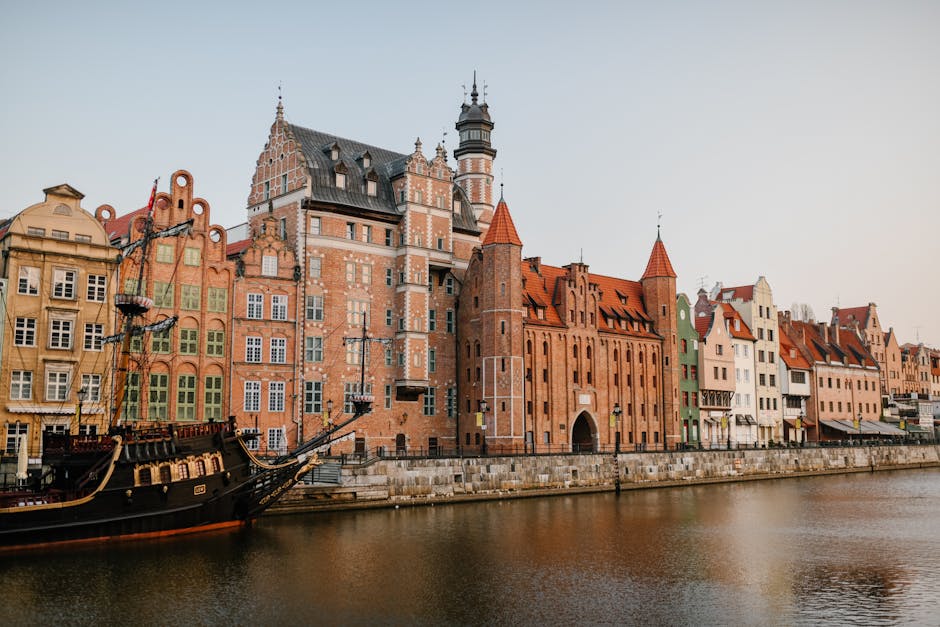
Discover the neon-lit rebirth of Gdansk's shipyards on this self-guided walk through industrial food halls, container bars, and legendary clubs.
 Easy
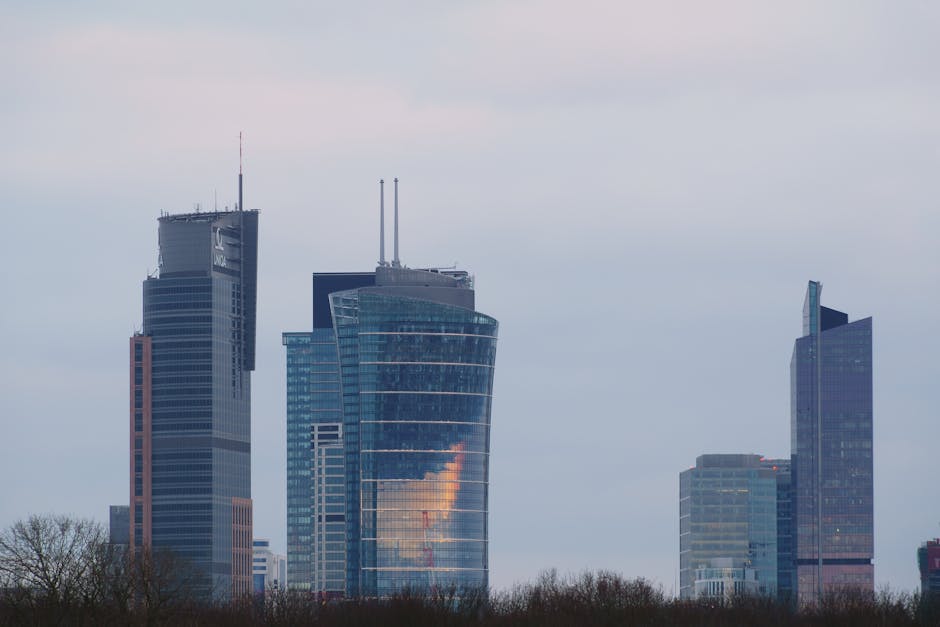
EasyWarsaw, Poland
Discover the hidden courtyards and grand pre-war architecture of Warsaw's most atmospheric neighborhood on this self-guided stroll.
 Easy
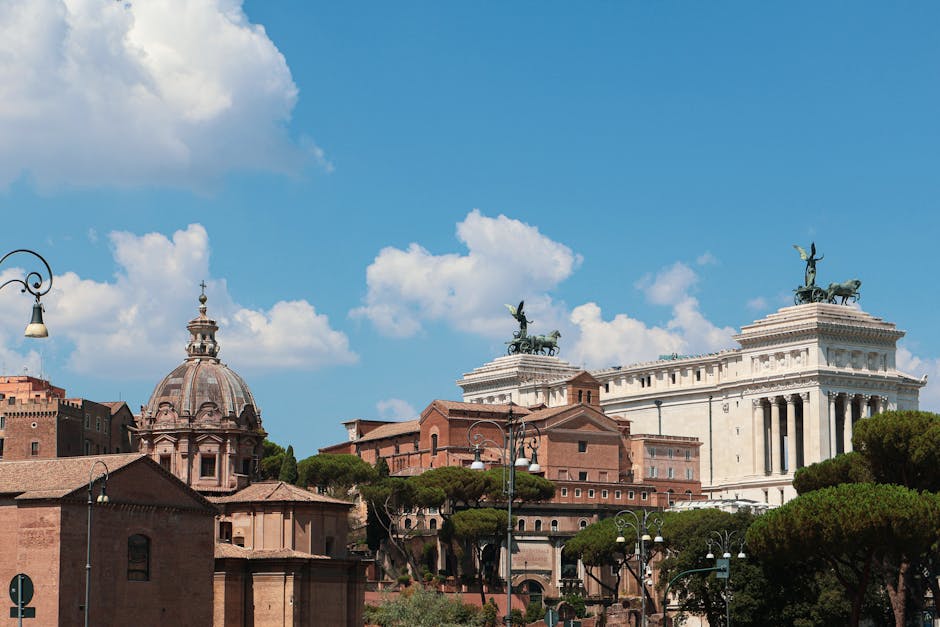
EasyRome, Italy
Explore Rome’s industrial heart on this self-guided walk featuring massive murals, the 'Iron Colosseum,' and unique industrial archaeology.
 Easy
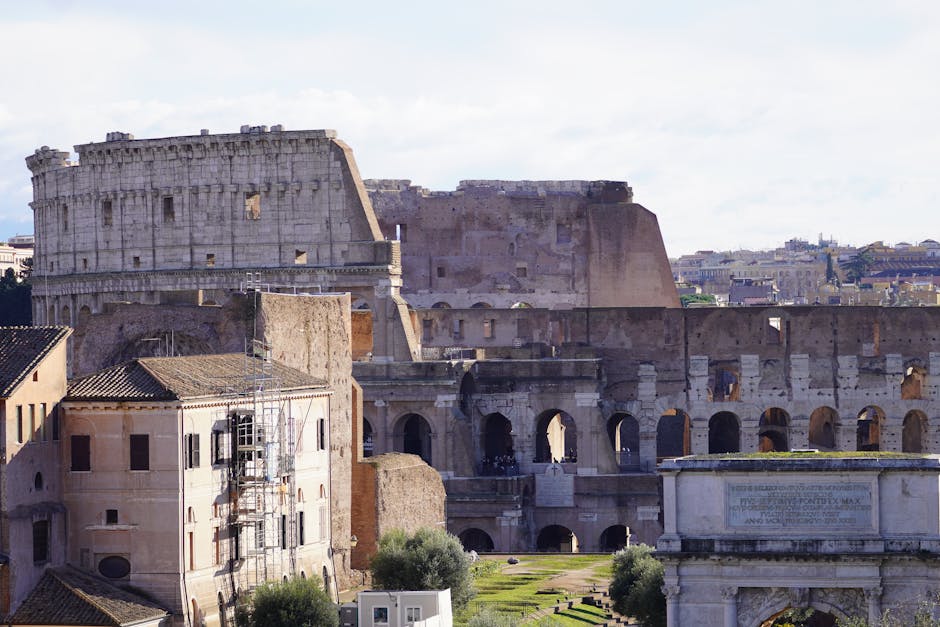
EasyRome, Italy
Explore Rome’s whimsical Fairytale District. A self-guided walk through Art Nouveau palaces, mythical fountains, and the magical Coppedè architecture.
 Moderate
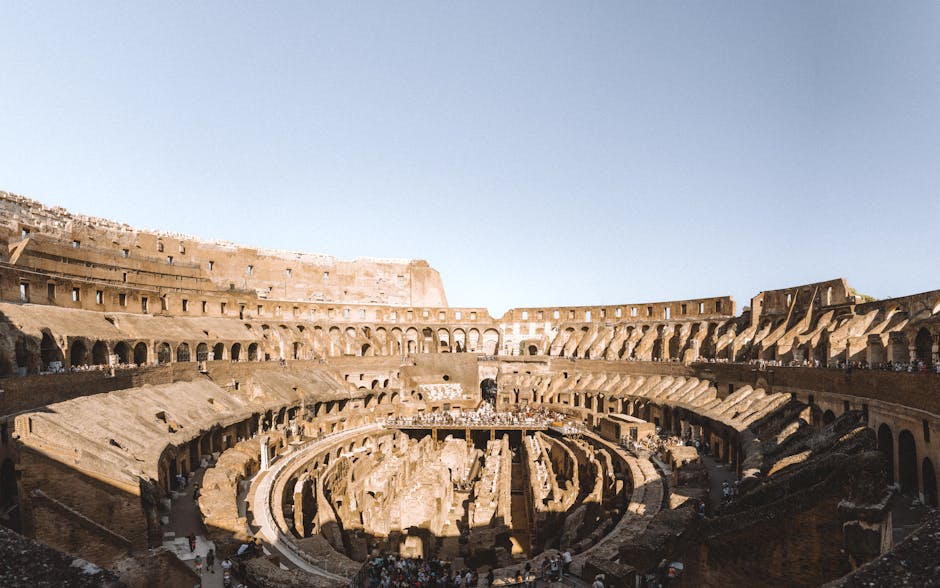
Rome, Italy
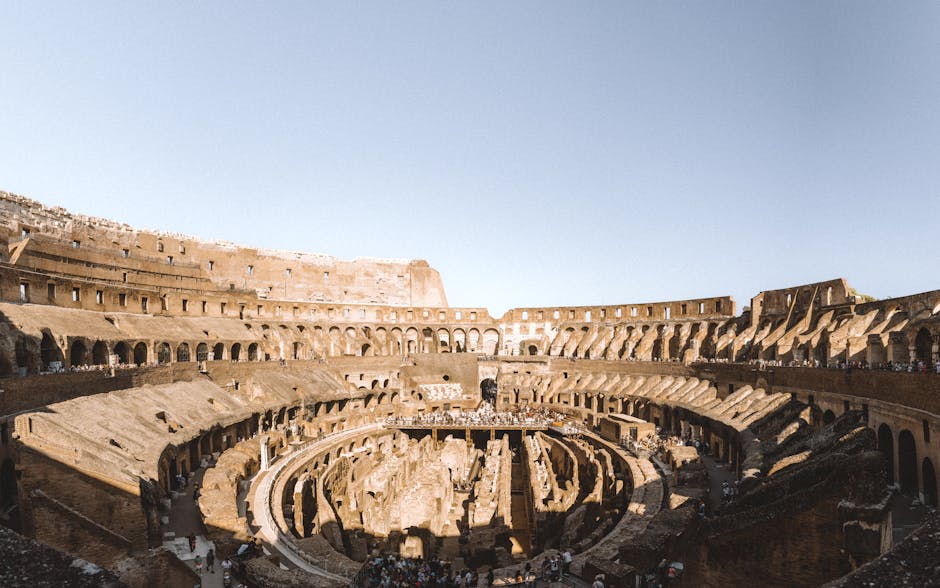
Uncover Rome's hidden history on this self-guided walk through ancient gladiator pits, subterranean temples, and buried Roman houses.
 Challenging
Rome, Italy
Walk the 'Queen of Roads.' Explore ancient catacombs, imperial villas, and historic basalt stones on this scenic self-guided Roman adventure.