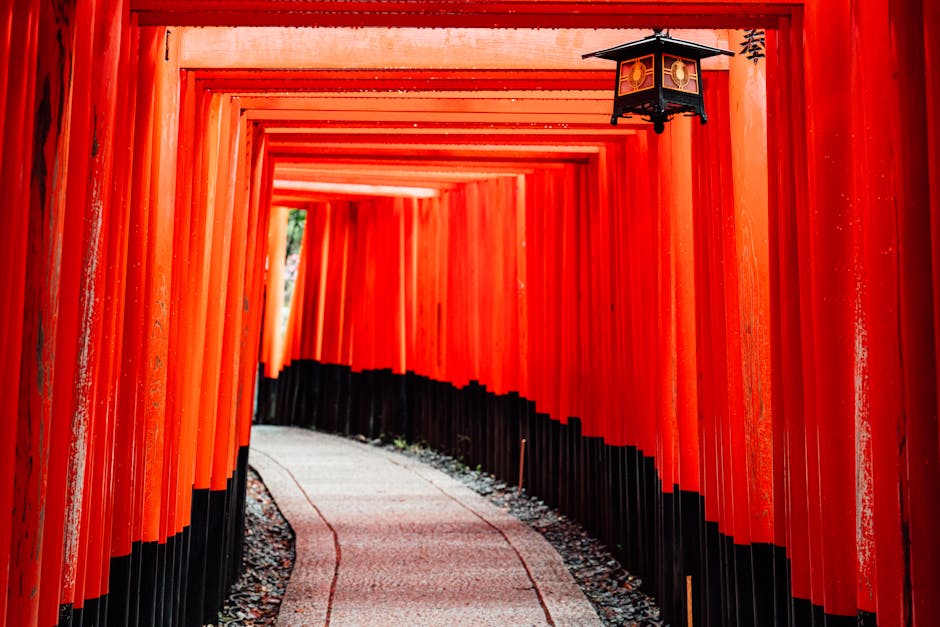
Self-guided audio tour in Kyoto
Start Free on iPhone
Start free on iPhone to unlock this self-guided walking tour in Kyoto. Hear all the stories that make it amazing, walk at your own pace, and begin whenever you want.
Your Private Tour Guide
Escape the bustling tourist hubs and step into the quiet elegance of Kamigyo, a district where Kyoto’s deep-rooted history feels remarkably alive. This self-guided walk leads you through Kamishichiken, the city’s oldest geisha district (hanamachi), and into the spiritual heart of Kitano Tenmangu, one of Japan’s most significant Shinto shrines. Unlike the more famous Gion, Kamishichiken offers a peaceful, authentic atmosphere where the sound of wooden sandals (geta) still echoes against preserved wooden machiya houses. This neighborhood stroll is perfect for those who want to uncover hidden gems while learning about the intersection of scholarly devotion and refined entertainment. Your walking route begins at the tranquil Toko-ji Temple before weaving through the narrow, lantern-lined streets of the oldest geisha quarter. You will discover the Kamishichiken Kaburenjo Theater, the epicenter of the district’s performing arts, where geiko and maiko have practiced their craft for centuries. The journey then transitions to the grand scale of Kitano Tenmangu Shrine. Dedicated to the deity of learning, this site is a masterpiece of Momoyama-period architecture and is famous for its thousand plum trees and bronze bull statues. To conclude this exploration of the Kamigyo area, the route takes you to Senbon Shaka-do, a temple that survived the devastating Onin War. Here, you can admire what is widely considered the oldest wooden main hall in Kyoto and learn the touching legend of Okame, the loyal wife of the master carpenter. This walking tour Kyoto experience provides a rare opportunity to see a side of the city that remains largely untouched by modern commercialism. By following this audio walk, you can explore independently and at your own pace, soaking in the architectural details and spiritual history that define this unique corner of Japan.
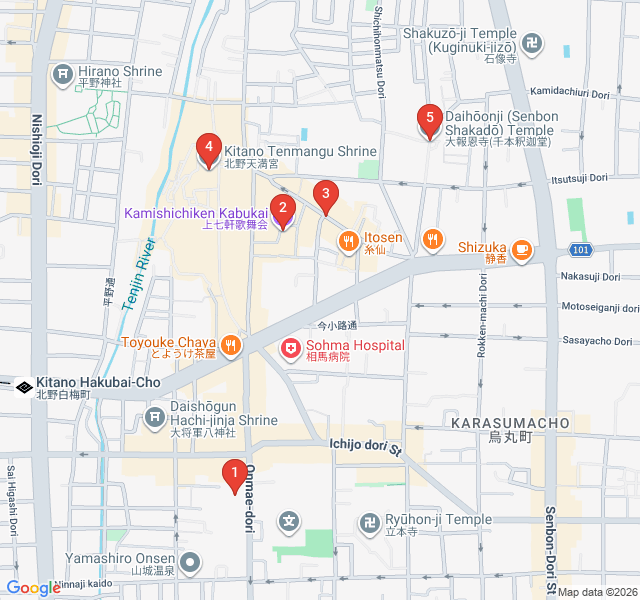
Numbers indicate the order of stops on the tour.
Start your self-guided walk at Toko-ji Temple, a serene and often overlooked sanctuary in the Kamigyo ward. This temple provides a perfect introduction to the neighborhood's quiet spiritual life. As you explore the grounds, notice the refined simplicity of the architecture, which stands in stark contrast to the larger, more crowded temples of central Kyoto. Toko-ji is deeply integrated into the local community, serving as a peaceful anchor for the residents of the surrounding narrow streets. Take a moment to appreciate the stillness here before we transition into the more vibrant, yet equally historic, world of the nearby geisha district. The temple’s presence reminds us that in Kyoto, the sacred and the everyday live side-by-side in perfect harmony.
You are now standing before the Kamishichiken Kaburenjo Theater, the cultural heart of the oldest of Kyoto's five geisha districts. Established in the Muromachi period, Kamishichiken takes its name from the seven tea houses built from leftover timber during the renovation of Kitano Tenmangu Shrine. This theater is the training ground and performance space for the district’s geiko and maiko. While Gion is more famous, Kamishichiken is prized by locals for its exclusivity and traditional atmosphere. Every spring, the theater hosts the Kitano Odori, a spectacular dance performance. Even when no show is on, the building's classic design and the quiet prestige of the surrounding area offer a glimpse into the highly disciplined world of Japanese traditional arts.
As you stroll down Kamishichiken Street, you are walking through centuries of history. This is the main artery of the hanamachi, lined with 'ochaya' or tea houses and 'okiya' where geiko live. Look for the distinctive 'dango' (sweet dumpling) lanterns hanging from the eaves; the symbol of Kamishichiken features two connected circles representing these treats. This district was officially recognized in the 16th century by Toyotomi Hideyoshi, who was reportedly impressed by the tea served here during a grand tea ceremony. Unlike other parts of Kyoto that have been modernized, this street retains its low-slung wooden buildings and stone-paved charm. If you are lucky, you might spot a maiko moving gracefully between appointments, though remember to always respect their privacy as they work.
Step into the grand grounds of Kitano Tenmangu, one of the most important Shinto shrines in Japan. Built in 947, it was dedicated to Sugawara no Michizane, a scholar and politician who was posthumously deified as Tenjin, the god of learning. Students from all over the country come here to pray for success in exams. As you explore, you will see numerous bronze statues of bulls; tradition says that rubbing the bull’s head will grant you wisdom. The shrine is also famous for its connection to plum blossoms, Michizane's favorite flower. There are over 1,500 plum trees here, which burst into color in late winter. The current main hall, dating to 1607, is a stunning example of Momoyama architecture, characterized by its intricate carvings and gold leaf details.
Your walking route concludes at Senbon Shaka-do, formally known as Daiho-onji. This temple is a true survivor; its main hall is the oldest wooden structure in Kyoto, having escaped the fires of the 15th-century Onin War that destroyed much of the city. Beyond its age, the temple is famous for the story of Okame. Her husband was the master carpenter in charge of building the hall. When he made a critical measurement error, Okame suggested a brilliant solution that saved the project. To ensure her husband received all the credit and to protect his honor, she tragically took her own life. Today, she is honored as a symbol of loyalty and good fortune, and you will see a large statue of her smiling face on the grounds, a poignant end to our journey through Kamigyo history.
Start Free on iPhone
Explore “Kitano Tenmangu & The Oldest Geisha Quarter” with your very own Private Tour Guide with Zigway. Start free on iPhone, skip the large group and the fixed routes, and hear the city come alive as you go.
Your Private Tour Guide
Don't miss the good stuff
Explore Freely
 Moderate
Kyoto, Japan
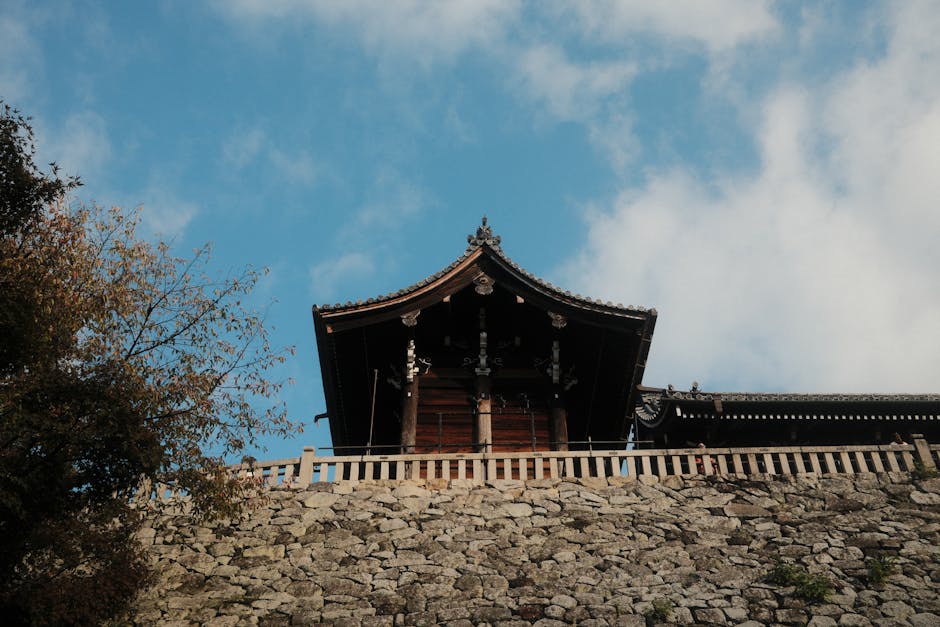
Discover the soul of old Kyoto on this self-guided walk through preserved stone lanes, iconic pagodas, and the grand wooden stage of Kiyomizu-dera.
 Challenging
Kyoto, Japan
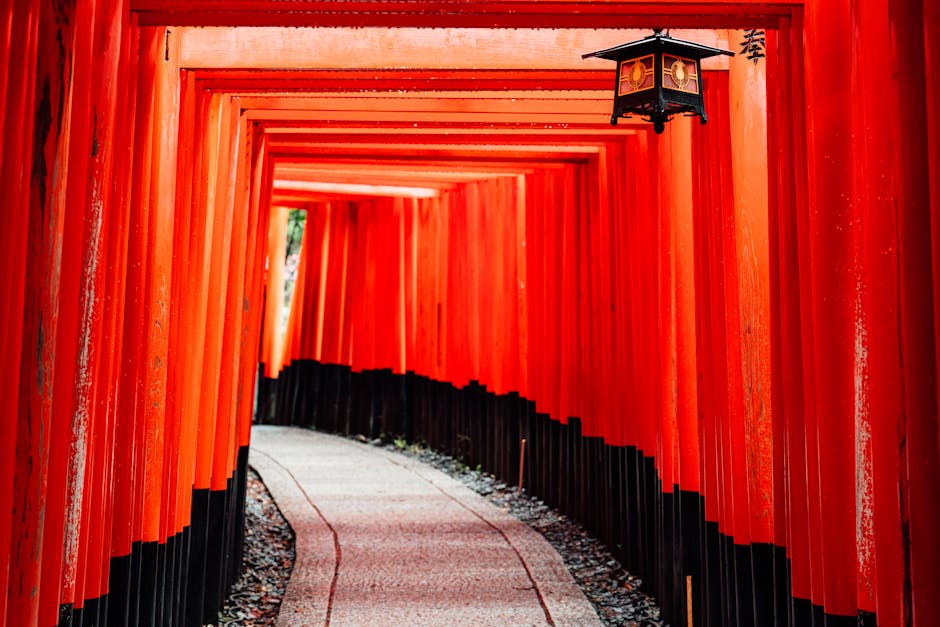
Ascend the sacred Mount Inari through thousands of vermillion torii gates on this challenging and spiritual self-guided walk in Kyoto.
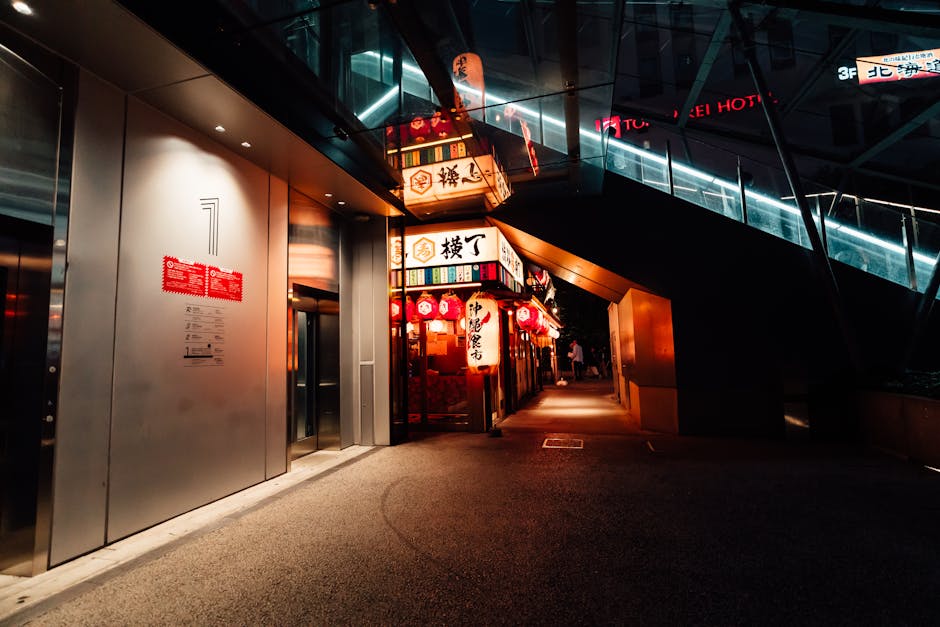 Easy
EasyKyoto, Japan
Explore Kyoto's most atmospheric alleyway. Discover geiko history, riverside dining, and hidden nightlife on this self-guided evening stroll.
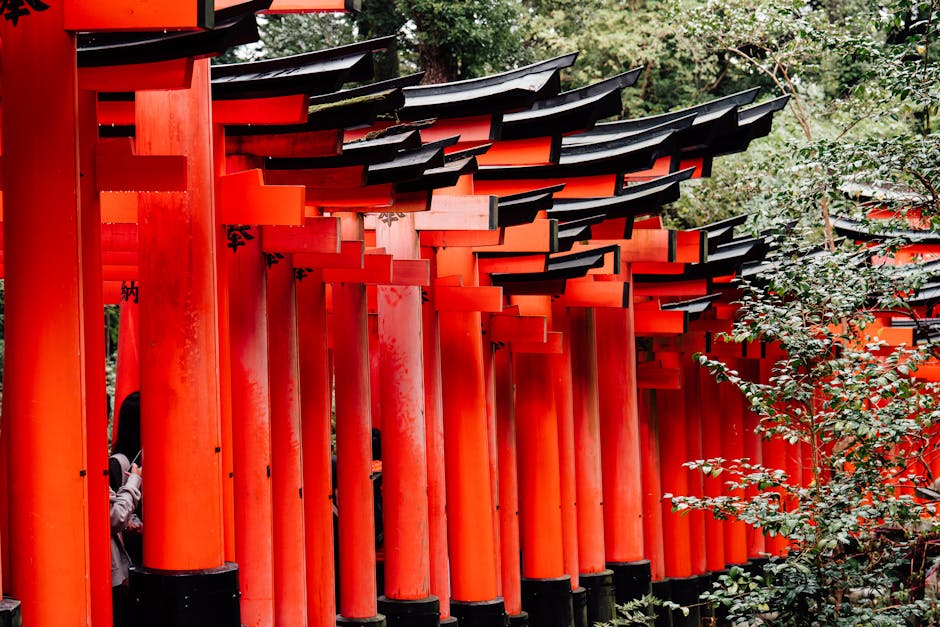 Moderate
Kyoto, Japan
Experience a serene self-guided walk along Kyoto's iconic Philosopher's Path, visiting Zen temples, hidden shrines, and the stunning Silver Pavilion.
 Easy
EasyKrakow, Poland
Explore the prestigious Jagiellonian University district, featuring Neo-Gothic architecture, Baroque churches, and Krakow's hidden scholarly gems.
 Easy
EasyWarsaw, Poland
Discover the hidden courtyards and grand pre-war architecture of Warsaw's most atmospheric neighborhood on this self-guided stroll.
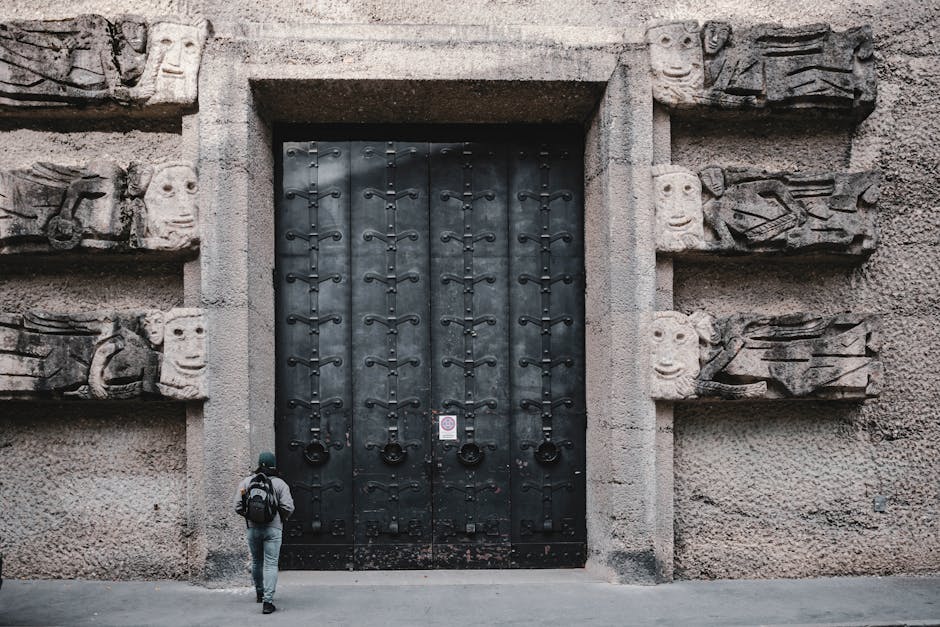 Easy
EasySalzburg, Austria
Discover Salzburg's oldest medieval alley, the birthplace of the 'Silent Night' author, and breathtaking views on this quiet self-guided walk.
 Easy
EasyNairobi, Kenya
Discover Nairobi's iconic skyline on this self-guided architecture walk through the CBD’s most famous modernist and Brutalist landmarks.
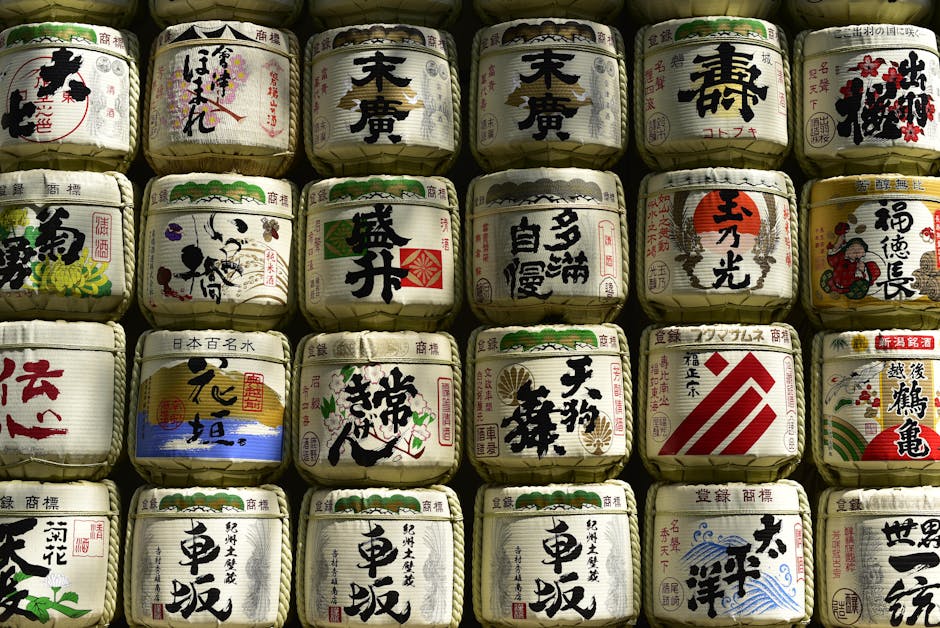 Moderate
Tokyo, Japan
Discover Tokyo's premier creative district on this self-guided walk through Roppongi’s world-class museums and striking modern architecture.
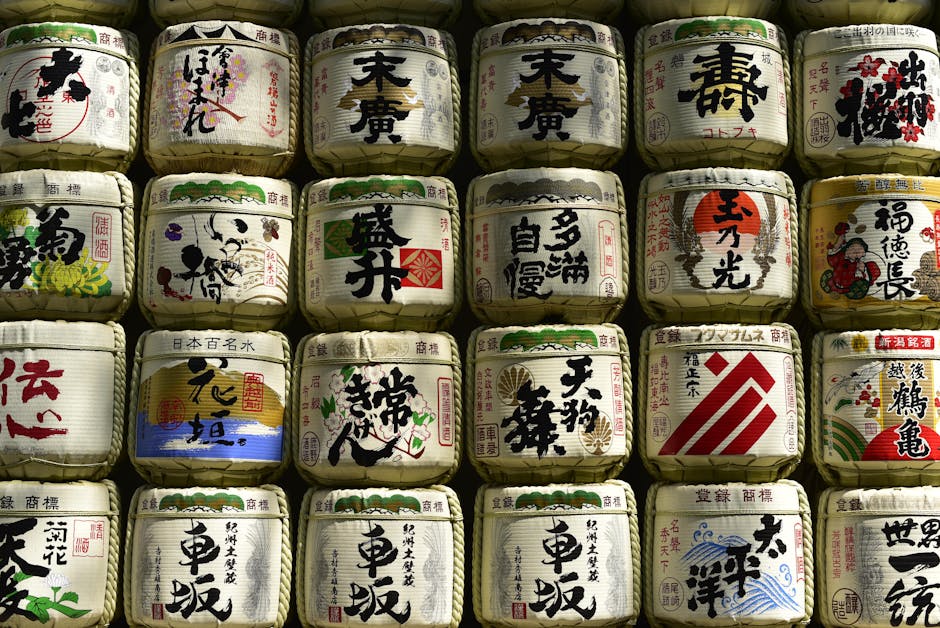 Easy
EasyTokyo, Japan
Discover the 'Old Tokyo' charm of Yanaka on this self-guided walk through historic temples, artisan alleys, and a stunning torii gate shrine.
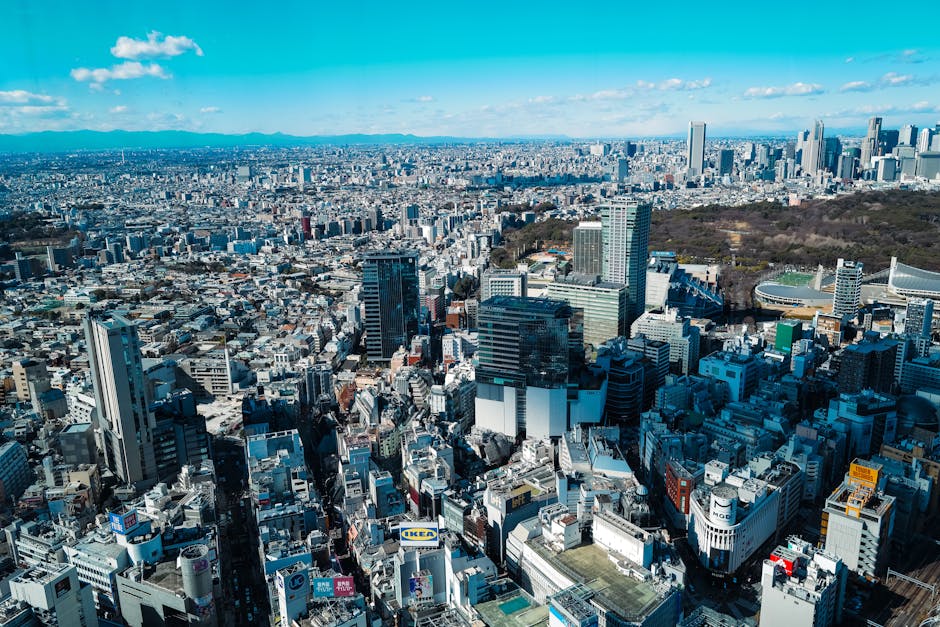 Easy
EasyTokyo, Japan
Experience Shibuya's electric energy on this self-guided walk from the iconic Scramble Crossing to the panoramic views of Shibuya Sky.
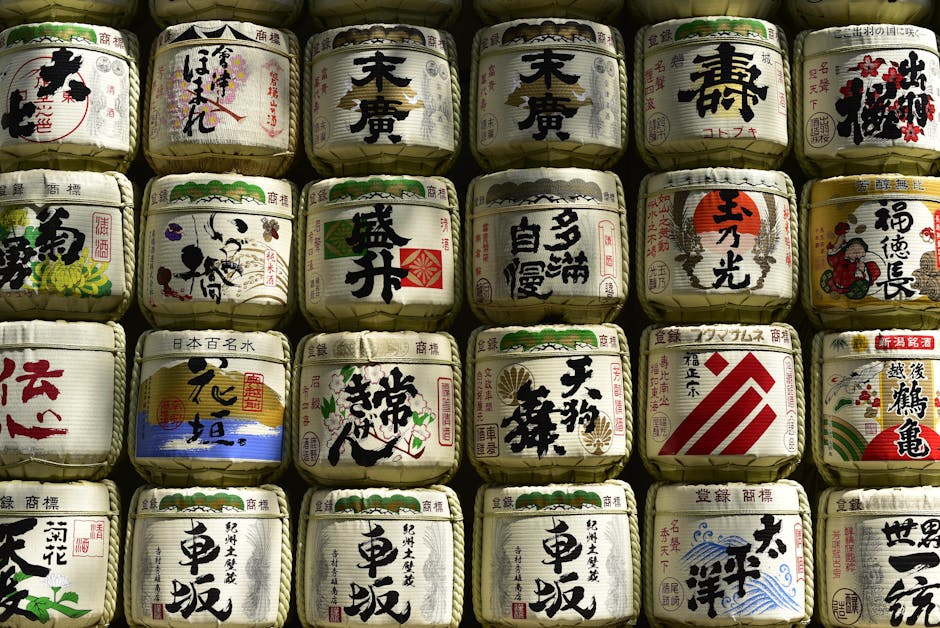 Easy
EasyTokyo, Japan
Explore Tokyo's indie heart. From vintage fashion in Shimokitazawa to world-class art in Shinjuku, discover the city's creative soul independently.