Self-guided audio tour in Granada
Start Free on iPhone
Start free on iPhone to unlock this self-guided walking tour in Granada. Hear all the stories that make it amazing, walk at your own pace, and begin whenever you want.
Your Private Tour Guide
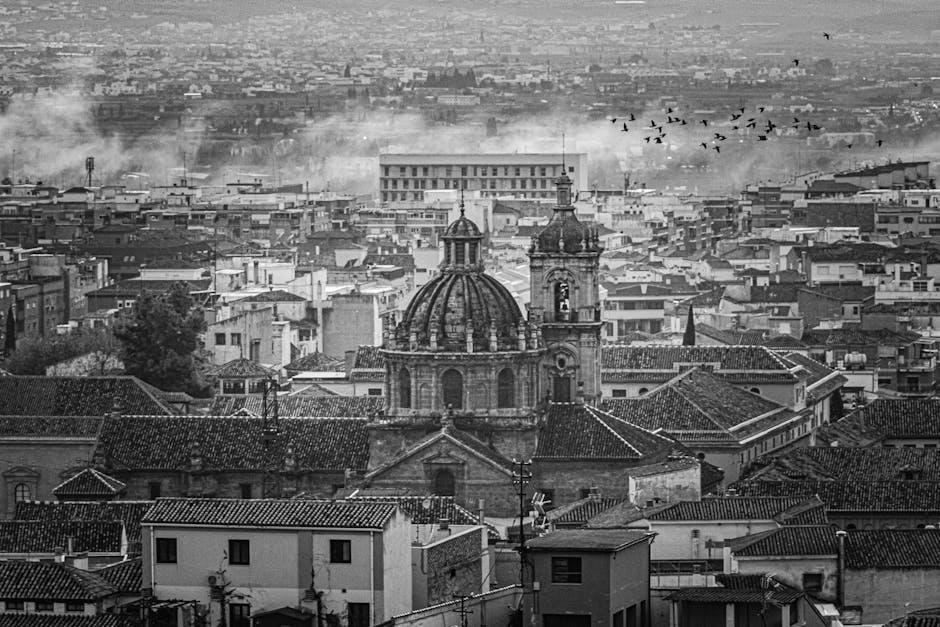
While many visitors flock to Granada for its Moorish palaces, there is a whole other side to the city that tells the story of its 19th-century transformation. This self-guided walk invites you to step away from the medieval labyrinth of the Albayzín and onto the wide, ambitious boulevards of the Belle Époque. During the late 1800s and early 1900s, Granada underwent a radical urban makeover, inspired by the grand avenues of Paris and Madrid. This route focuses on the architectural elegance and civic pride that defined this era, showcasing a city that was eager to modernize while maintaining its unique Andalusian soul. As you explore, you will encounter eclectic facades, ornate theaters, and monumental squares that serve as the heartbeat of modern Granada. This neighborhood stroll begins at the Gran Vía de Colón, a massive urban intervention that literally cut through the old city to create a modern thoroughfare. From there, the walk leads you past the historic Post Office and the iconic Teatro Isabel la Católica, offering a glimpse into the cultural and administrative life of a century ago. You will also discover the social centers of the city, such as the Fuente de las Batallas and the Plaza del Campillo, where locals have gathered for generations. For those seeking a walking tour Granada experience that goes beyond the standard historical narrative, this route offers a perfect blend of photography opportunities and architectural history. You can enjoy this audio walk at your own pace, stopping for a coffee in a historic cafe or lingering to admire the intricate stone carvings on the grand residences. Whether you are an architecture enthusiast or a photographer looking for the perfect shot of Granada’s 'New City,' this walking route provides a sophisticated look at the city’s golden age of expansion.
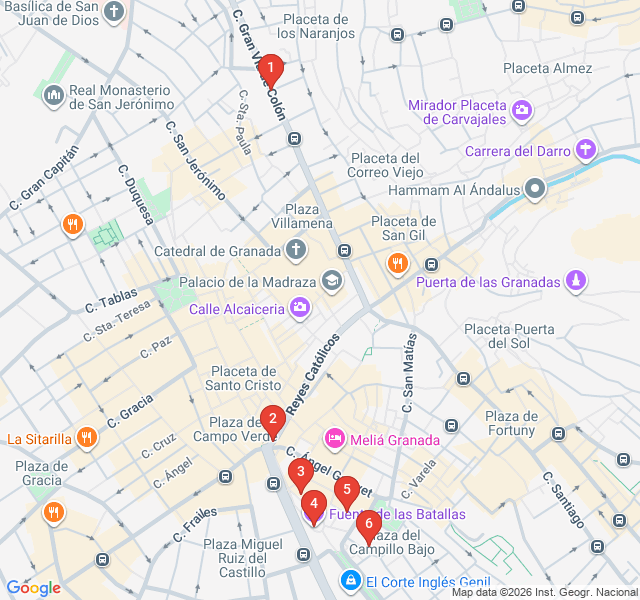
Numbers indicate the order of stops on the tour.
Welcome to the Gran Vía de Colón, the most ambitious urban project in Granada’s history. Created at the end of the 19th century, this grand avenue was designed to connect the city center with the new railway station, modeled after the 'Haussmannization' of Paris. To build it, hundreds of medieval houses and narrow streets were demolished, a controversial move that forever changed the city's layout. As you walk, look up at the buildings; they represent a mix of styles including Eclecticism, Modernism, and Neo-Mudéjar. This street was meant to showcase the wealth of Granada’s sugar beet industry, which funded many of these opulent residences. It remains the city's primary commercial artery, bridging the gap between the ancient past and the modern era.
The Edificio de Correos, or the Main Post Office, is a stunning example of early 20th-century civic architecture. Built during a time when communication was becoming more centralized and grand, this building reflects the importance of the postal service in connecting Granada to the rest of the world. Its facade features a blend of classical elements with modern decorative touches that were popular during the Belle Époque. Take a moment to appreciate the symmetry and the detailed stonework. In an era of digital messages, this building stands as a monument to the physical connections of the past, serving as a reminder of the period when Granada was asserting itself as a modern European provincial capital.
Standing before you is the Teatro Isabel la Católica, the cultural heart of Granada. While the current structure dates back to the mid-20th century, it stands on the site of previous theaters that were central to the city’s social life since the 1800s. The theater is named after Queen Isabella I of Castile, who played a pivotal role in the city's history. Throughout the decades, this venue has hosted everything from classic Spanish zarzuelas to international film festivals. Its location at the intersection of the old city and the new boulevards makes it a symbolic landmark. Even today, it remains the premier spot for theater-goers, maintaining the artistic spirit that flourished during the Belle Époque.
The Fuente de las Batallas is more than just a fountain; it is the traditional meeting point for the people of Granada. Located in the Plaza del Campillo area, the fountain marks a transition point in the city's geography. The name 'Batallas' (Battles) refers to the historic skirmishes that took place in this area during the Reconquista, but today the vibe is entirely peaceful. Surrounded by flower stalls and historic cafes, it is the perfect place to observe the daily rhythm of the city. The fountain itself is an elegant centerpiece that has witnessed countless celebrations, from local festivals to football victories, anchoring the social life of the grand avenues.
Plaza del Campillo is a charming garden square that serves as a green lung for the city center. During the 19th century, this area was transformed into a fashionable promenade where the local bourgeoisie would take their evening 'paseo.' The square is surrounded by grand buildings that exemplify the architectural transition of the era. Look for the statue dedicated to the writer Yehuda ibn Tibon nearby, which honors Granada’s multicultural history. This space perfectly captures the transition from the dense, historic core to the more open, airy spaces designed during the Belle Époque. It is an ideal spot to sit for a moment and appreciate the blend of nature and urban design.
Our final stop is the Palacio de Bibataubín. This building has a fascinating layered history; it was originally built on the site of an 18th-century castle, which itself replaced a Moorish gate known as Bab al-Tawwin. The current palace, with its distinctive towers and grand facade, was renovated in the 20th century to serve administrative purposes. It represents the final stage of the city's monumental development in this district. Notice the stone lions and the heraldry that decorate the exterior. From here, you are perfectly positioned to explore the nearby shopping districts or return to the historic Albaicín, having seen how Granada reimagined itself as a grand, European city at the turn of the century.
Start Free on iPhone
Explore “Belle Époque & Grand Avenues” with your very own Private Tour Guide with Zigway. Start free on iPhone, skip the large group and the fixed routes, and hear the city come alive as you go.
Your Private Tour Guide
Don't miss the good stuff
Explore Freely
 Moderate
Granada, Spain
Explore the bohemian heart of Granada's oldest district on this self-guided walking route through the hidden gems of the Upper Albaicín.
 Easy
EasyGranada, Spain
Discover the legacy of the Nasrid silk trade and the vibrant evolution of Granada's historic center on this atmospheric self-guided walk.
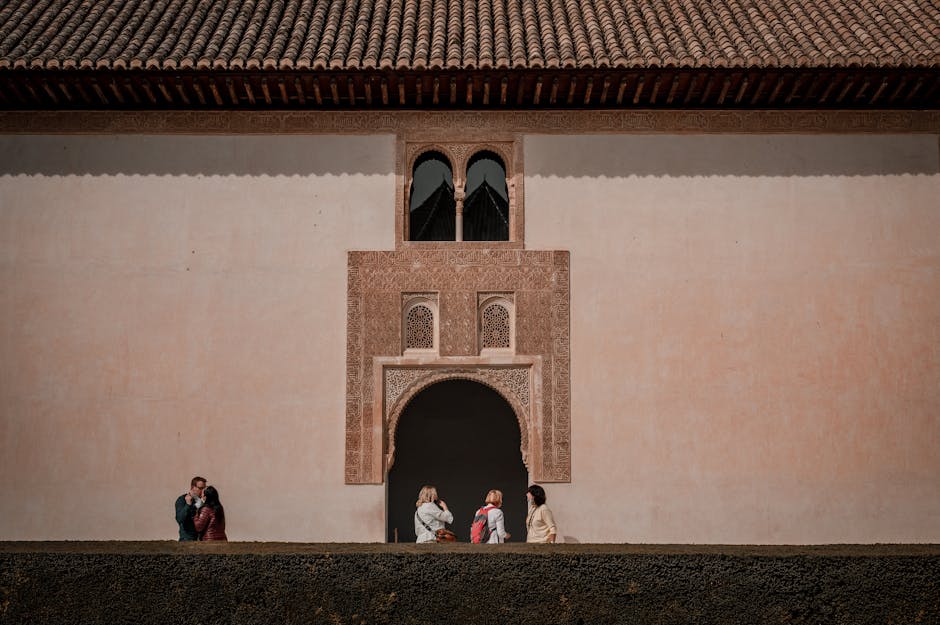 Moderate
Granada, Spain
Explore Granada's historic Jewish Quarter and discover world-class street art on this self-guided walk through the vibrant Realejo neighborhood.
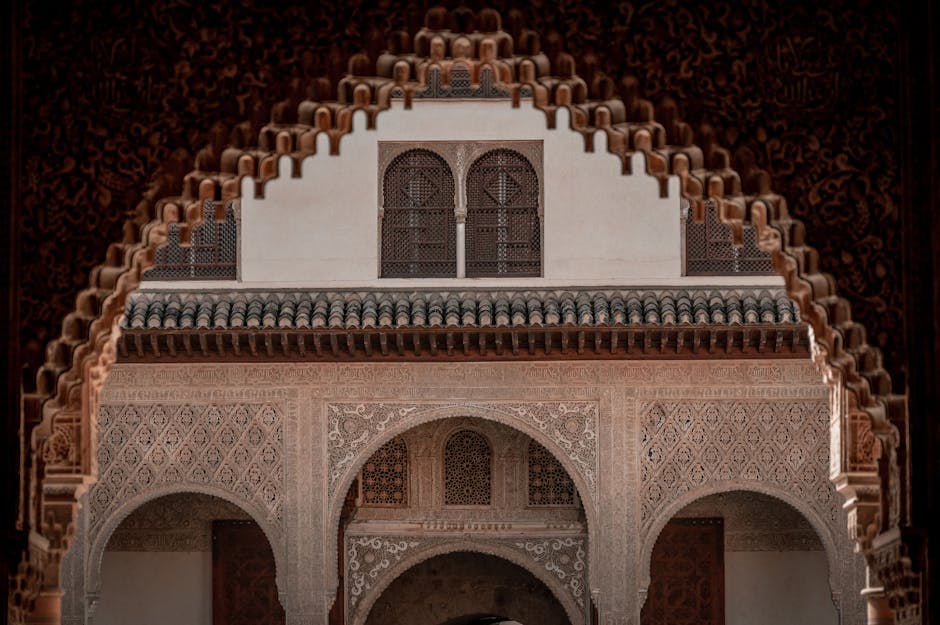 Moderate
Granada, Spain
Discover the Moorish soul of Granada on this self-guided walk through the Albaicín’s winding streets, historic palaces, and iconic viewpoints.
 Easy
EasyNairobi, Kenya
Discover Nairobi's iconic skyline on this self-guided architecture walk through the CBD’s most famous modernist and Brutalist landmarks.
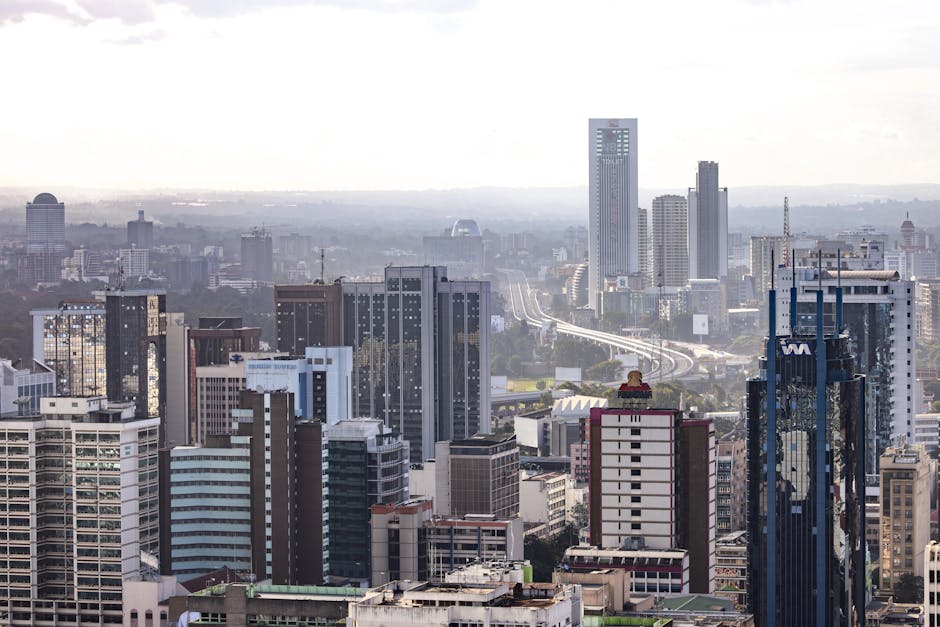 Easy
EasyNairobi, Kenya
Explore Nairobi's architectural evolution from colonial-era landmarks to iconic Brutalist skyscrapers on this historic self-guided walking route.
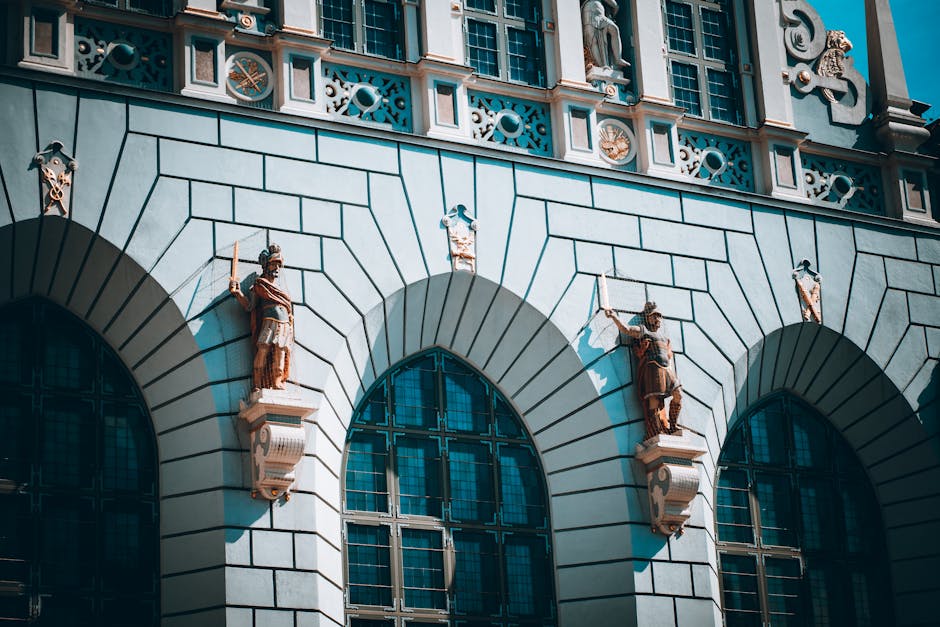 Easy
EasyGdansk, Poland
Discover the opulent Royal Way of Gdansk at your own pace. Explore Hanseatic history, gilded architecture, and the iconic Neptune's Fountain.
 Easy
EasyGothenburg, Sweden
Discover Gothenburg’s 17th-century Dutch foundations, historic canals, and military fortifications on this self-guided architectural walk.
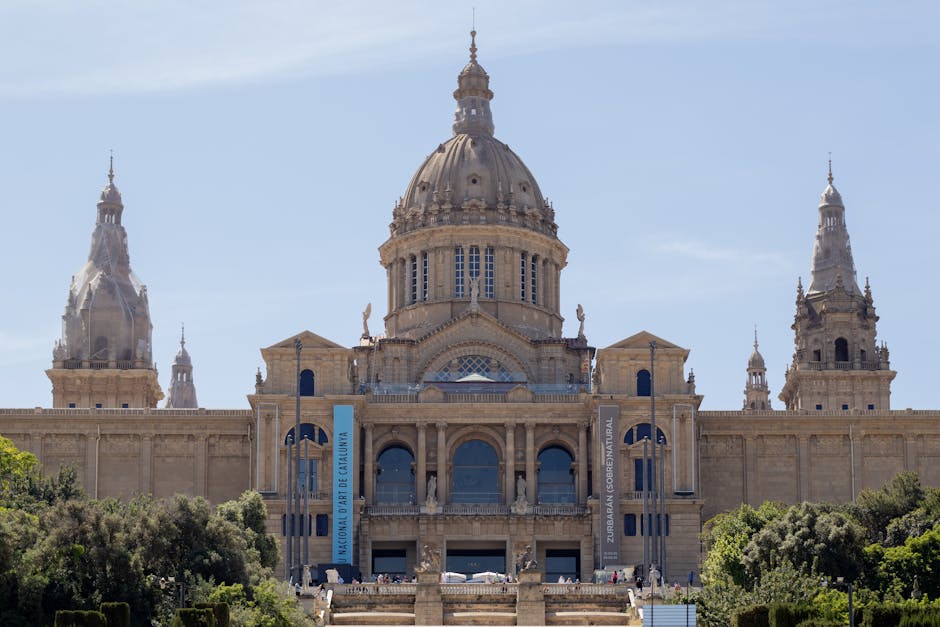 Moderate
Barcelona, Spain
Explore the elegant 'village' of Sarrià, where Gothic monasteries and Gaudí's hidden gems meet charming local markets and narrow streets.
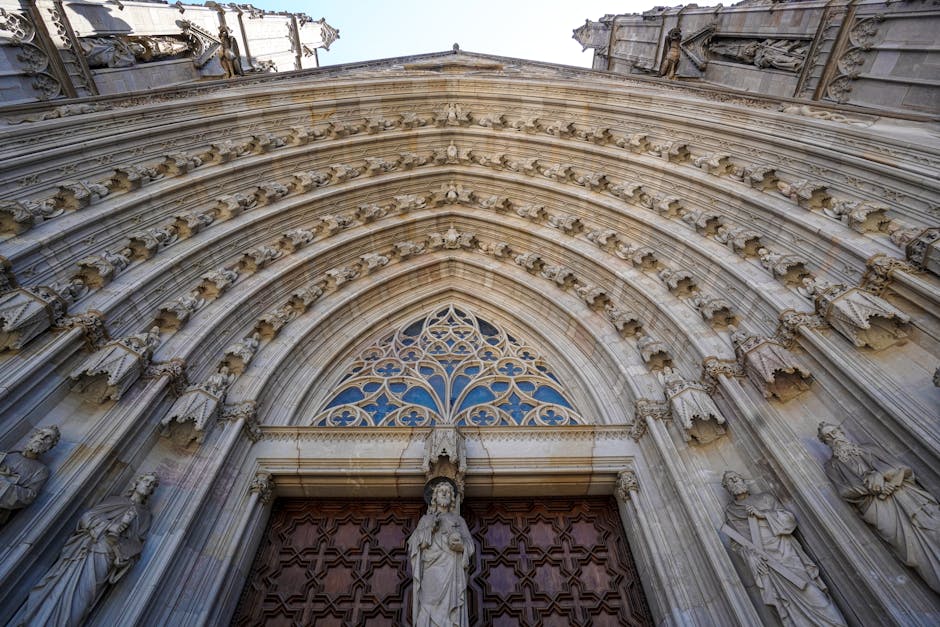 Moderate
Barcelona, Spain
Discover the revolutionary history and haunting scars of the Spanish Civil War on this self-guided walk through Barcelona's historic streets.
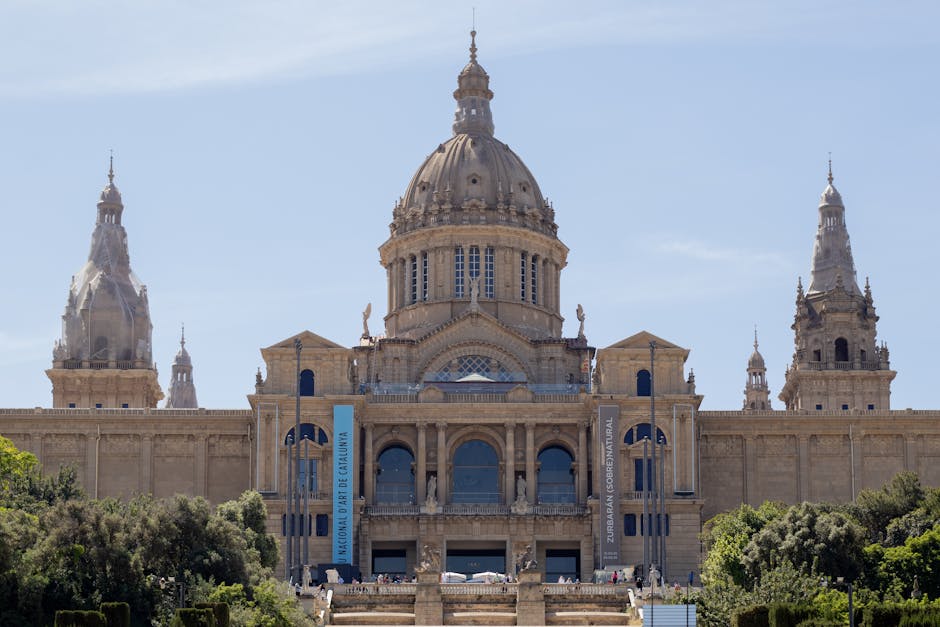 Easy
EasyBarcelona, Spain
Discover the architectural wonders of Barcelona's Golden Square on this self-guided stroll through Eixample's most luxurious Modernista streets.
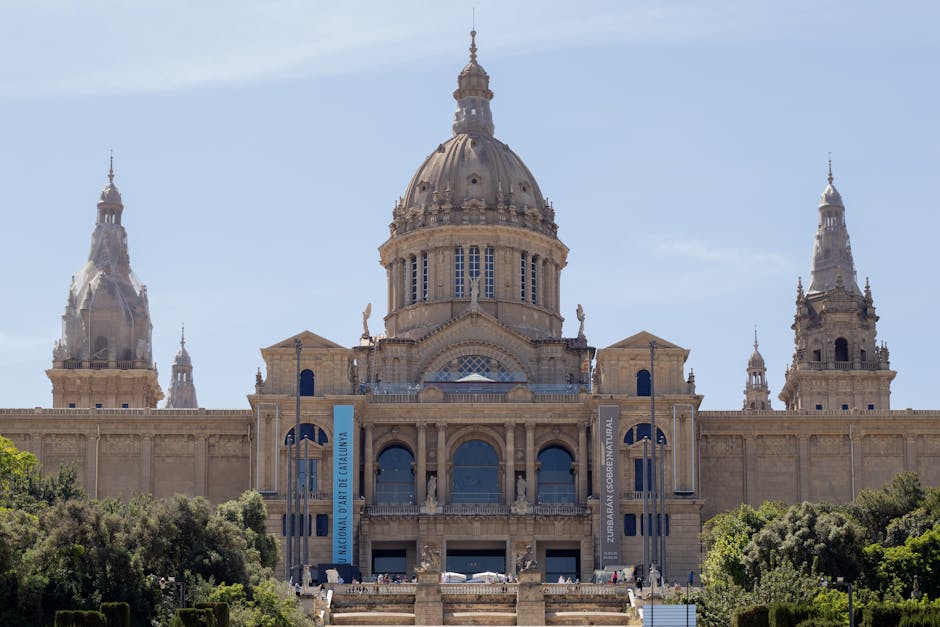 Challenging
Barcelona, Spain
Explore Montjuïc’s lush gardens, historic fortress, and iconic Olympic venues on this scenic self-guided walk with panoramic Mediterranean views.