Self-guided audio tour in Seville
Start Free on iPhone
Start free on iPhone to unlock this self-guided walking tour in Seville. Hear all the stories that make it amazing, walk at your own pace, and begin whenever you want.
Your Private Tour Guide
Beyond the towering shadows of the Giralda lies a labyrinth of narrow alleys where Seville’s true soul resides. This self-guided walk takes you through the San Bartolomé neighborhood, a quiet enclave that feels worlds away from the bustling crowds of the Cathedral. Here, the architecture tells a story of cultural fusion, where Jewish, Muslim, and Christian influences blend into the unique Mudéjar style that defines the city's aesthetic. As you explore this walking route, you will discover the 'hidden palaces' of Seville—grand residences tucked behind unassuming white-washed walls and intricate wrought-iron gates. The journey highlights the transition from medieval fortresses to the opulent Renaissance mansions that rose during Seville's Golden Age. One of the most significant stops on this neighborhood stroll is the Casa de Pilatos, often cited as the finest example of a private Andalusian palace. Its stunning azulejos (ceramic tiles) and tranquil courtyards offer a peaceful alternative to the more crowded royal sites. This walking tour Seville experience also leads you past silent convents and former synagogues, revealing the complex religious history of the San Bartolomé district. You will see how the city's elite built their homes to capture the breeze and the light, creating interior oases that remain cool even in the height of summer. This architecture-focused route is perfect for those who want to escape the typical tourist path and delve into the aristocratic past of the city. Whether you are an art lover admiring Baroque altarpieces or a photographer seeking the perfect play of shadow on cobblestone, this self-guided walking tour Seville route provides a deep, independent look at the city's heritage. From the Gothic-Mudéjar portal of San Esteban to the sunken courtyard of the Hospital de los Venerables, every step reveals a new layer of Seville’s multifaceted history.
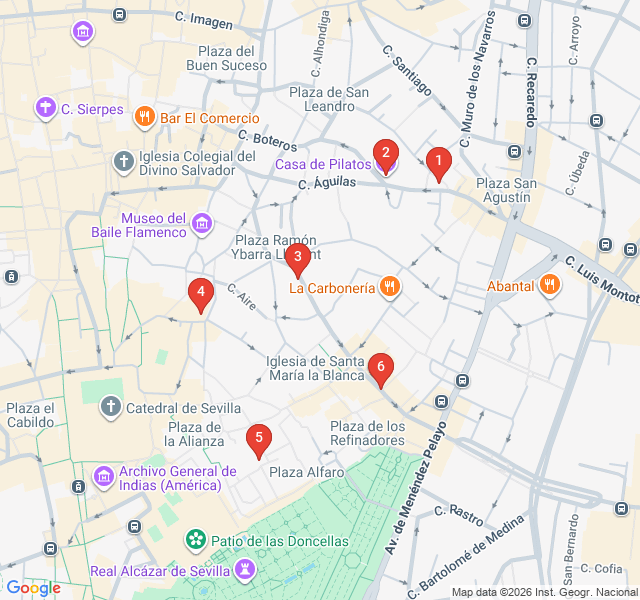
Numbers indicate the order of stops on the tour.
Begin your self-guided adventure at the Iglesia de San Esteban. This church is a quintessential example of Seville’s Gothic-Mudéjar style, built on the site of a former mosque after the Christian reconquest. Notice the stunning 14th-century portal, which features traditional brickwork patterns typical of Moorish craftsmen. Inside, the church houses significant artworks, including sculptures by the famed Martínez Montañés. This site serves as a perfect introduction to the architectural layering you will see throughout the route, where medieval foundations meet Renaissance and Baroque flourishes. It is also a central hub for Seville’s famous Holy Week processions, housing some of the city's most revered religious statues.
Just a short walk away is the Casa de Pilatos, arguably the most beautiful private residence in Seville. Built in the late 15th century, it is a masterpiece of the Italian Renaissance mixed with Spanish Mudéjar elements. As you walk through the main courtyard, look up at the intricate plasterwork and the collection of 24 busts of Roman emperors. The palace is famous for its extensive use of azulejos—vibrant ceramic tiles—that cover the walls in geometric patterns. Legend says the house was modeled after Pontius Pilate’s home in Jerusalem, but in reality, it reflects the immense wealth and refined taste of the Enríquez de Ribera family during Seville’s colonial peak.
Continue your neighborhood stroll to the Convento de la Madre de Dios. This Dominican convent was founded under the patronage of Queen Isabella the Catholic. While the exterior is modest, it holds deep historical significance as the final resting place for several members of the family of Hernán Cortés, the explorer. The convent is known for its peaceful atmosphere and its beautiful cloister, which is occasionally open to the public. In the past, the nuns here were famous for their traditional sweets; though times have changed, the building remains a silent sentinel of the religious devotion that has shaped the San Bartolomé district for centuries.
Next, explore the Casa de los Pinelo, a 16th-century mansion that now serves as the headquarters for the Royal Academy of Belles Lettres. This building is a prime example of a Sevillian noble house, featuring a series of interconnected courtyards designed to circulate air. The main patio is particularly striking, with its marble columns and Renaissance arches. Unlike the more famous palaces, this site offers a quieter, more intimate look at how Seville’s elite lived. The interior rooms often house temporary art exhibitions, maintaining the building's long-standing connection to the city's intellectual and artistic life. It is a true hidden gem for architecture enthusiasts.
Heading toward the edge of the Santa Cruz district, you find the Hospital de los Venerables. Originally built as a home for elderly priests, it is now home to the Velázquez Center. The highlight here is the stunning Baroque church, completely covered in frescoes by Valdés Leal and his son. Don't miss the sunken courtyard, a unique architectural feature designed to solve drainage issues while creating a beautiful, tiered space for reflection. The institution’s focus on Diego Velázquez, Seville's most famous painter, makes this a vital stop for art lovers. The contrast between the somber purpose of the hospital and the exuberant Baroque decoration is truly breathtaking.
Your route concludes at the Plaza de Santa María la Blanca. This area was the gateway to the Jewish Quarter and remains one of the most atmospheric spots in the city. The church overlooking the square, also named Santa María la Blanca, has a fascinating history: it has served as a mosque, a synagogue, and finally a Christian church. Its interior is a riot of Baroque plasterwork, often called 'the most beautiful ceiling in Seville.' The surrounding square is lined with orange trees and traditional tapas bars, making it an ideal place to sit back and reflect on your walk through the hidden history of the San Bartolomé and Santa Cruz neighborhoods.
Start Free on iPhone
Explore “Courtyards and Cobblestones: The Hidden Palaces Route” with your very own Private Tour Guide with Zigway. Start free on iPhone, skip the large group and the fixed routes, and hear the city come alive as you go.
Your Private Tour Guide
Don't miss the good stuff
Explore Freely
 Challenging
Seville, Spain
Explore the futuristic legacy of Expo 92 and the ancient secrets of a Carthusian monastery on this self-guided walk through Isla de la Cartuja.
 Moderate
Seville, Spain
Explore Seville's artistic soul in Macarena, featuring ancient walls, vibrant markets, and bohemian workshops on this independent audio walk.
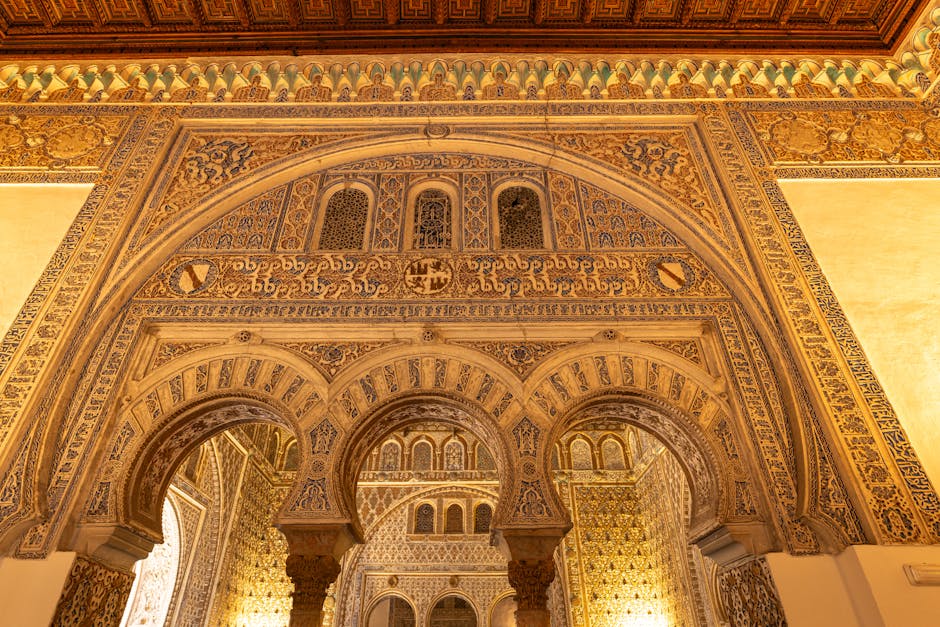 Easy
EasySeville, Spain
Discover the independent spirit of Triana on this self-guided walk through flamenco history, ceramic traditions, and riverside charm.
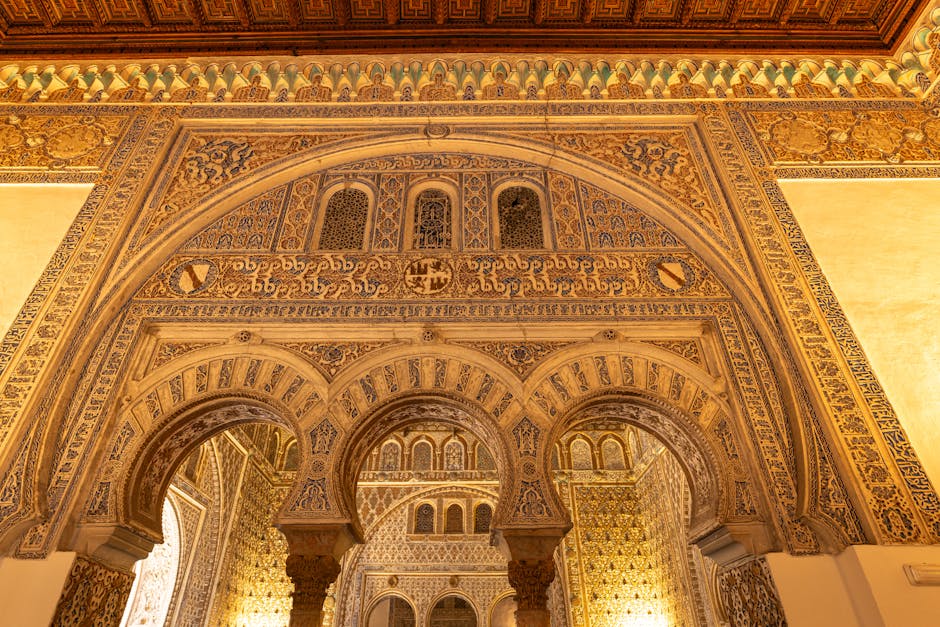 Easy
EasySeville, Spain
Discover Seville's modern side! Explore the iconic Setas, Roman ruins, and trendy boutiques on this self-guided walking route through the city center.
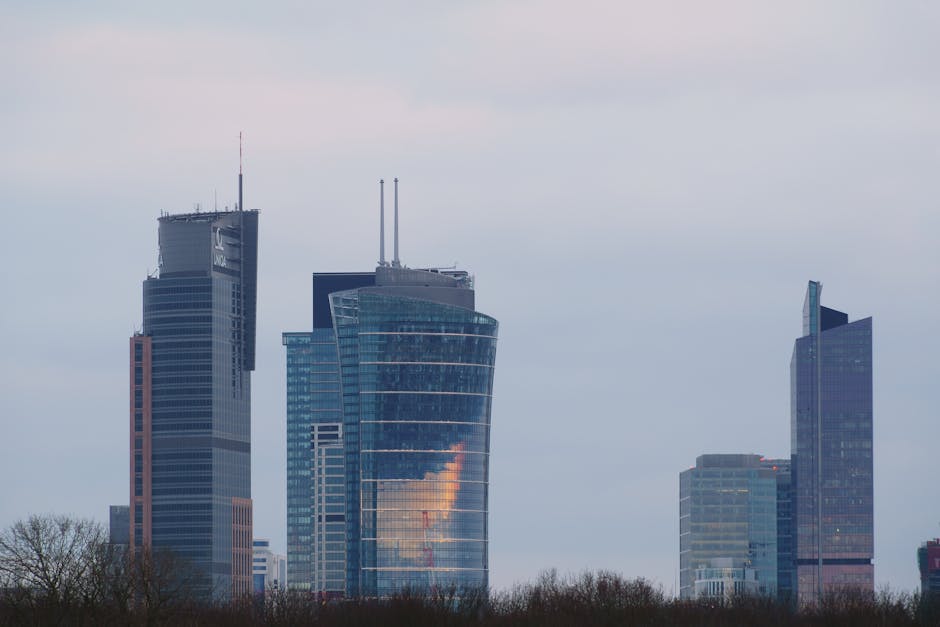 Easy
EasyWarsaw, Poland
Discover the hidden courtyards and grand pre-war architecture of Warsaw's most atmospheric neighborhood on this self-guided stroll.
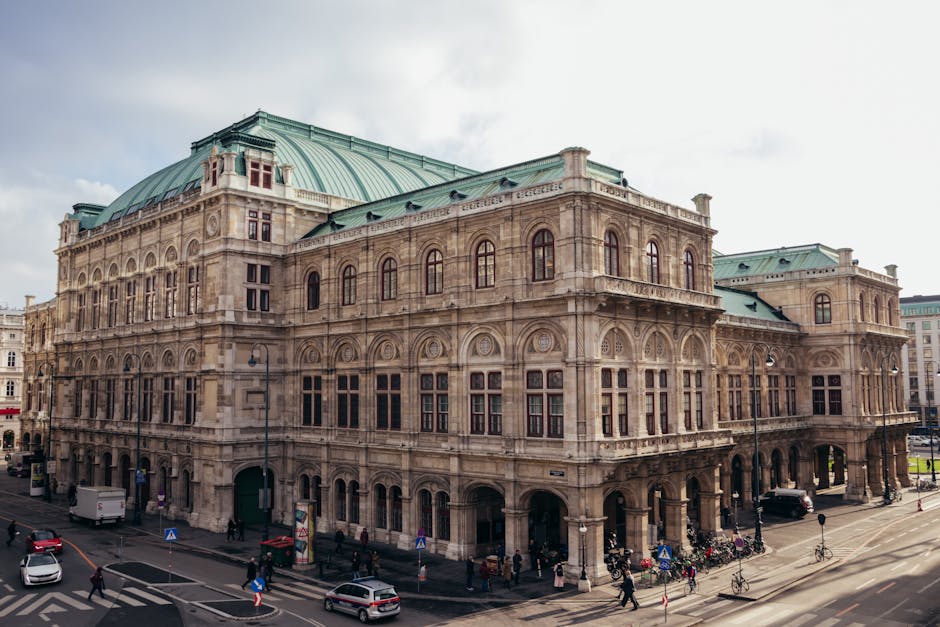 Moderate
Vienna, Austria
Discover the noir world of The Third Man and Cold War Vienna on this atmospheric self-guided audio walk through the historic Innere Stadt.
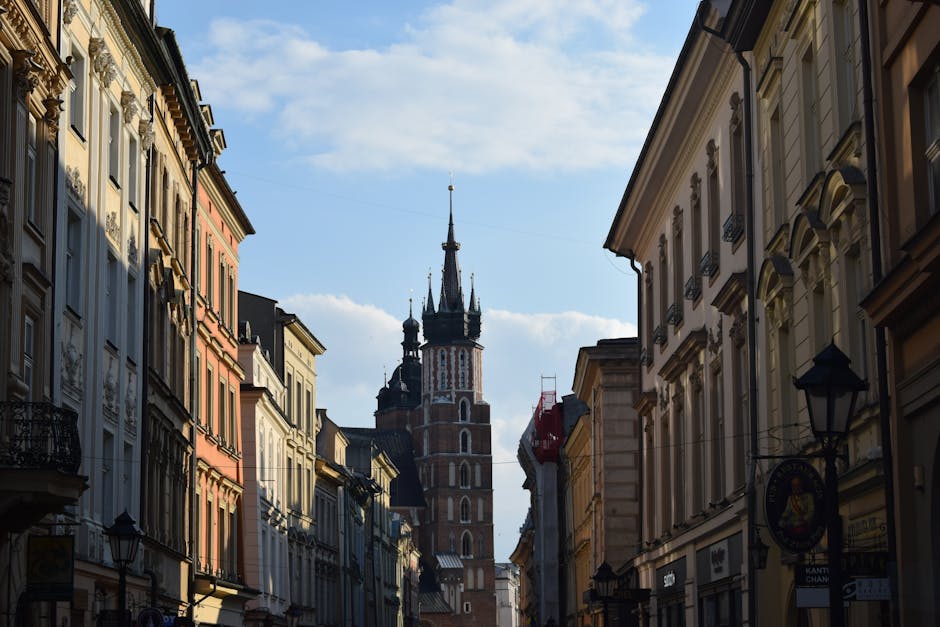 Moderate
Krakow, Poland
Discover Krakow’s stunning skyline and riverside charm on this self-guided audio walk through scenic viewpoints and historic mounds.
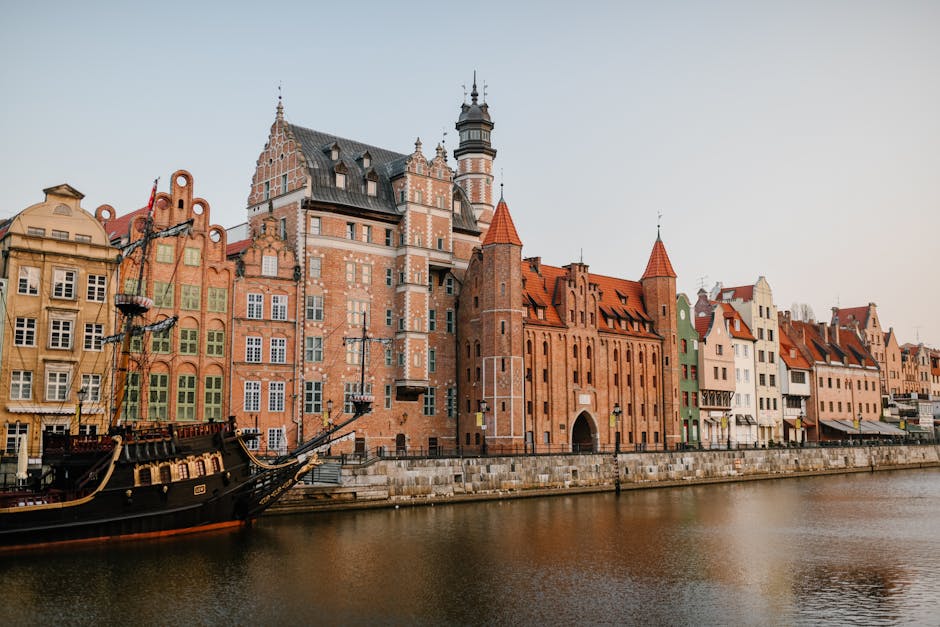 Moderate
Gdansk, Poland
Discover the raw beauty of Gdansk’s Lower Town. Explore industrial ruins, hidden sluices, and riverside bastions on this self-guided walk.
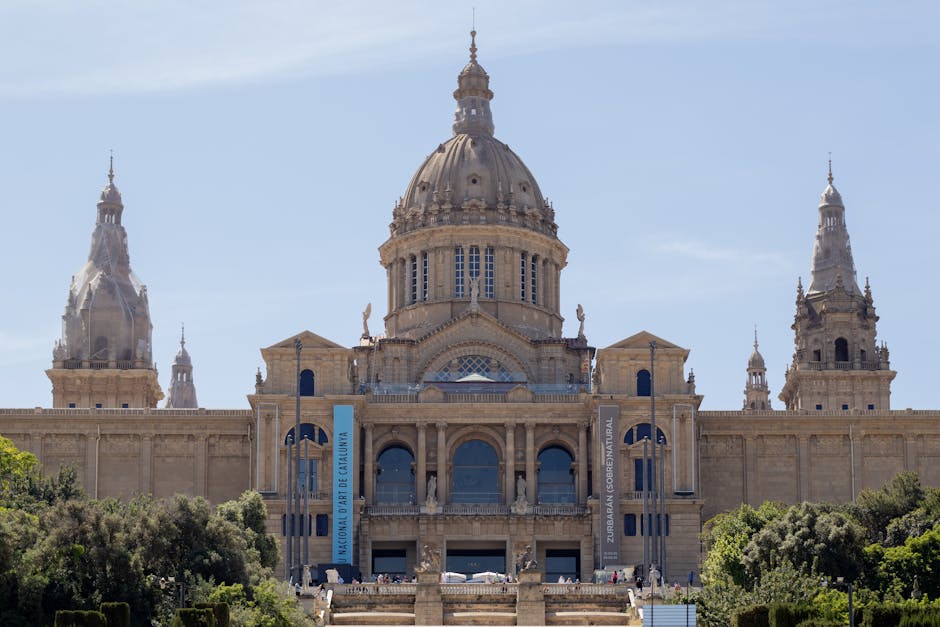 Moderate
Barcelona, Spain
Explore the elegant 'village' of Sarrià, where Gothic monasteries and Gaudí's hidden gems meet charming local markets and narrow streets.
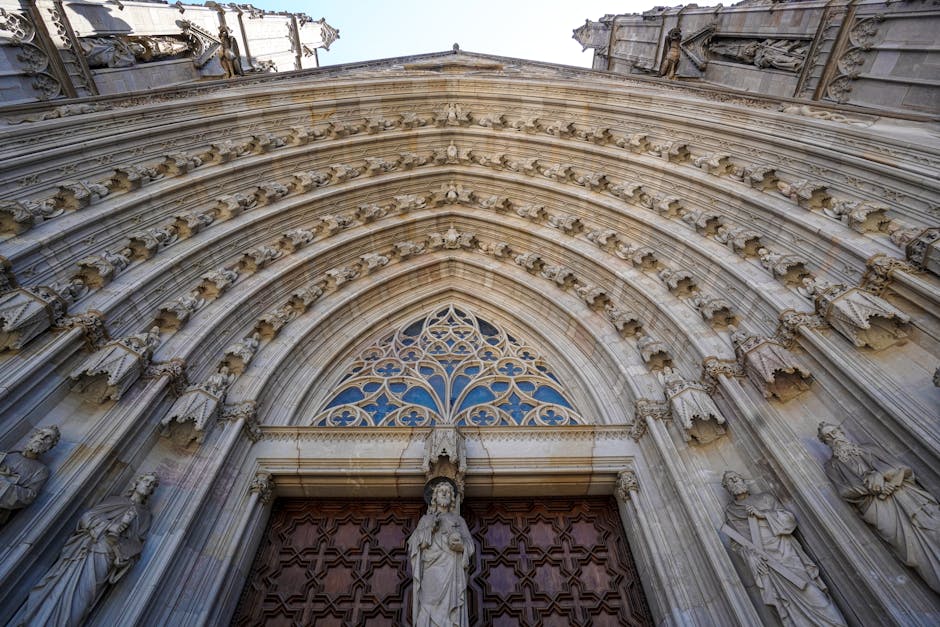 Moderate
Barcelona, Spain
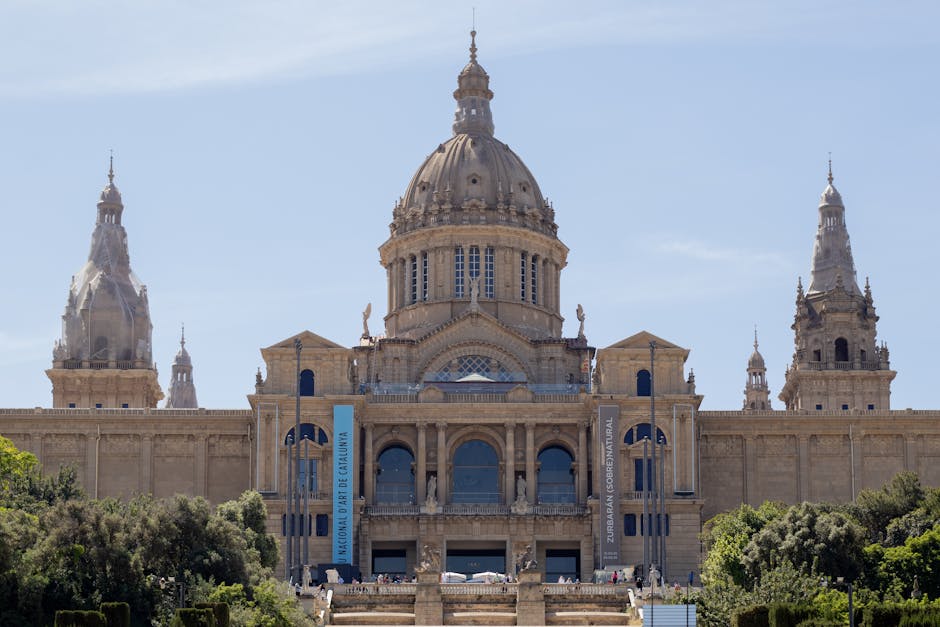
Discover the revolutionary history and haunting scars of the Spanish Civil War on this self-guided walk through Barcelona's historic streets.
 Easy
EasyBarcelona, Spain
Discover the architectural wonders of Barcelona's Golden Square on this self-guided stroll through Eixample's most luxurious Modernista streets.
 Challenging
Barcelona, Spain
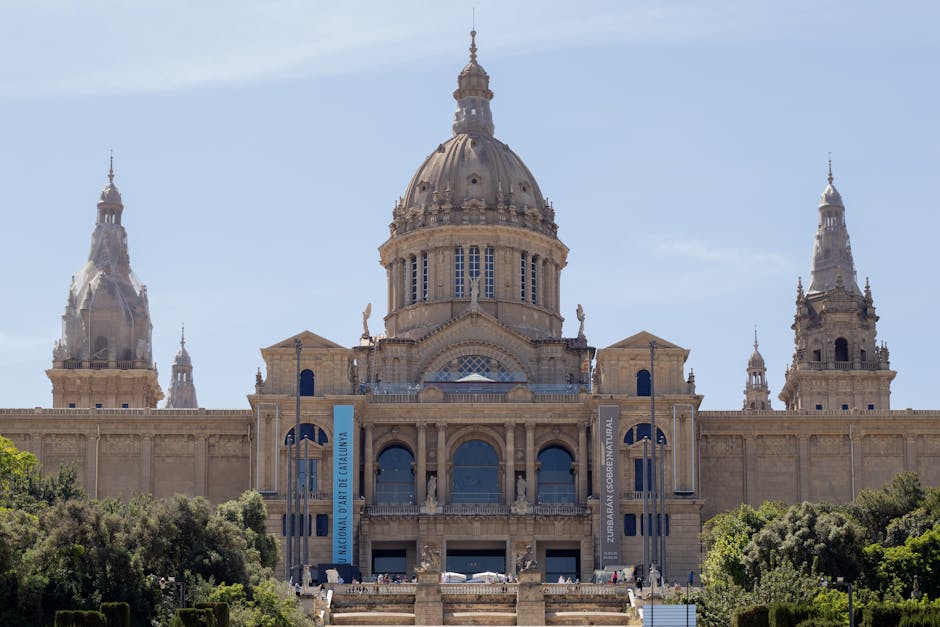
Explore Montjuïc’s lush gardens, historic fortress, and iconic Olympic venues on this scenic self-guided walk with panoramic Mediterranean views.