Self-guided audio tour in Barcelona
Start Free on iPhone
Start free on iPhone to unlock this self-guided walking tour in Barcelona. Hear all the stories that make it amazing, walk at your own pace, and begin whenever you want.
Your Private Tour Guide
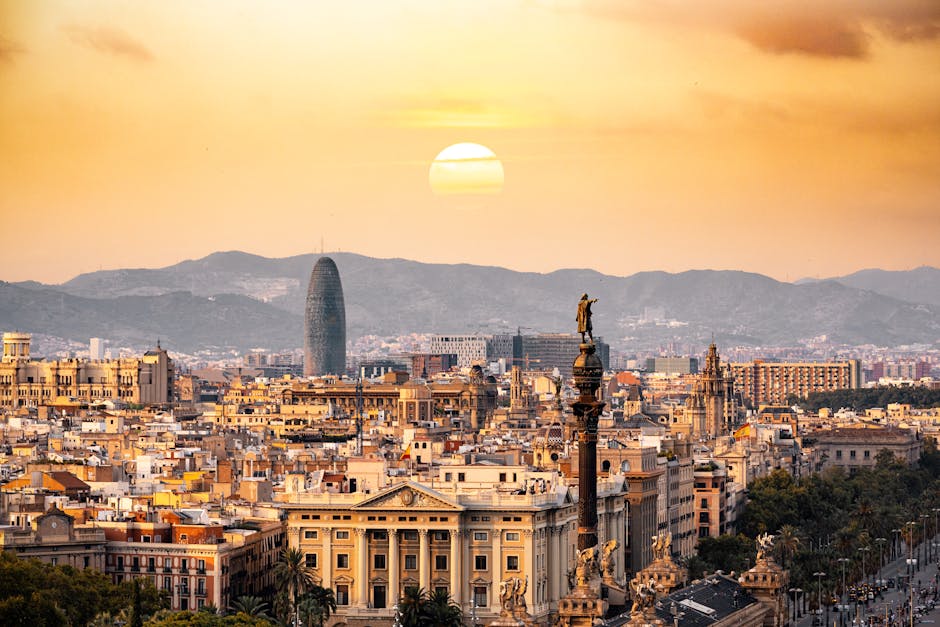
Escape the bustling crowds of the Gothic Quarter and ascend to the highest balconies of the city with this self-guided walk through Horta-Guinardó. This neighborhood stroll offers a perspective of the Catalan capital that most visitors never see, blending raw Spanish Civil War history with lush Mediterranean nature. Your journey begins at the impressive Bridge of Mühlberg, a structure that seems to float between the rugged hillsides, before leading you to the crown jewel of the route: the Turó de la Rovira. Known locally as the Bunkers del Carmel, this site served as an anti-aircraft battery during the 1930s and later became a shantytown for those seeking a home during the post-war years. Today, it stands as a poignant historical site offering the most famous 360-degree panorama in the city. As you explore independently, you will transition from the hard concrete of military history to the serene spiritual atmosphere of the Santuari de la Mare de Déu del Mont Carmel. From there, the route dives into the verdant depths of Parc del Guinardó, one of Barcelona's largest and most diverse green spaces. You will wander through terraced gardens designed by the renowned Jean-Claude Nicolas Forestier, where the scent of pine needles and rosemary fills the air. Along this walking route, you will encounter hidden gems like the Font del Cuento, a historic fountain where locals have gathered for centuries to share stories, and the charming sculpture of the Nen de la Rutlla. This walking tour Barcelona experience is designed for those who enjoy a physical challenge, as the steep inclines are rewarded with vistas spanning from the Collserola mountains to the glittering Mediterranean Sea. It is a perfect travel opportunity to witness the intersection of urban planning, historical memory, and natural beauty at your own pace.
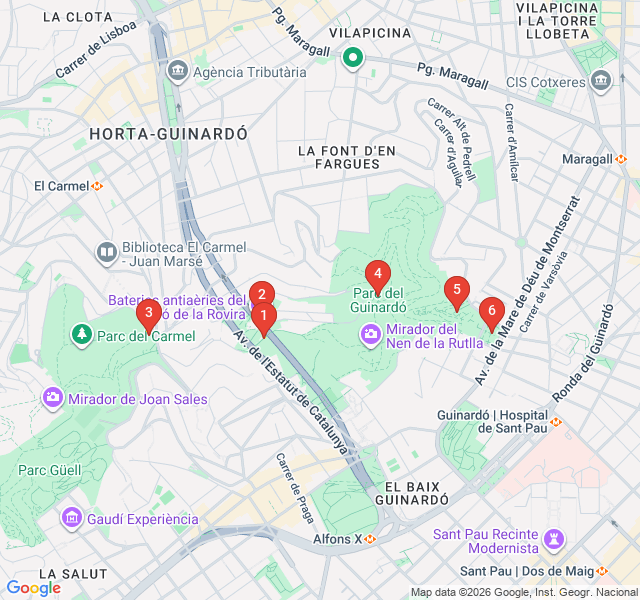
Numbers indicate the order of stops on the tour.
Begin your self-guided adventure at the Bridge of Mühlberg. This iron footbridge serves as a dramatic gateway between the Carmel and Guinardó hills. Built to span a deep ravine that once isolated these hilltop communities, the bridge offers an immediate taste of the heights you are about to scale. Look down into the rocky chasm below and notice how the urban fabric of Barcelona begins to fall away, replaced by the rugged limestone and scrubland typical of the Collserola foothills. This spot is a favorite for photographers seeking a unique perspective of the city's verticality before heading toward the historical batteries.
Step onto the concrete platforms of Turó de la Rovira, often called the Bunkers del Carmel. Despite the name, these were not underground bunkers but an anti-aircraft battery built in 1937 to defend the city against Italian fascist bombers during the Spanish Civil War. After the war, the ruins were repurposed into a shantytown known as 'Els Canons,' housing thousands of residents until the 1992 Olympics. Today, it is a site of memory curated by the Barcelona City History Museum (MUHBA). Take a moment to walk the full perimeter; the 360-degree view covers the Sagrada Família, the Agbar Tower, and the distant sea.
Follow the path down toward this quiet sanctuary, which gave the Carmel neighborhood its name. The original chapel dates back to the mid-19th century, though much of what stands today was expanded later to accommodate the growing community of pilgrims and locals. It is a peaceful contrast to the military history of the Bunkers. The sanctuary represents the spiritual heart of the hill, standing as a testament to the rural origins of this district before it was absorbed into the expanding metropolis of Barcelona. Notice the simple, sturdy architecture designed to withstand the winds of the upper hills.
Enter the vast expanse of Parc del Guinardó, a masterclass in landscape architecture. Divided into three distinct zones, you are currently in the highest, more rustic area characterized by dense pine groves. As you descend, the park transforms into formal terraced gardens. Designed in the early 20th century by Jean-Claude Nicolas Forestier and Nicolau Maria Rubió i Tudurí, the park utilizes the natural slope to create a series of balconies and water features. It is one of the city's most significant 'green lungs,' offering a refreshing break from the urban heat and a chance to see local birdlife.
Deep within the gardens of Parc del Guinardó lies the Font del Cuento, or the 'Fountain of the Tale.' This historic spring has been a social landmark since the 1700s. Its name stems from the tradition of locals gathering here to talk and 'tell tales' while fetching water or enjoying a Sunday picnic. The fountain was a popular spot for 'aplecs'—traditional Catalan gatherings. Though the city has grown around it, the fountain remains a symbol of the neighborhood's communal identity and a reminder of a time when the city's water came directly from these hillsides.
Conclude your neighborhood stroll at the Plaça del Nen de la Rutlla. The square is named after the bronze statue of a 'Boy with a Hoop' (Nen de la Rutlla), a traditional toy consisting of a metal ring pushed by a stick. This sculpture, created by Joaquim Ros i Bofarull in 1961, evokes a sense of nostalgia for childhoods spent playing in the streets and parks of Barcelona. Situated at the lower entrance of Parc del Guinardó, this plaza serves as a bridge between the wild hills you have just explored and the structured grid of the city below.
Start Free on iPhone
Explore “Bunkers and Beyond: Barcelona's Best Panoramas” with your very own Private Tour Guide with Zigway. Start free on iPhone, skip the large group and the fixed routes, and hear the city come alive as you go.
Your Private Tour Guide
Don't miss the good stuff
Explore Freely
 Moderate
Barcelona, Spain
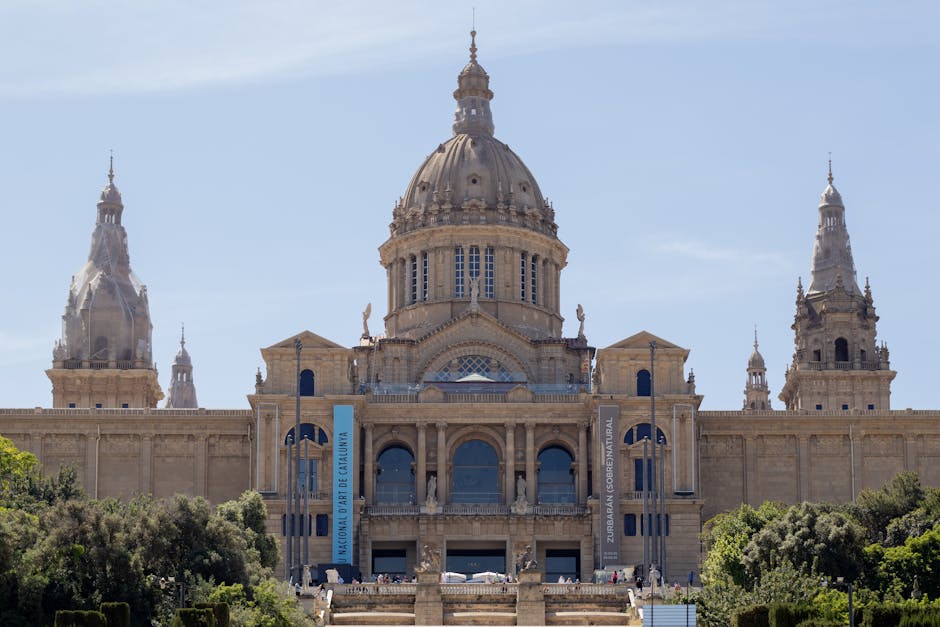
Explore the elegant 'village' of Sarrià, where Gothic monasteries and Gaudí's hidden gems meet charming local markets and narrow streets.
 Moderate
Barcelona, Spain
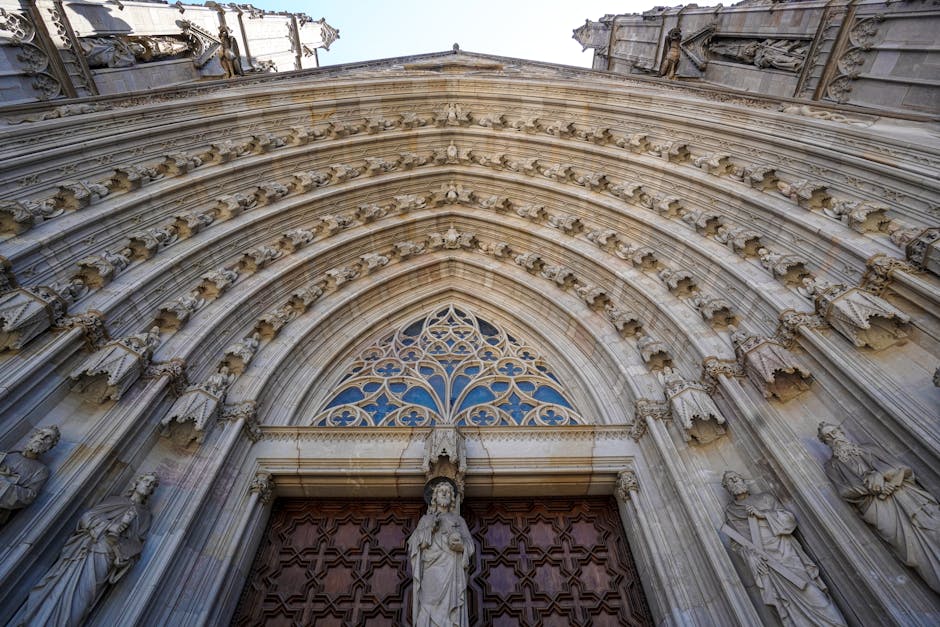
Discover the revolutionary history and haunting scars of the Spanish Civil War on this self-guided walk through Barcelona's historic streets.
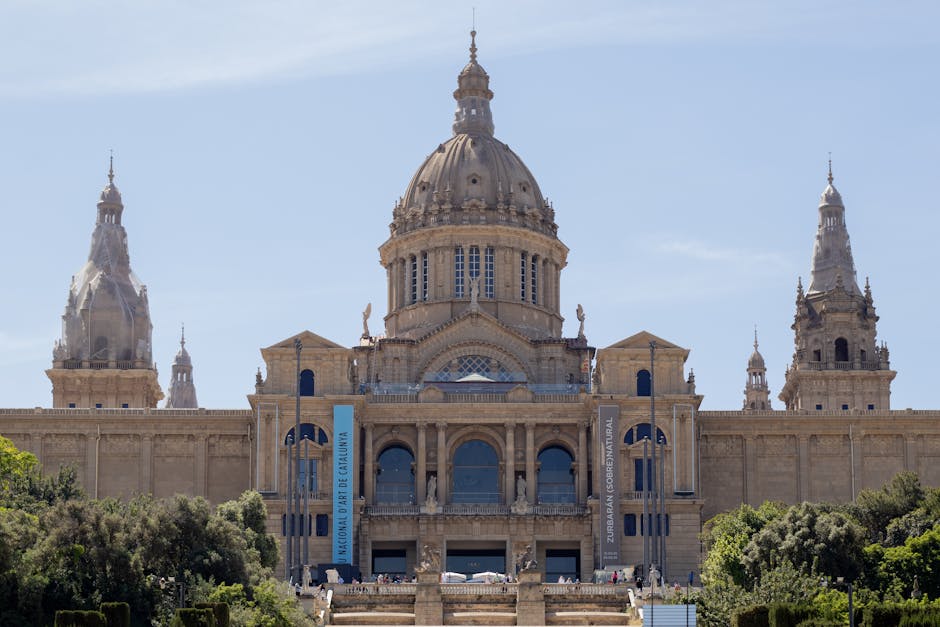 Easy
EasyBarcelona, Spain
Discover the architectural wonders of Barcelona's Golden Square on this self-guided stroll through Eixample's most luxurious Modernista streets.
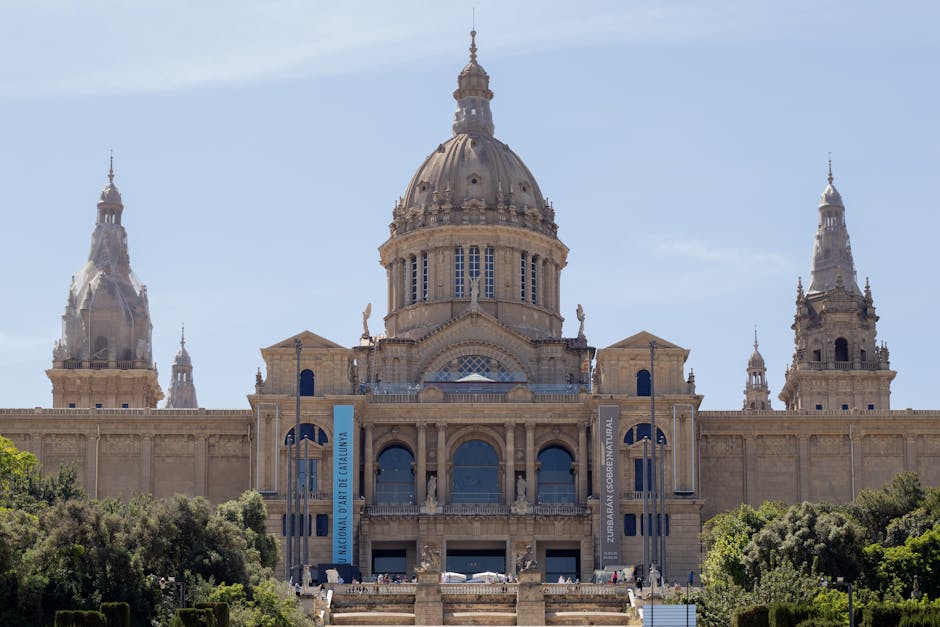 Challenging
Barcelona, Spain
Explore Montjuïc’s lush gardens, historic fortress, and iconic Olympic venues on this scenic self-guided walk with panoramic Mediterranean views.
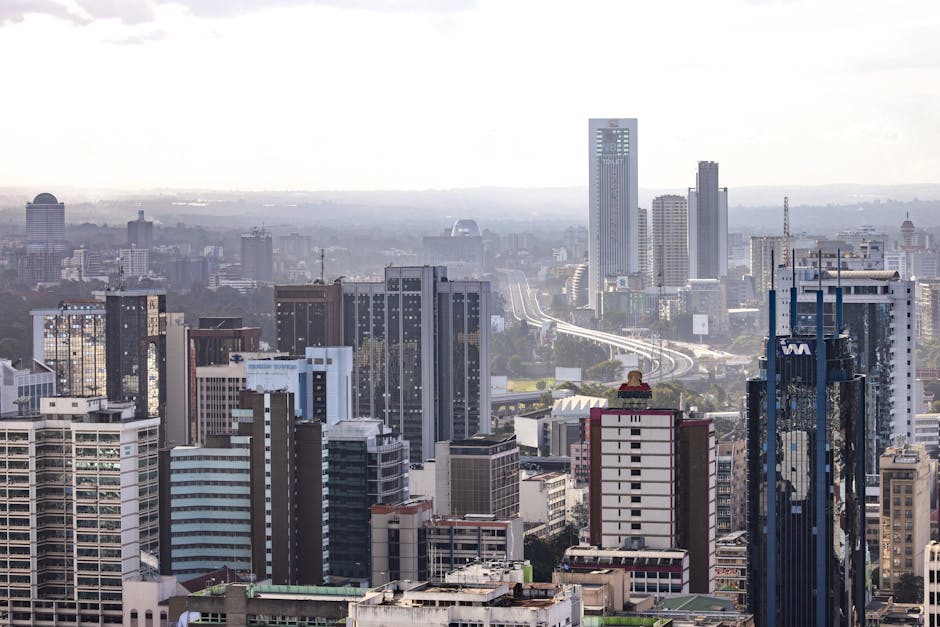 Moderate
Nairobi, Kenya
Discover Nairobi's lush side on this self-guided walk through botanical gardens, historic memorials, and vibrant local markets.
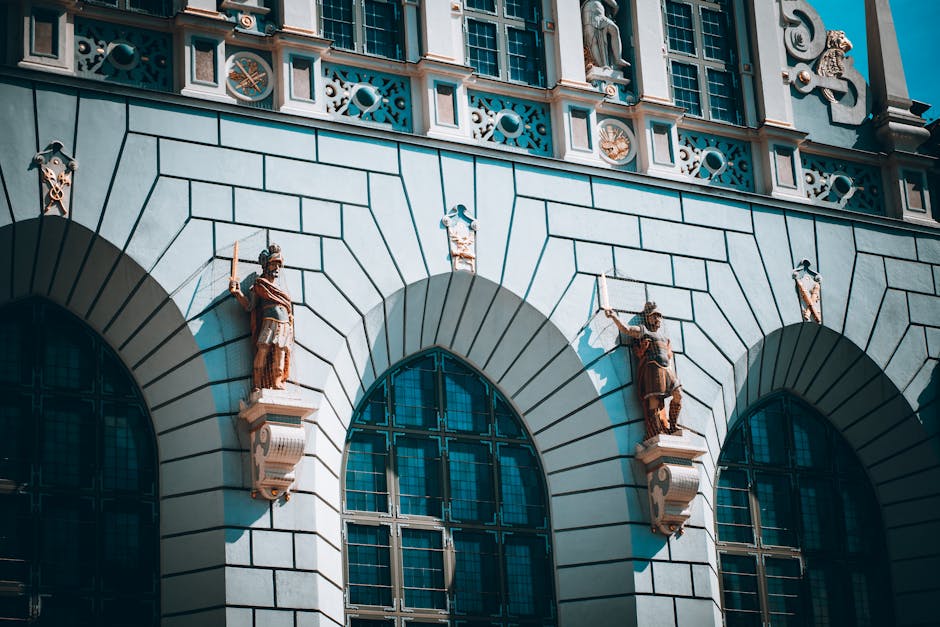 Moderate
Gdansk, Poland
Discover Zaspa, a massive open-air gallery where grey housing blocks are transformed by over 60 monumental murals. Explore at your own pace.
 Easy
EasyWarsaw, Poland
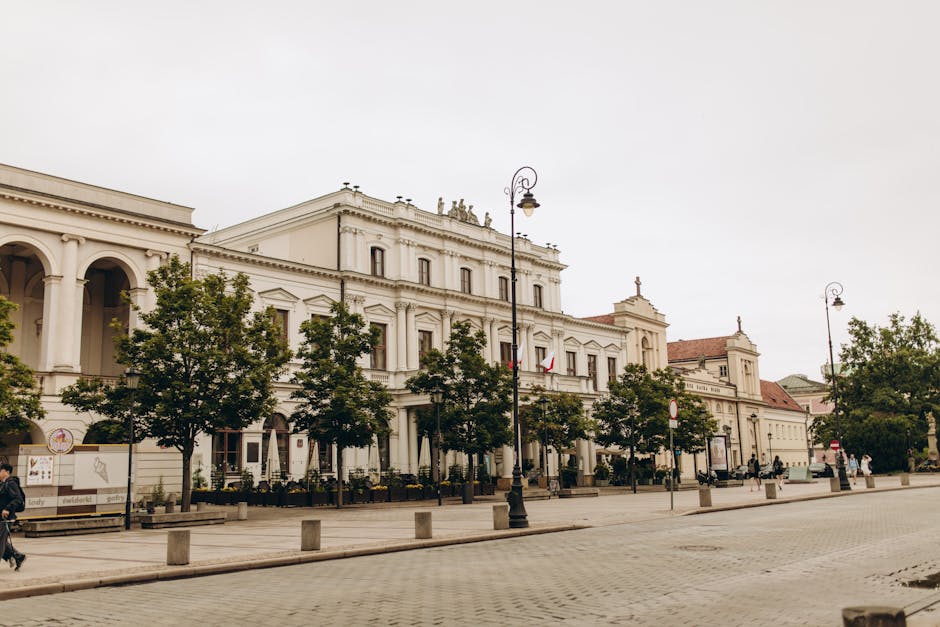
Explore Warsaw's scenic riverfront, rooftop gardens, and industrial-chic architecture on this self-guided stroll through the Powiśle district.
 Moderate
Nairobi, Kenya
Discover the pulse of Nairobi's contemporary art scene on this self-guided walk through the galleries and creative spaces of Kilimani.
 Easy
EasyMadrid, Spain
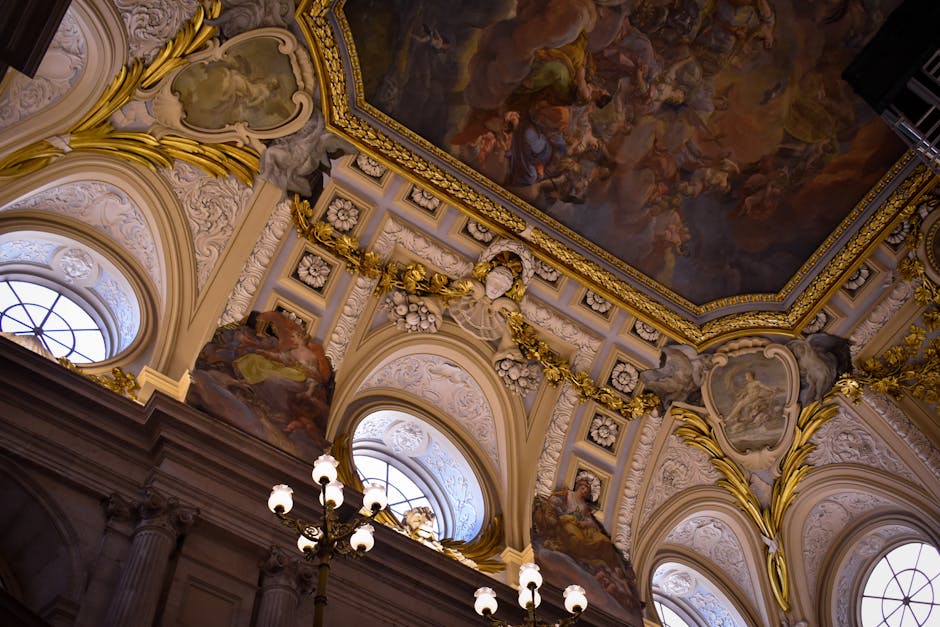
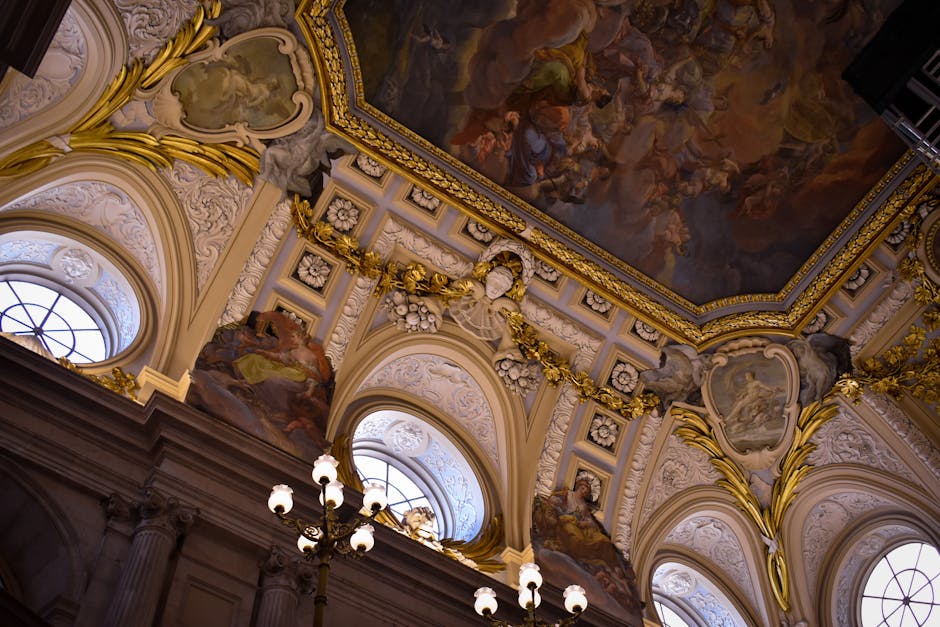
Explore Madrid's 'Landscape of Light' on this self-guided walk through the world-renowned Golden Triangle of Art, from Cibeles to the Reina Sofía.
 Moderate
Madrid, Spain
Explore Madrid's most diverse neighborhood on this self-guided walk through street art, historic markets, and multicultural squares.
 Easy
EasyMadrid, Spain
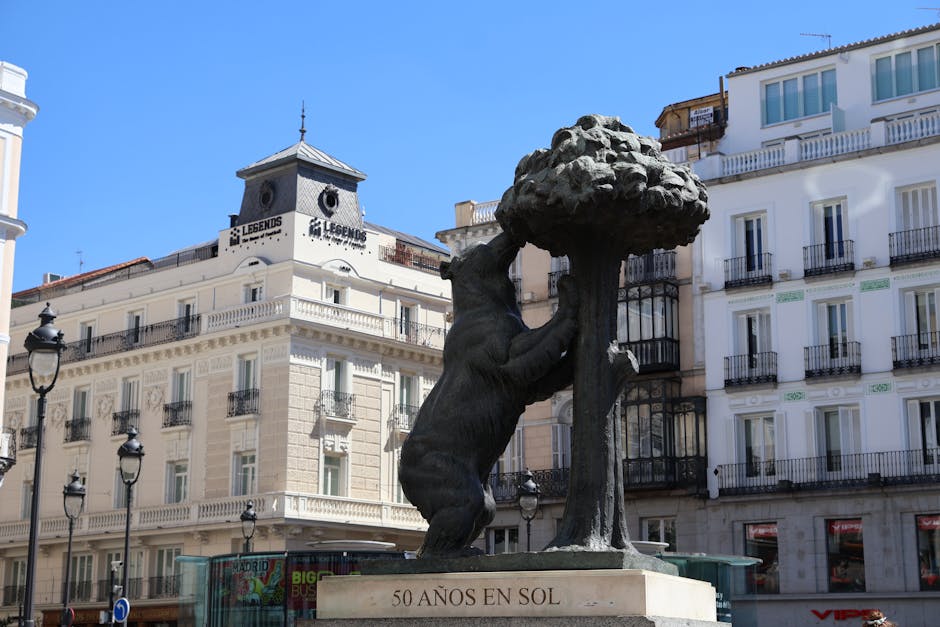
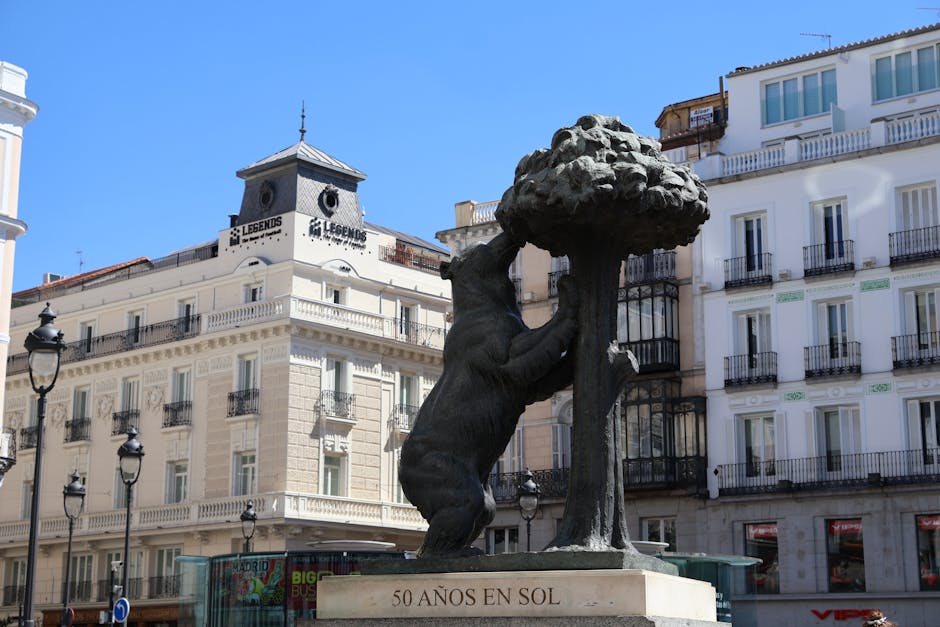
Explore the royal legacy and medieval alleys of Madrid's historic Habsburg district on this immersive self-guided walk through the city's heart.
 Easy
EasyMadrid, Spain
Discover the rebellious spirit of Malasaña on this self-guided walk through Madrid's best street art, historic squares, and counter-culture hubs.