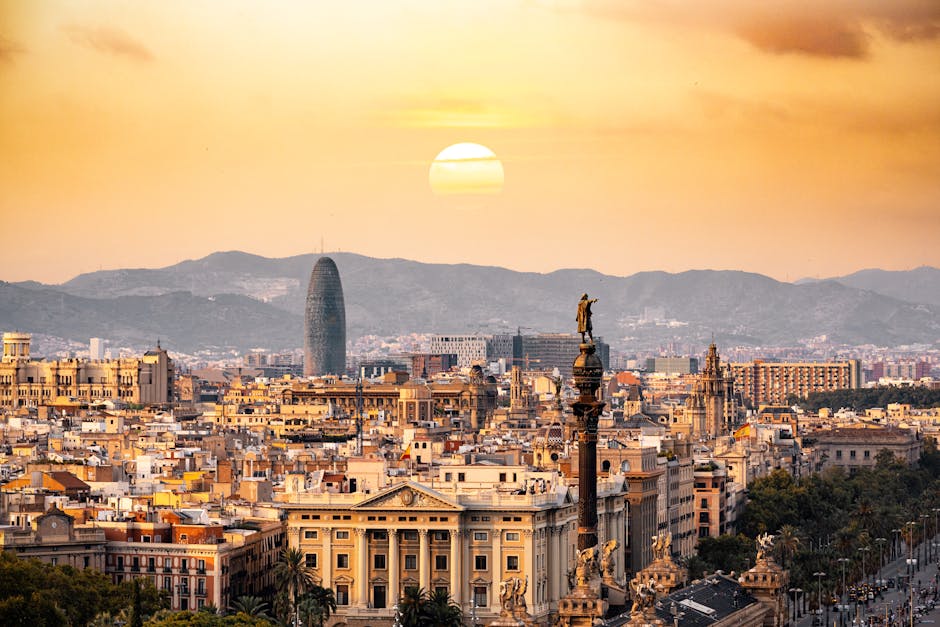
Self-guided audio tour in Barcelona
Start Free on iPhone
Start free on iPhone to unlock this self-guided walking tour in Barcelona. Hear all the stories that make it amazing, walk at your own pace, and begin whenever you want.
Your Private Tour Guide
Before 1992, Barcelona was a city with its back to the sea, dominated by industrial rail lines and derelict factories. The 1992 Summer Olympic Games changed the city's DNA forever, sparking a massive urban renewal project that birthed the Vila Olímpica. This self-guided walk invites you to explore the architectural triumphs and artistic landmarks of the Olympic Shores, where cutting-edge design meets the Mediterranean breeze. On this walking route, you will witness how world-renowned architects like Frank Gehry and Bruce Graham reimagined the coastline, turning a neglected industrial zone into one of Europe’s most vibrant waterfronts. Starting at the abstract David i Goliat sculpture, your neighborhood stroll will lead you through parks built atop sunken highways and past the shimmering scales of the Golden Fish. You will discover the stories behind the twin towers that define the city's skyline and wander through the Port Olímpic, a hub of maritime activity. This audio walk is perfect for those who appreciate modern history and urban design, offering a chance to see how the 1992 Games provided more than just sports—they provided a new way of life for the people of Barcelona. As you wander toward Nova Icària Beach, you’ll realize that the sand beneath your feet and the palm trees overhead were all part of a grand vision to reclaim the shore for the public. This walking tour Barcelona experience allows you to skip the crowds of the Gothic Quarter and see the 'New Barcelona' at your own pace. Whether you are a first-time visitor or a repeat traveler, this self-guided walk offers a unique perspective on the city’s resilience and creative spirit. Explore independently and soak in the sun-drenched atmosphere of the Vila Olímpica, where every sculpture and skyscraper tells a story of transformation.
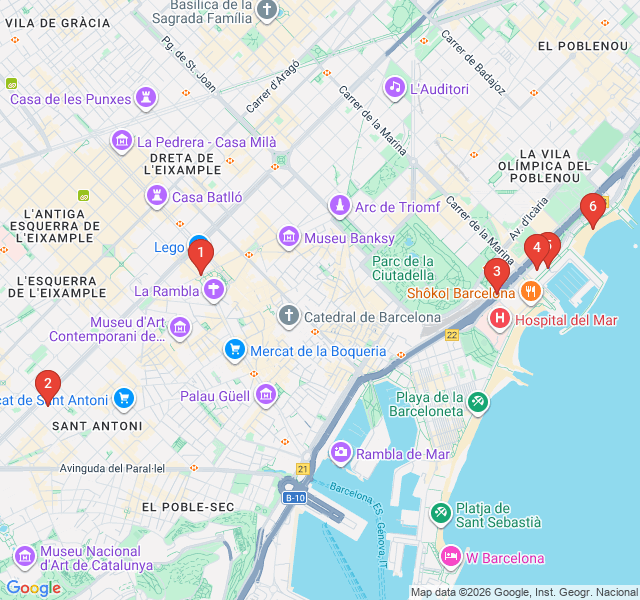
Numbers indicate the order of stops on the tour.
Begin your self-guided adventure at the Plaça dels Voluntaris, where the towering 'David i Goliat' sculpture stands. Created by Catalan artist Antoni Llena for the 1992 Olympics, this abstract piece of twisted steel and mesh is a tribute to the neighborhood that was demolished to make way for the Olympic Village. It represents the triumph of the small and fragile over the massive industrial giants that once occupied this land. Notice how the sculpture seems to defy gravity, swaying slightly in the coastal wind. It serves as a symbolic gateway, marking the transition from the old industrial Barcelona to the modern, airy city that rose in its place.
As you walk toward the water, you cannot miss the shimmering Peix d'Or, or Golden Fish. Designed by legendary architect Frank Gehry, this 56-meter-long sculpture was one of the first structures to be designed using 3D aeronautical software. Its stainless-steel scales change color depending on the angle of the sun, shifting from deep gold to bright copper. Gehry, known for his fluid and organic forms, chose the fish as a recurring motif in his work, symbolizing movement and life. This landmark has become an icon of the Barcelona waterfront, perfectly capturing the city's blend of high-tech innovation and Mediterranean soul.
Take a moment to enjoy the greenery of the Parc de les Cascades. This park is a feat of urban engineering, as it was built directly on top of the Ronda Litoral, the ring road that circles Barcelona. Before 1992, this highway was a barrier between the city and the sea; by 'capping' it with a park, planners created a seamless connection for pedestrians. Look for the 'Power' sculpture—a massive horse-like figure—and the cooling water features that give the park its name. It’s a perfect example of how the Olympic project prioritized public space and greenery over industrial infrastructure.
Gaze upward at the 'Twin Towers' of Barcelona. While they look similar in height, they serve very different purposes. To your left is Torre Mapfre, an office building, and to your right is the Hotel Arts, wrapped in its distinctive white steel exoskeleton. Standing at 154 meters, these were the tallest buildings in Spain when they were completed in 1992. The Hotel Arts, designed by Bruce Graham, was built to accommodate the influx of visitors for the Games. These towers acted as the architectural anchors for the new waterfront, providing a futuristic silhouette that can be seen from miles away along the coast.
Step into the Port Olímpic, the marina built specifically to host the sailing events of the 1992 Summer Games. Today, it is a bustling hub for leisure and the 'blue economy.' As you walk along the quays, notice the transition from the older nightlife-focused era to a new, more sustainable vision for the port. The area is currently undergoing a massive renovation to create more space for marine research, startups, and high-quality dining. It remains a central point for Barcelona’s maritime culture, where you can watch sailboats bobbing in the water against the backdrop of the modern city skyline.
Your walking route concludes at Nova Icària Beach. It is hard to believe that before the 1990s, this area was a rocky, polluted wasteland. To create this beach, the city imported millions of tons of sand and built artificial breakwaters to protect it from erosion. Named after the socialist utopian community 'Icària' that once lived in the nearby Poblenou district, this beach is now one of the most popular spots for families and volleyball players. It stands as a testament to the ultimate goal of the Olympic transformation: returning the sea to the people of Barcelona.
Start Free on iPhone
Explore “Olympic Shores: The Waterfront Transformation” with your very own Private Tour Guide with Zigway. Start free on iPhone, skip the large group and the fixed routes, and hear the city come alive as you go.
Your Private Tour Guide
Don't miss the good stuff
Explore Freely
 Moderate
Barcelona, Spain
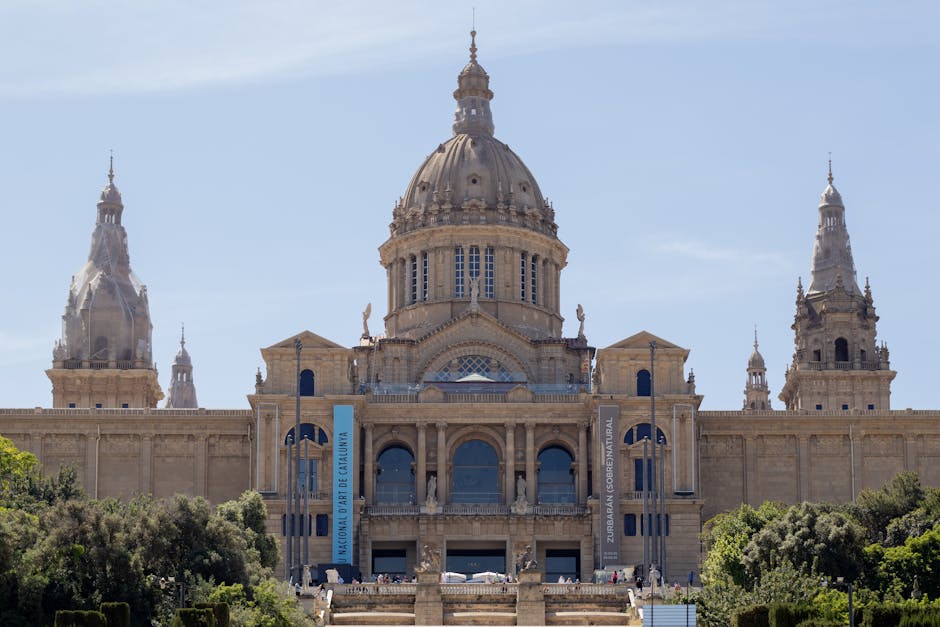
Explore the elegant 'village' of Sarrià, where Gothic monasteries and Gaudí's hidden gems meet charming local markets and narrow streets.
 Moderate
Barcelona, Spain
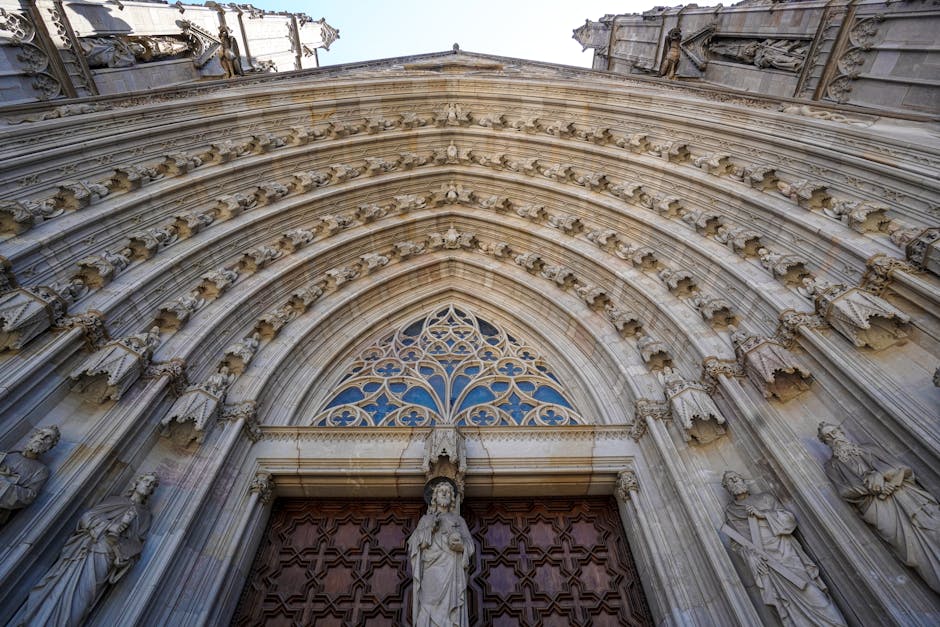
Discover the revolutionary history and haunting scars of the Spanish Civil War on this self-guided walk through Barcelona's historic streets.
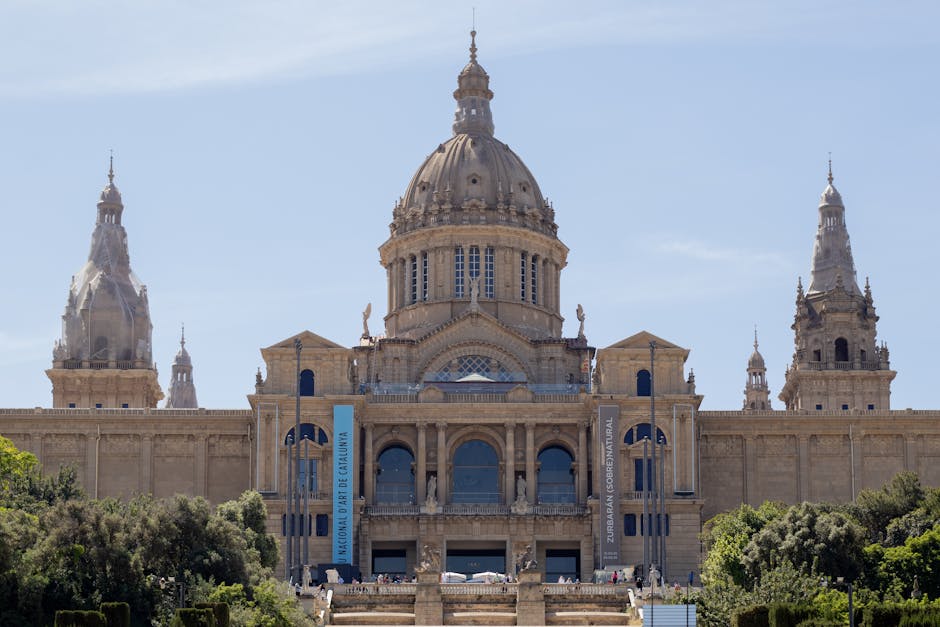 Easy
EasyBarcelona, Spain
Discover the architectural wonders of Barcelona's Golden Square on this self-guided stroll through Eixample's most luxurious Modernista streets.
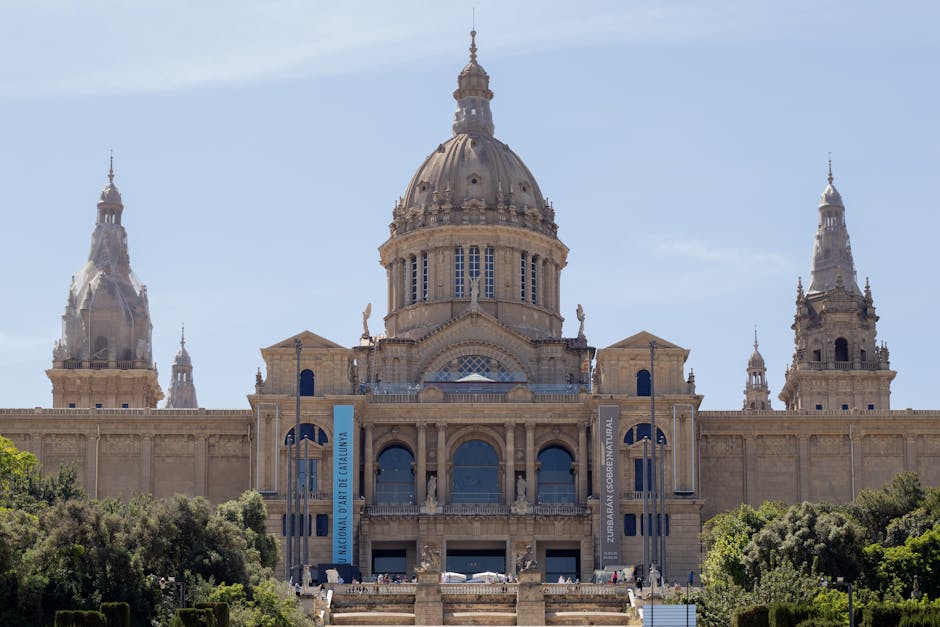 Challenging
Barcelona, Spain
Explore Montjuïc’s lush gardens, historic fortress, and iconic Olympic venues on this scenic self-guided walk with panoramic Mediterranean views.
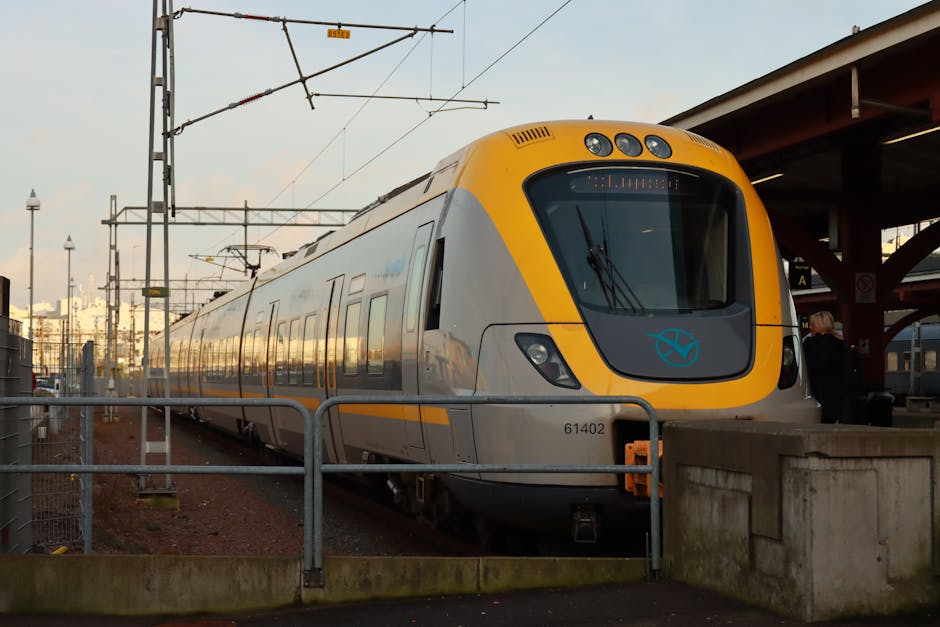 Easy
EasyGothenburg, Sweden
Discover Gothenburg’s 17th-century Dutch foundations, historic canals, and military fortifications on this self-guided architectural walk.
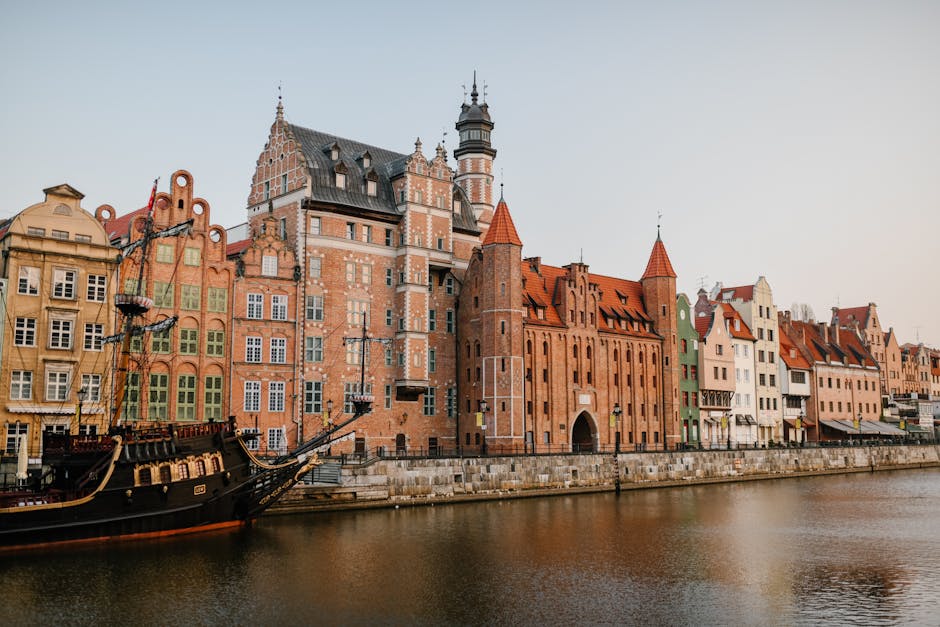 Easy
EasyGdansk, Poland
Discover the 'Baltic Gold' on this self-guided walk through Gdansk's historic mills, massive cathedrals, and the magical Mariacka Street.
 Easy
EasyHelsinki, Finland
Discover Helsinki's oldest neighborhood on this self-guided audio walk through Kruununhaka’s historic streets, hidden courtyards, and scenic shores.
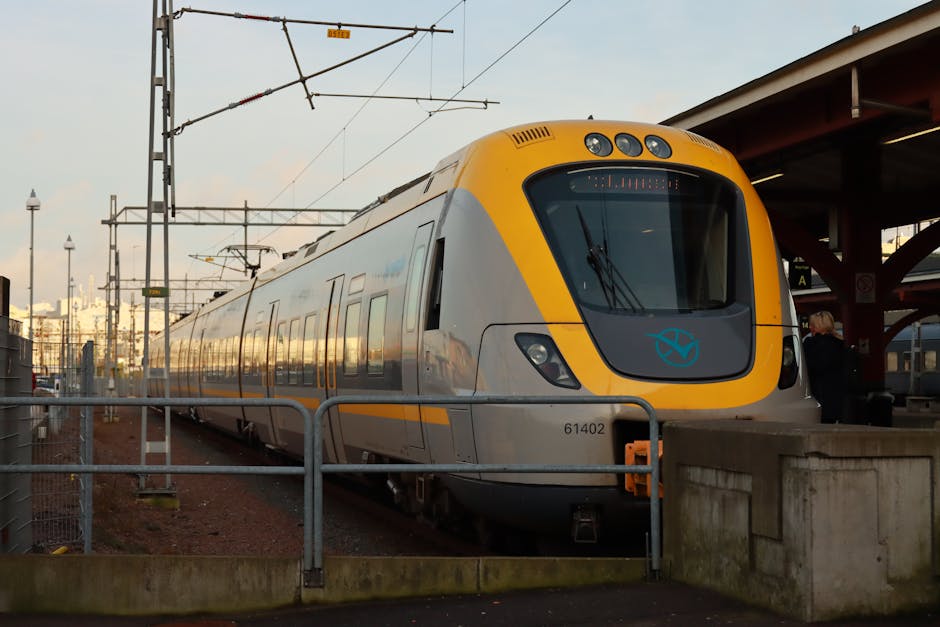 Easy
EasyGothenburg, Sweden
Explore Gothenburg’s historic wooden houses, legendary giant cinnamon buns, and panoramic fortress views on this self-guided neighborhood stroll.
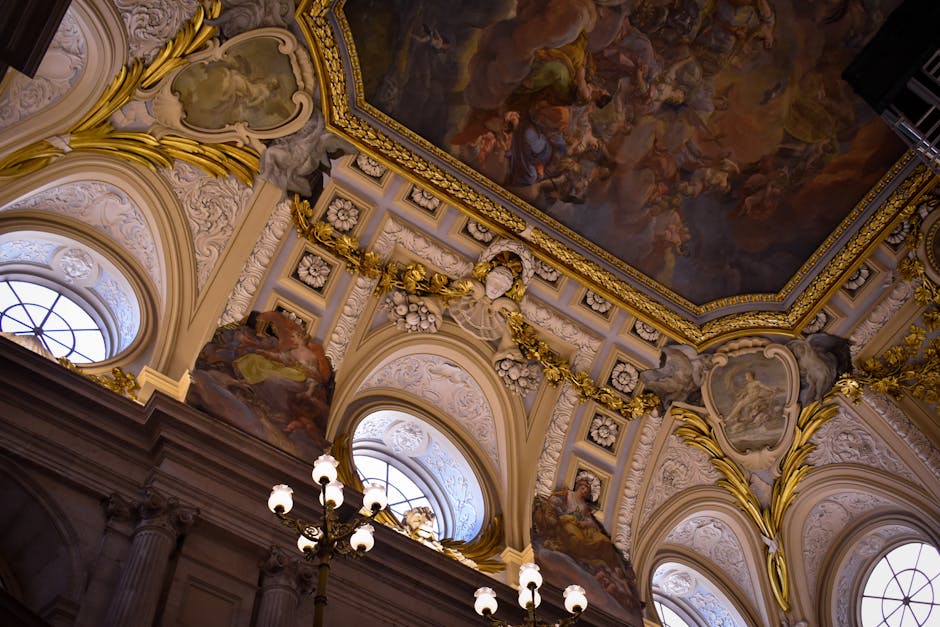 Easy
EasyMadrid, Spain
Explore Madrid's 'Landscape of Light' on this self-guided walk through the world-renowned Golden Triangle of Art, from Cibeles to the Reina Sofía.
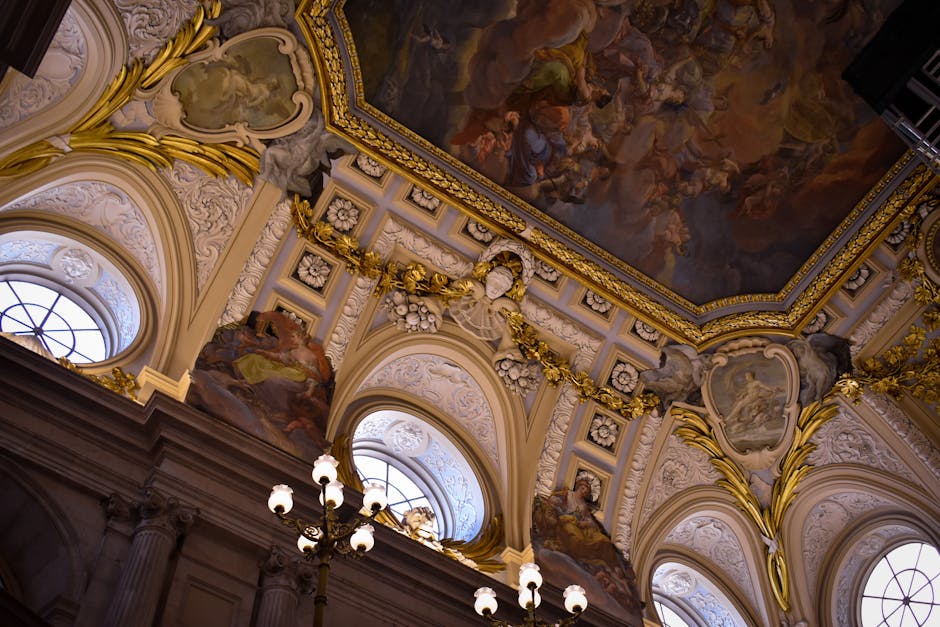 Moderate
Madrid, Spain
Explore Madrid's most diverse neighborhood on this self-guided walk through street art, historic markets, and multicultural squares.
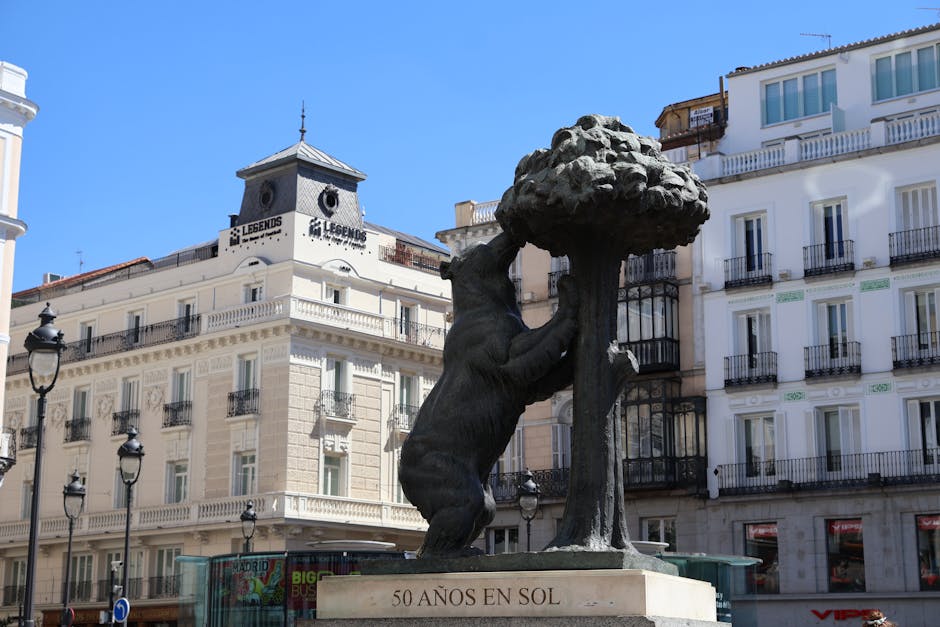 Easy
EasyMadrid, Spain
Explore the royal legacy and medieval alleys of Madrid's historic Habsburg district on this immersive self-guided walk through the city's heart.
 Easy
EasyMadrid, Spain
Discover the rebellious spirit of Malasaña on this self-guided walk through Madrid's best street art, historic squares, and counter-culture hubs.