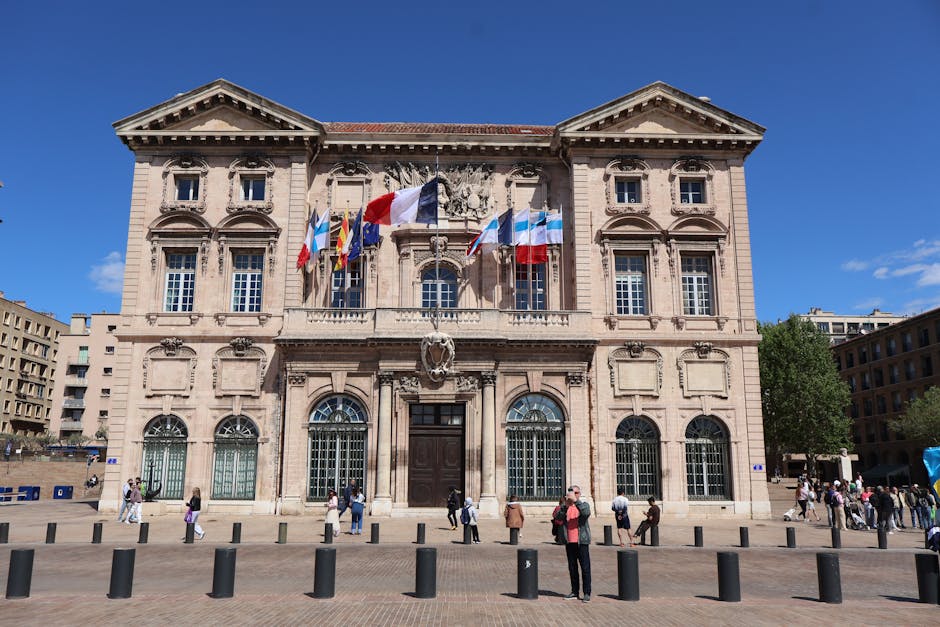
Self-guided audio tour in Marseille
Start Free on iPhone
Start free on iPhone to unlock this self-guided walking tour in Marseille. Hear all the stories that make it amazing, walk at your own pace, and begin whenever you want.
Your Private Tour Guide
Embark on a profound journey through the soul of Marseille with this self-guided walk that bridges the gap between the city's vibrant daily life and its monumental past. This walking route is designed for those who wish to see beyond the typical tourist paths, tracing a line from the ancient, winding alleys of Le Panier through the grand 19th-century boulevards, all the way to the serene 'Silent City'—the Cimetière Saint-Pierre. As you explore independently, you will encounter the architectural evolution of France's oldest city, from colonial monuments and Triumphal Arches to the Art Deco splendor of the Opera House and the maritime strength of the historic forts. This neighborhood stroll offers a unique perspective on how Marseille honors its heroes and its history. You will witness the city's relationship with the sea at the Corniche Kennedy and the Palais du Pharo, before turning inland toward the artistic and botanical grandeur of Palais Longchamp. The route culminates at the Saint-Pierre Cemetery, often compared to Paris's Père Lachaise. Here, among the ornate mausoleums and sculptural masterpieces, the stories of Marseille’s famous artists, politicians, and everyday citizens come to life in a quiet, park-like setting. This walking tour Marseille experience is less about ticking boxes and more about feeling the rhythm of the city. Whether you are admiring the replica of Michelangelo’s David or looking out toward the mysterious Château d'If, you are participating in a narrative that has been unfolding for over 2,600 years. Discover at your own pace why Marseille is a city of contrasts—where the chaotic energy of the markets eventually gives way to the peaceful, artistic heritage of its final resting places. This self-guided adventure is perfect for history buffs and photography enthusiasts looking for a deep dive into Mediterranean culture.
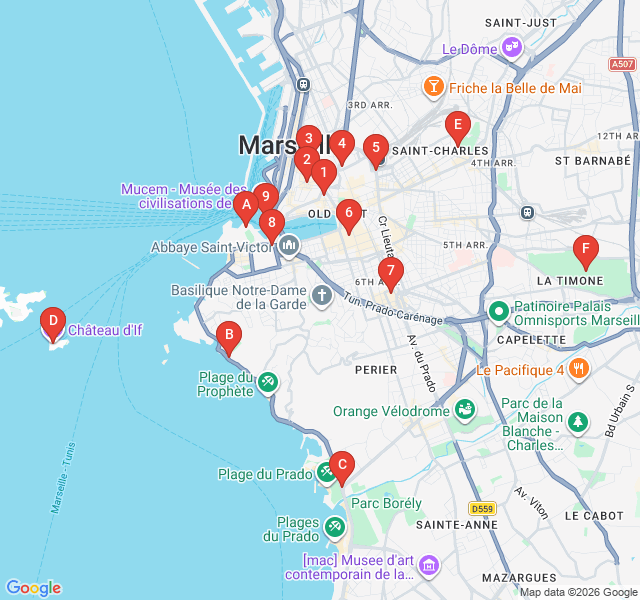
Numbers indicate the order of stops on the tour.
Start exploring with Zigway at this local creative hub. Located near the edge of the historic Panier district, this café serves as a gateway to Marseille's artistic scene. It’s a perfect spot to observe the city waking up. The surrounding streets are filled with galleries and studios, reflecting Marseille’s modern identity as a Mediterranean cultural capital. Take a moment to appreciate the blend of traditional architecture and contemporary street art that characterizes this specific corner of the city before heading deeper into the oldest neighborhood in France.
Step into Le Panier, the historic heart of Marseille. Founded by the Greeks in 600 BC, this neighborhood is a labyrinth of narrow streets, pastel-colored facades, and hidden squares. It has survived centuries of transformation, from a bustling maritime hub to a vibrant center for local artisans. As you stroll, notice the laundry hanging from balconies and the smell of 'Savon de Marseille' wafting from small shops. This area embodies the resilient spirit of the city, maintaining a village-like atmosphere despite being in the center of a major metropolis.
This somber monument stands as a reminder of Marseille's deep-rooted colonial history and its role as the 'Gateway to the East.' It honors the soldiers who fell during the Indochina War. Marseille was the primary port for troops departing for and returning from Southeast Asia, making this location particularly significant. The design is intended to provide a space for reflection on the human cost of conflict and the city's complex relationship with France's former overseas territories.
Gaze up at the Porte d'Aix, Marseille’s own Triumphal Arch. Completed in 1839, it was originally designed to celebrate the end of the War of American Independence, though it eventually came to honor French victories in general. Its Roman-inspired architecture, featuring intricate bas-reliefs and towering columns, marks what was once the main entrance to the city from the road to Aix-en-Provence. Today, it stands as a monumental landmark in a bustling, multicultural plaza, bridging the gap between historical grandeur and modern urban life.
The monumental staircase of the Saint-Charles train station is more than just a functional path; it is a grand architectural statement. Opened in 1925, the 104 steps are adorned with statues representing the distant lands once reached via Marseille’s port—such as 'The Colonies of Africa' and 'The Colonies of Asia.' As you descend or ascend, you get a panoramic view of the city rooftops and the distant Notre-Dame de la Garde. It symbolizes the era when rail and sea travel combined to make Marseille a global crossroads.
The Opéra de Marseille is a rare architectural gem, featuring a grand neo-classical facade that survived a devastating fire in 1919, paired with a stunning Art Deco interior. It is one of the few opera houses in France with this specific stylistic blend. Since the 18th century, this site has been the center of Marseille’s high culture. Even if you aren't attending a performance, the exterior's elegant columns and statues of the Muses reflect the city’s long-standing passion for the arts and musical theater.
Place Castellane is a vital pulse point for the city. At its center stands the Fontaine Jules Cantini, one of the most beautiful fountains in Marseille. Carved from Carrara marble, it depicts the city of Marseille surrounded by the Mediterranean Sea and the Rhône River. This square serves as a major transit hub, connecting the historic center with the southern districts. It is a fantastic place to witness the daily bustle of locals and the vibrant energy that defines the city’s social life.
Standing guard over the Old Port, Fort Saint-Nicolas was built by order of Louis XIV in the 1660s. Interestingly, its cannons were pointed toward the city, not the sea—a clear sign that the 'Sun King' wanted to keep the rebellious citizens of Marseille under control. Today, parts of the citadel are being restored and opened to the public, offering some of the best defensive architecture in the region. It remains a powerful symbol of royal authority in a city known for its independent spirit.
Fort Saint-Jean is a complex historical site that has served as a military outpost, a prison during the French Revolution, and a German depot during WWII. Today, it is seamlessly connected to the modern MuCEM museum by a spectacular footbridge. Walking through its courtyards and along its ramparts, you can explore gardens filled with Mediterranean plants and enjoy views of the lighthouse and the harbor. It represents the perfect marriage of Marseille's ancient military heritage and its contemporary cultural revival.
The Palais du Pharo was built by Napoleon III for Empress Eugénie, though she never actually stayed here. Situated on a promontory overlooking the entrance to the Old Port, the palace is surrounded by a large public park. It offers arguably the most iconic view of Marseille’s coastline and the MuCEM. The architecture is typical of the Second Empire style. Today, the palace hosts international conventions, but the gardens remain a favorite 'balcony' for locals to watch the ferries depart for Corsica and North Africa.
Named after the American President, the Corniche Kennedy is a scenic coastal road that winds along the Mediterranean. It features what is often cited as the longest bench in the world, stretching nearly three kilometers. As you walk this section, you'll see the Frioul Islands and the Château d'If in the distance. The Corniche is where the city meets the sea, popular with joggers, sunbathers, and anyone looking for a breath of salt air. It captures the leisurely, blue-hued side of Marseille life.
You might be surprised to find Michelangelo’s David standing near the beaches of Marseille. This Carrara marble replica was gifted to the city in 1903 by a local sculptor, Jules Cantini. It has since become a landmark for the Prado beaches. While it may seem out of place so far from Florence, it serves as a testament to the city’s appreciation for classical art and its historical ties to Italian immigrant communities who helped build modern Marseille.
Visible from the shore, the Château d'If is Marseille’s version of Alcatraz. Built as a fortress by King Francis I, it later became a notorious prison. Its most famous 'resident' was the fictional Edmond Dantès from Alexandre Dumas’s 'The Count of Monte Cristo.' The island fortress remains one of the most recognizable silhouettes in the Mediterranean. Even from the mainland, its presence evokes stories of daring escapes and the harsh justice of centuries past, adding a layer of literary mystery to the horizon.
The Palais Longchamp is a spectacular monument to water. Built in 1869 to celebrate the arrival of the Canal de Marseille, which finally brought fresh water from the Durance River to the city, it features a grand fountain, colonnades, and two museums. The lush gardens behind the palace were once a zoo, and you can still see the historic animal cages. It is a masterpiece of 19th-century architecture and a symbol of the city’s triumph over drought and disease.
Enter the 'Silent City.' The Saint-Pierre Cemetery, established in 1855, is the largest in Marseille and a true open-air museum of funerary art. As you wander through its avenues, you will find the final resting places of famous Marseillais, including Edmond Rostand, author of 'Cyrano de Bergerac,' and various celebrated painters and singers. The elaborate mausoleums and moving sculptures tell the story of the city’s families and its social history. It is a place of profound peace and artistic beauty, marking the end of our heritage walk.
Start Free on iPhone
Explore “The Silent City: St. Pierre Cemetery Heritage Walk” with your very own Private Tour Guide with Zigway. Start free on iPhone, skip the large group and the fixed routes, and hear the city come alive as you go.
Your Private Tour Guide
Don't miss the good stuff
Explore Freely
 Easy
EasyMarseille, France
Explore Marseille's green heart at Parc Borély and discover Le Corbusier's iconic Unité d'Habitation on this self-guided architecture walk.
 Moderate
Marseille, France
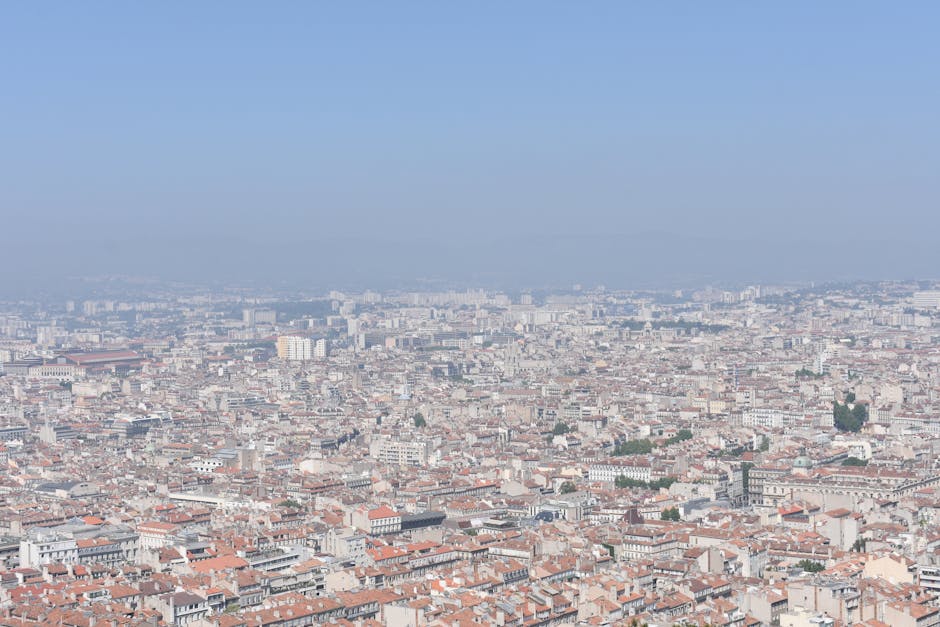
Discover Marseille's historic spine from the Old Port to the majestic Palais Longchamp on this self-guided architectural walking route.
 Moderate
Marseille, France
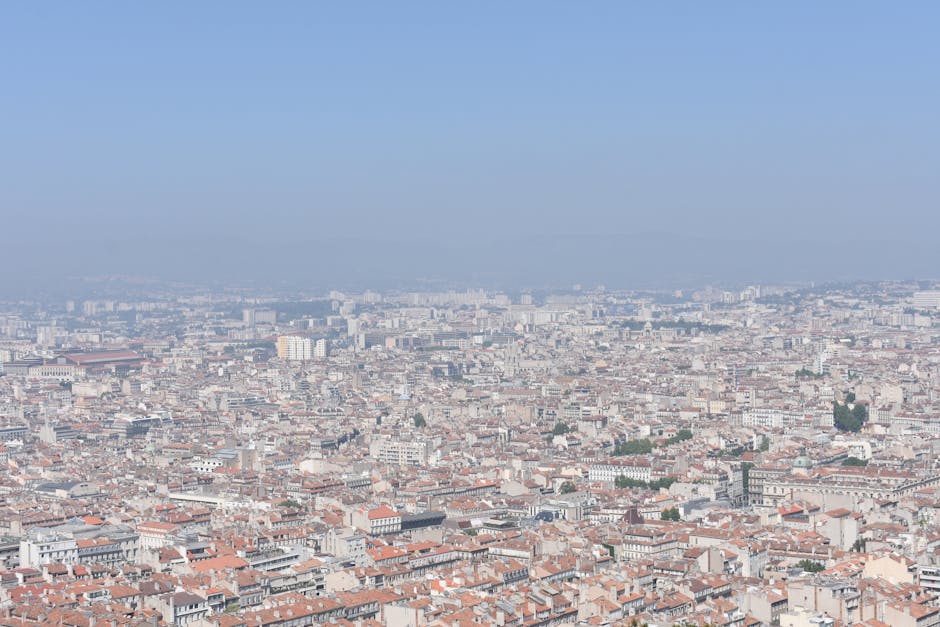
Explore the vertical gardens and hidden villas of Endoume on this self-guided walk through Marseille’s most charming coastal neighborhood.
 Easy
EasyMarseille, France
Discover the cinematic soul of Marseille on this self-guided walk through the historic Vieux Port, inspired by the works of Marcel Pagnol.
 Easy
EasyHelsinki, Finland
Discover Helsinki's oldest neighborhood on this self-guided audio walk through Kruununhaka’s historic streets, hidden courtyards, and scenic shores.
 Moderate
Gdansk, Poland
Discover Zaspa, a massive open-air gallery where grey housing blocks are transformed by over 60 monumental murals. Explore at your own pace.
 Moderate
Gothenburg, Sweden
Discover Gothenburg’s maritime soul on this self-guided walk from the historic Central Station to the scenic riverfront at Stenpiren.
 Easy
EasyGothenburg, Sweden
Explore Gothenburg's maritime soul on this self-guided walk from historic shipyards to sleek modern piers and iconic industrial landmarks.
 Challenging
Paris, France
Explore the secret vineyards, legendary artist studios, and hidden squares of Paris's iconic hilltop on this self-guided bohemian walking route.
 Easy
EasyParis, France
Explore the evolution of Parisian design from Art Nouveau whimsy to Le Corbusier's Modernist masterpieces on this self-guided architectural walk.
 Easy
EasyParis, France
Explore the flavors and history of Bastille on this self-guided walk through the legendary Aligre Market and the scenic Coulée Verte.
 Easy
EasyParis, France
Discover aristocratic mansions, secret medieval courtyards, and royal history on this self-guided walk through the enchanting Marais district.