Self-guided audio tour in Paris
Start Free on iPhone
Start free on iPhone to unlock this self-guided walking tour in Paris. Hear all the stories that make it amazing, walk at your own pace, and begin whenever you want.
Your Private Tour Guide
Step away from the typical Haussmannian boulevards and discover the architectural laboratory of Paris. The 16th Arrondissement, often viewed as a quiet residential enclave, served as the primary canvas for the most daring architects of the late 19th and early 20th centuries. This self-guided walk invites you to trace the evolution of French design, from the organic whimsy of Art Nouveau to the stark, functional lines of the Modernist movement. You will explore a neighborhood that transitioned from rural outskirts to a showcase of prestige and innovation. Your walking route begins at the Palais de Tokyo, a monumental relic of the 1937 International Exhibition. Here, you will see the transition from classical grandeur to the stripped-back aesthetics of Art Deco. As you move through the Jardins du Trocadéro, the scale of Parisian urban planning becomes clear, offering some of the most iconic views of the city while surrounded by the geometric precision of the 1930s. This neighborhood stroll then takes a turn toward the revolutionary, leading you to the works of Hector Guimard, the man who brought the 'whiplash' curves of Art Nouveau to the city's streets. At Castel Béranger, you will witness the moment Paris abandoned architectural symmetry for something far more organic and strange. Finally, this architectural exploration reaches its peak in the quiet streets of Auteuil. You will discover Rue Mallet-Stevens, the only street in Paris where a single architect designed every building, creating a unified vision of Cubist-inspired living. The journey concludes at Villa La Roche, a UNESCO World Heritage site designed by Le Corbusier. This masterpiece of Purist architecture redefined what a home could be, emphasizing light, space, and a break from the past. This self-guided adventure is more than a walk; it is a masterclass in the radical ideas that shaped the modern world. Whether you are an architecture enthusiast or a curious traveler, this route offers a unique perspective on the 'other' Paris, far from the gilded monuments of the center.
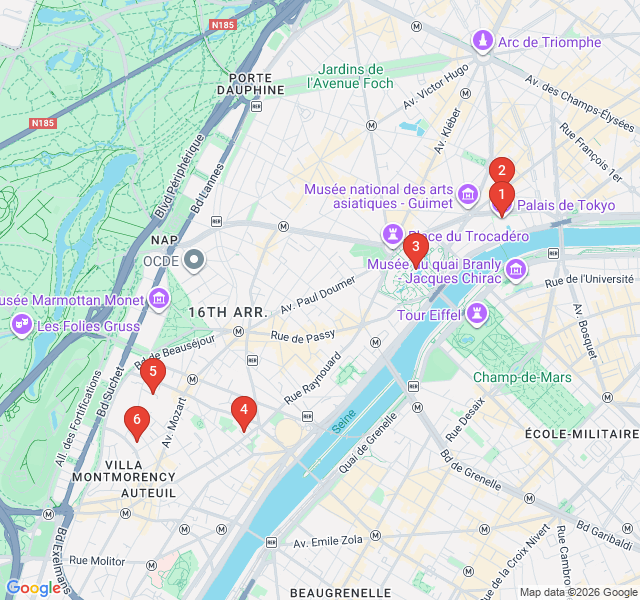
Numbers indicate the order of stops on the tour.
Welcome to the Palais de Tokyo, a striking example of 1930s architecture. Completed for the 1937 International Exhibition, this building marks a departure from the ornate styles of the previous century. Notice the austere, monumental colonnades and the minimalist decoration. This was the era of 'Stripped Classicism,' where architects sought to convey power through scale rather than gold leaf. Today, it houses one of the largest centers for contemporary art in Europe. As you stand in the central courtyard, look at the relief sculptures—they represent the arts and sciences, blending traditional craftsmanship with the sleek, modern lines that would soon dominate the world.
Just a short walk away stands the Palais Galliera, home to the City of Paris Fashion Museum. Built in the late 19th century by the Duchess of Galliera, its architecture is more traditional Neo-Renaissance, but it plays a crucial role in our story. It represents the height of Parisian luxury before the Modernist revolution. The building is constructed with a hidden metal frame—a cutting-edge technique at the time—cloaked in a skin of classical stone. It serves as a perfect visual bridge between the old-world elegance of the Belle Époque and the industrial innovations that were about to transform the 16th Arrondissement into a hub of modern design.
Entering the Jardins du Trocadéro, you are standing in the heart of the 1937 World’s Fair site. The Palais de Chaillot, which frames the view, was built specifically for that event, replacing a much more ornate Moorish-style palace. The architecture here is all about symmetry and perspective. Look across the Varsovie Fountain toward the Eiffel Tower; this is the quintessential Parisian view, but notice how the surrounding buildings use clean lines and geometric shapes. This space was designed to show a modern, confident France to the world. The gardens themselves are a peaceful retreat, showcasing how the city integrated green spaces with grand, modern infrastructure.
We now move into the realm of Art Nouveau at Castel Béranger. Designed by Hector Guimard and completed in 1898, this building was a scandal when it first appeared. It won the award for the most beautiful facade in Paris, but critics called it 'The Devil’s House' because of its strange, organic shapes. Look closely at the gate—the swirling, asymmetrical ironwork is a hallmark of the 'whiplash' style. Guimard designed every detail, from the door handles to the wallpaper, believing that a building should be a total work of art. This was the first major break from the rigid rules of Haussmann, proving that architecture could be expressive, fluid, and even a little bit weird.
Welcome to Rue Mallet-Stevens, a hidden gem of the 16th. This entire private street was designed by architect Robert Mallet-Stevens in 1927. It is a rare example of a unified Modernist vision. Notice the flat roofs, the lack of ornamentation, and the large windows designed to let in maximum light. The buildings look like white blocks stacked together, a style heavily influenced by Cubism. Mallet-Stevens believed that architecture should be functional and hygienic, stripping away the 'clutter' of the past. Walking down this street feels like stepping into a time machine to a future that was imagined nearly a century ago.
Our walk concludes at Villa La Roche, one of the most significant buildings in modern history. Designed by Le Corbusier and Pierre Jeanneret between 1923 and 1925, this house was a manifesto for a new way of living. It incorporates Le Corbusier’s 'Five Points of Architecture,' including the use of pilotis (stilts) to lift the building, and a roof garden. Inside, it features an 'architectural promenade,' a carefully planned path that guides you through the space to experience different light and perspectives. This building stripped architecture down to its essence: light, space, and volume. It remains a pilgrimage site for designers from all over the world.
Start Free on iPhone
Explore “Modernist Masterpieces of the 16th” with your very own Private Tour Guide with Zigway. Start free on iPhone, skip the large group and the fixed routes, and hear the city come alive as you go.
Your Private Tour Guide
Don't miss the good stuff
Explore Freely
 Challenging
Paris, France
Explore the secret vineyards, legendary artist studios, and hidden squares of Paris's iconic hilltop on this self-guided bohemian walking route.
 Easy
EasyParis, France
Explore the flavors and history of Bastille on this self-guided walk through the legendary Aligre Market and the scenic Coulée Verte.
 Easy
EasyParis, France
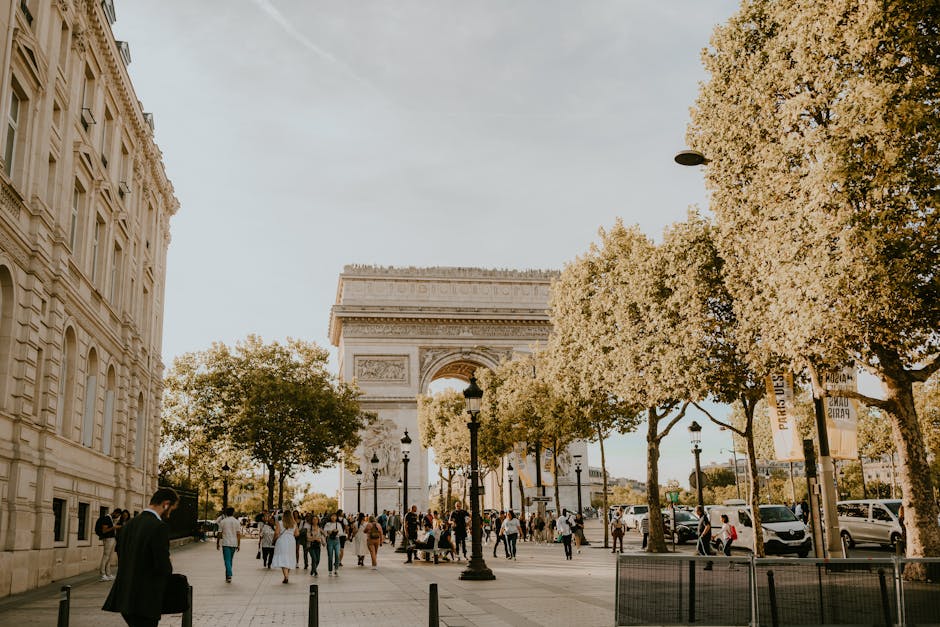
Discover aristocratic mansions, secret medieval courtyards, and royal history on this self-guided walk through the enchanting Marais district.
 Moderate
Paris, France
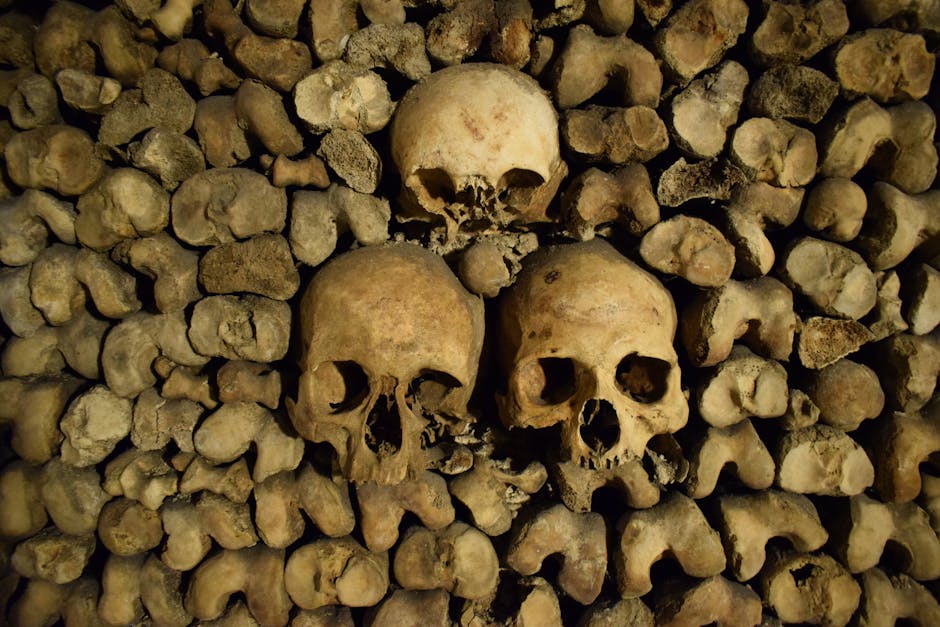
Explore the world's most famous cemetery independently. Discover the final resting places of Chopin, Jim Morrison, and Oscar Wilde at your own pace.
 Easy
EasyKrakow, Poland
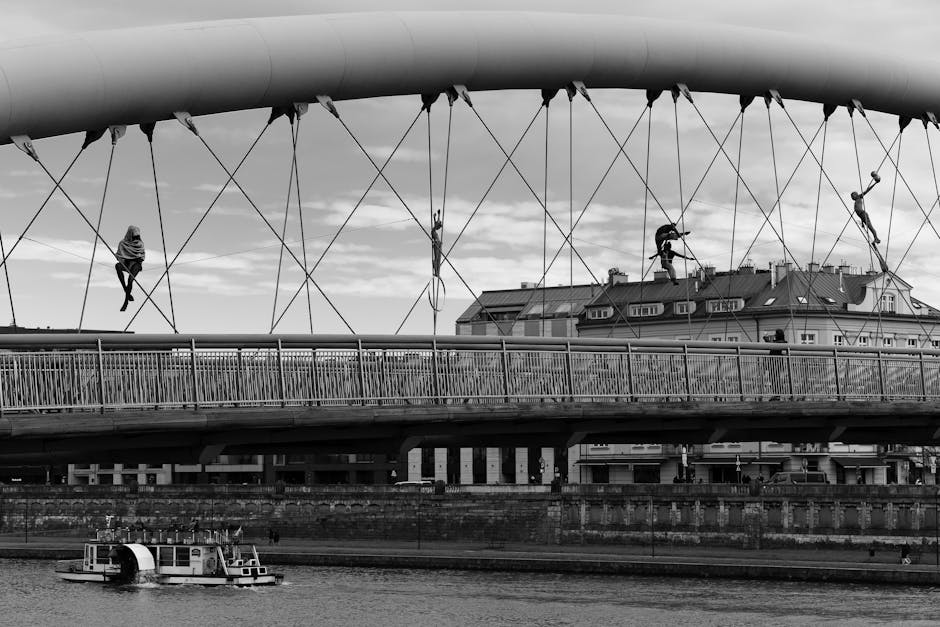
Discover Krakow’s creative soul in Zabłocie, exploring industrial heritage, contemporary art museums, and avant-garde architecture at your own pace.
 Easy
EasyGdansk, Poland
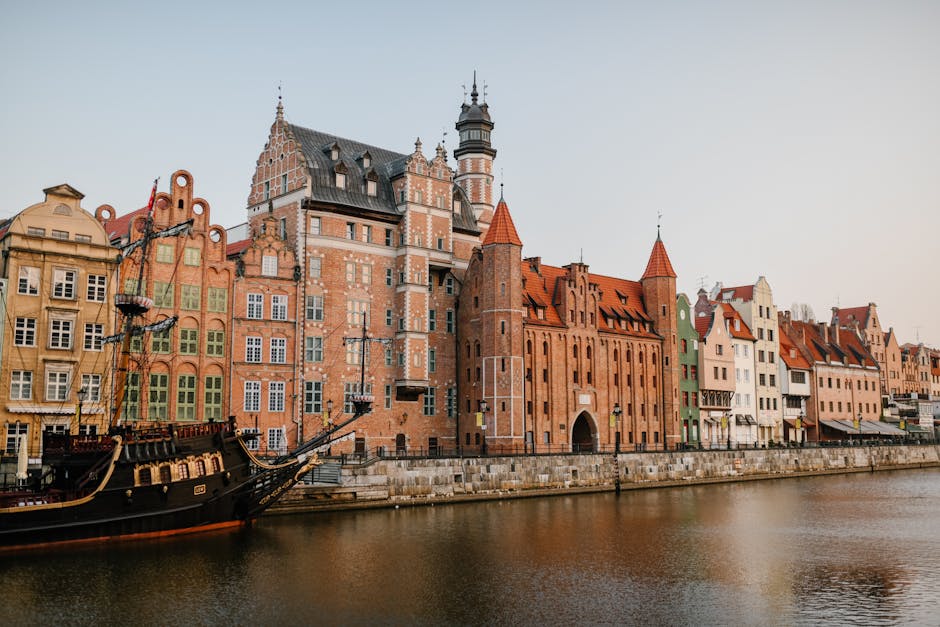
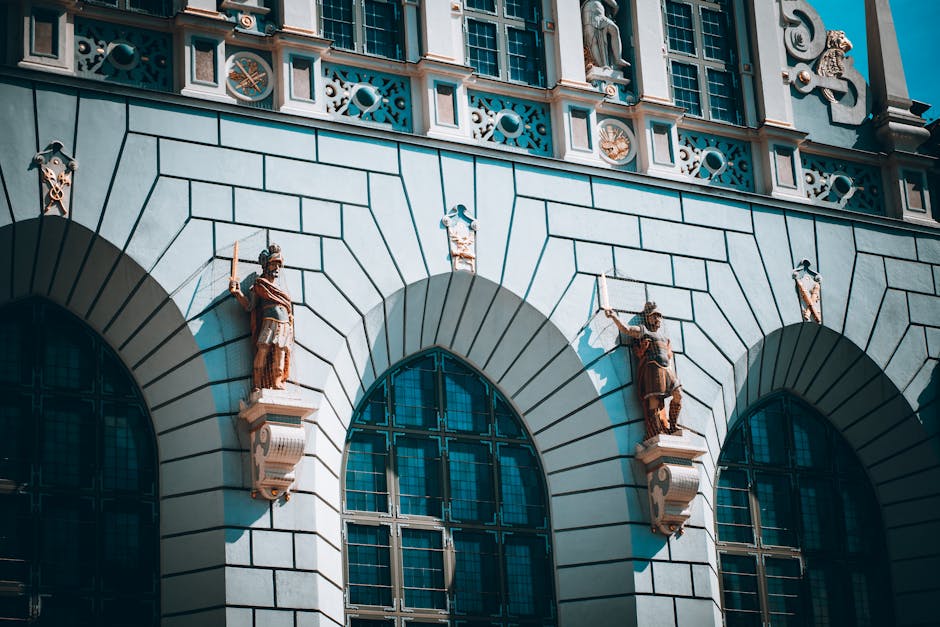
Discover the 'Baltic Gold' on this self-guided walk through Gdansk's historic mills, massive cathedrals, and the magical Mariacka Street.
 Moderate
Gdansk, Poland
Discover Zaspa, a massive open-air gallery where grey housing blocks are transformed by over 60 monumental murals. Explore at your own pace.
 Easy
EasyWarsaw, Poland
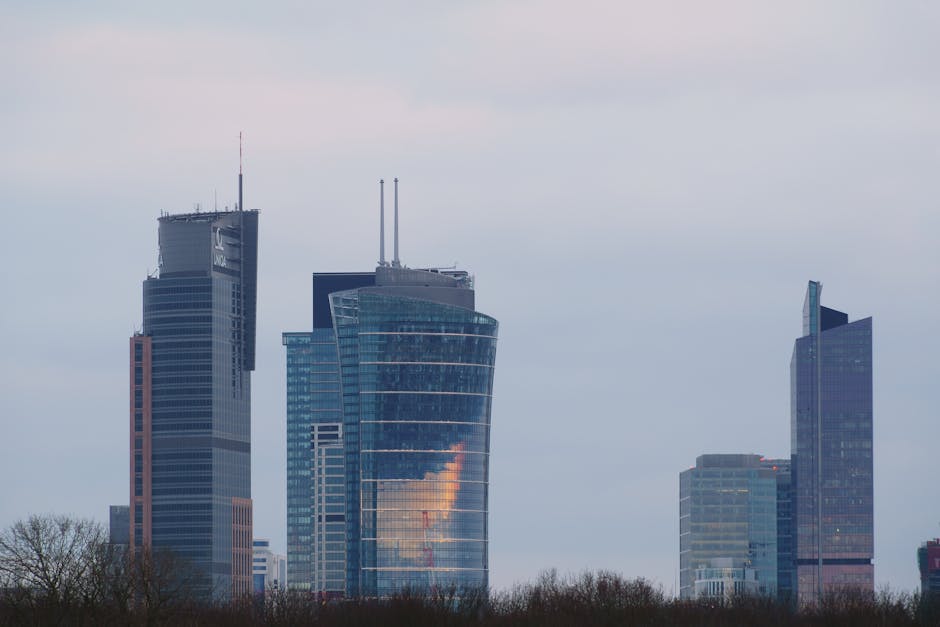
Discover the hidden courtyards and grand pre-war architecture of Warsaw's most atmospheric neighborhood on this self-guided stroll.
 Easy
EasyLyon, France
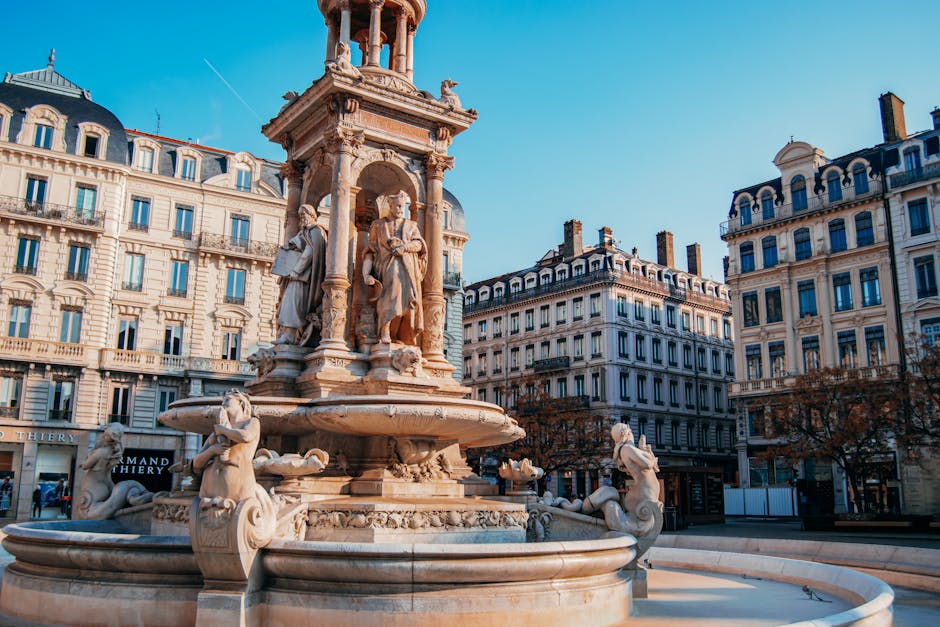
Discover Lyon's culinary soul on this self-guided walk from historic Presqu'île to the legendary Halles Paul Bocuse food market.
 Easy
EasyLyon, France
Explore Lyon’s futuristic waterfront! A self-guided walk through Confluence’s bold architecture and reclaimed industrial docks.
 Easy
EasyLyon, France
Discover the multicultural soul and industrial heritage of Lyon's 7th arrondissement on this vibrant self-guided walking route.
 Moderate
Lyon, France
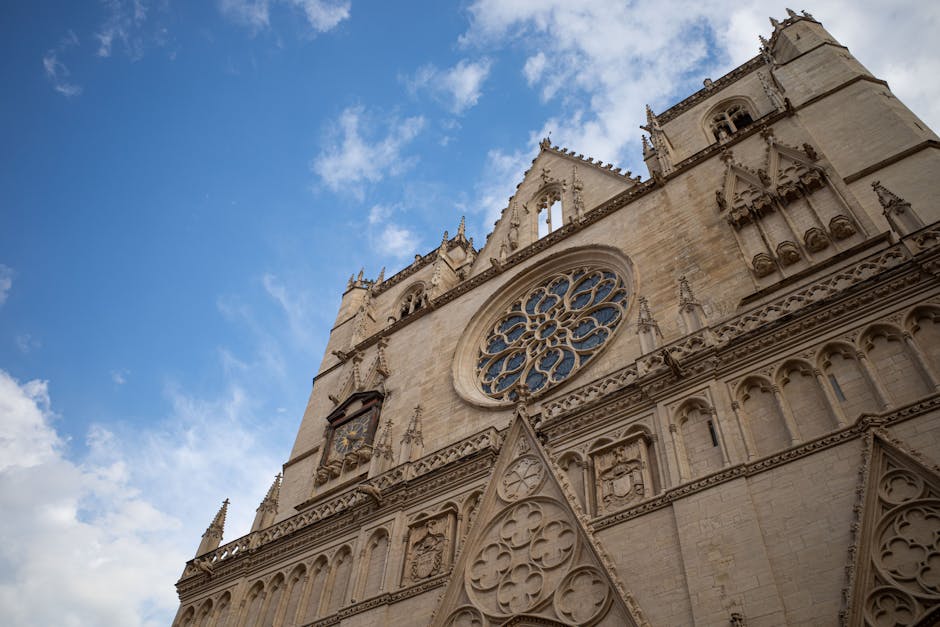
Ascend the 'Hill that Prays' to explore Roman ruins, a shimmering basilica, and secret panoramic gardens on this historic self-guided walk in Lyon.