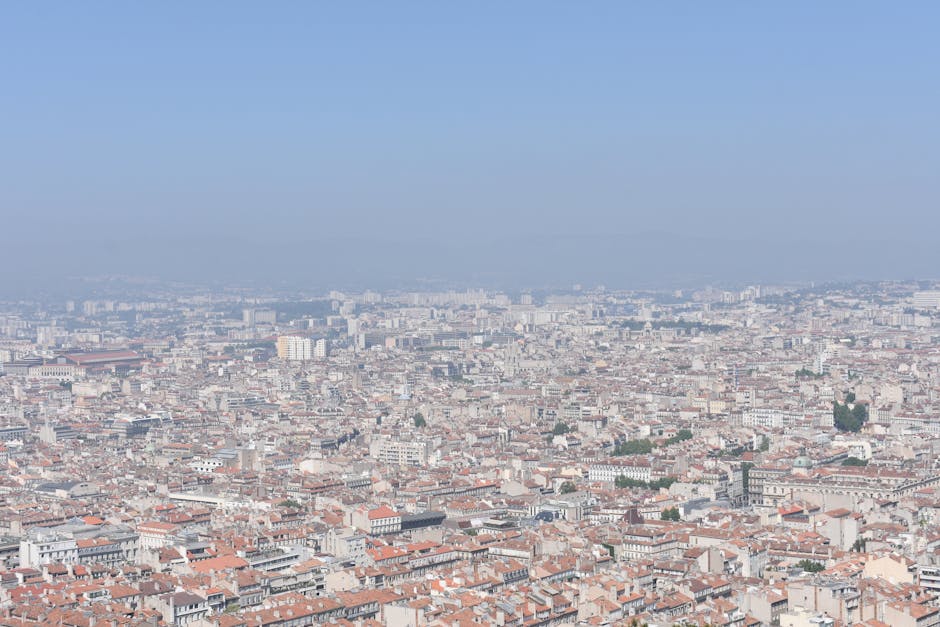
Self-guided audio tour in Marseille
Start Free on iPhone
Start free on iPhone to unlock this self-guided walking tour in Marseille. Hear all the stories that make it amazing, walk at your own pace, and begin whenever you want.
Your Private Tour Guide
Embark on a self-guided walk through the heart of Marseille, following the city's most famous artery, La Canebière. This neighborhood stroll captures the transition from the maritime bustle of the Vieux-Port to the aristocratic elegance of the Cinq-Avenues district. As you traverse this historic spine, you will witness the evolution of Marseille's urban landscape, from 19th-century grandiosity to modern architectural interventions. The route begins at the water's edge under a shimmering canopy of steel before ascending a boulevard once compared to the Champs-Élysées. Along the way, the path reveals hidden stories of the city's golden age, when trade and empire fueled the construction of opulent hotels and massive public monuments. You will explore the architectural diversity of the city, moving from the neo-Gothic spires of the Reformers' Church to the staggering fountain complex of the Palais Longchamp. This walking tour Marseille experience is designed for those who appreciate the intersection of history and aesthetics. The journey culminates in a lush parkland that houses two of the city's most significant cultural institutions, offering a peaceful retreat from the urban energy below. By following this walking route, you can discover the independent spirit of France's oldest city at your own pace, pausing to admire Haussmann-style facades or the intricate details of a monumental fountain. Whether you are interested in the engineering marvels that brought water to a thirsty city or the artistic legacy of the Provence region, this walk provides a comprehensive look at the civic pride that shaped modern Marseille. Explore independently and see how the 'Grand Boulevard' connects the Mediterranean sea to the heights of scientific discovery and fine art.
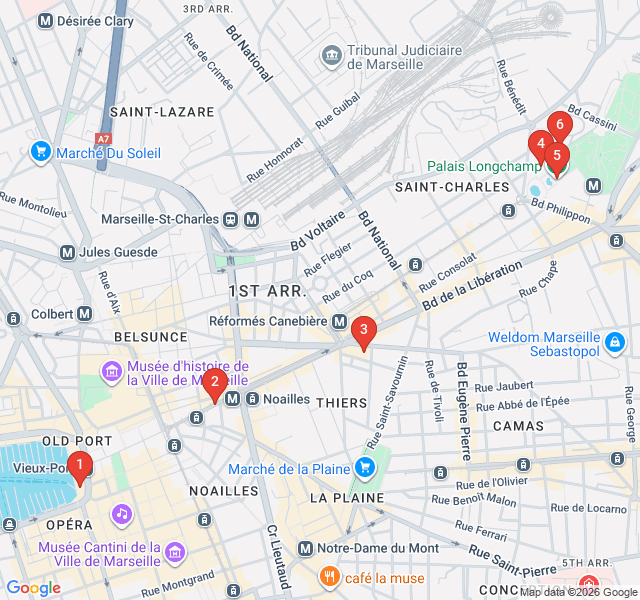
Numbers indicate the order of stops on the tour.
Begin your self-guided adventure at the Vieux-Port under L'Ombrière. This striking mirror-polished stainless steel canopy was designed by world-renowned architect Norman Foster as part of the port's 2013 revitalization. As you look up, the reflection of the harbor and the crowds below creates a surreal, inverted perspective of Marseille life. It serves as a modern gateway to the city's oldest district. This minimalist structure provides much-needed shade while acting as a public stage. Notice how the thin pillars disappear into the surroundings, allowing the mirrored 'sky' to dominate the space. It is a perfect example of how contemporary design can integrate with an ancient maritime setting without overshadowing its history.
Step onto La Canebière, the historic high street of Marseille. Stretching exactly one kilometer from the Old Port to the Church of the Reformers, this boulevard was once the city's grandest showcase. Built in 1666 by order of Louis XIV, its name comes from 'canebe,' the Provençal word for hemp, referencing the rope-making industry that once thrived here. During the 19th century, this was the place to see and be seen, lined with luxury hotels and cafes that welcomed travelers from across the globe. While the street has modernized, you can still see traces of its former glory in the ornate balconies and grand entrances of the Haussmann-style buildings that flank the route.
Known locally as 'Les Réformés,' this neo-Gothic masterpiece marks the upper end of the Canebière. Constructed in the mid-1800s on the site of an old Augustinian convent, its twin spires reach 70 meters into the sky, making it a prominent landmark visible from much of the city center. The church is famous for its intricate stained-glass windows and its massive bronze doors. It represents the religious fervor and architectural ambition of the Second Empire. Take a moment to admire the facade's delicate stonework, which contrasts with the bustling traffic and modern tramway lines that intersect here. The interior is equally impressive, offering a quiet, cool sanctuary from the Mediterranean sun.
Located in the left wing of the Palais Longchamp, the Musée des Beaux-Arts is the oldest museum in Marseille, established in 1801. It houses an exceptional collection of paintings and sculptures from the 16th to the 19th centuries. The museum's interior is as much a work of art as the pieces it holds, featuring grand galleries and historical murals by local artist Puvis de Chavannes. The collection highlights the work of Provençal masters alongside European greats. Even if you don't enter, the architectural unity of the wing with the central fountain complex is a testament to the city's investment in culture during its peak economic years in the late 1800s.
The Palais Longchamp is not a palace in the royal sense, but a monument to water. Completed in 1869, it was built to celebrate the arrival of the Canal de Marseille, which finally brought fresh water from the Durance River to the city after centuries of drought. The central 'château d'eau' (water tower) is a theatrical display of cascades and statues representing the abundance of the river. The curved colonnades connect the two museum wings, creating a magnificent architectural embrace. It is widely considered one of the most beautiful public monuments in France. Spend time exploring the tiered gardens and looking for the intricate carvings of bulls and grapes that symbolize the fertility of the land.
Tucked away in the gardens behind the Palais Longchamp is the Marseille Observatory. Founded in the early 18th century and moved to this site in the 1860s, it has played a vital role in astronomical history, including the discovery of several comets and nebulae. The site features historic telescopes and a planetarium. The move to this hilltop was essential to escape the light pollution of the growing port below. Today, the observatory remains a center for scientific research and public education. The surrounding parkland, known as the Parc Longchamp, offers a peaceful end to your walk, with winding paths and benches where you can reflect on the city's journey from the sea to the stars.
Start Free on iPhone
Explore “The Grand Boulevard: La Canebière & Beyond” with your very own Private Tour Guide with Zigway. Start free on iPhone, skip the large group and the fixed routes, and hear the city come alive as you go.
Your Private Tour Guide
Don't miss the good stuff
Explore Freely
 Easy
EasyMarseille, France
Explore Marseille's green heart at Parc Borély and discover Le Corbusier's iconic Unité d'Habitation on this self-guided architecture walk.
 Moderate
Marseille, France
Explore the vertical gardens and hidden villas of Endoume on this self-guided walk through Marseille’s most charming coastal neighborhood.
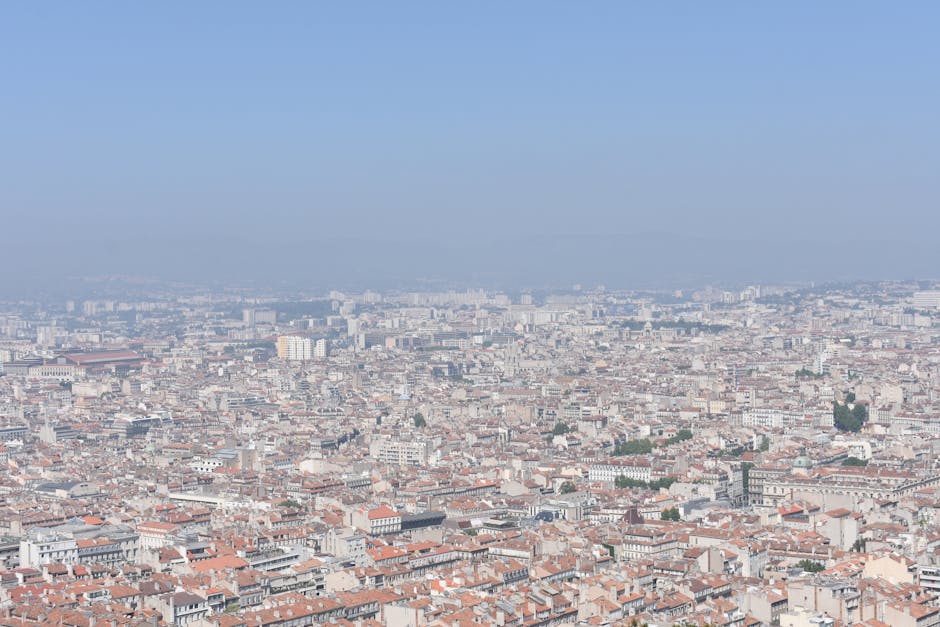 Easy
EasyMarseille, France
Discover the cinematic soul of Marseille on this self-guided walk through the historic Vieux Port, inspired by the works of Marcel Pagnol.
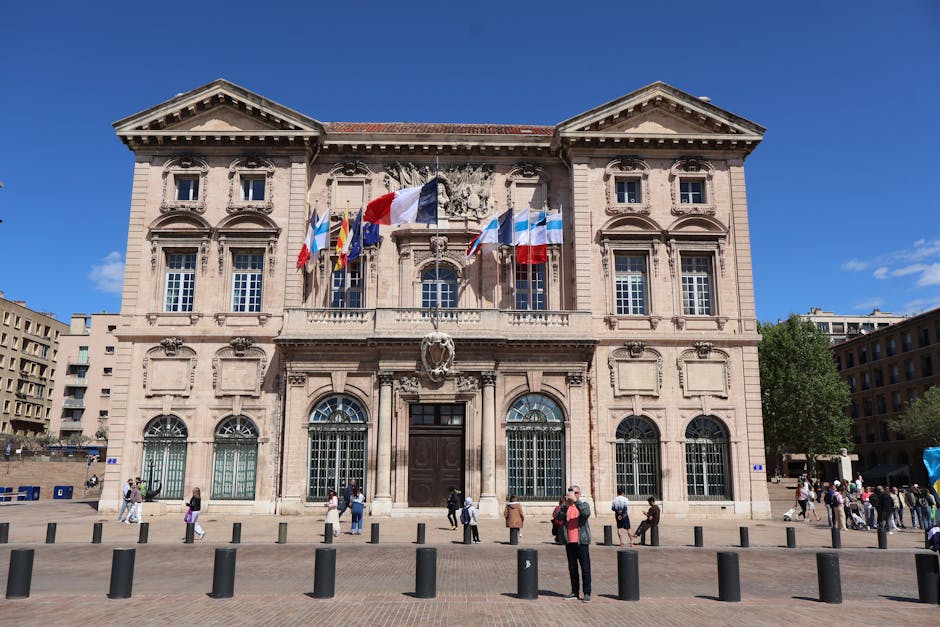 Easy
EasyMarseille, France
Explore Marseille’s vibrant street art district. A self-guided walk through the colorful murals, quirky boutiques, and rebel spirit of Cours Julien.
 Moderate
Gothenburg, Sweden
Discover Gothenburg’s maritime soul on this self-guided walk from the historic Central Station to the scenic riverfront at Stenpiren.
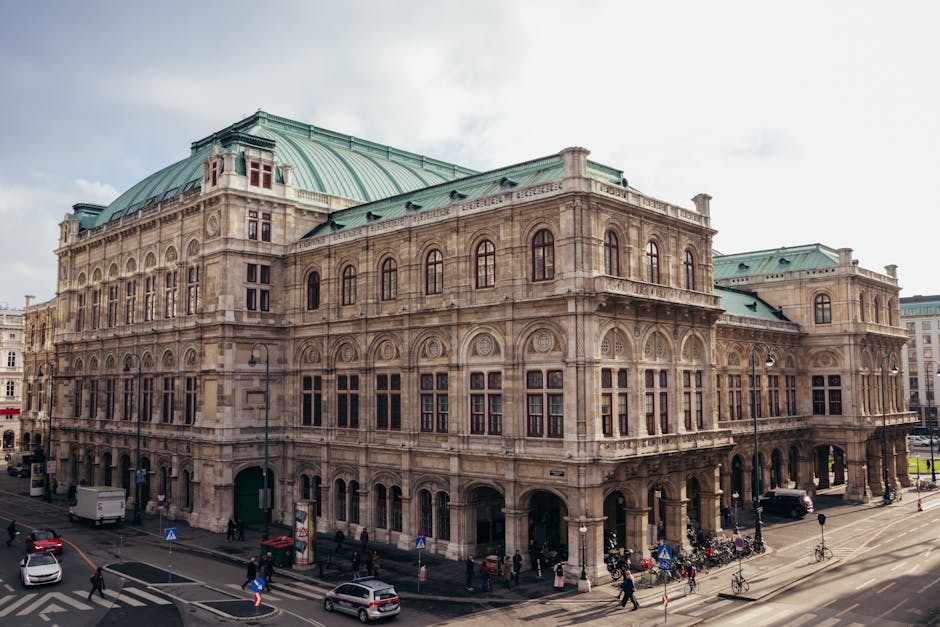 Moderate
Vienna, Austria
Follow the footsteps of Mozart and Strauss through Vienna’s historic center on this self-guided walk through the city's rich musical history.
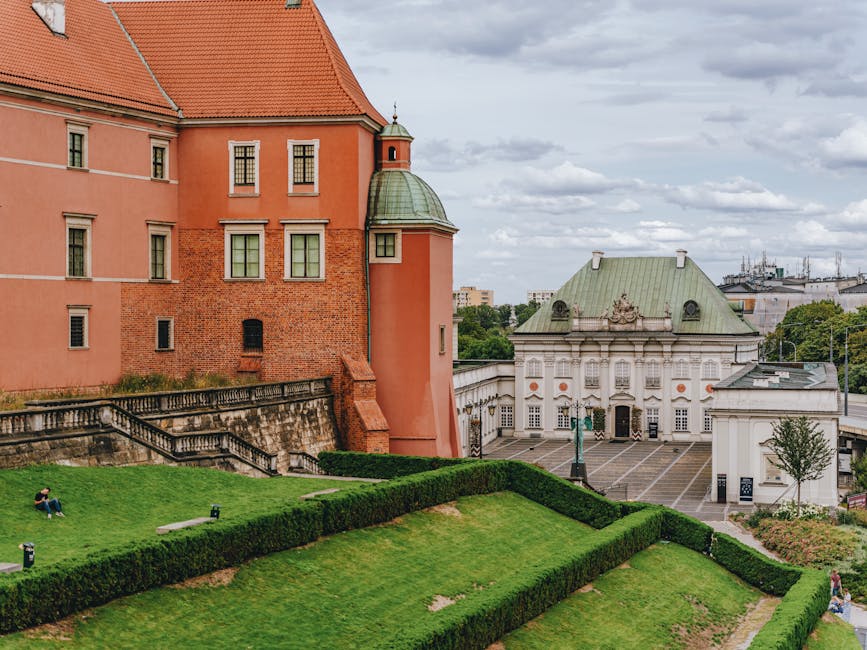 Moderate
Warsaw, Poland
Explore the resilient spirit of Warsaw's Muranów district on this self-guided walk through the history and landmarks of the former Jewish Ghetto.
 Easy
EasyGdansk, Poland
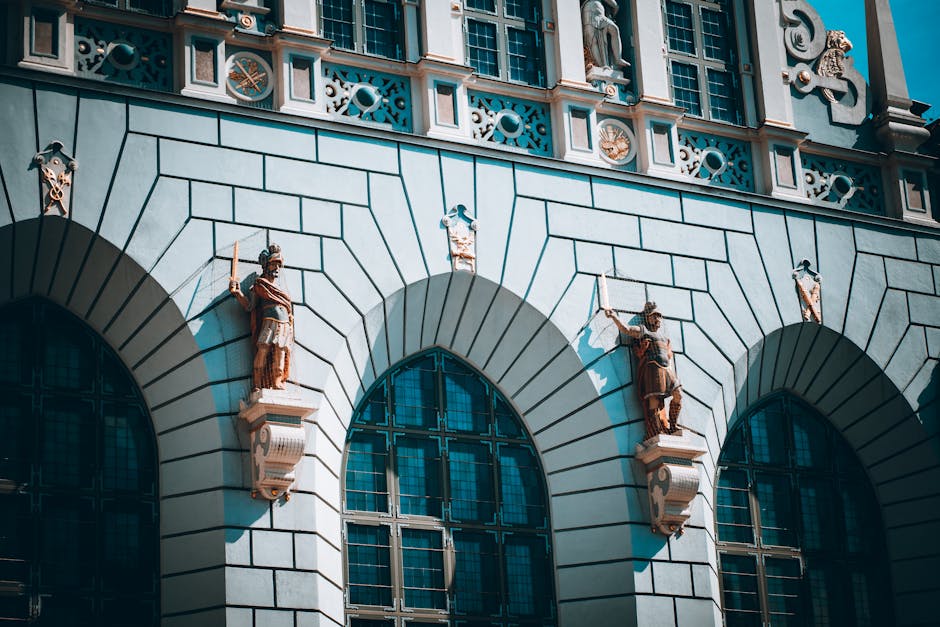
Discover the opulent Royal Way of Gdansk at your own pace. Explore Hanseatic history, gilded architecture, and the iconic Neptune's Fountain.
 Challenging
Paris, France
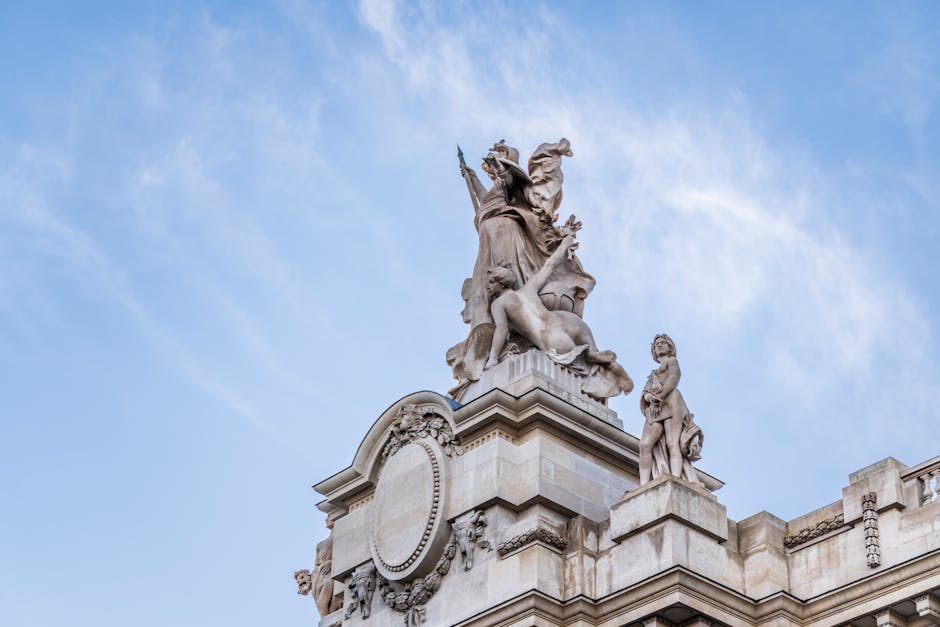
Explore the secret vineyards, legendary artist studios, and hidden squares of Paris's iconic hilltop on this self-guided bohemian walking route.
 Easy
EasyParis, France
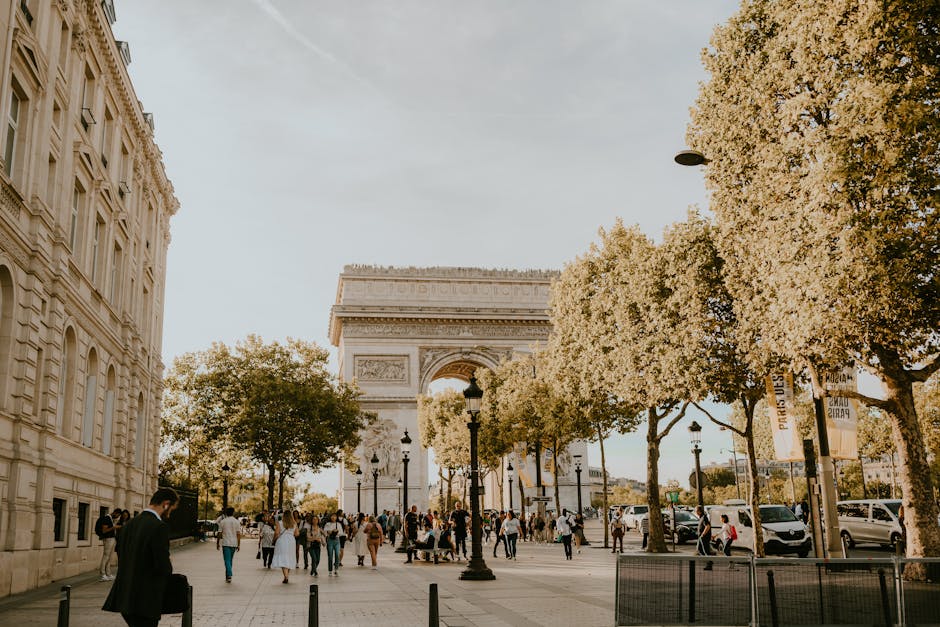
Explore the evolution of Parisian design from Art Nouveau whimsy to Le Corbusier's Modernist masterpieces on this self-guided architectural walk.
 Easy
EasyParis, France
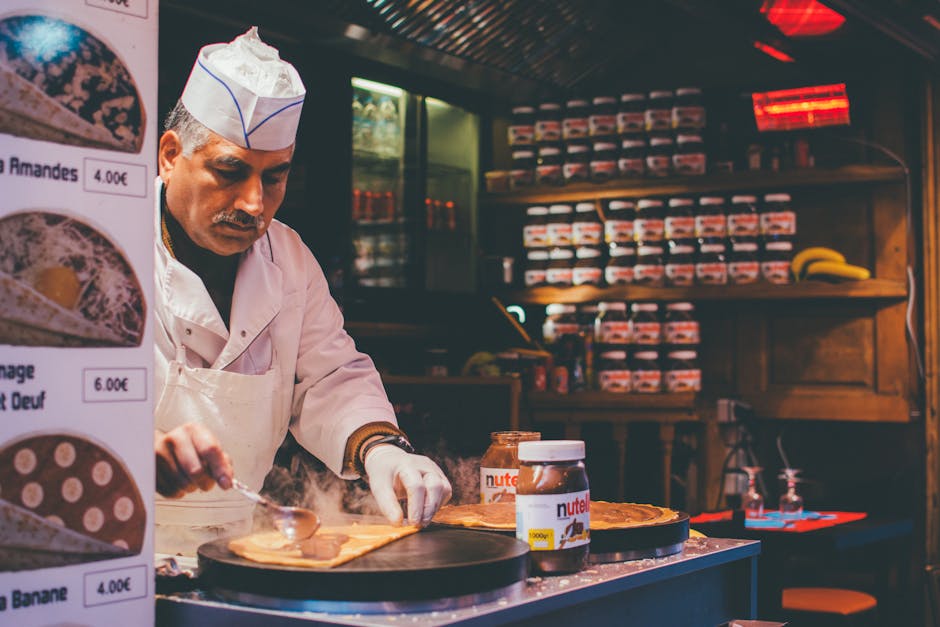
Explore the flavors and history of Bastille on this self-guided walk through the legendary Aligre Market and the scenic Coulée Verte.
 Easy
EasyParis, France
Discover aristocratic mansions, secret medieval courtyards, and royal history on this self-guided walk through the enchanting Marais district.