Self-guided audio tour in Marseille
Start Free on iPhone
Start free on iPhone to unlock this self-guided walking tour in Marseille. Hear all the stories that make it amazing, walk at your own pace, and begin whenever you want.
Your Private Tour Guide
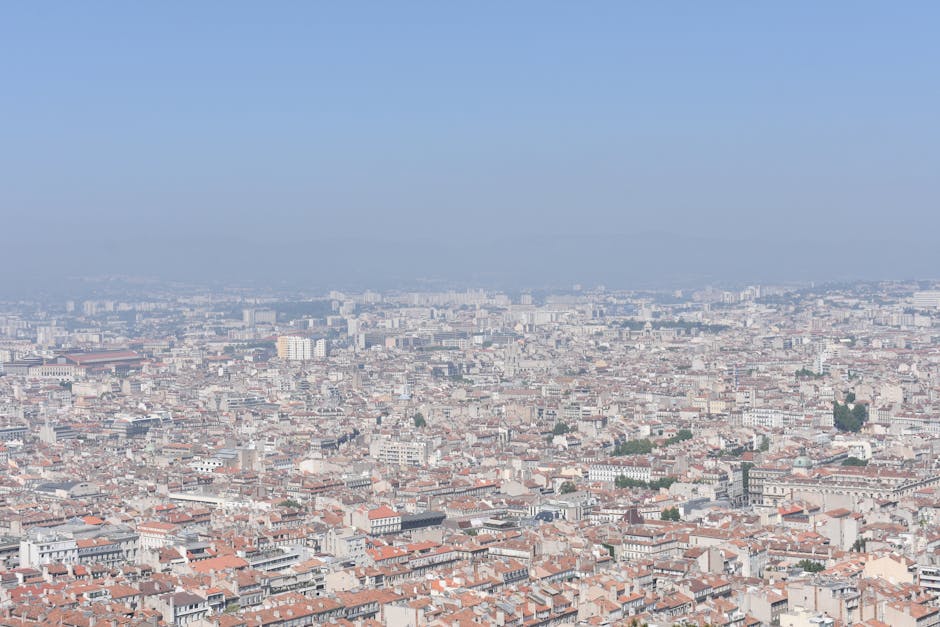
Marseille is often celebrated for its Vieux Port and ancient roots, but this walking route takes you into the heart of its 20th-century soul. Starting in the sprawling, verdant landscape of Parc Borély, this self-guided walk offers a refreshing escape from the city’s bustle. You will wander through botanical wonders and past the regal 18th-century Château Borély, which now houses a treasure trove of decorative arts. However, the true climax of this neighborhood stroll lies just a short distance away: Le Corbusier’s Cité Radieuse. Known as the Unité d'Habitation, this 'Vertical City' is a UNESCO World Heritage site and a landmark of modern architecture. Designed to be a self-contained community, it features modular apartments, internal streets, and a rooftop that feels like the deck of a ship. Exploring this site independently allows you to appreciate the 'Béton Brut'—raw concrete—aesthetic that birthed the Brutalist movement. This is not just a building; it is a social experiment brought to life. This experience is widely considered a top walking tour Marseille provides for design enthusiasts. As you follow this Marseille walking route, you’ll experience the transition from classical French landscaping to the avant-garde visions of the 1940s. It’s a perfect travel experience for those who appreciate design, history, and the outdoors. Whether you are a solo traveler or exploring with friends, this walk provides a deep dive into the Sainte-Anne neighborhood’s unique character. By the time you reach the rooftop of the Cité Radieuse, with its panoramic views of the Mediterranean and the hills, you’ll understand why this structure remains one of the most influential architectural works of the modern era. This self-guided walk through Marseille’s southern districts is easy to navigate and offers a mix of natural beauty and urban innovation. Discover the secrets of Le Corbusier's vision and the elegance of Marseille's parklands at your own pace, without the constraints of a rigid schedule. It is a must-see for anyone interested in the history of architecture.
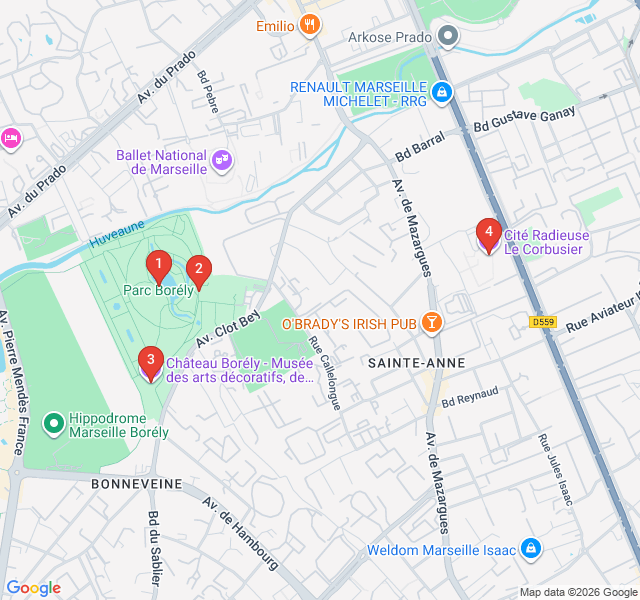
Numbers indicate the order of stops on the tour.
Welcome to Marseille’s most popular green space. Established in the 17th century by a wealthy merchant family, Parc Borély is a masterpiece of landscape design. As you walk, notice the contrast between the formal French-style gardens near the entrance and the more relaxed English-style parkland surrounding the lake. This park has served as a backdrop for local life for generations, from 19th-century horse racing to modern-day pétanque matches. The central lake, with its resident swans and rowing boats, provides a peaceful start to our architectural journey, representing the classical elegance that preceded the modern movement.
Tucked within the grounds of Parc Borély is the Botanical Garden. This living museum houses over 3,500 species of plants from around the world. As you explore, look for the traditional Chinese garden, a gift from Marseille's sister city, Shanghai. The garden is divided into thematic sections including medicinal plants, succulents, and a palm house. It’s a place of scientific study and conservation, reflecting Marseille's historic role as a major Mediterranean port where exotic seeds and plants first arrived in France. The tranquility here offers a moment of reflection before we transition to the industrial-modern part of our route.
Standing proudly at the end of the park's main axis is the Château Borély. This 18th-century 'bastide' was built as a summer residence for Louis Borély, a successful merchant. Its architecture is a perfect example of the neoclassical style popular among the Provençal elite. Today, the château houses the Museum of Decorative Arts, Fashion, and Ceramics. Even if you don't go inside, take a moment to admire the golden limestone facade and the symmetry of the courtyard. It represents the height of traditional luxury in Marseille, providing a stark architectural contrast to the 'machine for living' we are about to see next.
Leaving the park behind, we arrive at Le Corbusier’s Unité d'Habitation, locally known as the Cité Radieuse. Built between 1947 and 1952, this is one of the most significant buildings of the 20th century. Le Corbusier designed it to solve the post-war housing crisis by creating a 'Vertical City.' Notice the 'pilotis'—the massive concrete stilts that lift the building off the ground. Inside, the building contains 'streets' with shops, a hotel, and 337 modular apartments. Head up to the rooftop terrace, which serves as a public square with a nursery school and an art center (MAMO). The raw concrete, or 'Béton Brut,' gave rise to the term Brutalism. From the roof, enjoy the panoramic views that Le Corbusier intended for every resident to share.
Start Free on iPhone
Explore “Modernist Masterpiece: Le Corbusier’s Cité Radieuse” with your very own Private Tour Guide with Zigway. Start free on iPhone, skip the large group and the fixed routes, and hear the city come alive as you go.
Your Private Tour Guide
Don't miss the good stuff
Explore Freely
 Moderate
Marseille, France
Discover Marseille's historic spine from the Old Port to the majestic Palais Longchamp on this self-guided architectural walking route.
 Moderate
Marseille, France
Explore the vertical gardens and hidden villas of Endoume on this self-guided walk through Marseille’s most charming coastal neighborhood.
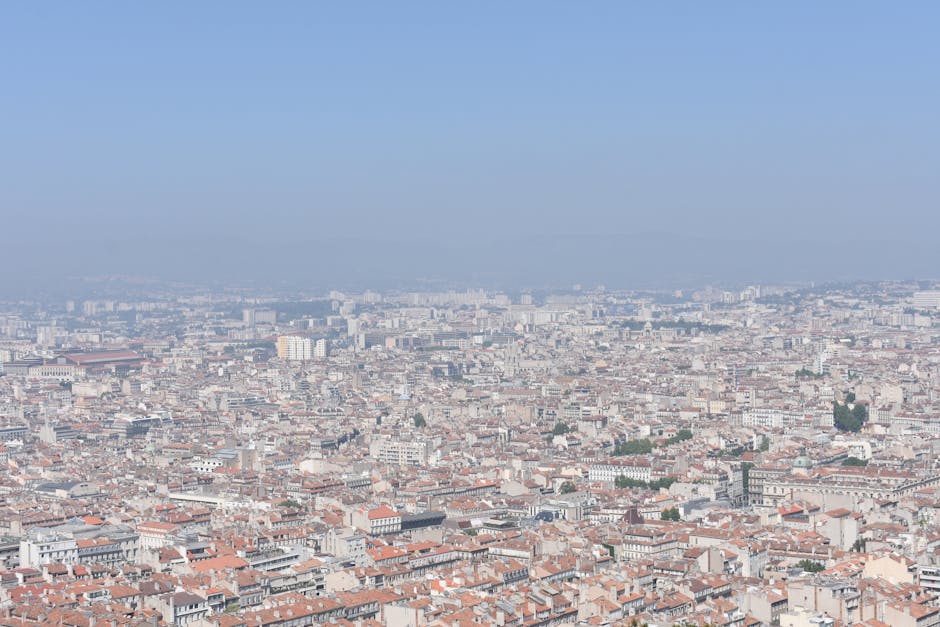 Easy
EasyMarseille, France
Discover the cinematic soul of Marseille on this self-guided walk through the historic Vieux Port, inspired by the works of Marcel Pagnol.
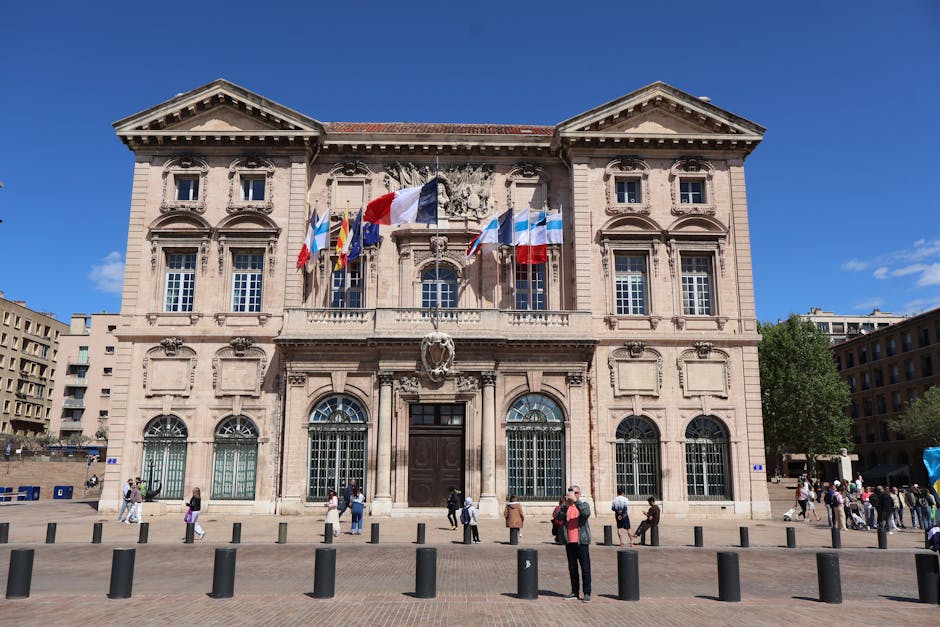 Easy
EasyMarseille, France
Explore Marseille’s vibrant street art district. A self-guided walk through the colorful murals, quirky boutiques, and rebel spirit of Cours Julien.
 Easy
EasyGothenburg, Sweden
Discover Gothenburg’s 17th-century Dutch foundations, historic canals, and military fortifications on this self-guided architectural walk.
 Easy
EasyKrakow, Poland
Explore the prestigious Jagiellonian University district, featuring Neo-Gothic architecture, Baroque churches, and Krakow's hidden scholarly gems.
 Easy
EasyKrakow, Poland
Explore the historic heart of Kazimierz on this self-guided walk through synagogues, ancient cemeteries, and vibrant squares.
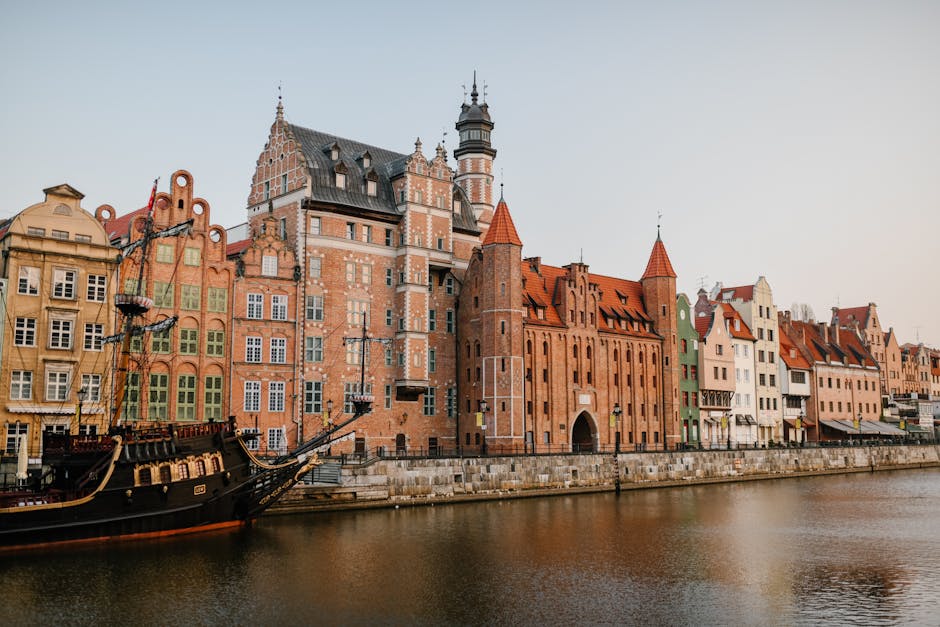 Easy
EasyGdansk, Poland
Discover the 'Baltic Gold' on this self-guided walk through Gdansk's historic mills, massive cathedrals, and the magical Mariacka Street.
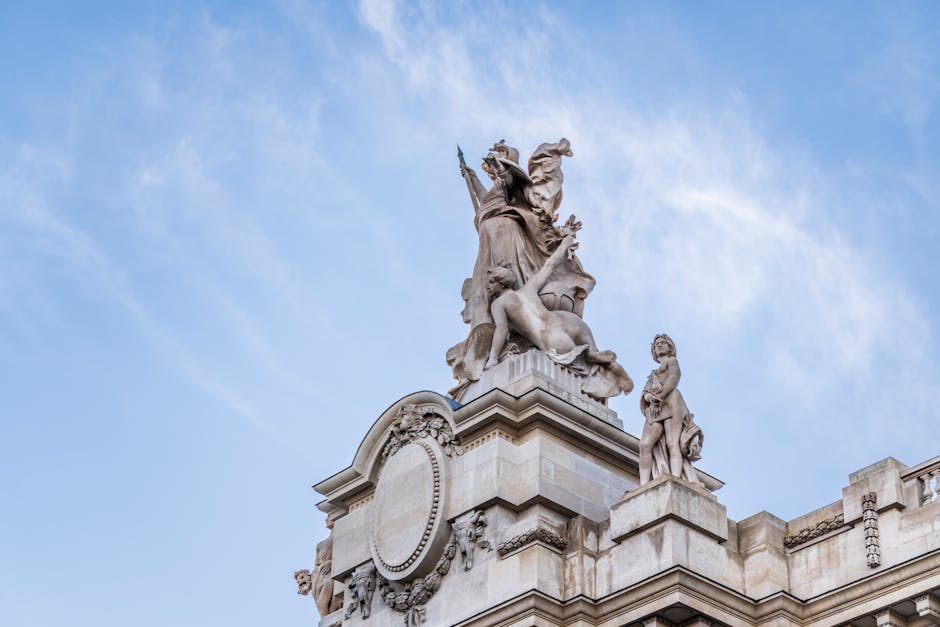 Challenging
Paris, France
Explore the secret vineyards, legendary artist studios, and hidden squares of Paris's iconic hilltop on this self-guided bohemian walking route.
 Easy
EasyParis, France
Explore the evolution of Parisian design from Art Nouveau whimsy to Le Corbusier's Modernist masterpieces on this self-guided architectural walk.
 Easy
EasyParis, France
Explore the flavors and history of Bastille on this self-guided walk through the legendary Aligre Market and the scenic Coulée Verte.
 Easy
EasyParis, France
Discover aristocratic mansions, secret medieval courtyards, and royal history on this self-guided walk through the enchanting Marais district.