Self-guided audio tour in London
Start Free on iPhone
Start free on iPhone to unlock this self-guided walking tour in London. Hear all the stories that make it amazing, walk at your own pace, and begin whenever you want.
Your Private Tour Guide
Embark on a self-guided walk through the epicenter of British monarchy and political power. This walking route in Westminster connects the serene greenery of the Royal Parks with the architectural grandeur of the palaces and the seat of government. For centuries, this small pocket of London has been the stage for coronations, royal weddings, and the daily business of the British state. As you explore independently, you will witness the evolution of the city from its medieval religious roots to the height of the British Empire. The journey begins in St James's Park, the oldest of the capital's eight Royal Parks, offering a peaceful introduction to the area's rich history. From here, the route leads you past the red-brick Tudor walls of St. James's Palace, a site that remains the formal home of the Sovereign. You will encounter the residence of the King at Clarence House before reaching the world-famous facade of Buckingham Palace. This self-guided adventure then shifts toward the spiritual and political heart of the nation. You will see the intricate Gothic detail of Westminster Abbey, where monarchs have been crowned since 1066, and conclude at the foot of the Elizabeth Tower, more famously known as Big Ben. This walking tour London experience is designed for those who want to absorb the atmosphere of the city at their own pace. Unlike a standard guided tour London experience, this audio-led journey allows you to linger at the Victoria Memorial or pause for photos of the Horse Guards without being rushed. Whether you are a first-time visitor or a history enthusiast, this neighborhood stroll offers a deep dive into the stories of power that have shaped modern Britain. Discover the hidden details of these iconic landmarks, from the resident pelicans of the park to the symbolism carved into the stone of the Houses of Parliament.
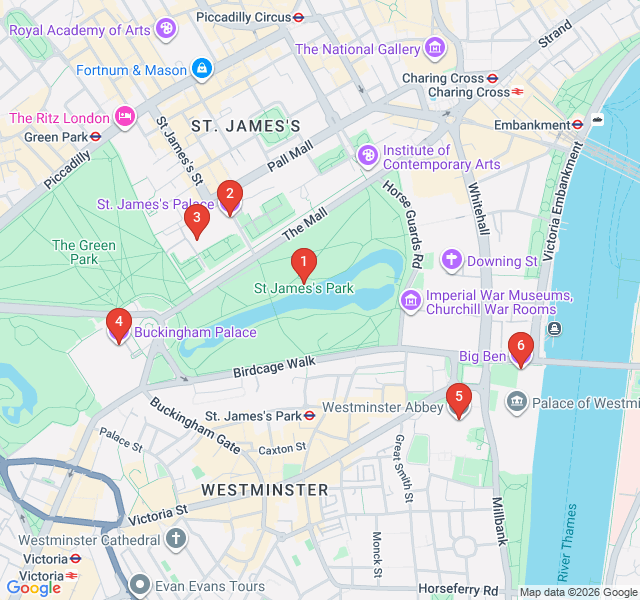
Numbers indicate the order of stops on the tour.
Welcome to the oldest Royal Park in London. Once a marshy wasteland, it was acquired by Henry VIII in 1532 as a deer hunting ground. Over the centuries, it was transformed into a formal French-style garden by Charles II and later into the romantic landscape you see today. Keep an eye out for the park's most unusual residents: the pelicans. They were first introduced in 1664 as a gift from the Russian Ambassador. The view from the Blue Bridge in the center of the park is often cited as one of the best in London, offering a stunning vista of Buckingham Palace in one direction and the fairy-tale turrets of Whitehall in the other.
While Buckingham Palace is more famous, St. James's Palace remains the official residence of the Sovereign and the most senior royal palace in the United Kingdom. Built by Henry VIII between 1531 and 1536, its distinctive red-brick Tudor architecture and gatehouse are rare survivors of that era. It was here that Elizabeth I spent the night while waiting for the Spanish Armada to arrive. Today, it still hosts royal receptions and is the location where the Accession Council meets to proclaim a new monarch. Notice the royal guards standing sentry at the entrance, maintaining a tradition that has lasted for centuries.
Tucked beside St. James's Palace is Clarence House, a four-story residence built between 1825 and 1827 by the renowned architect John Nash. It has been the home of several key members of the Royal Family, including the Queen Mother for over 50 years and, more recently, King Charles III and Queen Camilla. The house is known for its elegant white stucco exterior, typical of the Regency style. While the interior is often closed to the public, the building stands as a symbol of the more private, domestic side of royal life, nestled just a stone's throw from the grand ceremonial routes of the city.
Standing before you is perhaps the most famous building in the world. Originally known as Buckingham House, it was a large townhouse built for the Duke of Buckingham in 1703. It wasn't until the reign of Queen Victoria in 1837 that it became the official London residence of the British monarch. The East Front, which faces you now, contains the famous balcony where the Royal Family gathers during major national celebrations. Look at the flag flying above: if it is the Royal Standard, the King is in residence; if it is the Union Jack, he is away. The monument in front is the Victoria Memorial, carved from 2,300 tons of white Carrara marble.
This masterpiece of Gothic architecture has been the coronation church of the British monarchy since 1066. Every English and British monarch since William the Conqueror has been crowned here, with the exception of Edward V and Edward VIII. The Abbey is not just a church; it is a 'Royal Peculiar,' meaning it is subject directly to the monarch rather than a bishop. Inside, it holds the remains of over 3,000 famous figures, including 17 monarchs, Isaac Newton, and Charles Darwin. The North Door and the twin towers are iconic examples of medieval design, though the towers were actually completed in the 18th century by Nicholas Hawksmoor.
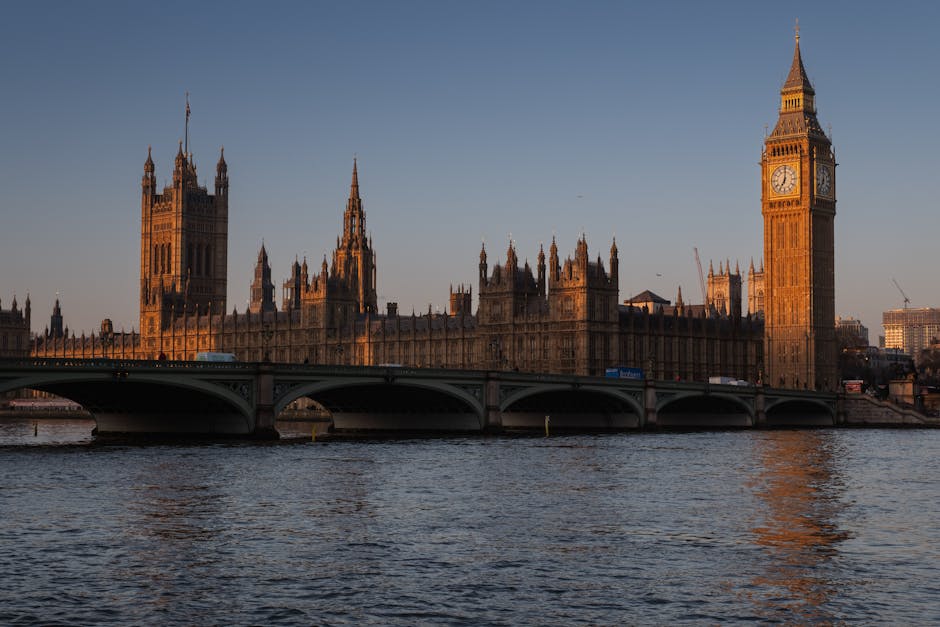
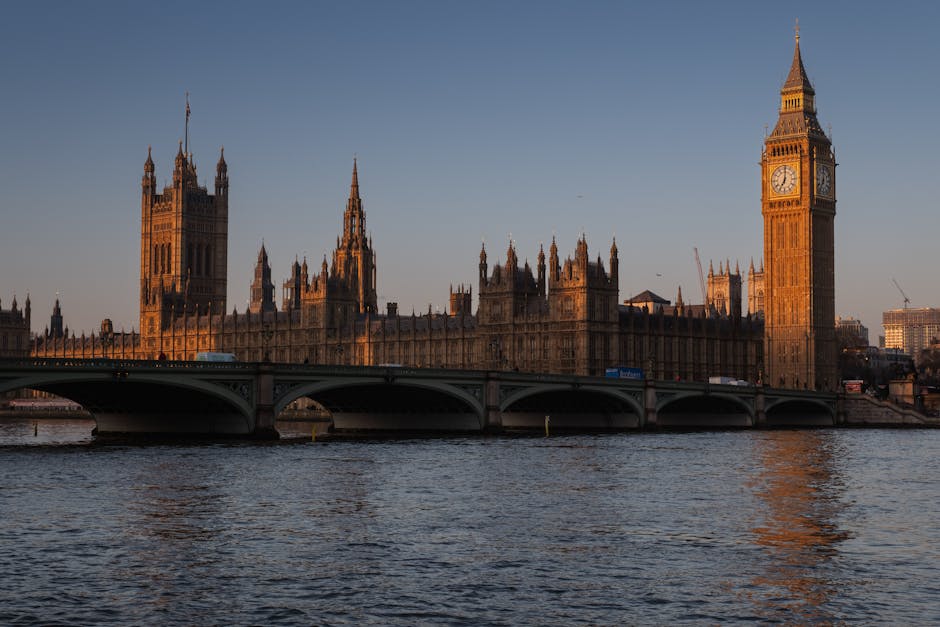
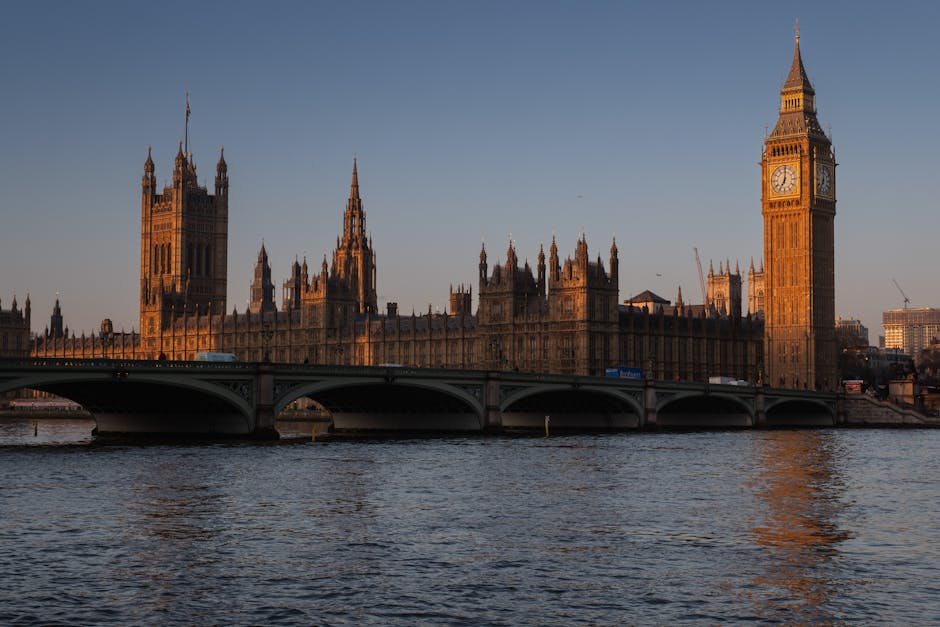
Concluding our route is the world's most famous clock. While everyone calls it Big Ben, that name actually refers to the 13-ton Great Bell inside. The tower itself was renamed the Elizabeth Tower in 2012 to honor the Queen's Diamond Jubilee. Completed in 1859, the clock is famous for its reliability and its distinctive 'Westminster Quarters' chime. The tower stands 315 feet tall and is part of the Palace of Westminster, the meeting place of the Houses of Parliament. Look closely at the clock faces; they are made of opal glass and are lit from behind, a beacon of British democracy that has stood through world wars and social change.
Start Free on iPhone
Explore “Royal Palaces & Power: Westminster to St James's” with your very own Private Tour Guide with Zigway. Start free on iPhone, skip the large group and the fixed routes, and hear the city come alive as you go.
Your Private Tour Guide
Don't miss the good stuff
Explore Freely
 Easy
EasyLondon, United Kingdom
Explore the neon glow of Soho and the magic of Theatreland on this self-guided audio walk through London's most vibrant nightlife districts.
 Moderate
London, United Kingdom
Follow the tranquil Regent’s Canal from the bustle of Camden Market to the serene, leafy waters of Little Venice on this scenic self-guided walk.
 Easy
EasyLondon, United Kingdom
Explore London’s dark history on this self-guided walk through Smithfield, covering the Great Fire, plague pits, and legendary execution sites.
 Easy
EasyLondon, United Kingdom
Discover the layers of London's East End on this self-guided walk through the historic markets and diverse cultural landmarks of Spitalfields.
 Easy
EasyNairobi, Kenya
Discover Nairobi's iconic skyline on this self-guided architecture walk through the CBD’s most famous modernist and Brutalist landmarks.
 Easy
EasyGdansk, Poland
Discover the opulent Royal Way of Gdansk at your own pace. Explore Hanseatic history, gilded architecture, and the iconic Neptune's Fountain.
 Easy
EasySalzburg, Austria
Discover the 'Rome of the North' on this self-guided walk through the Baroque squares and monumental legacy of Salzburg’s Prince-Archbishops.
 Easy
EasyWarsaw, Poland
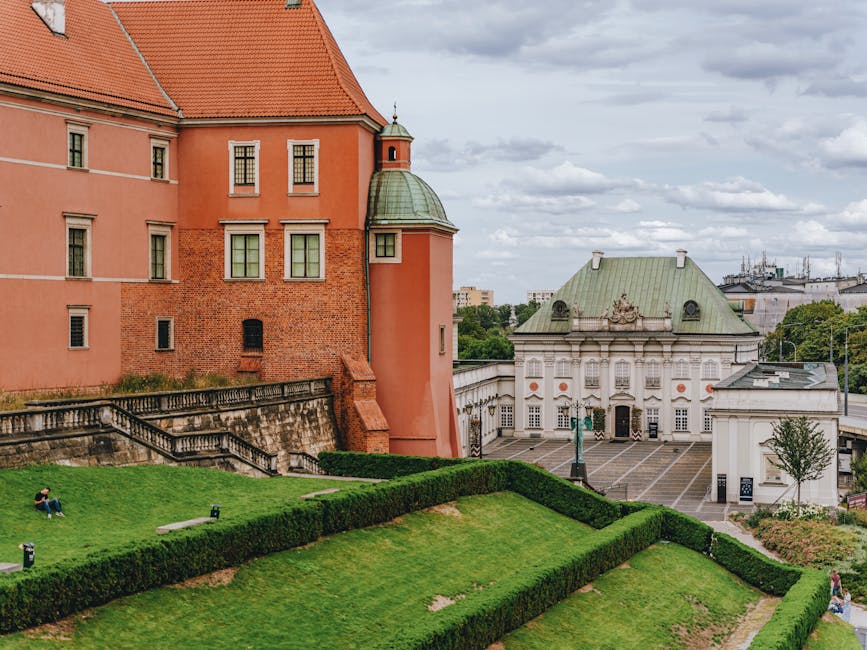
Explore the miracle of Warsaw's reconstructed Old Town on this self-guided walk through royal squares, medieval walls, and heroic monuments.
 Easy
EasyEdinburgh, United Kingdom
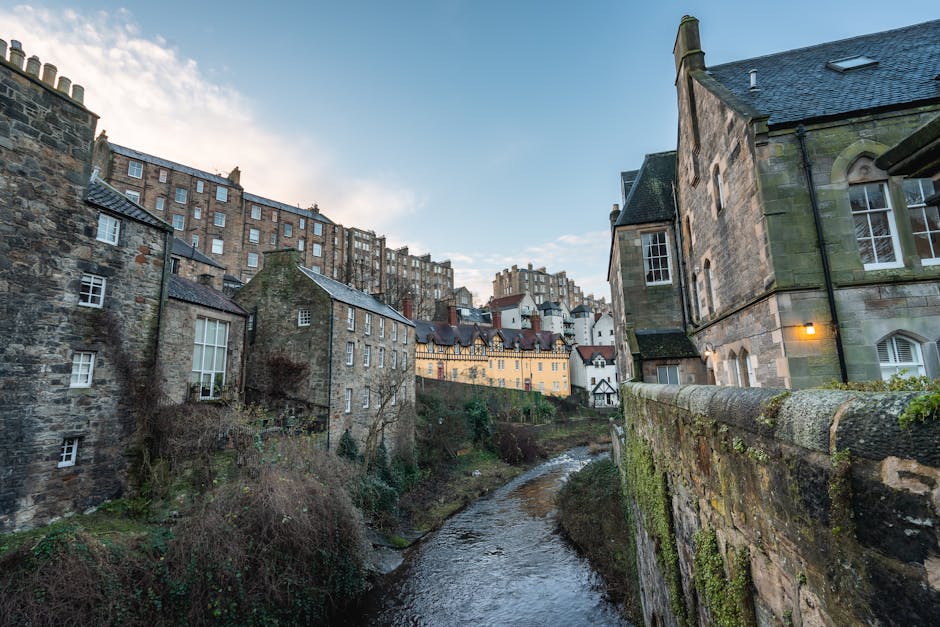
Explore Edinburgh's historic Royal Mile at your own pace, from the heights of the Castle to the royal Palace of Holyroodhouse.
 Easy
EasyEdinburgh, United Kingdom
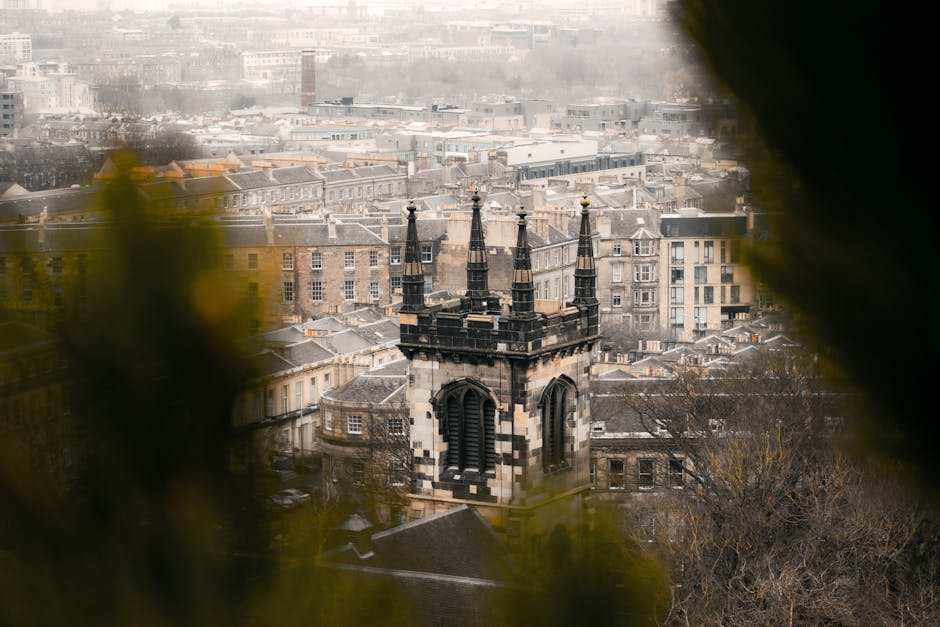
Capture the magic of Edinburgh on this self-guided stroll through the fairy-tale Dean Village, floral Circus Lane, and the scenic Water of Leith.
 Easy
EasyEdinburgh, United Kingdom
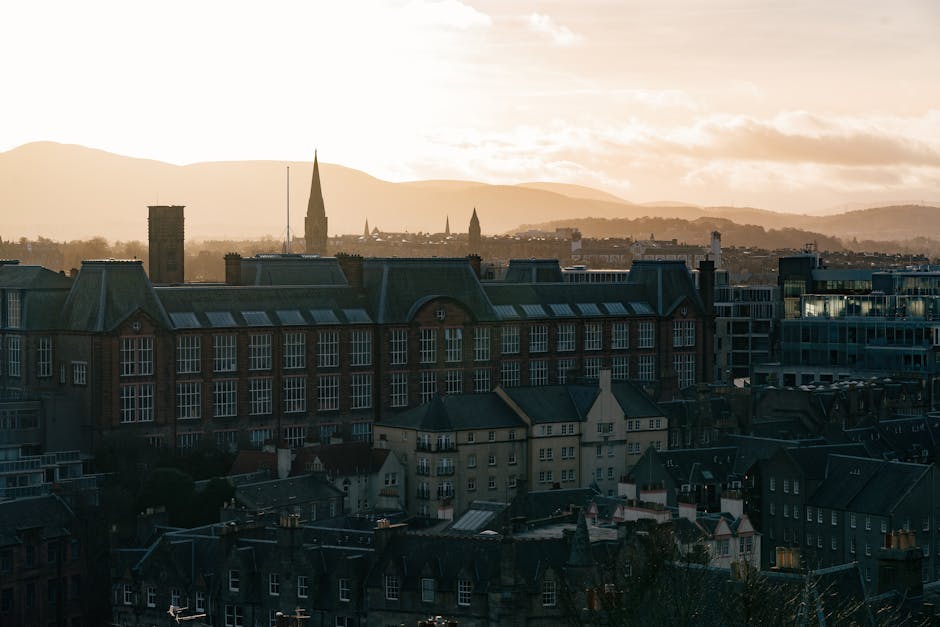
Explore Edinburgh's creative soul on this self-guided walk from historic museums to the stylish galleries and boutiques of the West End.
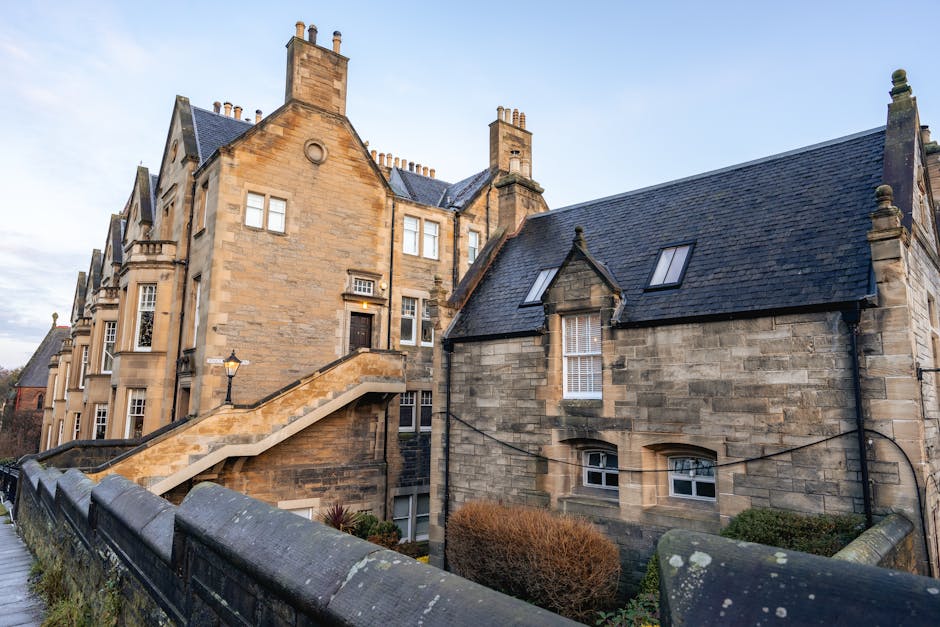 Challenging
Edinburgh, United Kingdom
Ascend an ancient volcano and discover royal history on this challenging self-guided walk through Edinburgh's iconic Holyrood Park.