Self-guided audio tour in London
Start Free on iPhone
Start free on iPhone to unlock this self-guided walking tour in London. Hear all the stories that make it amazing, walk at your own pace, and begin whenever you want.
Your Private Tour Guide
Step into the darker side of London's history with this self-guided walk through Smithfield, a neighborhood where the echoes of the past remain remarkably loud. For centuries, this area sat just outside the city walls, serving as a place for things the city couldn't contain: massive livestock markets, rowdy summer fairs, and the grim spectacle of public executions. This walking route invites you to explore the layers of time, from the medieval foundations of London's oldest parish church to the site where the Great Fire was finally extinguished. You will discover the stories of those who met their end at the 'Elms' of Smithfield, including the Scottish rebel William Wallace, and walk over the hidden grounds of 14th-century plague pits. As you navigate the narrow alleys and grand Victorian market structures, this neighborhood stroll reveals how Smithfield transitioned from a bloody execution ground to the heart of London’s meat trade. You will encounter the Golden Boy of Pye Corner, a small but significant monument marking the end of the 1666 conflagration, and find peace in Postman’s Park, a hidden gem dedicated to everyday heroes. The route also brings you to the majestic St. Paul’s Cathedral, a symbol of resilience that rose from the ashes of the Great Fire. This travel experience is perfect for those who enjoy uncovering the secrets of the city independently. Whether you are a history buff or a fan of atmospheric urban exploration, this audio walk provides the context needed to see the city through a different lens. This walking tour London offers a deep dive into the resilient spirit of the capital, showcasing how it survived the Black Death, religious upheaval, and total destruction by fire. Unlike a traditional guided tour London, this independent journey allows you to pause and reflect at each historic site at your own pace.
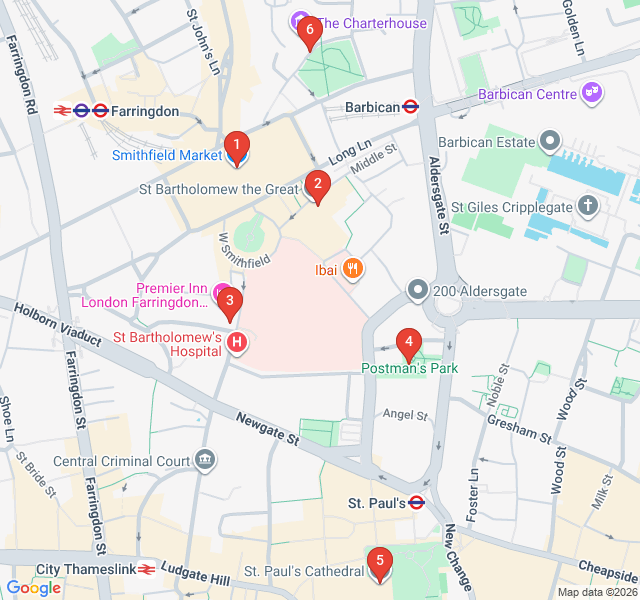
Numbers indicate the order of stops on the tour.
Welcome to Smithfield, a place that has been a center of London life—and death—for nearly a millennium. Standing before the grand Victorian ironwork of the current market, it is hard to imagine that this open space was once a marshy field outside the city walls used for public executions. In 1305, the Scottish knight William Wallace was brought here to meet a gruesome end. Later, during the Peasant’s Revolt of 1381, Wat Tyler was killed on this very ground. For centuries, Smithfield was also the site of the Bartholomew Fair, a riotous event of trade and debauchery. Today, it remains the last of London's great historic wholesale markets still operating in its original location, though its future is evolving as the city changes.
Enter through the Tudor gatehouse to find one of London’s best-kept secrets. Founded in 1123 as an Augustinian priory, St Bartholomew the Great is the city's oldest continuous place of worship. While much of London was lost to the Great Fire, this stone sanctuary survived. Inside, the heavy Norman arches and thick walls create an atmosphere of profound antiquity. It has served many roles over the centuries, including a printing office where Benjamin Franklin once worked. Its timeless, moody interior has made it a favorite for filmmakers, appearing in 'Four Weddings and a Funeral' and 'Sherlock Holmes.' It stands as a rare survivor of medieval London, offering a quiet sanctuary from the modern city outside.
Look up at the corner of Giltspur Street and Cock Lane to find a small, gilded wooden statue of a plump boy. This is the Golden Boy of Pye Corner. While the Great Fire of London famously started at Pudding Lane, this is the spot where it finally stopped four days later in 1666. At the time, many believed the fire was a divine punishment for the sin of gluttony, which is why the fire 'started at Pudding Lane and ended at Pye Corner.' The boy is intentionally chubby to symbolize this perceived sin. It is a modest monument, but it marks the boundary of one of the most transformative events in the city’s history.
Tucked away near the former General Post Office, Postman’s Park is home to the touching Watts Memorial to Heroic Self-Sacrifice. Created by Victorian artist George Frederic Watts, the memorial consists of a long wall of ceramic tiles, each telling the story of an ordinary person who died while trying to save the life of another. The tales are heartbreakingly specific: a young girl saving her brother from a fire, or a man drowning while rescuing a stranger from the Thames. This peaceful garden, built over a former graveyard, offers a moving tribute to human courage and a rare moment of stillness in the heart of the bustling financial district.
No exploration of London’s resilience is complete without St. Paul’s Cathedral. After the medieval cathedral was destroyed in the Great Fire of 1666, Sir Christopher Wren was commissioned to build this masterpiece. Its iconic dome has dominated the London skyline for over 300 years. St. Paul’s became a symbol of national defiance during the Blitz of World War II, when it miraculously survived while the surrounding area was leveled by bombs. As you stand in its shadow, consider the 'Phoenix' stone on the south transept, which bears the word 'Resurgam'—Latin for 'I shall rise again'—a fitting motto for a city that has faced plague, fire, and war.
Our route concludes at Charterhouse Square, a place of quiet beauty with a dark secret beneath the grass. In 1348, as the Black Death ravaged London, this land was used as a mass burial pit for thousands of victims. Archaeological excavations for the Crossrail project recently confirmed the presence of these plague pits right beneath your feet. Later, a Carthusian monastery was built here, which was then converted into a grand Tudor mansion and eventually a school and almshouse. The Charterhouse has survived the Reformation and the Blitz, standing today as a complex of buildings that spans seven centuries of London's turbulent history.
Start Free on iPhone
Explore “Shadows of Smithfield: Plague, Fire and Executions” with your very own Private Tour Guide with Zigway. Start free on iPhone, skip the large group and the fixed routes, and hear the city come alive as you go.
Your Private Tour Guide
Don't miss the good stuff
Explore Freely
 Easy
EasyLondon, United Kingdom
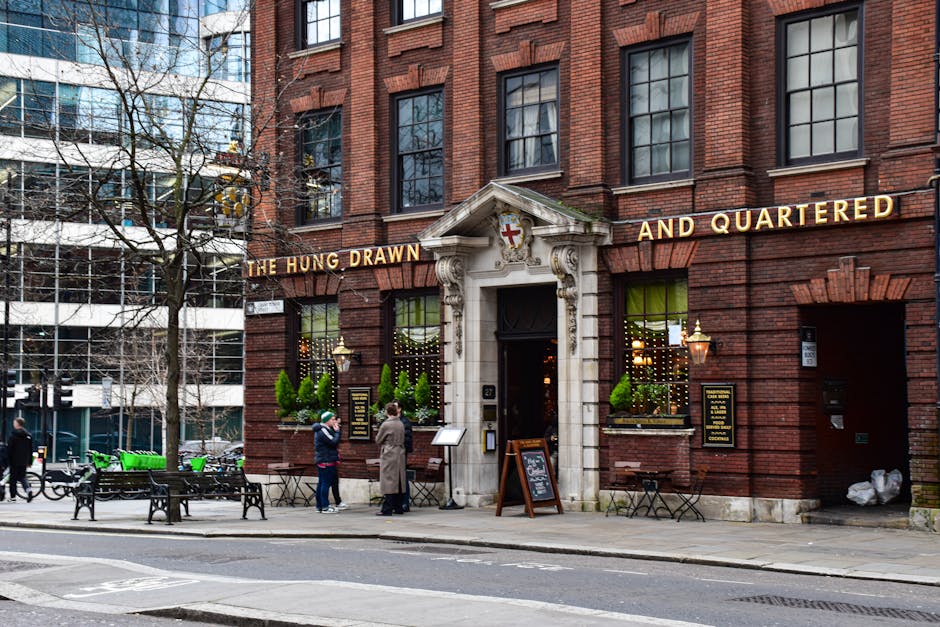
Explore the heart of British royalty and politics on this self-guided walk from the gates of St James's Palace to the iconic chimes of Big Ben.
 Easy
EasyLondon, United Kingdom
Explore the neon glow of Soho and the magic of Theatreland on this self-guided audio walk through London's most vibrant nightlife districts.
 Moderate
London, United Kingdom
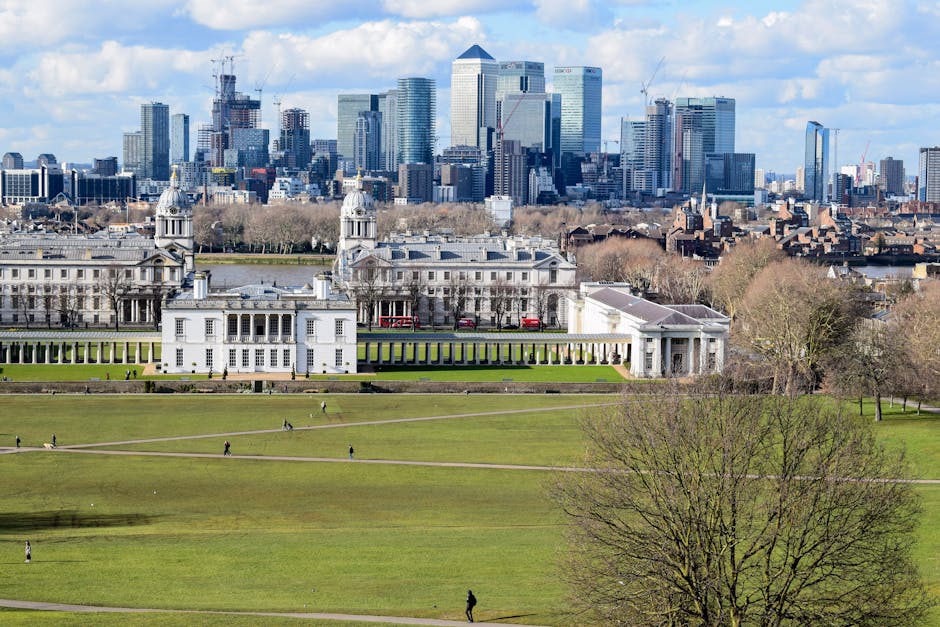
Follow the tranquil Regent’s Canal from the bustle of Camden Market to the serene, leafy waters of Little Venice on this scenic self-guided walk.
 Easy
EasyLondon, United Kingdom
Discover the layers of London's East End on this self-guided walk through the historic markets and diverse cultural landmarks of Spitalfields.
 Easy
EasyKrakow, Poland
Explore the prestigious Jagiellonian University district, featuring Neo-Gothic architecture, Baroque churches, and Krakow's hidden scholarly gems.
 Easy
EasyGothenburg, Sweden
Discover Gothenburg’s 17th-century Dutch foundations, historic canals, and military fortifications on this self-guided architectural walk.
 Easy
EasyNairobi, Kenya
Explore Nairobi's architectural evolution from colonial-era landmarks to iconic Brutalist skyscrapers on this historic self-guided walking route.
 Easy
EasyNairobi, Kenya
Discover Nairobi's iconic skyline on this self-guided architecture walk through the CBD’s most famous modernist and Brutalist landmarks.
 Easy
EasyEdinburgh, United Kingdom
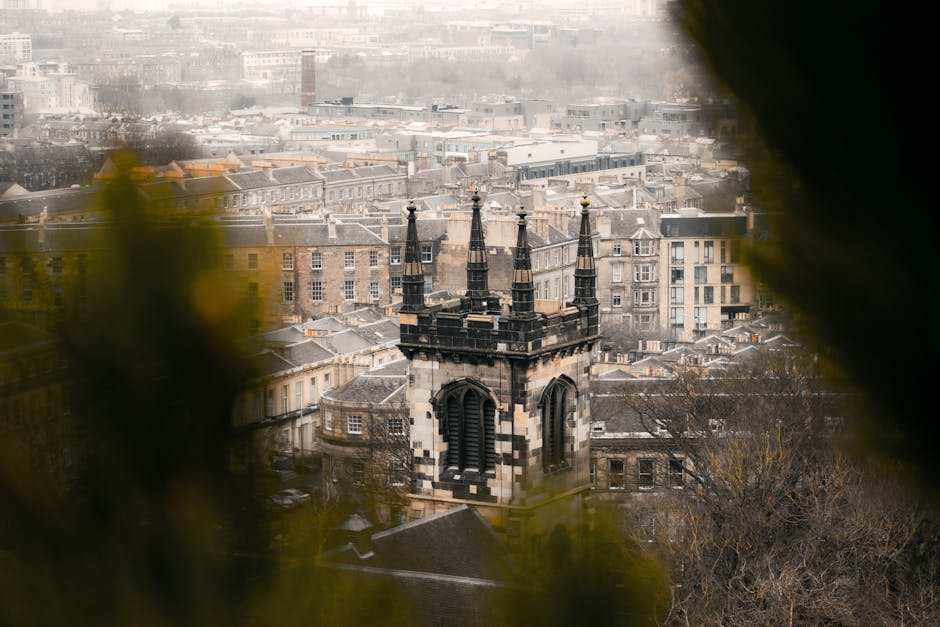
Explore Edinburgh's historic Royal Mile at your own pace, from the heights of the Castle to the royal Palace of Holyroodhouse.
 Easy
EasyEdinburgh, United Kingdom
Capture the magic of Edinburgh on this self-guided stroll through the fairy-tale Dean Village, floral Circus Lane, and the scenic Water of Leith.
 Easy
EasyEdinburgh, United Kingdom
Explore Edinburgh's creative soul on this self-guided walk from historic museums to the stylish galleries and boutiques of the West End.
 Challenging
Edinburgh, United Kingdom
Ascend an ancient volcano and discover royal history on this challenging self-guided walk through Edinburgh's iconic Holyrood Park.