Self-guided audio tour in Athens
Start Free on iPhone
Start free on iPhone to unlock this self-guided walking tour in Athens. Hear all the stories that make it amazing, walk at your own pace, and begin whenever you want.
Your Private Tour Guide
Monastiraki is the pulse of Athens, a place where the city's complex history is visible in every stone and storefront. This self-guided walk invites you to peel back the layers of a neighborhood that has served as a crossroads for empires. From the remnants of Roman grandeur to the intricate designs of Ottoman mosques and the spiritual quiet of Byzantine churches, this walking route captures the multicultural essence of the Greek capital. Unlike a traditional walking tour Athens often presents to crowds, this independent journey allows you to linger over the details that interest you most, whether that is the scent of old leather in the market or the shadow of the Acropolis falling across a centuries-old dome. You will start in the heart of the famous flea market, a place that has seen trade for generations, before moving toward the spiritual 'Little Monastery' that gave the district its name. The route highlights the architectural collision of the Tzistarakis Mosque and the nearby Roman ruins of Hadrian’s Library, illustrating how Athens never truly discards its past but simply builds upon it. Exploring this area at your own pace offers a deeper connection to the local atmosphere. You can stop for a Greek coffee whenever you like or spend extra time photographing the vibrant street life of the square. This neighborhood stroll is perfect for those who want to understand the transition from the ancient world to the modern city through the lens of its most diverse district. By following this walking route, you gain a comprehensive view of how different faiths and cultures have coexisted in this small, energetic corner of the Mediterranean. It is a dense, history-packed exploration that feels like a journey through time, right in the center of the modern metropolis.
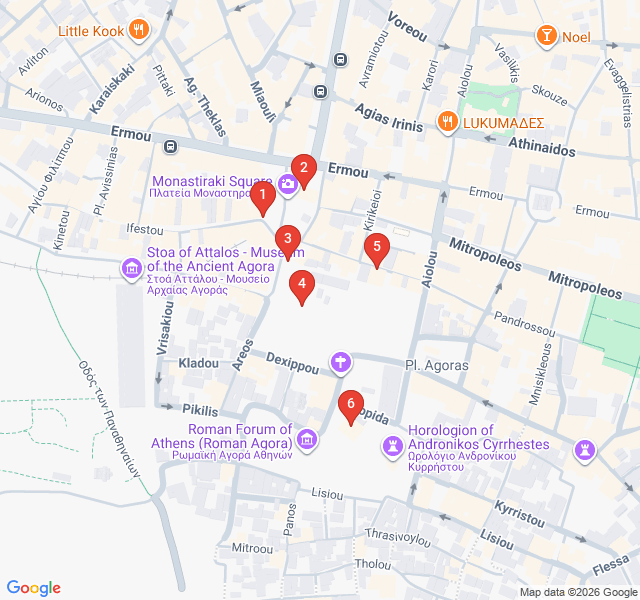
Numbers indicate the order of stops on the tour.
Start your journey at the entrance of the Monastiraki Flea Market on Ifestou Street. While it is called a flea market, during the week it functions as a collection of permanent shops selling everything from handmade leather sandals to vintage vinyl and military surplus. On Sundays, the energy shifts as individual vendors set up tables in Avissinias Square nearby, offering genuine antiques and curiosities. This area has been a hub of commerce for centuries. As you walk, notice how the narrow lanes reflect the bazaar-style layout from the Ottoman period. It is a place where the grit of the city meets the charm of old-world trade, providing a sensory introduction to the multicultural layers of the neighborhood.
Located right on the edge of the square, this small, sunken church is one of the oldest in Athens, dating back to the 10th century. Its name, 'Pantanassa,' refers to the Virgin Mary as 'Queen of All.' Interestingly, this church is the reason the area is called 'Monastiraki,' which means 'Little Monastery.' It was once the main church of a large monastery complex that occupied the square during the Byzantine era. When you look at the entrance, you can see how the ground level of the city has risen over the centuries, leaving the church partially below the modern street height. It stands as a quiet, spiritual anchor amidst the surrounding urban chaos.
Dominating the corner of the square is the Tzistarakis Mosque, built in 1759 during the Ottoman occupation. There is a fascinating, if somewhat grim, legend attached to its construction. It is said that the Ottoman governor, Mustafa Agha Tzistarakis, used a column from the Temple of Olympian Zeus to create lime for the mosque's walls. The locals believed this was an act of sacrilege that brought a plague upon the city shortly after. Following the Greek War of Independence, the building served many purposes, including a barracks and a prison. Today, it stands as a rare surviving example of Ottoman religious architecture in the city center and is part of the Museum of Modern Greek Culture.
Just steps away from the mosque, you encounter the monumental remains of Hadrian's Library. Built in 132 AD by the Roman Emperor Hadrian—a famous Philhellene—this was not just a place for books. It was a massive cultural complex featuring lecture halls, music rooms, and lush gardens with a central pool. It followed the architectural style of a Roman Forum. Imagine the scale of this site in its prime, with its towering Corinthian columns of Pentelic marble. Over time, the site evolved; Byzantine churches were actually built within its ruins, further illustrating how Athens recycles its sacred spaces. It serves as a reminder of the city's significance during the Roman Empire.
Take a moment to stand in the center of Monastiraki Square. From this single vantage point, you can see the entire history of Athens. Look up to see the ancient Acropolis. Look around to see the Roman Library, the Ottoman Mosque, and the Byzantine Church. Even the 19th-century neoclassical buildings and the modern Metro station contribute to the timeline. The square is the city's ultimate meeting point, where street performers, flower sellers, and commuters create a constant buzz. Beneath your feet flows the ancient Eridanos River; you can actually see parts of its excavated bed through glass floor panels inside the Metro station, a hidden gem of urban archaeology.
Your final stop is the Fethiye Mosque, located near the Roman Agora. Known as the 'Mosque of the Conquest,' it was built in the 17th century on the ruins of a Christian basilica to celebrate the Ottoman conquest of Athens. Unlike the Tzistarakis Mosque, this one features a classic four-column support design for its central dome. Throughout its history, it has been used as a school, a flour store, and even a military bakery. Recently restored, it now serves as an exhibition space. Standing here, you are at the literal edge of the ancient Greek, Roman, and Ottoman worlds, concluding your walk through the many layers that define Athenian identity.
Start Free on iPhone
Explore “Multicultural Layers of Monastiraki” with your very own Private Tour Guide with Zigway. Start free on iPhone, skip the large group and the fixed routes, and hear the city come alive as you go.
Your Private Tour Guide
Don't miss the good stuff
Explore Freely
 Easy
EasyAthens, Greece
Explore the intersection of ancient history and industrial art on this self-guided walk through Kerameikos and the vibrant Gazi district.
 Moderate
Athens, Greece
Ascend the Hill of the Muses for breathtaking Acropolis views and ancient democratic sites on this scenic self-guided walking route in Athens.
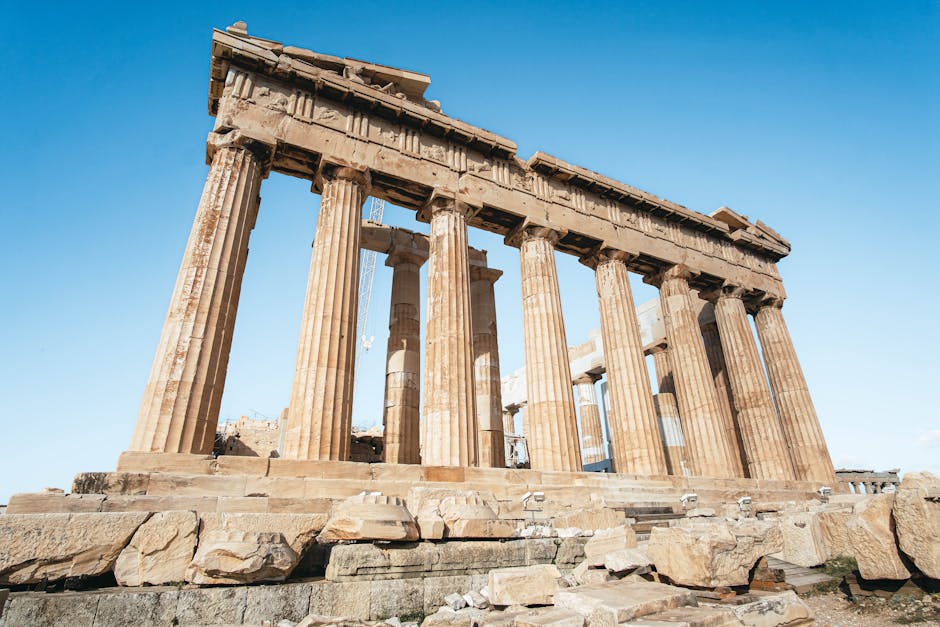 Moderate
Athens, Greece
Discover a hidden Cycladic village and ancient monuments on this self-guided walking route through the enchanting alleys of Plaka and Anafiotika.
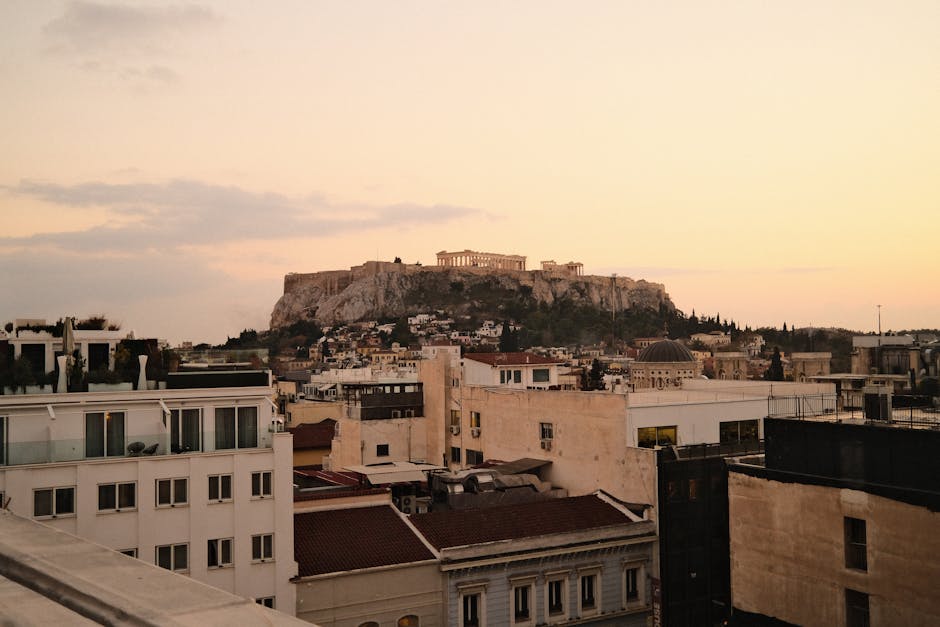 Challenging
Athens, Greece
Conquer the highest peak in Athens on this self-guided walking route through chic Kolonaki to the stunning 360-degree summit of Mount Lycabettus.
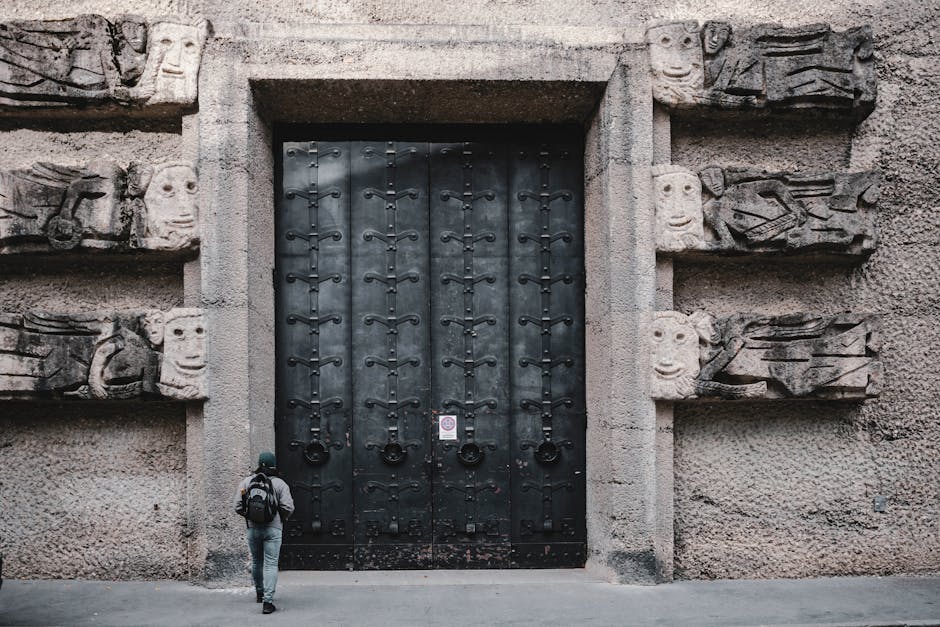 Easy
EasySalzburg, Austria
Discover the 'Rome of the North' on this self-guided walk through the Baroque squares and monumental legacy of Salzburg’s Prince-Archbishops.
 Easy
EasyNairobi, Kenya
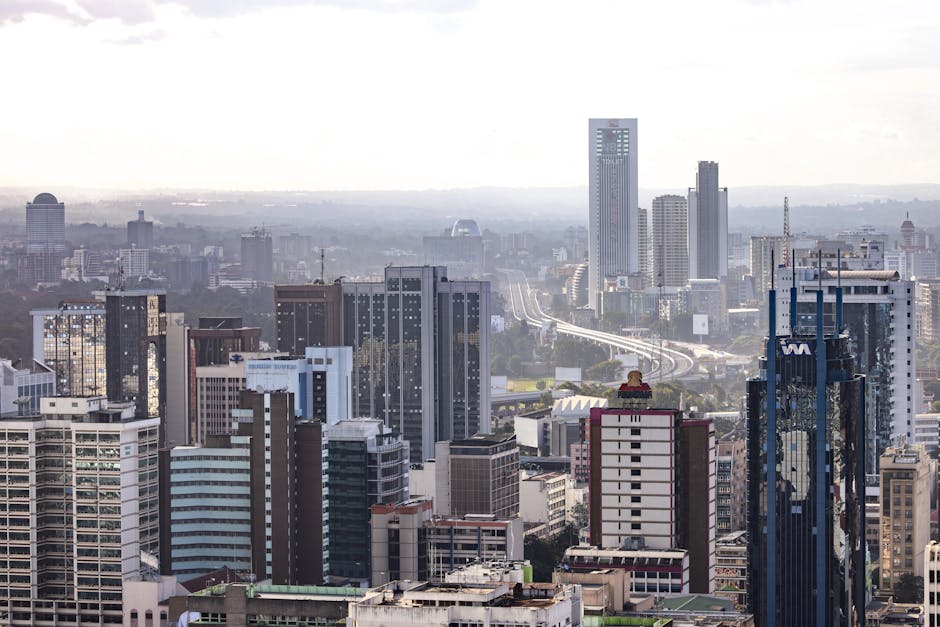
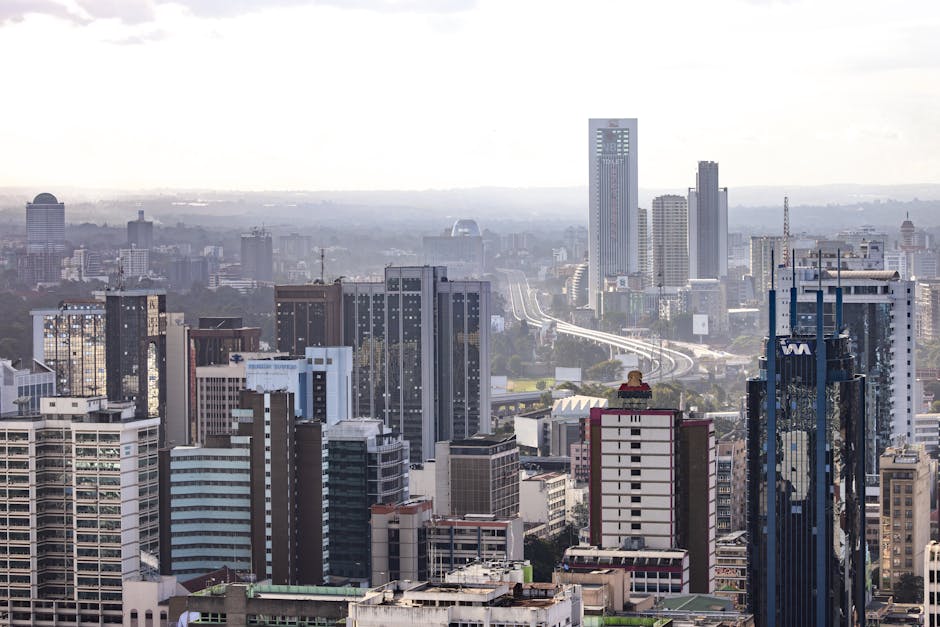
Explore Nairobi's architectural evolution from colonial-era landmarks to iconic Brutalist skyscrapers on this historic self-guided walking route.
 Easy
EasyNairobi, Kenya
Discover Nairobi's iconic skyline on this self-guided architecture walk through the CBD’s most famous modernist and Brutalist landmarks.
 Easy
EasyKrakow, Poland
Explore the prestigious Jagiellonian University district, featuring Neo-Gothic architecture, Baroque churches, and Krakow's hidden scholarly gems.
 Moderate
Thessaloniki, Greece
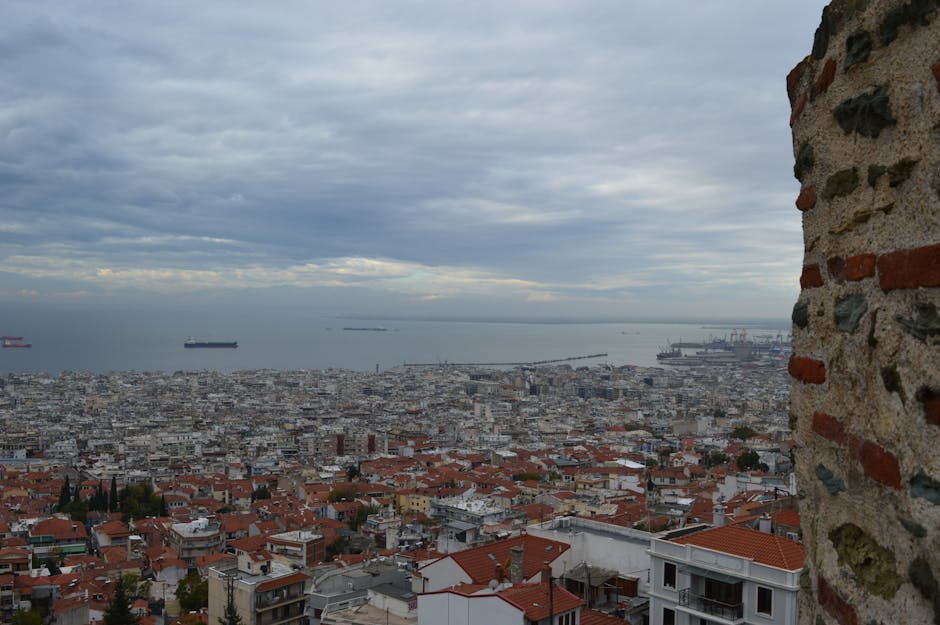
Discover Thessaloniki’s creative soul on this self-guided walk through hidden alleys, vibrant murals, and iconic modern art installations.
 Easy
EasyThessaloniki, Greece
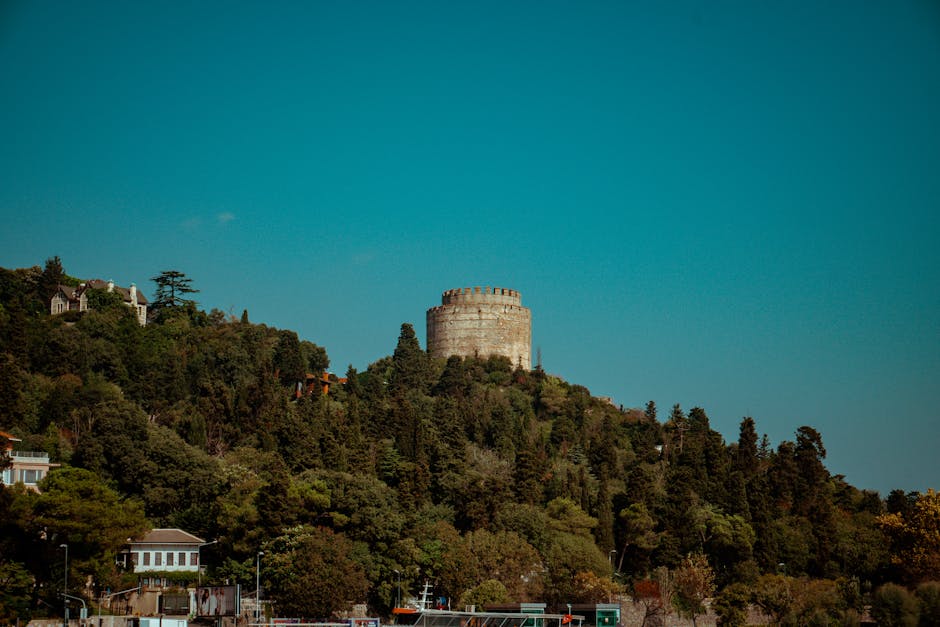
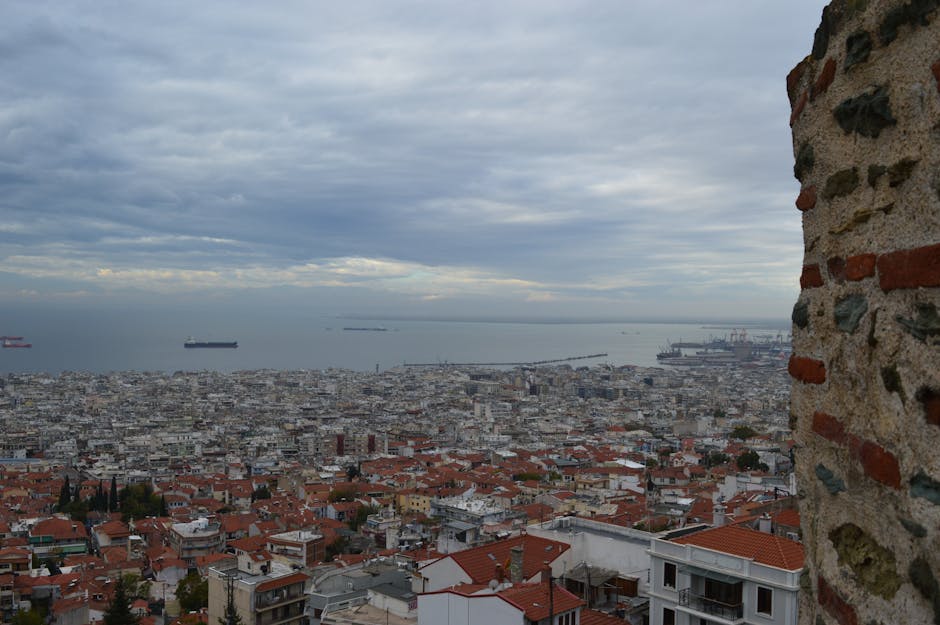
Uncover the hidden Ottoman soul of Thessaloniki. Explore ancient bathhouses, vibrant markets, and historic mosques on this self-guided audio walk.
 Easy
EasyThessaloniki, Greece
Discover how the 1917 Great Fire transformed Thessaloniki into a modern European masterpiece on this self-guided architectural walking route.
 Easy
EasyThessaloniki, Greece
Explore the heart of Thessaloniki on this self-guided walk, discovering Roman ruins and Byzantine masterpieces at your own pace.