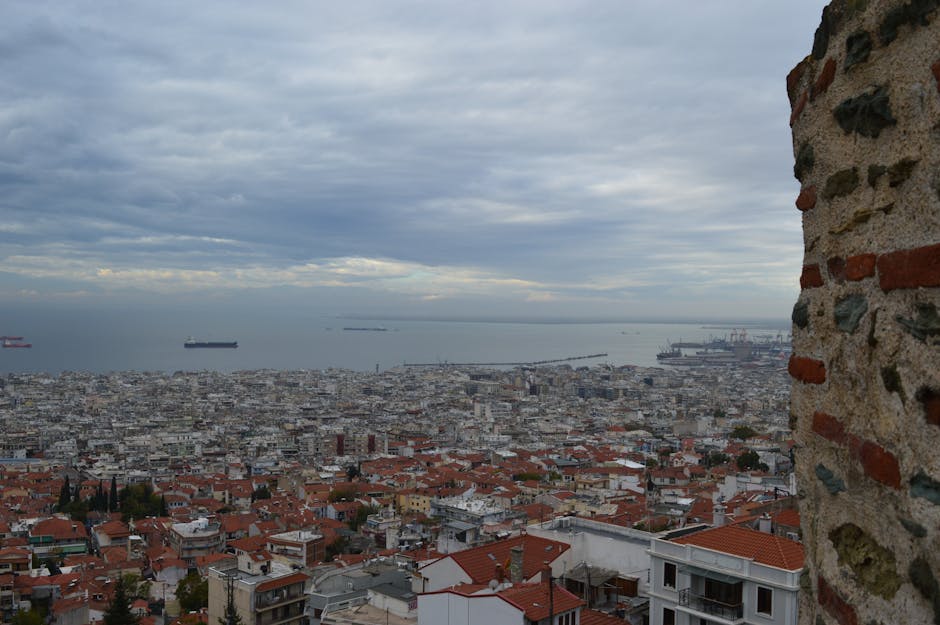
Self-guided audio tour in Thessaloniki
Start Free on iPhone
Start free on iPhone to unlock this self-guided walking tour in Thessaloniki. Hear all the stories that make it amazing, walk at your own pace, and begin whenever you want.
Your Private Tour Guide
In August 1917, a massive fire ripped through Thessaloniki, leaving nearly 70,000 people homeless and destroying the historic Ottoman-era heart of the city. This self-guided walk invites you to explore the phoenix that rose from those ashes. Following the vision of French architect Ernest Hébrard, Thessaloniki was reimagined as a modern European metropolis, blending monumental Neoclassical facades with the city’s deep Byzantine roots. As you begin your neighborhood stroll, you will witness how the 'Great Fire' became a catalyst for one of the most significant urban planning projects in Mediterranean history. Your walking route begins at the iconic Aristotle Square, the city's monumental gateway to the Thermaic Gulf. From here, you will discover the symmetry and grandeur of the reconstruction axis, moving through the commercial district where grand banks and cinematic halls replaced the narrow, winding alleys of the past. This architecture-focused travel experience highlights the transition from a multi-ethnic Ottoman city to a Hellenic center of culture and commerce. You will see how the Electra Palace and the Olympion Cine Hall frame the city’s connection to the sea, and how the financial district around the National Bank of Greece showcases the eclectic styles of the early 20th century. This walking tour Thessaloniki offers a unique perspective on urban resilience. Rather than just seeing old buildings, you are walking through a deliberate master plan designed to modernize Greece's 'Co-capital.' The route is easy and flat, making it ideal for those who want to explore independently at their own pace. By the time you reach the Byzantine majesty of Agias Sofias, you will understand how the city successfully balanced its ancient heritage with a bold, 20th-century European identity. Whether you are a fan of urban design or a history enthusiast, this audio walk provides the context needed to appreciate the elegant, resilient face of modern Thessaloniki.
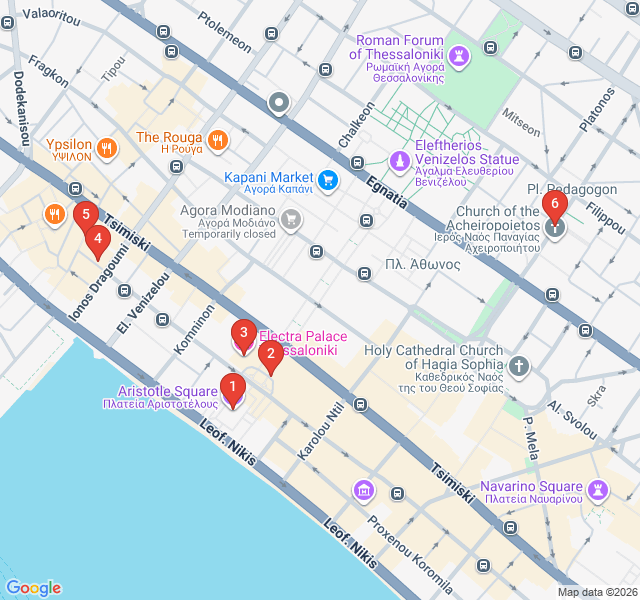
Numbers indicate the order of stops on the tour.
Welcome to the heart of Thessaloniki. Before the Great Fire of 1917, this area was a dense labyrinth of wooden houses and narrow shops. After the disaster, French architect Ernest Hébrard designed this monumental square to serve as the city’s 'living room.' Notice the 'E' shape formed by the surrounding buildings, a nod to 'Ellas' (Greece). The arched galleries and colonnades were inspired by Byzantine architecture but executed with a modern European flair. This square wasn't just about aesthetics; it was a statement of the city's new identity, connecting the urban center directly to the sea.
Standing at the corner of Aristotle Square, the Olympion is a cornerstone of the city’s cultural reconstruction. Built in the late 1940s but following the spirit of Hébrard’s original plan, it reflects the Beaux-Arts style that defined the post-fire era. Today, it serves as the headquarters for the Thessaloniki International Film Festival. Look up at the intricate facade and the heavy balconies; this building was designed to anchor the square with a sense of permanence and prestige, signaling that Thessaloniki had moved past the devastation of the fire and into a new age of cinema and art.
While the Electra Palace was actually completed in the 1970s, it is perhaps the best example of 'architectural continuity.' The architects were required to follow the strict guidelines set by Hébrard decades earlier to ensure the square maintained its unified look. Observe the characteristic arches and the brick-red details that mimic Byzantine masonry. This building proves that the 1917 reconstruction plan was so powerful it dictated the city's look for over half a century. It stands as a luxurious interpretation of the neo-Byzantine style that the reconstruction committee envisioned for the city's most prominent waterfront real estate.
As you move into the commercial heart, the National Bank of Greece building represents the financial rebirth of the city. Before 1917, this was part of the bustling Ottoman bazaar. The new building, completed in the late 1920s, utilized reinforced concrete—a novel material at the time—to prevent future fire damage. The architecture is 'Eclectic,' blending classical elements with modern functionality. This building served as a symbol of stability, encouraging investors and merchants to return to the scorched earth of the city center and rebuild their businesses under a new, Greek administration.
Located near the edge of the historic Ladadika district, this building was originally a commercial arcade. In the post-fire years, these 'Stoas' or passages became the backbone of Thessaloniki’s trade. The Piraeus Bank Conference Center is housed in a structure that showcases the industrial-meets-classical aesthetic of the 1920s. Notice the large windows and high ceilings, designed to let in natural light for the merchants who once traded textiles and imported goods here. It is a reminder that the reconstruction wasn't just about monuments, but about creating a functional, modern environment for the city's working class.
Our walk concludes at Agias Sofias, a street that perfectly captures the intersection of Thessaloniki's many lives. To your side stands the 7th-century Church of Holy Wisdom, which miraculously survived the 1917 fire while the buildings around it turned to ash. The reconstruction plan turned this area into a grand pedestrian axis, framing the church as a historical jewel within a modern urban setting. Today, the street is a vibrant hub of cafes and boutiques, showing that Hébrard’s vision of a walkable, social city remains as relevant today as it was over a hundred years ago.
Start Free on iPhone
Explore “Rebirth from the Ashes: The 1917 Reconstruction Path” with your very own Private Tour Guide with Zigway. Start free on iPhone, skip the large group and the fixed routes, and hear the city come alive as you go.
Your Private Tour Guide
Don't miss the good stuff
Explore Freely
 Moderate
Thessaloniki, Greece
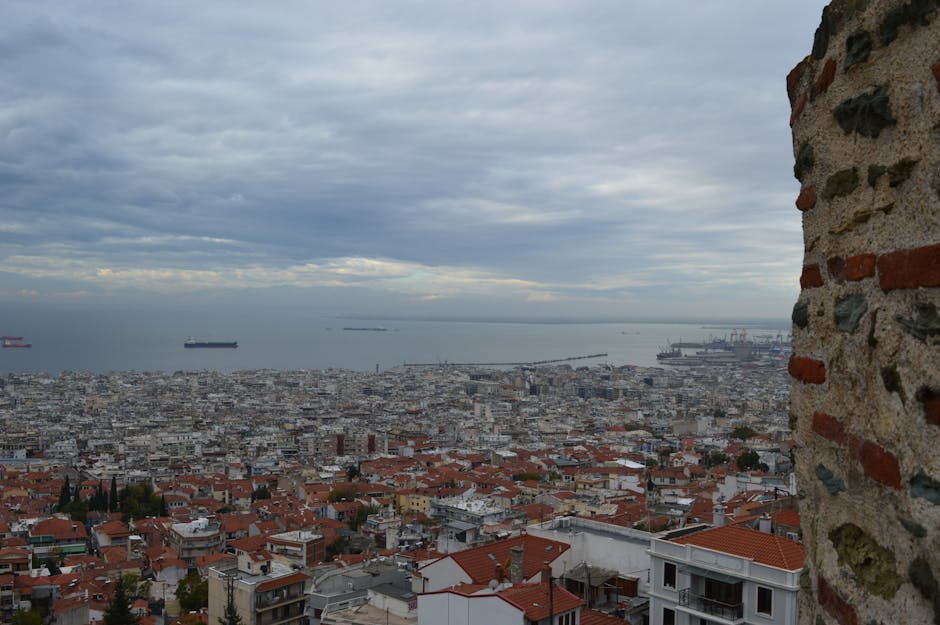
Discover Thessaloniki’s creative soul on this self-guided walk through hidden alleys, vibrant murals, and iconic modern art installations.
 Easy
EasyThessaloniki, Greece
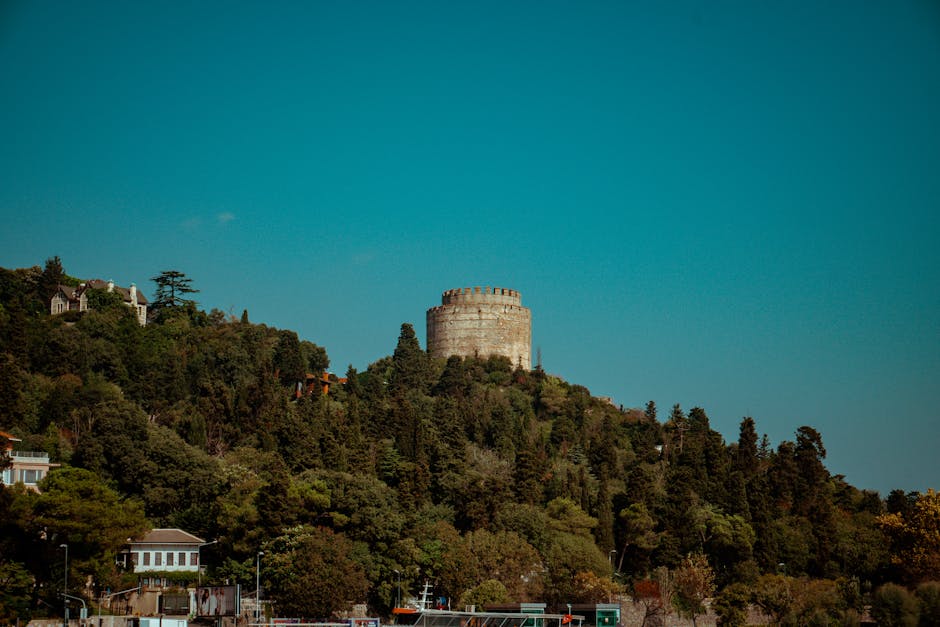
Uncover the hidden Ottoman soul of Thessaloniki. Explore ancient bathhouses, vibrant markets, and historic mosques on this self-guided audio walk.
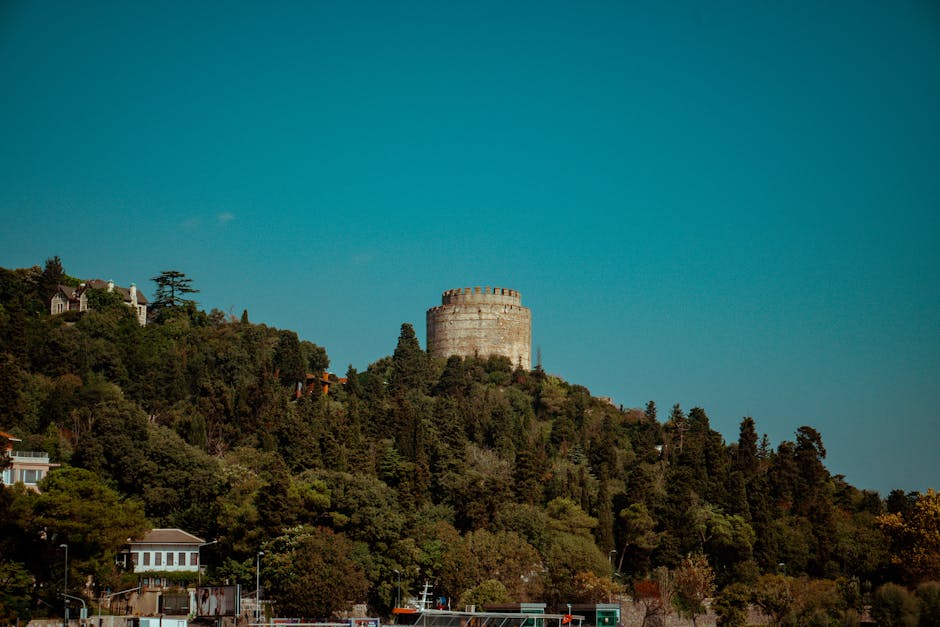 Easy
EasyThessaloniki, Greece
Explore the heart of Thessaloniki on this self-guided walk, discovering Roman ruins and Byzantine masterpieces at your own pace.
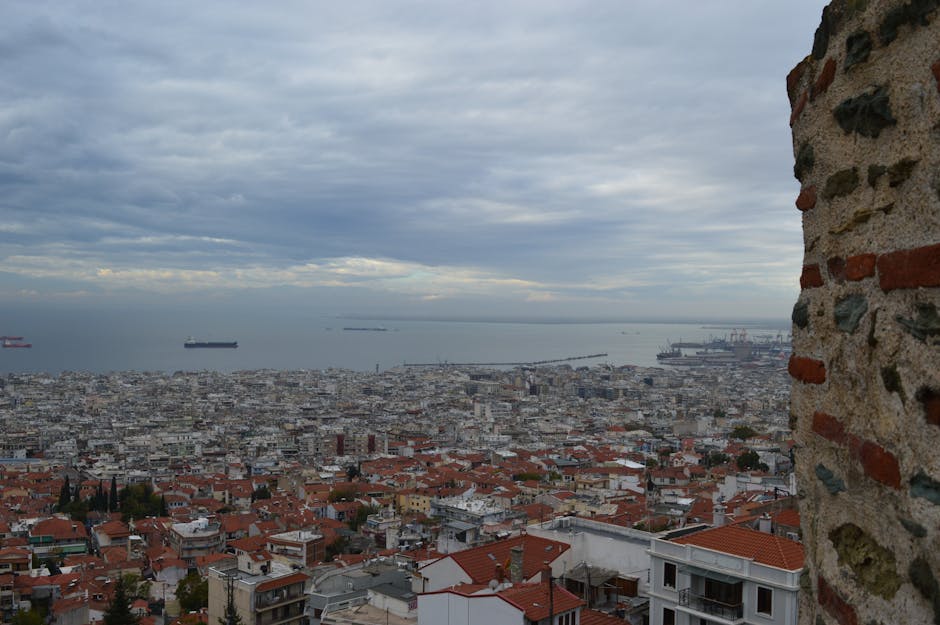 Easy
EasyThessaloniki, Greece
Discover the literary soul of Thessaloniki on this self-guided walk through iconic libraries, historic theaters, and the scenic waterfront.
 Easy
EasyNairobi, Kenya
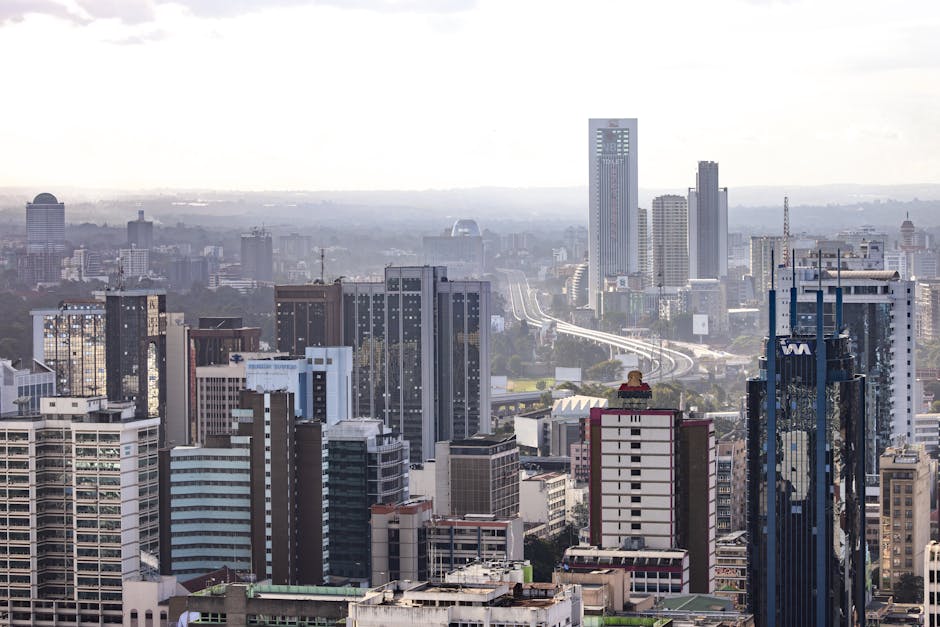
Discover Nairobi's iconic skyline on this self-guided architecture walk through the CBD’s most famous modernist and Brutalist landmarks.
 Easy
EasyWarsaw, Poland
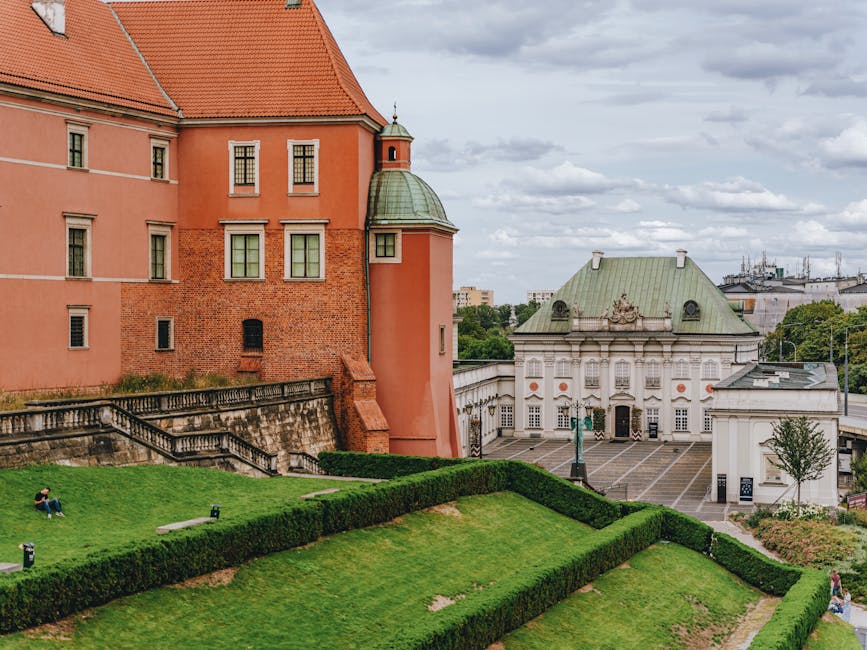
Explore the miracle of Warsaw's reconstructed Old Town on this self-guided walk through royal squares, medieval walls, and heroic monuments.
 Easy
EasyGothenburg, Sweden
Discover Gothenburg’s 17th-century Dutch foundations, historic canals, and military fortifications on this self-guided architectural walk.
 Easy
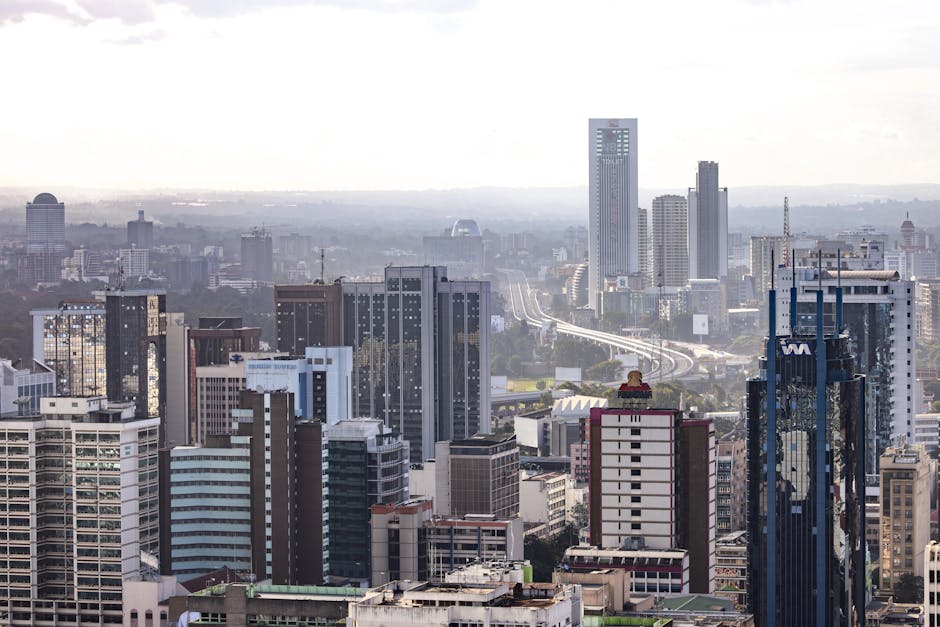
EasyNairobi, Kenya
Explore Nairobi's architectural evolution from colonial-era landmarks to iconic Brutalist skyscrapers on this historic self-guided walking route.
 Easy
EasyAthens, Greece
Explore the intersection of ancient history and industrial art on this self-guided walk through Kerameikos and the vibrant Gazi district.
 Moderate
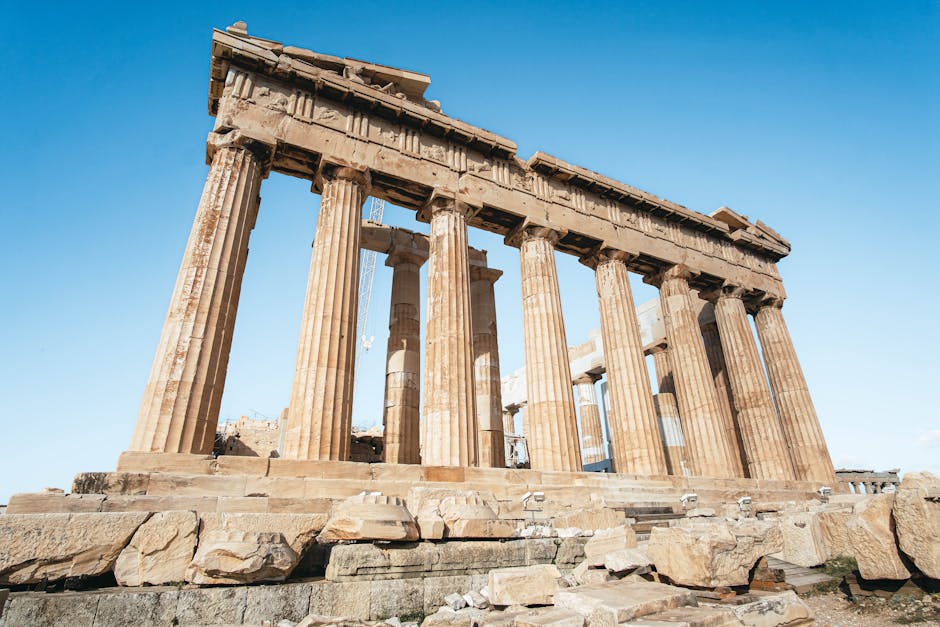
Athens, Greece
Ascend the Hill of the Muses for breathtaking Acropolis views and ancient democratic sites on this scenic self-guided walking route in Athens.
 Moderate
Athens, Greece
Discover a hidden Cycladic village and ancient monuments on this self-guided walking route through the enchanting alleys of Plaka and Anafiotika.
 Challenging
Athens, Greece
Conquer the highest peak in Athens on this self-guided walking route through chic Kolonaki to the stunning 360-degree summit of Mount Lycabettus.