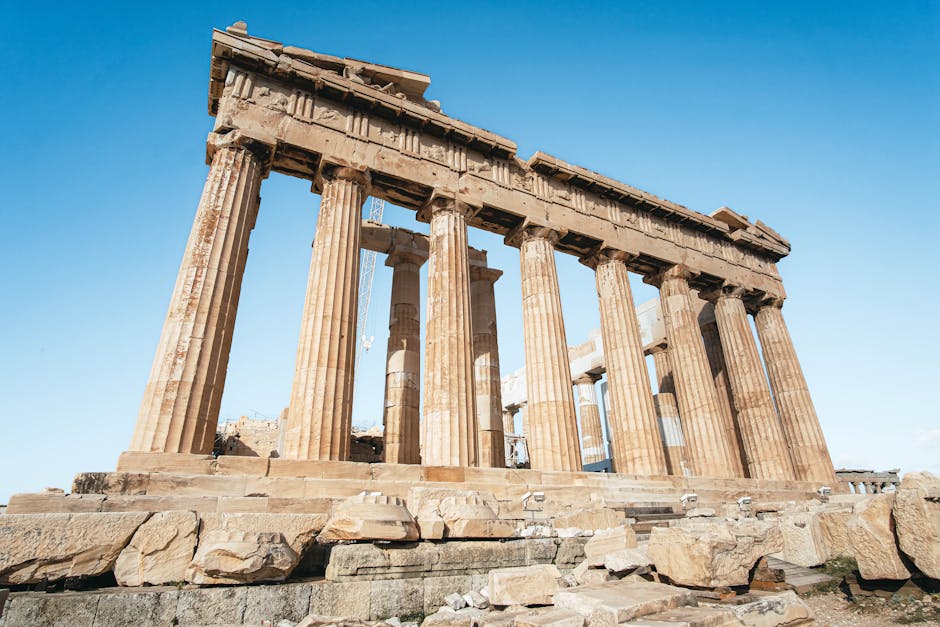
Self-guided audio tour in Athens
Start Free on iPhone
Start free on iPhone to unlock this self-guided walking tour in Athens. Hear all the stories that make it amazing, walk at your own pace, and begin whenever you want.
Your Private Tour Guide
As the Athenian sun begins its descent, casting a golden hue over the ancient marble of the Acropolis, there is no better vantage point than the pine-scented paths of Philopappos Hill. Known historically as the Hill of the Muses, this verdant escape offers a serene alternative to the bustling city streets below. This walking route invites you to discover the birthplace of democracy and the quiet corners of Athenian history at your own pace. While most visitors flock to the Parthenon, those who embark on a self-guided walk here find themselves immersed in a landscape where nature and antiquity coexist in perfect harmony. The journey begins in the leafy neighborhood of Thissio, home to the neoclassical National Observatory, and winds through stone-paved paths designed by the visionary architect Dimitris Pikionis. Along the way, you will encounter the legendary Prison of Socrates and the Pnyx, the rocky plateau where the citizens of ancient Athens once gathered to debate and vote. The ascent culminates at the Philopappos Monument, a towering Roman-era structure that offers perhaps the most iconic panoramic view of the Parthenon and the Saronic Gulf. This neighborhood stroll through Koukaki and the surrounding hills is more than just a hike; it is a transition from the urban energy of modern Athens into the timeless beauty of its past. Whether you are a photography enthusiast looking for the perfect shot of the Acropolis at twilight or a history buff seeking the origins of Western political thought, this route provides the space and silence to truly appreciate the scale of human achievement. Explore independently and witness the city transform as the lights of Athens begin to twinkle below, making this one of the most memorable experiences in the Greek capital. This walking tour Athens favorite is accessible and rewarding for anyone looking to escape the crowds while staying within the heart of the city.
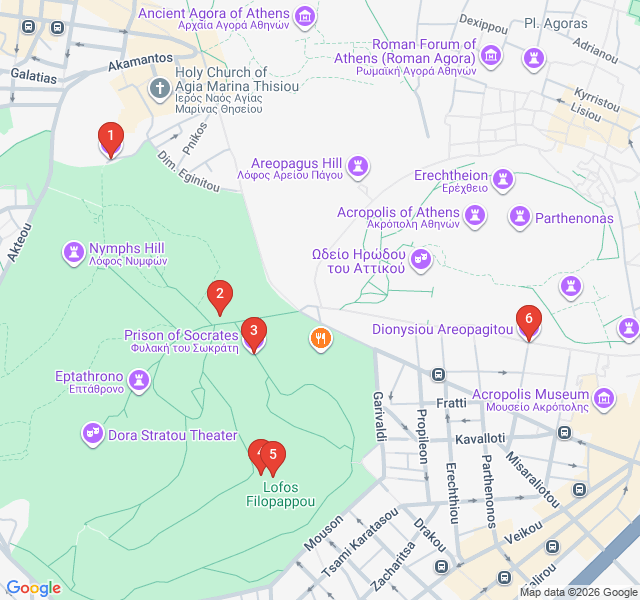
Numbers indicate the order of stops on the tour.
Your journey begins at the Hill of the Nymphs, home to the National Observatory of Athens. Established in 1842, this was the first scientific research institution in modern Greece. The building itself is a neoclassical masterpiece designed by the Danish architect Theophilos Hansen, the same mind behind the 'Athenian Trilogy' on Panepistimio Street. From this elevation, you can see the clear divide between the ancient landscape and the sprawling modern city. This site was chosen for its clear skies and historical connection to astronomy, as the ancient astronomer Meton once observed the solstices from this very hill. Take a moment to appreciate the symmetry of the building before following the path toward the wooded slopes of Philopappos.
Tucked away in a lush clearing lies the 16th-century church of St Demetrios Loumbardiaris. The name 'Loumbardiaris' translates to 'The Cannoneer,' stemming from a 1658 legend where a miracle supposedly saved the church from a Turkish cannon located on the Propylaea of the Acropolis. What makes this spot truly special is the 1950s restoration by architect Dimitris Pikionis. He used recycled marble fragments and local stone to create the intricate pavement and timber-roofed porch, seamlessly blending the Byzantine structure with the natural environment. It is a favorite spot for local weddings, offering a peaceful atmosphere away from the tourist mainstays.
As you follow the path, you will encounter a series of chambers carved directly into the bedrock of the hill. Local tradition identifies this site as the Prison of Socrates, where the great philosopher was held and eventually forced to drink hemlock in 399 BC. While modern archaeologists suggest these were more likely ancient dwellings or storage rooms, the site remains a powerful symbol of the philosopher's trial and his commitment to the truth. Look closely at the iron gates and the structure of the rock; during World War II, these caves were used to hide precious antiquities from the National Archaeological Museum to protect them from looting and bombing.
You are now standing at the Pnyx, one of the most significant sites in political history. Beginning in the 6th century BC, this was the official meeting place of the Athenian democratic assembly, the Ecclesia. Imagine thousands of male citizens gathered here to listen to orators like Pericles, Aristides, and Demosthenes. The large stone platform you see is the 'Bema,' the speaker's podium. Standing on this rock, the orators would face the Acropolis, ensuring the temples of the gods were always in their line of sight while they debated the laws of the city. It is a humbling place that reminds us where the concept of 'power to the people' truly took root.
At the summit of the hill stands the impressive Philopappos Monument, built between 114 and 116 AD. It was dedicated to Gaius Julius Antiochus Epiphanes Philopappos, a prince from the Kingdom of Commagene who became a beloved benefactor and citizen of Athens. The monument's facade features statues of Philopappos and his royal ancestors. From this peak, the 360-degree views are unparalleled. To the east, the Parthenon stands in all its glory; to the west, you can see the port of Piraeus and the shimmering Saronic Gulf. This is the ultimate spot to wait for the sunset, as the sky transitions through shades of pink and orange behind the silhouettes of ancient history.
Descending from the hill, you arrive at Dionysiou Areopagitou, widely considered the most beautiful pedestrian street in Athens. This wide, paved boulevard wraps around the southern base of the Acropolis, connecting the ancient sites with the modern district of Koukaki. The street is lined with elegant neoclassical mansions and modernist apartment buildings. As you stroll, you will pass the entrance to the Odeon of Herodes Atticus and eventually reach the Acropolis Museum. This is the perfect place to conclude your walk, perhaps finding a local cafe in Koukaki to reflect on your journey through the hills of the Muses and the Nymphs.
Start Free on iPhone
Explore “Sunset Ascent of Philopappos Hill” with your very own Private Tour Guide with Zigway. Start free on iPhone, skip the large group and the fixed routes, and hear the city come alive as you go.
Your Private Tour Guide
Don't miss the good stuff
Explore Freely
 Easy
EasyAthens, Greece
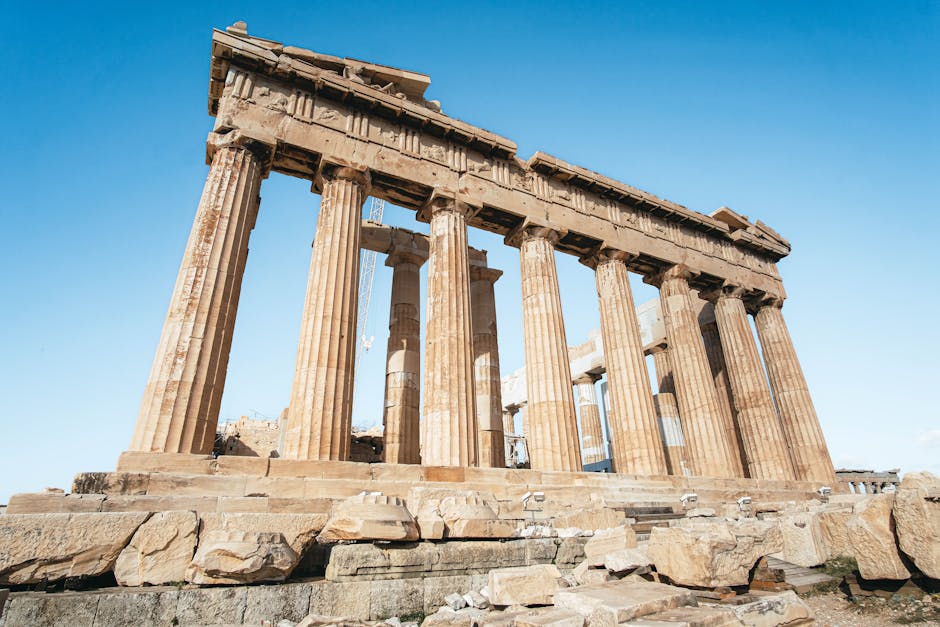
Explore the intersection of ancient history and industrial art on this self-guided walk through Kerameikos and the vibrant Gazi district.
 Moderate
Athens, Greece
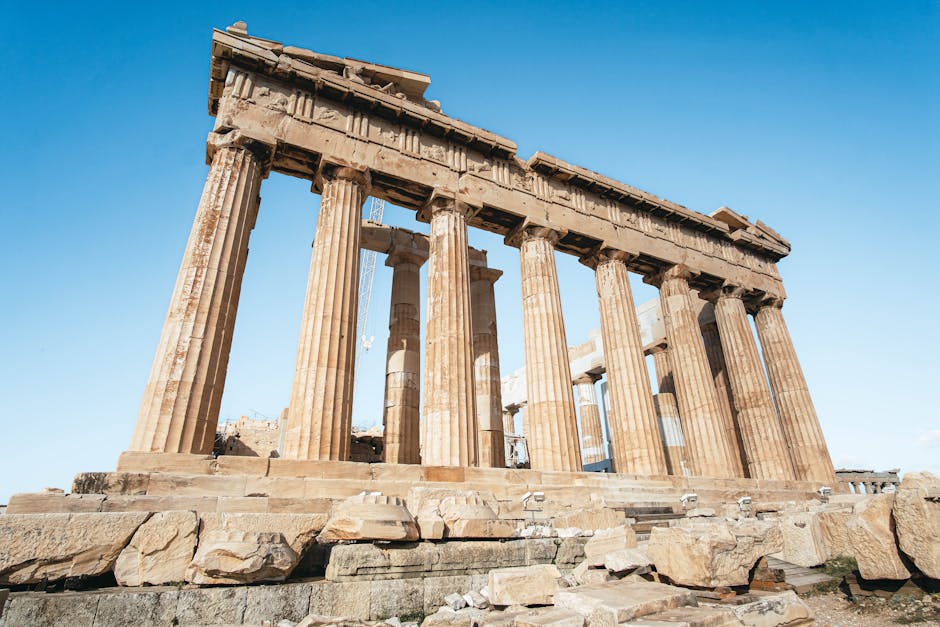
Discover a hidden Cycladic village and ancient monuments on this self-guided walking route through the enchanting alleys of Plaka and Anafiotika.
 Challenging
Athens, Greece
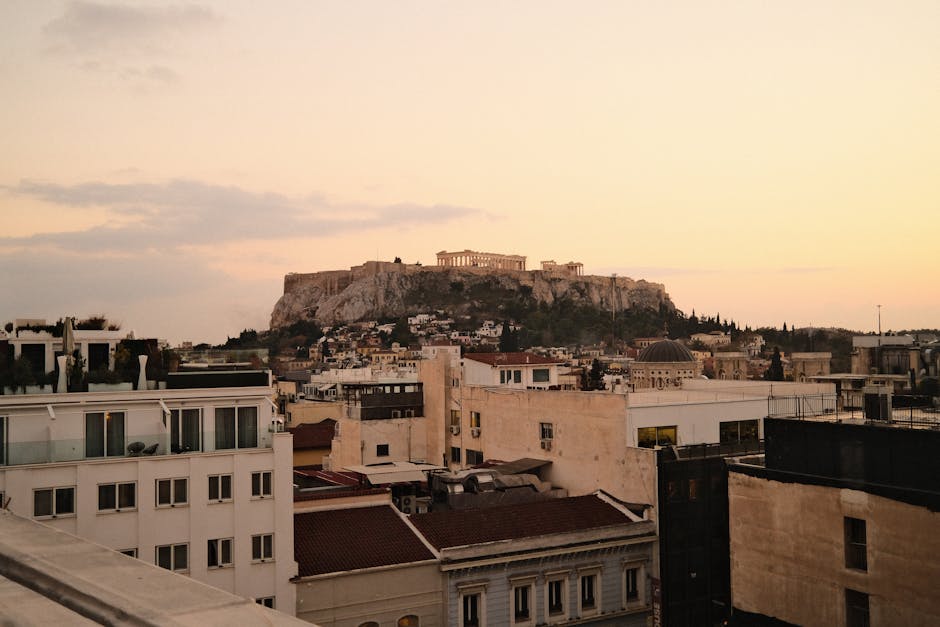
Conquer the highest peak in Athens on this self-guided walking route through chic Kolonaki to the stunning 360-degree summit of Mount Lycabettus.
 Easy
EasyAthens, Greece
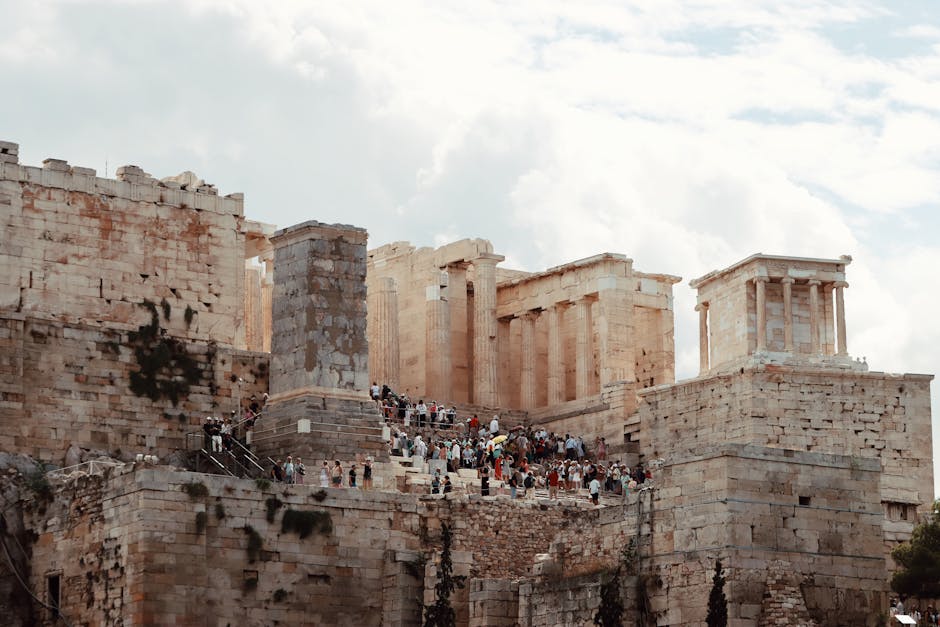
Explore the 'Athenian Trilogy' and 19th-century marble wonders on this self-guided walk through the city's elegant Neoclassical center.
 Moderate
Krakow, Poland
Discover Krakow’s stunning skyline and riverside charm on this self-guided audio walk through scenic viewpoints and historic mounds.
 Moderate
Vienna, Austria
Discover the noir world of The Third Man and Cold War Vienna on this atmospheric self-guided audio walk through the historic Innere Stadt.
 Easy
EasyNairobi, Kenya
Explore the history of Kenya’s independence through the statues, monuments, and parks that define Nairobi’s political heart on this self-guided walk.
 Easy
EasyGdansk, Poland
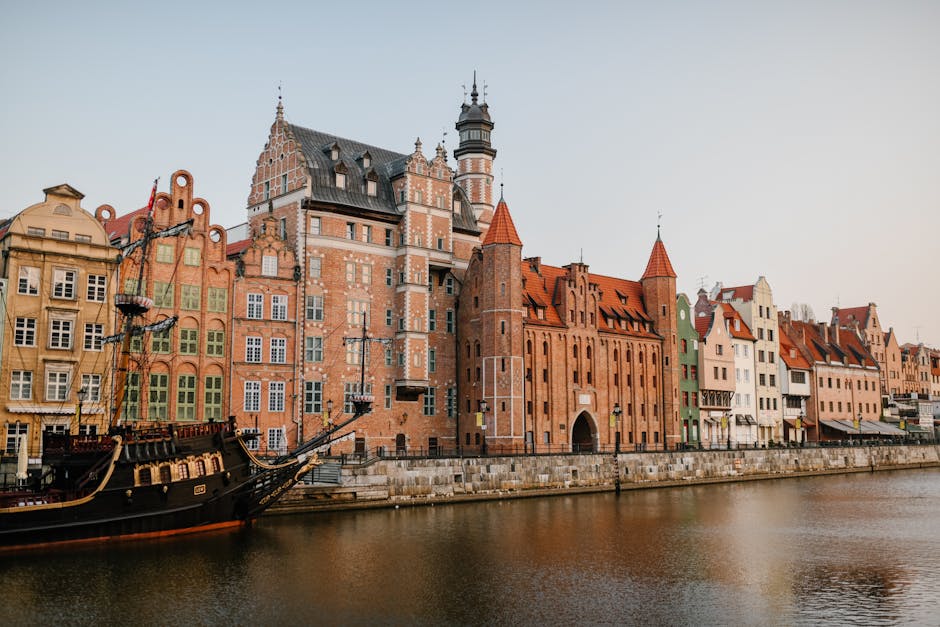
Discover the monastic heritage, world-famous organs, and lush botanical gardens of Oliwa on this peaceful self-guided neighborhood stroll.
 Moderate
Thessaloniki, Greece
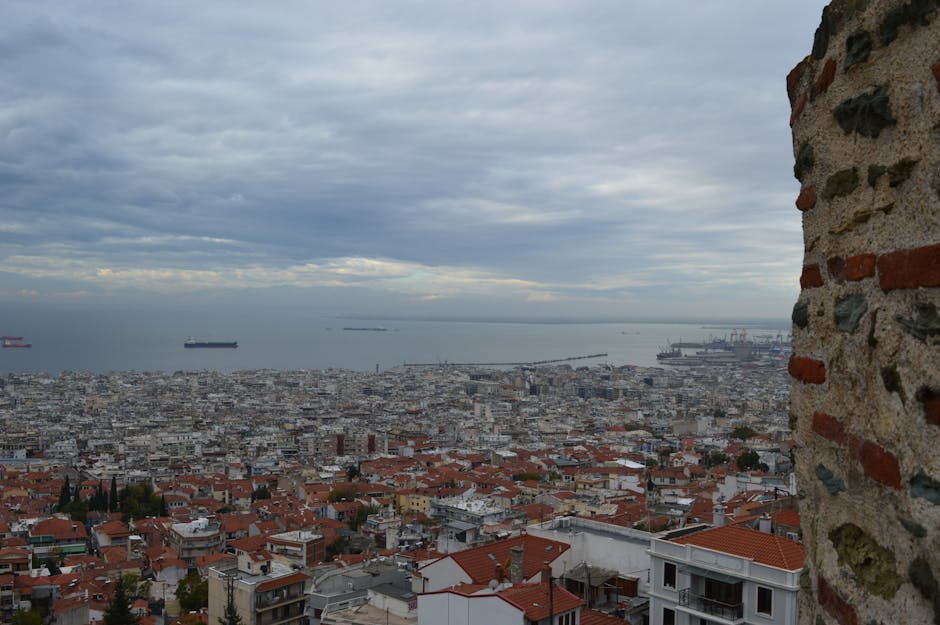
Discover Thessaloniki’s creative soul on this self-guided walk through hidden alleys, vibrant murals, and iconic modern art installations.
 Easy
EasyThessaloniki, Greece
Uncover the hidden Ottoman soul of Thessaloniki. Explore ancient bathhouses, vibrant markets, and historic mosques on this self-guided audio walk.
 Easy
EasyThessaloniki, Greece
Discover how the 1917 Great Fire transformed Thessaloniki into a modern European masterpiece on this self-guided architectural walking route.
 Easy
EasyThessaloniki, Greece
Explore the heart of Thessaloniki on this self-guided walk, discovering Roman ruins and Byzantine masterpieces at your own pace.