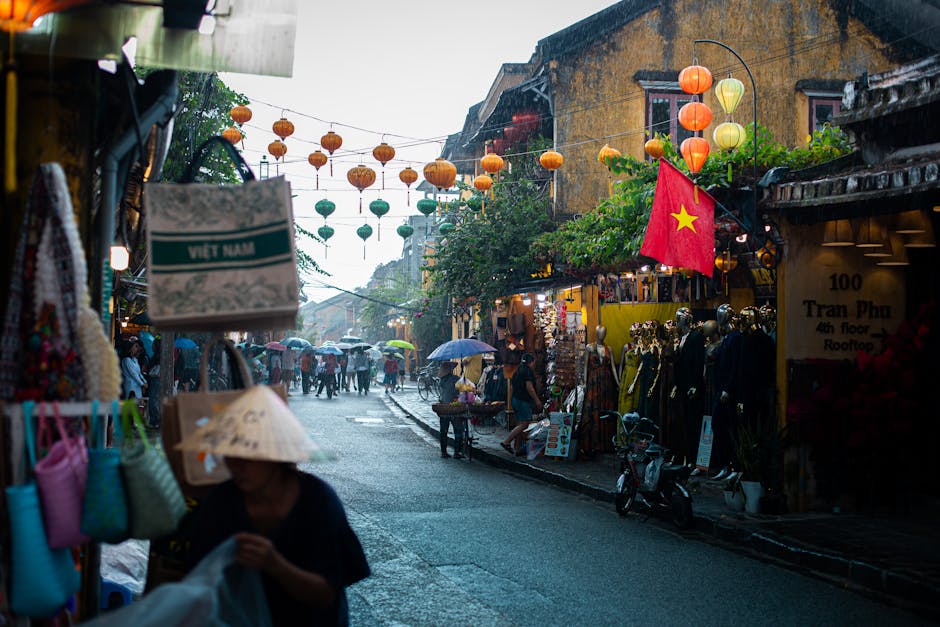
Self-guided audio tour in Hoi An
Start Free on iPhone
Start free on iPhone to unlock this self-guided walking tour in Hoi An. Hear all the stories that make it amazing, walk at your own pace, and begin whenever you want.
Your Private Tour Guide
Step into a living postcard with this self-guided walk through the heart of Hoi An’s Ancient Town. Known for its iconic mustard-yellow walls and lantern-lit alleys, this neighborhood preserves a unique architectural blend of Vietnamese, Chinese, and Japanese influences. On this walking route, you will uncover the layers of history that transformed a small fishing village into one of Southeast Asia's most vital trading ports between the 15th and 19th centuries. Your journey begins at the vibrant Hoi An Market, where the scents of local spices and fresh produce provide a sensory introduction to the town’s enduring commercial spirit. As you navigate the pedestrian-friendly streets, you will encounter ornate assembly halls and centuries-old homes that tell the story of the merchants who once called this port home. This self-guided adventure allows you to explore the intricate details of the Fujian Assembly Hall and the quiet dignity of the Museum of Trade Ceramics at your own pace. The route highlights the seamless integration of diverse cultures, culminating at the iconic Japanese Covered Bridge, a symbol of communal harmony. This neighborhood stroll is more than just a sightseeing trip; it is an invitation to witness the 'Echoes of the Old Quarter' through its timber-framed houses and tranquil temples. Whether you are interested in the technical mastery of 18th-century carpentry or the spiritual traditions housed within the Quan Cong Temple, this walking tour Hoi An experience provides a comprehensive look at a UNESCO World Heritage site. By choosing a self-guided walk, you avoid the rush of organized groups and can spend extra time photographing the sun-drenched facades or browsing the local artisan shops that line the riverfront. This walking tour Hoi An route is designed for history enthusiasts and photography lovers alike, offering a balanced mix of grand landmarks and quiet, atmospheric corners.
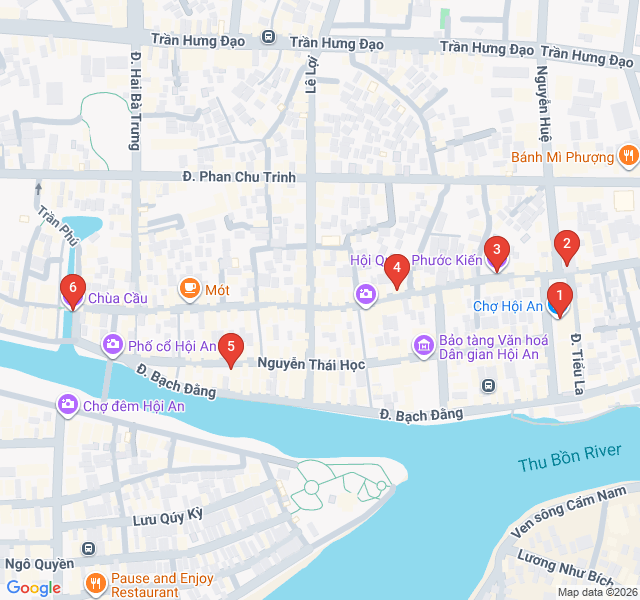
Numbers indicate the order of stops on the tour.
Welcome to the beating heart of the city. While the current structure dates to the early 20th century, this riverside location has been a hub of commerce for over 500 years. In the early morning, the market is a hive of activity as local chefs and residents gather to buy the freshest herbs, seafood, and tropical fruits. As you walk through the stalls, notice the transition from the bustling wet market by the water to the dry goods and textile sections further inland. This market served as the primary exchange point for foreign merchants arriving by sea, setting the stage for the diverse cultural influences you will see throughout the rest of your neighborhood stroll.
Founded in 1653, this temple is dedicated to Quan Cong, a legendary Chinese general known for his loyalty, bravery, and integrity. The architecture is a stunning example of Chinese craftsmanship, featuring a red-and-gold color palette and intricate ceramic roof decorations. Inside, look for the two massive statues flanking the altar: one of General Quan Cong’s loyal horse and another of his trusted attendants. The atmosphere here is often thick with incense, reflecting the temple's ongoing role as a place of worship for local residents and merchants seeking good fortune. It serves as a spiritual anchor in the Old Quarter, representing the values that shaped this trading community.
The Fujian Assembly Hall is perhaps the most grand of Hoi An’s five assembly halls. Originally built as a traditional thatched pagoda in the 17th century, it was later transformed into a social and religious center for the Fujianese ethnic group. The grand gate, adorned with dragons and phoenixes, leads to a courtyard filled with bonsai and ornamental plants. The main sanctuary is dedicated to Thien Hau, the Goddess of the Sea, who protects sailors and fishermen. Observe the mural paintings and the miniature models of merchant ships, which serve as reminders of the perilous sea journeys undertaken by the early Chinese settlers who helped build this town.
Housed in a beautifully restored traditional timber-framed house, this museum offers a window into Hoi An’s golden age as a global trading port. Between the 16th and 17th centuries, pottery from Japan, China, and across Southeast Asia passed through these docks. The collection features shards and intact pieces recovered from shipwrecks in the East Sea, showcasing the 'Silk Road of the Sea.' Beyond the exhibits, the house itself is a highlight; notice the internal courtyard designed to bring in natural light and ventilation, and the steep wooden stairs that characterize the local 'tube house' architectural style common in this densely packed merchant district.
The Old House of Tan Ky has been home to seven generations of the same family and is a masterpiece of architectural fusion. It blends Japanese elements, such as the triple-beam ceiling structure, with Chinese poetry inscriptions and Vietnamese folk motifs. Look closely at the pillars near the back of the house; you will see marks indicating the water levels of historic floods that have submerged the ground floor over the centuries. One of the house's most prized possessions is the 'Confucius Cup,' a ceramic vessel that teaches the lesson of moderation: if you fill it too high, the liquid drains out the bottom. It is a perfect metaphor for the balanced life sought by the merchants of old.
You have reached the most iconic landmark in Hoi An. Originally built in the early 17th century by the Japanese merchant community, this bridge was designed to connect the Japanese quarter with the Chinese quarter across the canal. It is unique for housing a small Buddhist temple on one side, hence its name 'Chùa Cầu' or Bridge Pagoda. At either end, you will find statues of dogs and monkeys; according to legend, construction began in the year of the dog and ended in the year of the monkey. The bridge was also intended to pin down the 'Namazu,' a mythical world-spanning monster believed to cause earthquakes. Today, it stands as a testament to the peaceful coexistence of cultures in this historic port.
Start Free on iPhone
Explore “Echoes of the Old Quarter” with your very own Private Tour Guide with Zigway. Start free on iPhone, skip the large group and the fixed routes, and hear the city come alive as you go.
Your Private Tour Guide
Don't miss the good stuff
Explore Freely
 Easy
EasyHoi An, Vietnam
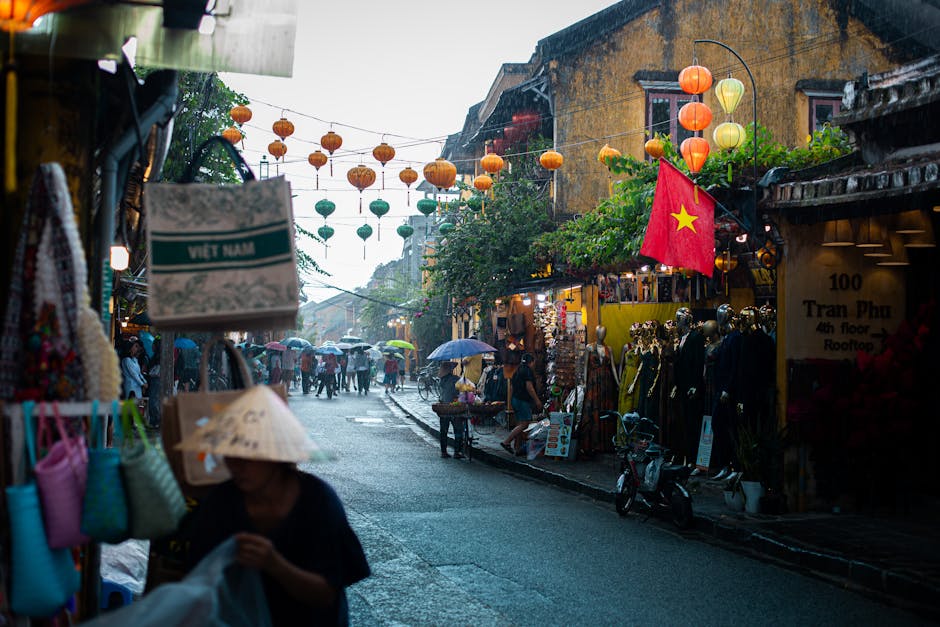
Discover the ornate assembly halls and hidden pagodas of Hoi An on this self-guided walk through the city's spiritual and architectural history.
 Easy
EasyHoi An, Vietnam
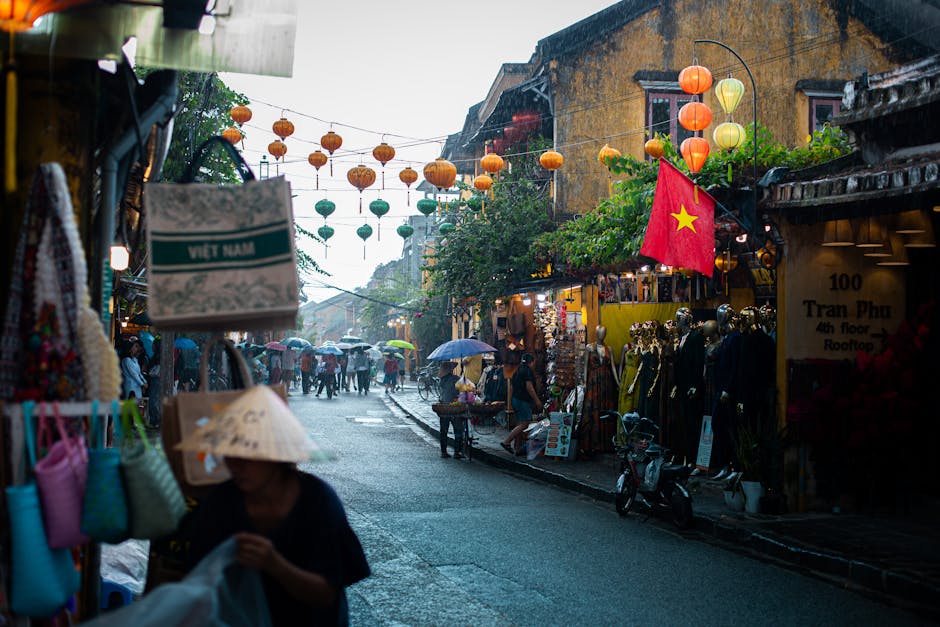
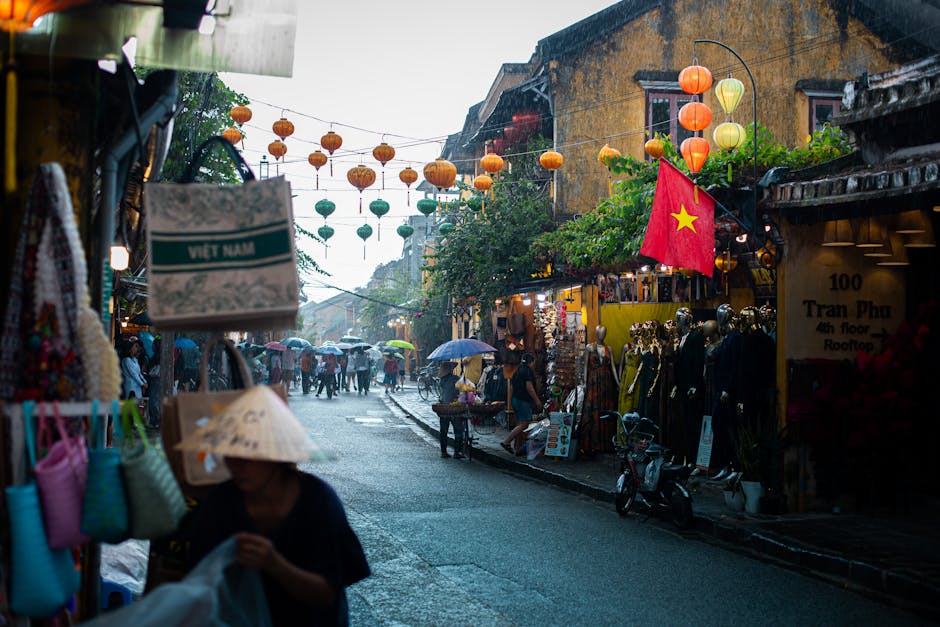
Capture the magic of Hoi An's golden hour on this self-guided photography walk through historic streets, temple gates, and riverside views.
 Easy
EasyHoi An, Vietnam
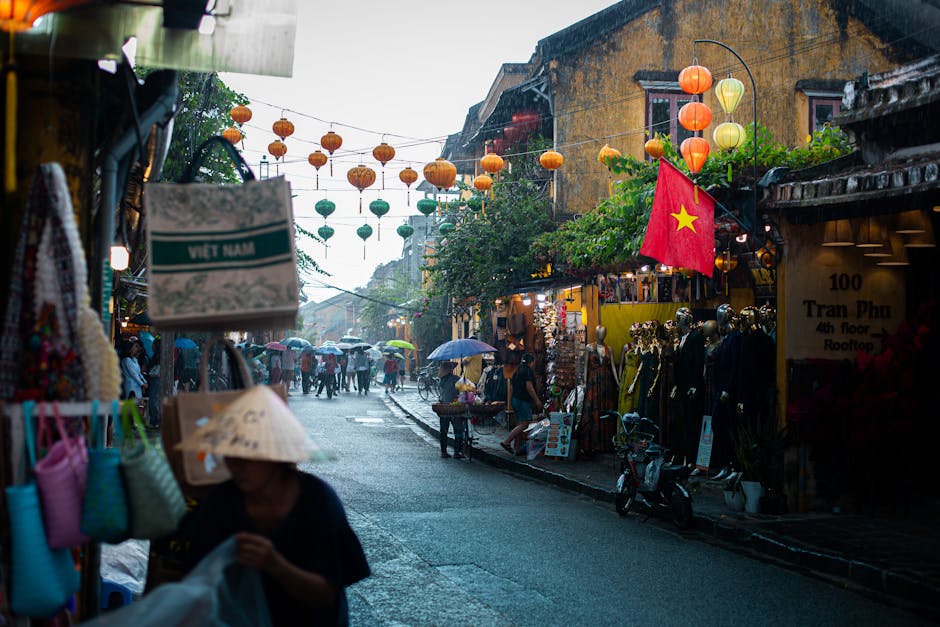
Discover the hidden roasteries and historic side streets of Hoi An on this aromatic self-guided coffee and culture walk.
 Moderate
Hoi An, Vietnam
Escape the crowds and explore the rural heart of Hoi An, from the riverside charms of Cam Nam to the lush herb gardens of Tra Que.
 Easy
EasyNairobi, Kenya
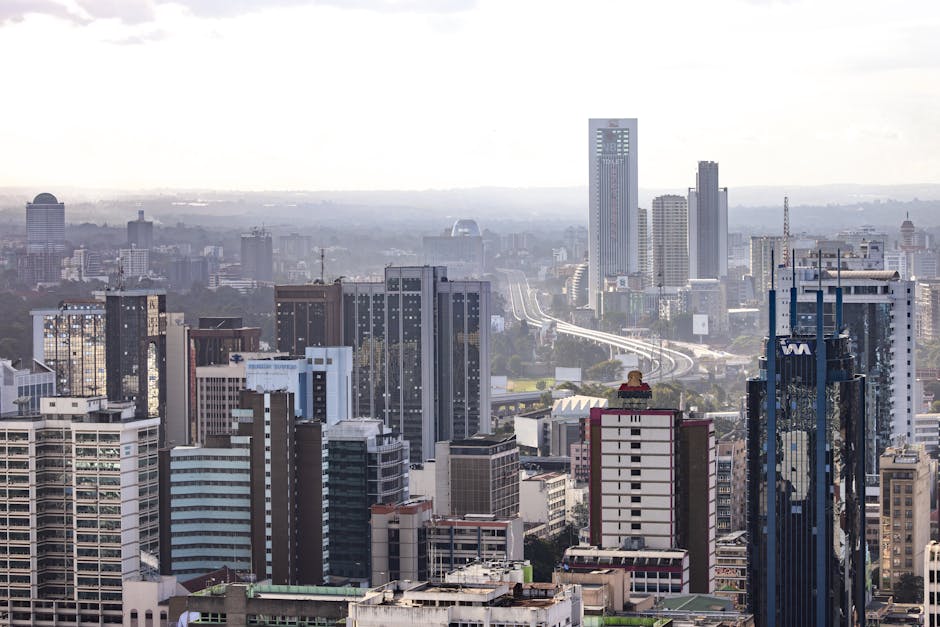
Discover Nairobi's iconic skyline on this self-guided architecture walk through the CBD’s most famous modernist and Brutalist landmarks.
 Easy
EasySalzburg, Austria
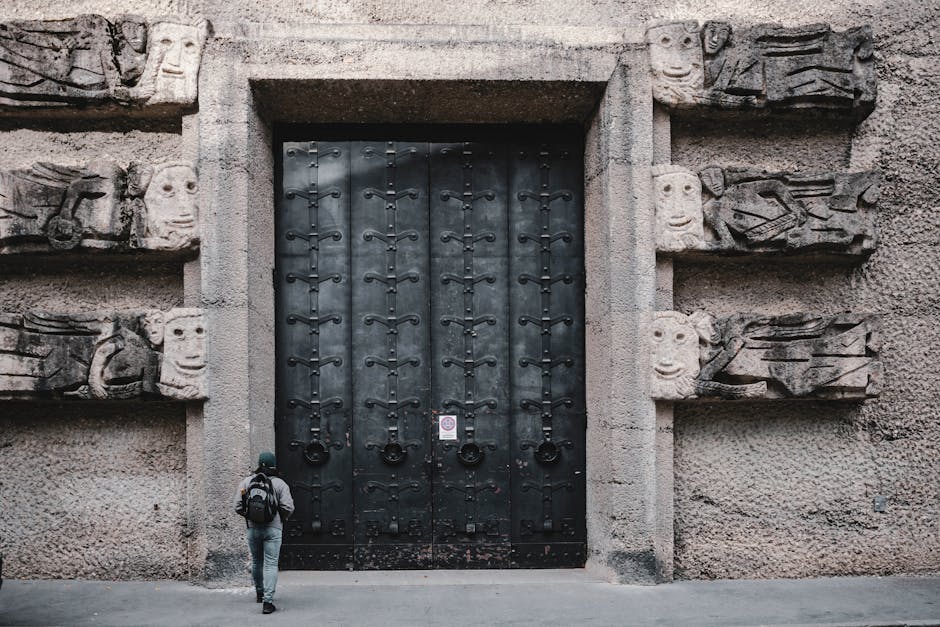
Discover the 'Rome of the North' on this self-guided walk through the Baroque squares and monumental legacy of Salzburg’s Prince-Archbishops.
 Easy
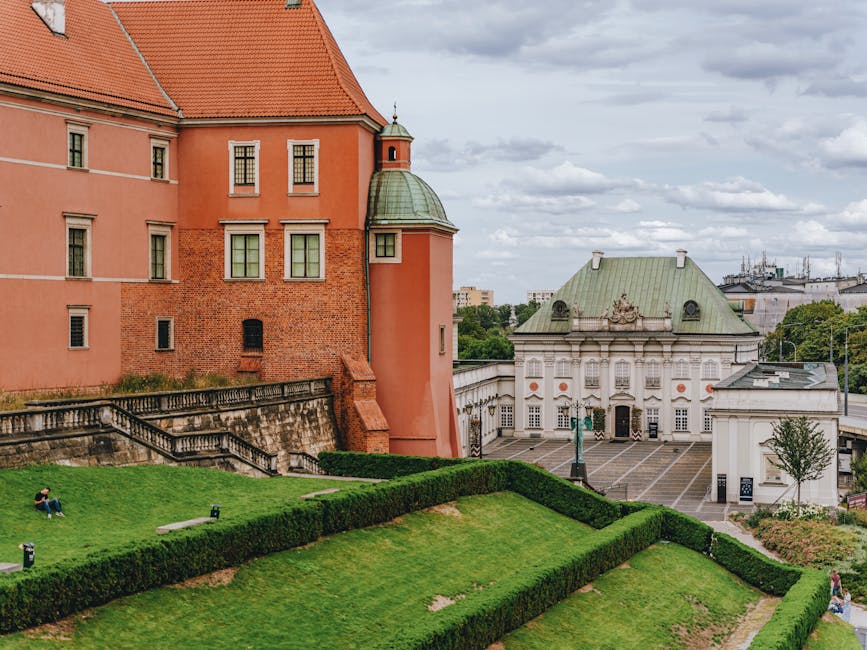
EasyWarsaw, Poland
Explore the miracle of Warsaw's reconstructed Old Town on this self-guided walk through royal squares, medieval walls, and heroic monuments.
 Easy
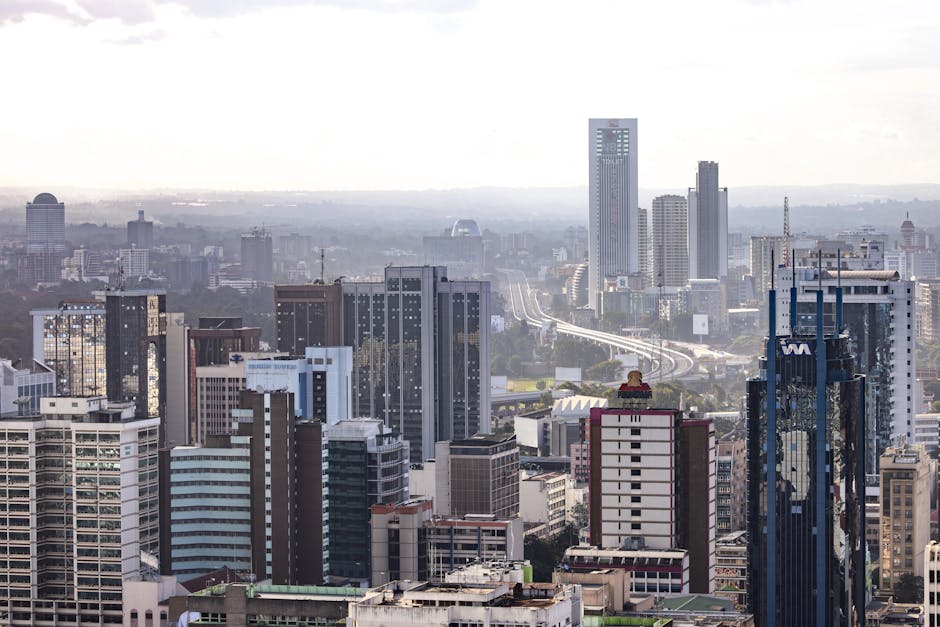
EasyNairobi, Kenya
Explore Nairobi's architectural evolution from colonial-era landmarks to iconic Brutalist skyscrapers on this historic self-guided walking route.
 Moderate
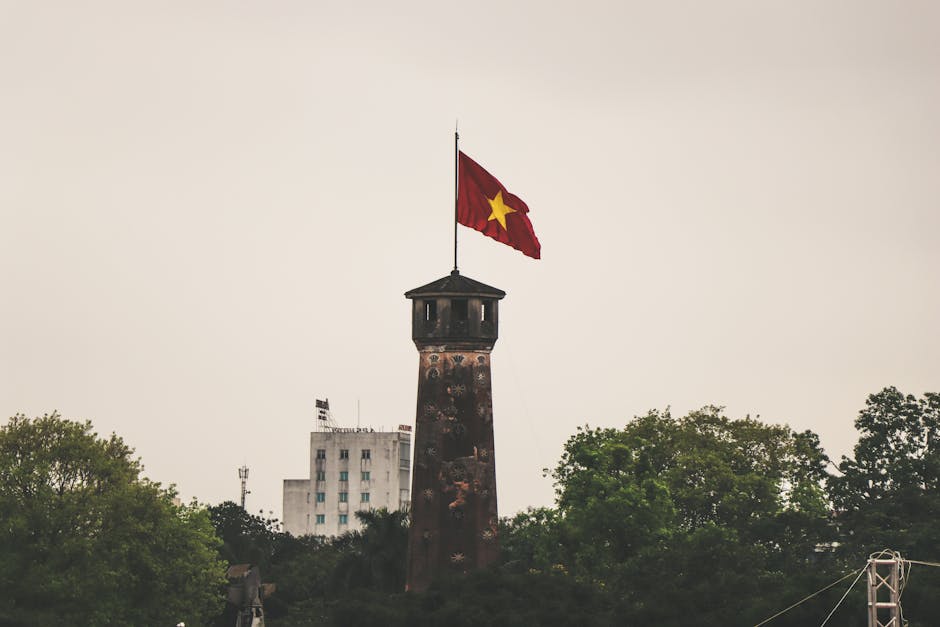
Hanoi, Vietnam
Discover Hanoi's resilient spirit on this self-guided audio walk through wartime bunkers, historic prisons, and military landmarks.
 Easy
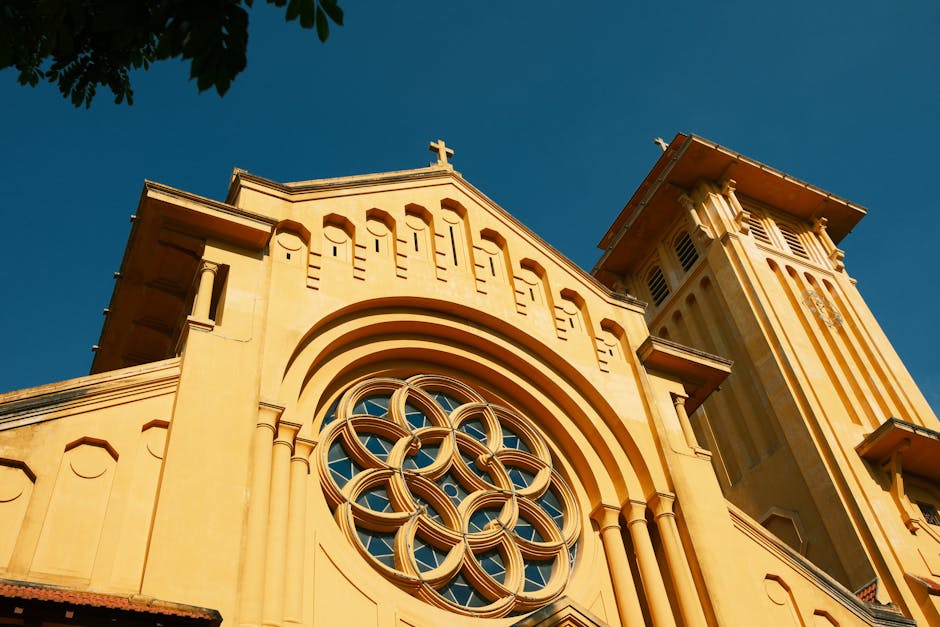
EasyHanoi, Vietnam
Discover Hanoi's spiritual heart and scenic vistas on an independent stroll featuring ancient pagodas, colonial architecture, and sunset lake views.
 Easy
EasyHanoi, Vietnam
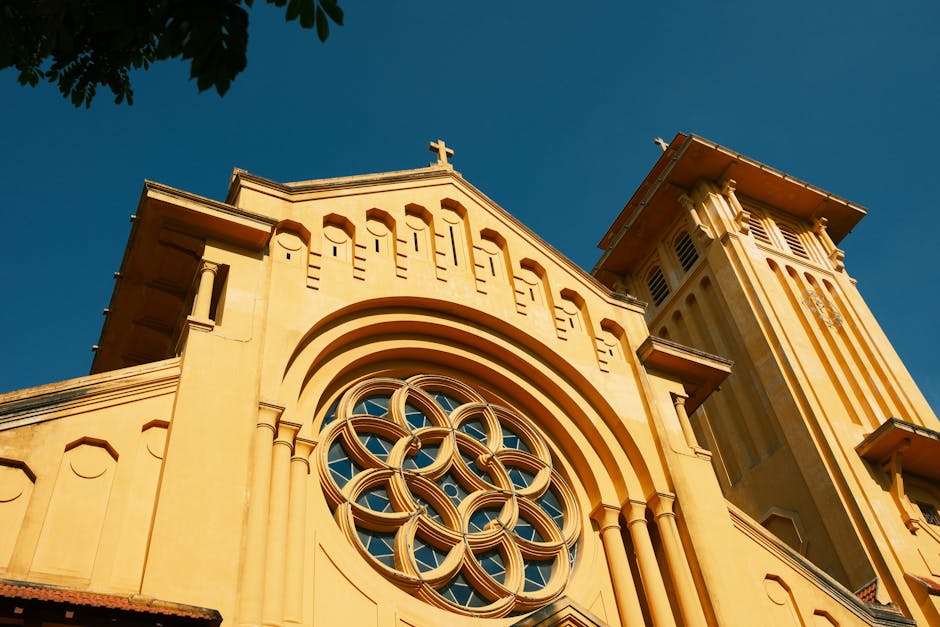
Explore Hanoi's diverse spiritual heritage on this self-guided walk through historic pagodas, a Neo-Gothic cathedral, and lakeside temples.
 Easy
EasyHanoi, Vietnam
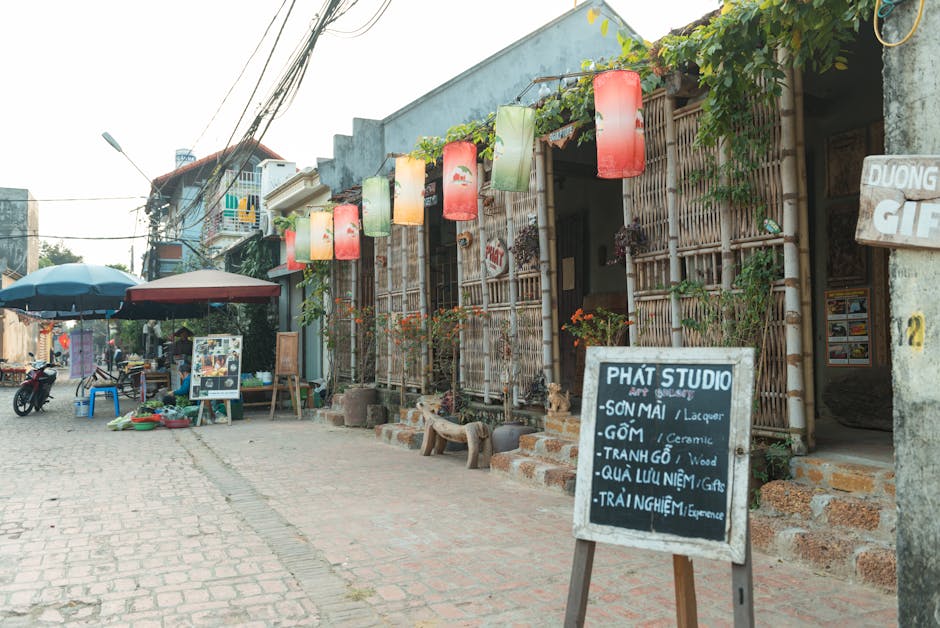
Discover Hanoi's vibrant soul through railway-side murals, historic tracks, and the record-breaking Ceramic Road on this self-guided walk.