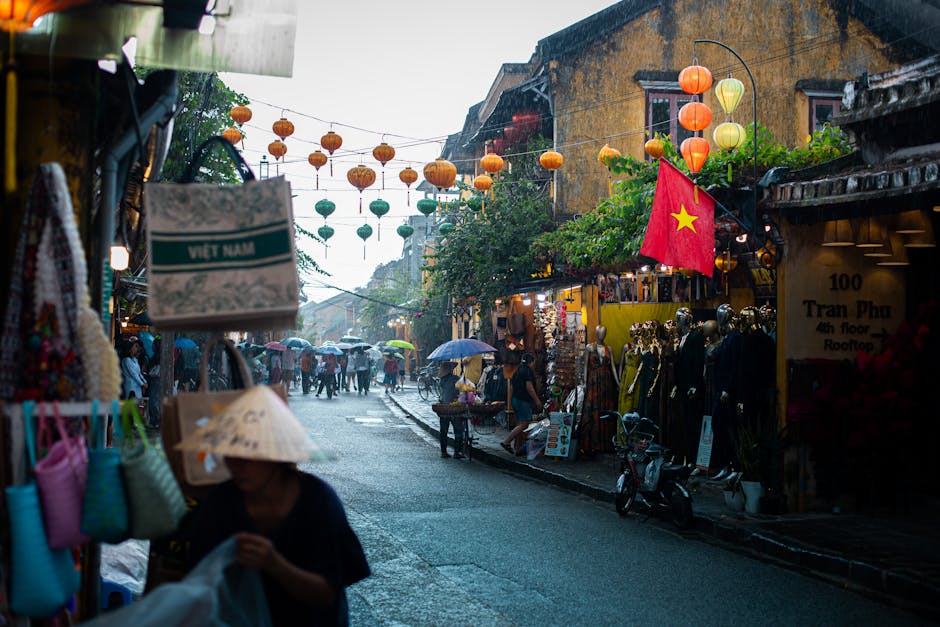
Self-guided audio tour in Hoi An
Start Free on iPhone
Start free on iPhone to unlock this self-guided walking tour in Hoi An. Hear all the stories that make it amazing, walk at your own pace, and begin whenever you want.
Your Private Tour Guide
Escape the typical tourist paths and dive into the aromatic world of Vietnamese caffeine culture with this self-guided walk through Hoi An’s specialty coffee scene. While many visitors stick to the traditional condensed milk brews found on every corner, this walking route explores the 'Third Wave' movement that is quietly transforming the Cam Pho neighborhood. You will discover hidden alleyway roasteries where ancient architecture meets modern extraction methods, offering a unique sensory perspective on this UNESCO World Heritage site. This neighborhood stroll balances the rich history of international trade with the contemporary passion for high-quality Arabica and Robusta beans grown in the Vietnamese highlands. Along the way, the path leads you past iconic landmarks like the Japanese Covered Bridge and into the quieter, local residential areas where the true heart of the city beats. You will see how traditional assembly halls and historic tombs coexist with minimalist cafes and creative workshops. Whether you are a dedicated coffee connoisseur or simply looking for a peaceful way to explore the side streets, this walking tour Hoi An experience provides the perfect blend of caffeine and culture. By following this route independently, you can linger over a charcoal latte or a cold brew as long as you like, soaking in the atmosphere of one of Southeast Asia's most charming towns. It is a journey that proves coffee is more than just a drink in Hoi An; it is a bridge between the city's merchant past and its creative future. **Note:** This area is known for its ever-changing character. Street art, pop-up venues, and temporary exhibitions may differ from what's described. That's part of the adventure - you might discover something entirely new!
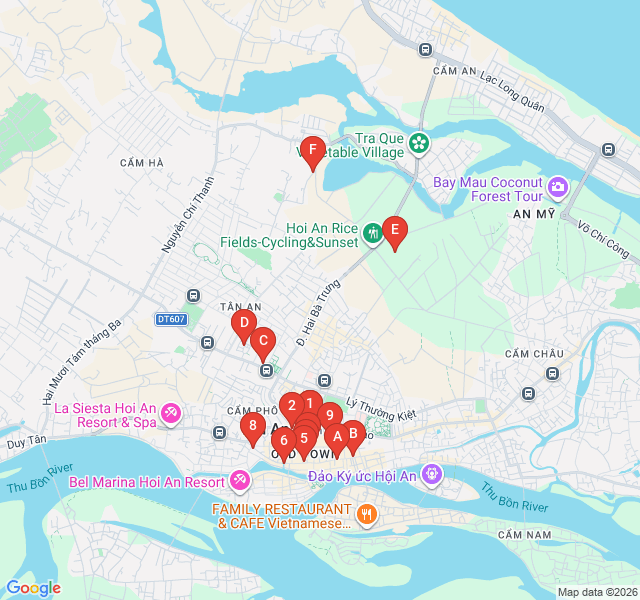
Numbers indicate the order of stops on the tour.
Start exploring at this legendary hideaway tucked down a quiet alley. The Espresso Station is often credited with sparking the specialty coffee movement in Hoi An. The setting—a repurposed traditional house painted in signature yellow—perfectly captures the city's aesthetic. While they offer classic brews, they are famous for their innovative 'Dark Soul' charcoal latte and ice cube coffees. As you begin your self-guided adventure here, take a moment to notice how the modern roasting equipment sits within a space that feels centuries old. It is a testament to how Hoi An evolves while respecting its architectural heritage.
A short walk brings you to Buttercup, a space that feels more like a friend’s secret garden than a commercial cafe. This spot is a favorite for those seeking a peaceful retreat from the midday heat. The lush greenery and open-air design exemplify the tropical lifestyle of Central Vietnam. It is an excellent place to observe the 'slow living' philosophy that defines Hoi An. The menu here often features fresh, healthy pairings that complement their coffee selection, emphasizing the local community's shift toward wellness and sustainable sourcing.
Rosie's Cafe is a cornerstone of the Cam Pho neighborhood's creative scene. Founded by two local women, it represents the entrepreneurial spirit of modern Vietnam. The interior is a blend of rustic charm and minimalist design, featuring high ceilings and plenty of natural light. It has become a hub for digital nomads and travelers alike. Their commitment to specialty beans and artisanal preparation methods makes it a key stop for any coffee enthusiast. Note the antique wooden furniture, which is often salvaged and repurposed, reflecting the city’s ongoing dialogue with its past.
Tucked away at the end of a narrow path, Phin Coffee is a true hidden gem. This roastery focuses heavily on the science of the bean, offering workshops and tastings that dive deep into Vietnamese coffee production. The 'Phin' in the name refers to the traditional Vietnamese metal filter, but here, they bridge the gap between that traditional method and modern espresso techniques. The courtyard setting, surrounded by plants and the low hum of the roaster, provides one of the most authentic specialty coffee experiences in the city. It is a place where passion for the craft is palpable in every cup.
This small square is dedicated to Kazimierz Kwiatkowski, a Polish architect affectionately known as 'Kazik.' He is a hero in Hoi An for his tireless work in the 1980s and 90s to preserve the Ancient Town’s architecture when many wanted to modernize it. Without his intervention, the very buildings that house the cafes you just visited might not exist today. The statue of Kazik stands as a reminder of the international effort required to maintain this UNESCO site. It is a quiet spot to reflect on the city's history of conservation before heading toward the busier riverside.
As you continue your walking route, you arrive at the most iconic landmark in Hoi An. Built in the early 17th century by the Japanese merchant community, this bridge is unique for housing a Buddhist pagoda within its structure. It originally served to connect the Japanese quarter with the Chinese quarter across the canal. The ornate carvings and weathered pink stone have survived centuries of floods and wars. Please note that the bridge frequently undergoes restoration work to preserve its fragile wooden frame, so the exterior appearance may vary depending on current conservation efforts.
The Hoai River is the lifeblood of Hoi An. For centuries, these waters were crowded with merchant ships from Japan, China, and Europe, trading silk, ceramics, and spices. Today, the river is lined with colorful boats and lanterns. Walking along the banks provides a sense of the city's scale and its relationship with the water. In the morning, you might see locals preparing for the evening's festivities or unloading fresh produce. The breeze off the water offers a refreshing break as you move from the dense Ancient Town toward the more residential outskirts.
This area marks a transition point where the pedestrian-heavy old town begins to give way to the more functional, everyday streets of Hoi An. While it serves as a practical hub for local transport, it also highlights the contrast between the preserved museum-like quality of the center and the bustling energy of modern Vietnamese life. From here, the route begins to head north, away from the standard tourist loop and toward some of the city's more specialized cultural sites and educational institutions.
Water is the most critical ingredient in coffee, and in Hoi An, water history is legendary. The BaLe Well is an ancient Cham well dating back to the 10th century. It is said that the water from this specific well is the secret ingredient for authentic Cao Lau noodles, a local specialty. For centuries, water sellers would carry buckets from this well to households across the city. Its consistent temperature and mineral content have made it a vital resource for generations. Even today, you may see locals fetching water, continuing a tradition that has lasted a millennium.
You are now passing through one of the northern entrances to the historic core. This area is characterized by the iconic yellow-walled houses and tiled roofs that have become synonymous with Hoi An. The architecture here is a 'living museum,' reflecting a fusion of indigenous and foreign styles. As you walk through, look up at the 'eyes' carved into the door frames—these are 'mat cua,' protective symbols meant to guard the inhabitants. This section of the town feels slightly more local and less commercialized than the riverfront, offering a glimpse into daily residential life.
Built in 1875, this assembly hall served as a community center and place of worship for Chinese merchants from Hainan. It is particularly known for its exquisite woodcarvings and the poignant story behind its dedication. It commemorates 108 Hainanese merchants who were tragically mistaken for pirates and killed, later being vindicated and honored as martyrs. The hall's architecture, with its grand courtyard and ornate altars, showcases the wealth and cultural influence the Chinese community held in Hoi An during its peak as a trading port.
As you move further north, the scenery shifts to include the city's educational infrastructure. This college is a reminder that Hoi An is a functional city, not just a tourist destination. The presence of students adds a youthful energy to the neighborhood. The surrounding streets are often lined with small, budget-friendly stalls catering to the student population, offering a different perspective on local food and drink culture compared to the more polished cafes in the ancient center.
Continuing the educational theme, this large campus highlights the importance of technical training in Vietnam's growing economy. The architecture here is more functional and mid-century modern, providing a stark visual break from the 18th-century shops of the old town. This area is rarely visited by travelers, making it a great place to experience the authentic pace of life in Hoi An away from the lantern-lit crowds. It is a reminder of the 'other' Hoi An that exists beyond the heritage zone.
This historic site is a profound symbol of the deep historical links between Japan and Hoi An. Tani Yajirobei was a Japanese merchant who lived here in the 17th century. When the Japanese government issued the 'Sakoku' decree, banning citizens from traveling abroad and recalling those overseas, Yajirobei chose to stay or was unable to return, eventually dying here in 1647. His tomb faces toward the east, presumably looking back toward his homeland of Japan. It is a quiet, moving site that anchors the city's merchant history in a personal, human story.
Your neighborhood stroll concludes at Driftwood Village, a creative space that embodies the modern Hoi An spirit of sustainability. Here, artisans transform driftwood and salvaged timber—often gathered after the annual floods—into stunning sculptures and functional furniture. It is a perfect final stop that mirrors the coffee philosophy you encountered earlier: taking something raw and local and refining it into an art form. Explore the workshop, see the craftsmen at work, and perhaps find a unique, handcrafted souvenir that tells the story of the river and the city's resilience.
Start Free on iPhone
Explore “The Great Hoi An Specialty Coffee Trail” with your very own Private Tour Guide with Zigway. Start free on iPhone, skip the large group and the fixed routes, and hear the city come alive as you go.
Your Private Tour Guide
Don't miss the good stuff
Explore Freely
 Easy
EasyHoi An, Vietnam
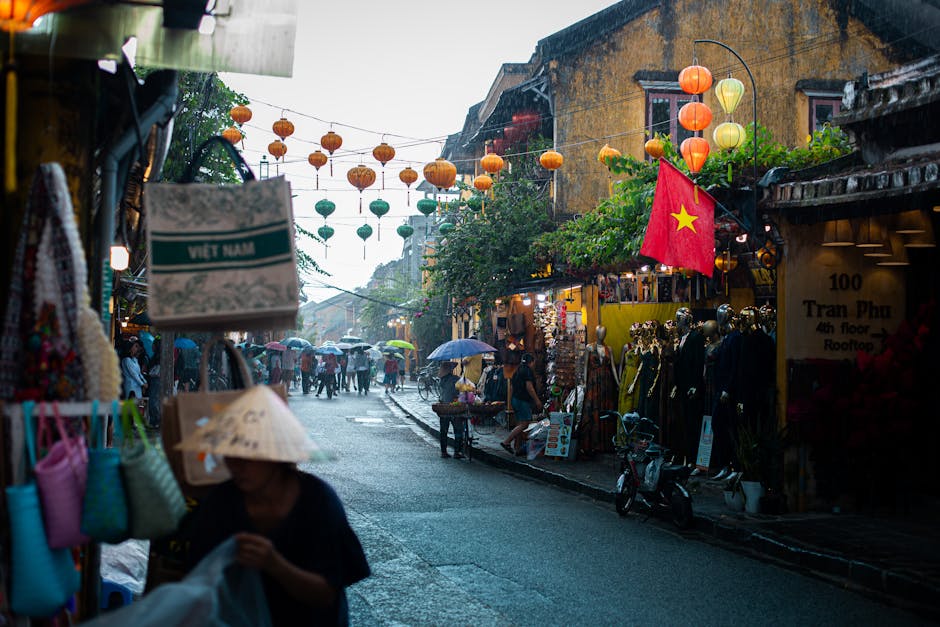
Discover the ornate assembly halls and hidden pagodas of Hoi An on this self-guided walk through the city's spiritual and architectural history.
 Easy
EasyHoi An, Vietnam
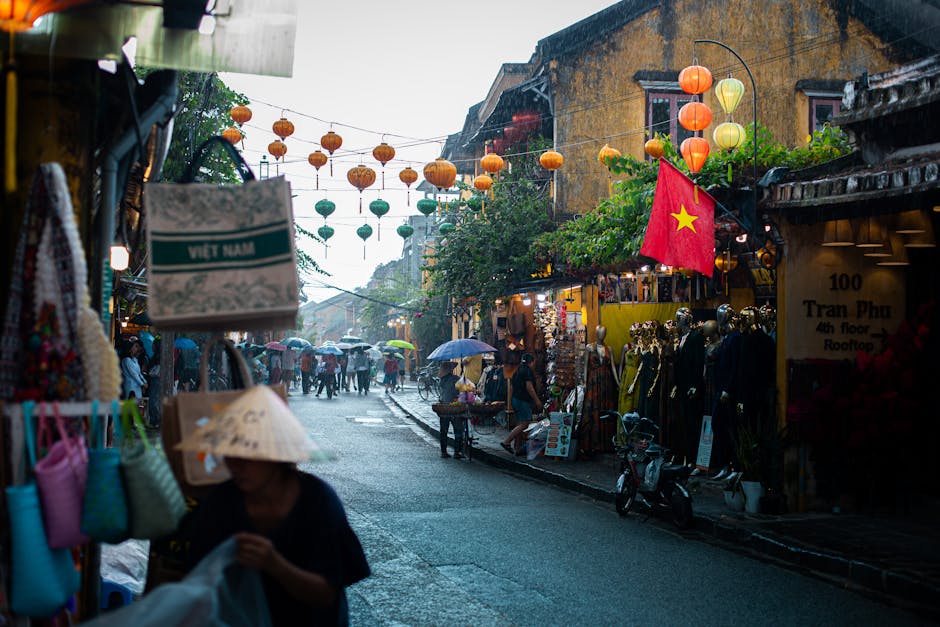
Capture the magic of Hoi An's golden hour on this self-guided photography walk through historic streets, temple gates, and riverside views.
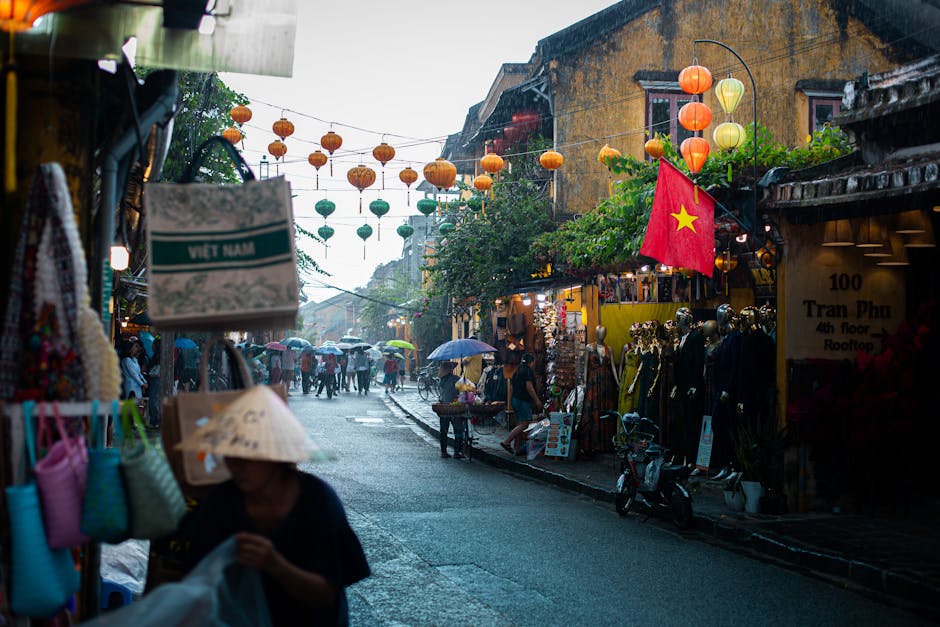 Moderate
Hoi An, Vietnam
Escape the crowds and explore the rural heart of Hoi An, from the riverside charms of Cam Nam to the lush herb gardens of Tra Que.
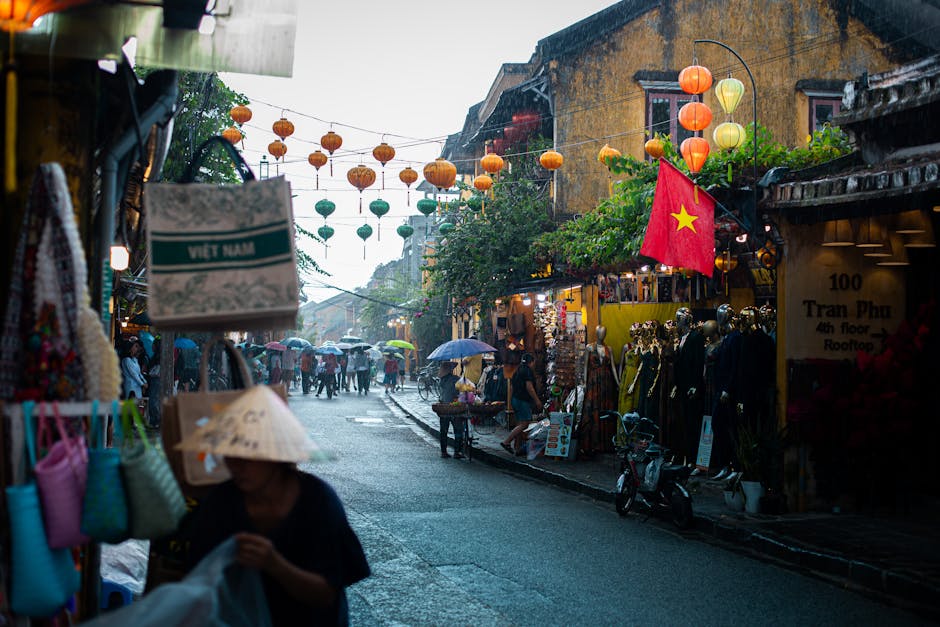 Easy
EasyHoi An, Vietnam
Explore the luminous magic of Hoi An at night. Discover lanterns, riverside bars, and local markets on this enchanting self-guided audio walk.
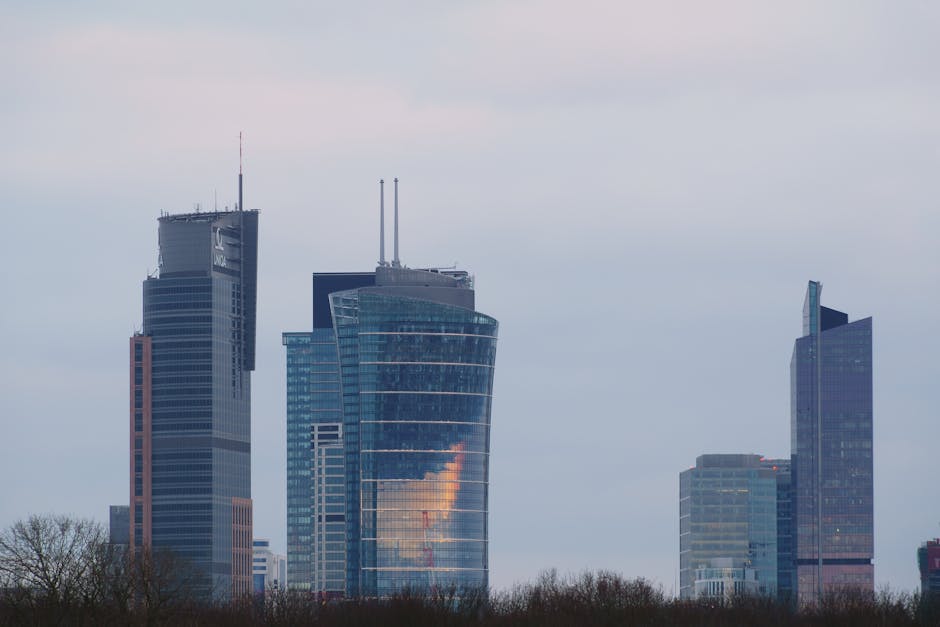 Easy
EasyWarsaw, Poland
Discover the hidden courtyards and grand pre-war architecture of Warsaw's most atmospheric neighborhood on this self-guided stroll.
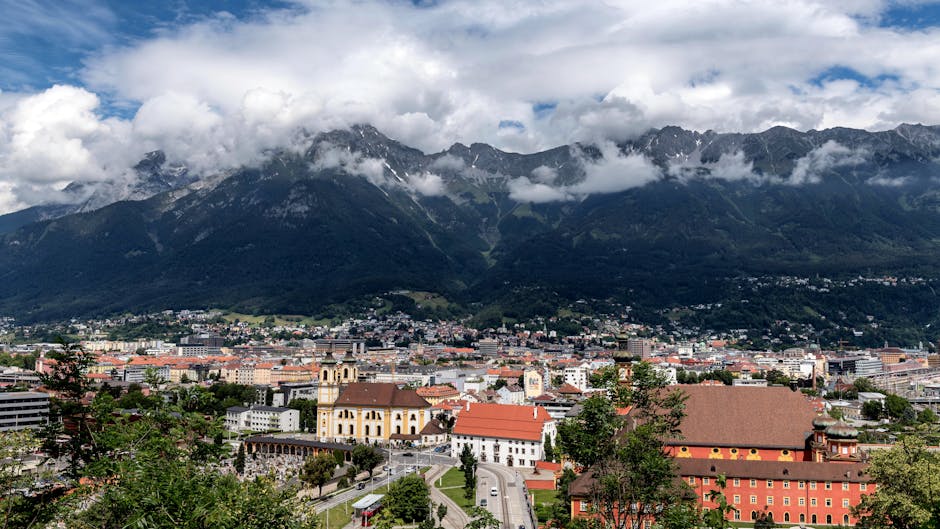 Easy
EasyInnsbruck, Austria
Discover the flavors of Tyrol on this self-guided stroll through Innsbruck’s historic Old Town and vibrant market hall.
 Easy
EasySalzburg, Austria
Discover Salzburg's oldest medieval alley, the birthplace of the 'Silent Night' author, and breathtaking views on this quiet self-guided walk.
 Easy
EasyGothenburg, Sweden
Discover Gothenburg’s maritime flavors on this self-guided walk through historic market halls and iconic seafood landmarks.
 Moderate
Hanoi, Vietnam
Discover Hanoi's resilient spirit on this self-guided audio walk through wartime bunkers, historic prisons, and military landmarks.
 Easy
EasyHanoi, Vietnam
Discover Hanoi's spiritual heart and scenic vistas on an independent stroll featuring ancient pagodas, colonial architecture, and sunset lake views.
 Easy
EasyHanoi, Vietnam
Explore Hanoi's diverse spiritual heritage on this self-guided walk through historic pagodas, a Neo-Gothic cathedral, and lakeside temples.
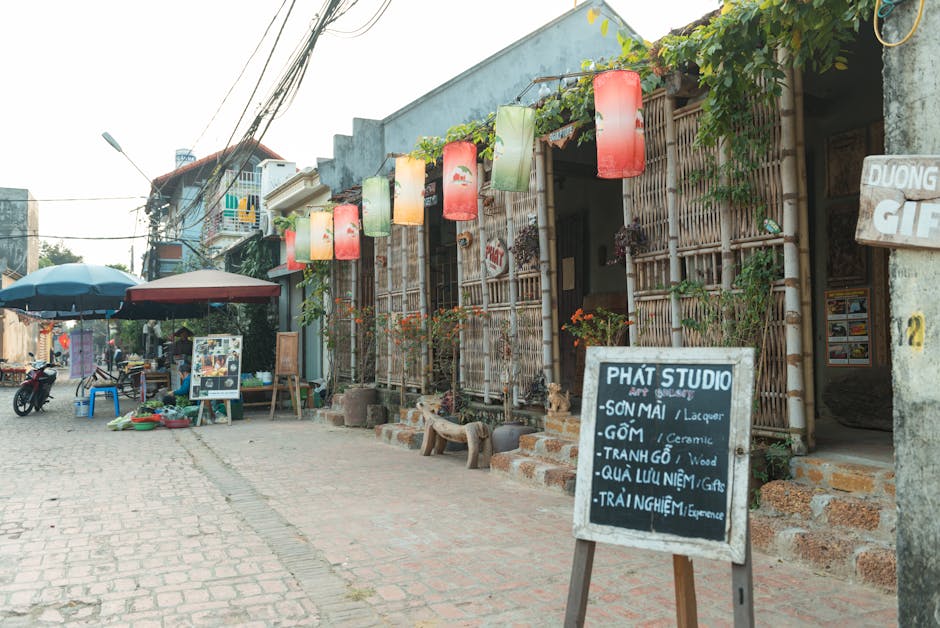 Easy
EasyHanoi, Vietnam
Discover Hanoi's vibrant soul through railway-side murals, historic tracks, and the record-breaking Ceramic Road on this self-guided walk.