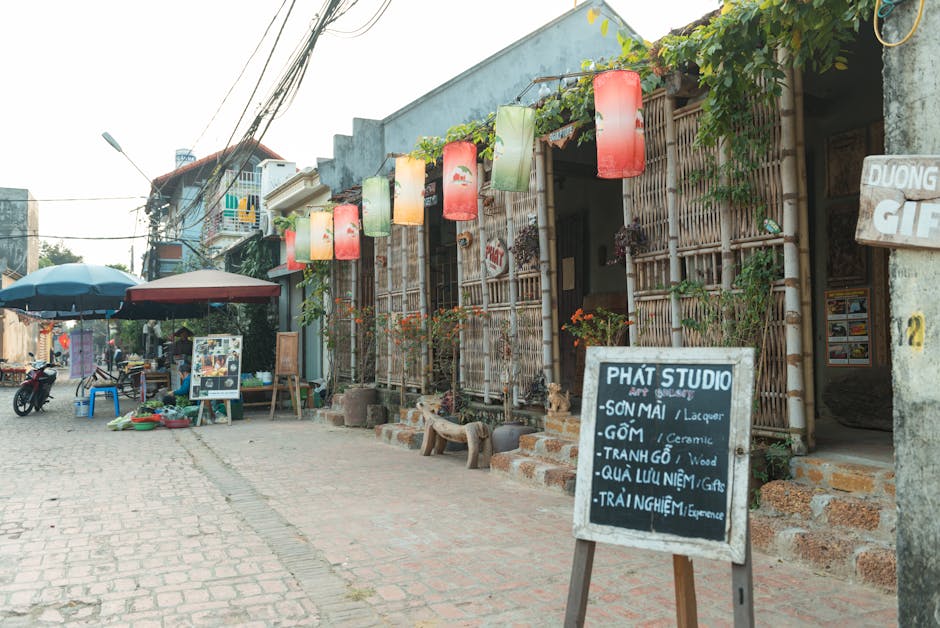
Self-guided audio tour in Hanoi
Start Free on iPhone
Start free on iPhone to unlock this self-guided walking tour in Hanoi. Hear all the stories that make it amazing, walk at your own pace, and begin whenever you want.
Your Private Tour Guide
Hanoi is a city where history is not just found in museums, but painted on the very walls that line its bustling streets. This self-guided walk invites you to explore the intersection of urban grit and creative flair, focusing on the fascinating relationship between the city and its railway tracks. From the colonial grandeur of the central station to the world-renowned Ceramic Mosaic Mural Road, this neighborhood stroll reveals how art has been used to reclaim and beautify industrial spaces. Starting at the historic Hanoi Railway Station, the route leads through the narrow corridors of the Old Quarter where trains pass remarkably close to local homes. This walking route highlights the Phùng Hưng Street murals, a project that transformed ancient railway arches into a nostalgic open-air gallery. These artworks offer a window into the past, depicting the daily life and traditions of a bygone era. As you explore, you will notice how the community has embraced these creative interventions, making them a core part of the neighborhood's identity. The experience continues along the tracks, leading toward the Red River. One of the major highlights is the Ceramic Mosaic Mural Road, a Guinness World Record-holding feat of engineering and artistry. This massive project, which spans several kilometers, tells the story of Vietnam through millions of tiny, colorful tiles. It is a must-see for anyone interested in photography or public art. This independent walking route is designed for those who want to see a different side of the capital, away from the typical tourist sites. Whether you are a photography enthusiast looking for the perfect shot of the Train Street or an art lover interested in modern Vietnamese creativity, this self-guided adventure provides the flexibility to discover at your own pace. By following the tracks, you uncover the layers of Hanoi's development, from its French colonial origins to its vibrant, artistic present. This walking tour Hanoi experience is perfect for a morning or late afternoon exploration when the light hits the murals just right. **Note:** This area is known for its ever-changing character. Street art, pop-up venues, and temporary exhibitions may differ from what's described. That's part of the adventure - you might discover something entirely new!
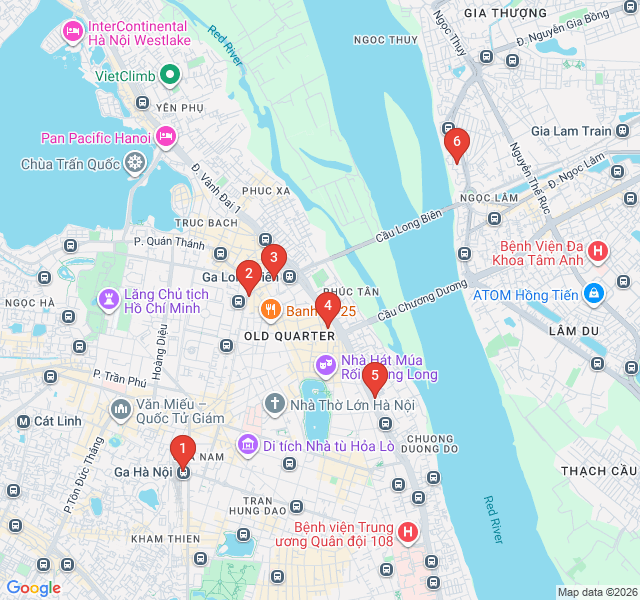
Numbers indicate the order of stops on the tour.
Ga Hà Nội is the beating heart of Vietnam's rail network. Built by the French in 1902, the station features a unique architectural blend that tells the story of the city's resilience. The central section was destroyed during the 1972 bombings and later rebuilt in a more modern, functional style, creating a stark contrast with the surviving colonial-era wings. This site represents the gateway to the north and south of the country, and serves as the starting point for the rhythmic industrial energy that defines the surrounding neighborhood. As you begin your self-guided adventure, take a moment to admire the mix of architectural eras that define this transport hub.
The Phùng Hưng Street murals transformed a once-gray railway viaduct into a vibrant outdoor gallery. Local and international artists collaborated here to depict scenes of Old Hanoi, from traditional flower sellers to the historic Long Biên Bridge. These murals were created to bridge the gap between contemporary life and historical memory. Because street art is subject to the elements and urban development, the specific images may evolve or be updated over time, but the spirit of nostalgic storytelling remains constant. It is a favorite spot for photographers capturing the essence of the capital's heritage.
Phố Gầm Cầu, which literally translates to the street under the bridge, offers a raw look at Hanoi's dense urban layers. The railway tracks run directly above the shops and stalls here on a series of stone arches. This area is famous for its shoe markets and small eateries that are physically nestled into the structure of the viaduct. The industrial atmosphere and the constant presence of the tracks overhead make it a distinctive pocket of the city where commerce and infrastructure coexist in an incredibly tight space. It is a perfect example of the city's clever use of every available square inch.
The Train Street phenomenon is most visible in this section, where the tracks are separated from residential doorsteps by only a few inches. This part of the railway highlights the incredible density of the city and the unique lifestyle of those who live along the tracks. Residents here have adapted their daily lives to the train schedule, clearing the tracks as the locomotive approaches. It is essential to stay behind the safety lines and respect local regulations, as access to the tracks themselves is often restricted for safety reasons. Observe how the urban art and local life blend together in this narrow corridor.
Stretching nearly four kilometers along the Red River dike, the Ceramic Mosaic Mural Road earned a Guinness World Record as the world's largest ceramic mosaic. Created to celebrate the 1,000th anniversary of Hanoi in 2010, the project involved hundreds of local and international artists. The tiles depict various chapters of Vietnamese history, folk tales, and modern abstract designs. The vibrant colors and sheer scale of the work transform a standard concrete flood wall into a massive canvas of national pride. As you walk along this section, you are witnessing one of the most significant public art projects in Southeast Asia.
Lucky Budda Inn Villa stands as a testament to contemporary Hanoi's creative hospitality and aesthetic evolution. Located near the river and the northern end of the ceramic road, this area showcases how traditional motifs and artistic flair are being reimagined in modern architecture. The villa and its surrounding neighborhood offer a quieter, more residential perspective compared to the hectic Old Quarter. This provides a peaceful conclusion to your exploration of the city's artistic and industrial identity. From here, you are well-positioned to explore the nearby Long Biên Bridge or head back toward the city center.
Start Free on iPhone
Explore “Murals and Tracks: Hanoi's Urban Art Scene” with your very own Private Tour Guide with Zigway. Start free on iPhone, skip the large group and the fixed routes, and hear the city come alive as you go.
Your Private Tour Guide
Don't miss the good stuff
Explore Freely
 Moderate
Hanoi, Vietnam
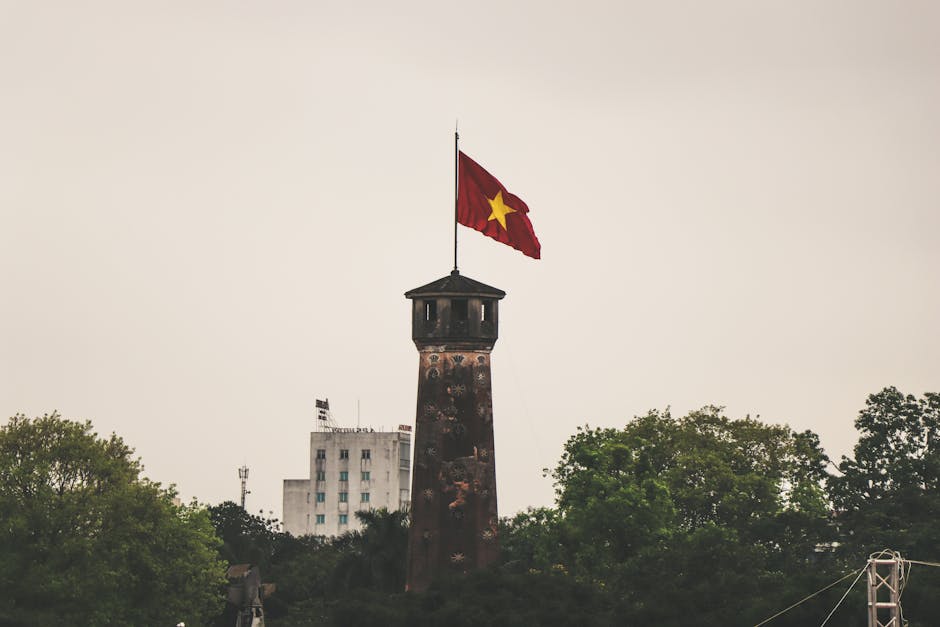
Discover Hanoi's resilient spirit on this self-guided audio walk through wartime bunkers, historic prisons, and military landmarks.
 Easy
EasyHanoi, Vietnam
Discover Hanoi's spiritual heart and scenic vistas on an independent stroll featuring ancient pagodas, colonial architecture, and sunset lake views.
 Easy
EasyHanoi, Vietnam
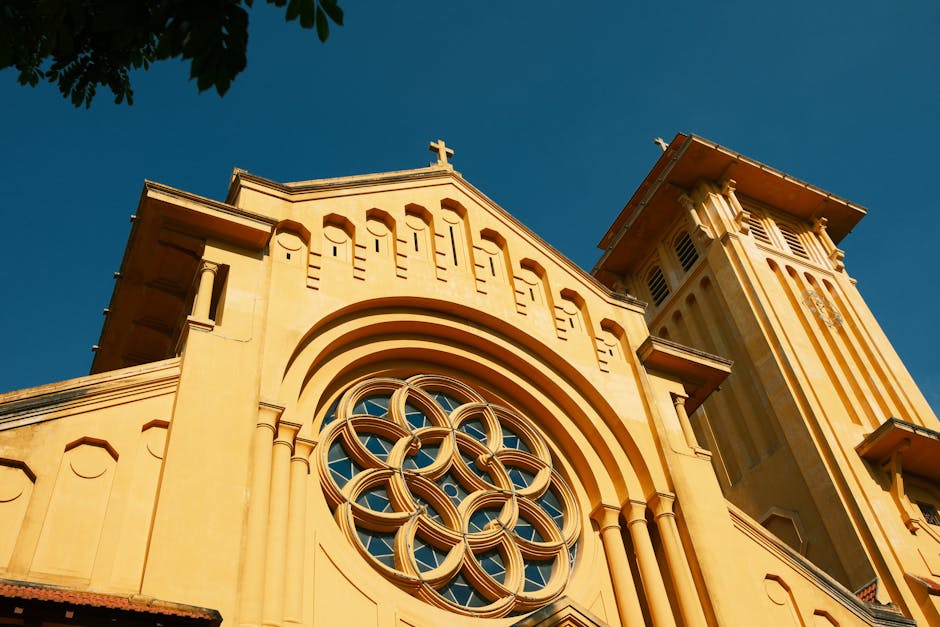
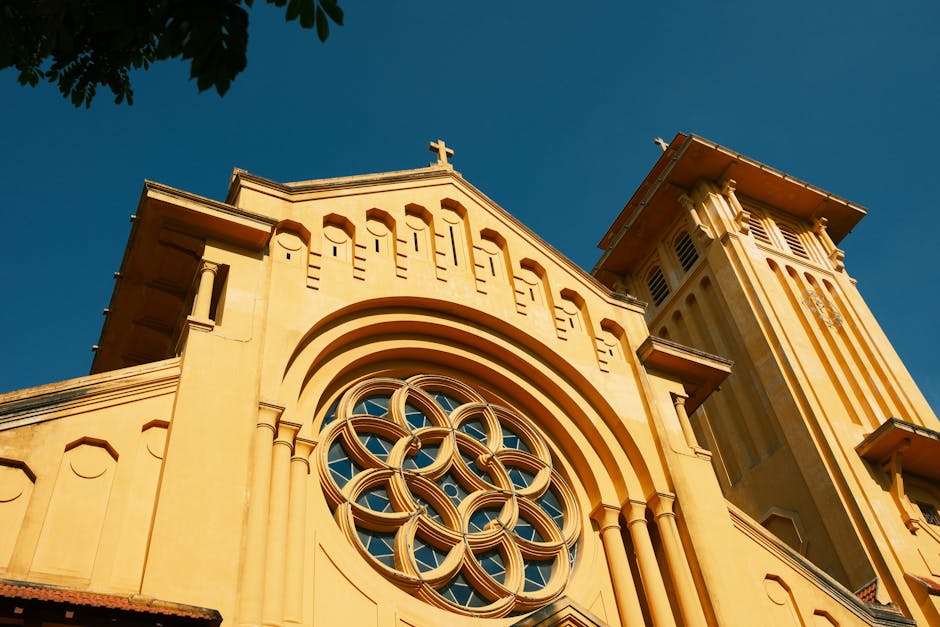
Explore Hanoi's diverse spiritual heritage on this self-guided walk through historic pagodas, a Neo-Gothic cathedral, and lakeside temples.
 Moderate
Hanoi, Vietnam
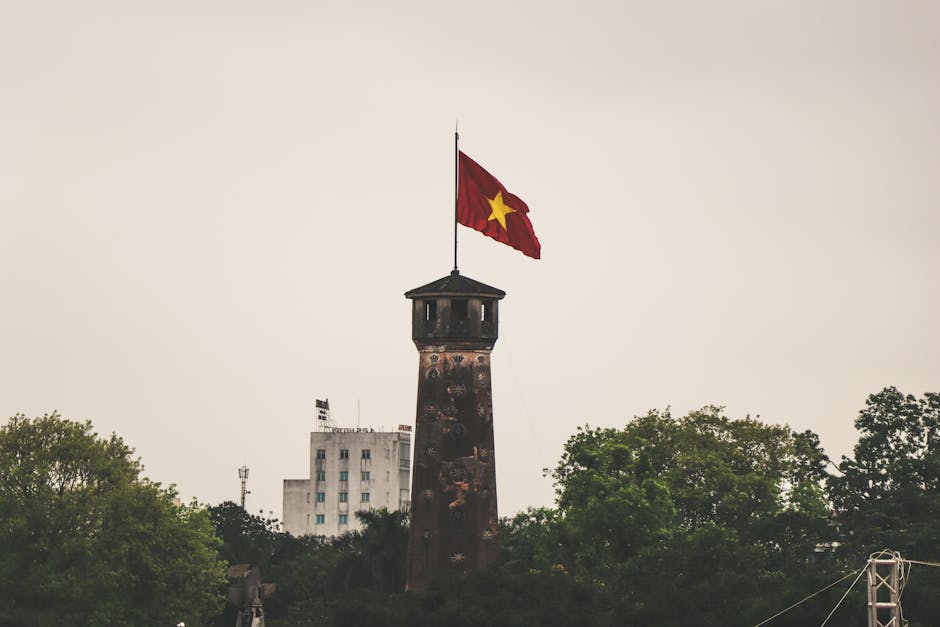
Explore the political heart of Hanoi. Discover the legacy of Ho Chi Minh and the evolution of Vietnamese power on this self-guided walking route.
 Easy
EasyKrakow, Poland
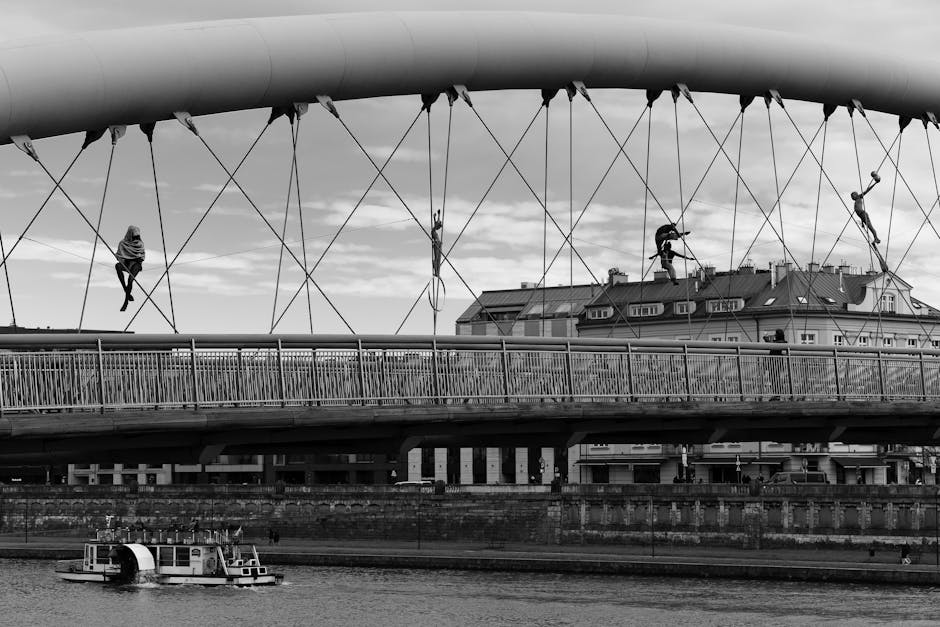
Discover Krakow’s creative soul in Zabłocie, exploring industrial heritage, contemporary art museums, and avant-garde architecture at your own pace.
 Easy
EasyVienna, Austria
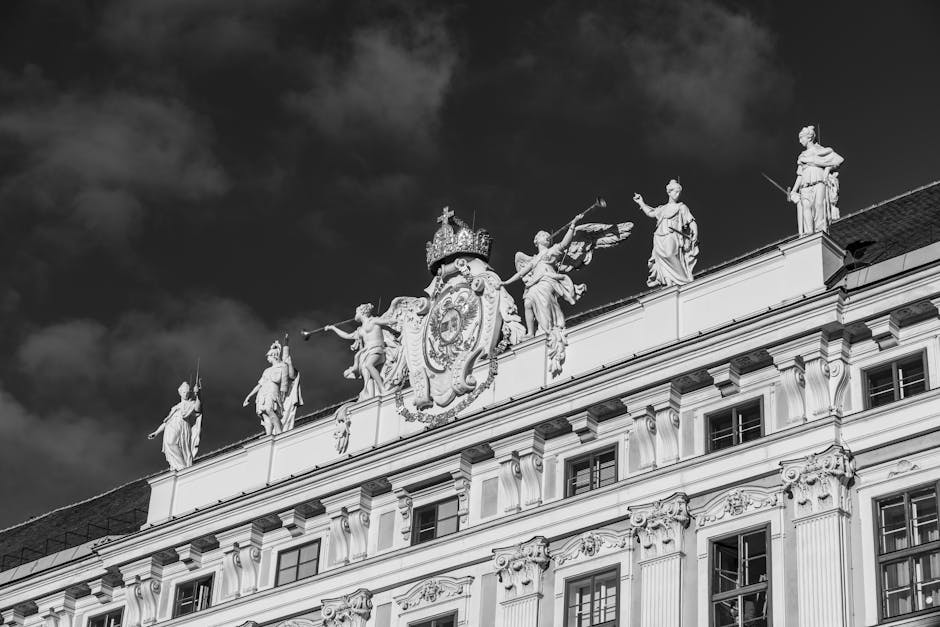
Explore Vienna’s vibrant open-air gallery along the Danube Canal on this self-guided street art and nightlife stroll through Leopoldstadt.
 Easy
EasyGdansk, Poland
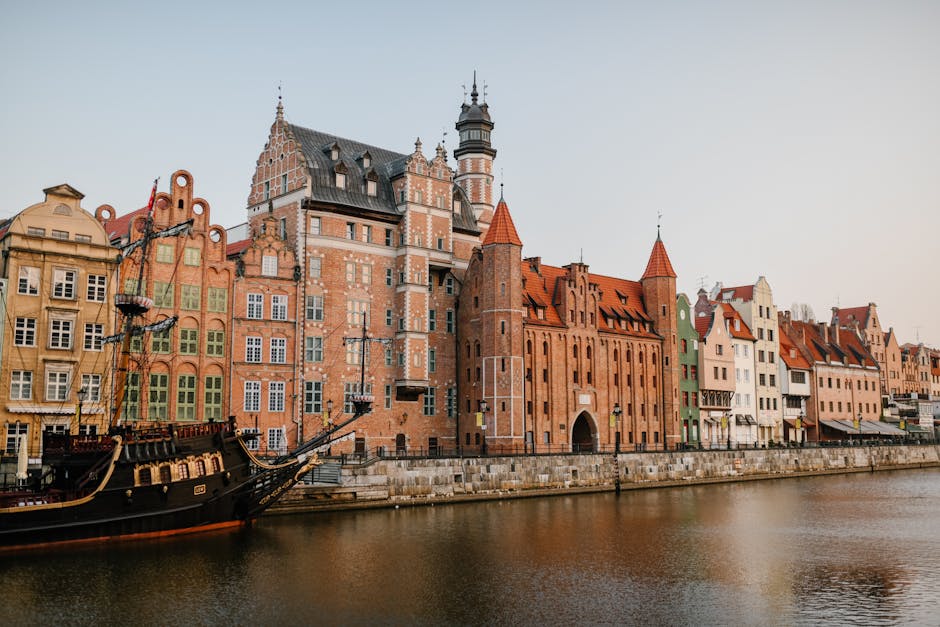
Discover the 'Baltic Gold' on this self-guided walk through Gdansk's historic mills, massive cathedrals, and the magical Mariacka Street.
 Moderate
Gdansk, Poland
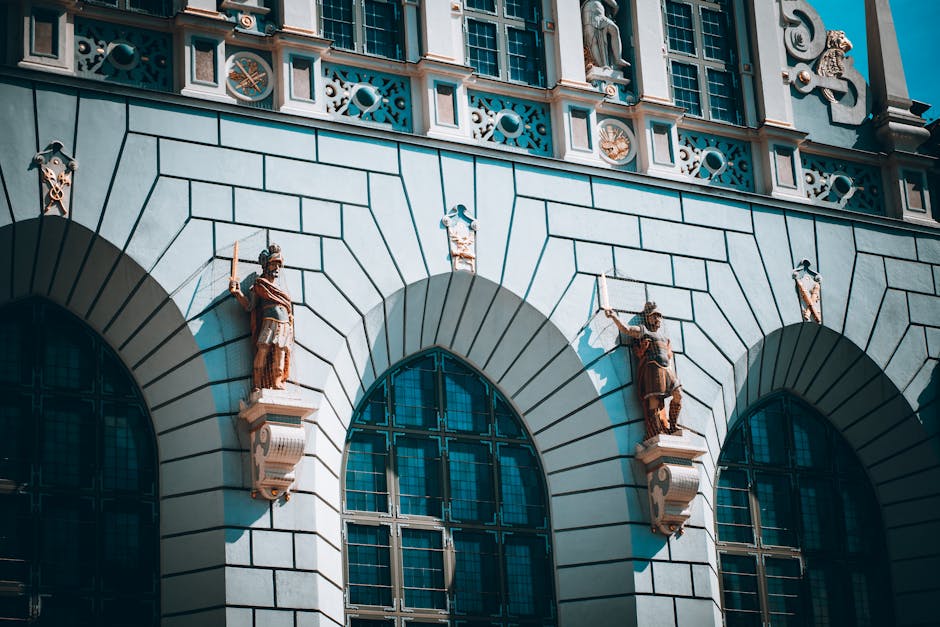
Discover Zaspa, a massive open-air gallery where grey housing blocks are transformed by over 60 monumental murals. Explore at your own pace.
 Moderate
Ho Chi Minh City, Vietnam
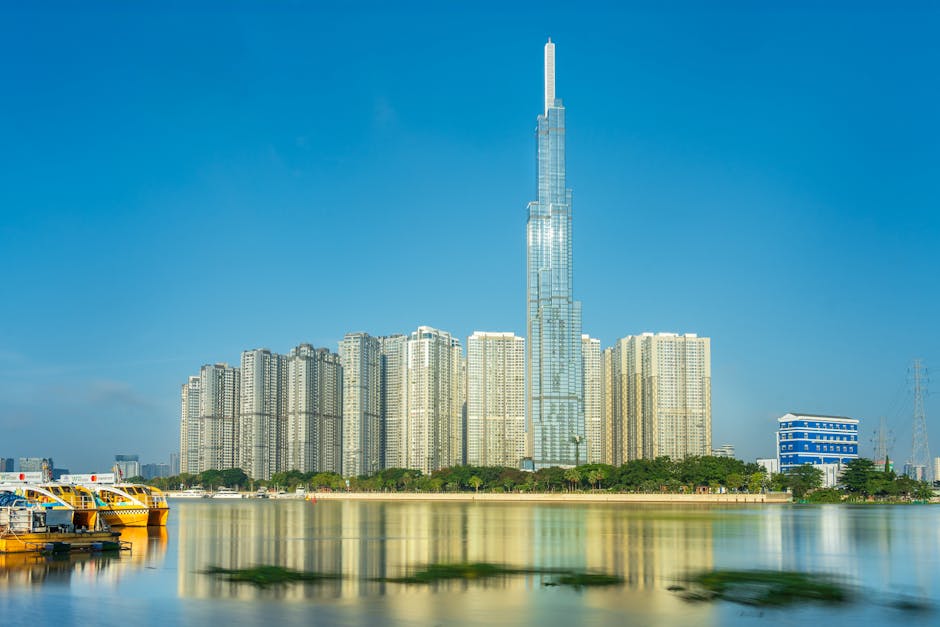
Explore the history of the Vietnam War at your own pace through iconic landmarks and hidden clandestine sites in Districts 1 and 3.
 Moderate
Ho Chi Minh City, Vietnam
Explore Saigon’s coffee evolution from 1930s clay-pot brews to modern specialty roasters on this self-guided walk through District 1 and 3.
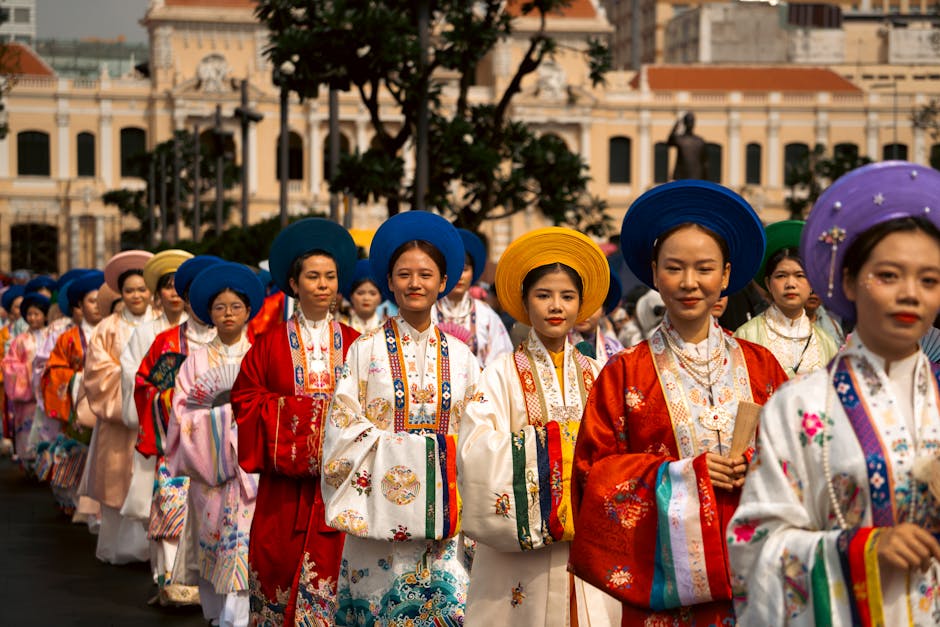 Moderate
Ho Chi Minh City, Vietnam
Explore the soul of Ho Chi Minh City's Chinatown on this self-guided walk through historic markets and ornate Cantonese assembly halls.
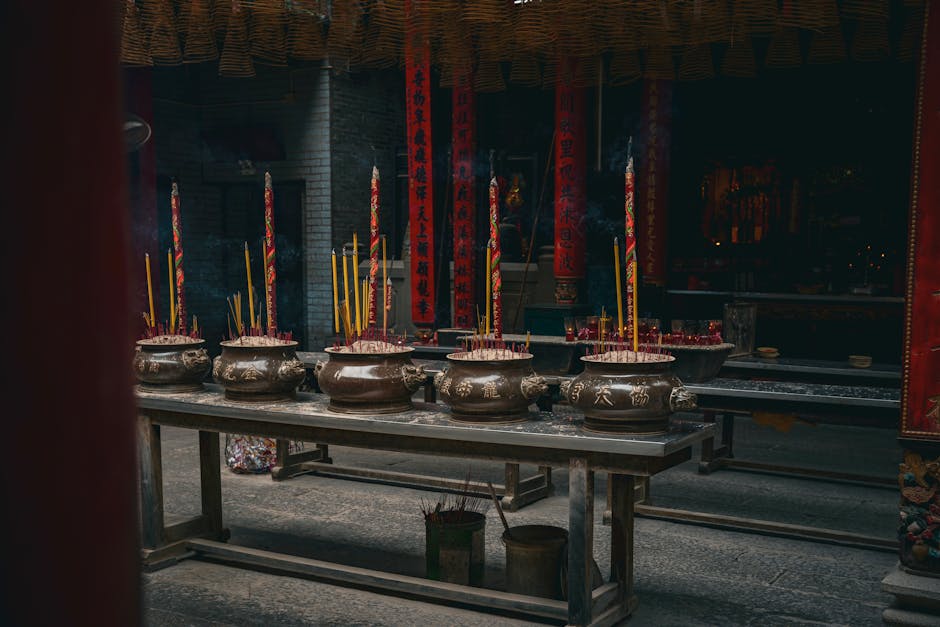 Easy
EasyHo Chi Minh City, Vietnam
Discover the vibrant spirituality and stunning architecture of District 3, from serene pagodas to the iconic Pink Church.