Self-guided audio tour in Innsbruck
Start Free on iPhone
Start free on iPhone to unlock this self-guided walking tour in Innsbruck. Hear all the stories that make it amazing, walk at your own pace, and begin whenever you want.
Your Private Tour Guide
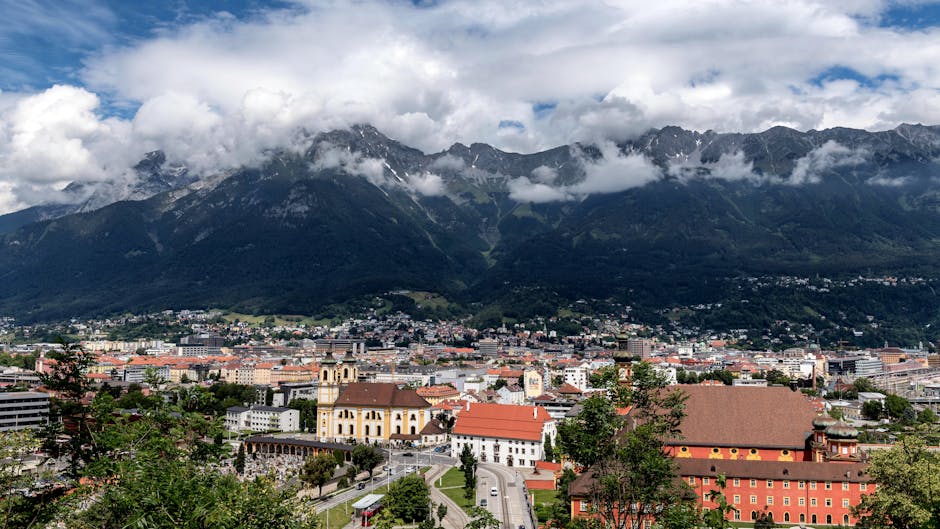
Nestled against the dramatic backdrop of the Nordkette mountains, Innsbruck’s Altstadt serves as a living museum of the Habsburg Dynasty's ambition and artistic taste. This neighborhood stroll invites you to step back into the era when Emperor Maximilian I transformed this Alpine town into an imperial powerhouse. As you follow this walking route, you will discover how Gothic narrowness gave way to Renaissance grandeur and Baroque opulence, creating one of the most well-preserved medieval centers in Europe. The legacy of the Habsburgs is written in the stone of the Hofburg palace and the shimmering copper of the Golden Roof, but it is also found in the quiet corners of the cathedral and the intricate facades of merchant houses. This self-guided walk allows you to explore the city's royal history at your own pace, offering the flexibility to pause for a coffee under the arches or linger in the presence of the 'Black Men' at the Court Church. Unlike a structured guided tour Innsbruck can feel like a private discovery through this audio walk, where the stories of emperors, architects, and everyday citizens come to life. You will see the evolution of the city from a strategic trading post to the 'Capital of the Alps,' witnessing the architectural shifts from the late Middle Ages through to the Rococo period. Whether you are marveling at the 2,657 gilded tiles of the city's most famous balcony or standing beneath the soaring dome of St. James Cathedral, this walking tour Innsbruck provides a comprehensive look at the cultural heartbeat of the Tyrol region. Perfect for history enthusiasts and architecture lovers alike, the route captures the essence of an imperial legacy that continues to define Innsbruck today.
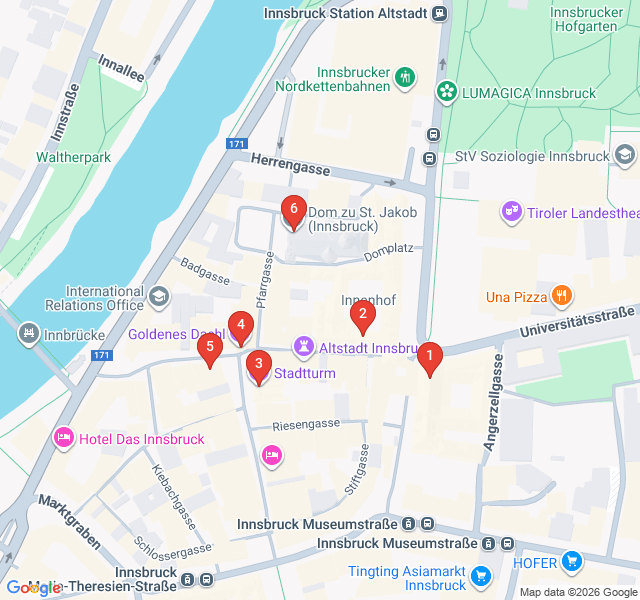
Numbers indicate the order of stops on the tour.
Welcome to the Hofkirche, often called the 'Schwarzmander-Kirche' or Church of the Black Men. This Gothic church was built in 1553 as a memorial to Emperor Maximilian I. Although the Emperor is actually buried in Wiener Neustadt, his cenotaph here is a masterpiece of German Renaissance sculpture. Surrounding the empty tomb are 28 larger-than-life bronze statues representing Maximilian's ancestors, relatives, and heroes of antiquity, including King Arthur. Notice the incredible detail in the bronze casting, from the texture of the armor to the expressions on their faces. This site represents the Habsburgs' desire to cement their lineage in history, blending myth with reality to create a lasting imperial image.
The Hofburg, or Imperial Palace, stands as a testament to the changing tastes of the Habsburg rulers. Originally a medieval fortress, it was significantly expanded by Maximilian I and later completely remodeled into a Viennese Late Baroque style by Empress Maria Theresa in the 18th century. As you stand outside, observe the symmetry and the pale yellow facade typical of Maria Theresa’s preferred aesthetic. Inside, the Giants' Hall (Riesensaal) features magnificent ceiling frescoes and portraits of the Empress’s children. This palace served as the seat of the Tyrolean sovereigns and remains one of the three most significant cultural buildings in Austria, alongside the Hofburg and Schönbrunn in Vienna.
Rising 57 meters above the street, the Stadtturm has watched over Innsbruck for over 450 years. Built between 1442 and 1450, it served as a watchtower where guards would keep a lookout for fires or approaching enemies. For centuries, the tower was a symbol of the townspeople’s growing confidence and independence from the local nobility. Its lower section is Gothic, while the distinctive onion dome was added later during the Renaissance. If you choose to climb the 133 steps to the viewing platform, you'll be rewarded with a 360-degree view of the medieval rooftops, the surrounding mountains, and the narrow streets of the Altstadt you are about to explore.
You are now standing before Innsbruck’s most famous landmark: the Golden Roof. Completed in 1500 to mark Emperor Maximilian I’s marriage to Bianca Maria Sforza, this ornate balcony served as a royal box for watching tournaments and festivities in the square below. The roof is adorned with 2,657 fire-gilded copper tiles that still shimmer today. Take a moment to look at the reliefs on the balcony; they depict Maximilian with both of his wives, as well as dancers and heraldic emblems. It was a grand piece of political propaganda, designed to showcase the wealth and power of the Holy Roman Empire to every merchant passing through the square.
Directly across from the Golden Roof stands the Helbling Haus, a perfect example of how architectural styles evolved in Innsbruck. While the core of the building is Gothic, dating back to the 15th century, its spectacular exterior was transformed in 1732. The ornate Rococo stucco decorations—featuring cherubs, flowers, and shells—were added to make the building look like a palace. It was originally a grand townhouse for wealthy merchants. The contrast between the simple medieval arches at the base and the 'whipped cream' appearance of the upper floors illustrates the transition from the functional Middle Ages to the decorative flamboyance of the 18th century.
Our final stop is the Cathedral of St. James, a masterpiece of High Baroque architecture. Rebuilt between 1717 and 1724 after earthquake damage, the interior is a riot of color, marble, and light. Look up at the ceiling frescoes by Cosmas Damian Asam, which use 'trompe-l'œil' techniques to create the illusion of soaring domes. The cathedral’s greatest treasure is the 'Maria Hilf' (Mary of Succor) painting by Lucas Cranach the Elder, located above the high altar. This image became one of the most venerated icons in the Alps. As a major stop on the Way of St. James pilgrimage route, the cathedral links Innsbruck to a spiritual network stretching across all of Europe.
Start Free on iPhone
Explore “Imperial Innsbruck: The Habsburg Legacy” with your very own Private Tour Guide with Zigway. Start free on iPhone, skip the large group and the fixed routes, and hear the city come alive as you go.
Your Private Tour Guide
Don't miss the good stuff
Explore Freely
 Easy
EasyInnsbruck, Austria
Discover the flavors of Tyrol on this self-guided stroll through Innsbruck’s historic Old Town and vibrant market hall.
 Easy
EasyInnsbruck, Austria
Uncover the myths and legends of Innsbruck on this self-guided walk through the historic Altstadt and beyond.
 Easy
EasyInnsbruck, Austria
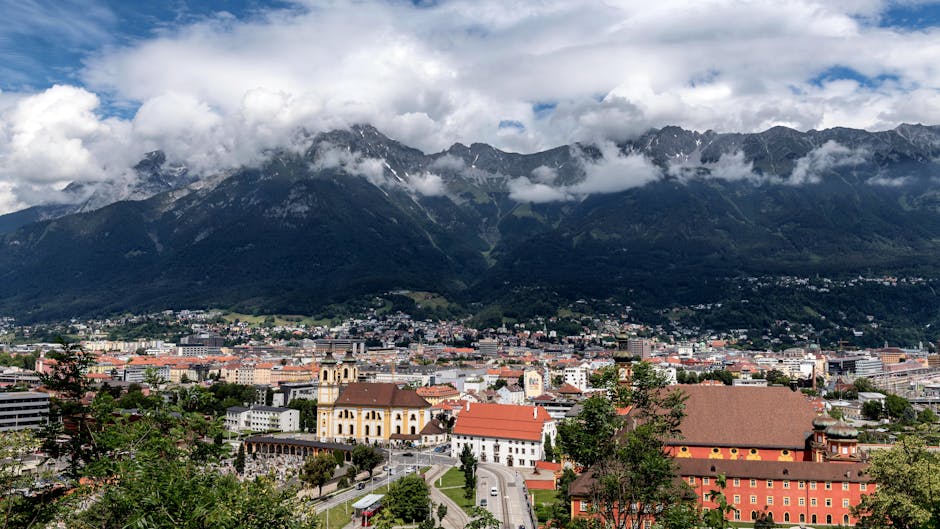
Discover Innsbruck's evolution from Gothic roots to Zaha Hadid's futuristic designs on this self-guided architectural walking route.
 Challenging
Innsbruck, Austria
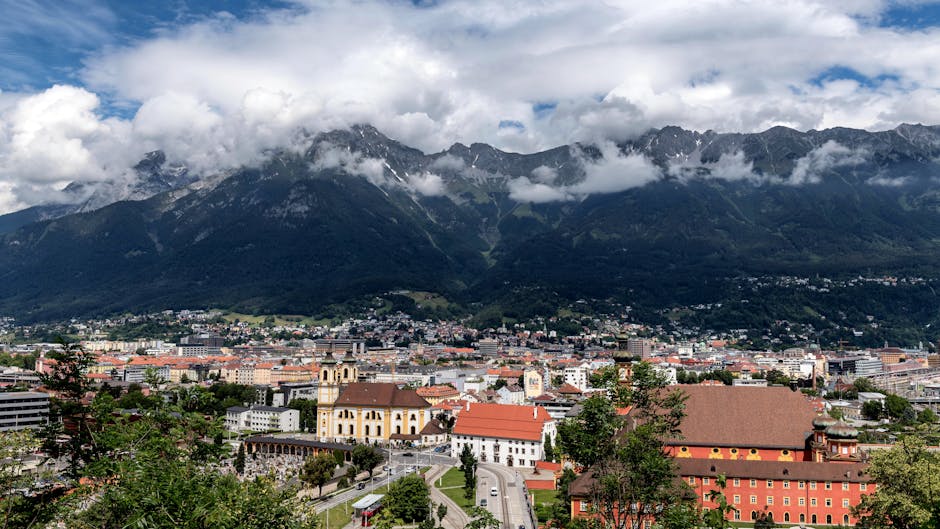
Scale the sun-drenched slopes of Hötting on this self-guided walk featuring panoramic Alps views, steep historic streets, and hidden forest chapels.
 Easy
EasyGdansk, Poland
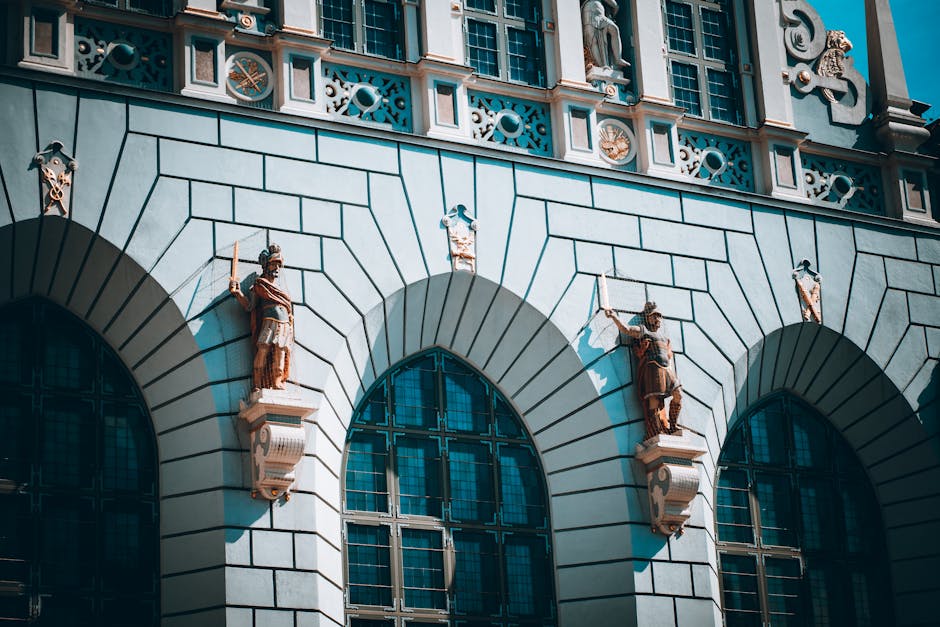
Discover the opulent Royal Way of Gdansk at your own pace. Explore Hanseatic history, gilded architecture, and the iconic Neptune's Fountain.
 Easy
EasyNairobi, Kenya
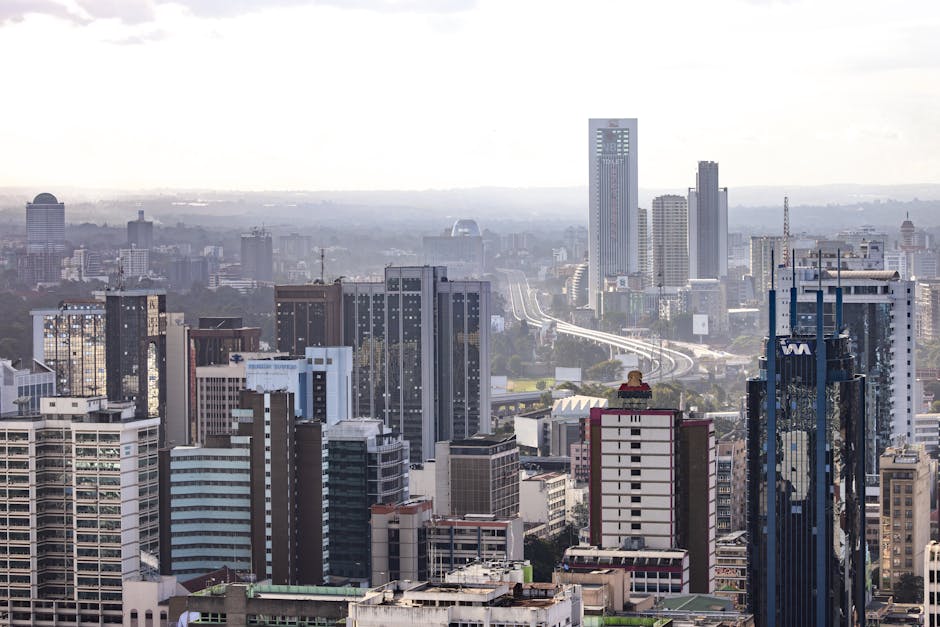
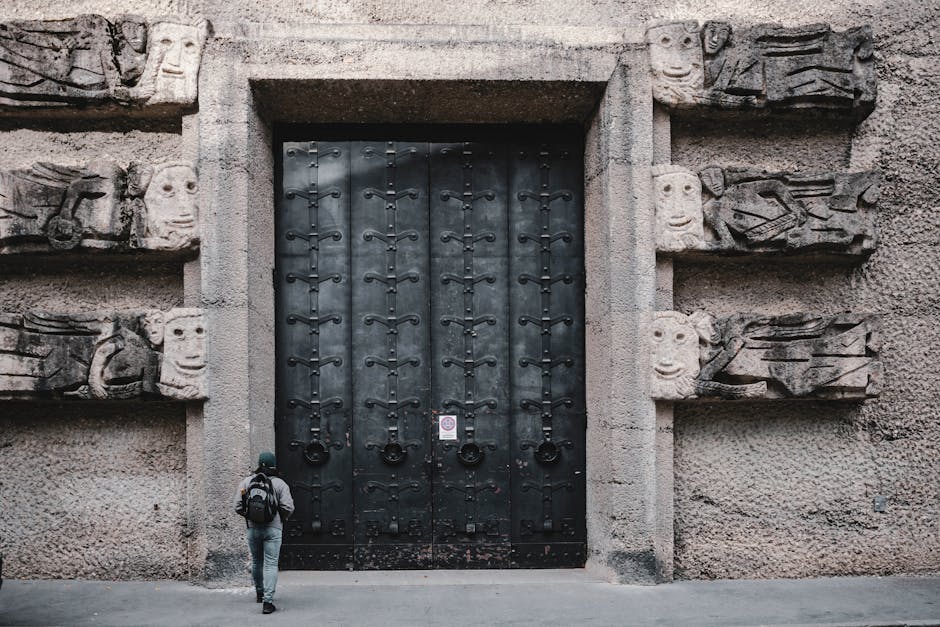
Discover Nairobi's iconic skyline on this self-guided architecture walk through the CBD’s most famous modernist and Brutalist landmarks.
 Easy
EasySalzburg, Austria
Discover the 'Rome of the North' on this self-guided walk through the Baroque squares and monumental legacy of Salzburg’s Prince-Archbishops.
 Easy
EasyWarsaw, Poland
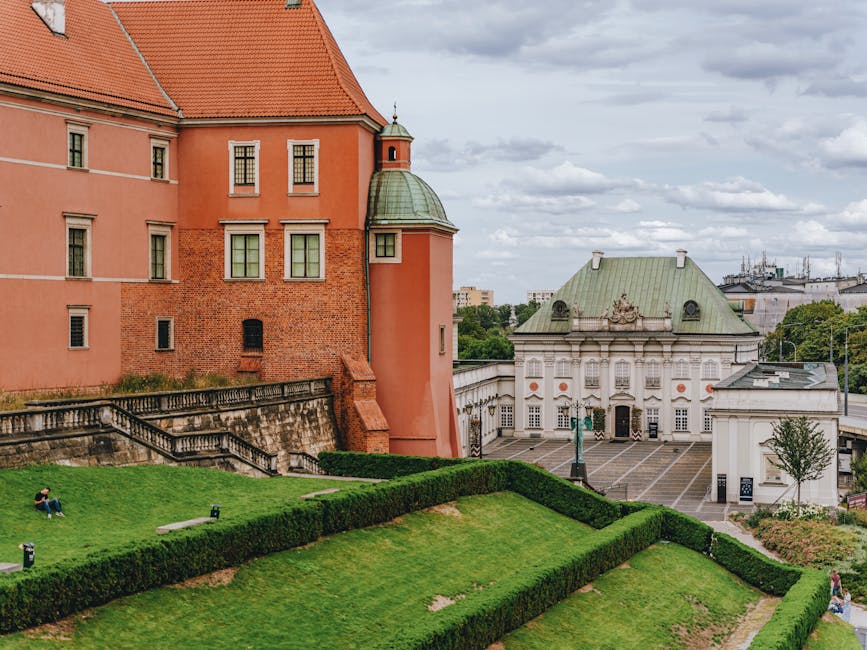
Explore the miracle of Warsaw's reconstructed Old Town on this self-guided walk through royal squares, medieval walls, and heroic monuments.
 Easy
EasyVienna, Austria
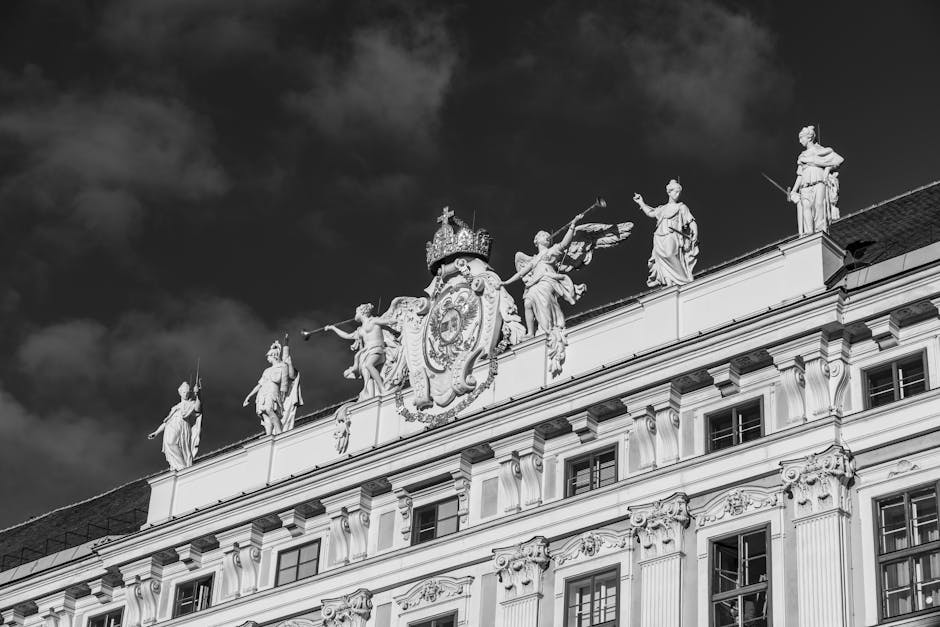
Explore Vienna’s vibrant open-air gallery along the Danube Canal on this self-guided street art and nightlife stroll through Leopoldstadt.
 Moderate
Vienna, Austria
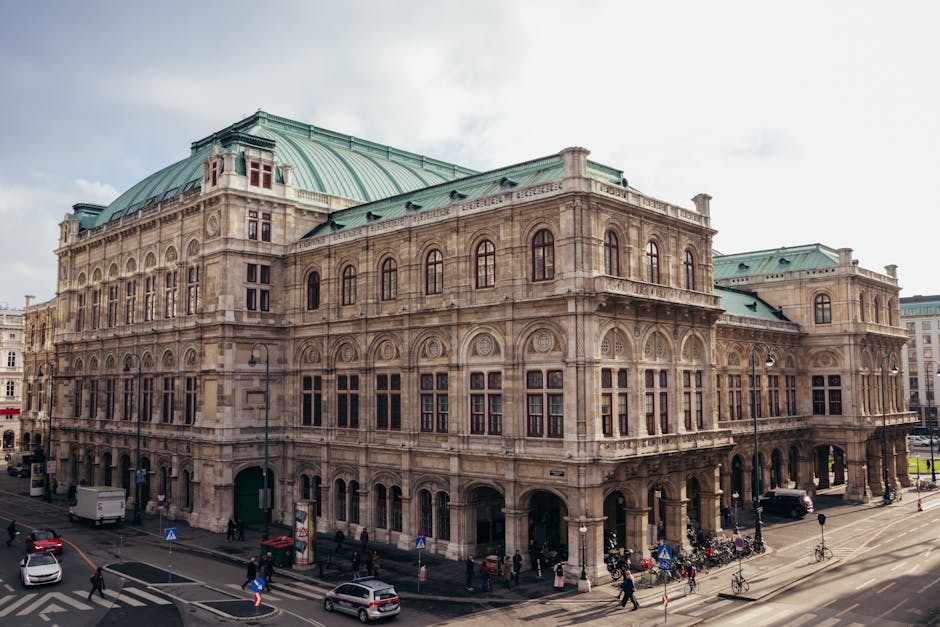
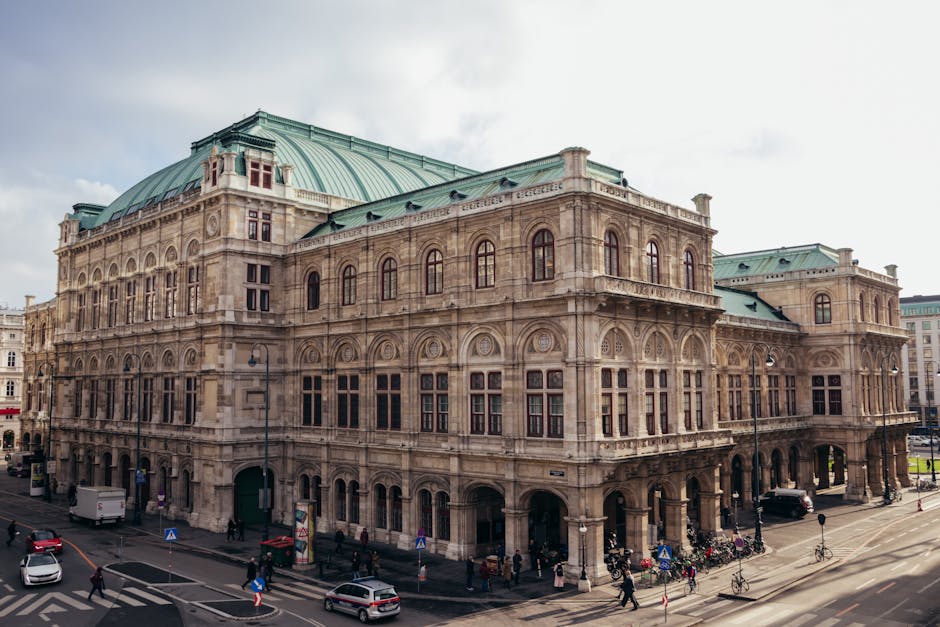
Follow the footsteps of Mozart and Strauss through Vienna’s historic center on this self-guided walk through the city's rich musical history.
 Moderate
Vienna, Austria
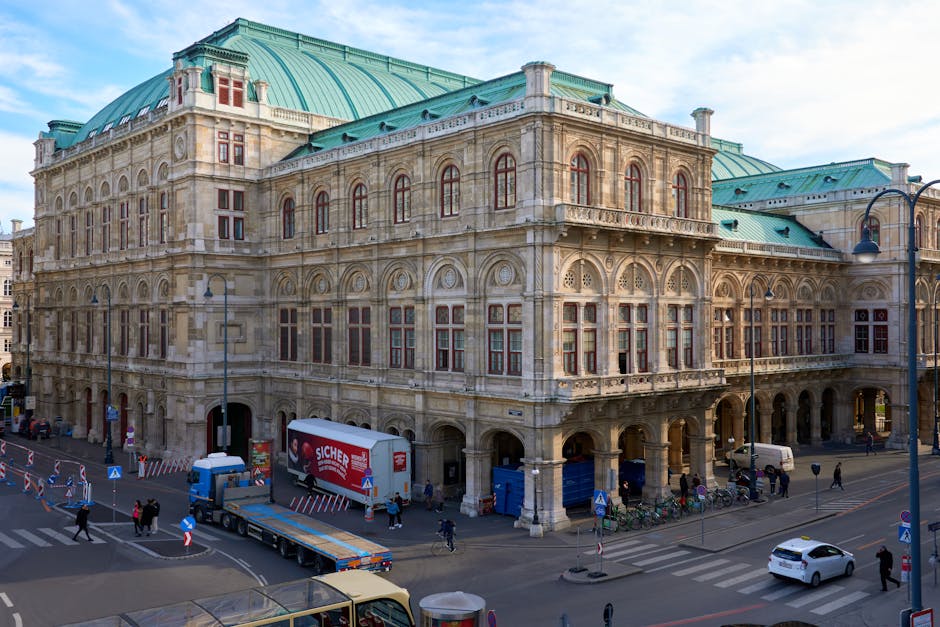
Discover the noir world of The Third Man and Cold War Vienna on this atmospheric self-guided audio walk through the historic Innere Stadt.
 Easy
EasyVienna, Austria
Discover the literary haunts and architectural gems of Vienna's legendary coffee culture on this self-guided stroll through the historic city center.