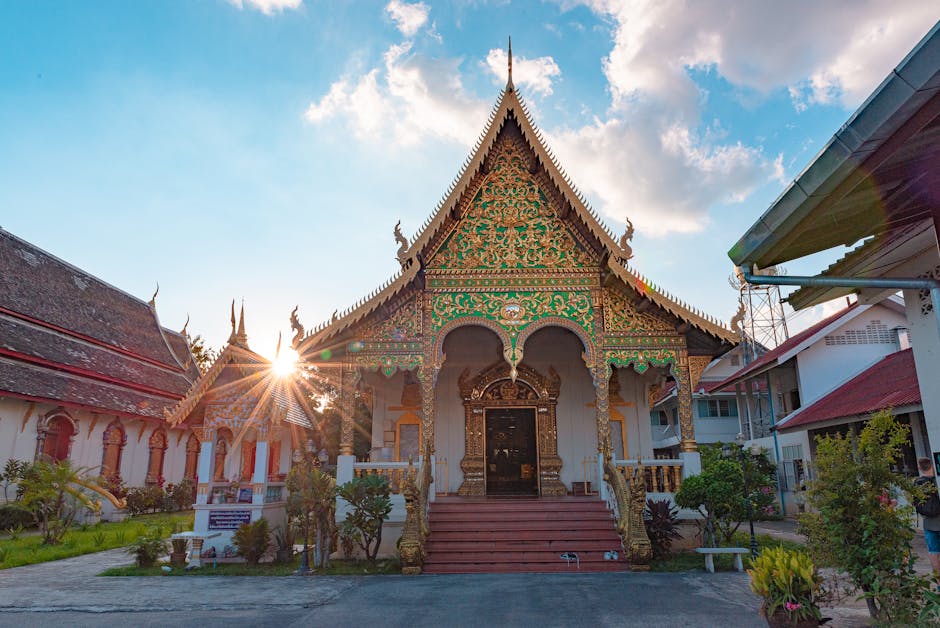
Self-guided audio tour in Chiang Mai
Start Free on iPhone
Start free on iPhone to unlock this self-guided walking tour in Chiang Mai. Hear all the stories that make it amazing, walk at your own pace, and begin whenever you want.
Your Private Tour Guide
Step back into an era where the scent of teak wood and the flow of the Ping River dictated the pulse of Chiang Mai. This self-guided walk through the historic Wat Ket neighborhood reveals a side of the city often missed by those who stick to the Old City walls. In the late 19th and early 20th centuries, this riverside district was the cosmopolitan heart of the Lanna Kingdom, serving as the primary hub for the international teak trade. As you explore this neighborhood stroll, you will encounter a unique architectural tapestry where traditional Lanna styles blend seamlessly with British colonial influences, Chinese shophouses, and sacred spaces from diverse faiths. The journey begins at the iconic Khua Lek, or Iron Bridge, which symbolizes the connection between the administrative center and the commercial riverside. From there, the walking route leads you past the First Church of Chiang Mai, a testament to the early American missionary influence that brought modern medicine and education to the region. One of the undisputed highlights of this walking tour Chiang Mai is the 137 Pillars House. Once the headquarters of the Borneo Company, this magnificent teak structure tells the story of the 'teak wallahs'—European foresters who lived and worked in the northern jungles. The route also invites you to explore Wat Ket Karam, a temple that serves as the community's spiritual anchor and houses a fascinating local museum filled with artifacts from the neighborhood's trading heyday. This audio walk is designed for those who want to discover at their own pace, moving from the tranquil riverside to hidden art galleries and historic mansions. Whether you are interested in the colonial history of Southeast Asia or simply seeking a peaceful escape from the bustling markets, this heritage-focused walking tour Chiang Mai offers a deep dive into the multicultural roots that continue to shape the city's identity today.
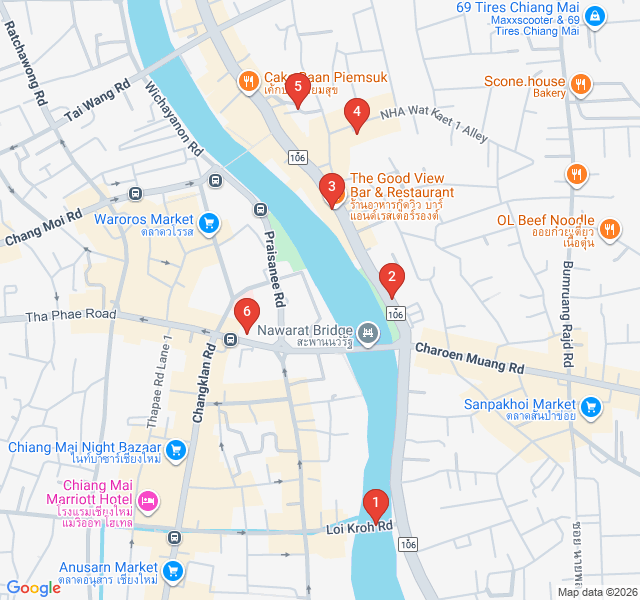
Numbers indicate the order of stops on the tour.
Start exploring with Zigway at the Iron Bridge, locally known as Khua Lek. While the current structure is a modern reconstruction, it stands as a tribute to the original 19th-century bridge that was vital for transporting goods across the Ping River. In the era of the teak trade, the river was the main highway of Northern Thailand. Massive logs were floated down from the northern forests, eventually reaching Bangkok. This bridge connects the bustling night market area with the more tranquil, historic Wat Ket neighborhood. Take a moment to look south down the river; you are standing at the gateway to what was once the most international district in Chiang Mai, where traders from across the globe converged.
Walking north along the river, you arrive at the First Church of Chiang Mai. Established in 1868 by Reverend Daniel McGilvary and the American Presbyterian Mission, this site represents the introduction of Christianity and Western influence to Northern Thailand. The missionaries did more than just preach; they established the first modern hospitals and schools in the region. The architecture here is a striking departure from the surrounding Buddhist temples, featuring neo-Gothic elements that reflect the cultural shifts of the late 1800s. The congregation remains active today, serving as a reminder of the diverse religious community that flourished in the Wat Ket trading hub.
While now a popular spot for dining and live music, buildings like The Good View occupy the space where riverside commerce once thrived. This area was once lined with landing docks for 'scorpion-tailed boats'—the traditional vessels that carried goods between Chiang Mai and the central plains. As you pass by, notice the large rain trees lining the banks; these giants were often planted to provide shade for the workers handling the teak and spice trade. This stop offers a glimpse into how the riverside has evolved from a gritty commercial port into the city's premier leisure and dining district, all while maintaining its historic charm.
Tucked away from the main road is the 137 Pillars House, arguably the most significant architectural landmark in the district. This black teak mansion was once the headquarters of the Borneo Company, a British firm that dominated the teak industry. The house is named for the 137 pillars that support the main structure—a sign of immense wealth and status in traditional Lanna culture. It was once the home of Louis Leonowens, the son of Anna Leonowens (of 'Anna and the King' fame). The building is a masterpiece of colonial-Lanna fusion, featuring high ceilings and wide verandas designed to facilitate airflow in the tropical heat. It serves as a silent witness to the era of the 'Teak Wallahs' who lived lives of high adventure in the northern teak forests.
Continue your neighborhood stroll to Wat Ket Karam, the heart of the community. Founded in 1428, the temple's style is a blend of Lanna and Chinese influences, visible in the intricate porcelain decorations on the roof. The highlight here is the small, volunteer-run museum located within the temple grounds. It houses an eclectic collection of old photographs, vintage clothing, and trading documents that provide a window into the lives of the Chinese, Indian, and European families who lived here. This temple has always been a place where different cultures met; look for the diverse motifs in the carvings that reflect the multicultural makeup of the Wat Ket residents during the teak boom.
The final stop on this walking route is the Baan Tuek Art Center. This building is a classic example of the 'gingerbread' style architecture that became popular during the reign of King Rama V. The intricate fretwork and wooden lace patterns were a status symbol for the merchant class. Today, the building has been repurposed as a gallery to support local artists, bridging the gap between Chiang Mai's storied past and its vibrant contemporary art scene. As you conclude your self-guided adventure, you can see how the spirit of innovation and international exchange that started with the teak trade continues to thrive in Wat Ket through creativity and cultural preservation.
Start Free on iPhone
Explore “Riverside Heritage and Teak Trade” with your very own Private Tour Guide with Zigway. Start free on iPhone, skip the large group and the fixed routes, and hear the city come alive as you go.
Your Private Tour Guide
Don't miss the good stuff
Explore Freely
 Easy
EasyChiang Mai, Thailand
Explore Chiang Mai's trendiest district at your own pace. Discover contemporary art galleries, local design shops, and iconic modern architecture.
 Moderate
Chiang Mai, Thailand
Explore Chiang Mai's creative soul, from Nimman’s boutique bookshops to the mystical tunnels of Wat Umong and the scenic Angkaew Reservoir.
 Moderate
Chiang Mai, Thailand
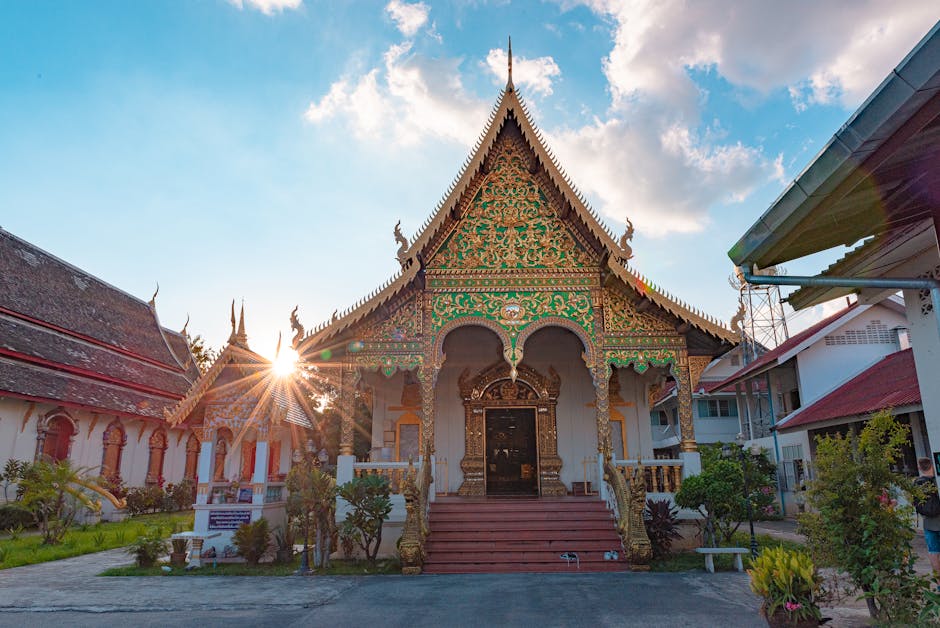
Discover Chiang Mai’s soul through its markets and flavors. A self-guided route from the historic Kad Luang to the city’s best street food gems.
 Easy
EasyChiang Mai, Thailand
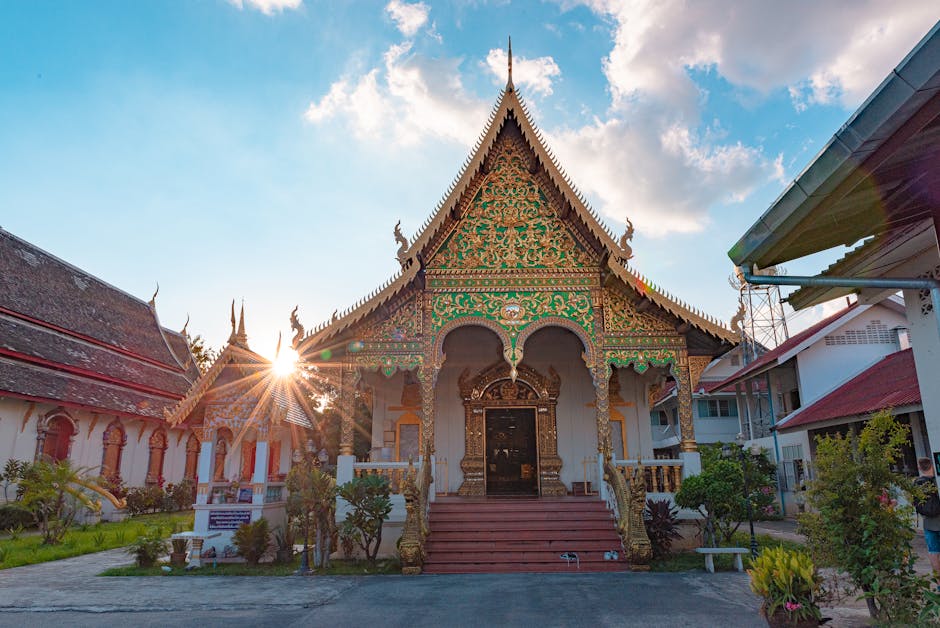
Discover hidden temples, traditional brass-smith workshops, and local markets on this serene self-guided walk through Chiang Mai's southern district.
 Easy
EasyWarsaw, Poland
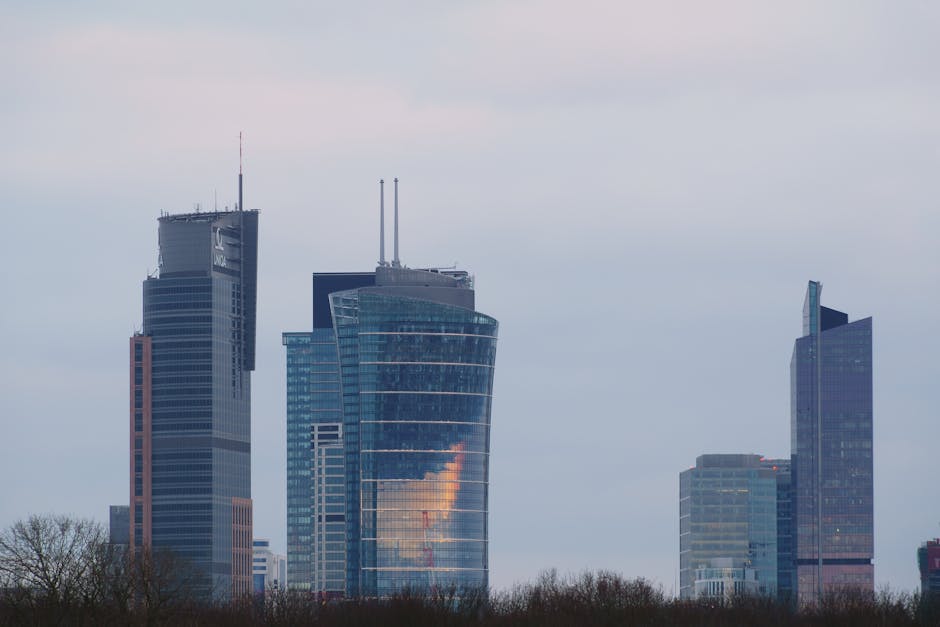
Discover the hidden courtyards and grand pre-war architecture of Warsaw's most atmospheric neighborhood on this self-guided stroll.
 Easy
EasyGothenburg, Sweden
Explore Gothenburg's maritime soul on this self-guided walk from historic shipyards to sleek modern piers and iconic industrial landmarks.
 Easy
EasyKrakow, Poland
Explore the historic heart of Kazimierz on this self-guided walk through synagogues, ancient cemeteries, and vibrant squares.
 Easy
EasyGdansk, Poland
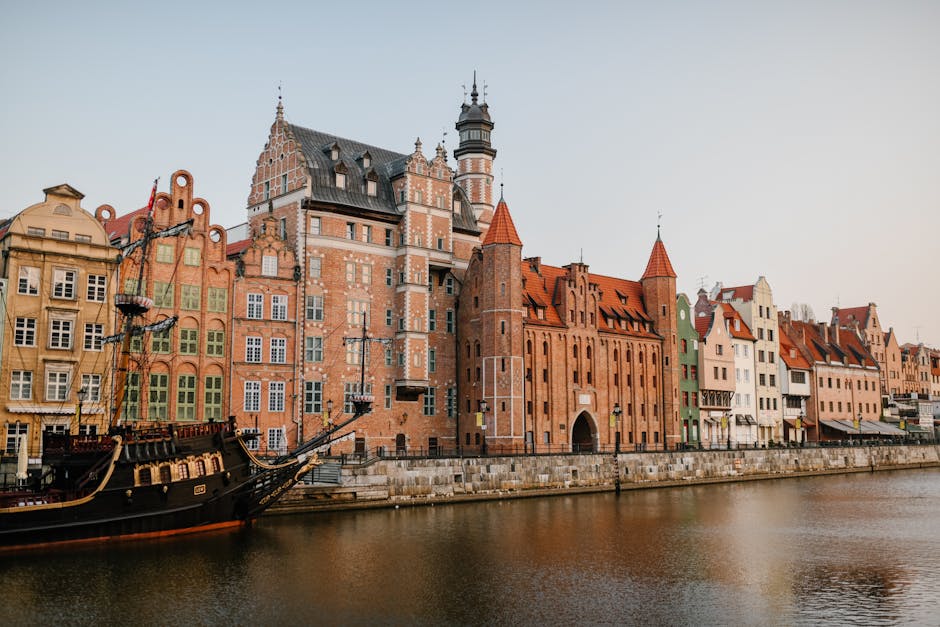
Discover the monastic heritage, world-famous organs, and lush botanical gardens of Oliwa on this peaceful self-guided neighborhood stroll.
 Easy
EasyBangkok, Thailand
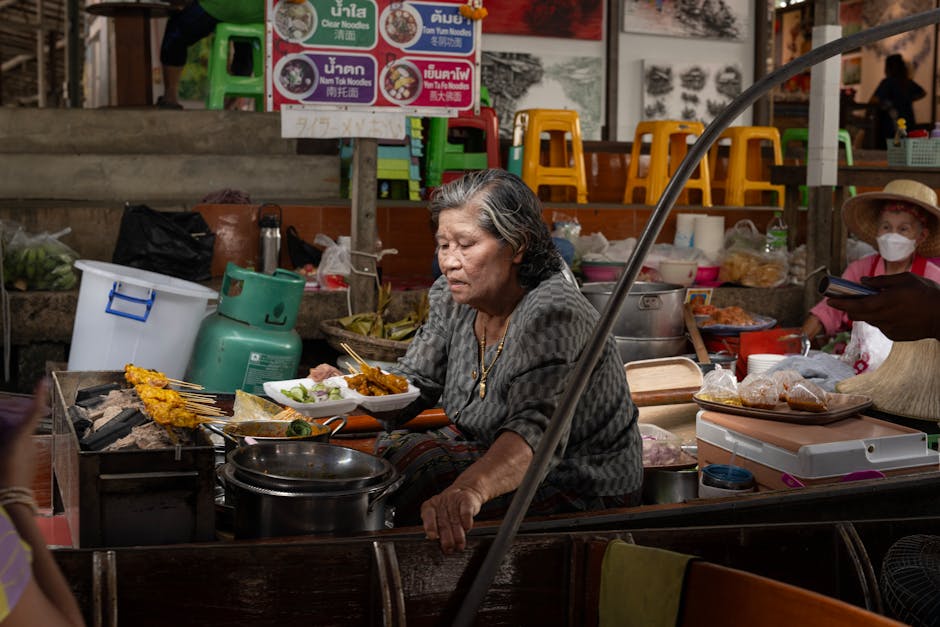
Discover a labyrinth of industrial scrap yards, vibrant street art, and centuries-old mansions in Bangkok's most atmospheric neighborhood.
 Easy
EasyBangkok, Thailand
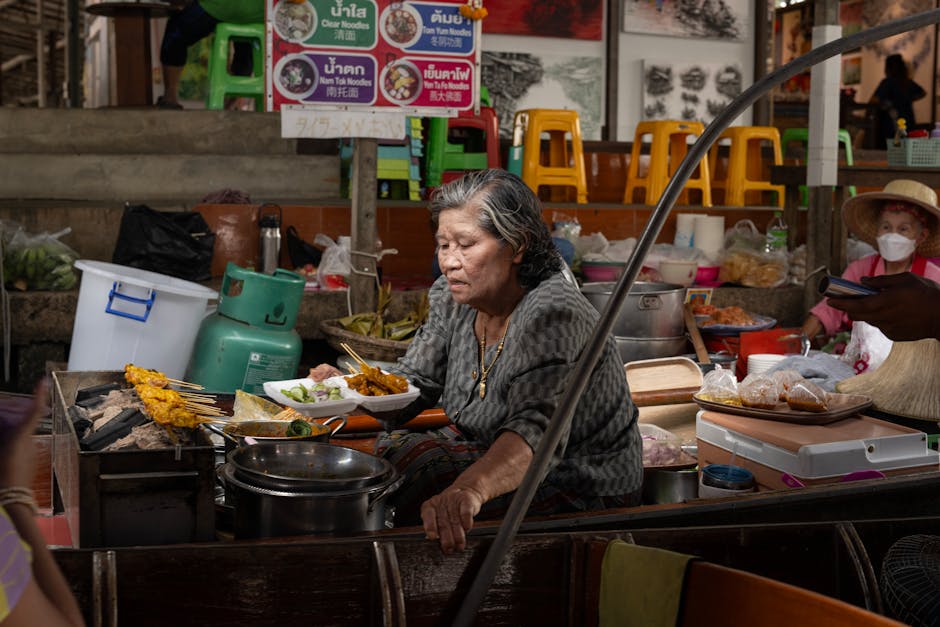
Discover Ari's blend of retro architecture, Michelin-rated street food, and vibrant cafe culture on this self-guided neighborhood stroll.
 Moderate
Bangkok, Thailand
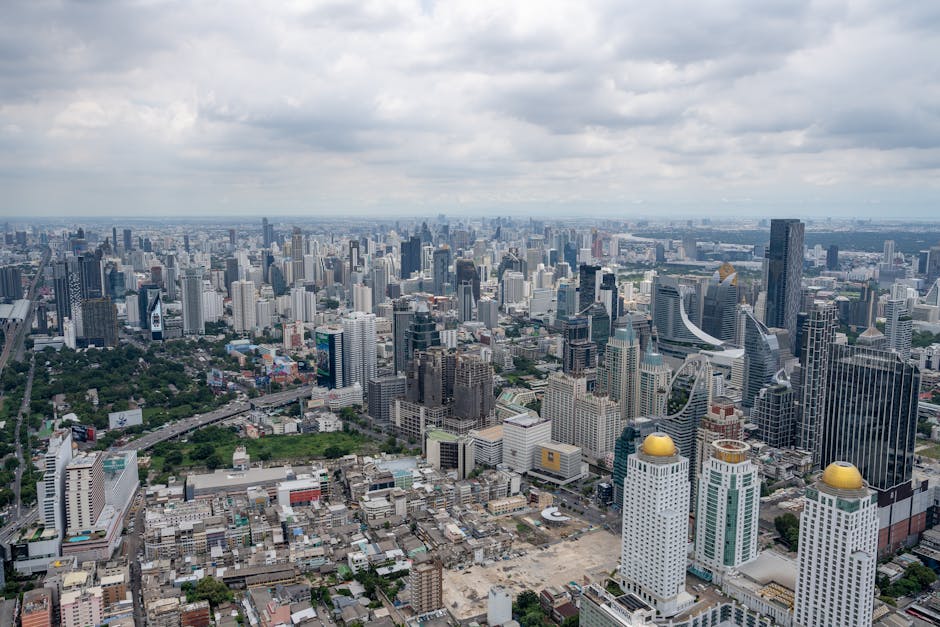
Discover the golden spires and royal history of Bangkok's Old City on this self-guided audio walk through the majestic Rattanakosin Island.
 Easy
EasyBangkok, Thailand
Discover the European-inspired grandeur of Bangkok's Dusit district on this self-guided royal architectural walk.