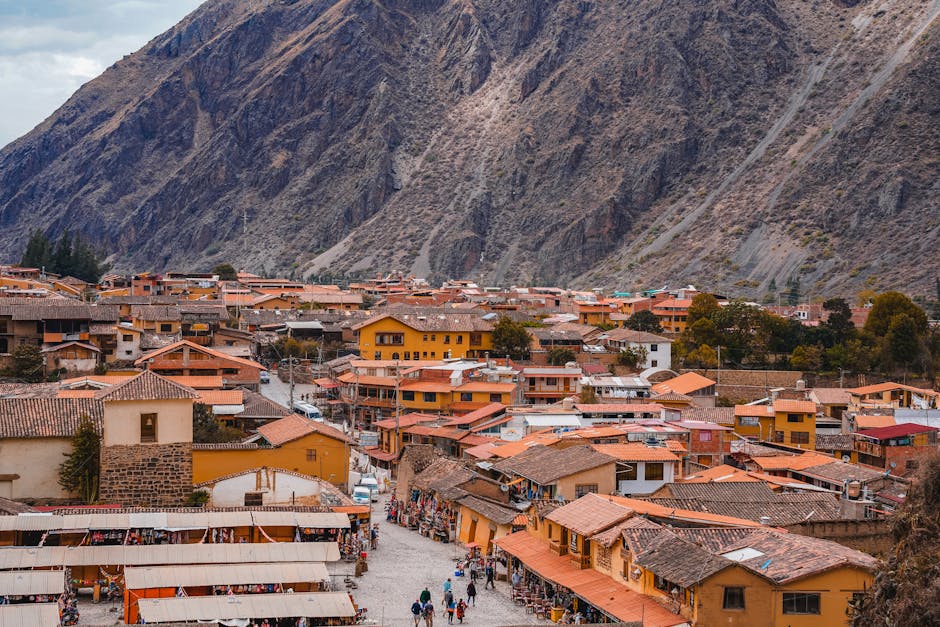
Self-guided audio tour in Cusco
Start Free on iPhone
Start free on iPhone to unlock this self-guided walking tour in Cusco. Hear all the stories that make it amazing, walk at your own pace, and begin whenever you want.
Your Private Tour Guide
Step away from the bustling crowds of the Plaza de Armas and enter a world where time seems to stand still. This self-guided walk through Cusco’s historic center invites you to explore the 'Silent City'—a collection of serene cloisters, hidden courtyards, and grand religious edifices that tell the story of a dramatic cultural collision. As you follow this walking route, you will witness the literal foundation of the Spanish colonial city built upon the precisely carved stones of the Inca Empire. The journey begins at the legendary Qorikancha, once the richest temple in the Inca world, now the base of the Church of Santo Domingo. This site serves as the perfect introduction to the architectural synthesis that defines Cusco. From there, your neighborhood stroll takes you through narrow cobblestone alleys to secluded monasteries where the scent of cedar incense and the sound of trickling fountains provide a peaceful backdrop for your exploration. You will discover the intricate 'Cusco School' of art, characterized by its unique blend of indigenous symbolism and European techniques, particularly at the Museum of Religious Art. This walking tour Cusco experience is designed for those who appreciate the finer details of Baroque and Renaissance architecture, from the massive carved pulpits to the delicate floral motifs in the cloisters. Highlights include the haunting beauty of the San Francisco catacombs and the breathtaking jewelry of La Merced. Whether you are a history buff or a photography enthusiast, this independent walking route offers a profound look at the spiritual heart of the Andes. By choosing a self-guided adventure, you can linger in the sun-drenched courtyards or pause to admire the craftsmanship of a 17th-century doorway without the pressure of a group schedule. This is more than just a visit to old buildings; it is an immersion into the layered identity of a city that remains a living monument to its complex past.
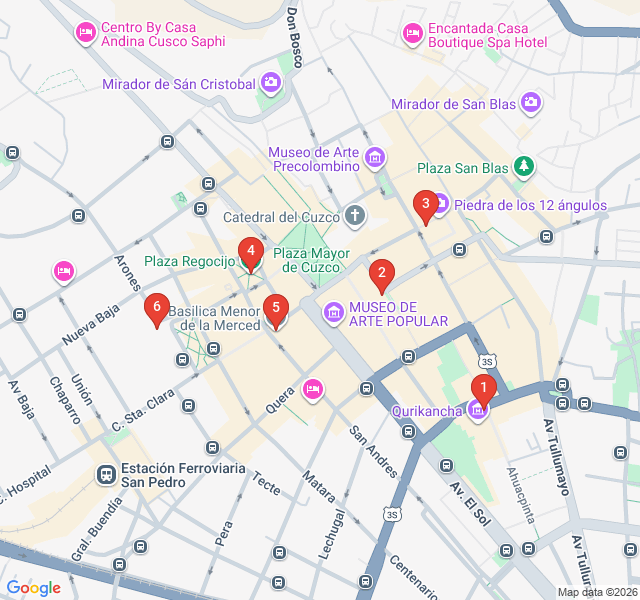
Numbers indicate the order of stops on the tour.
Begin your exploration at one of the most significant sites in the Americas. This church was built directly on top of the Qorikancha, or 'Golden Enclosure,' which was the most important temple in the Inca Empire. Look closely at the exterior walls where the curved, mortarless Inca masonry supports the Spanish colonial arches. Inside, the contrast is even more striking. You can see the original Inca chambers dedicated to the Moon and the Stars, which were once covered in solid gold. The Spanish Dominican order repurposed this sacred space in the 16th century, creating a unique architectural dialogue between two civilizations. It is a powerful testament to the layers of history that define Cusco.
As you walk toward this convent, you are walking on ground that was once the Acllahuasi, the 'House of the Chosen Women' in Inca times. Following the Spanish conquest, it became a cloistered convent for Dominican nuns. The museum here offers a rare glimpse into the secluded lives of these women. The cloisters are exceptionally beautiful, featuring vibrant murals and a peaceful central fountain. Take a moment to admire the collection of colonial-era paintings, which often include hidden indigenous symbols, such as local flora and fauna, woven into traditional Catholic iconography. The atmosphere here is one of profound silence and reflection, a true escape from the city streets.
This museum is housed in the Archbishop's Palace, a building that sits on the foundations of the palace of Inca Roca. Before entering, walk along the side wall on Calle Hatun Rumiyoc to see the famous Twelve-Angled Stone, a masterpiece of Inca engineering. Inside the museum, the focus shifts to the colonial era. The courtyard is one of the most photographed in Cusco, featuring ornate Moorish-style tile work and intricately carved wooden balconies. The collection of religious art inside is world-class, showcasing the 'Escuela Cusqueña' style, where local artists interpreted European religious themes with an Andean flair, using bright colors and generous amounts of gold leaf.
Take a short break at Plaza Regocijo, known in the Inca era as Kusipata or the 'Square of Joy.' In colonial times, this was the site of festivals, bullfights, and markets. Today, it is a much quieter alternative to the nearby Plaza de Armas. Surrounded by the Municipal Palace and elegant colonial arcades, it offers a perfect spot to sit and observe the daily rhythm of the city. The central fountain and well-manicured gardens provide a burst of green amidst the stone architecture. From here, you can see the towers of the nearby churches rising above the rooftops, signaling the next stage of your architectural journey.
La Merced is widely considered to have the most beautiful cloister in Cusco. The stone carvings on the columns and arches are exceptionally delicate, reflecting the high Baroque style. The church itself houses the tombs of famous conquistadors, but the real treasure is kept in the vestry: a solid gold monstrance, or 'custodia,' encrusted with over 1,500 diamonds and pearls. This church has been rebuilt several times due to earthquakes, yet it retains an air of ancient majesty. As you walk through the silent corridors, you can feel the weight of centuries of devotion and the immense wealth that the Spanish church poured into this mountain outpost.
Your final stop is the San Francisco complex, a massive structure that feels like a fortress of faith. The convent is famous for its vast library containing thousands of antique books, some dating back to the earliest years of the Spanish presence in Peru. However, many visitors come for what lies beneath: the catacombs. While smaller than those in Lima, these underground burial chambers are a sobering reminder of colonial mortality. Above ground, the church features a monumental choir loft carved from local cedar and a series of large-scale paintings depicting the life of Saint Francis. It is a grand conclusion to your walk through Cusco's spiritual and architectural heritage.
Start Free on iPhone
Explore “Cloisters and Courtyards: The Silent City” with your very own Private Tour Guide with Zigway. Start free on iPhone, skip the large group and the fixed routes, and hear the city come alive as you go.
Your Private Tour Guide
Don't miss the good stuff
Explore Freely
 Easy
EasyCusco, Peru
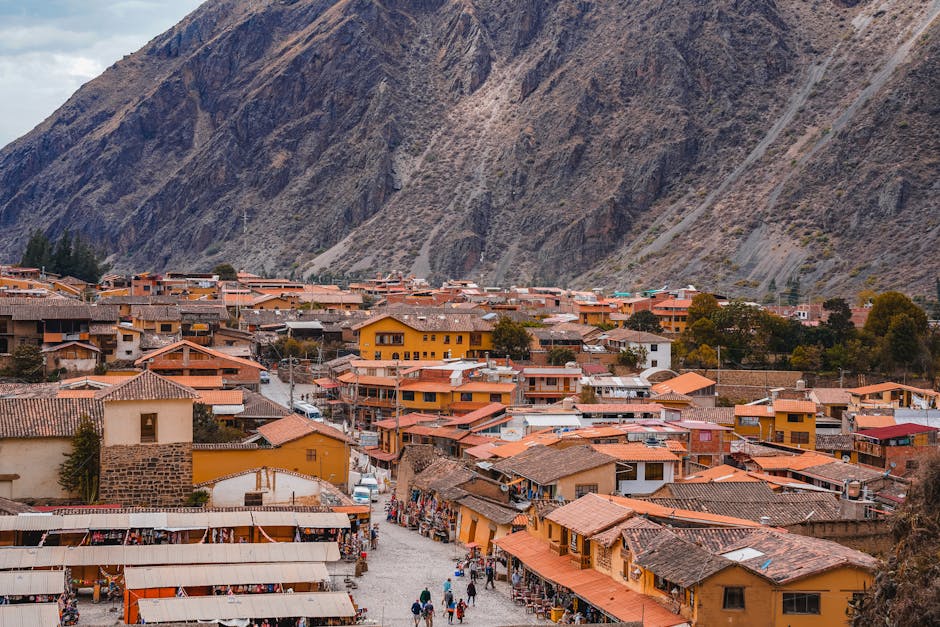
Discover the vibrant world of Andean weaving on this self-guided walk through Cusco’s historic center and artisan quarters.
 Easy
EasyCusco, Peru
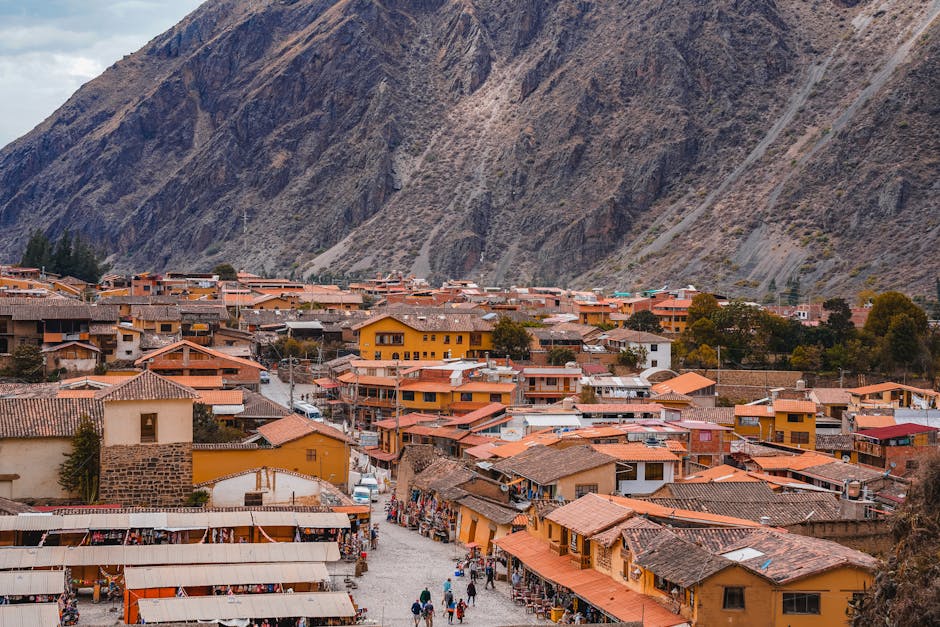
Discover the rich flavors of Cusco on this self-guided walk through the city's best artisanal coffee shops and chocolate workshops.
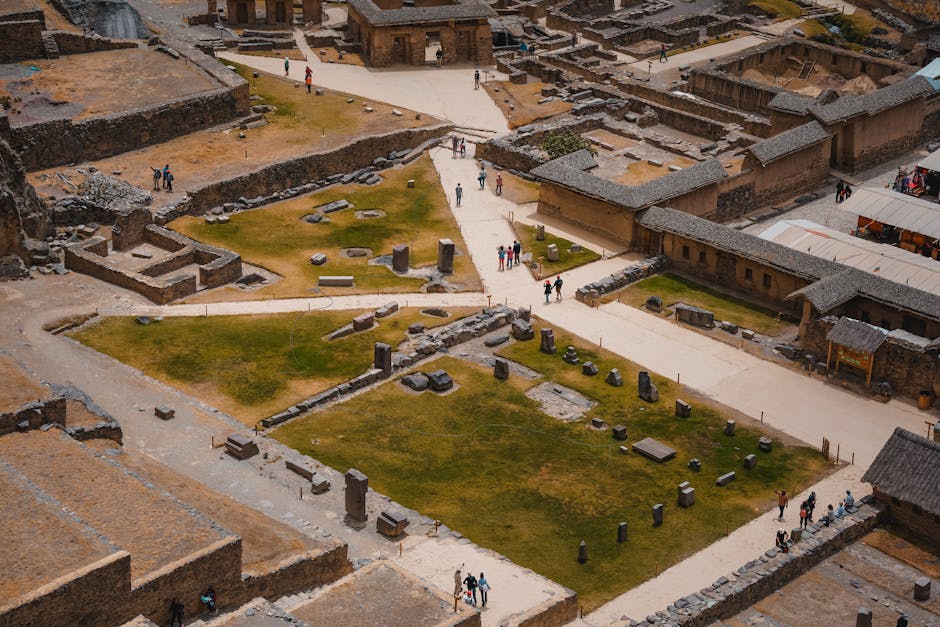 Moderate
Cusco, Peru
Uncover Cusco's hidden hydraulic history on this self-guided stroll through ancient canals and colonial aqueducts.
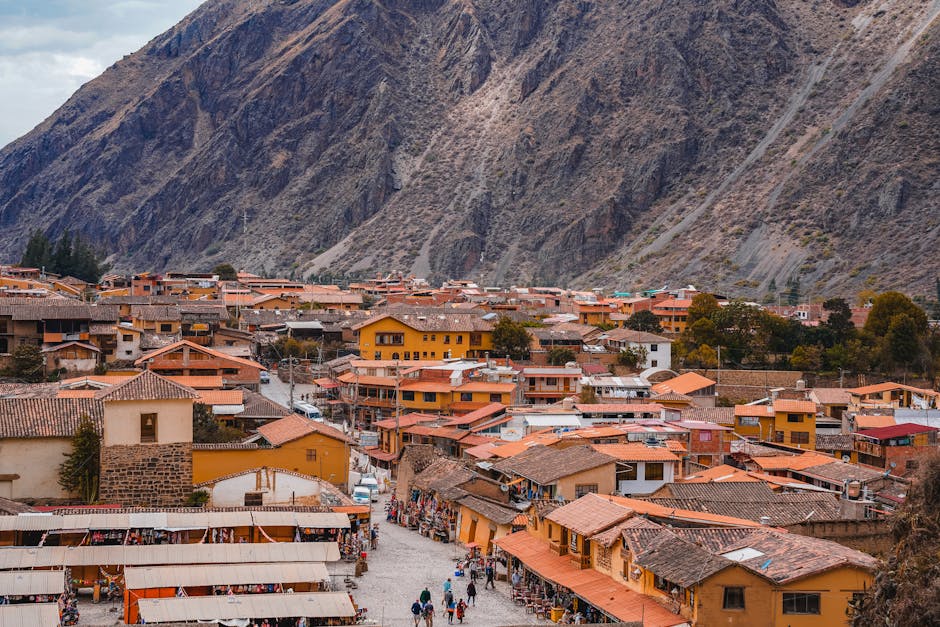 Easy
EasyCusco, Peru
Experience Cusco’s vibrant nightlife on this self-guided walk through legendary pubs, pisco lounges, and hidden gems in the Historic Center.
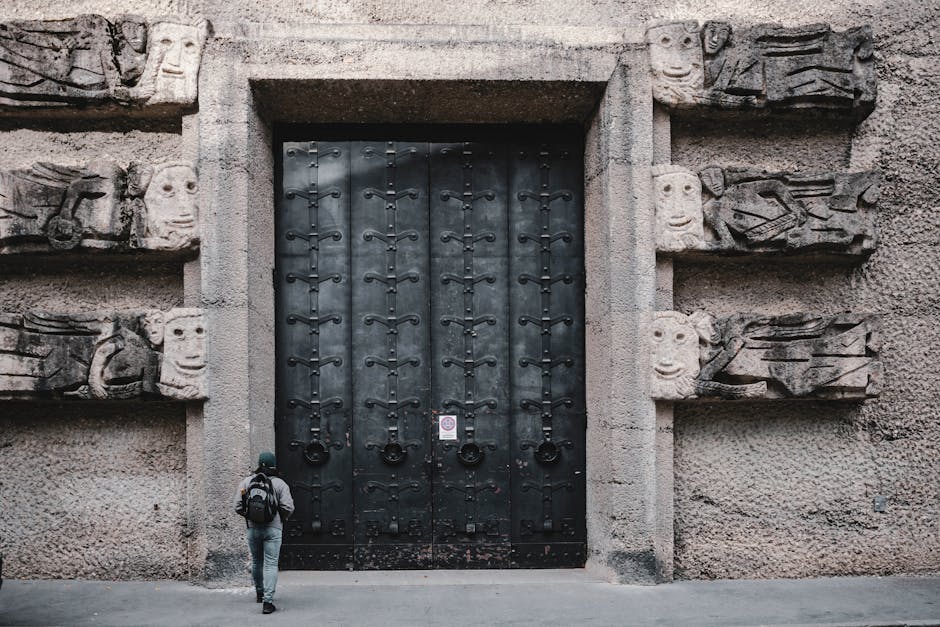 Easy
EasySalzburg, Austria
Discover the 'Rome of the North' on this self-guided walk through the Baroque squares and monumental legacy of Salzburg’s Prince-Archbishops.
 Easy
EasyGothenburg, Sweden
Explore Gothenburg's elegant academic district, featuring grand 19th-century stone architecture and the iconic cultural hub of Götaplatsen.
 Easy
EasyNairobi, Kenya
Discover Nairobi's iconic skyline on this self-guided architecture walk through the CBD’s most famous modernist and Brutalist landmarks.
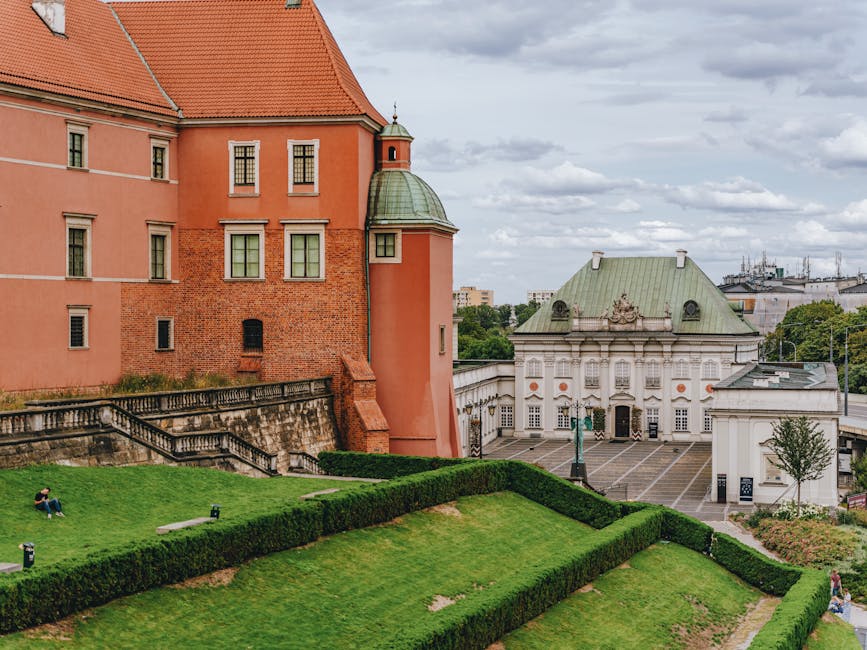 Moderate
Warsaw, Poland
Explore the resilient spirit of Warsaw's Muranów district on this self-guided walk through the history and landmarks of the former Jewish Ghetto.
 Moderate
Lima, Peru
Discover a vibrant fusion of 18th-century military history and world-class street art on this self-guided walk through Lima's historic port.
 Easy
EasyLima, Peru
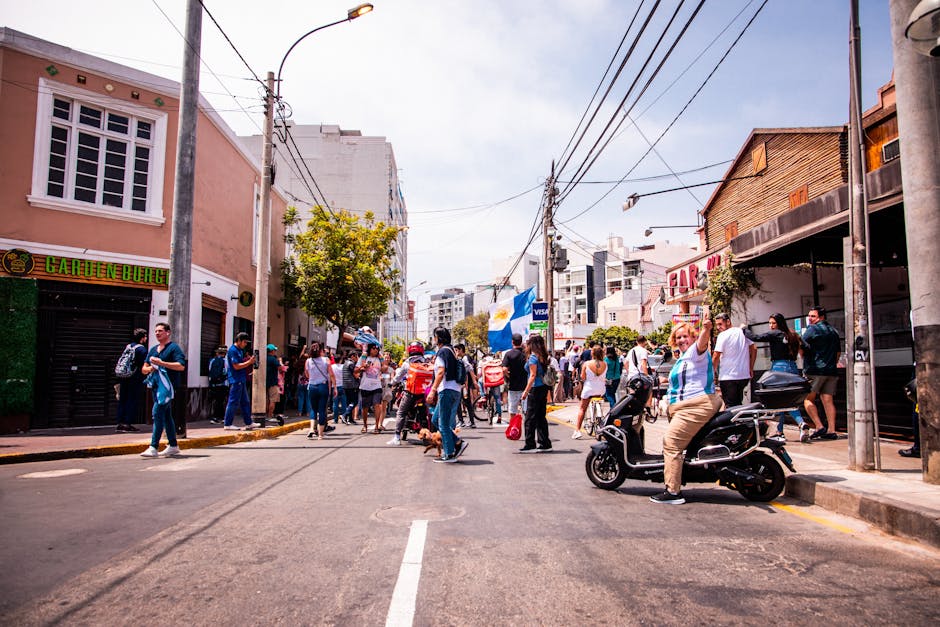
Experience Lima’s nighttime glow on this self-guided stroll through historic plazas, grand museums, and the record-breaking Magic Water Circuit.
 Easy
EasyLima, Peru
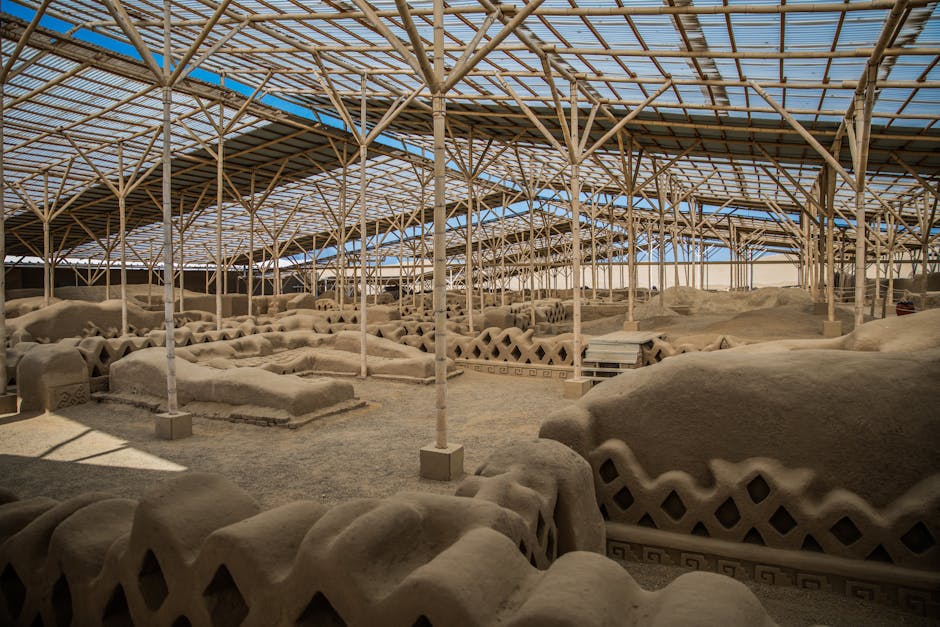
Explore the 1,500-year-old pyramid of Huaca Pucllana and the vibrant feline-filled parks of modern Miraflores.
 Easy
EasyLima, Peru
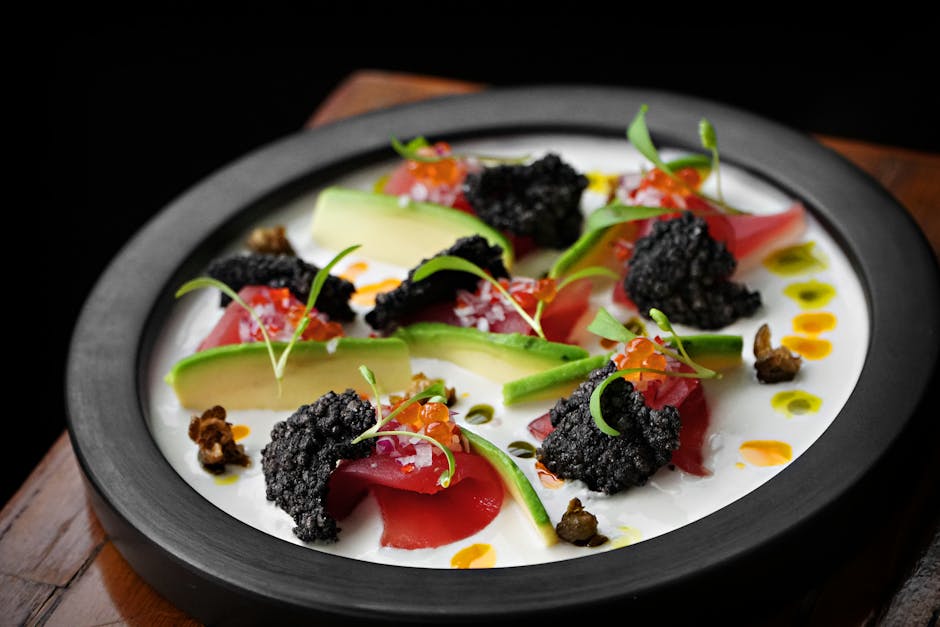
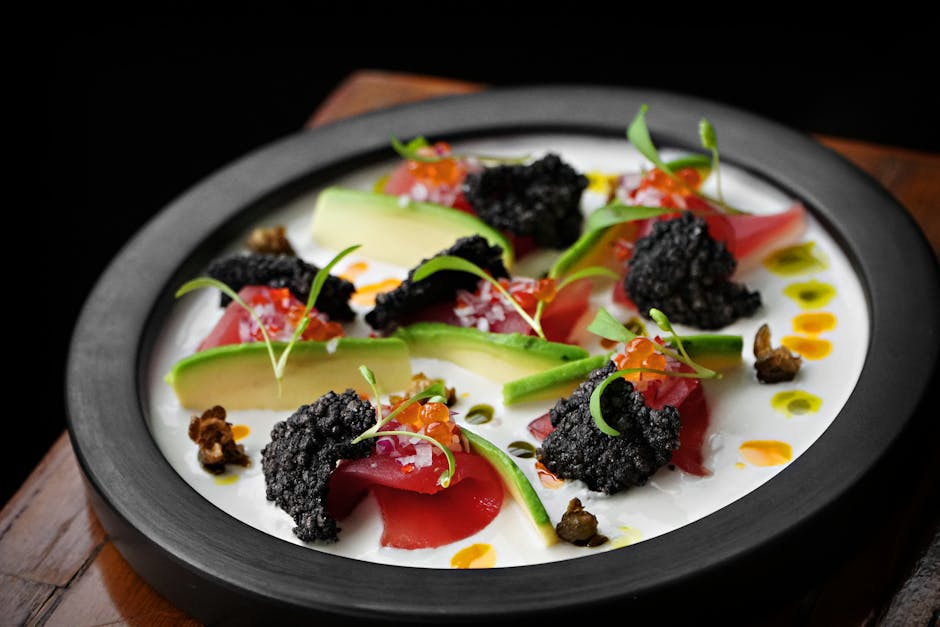
Discover Lima's authentic food scene and local markets on this flavor-focused self-guided walk through Surquillo and the city's hidden culinary hubs.