Self-guided audio tour in Washington DC
Start Free on iPhone
Start free on iPhone to unlock this self-guided walking tour in Washington DC. Hear all the stories that make it amazing, walk at your own pace, and begin whenever you want.
Your Private Tour Guide
Step into the 'President’s Front Yard' on this captivating self-guided walk through Lafayette Square. While many visitors simply snap a photo of the White House and move on, this historic seven-acre park and its surrounding buildings hold secrets that span over two centuries of American power, scandal, and diplomacy. This neighborhood stroll invites you to look beyond the iron fences to discover the stories of the people who lived, worked, and occasionally conspired in the shadows of the Executive Mansion. On this walking route, you will encounter the 'Church of the Presidents,' where every commander-in-chief since James Madison has worshipped, and the Decatur House, a site that reflects both the naval glory of the early republic and the sobering reality of urban slavery. As you explore independently, you’ll see the Blair House, where world leaders stay before meeting the President, and the Renwick Gallery, often called the 'American Louvre.' The journey culminates with views of the Treasury Building and the iconic North Portico of the White House. This walking tour Washington DC offers is perfect for those who want to experience the capital’s most famous landmarks without the constraints of a group. Whether you are a history buff or a first-time visitor, this audio walk provides the context needed to understand how a simple patch of grazing land became the most powerful square mile in the world. This self-guided adventure allows you to pause whenever you like, ensuring you don't miss the subtle architectural details or the hidden-gems tucked away in plain sight. Experience the ultimate walking tour Washington DC has to offer at your own pace, soaking in the atmosphere of a neighborhood that has witnessed everything from presidential inaugurations to historic protests.
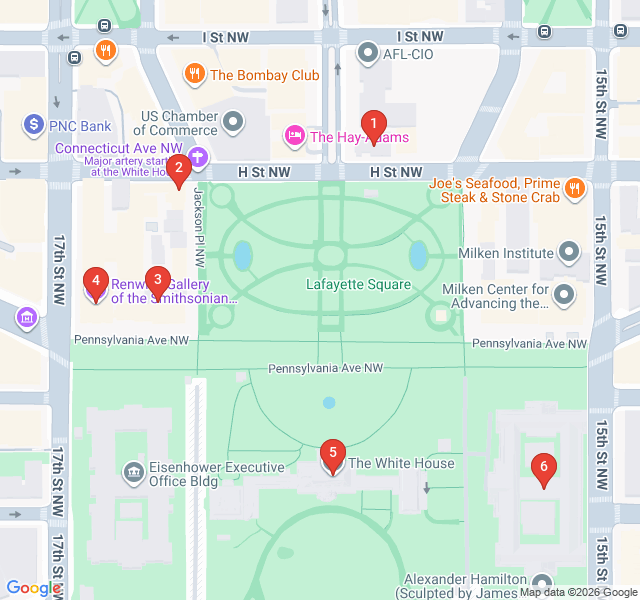
Numbers indicate the order of stops on the tour.
Welcome to St. John’s Episcopal Church, famously known as the 'Church of the Presidents.' Since its first service in 1816, every sitting U.S. President has attended at least one service here. Look for the distinct yellow exterior and the bell tower, which houses a bell cast by Paul Revere’s son. Inside, Pew 54 is traditionally reserved for the Commander-in-Chief. This church has stood as a silent witness to the changing face of the nation, surviving the burning of Washington in 1814 and serving as a spiritual anchor for those living across the square. The building was designed by Benjamin Henry Latrobe, the same architect who worked on the U.S. Capitol, and it remains one of the finest examples of Federal-style religious architecture in the city.
Built in 1818 for naval hero Commodore Stephen Decatur, this was the first private residence in Lafayette Square. Decatur, famous for his exploits in the Barbary Wars, lived here for only fourteen months before he was killed in a duel. Following his death, the house became a prestigious rental for political figures like Henry Clay and Martin Van Buren. However, the building holds a dual history; it is one of the few remaining sites in the city where you can see preserved slave quarters in an urban setting. This juxtaposition of high-society elegance and the harsh reality of enslaved labor offers a profound look at the complexities of early American history in the capital.
Directly across from the White House stands Blair House, the President's official guest house. While it looks like a single large residence, it is actually a complex of four integrated townhomes. Since the 1940s, it has hosted visiting heads of state, royalty, and presidents-elect on the night before their inauguration. It is often said that Blair House is more exclusive than the White House itself. Notable moments here include President Harry Truman living here for several years during the White House renovation and the historic negotiations that have taken place within its walls. Though you cannot go inside, the exterior remains a symbol of American diplomatic hospitality and high-stakes international relations.
The Renwick Gallery is a masterpiece of Second Empire architecture, designed by James Renwick Jr., the same man who designed the Smithsonian Castle and St. Patrick's Cathedral in New York. When it opened in 1859, it was the first building in the United States designed specifically to be an art museum, earning it the nickname 'The American Louvre.' The words 'Dedicated to Art' are still visible above the entrance. Over the years, it has served as a courthouse and a government office before returning to its original purpose. Today, it focuses on contemporary craft and decorative arts, but the building itself, with its ornate stone carvings and mansard roof, remains the primary attraction for architecture lovers.
You are now standing at the North Portico of the White House, the most famous address in America: 1600 Pennsylvania Avenue. This site was selected by George Washington and Pierre L’Enfant in 1791, though Washington is the only president who never lived here. The Irish-born architect James Hoban designed the structure, which was burned by the British in 1814 and subsequently rebuilt. Lafayette Square, where you are standing, was originally part of the White House grounds until it was separated by Pennsylvania Avenue. This area has been the stage for countless protests, celebrations, and historic announcements. Look closely at the stone carvings on the North Portico, which were executed by Scottish stonemasons and remain remarkably preserved.
Our final stop is the United States Treasury Building, an architectural giant that blocked the planned view between the White House and the Capitol. Legend has it that Andrew Jackson grew so frustrated with the delay in choosing a site that he stuck his cane in the ground and said, 'Build it here.' This massive Greek Revival structure features 30-foot monolithic columns and once housed the entire Treasury Department. During the Civil War, it served as a temporary barracks for Union soldiers and even contained a secure bunker for the President. Today, it remains the headquarters of the Department of the Treasury and is featured on the back of the ten-dollar bill. Its imposing presence underscores the financial power that fuels the neighboring executive branch.
Start Free on iPhone
Explore “Lafayette Square: The President’s Neighborhood Secrets” with your very own Private Tour Guide with Zigway. Start free on iPhone, skip the large group and the fixed routes, and hear the city come alive as you go.
Your Private Tour Guide
Don't miss the good stuff
Explore Freely
 Easy
EasyWashington DC, United States
Trace the footsteps of Abraham Lincoln and his conspirators on this self-guided history walk through the heart of Washington D.C.
 Easy
EasyWashington DC, United States
Uncover the secrets of DC’s most infamous political scandals on this self-guided walk from the historic Octagon to the iconic Watergate Hotel.
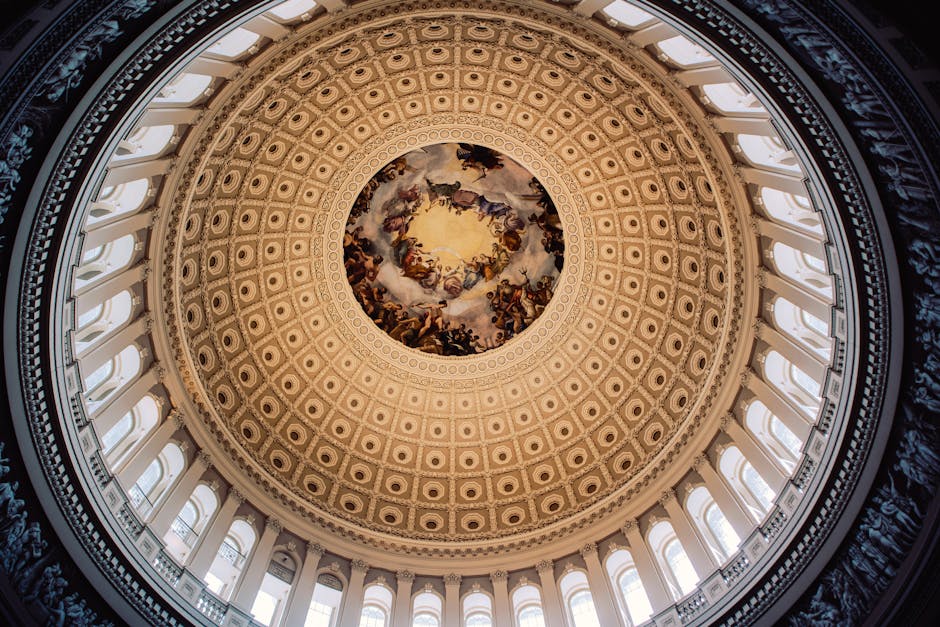 Moderate
Washington DC, United States
Explore Georgetown’s secret alleys, Kennedy family haunts, and cinematic landmarks on this self-guided walk through DC’s historic core.
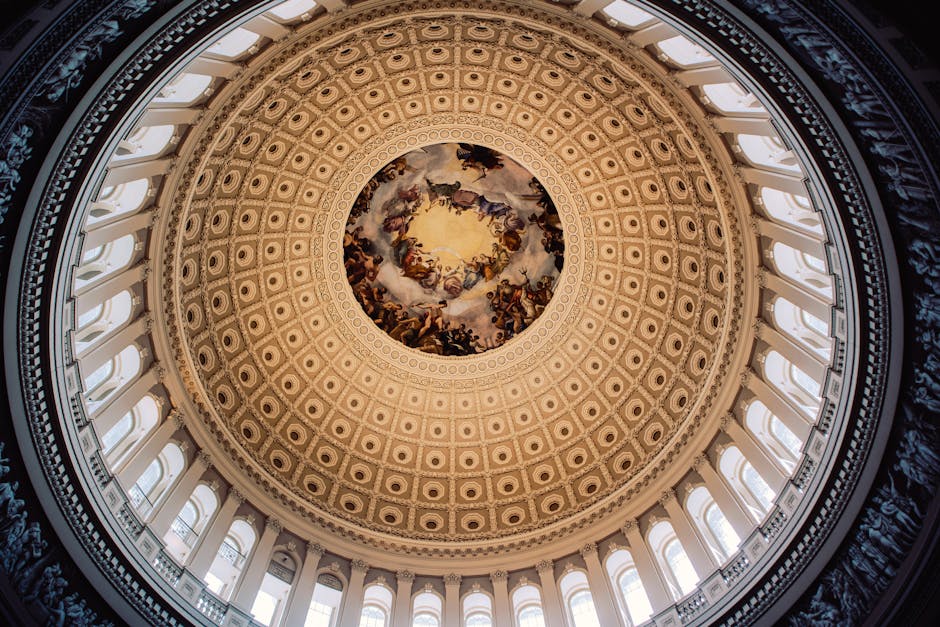 Moderate
Washington DC, United States
Explore the vibrant street art and global culture of Adams Morgan on this self-guided audio walk through DC's most colorful neighborhood.
 Easy
EasyKrakow, Poland
Explore the prestigious Jagiellonian University district, featuring Neo-Gothic architecture, Baroque churches, and Krakow's hidden scholarly gems.
 Easy
EasyGothenburg, Sweden
Discover Gothenburg’s 17th-century Dutch foundations, historic canals, and military fortifications on this self-guided architectural walk.
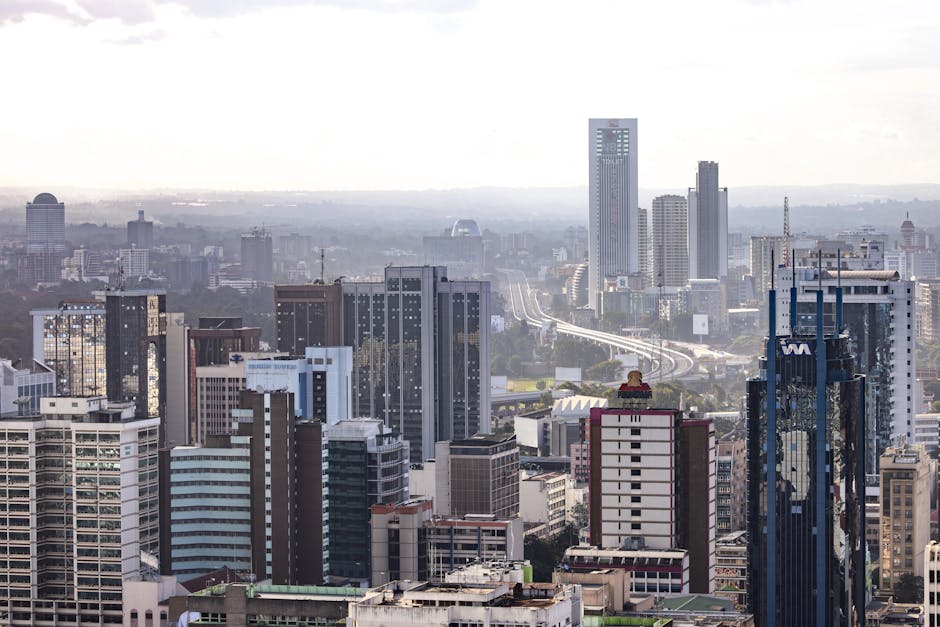 Easy
EasyNairobi, Kenya
Explore Nairobi's architectural evolution from colonial-era landmarks to iconic Brutalist skyscrapers on this historic self-guided walking route.
 Easy
EasyNairobi, Kenya
Discover Nairobi's iconic skyline on this self-guided architecture walk through the CBD’s most famous modernist and Brutalist landmarks.
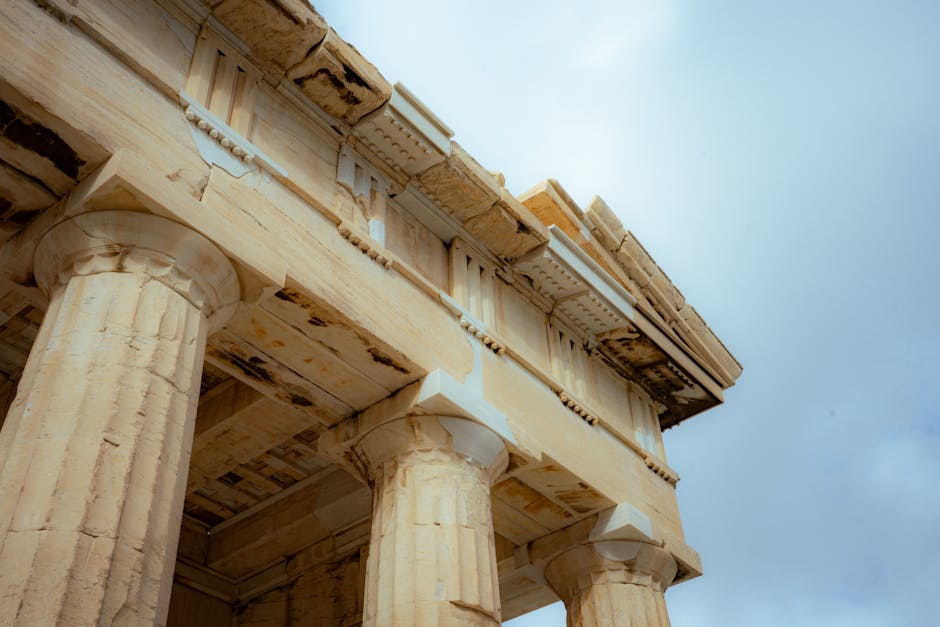 Easy
EasyNashville, United States
Explore the 'Athens of the South' on this self-guided walk through Centennial Park, featuring the world's only full-scale Parthenon replica.
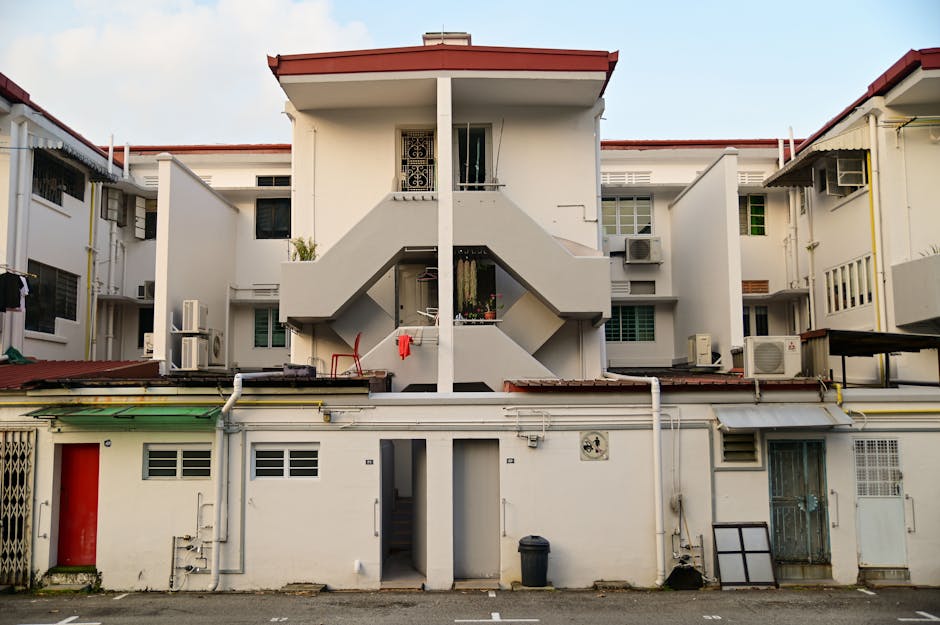 Easy
EasyNashville, United States
Explore Nashville's academic heart and Art Deco gems on this self-guided walk through historic Hillsboro Village.
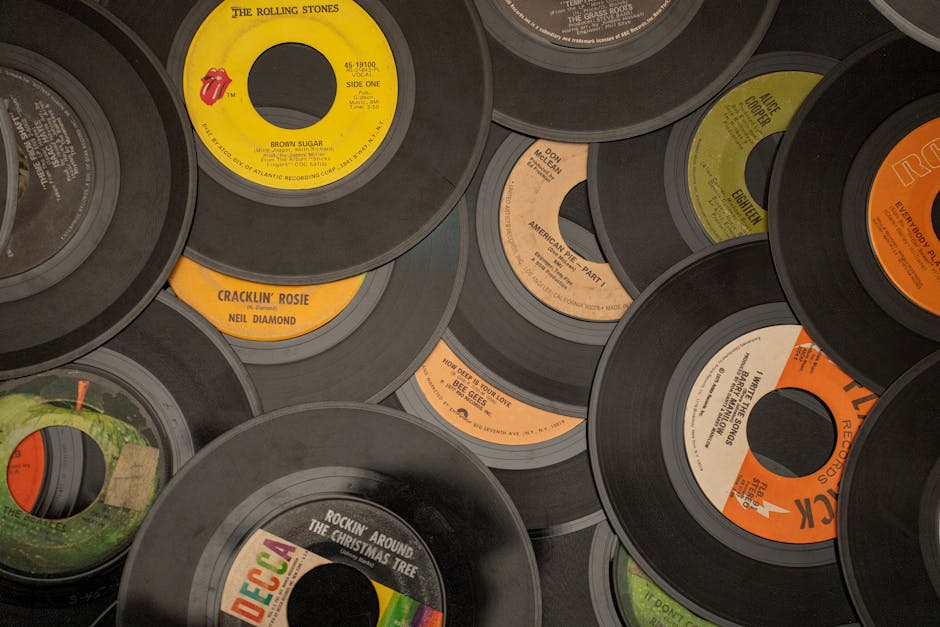 Easy
EasyNashville, United States
Explore the heart of Nashville's music industry. Discover iconic studios and the history of the legendary Nashville Sound at your own pace.
 Easy
EasyNashville, United States
Explore Nashville's oldest neighborhood! Discover Victorian architecture, Civil War history, and world-class craft beer on this self-guided walk.