Self-guided audio tour in Washington DC
Start Free on iPhone
Start free on iPhone to unlock this self-guided walking tour in Washington DC. Hear all the stories that make it amazing, walk at your own pace, and begin whenever you want.
Your Private Tour Guide
Georgetown is often associated with luxury boutiques and high-end dining, but beneath its polished exterior lies a layer of history that dates back before the founding of the capital itself. This self-guided walking route invites you to explore the neighborhood’s hidden gems and Kennedy connections, taking you through the quiet lanes where John and Jackie Kennedy once lived and the grand estates that shaped American history. As you wander, you’ll discover that Georgetown is a tapestry of architectural evolution, from the pre-revolutionary Old Stone House to the Gothic spires of Georgetown University. This Washington DC stroll begins at the oldest standing building in the city, offering a glimpse into the colonial past before the federal city was even imagined. From there, the route winds uphill toward Tudor Place, a neoclassical masterpiece with ties to the Washington family. For those seeking a moment of peace, the path leads into the lush, wilder sections of Dumbarton Oaks Park, a stark contrast to the manicured lawns usually associated with the area. The Kennedy family’s presence is felt throughout the neighborhood; Georgetown served as the backdrop for their early years. You will traverse the streets where JFK proposed and the homes they inhabited during his rise to the presidency. The walk also delves into the cinematic and the eerie, stopping at the infamous Exorcist Steps before concluding along the historic Chesapeake and Ohio Canal. This route offers a balance of iconic landmarks and off-the-beaten-path discoveries, perfect for travelers who prefer to explore independently. Whether you are a history buff, a film fan, or simply looking for a scenic walking tour Washington DC, this self-guided walk provides a deep dive into the soul of the city's oldest neighborhood. By following this route, you can avoid the crowds and find the hidden alleys that make Georgetown unique.

Numbers indicate the order of stops on the tour.
Welcome to the Old Stone House, a rare survivor from the colonial era. Built in 1765 by Christopher Layman, this is the oldest standing building in Washington DC on its original foundation. It predates the American Revolution and the establishment of the District of Columbia itself. While the neighborhood around it has transformed into a bustling commercial hub, this simple granite dwelling remains a testament to the modest beginnings of Georgetown. As you look at the structure, imagine a time when this was a frontier town serving as a major port for tobacco. The house was saved from demolition in the 1950s because of a persistent, though mistaken, legend that it had served as George Washington’s engineering headquarters.
Leaving the commercial bustle of M Street, you arrive at Tudor Place, an architectural gem of the Federal period. Completed in 1816, this estate was home to six generations of the Peter family, descendants of Martha Washington. The house was designed by William Thornton, the same architect who designed the first United States Capitol. Its neoclassical 'temple portico' is one of the most distinctive architectural features in the city. Beyond the house, the five-and-a-half-acre garden offers a peaceful retreat. Tudor Place holds one of the largest collections of objects belonging to George and Martha Washington outside of Mount Vernon, weaving together the story of a family and a nation.
As you move toward the northern edge of Georgetown, you enter the wilder, more natural side of the neighborhood. Dumbarton Oaks Park was originally part of the larger Dumbarton Oaks estate, designed by famed landscape architect Beatrix Farrand. While the formal gardens of the estate are world-renowned, this lower park was designed as a 'naturalistic' garden. Farrand carefully manipulated the stream and the valley to create a sense of being deep in the countryside, despite being in the heart of the city. It is a perfect spot to observe the seasonal changes and appreciate the intentional blending of human design with the rugged beauty of the Potomac River valley.
Dominating the western skyline of the neighborhood is Georgetown University, the oldest Catholic and Jesuit institution of higher education in the United States, founded in 1789. The centerpiece of the campus is Healy Hall, a massive Romanesque Revival building that looks more like a European castle than a typical American college hall. Its clock tower is a neighborhood landmark. As you walk through the campus, you are following in the footsteps of presidents, world leaders, and scholars. The university has played a pivotal role in the intellectual and social life of DC, and its architecture reflects a blend of religious tradition and academic ambition.
Located at the corner of Prospect Street and 36th Street, these 75 steep stone steps have become a pilgrimage site for film buffs. They earned international fame in the 1973 horror classic 'The Exorcist' as the site of the dramatic and gruesome climax involving Father Karras. The steps were built in 1895 during the construction of the adjacent Capital Traction Company car barn. Because they are so narrow and steep, they create an eerie atmosphere that was perfect for cinema. Today, you will often see local residents using them for intense cardio workouts, but for many, they remain a chilling reminder of one of the most famous scenes in movie history.
Your journey concludes along the Chesapeake and Ohio Canal, often called the C&O. Started in 1828, this 'grand ditch' was designed to connect the Potomac River with the Ohio River, facilitating trade with the American West. Although it was eventually outpaced by the railroad, the canal operated for nearly 100 years. Today, it is a National Historical Park. The towpath where mules once pulled heavy barges is now a favorite route for walkers and cyclists. As you walk along the water, look for the historic locks and stone walls that showcase the incredible engineering of the 19th century. It is a quiet, reflective place to end your exploration of Georgetown’s layers of history.
Start Free on iPhone
Explore “Georgetown’s Hidden Alleys & Kennedy Connections” with your very own Private Tour Guide with Zigway. Start free on iPhone, skip the large group and the fixed routes, and hear the city come alive as you go.
Your Private Tour Guide
Don't miss the good stuff
Explore Freely
 Easy
EasyWashington DC, United States
Trace the footsteps of Abraham Lincoln and his conspirators on this self-guided history walk through the heart of Washington D.C.
 Easy
EasyWashington DC, United States
Uncover the secrets of DC’s most infamous political scandals on this self-guided walk from the historic Octagon to the iconic Watergate Hotel.
 Easy
EasyWashington DC, United States
Uncover the scandals and secrets of Lafayette Square on this self-guided audio walk through the historic heart of Washington DC.
 Moderate
Washington DC, United States
Explore the vibrant street art and global culture of Adams Morgan on this self-guided audio walk through DC's most colorful neighborhood.
 Moderate
Vienna, Austria
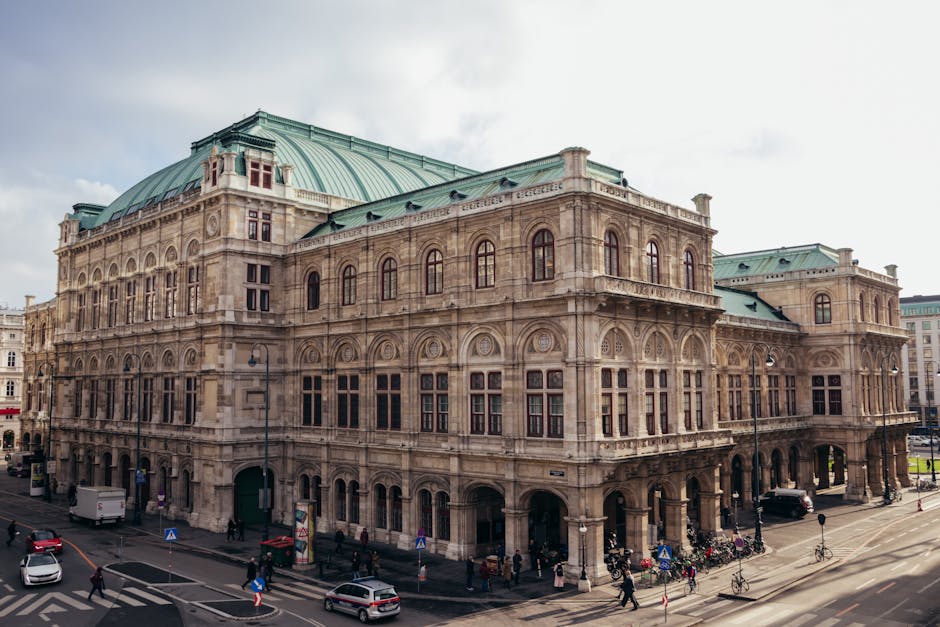
Discover the noir world of The Third Man and Cold War Vienna on this atmospheric self-guided audio walk through the historic Innere Stadt.
 Moderate
Gothenburg, Sweden
Discover Gothenburg’s maritime soul on this self-guided walk from the historic Central Station to the scenic riverfront at Stenpiren.
 Moderate
Vienna, Austria
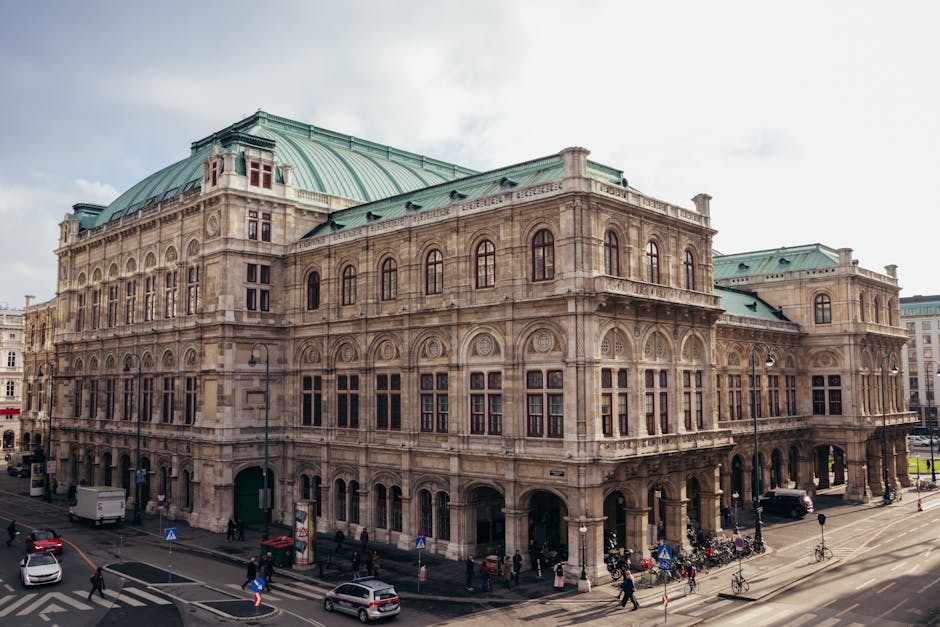
Follow the footsteps of Mozart and Strauss through Vienna’s historic center on this self-guided walk through the city's rich musical history.
 Easy
EasyGdansk, Poland
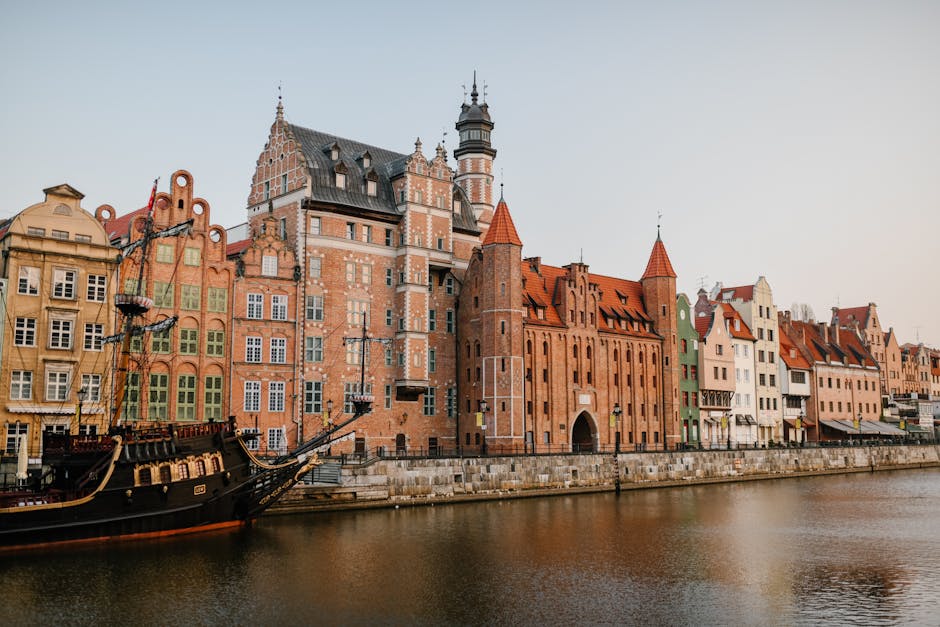
Discover the 'Baltic Gold' on this self-guided walk through Gdansk's historic mills, massive cathedrals, and the magical Mariacka Street.
 Easy
EasyNashville, United States
Explore the 'Athens of the South' on this self-guided walk through Centennial Park, featuring the world's only full-scale Parthenon replica.
 Easy
EasyNashville, United States
Explore Nashville's academic heart and Art Deco gems on this self-guided walk through historic Hillsboro Village.
 Easy
EasyNashville, United States
Explore the heart of Nashville's music industry. Discover iconic studios and the history of the legendary Nashville Sound at your own pace.
 Easy
EasyNashville, United States
Explore Nashville's oldest neighborhood! Discover Victorian architecture, Civil War history, and world-class craft beer on this self-guided walk.