Self-guided audio tour in Washington DC
Start Free on iPhone
Start free on iPhone to unlock this self-guided walking tour in Washington DC. Hear all the stories that make it amazing, walk at your own pace, and begin whenever you want.
Your Private Tour Guide
Step back into the high-stakes atmosphere of the American Civil War on this self-guided walk through Washington D.C.'s historic Penn Quarter. On April 14, 1865, the trajectory of American history changed forever. This neighborhood stroll follows the footsteps of Abraham Lincoln and the conspirators who sought to dismantle the Union government. You will start your independent exploration at the Willard Hotel, a site synonymous with political power where Lincoln spent his final days before his first inauguration. As you navigate the streets of the capital, you will experience the juxtaposition of modern D.C. with the preserved brick facades of the 19th century. This walking route is more than just a list of landmarks; it is a journey through the final hours of a presidency. You will visit Ford’s Theatre and the modest boarding house across the street where the 16th President drew his last breath. Along the way, the audio walk highlights the often-overlooked stories of the era, including Clara Barton’s tireless work for missing soldiers and the controversial boarding house of Mary Surratt. For those interested in a walking tour Washington DC provides plenty of options, but this self-guided route allows you to linger at the sites that move you most without the pressure of a group. Whether you are a history buff or a first-time visitor, this walking route offers a profound connection to the past. You will see where the plot was hatched and where a nation mourned. Discover the secrets of Penn Quarter at your own pace, from the grand architecture of the Old Post Office to the hidden history tucked away in Chinatown’s bustling streets. This is a must-do experience for anyone looking to understand the true heart of Washington D.C. through its most pivotal historical moments.
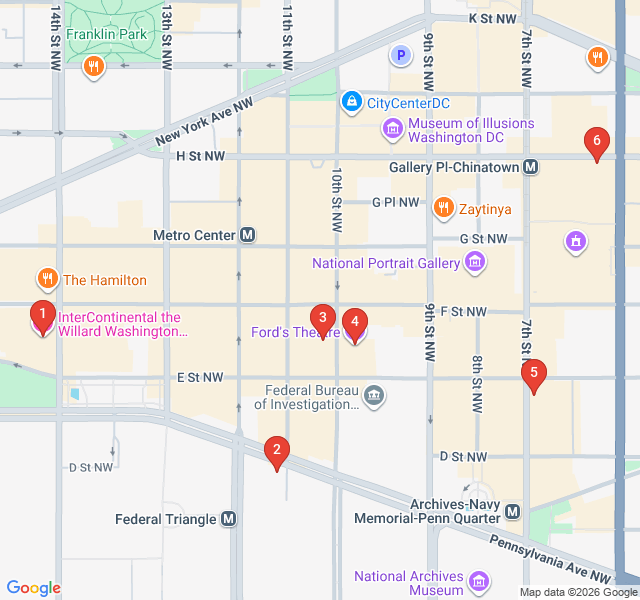
Numbers indicate the order of stops on the tour.
Begin your self-guided adventure at the Willard Hotel, often called the 'Residence of Presidents.' In February 1861, Abraham Lincoln stayed here under tight security due to assassination threats before his first inauguration. It was in these opulent hallways that the term 'lobbying' was popularized, as President Ulysses S. Grant would escape the White House for a cigar in the lobby, only to be cornered by advocates seeking favors. As you stand outside this Beaux-Arts masterpiece, imagine the tension of a city on the brink of war, and a president-elect preparing to lead a divided nation.
A short walk brings you to the Old Post Office Pavilion, a Romanesque Revival landmark completed in 1899. While it post-dates Lincoln, it stands on the site of older structures that witnessed the city’s expansion following the Civil War. Its clock tower is the second tallest structure in D.C., offering a perspective on how the city grew from a muddy 'city of magnificent intentions' into a global capital. Take a moment to admire the granite facade and the massive arches that represent the federal government's enduring presence in this historic corridor.
Across the street from Ford's Theatre stands the Petersen House, a modest brick home that became the center of the world on the night of April 14, 1865. After the shooting, the mortally wounded Lincoln was carried here because the doctors feared he would not survive a carriage ride to the White House. He was laid diagonally across a small bed in a back room, as he was too tall to fit straight. Explore the solemn atmosphere of the house where the President spent his final nine hours, surrounded by his cabinet and a grieving family.
Ford's Theatre is perhaps the most famous site in American presidential history. On that fateful Good Friday, Lincoln sought a night of relaxation watching the comedy 'Our American Cousin.' Instead, John Wilkes Booth, a famous actor familiar with the theater's layout, slipped into the presidential box. Today, the theater is a working playhouse and a national historic site. Look up at the recreated presidential box, draped in flags, and reflect on how this single building serves as both a monument to a tragedy and a celebration of the performing arts Lincoln loved.
Tucked away on 7th Street is a site that was nearly lost to history. Clara Barton, the 'Angel of the Battlefield,' lived and worked here during and after the Civil War. From this office, she and her team answered over 60,000 letters from families searching for lost loved ones, eventually identifying over 22,000 missing soldiers. The office was rediscovered in 1996 when a builder found a cache of Barton’s belongings in the attic. It stands as a testament to the humanitarian spirit that sought to heal the nation's wounds long after the fighting stopped.
Your walking route concludes at a site that looks very different today. Now a restaurant in the heart of Chinatown, this was once the boarding house of Mary Surratt. It was here that John Wilkes Booth and his co-conspirators met to plan the kidnapping, and later the assassination, of President Lincoln. Mary Surratt’s involvement remains a subject of historical debate; she became the first woman executed by the U.S. federal government for her alleged role in the plot. It is a haunting reminder that history often hides behind the most ordinary-looking doors.
Start Free on iPhone
Explore “Lincoln’s Final Hours: A Downtown History Walk” with your very own Private Tour Guide with Zigway. Start free on iPhone, skip the large group and the fixed routes, and hear the city come alive as you go.
Your Private Tour Guide
Don't miss the good stuff
Explore Freely
 Easy
EasyWashington DC, United States
Uncover the secrets of DC’s most infamous political scandals on this self-guided walk from the historic Octagon to the iconic Watergate Hotel.
 Moderate
Washington DC, United States
Explore Georgetown’s secret alleys, Kennedy family haunts, and cinematic landmarks on this self-guided walk through DC’s historic core.
 Easy
EasyWashington DC, United States
Uncover the scandals and secrets of Lafayette Square on this self-guided audio walk through the historic heart of Washington DC.
 Moderate
Washington DC, United States
Explore the vibrant street art and global culture of Adams Morgan on this self-guided audio walk through DC's most colorful neighborhood.
 Easy
EasyNairobi, Kenya
Discover Nairobi’s literary soul on this self-guided walk through historic libraries, iconic bookshops, and cultural centers in the heart of the CBD.
 Easy
EasyKrakow, Poland
Explore the historic heart of Kazimierz on this self-guided walk through synagogues, ancient cemeteries, and vibrant squares.
 Easy
EasyWarsaw, Poland
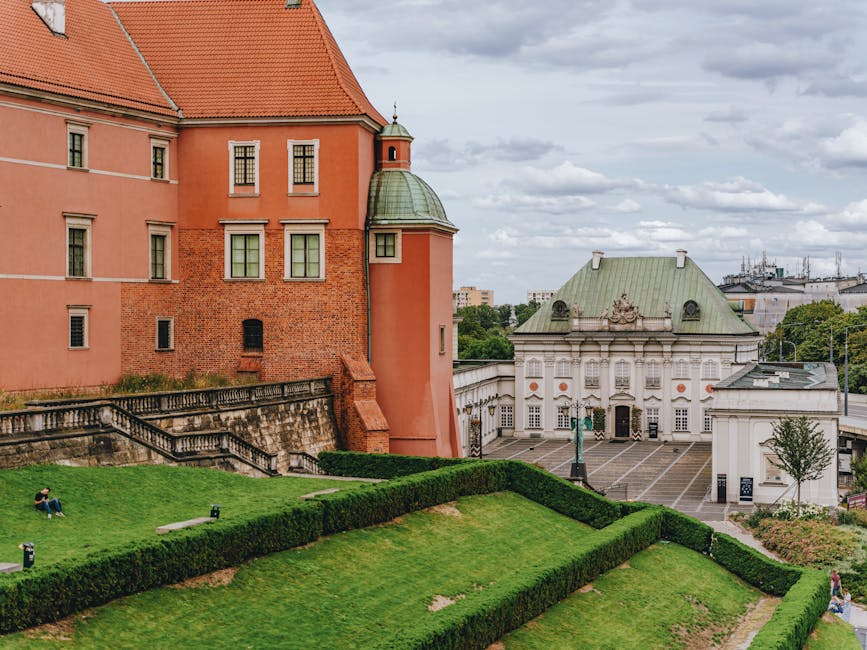
Follow the life of Fryderyk Chopin through Warsaw’s historic center. See where he lived, studied, and where his heart remains today.
 Easy
EasyGothenburg, Sweden
Discover Gothenburg’s 17th-century Dutch foundations, historic canals, and military fortifications on this self-guided architectural walk.
 Easy
EasyNashville, United States
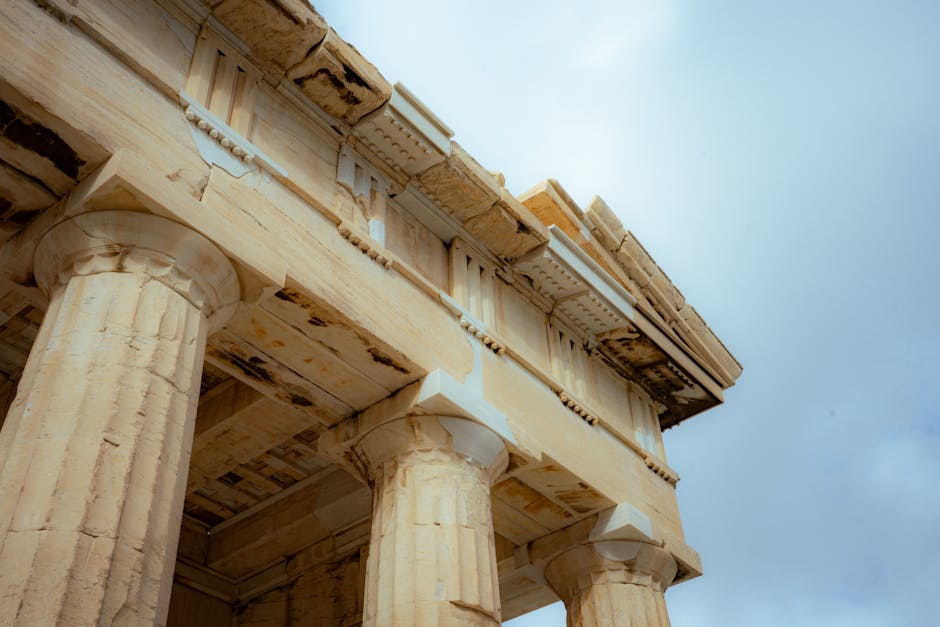
Explore the 'Athens of the South' on this self-guided walk through Centennial Park, featuring the world's only full-scale Parthenon replica.
 Easy
EasyNashville, United States
Explore Nashville's academic heart and Art Deco gems on this self-guided walk through historic Hillsboro Village.
 Easy
EasyNashville, United States
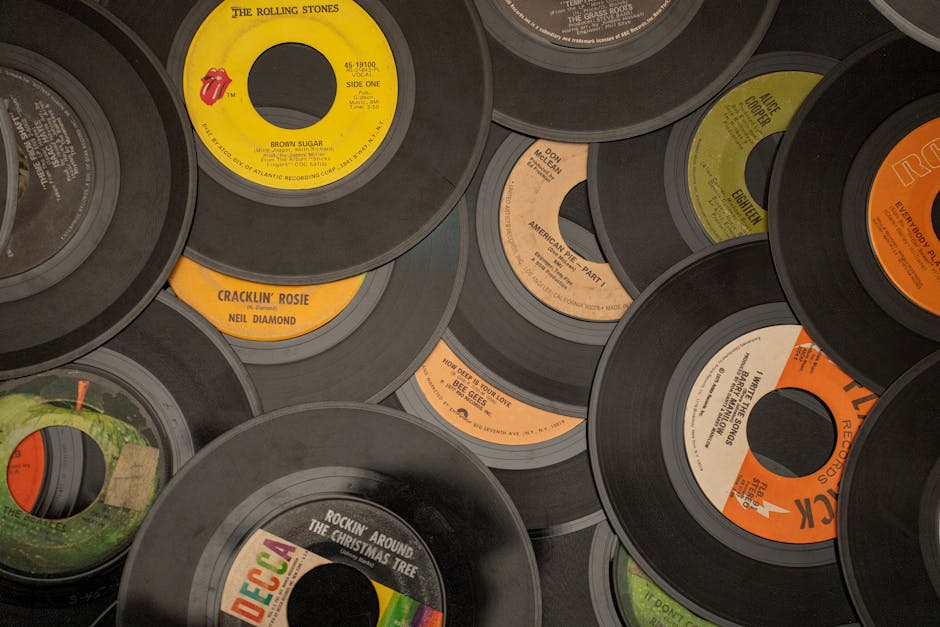
Explore the heart of Nashville's music industry. Discover iconic studios and the history of the legendary Nashville Sound at your own pace.
 Easy
EasyNashville, United States
Explore Nashville's oldest neighborhood! Discover Victorian architecture, Civil War history, and world-class craft beer on this self-guided walk.