Self-guided audio tour in Charleston
Start Free on iPhone
Start free on iPhone to unlock this self-guided walking tour in Charleston. Hear all the stories that make it amazing, walk at your own pace, and begin whenever you want.
Your Private Tour Guide
Step into the heart of the Holy City with a neighborhood stroll through the historic French Quarter of Charleston. This self-guided walk invites you to explore a landscape where centuries-old steeples pierce the skyline and cobblestone alleys lead to hidden art studios. The French Quarter is perhaps Charleston's most atmospheric district, named for the high concentration of French Huguenots who settled here in the late 17th century. Today, it remains a vibrant center of culture, blending a somber past with a resilient, creative present. On this walking route, you will encounter some of the most photographed locations in the American South. From the theatrical legacy of the Dock Street Theatre to the imposing Gothic Revival architecture of the French Huguenot Church, every corner reveals a new layer of the city's identity. You will walk the same paths as early merchants, revolutionary thinkers, and the artists of the Charleston Renaissance. This area is not just a collection of monuments; it is a living gallery where history is preserved in Bermuda stone and wrought iron. One of the unique aspects of this self-guided adventure is the ability to linger where the spirit moves you. You might find yourself mesmerized by the pink hues of one of the city's oldest residences or reflecting on the complex history of the Old Slave Mart. This walking tour Charleston experience focuses on the intersection of faith, commerce, and the arts. Whether you are a first-time visitor or a repeat traveler, the French Quarter offers a sense of intimacy that is best captured on foot. This route is designed to be easy and accessible, allowing you to soak in the salt-air breeze and the chime of church bells at your own pace. By the time you reach the iconic spire of St. Philip’s, you will have gained a deep appreciation for why this neighborhood remains the soul of Charleston. This is more than just a walk; it is an independent exploration of one of the most well-preserved historic districts in the United States.
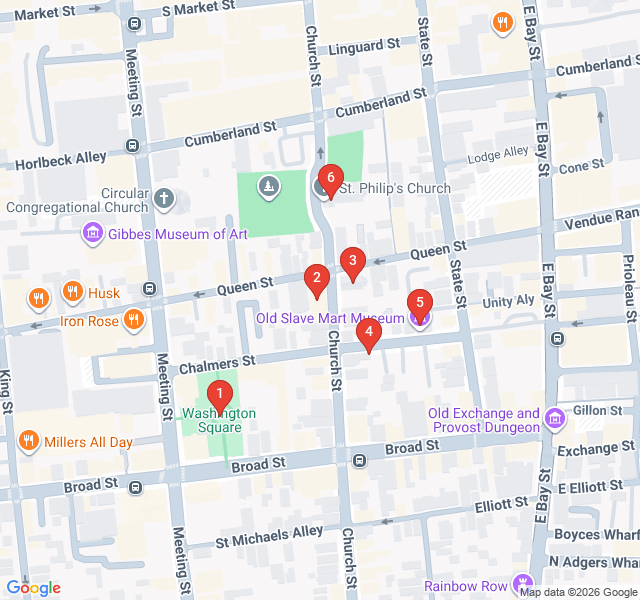
Numbers indicate the order of stops on the tour.
Begin your self-guided walk at Washington Square, a peaceful park nestled behind City Hall. Established in 1818, this square serves as a quiet sanctuary amid the city's legal and civic hub. As you wander the shaded paths, look for the miniature version of the Washington Monument, an obelisk dedicated to the Washington Light Infantry. The park is surrounded by a beautiful wrought-iron fence and offers a perfect vantage point to see the 'Four Corners of Law'—the intersection of Meeting and Broad Streets where institutions of federal, state, local, and religious law all stand. It’s a fitting place to start, representing the order and history that defined early Charleston.
Standing at the corner of Church and Queen Streets, the Dock Street Theatre is a cornerstone of American cultural history. While the current building incorporates the shell of the 19th-century Planter's Hotel, it stands on the site of the first building in America designed specifically for theatrical performances, which opened in 1736. Notice the exquisite wrought-iron balcony and the sandstone columns. During the Charleston Renaissance in the 1930s, the building was restored as a Works Progress Administration project. Today, it remains a working theater, symbolizing the city's long-standing devotion to the performing arts. Its presence here anchored the French Quarter as a destination for creativity long before the modern art galleries arrived.
Just across the street sits the striking French Huguenot Church, painted in a distinctively soft pink hue. This is the only independent Huguenot Church remaining in America. The current structure, completed in 1845, is a masterpiece of Gothic Revival architecture designed by Edward Brickell White. The Huguenots were French Protestants who fled religious persecution in Europe, bringing with them skills in craftsmanship and commerce that helped Charleston thrive. Inside, the church still holds an annual service in French. The pointed arches and delicate pinnacles make this one of the most recognizable steeples in the French Quarter, representing the neighborhood's eponymous heritage and religious diversity.
As you continue down Chalmers Street, you will encounter one of the city's most charming curiosities: The Pink House. Built around 1712, this gambrel-roofed structure is one of the oldest residential buildings in Charleston. It was constructed using pinkish Bermuda stone, a coral limestone that gives the house its namesake color. Over the centuries, it has served as a tavern, a law office, and most recently, an art gallery. Its small scale and slightly tilted appearance offer a glimpse into the colonial-era architecture that predates the grand mansions found elsewhere. It stands as a testament to the longevity of the French Quarter's creative spirit and its ability to repurpose history for art.
The Old Slave Mart Museum on Chalmers Street represents a sobering and essential chapter of Charleston’s history. Originally known as Ryan's Mart, this was a site where enslaved people were sold at auction after public sales were banned in 1856. Today, it serves as a museum and educational center, documenting the domestic slave trade and the experiences of the enslaved people who were central to the city's economy and culture. The building is one of the few remaining structures in the United States that was used specifically for this purpose. A moment of reflection here provides a necessary context to the architectural beauty seen elsewhere on this route, acknowledging the complex labor and human cost behind the city's historical wealth.
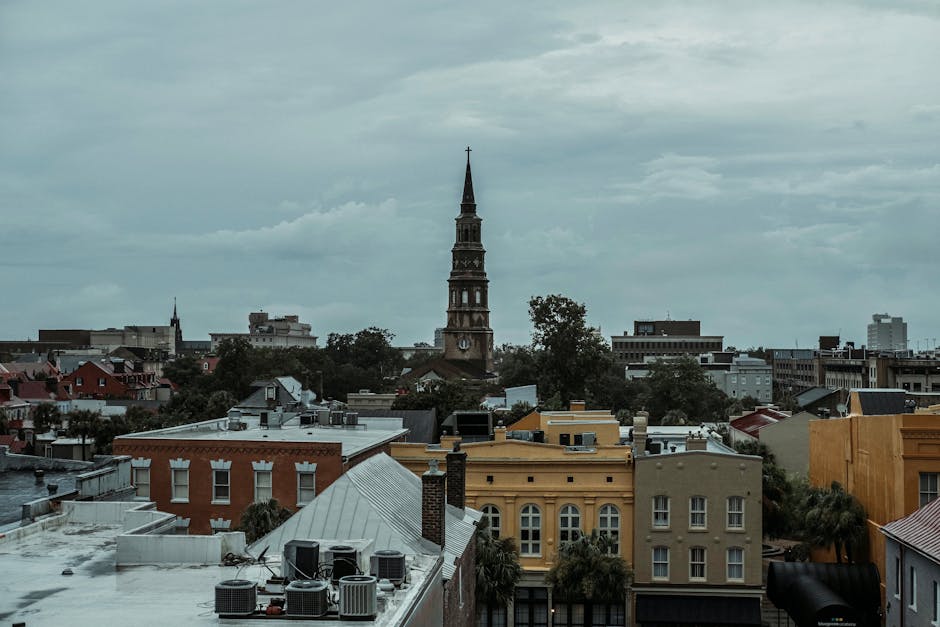
Conclude your neighborhood stroll at St. Philip's Church, home to the oldest Anglican congregation south of Virginia. The current building, finished in 1838, features a majestic steeple that once served as a lighthouse for mariners entering Charleston Harbor. Its graveyard is the final resting place of several notable figures, including Edward Rutledge, a signer of the Declaration of Independence. The church’s imposing presence and high-style architecture make it a fitting finale to your walk. As you look up at the spire, you are seeing a landmark that has survived fires, earthquakes, and wars, standing as a resilient symbol of Charleston’s enduring spirit and its title as the Holy City.
Start Free on iPhone
Explore “Steeples and Studios: The French Quarter Route” with your very own Private Tour Guide with Zigway. Start free on iPhone, skip the large group and the fixed routes, and hear the city come alive as you go.
Your Private Tour Guide
Don't miss the good stuff
Explore Freely
 Easy
EasyCharleston, United States
Explore the elegant streets of Harleston Village on this self-guided stroll through Charleston's most historic residential enclave.
 Easy
EasyCharleston, United States
Explore the neon lights and culinary gems of Upper King. Discover Charleston's modern nightlife and cultural evolution on this self-guided stroll.
 Easy
EasyCharleston, United States
Discover Charleston’s rich literary history on this self-guided walk past historic libraries, authors' homes, and iconic bookstores.
 Moderate
Charleston, United States
Discover the profound Gullah-Geechee influence and African American history of Charleston on this moving and educational self-guided walking route.
 Easy
EasyNairobi, Kenya
Discover Nairobi's iconic skyline on this self-guided architecture walk through the CBD’s most famous modernist and Brutalist landmarks.
 Easy
EasyKrakow, Poland
Explore the historic heart of Kazimierz on this self-guided walk through synagogues, ancient cemeteries, and vibrant squares.
 Easy
EasyGdansk, Poland
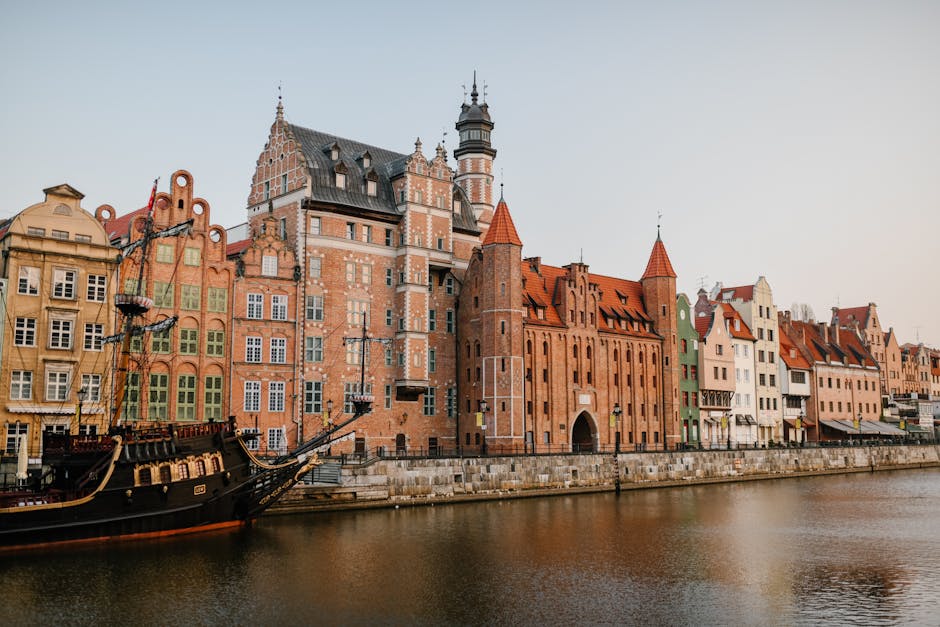
Discover the 'Baltic Gold' on this self-guided walk through Gdansk's historic mills, massive cathedrals, and the magical Mariacka Street.
 Easy
EasyWarsaw, Poland
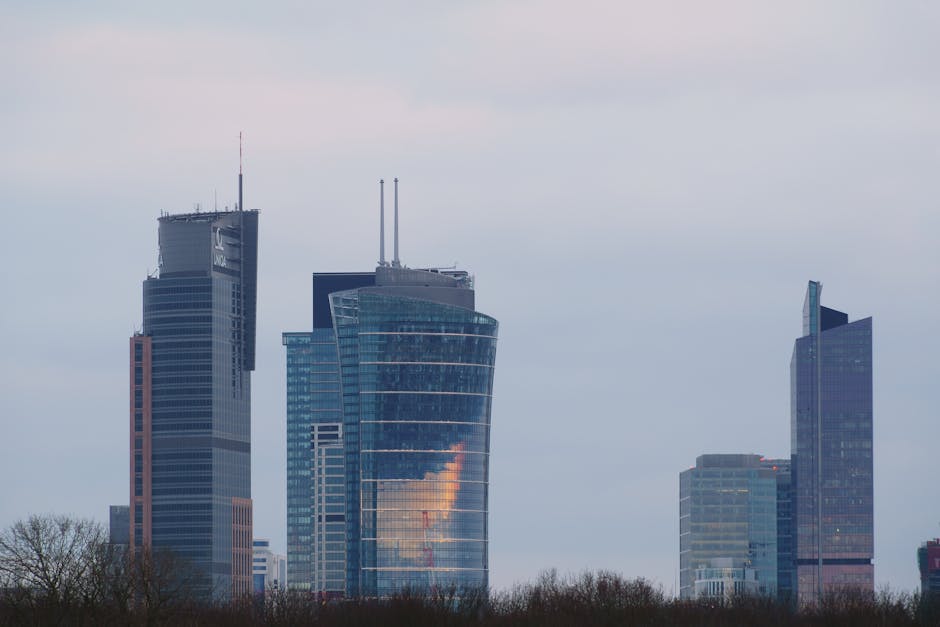
Discover the hidden courtyards and grand pre-war architecture of Warsaw's most atmospheric neighborhood on this self-guided stroll.
 Easy
EasyNashville, United States
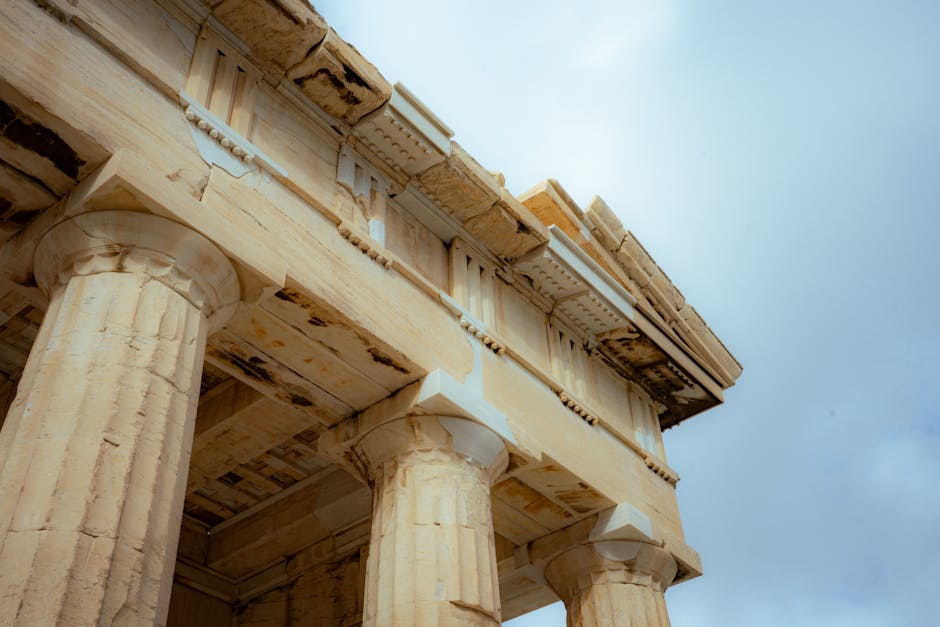
Explore the 'Athens of the South' on this self-guided walk through Centennial Park, featuring the world's only full-scale Parthenon replica.
 Easy
EasyNashville, United States
Explore Nashville's academic heart and Art Deco gems on this self-guided walk through historic Hillsboro Village.
 Easy
EasyNashville, United States
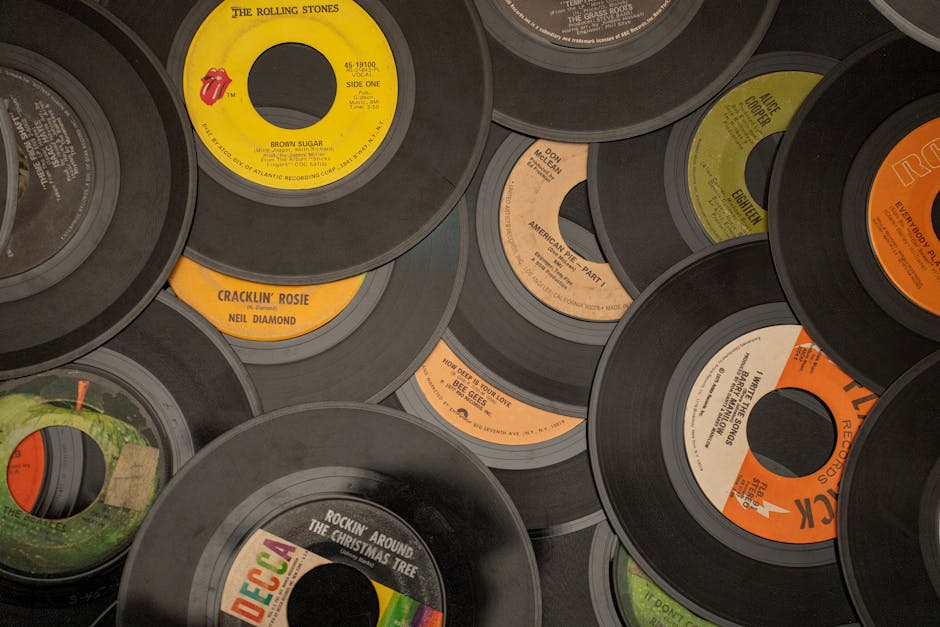
Explore the heart of Nashville's music industry. Discover iconic studios and the history of the legendary Nashville Sound at your own pace.
 Easy
EasyNashville, United States
Explore Nashville's oldest neighborhood! Discover Victorian architecture, Civil War history, and world-class craft beer on this self-guided walk.