Self-guided audio tour in Charleston
Start Free on iPhone
Start free on iPhone to unlock this self-guided walking tour in Charleston. Hear all the stories that make it amazing, walk at your own pace, and begin whenever you want.
Your Private Tour Guide
Step into the deep, resilient history of the Lowcountry on this self-guided walk through the heart of Charleston. While the city is famous for its pastel houses and cobblestone streets, the true soul of Charleston lies in its African roots and the Gullah-Geechee culture that has shaped everything from the local cuisine to the iconic ironwork. This neighborhood stroll invites you to explore the profound narrative of enslaved people who built this city and the descendants who have preserved their vibrant heritage through centuries of struggle and triumph. You will visit sites of immense historical weight and places of incredible artistic beauty, gaining a deeper understanding of the African American experience in the American South. Your walking route begins at the Old Slave Mart Museum, a somber reminder of the city's role in the domestic slave trade. From there, you will move toward the spiritual heart of the community at Mother Emanuel AME Church, the oldest African Methodist Episcopal church in the South. The route also takes you to the Aiken-Rhett House, where the exceptionally well-preserved enslaved quarters offer a rare, unvarnished look at the living conditions of those who served the city's wealthy elite. Along the way, you will discover the delicate artistry of Philip Simmons, a master blacksmith whose Gullah-inspired ironwork adorns gardens across the city. This self-guided adventure concludes at the International African American Museum, located at Gadsden’s Wharf, the very site where nearly half of all enslaved Africans brought to North America first touched soil. By exploring at your own pace, you can take the time to reflect on the stories of resistance, faith, and creativity that define the Gullah heritage. This is more than just a travel experience; it is a journey through the fundamental history of Charleston that often goes untold.
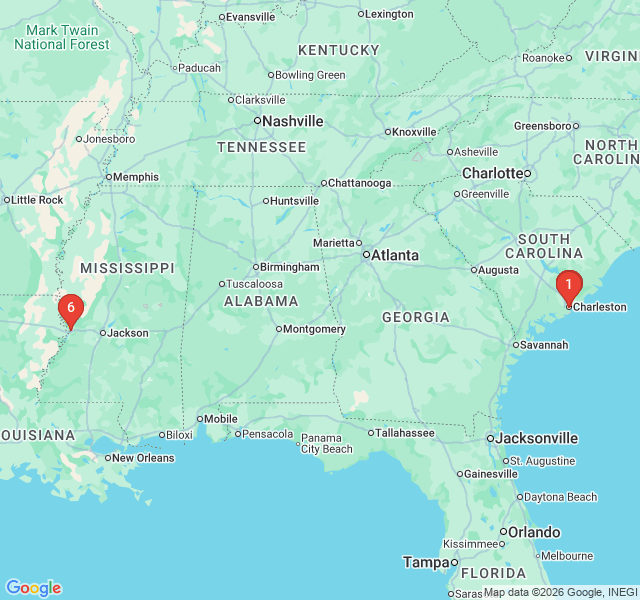
Numbers indicate the order of stops on the tour.
Begin your self-guided walk at the Old Slave Mart Museum on Chalmers Street. This building is one of the last standing structures in Charleston used for the sale of enslaved people. Originally part of 'Ryan’s Mart,' it was established after the city banned public slave auctions, moving the practice indoors. Today, the museum serves as a powerful educational site, detailing the domestic slave trade and the experiences of those who were sold here. As you stand before this historic structure, consider the resilience of the people who passed through these doors and how their labor and culture became the foundation of Charleston's identity.
This is Emanuel African Methodist Episcopal Church, affectionately known as 'Mother Emanuel.' Founded in 1816, it is the oldest AME church in the Southern United States. The church has a long history of civil rights activism; it was burned to the ground in 1822 following the discovery of Denmark Vesey’s planned slave revolt, yet the congregation continued to meet in secret for decades. The current Gothic Revival structure stands as a testament to the community's unwavering faith and strength, especially in the wake of the 2015 tragedy. It remains a cornerstone of African American life and spiritual resistance in Charleston.
As you approach the Aiken-Rhett House, look beyond the grand facade of the main mansion. This site is unique because it has been 'preserved' rather than 'restored,' meaning the original materials and spaces remain largely untouched. Of particular importance are the back-lot quarters where enslaved people lived and worked. Walking through these spaces offers a stark, honest perspective on the daily lives, labor, and confinement of African Americans in an urban plantation setting. It provides a vital counter-narrative to the opulence of the main house, highlighting the human cost that supported Charleston’s 19th-century wealth.
Enter this peaceful garden to see the work of Philip Simmons, one of Charleston’s most celebrated artisans. Simmons was a master blacksmith who transformed the Gullah tradition of ironwork into fine art. Over his 70-year career, he created more than 500 decorative gates, fences, and balconies across the city. His work often features motifs from nature, like the egrets and snakes seen in this garden. This stop celebrates the creativity and technical mastery that Gullah craftsmen brought to the American South, turning functional objects into enduring symbols of Charleston’s aesthetic and cultural landscape.
You are now at Gadsden’s Wharf, the site of the International African American Museum. This ground is sacred; it is estimated that nearly 40% of all enslaved Africans brought to the United States arrived at this very spot. The museum is designed to honor this history while celebrating the global impact of the African Diaspora. Take a moment to walk through the African Ancestors Memorial Garden beneath the building, which uses art and landscape design to represent the 'Middle Passage.' It is a place for reflection, connecting the local Charleston story to the broader history of the Atlantic world.
Our route concludes with a nod to Charleston's artistic legacy. The term 'Catfish Row' was immortalized in DuBose Heyward’s novel 'Porgy' and George Gershwin’s opera 'Porgy and Bess,' which was inspired by the real 'Cabbage Row' on Church Street. This area was a hub for the Gullah community in the early 20th century. The art and stories associated with this area reflect the vibrant, everyday life of Charleston's African American residents. As you finish your neighborhood stroll, reflect on how the Gullah heritage continues to inspire music, literature, and visual art, remaining a living, breathing part of the city's modern identity.
Start Free on iPhone
Explore “Unveiling Gullah Heritage: Charleston’s African Roots” with your very own Private Tour Guide with Zigway. Start free on iPhone, skip the large group and the fixed routes, and hear the city come alive as you go.
Your Private Tour Guide
Don't miss the good stuff
Explore Freely
 Easy
EasyCharleston, United States
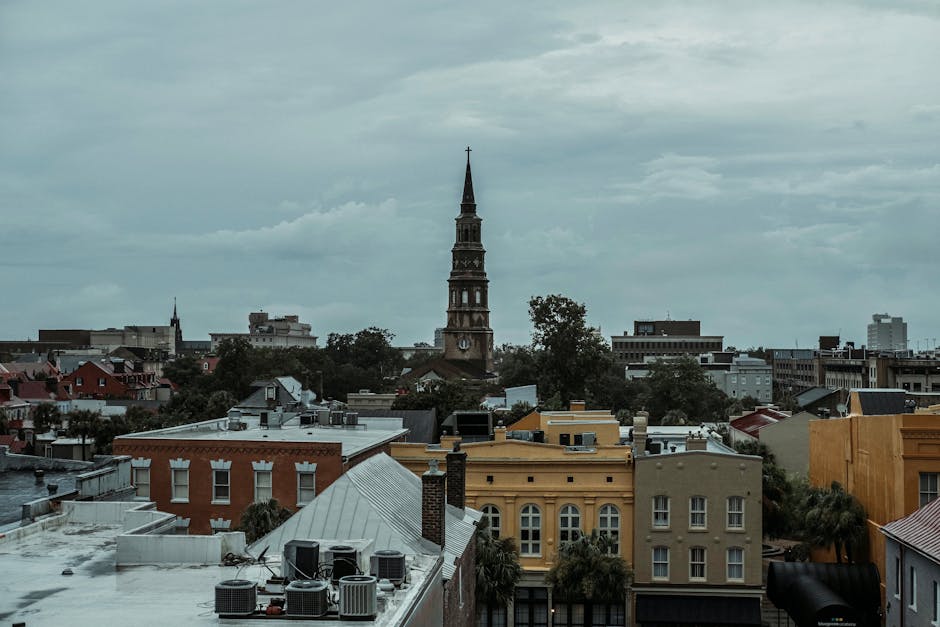
Explore the elegant streets of Harleston Village on this self-guided stroll through Charleston's most historic residential enclave.
 Easy
EasyCharleston, United States
Explore the neon lights and culinary gems of Upper King. Discover Charleston's modern nightlife and cultural evolution on this self-guided stroll.
 Easy
EasyCharleston, United States
Discover Charleston’s rich literary history on this self-guided walk past historic libraries, authors' homes, and iconic bookstores.
 Challenging
Charleston, United States
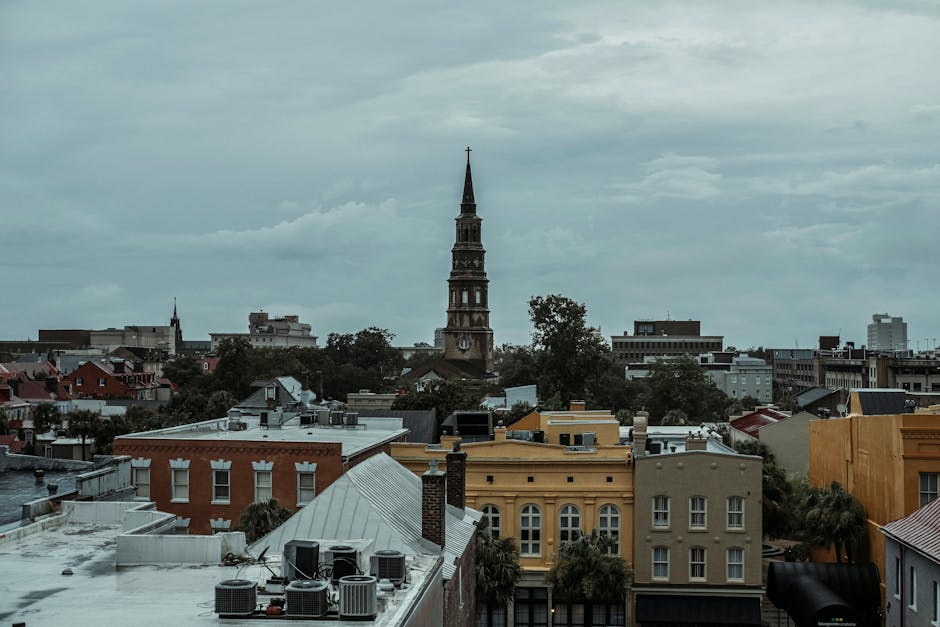
Explore Charleston’s evolution through its grand estates, from Neoclassical gems to Gilded Age mansions on this self-guided architectural walk.
 Moderate
Warsaw, Poland
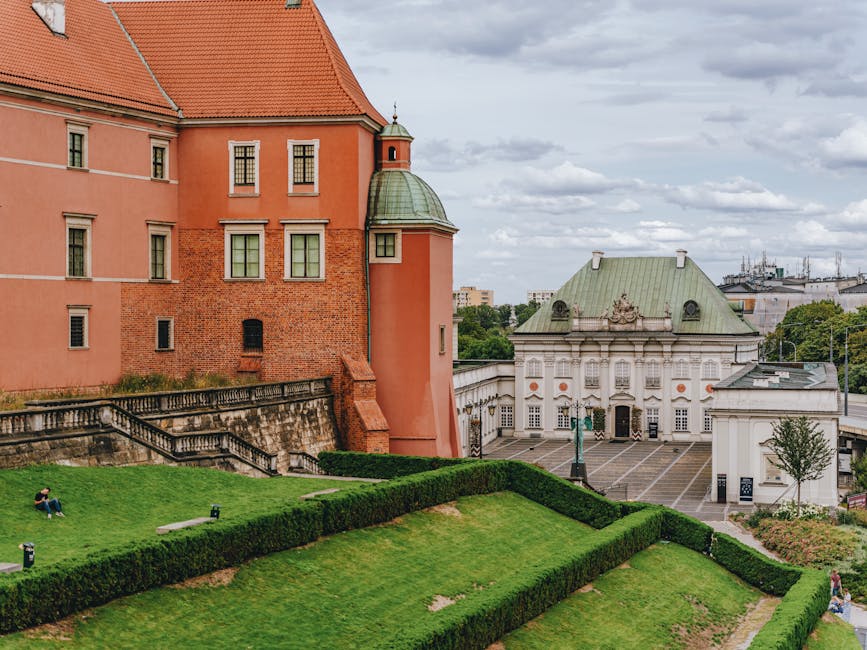
Explore the resilient spirit of Warsaw's Muranów district on this self-guided walk through the history and landmarks of the former Jewish Ghetto.
 Moderate
Gdansk, Poland
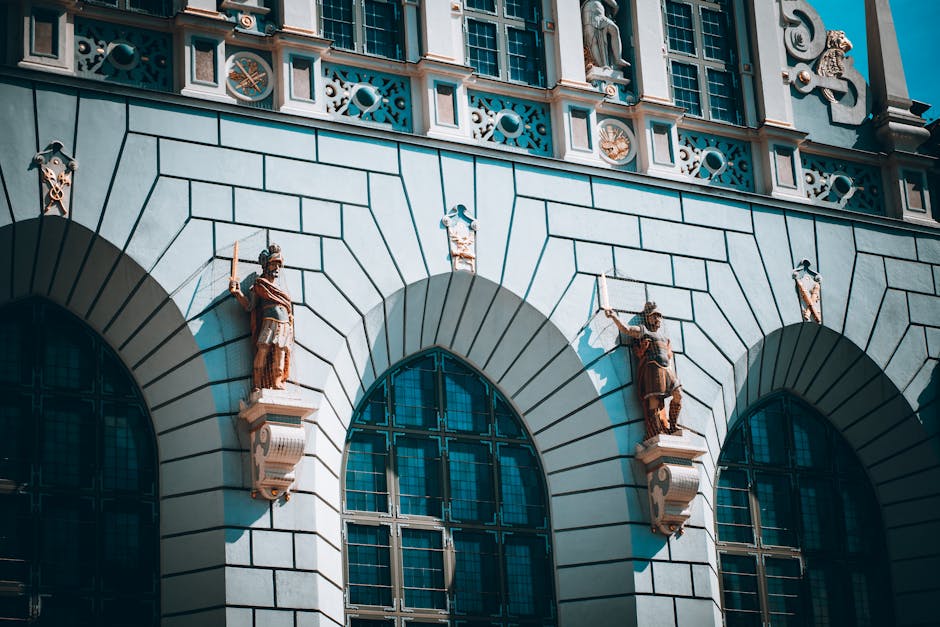
Discover the origins of WWII in Gdansk on this self-guided walk through heroic last stands, massive museums, and strategic hilltop fortifications.
 Moderate
Warsaw, Poland
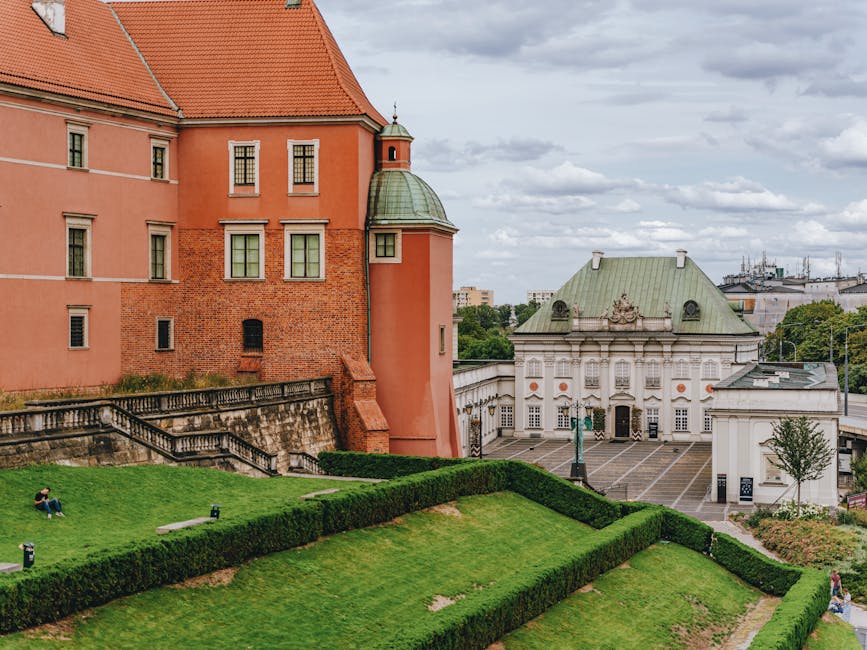
A powerful self-guided walk through Warsaw's WWII history, tracking the 1944 Uprising from ruined skyscrapers to solemn memorials.
 Moderate
Nairobi, Kenya
Discover Nairobi's lush side on this self-guided walk through botanical gardens, historic memorials, and vibrant local markets.
 Easy
EasyNashville, United States
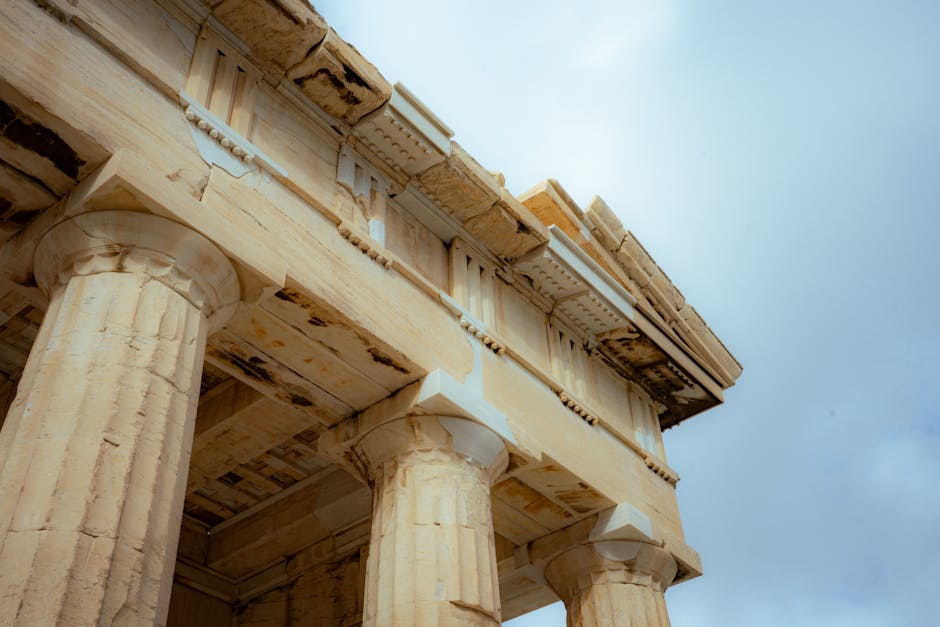
Explore the 'Athens of the South' on this self-guided walk through Centennial Park, featuring the world's only full-scale Parthenon replica.
 Easy
EasyNashville, United States
Explore Nashville's academic heart and Art Deco gems on this self-guided walk through historic Hillsboro Village.
 Easy
EasyNashville, United States
Explore the heart of Nashville's music industry. Discover iconic studios and the history of the legendary Nashville Sound at your own pace.
 Easy
EasyNashville, United States
Explore Nashville's oldest neighborhood! Discover Victorian architecture, Civil War history, and world-class craft beer on this self-guided walk.