Self-guided audio tour in Charleston
Start Free on iPhone
Start free on iPhone to unlock this self-guided walking tour in Charleston. Hear all the stories that make it amazing, walk at your own pace, and begin whenever you want.
Your Private Tour Guide
Charleston's cobblestone streets have long been a muse for poets, novelists, and playwrights. This self-guided walk invites you to explore the intersections of Southern history and the written word. From the aristocratic salons of the 18th century to the gritty realism of the Charleston Renaissance, the city's literary heritage is as layered as its architecture. As you stroll through the historic downtown, you will discover where the iconic opera Porgy and Bess found its roots and where modern bibliophiles gather today. This neighborhood stroll is more than just a list of names; it is an exploration of how the Lowcountry landscape shaped American letters. You will pass the stately Charleston Library Society, one of the oldest cultural institutions in the United States, and see the homes where influential writers lived and worked. The route highlights the Gibbes Museum of Art, which played a pivotal role in the Charleston Renaissance—a period of intense artistic and literary productivity in the early 20th century. Whether you are a fan of historical fiction or contemporary prose, this walking route offers a unique perspective on the Holy City. Explore independently as you navigate from the quiet corners of the College of Charleston to the vibrant energy of King Street. Unlike a traditional guided tour Charleston might offer, this audio walk lets you linger at a bookstore or pause for a coffee whenever inspiration strikes. Discover the legacy of authors like DuBose Heyward and the enduring impact of the city's private libraries. By the end of this self-guided adventure, you will see the palmettos and iron gates of Charleston through the eyes of the writers who immortalized them.
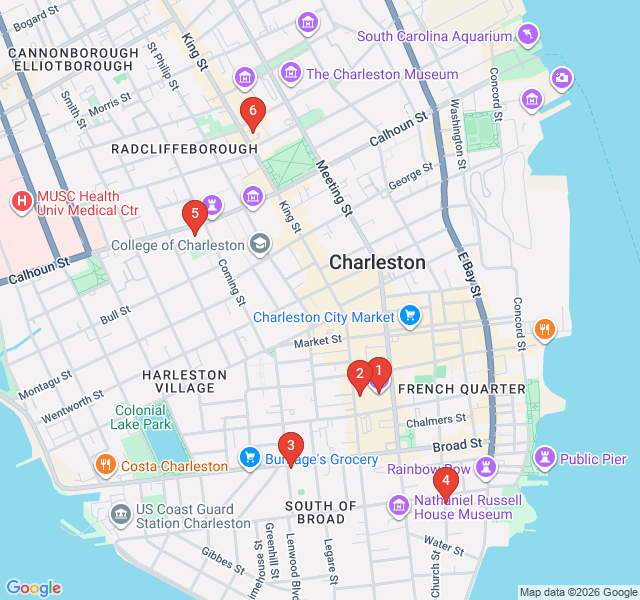
Numbers indicate the order of stops on the tour.
Start your journey at the Gibbes Museum of Art, a cornerstone of the Charleston Renaissance. In the early 20th century, this museum was more than just a gallery; it was the meeting place for a group of artists and writers who sought to revitalize the South's cultural identity. Figures like Alice Ravenel Huger Smith and Elizabeth O'Neill Verner didn't just paint the Lowcountry; they wrote about it, weaving together a narrative of a city recovering from the Civil War. Their work laid the foundation for Charleston’s reputation as a literary and artistic hub. Take a moment to admire the Beaux-Arts architecture before we head toward the city's intellectual heart.
Just a short walk away stands the Charleston Library Society. Founded in 1748 by seventeen young men who wanted to keep up with the latest scientific and literary trends from London, it is the third-oldest subscription library in the United States. This institution predates the country itself! Over the centuries, it has served as a sanctuary for scholars and bibliophiles. Its shelves hold rare manuscripts and early editions that tell the story of South Carolina’s intellectual evolution. While the building you see today dates to 1914, the spirit of the Society remains rooted in the Enlightenment ideals of shared knowledge and community education.
While this building is now a charming shop, its location on Broad Street places it at the center of Charleston's historic 'Printing House Square.' In the 18th and 19th centuries, this area was the epicenter of the city's publishing industry. Local newspapers, legal pamphlets, and early Southern novels were printed and sold along these very blocks. Broad Street was where the city's legal minds and literary figures crossed paths daily. As you stand here, imagine the sound of printing presses and the smell of fresh ink that once filled the salt air, fueling the political and social debates of the era.
Welcome to the home of DuBose Heyward, one of Charleston’s most significant literary figures. It was here, or inspired by his life in this neighborhood, that Heyward wrote 'Porgy' in 1925. This novel, which depicted the lives of Gullah Geechee residents in 'Catfish Row,' broke new ground in Southern literature. It was later adapted by George Gershwin into the world-famous opera 'Porgy and Bess.' Heyward’s work was central to the Charleston Renaissance, bringing the unique culture and struggles of the Lowcountry to a global stage. The house stands as a quiet reminder of the powerful stories that can emerge from a single city block.
Moving toward the College of Charleston campus, we find the Marlene & Nathan Addlestone Library. This modern facility serves as the intellectual anchor for the oldest municipal college in America. While the building is contemporary, it houses the Special Collections and the South Carolina Historical Society’s archives. These vaults contain the personal papers, letters, and manuscripts of generations of Charlestonians. It is a place where the past is preserved for future writers and historians. The surrounding campus, with its moss-draped oaks and historic brickwork, has served as the backdrop for countless novels and films, embodying the 'academic gothic' aesthetic of the South.
Our final stop is Blue Bicycle Books on King Street, a modern landmark in Charleston’s literary scene. This independent bookstore has been a fixture since 1995, though the shop itself has roots going back even further. It is more than a place to buy books; it is a community hub that hosts over 200 author events a year and founded YALLFest, one of the largest young adult book festivals in the country. From rare first editions of Charleston classics to the latest local poetry, 'Blue Bike' represents the living, breathing future of the city's written word. It’s the perfect spot to pick up a souvenir or find your next great read.
Start Free on iPhone
Explore “The Pen and the Palmetto: Charleston’s Literary Landmarks” with your very own Private Tour Guide with Zigway. Start free on iPhone, skip the large group and the fixed routes, and hear the city come alive as you go.
Your Private Tour Guide
Don't miss the good stuff
Explore Freely
 Easy
EasyCharleston, United States
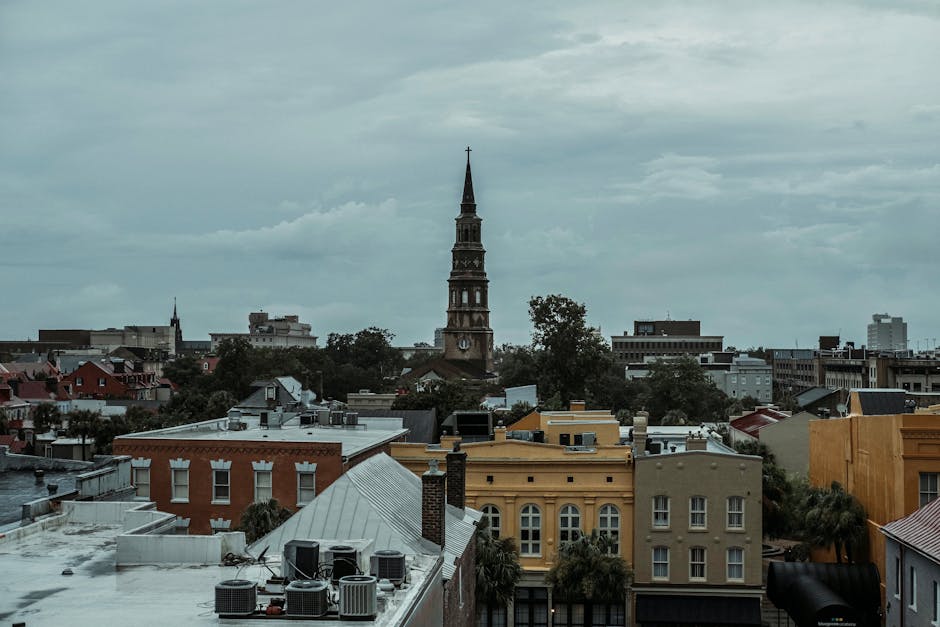
Explore the elegant streets of Harleston Village on this self-guided stroll through Charleston's most historic residential enclave.
 Easy
EasyCharleston, United States
Explore the neon lights and culinary gems of Upper King. Discover Charleston's modern nightlife and cultural evolution on this self-guided stroll.
 Moderate
Charleston, United States
Discover the profound Gullah-Geechee influence and African American history of Charleston on this moving and educational self-guided walking route.
 Challenging
Charleston, United States
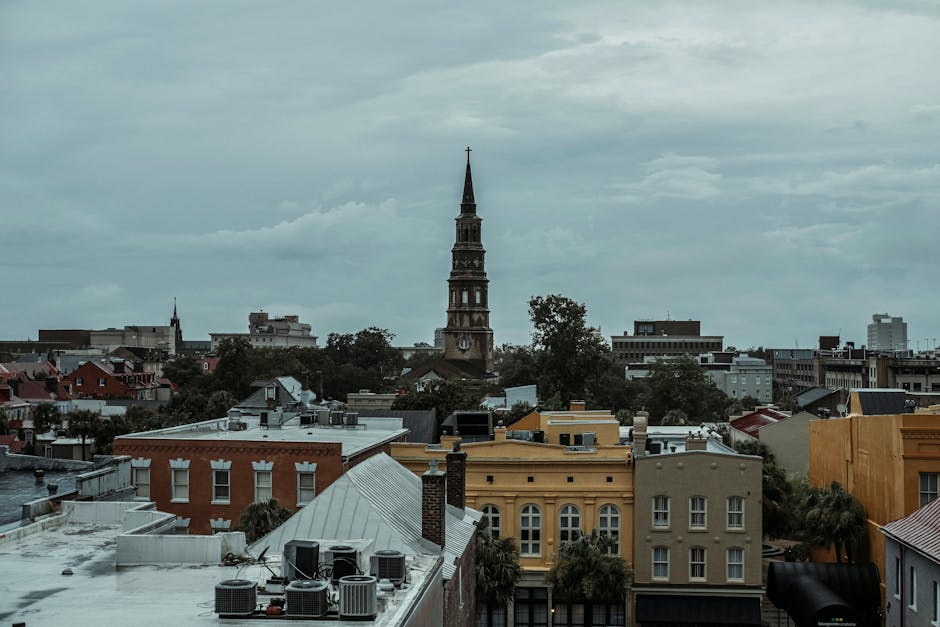
Explore Charleston’s evolution through its grand estates, from Neoclassical gems to Gilded Age mansions on this self-guided architectural walk.
 Easy
EasyKrakow, Poland
Explore the prestigious Jagiellonian University district, featuring Neo-Gothic architecture, Baroque churches, and Krakow's hidden scholarly gems.
 Easy
EasyGothenburg, Sweden
Discover Gothenburg’s 17th-century Dutch foundations, historic canals, and military fortifications on this self-guided architectural walk.
 Easy
EasyNairobi, Kenya
Explore Nairobi's architectural evolution from colonial-era landmarks to iconic Brutalist skyscrapers on this historic self-guided walking route.
 Easy
EasyNairobi, Kenya
Discover Nairobi's iconic skyline on this self-guided architecture walk through the CBD’s most famous modernist and Brutalist landmarks.
 Easy
EasyNashville, United States
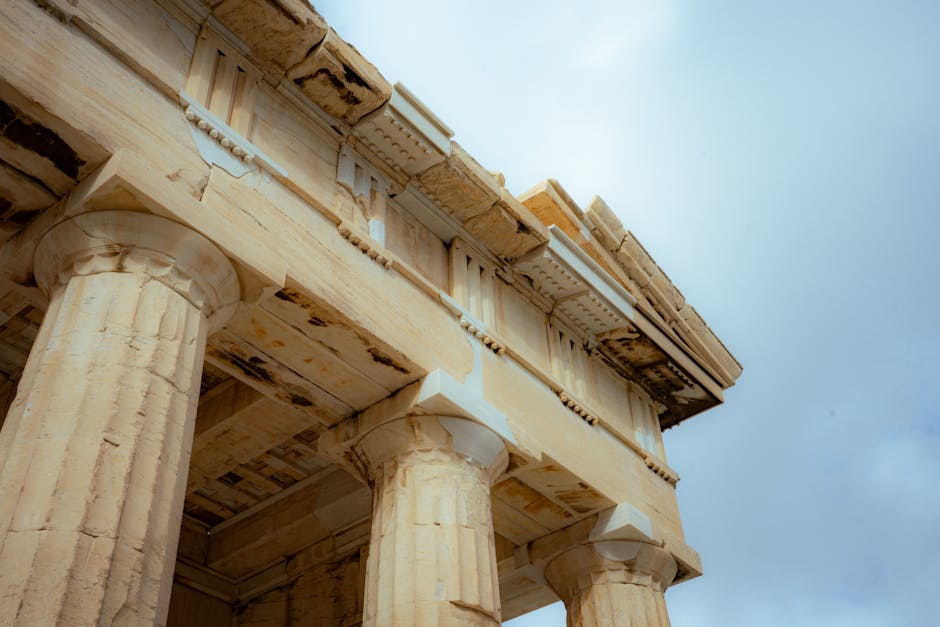
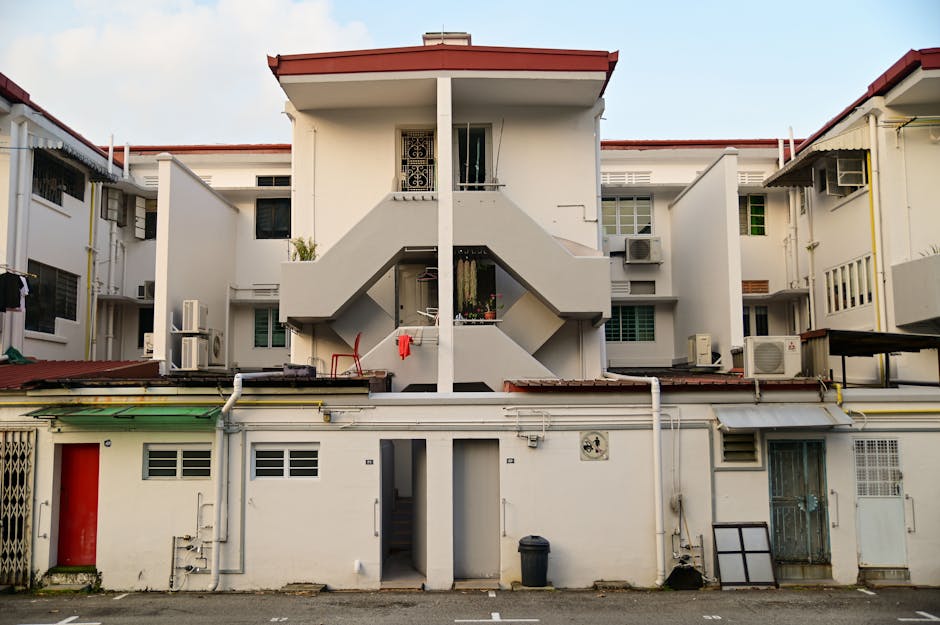
Explore the 'Athens of the South' on this self-guided walk through Centennial Park, featuring the world's only full-scale Parthenon replica.
 Easy
EasyNashville, United States
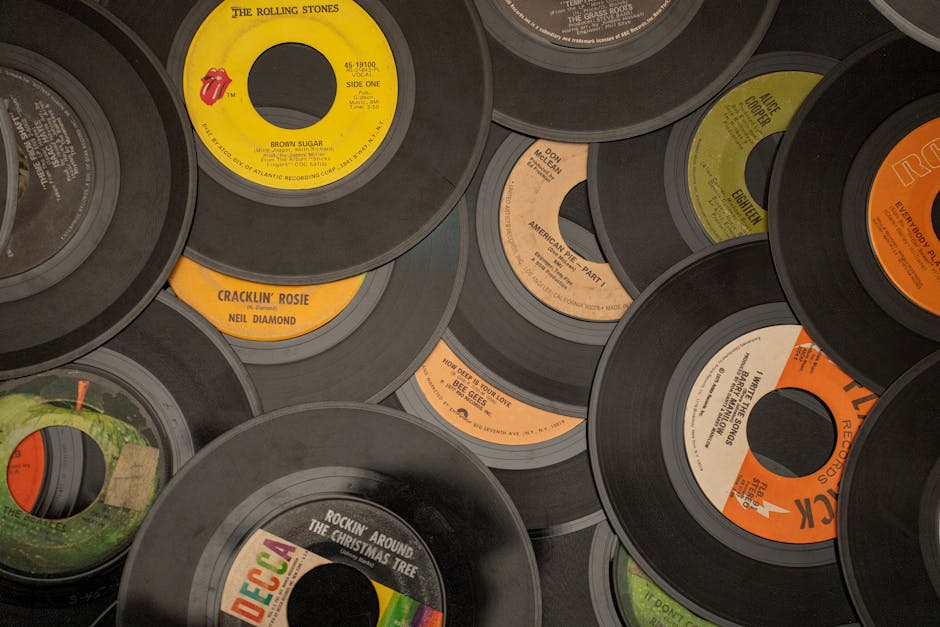
Explore Nashville's academic heart and Art Deco gems on this self-guided walk through historic Hillsboro Village.
 Easy
EasyNashville, United States
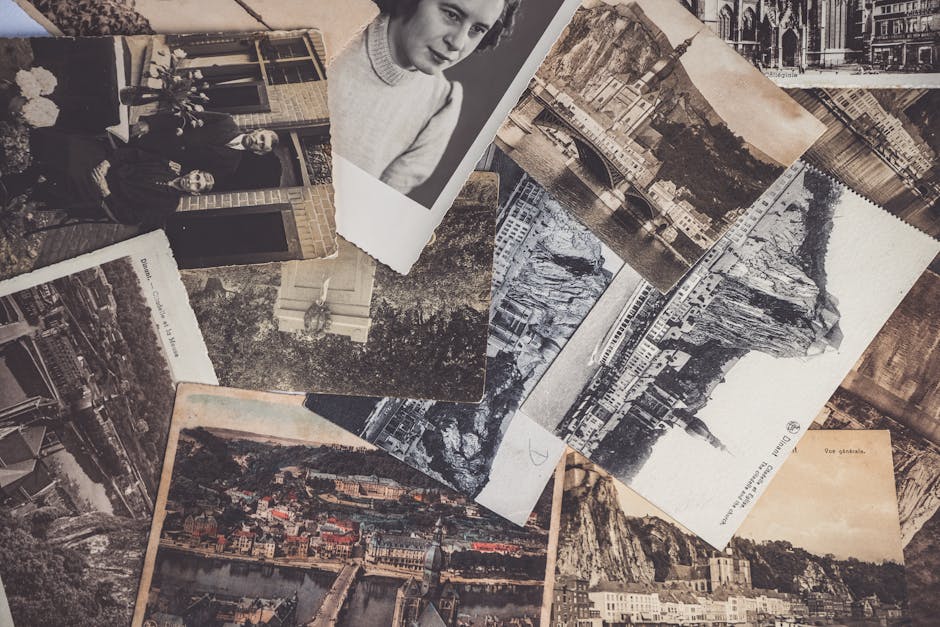
Explore the heart of Nashville's music industry. Discover iconic studios and the history of the legendary Nashville Sound at your own pace.
 Easy
EasyNashville, United States
Explore Nashville's oldest neighborhood! Discover Victorian architecture, Civil War history, and world-class craft beer on this self-guided walk.