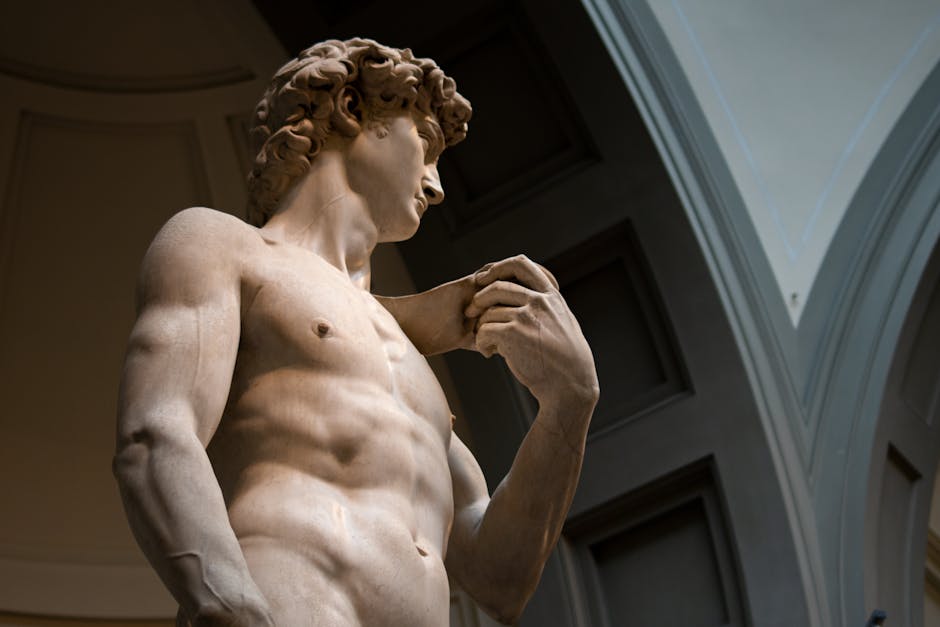
Self-guided audio tour in Florence
Start Free on iPhone
Start free on iPhone to unlock this self-guided walking tour in Florence. Hear all the stories that make it amazing, walk at your own pace, and begin whenever you want.
Your Private Tour Guide
Step into the world of the family that financed the Renaissance and transformed Florence from a medieval commune into a global center of art and power. This self-guided walk traces the rise, reign, and legacy of the Medici dynasty, leading you through the very streets where they plotted their ascent and commissioned the world's most famous masterpieces. Unlike a standard walking tour Florence might offer, this route allows you to linger under the shadows of towering palaces and explore the intricate connections between politics and patronage at your own pace. Your journey begins in the heart of civic power at the Palazzo Vecchio, the fortress-like palace that served as the family's first major residence after they consolidated control. From there, you will follow the invisible path of the Vasari Corridor, crossing the iconic Ponte Vecchio. This elevated walkway was designed to allow the grand dukes to move between their offices and their homes without ever stepping foot on the crowded streets. As you arrive at the massive Palazzo Pitti, you will witness the scale of their ultimate ambition—a palace so grand it redefined European royal architecture. Returning across the Arno, the route shifts from public displays of power to the private realm of the family's origins. You will explore the San Lorenzo neighborhood, the Medici's personal 'parish.' Here, the Basilica di San Lorenzo and the breathtaking Medici Chapels serve as a testament to their religious devotion and their desire for immortality through art. The walk concludes at the Medici Riccardi Palace, the elegant residence where the family’s golden age began under Cosimo the Elder and Lorenzo the Magnificent. This neighborhood stroll offers a profound look at how one family’s taste and wealth permanently altered the skyline of Florence, making it an essential experience for any history enthusiast.
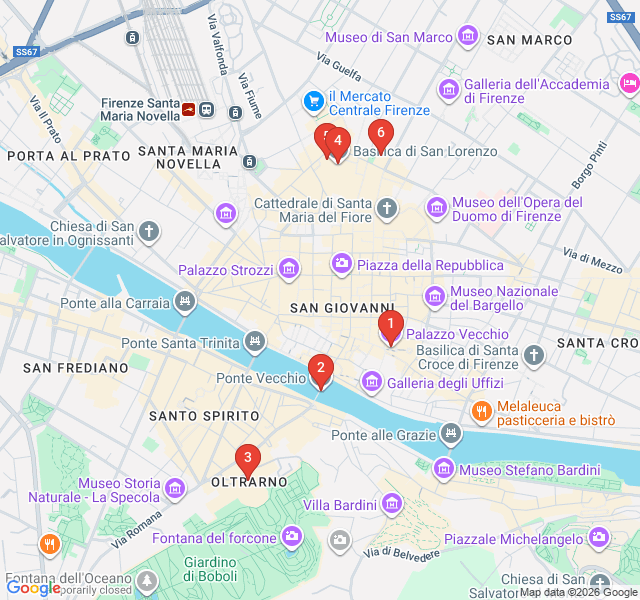
Numbers indicate the order of stops on the tour.
Standing before the crenelated tower of Palazzo Vecchio, you are looking at the historic seat of Florentine government. Originally built as the Palazzo della Signoria for the Republic’s leaders, it became a Medici stronghold when Cosimo I moved his family here in 1540. This move was a powerful symbolic statement: the family was no longer just citizens; they were the masters of the state. Notice the contrast between the rugged, defensive exterior and the lavishly decorated interiors visible through the courtyard. It was here that the Medici began transforming Florence into a Grand Duchy, merging the city's Republican traditions with their own monarchical ambitions.
The Ponte Vecchio is Florence’s oldest bridge, but its current appearance owes much to the Medici. In the 16th century, the family commissioned Giorgio Vasari to build an elevated corridor atop the bridge. This 'Vasari Corridor' allowed the Medici to walk between the Palazzo Vecchio and the Palazzo Pitti in total privacy and safety. Legend has it that the Grand Duke also ordered the removal of the bridge's smelly butcher shops, replacing them with the gold and silver smiths that still line the bridge today. As you walk across, look up to see the small windows of the corridor where the dukes once peered down at the commoners below.
Crossing into the Oltrarno district, you encounter the massive scale of Palazzo Pitti. Originally started by a rival family, the Pitti, it was purchased by Eleonora di Toledo, the wife of Cosimo I, who wanted a healthier residence away from the city center. This palace became the primary residence of the Medici Grand Dukes and later the Habsburg-Lorraine and Savoy dynasties. Its vast, rusticated stone facade was intended to intimidate and impress. Behind these walls, the family curated one of the world's greatest art collections and established the Boboli Gardens, which set the standard for Italian garden design for centuries to come.
The Basilica di San Lorenzo was the Medici's personal church. While the facade remains an unfinished wall of rough brick—Michelangelo’s design for it was never realized—the interior is a masterpiece of early Renaissance architecture by Filippo Brunelleschi. The Medici poured enormous wealth into this building to ensure their family would be remembered. Inside the Old Sacristy, you can see the tombs of the early Medici, including Giovanni di Bicci, the man who founded the Medici Bank. The church serves as a bridge between the family’s humble beginnings as merchants and their eventual status as European royalty.
Located at the rear of San Lorenzo, the Medici Chapels are the final resting place of the dynasty's most famous members. The Chapel of the Princes is a dizzying display of opulence, covered entirely in semi-precious stones and marble, reflecting the late Medici's obsession with status. However, the true highlight is the New Sacristy, designed by Michelangelo. Here, the artist sculpted the famous allegorical figures of Night, Day, Dawn, and Dusk for the tombs of Lorenzo and Giuliano de' Medici. These statues represent some of the highest achievements of Renaissance sculpture, commissioned by a family that viewed art as the ultimate legacy.
This walk concludes where the Medici's true golden age began. Built for Cosimo the Elder in the mid-15th century, the Medici Riccardi Palace was the family's home during the time of Lorenzo the Magnificent. It was in this building that the Platonic Academy met and where a young Michelangelo lived as a protégé of the family. The palace's design, with its heavy stonework at the bottom becoming lighter as it rises, became the blueprint for Renaissance residences. Inside, the Procession of the Magi chapel contains frescoes where the Medici family members are depicted as kings, signaling their early, quiet dominance over the city.
Start Free on iPhone
Explore “The Medici Dynasty Trail” with your very own Private Tour Guide with Zigway. Start free on iPhone, skip the large group and the fixed routes, and hear the city come alive as you go.
Your Private Tour Guide
Don't miss the good stuff
Explore Freely
 Easy
EasyFlorence, Italy
Discover the intersection of Renaissance architecture and modern luxury on this self-guided walk through Florence’s high-fashion districts.
 Easy
EasyFlorence, Italy
Explore the medieval streets of Florence through the eyes of Dante Alighieri on this self-guided literary and historical walking route.
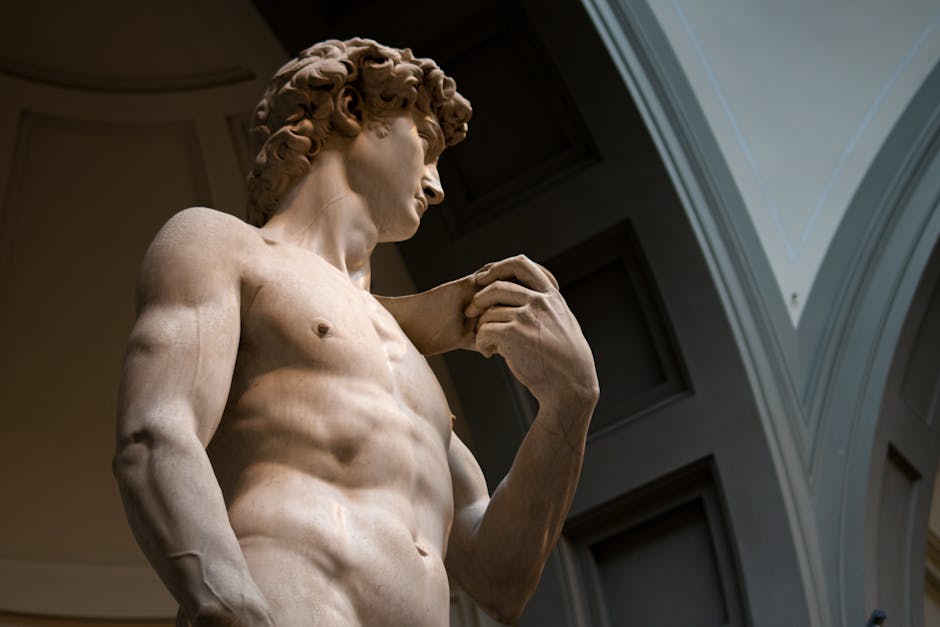 Easy
EasyFlorence, Italy
Experience the magic of Florence at sunset. Discover iconic bridges and breathtaking river views on this romantic self-guided audio walk.
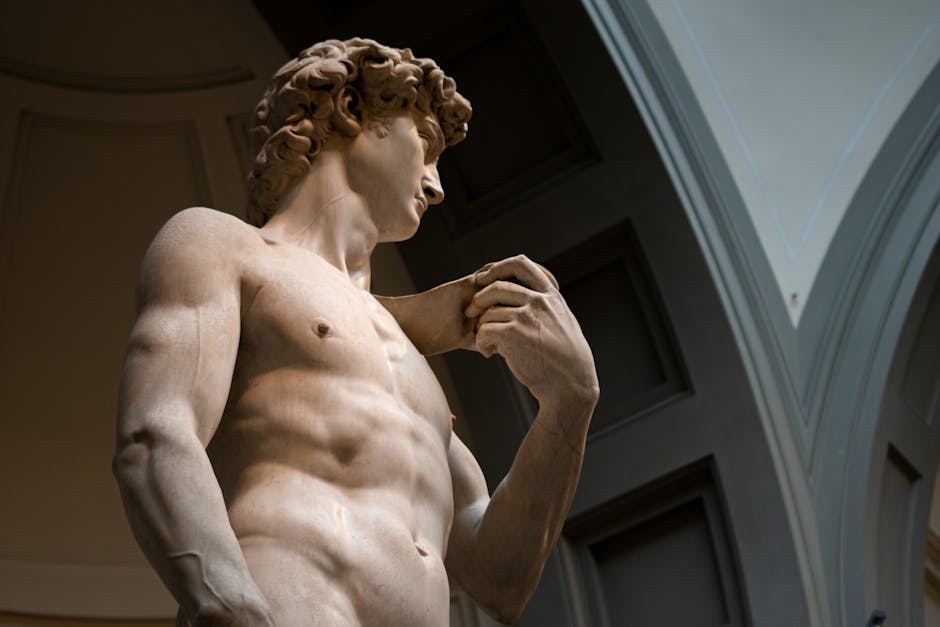 Easy
EasyFlorence, Italy
Discover the 'buchette del vino'—Florence's unique Renaissance wine windows—on this self-guided walk through the city's historic streets.
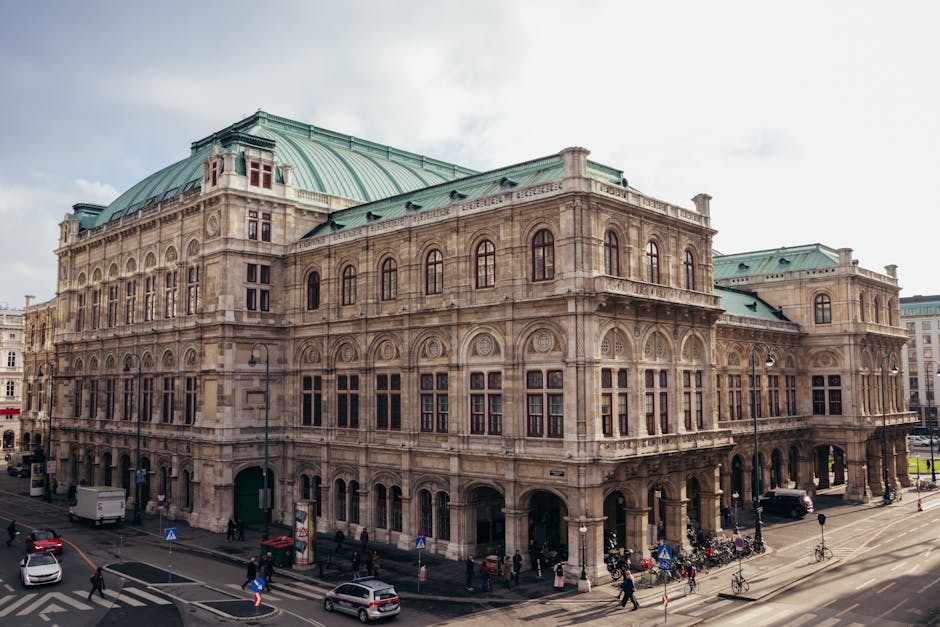 Moderate
Vienna, Austria
Follow the footsteps of Mozart and Strauss through Vienna’s historic center on this self-guided walk through the city's rich musical history.
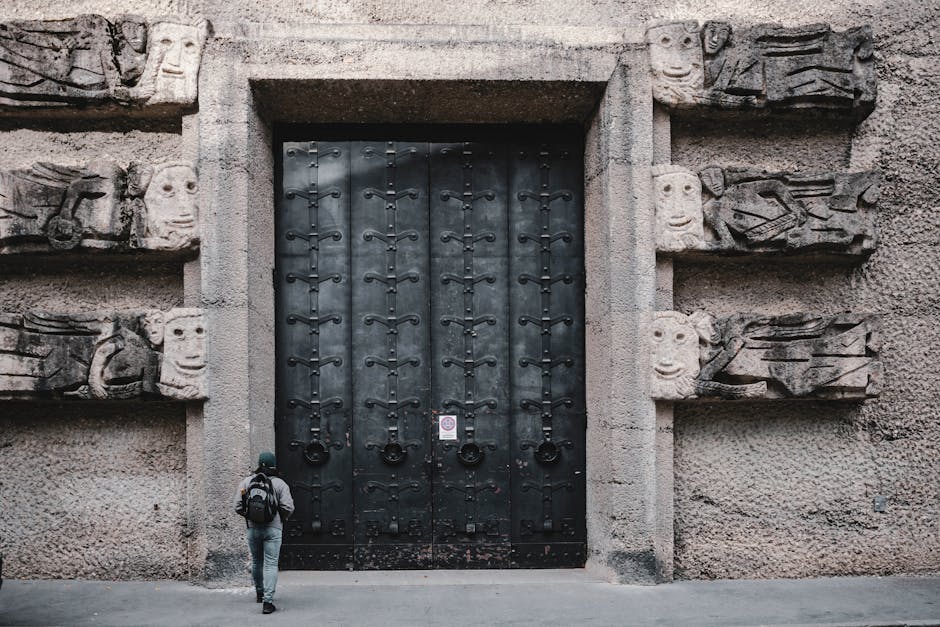 Easy
EasySalzburg, Austria
Discover the 'Rome of the North' on this self-guided walk through the Baroque squares and monumental legacy of Salzburg’s Prince-Archbishops.
 Moderate
Gothenburg, Sweden
Discover Gothenburg’s maritime soul on this self-guided walk from the historic Central Station to the scenic riverfront at Stenpiren.
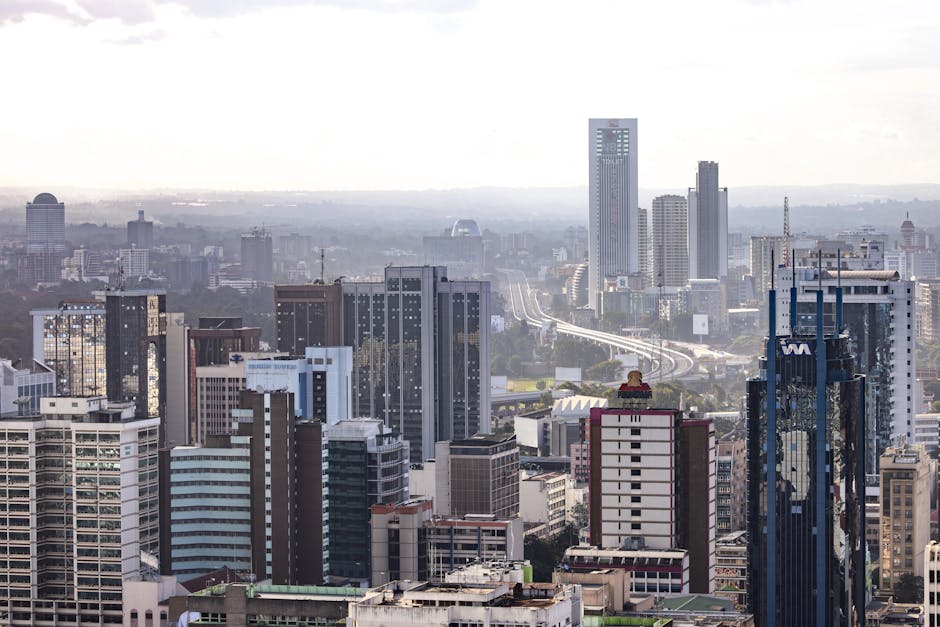 Easy
EasyNairobi, Kenya
Explore Nairobi's architectural evolution from colonial-era landmarks to iconic Brutalist skyscrapers on this historic self-guided walking route.
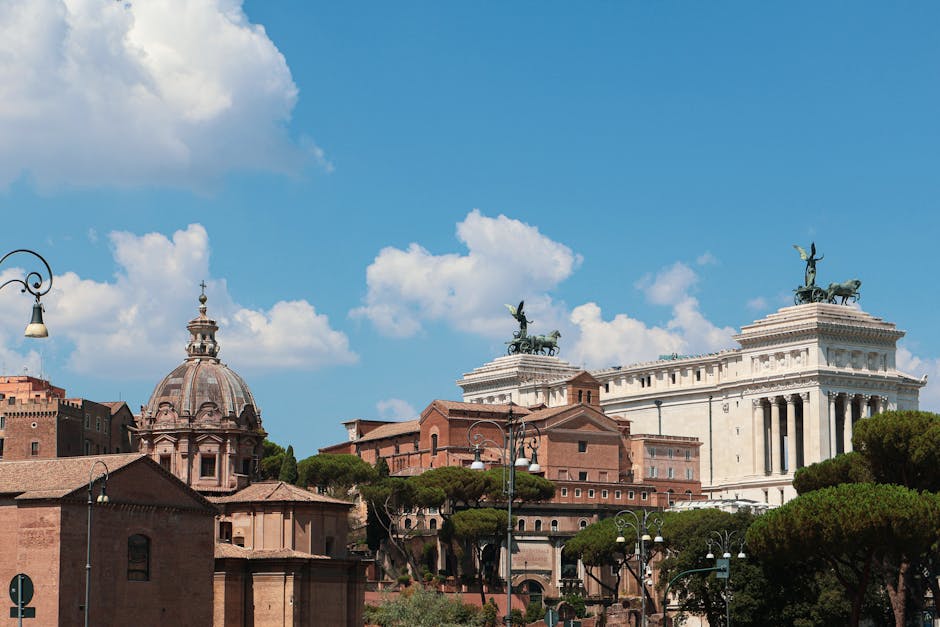 Easy
EasyRome, Italy
Explore Rome’s industrial heart on this self-guided walk featuring massive murals, the 'Iron Colosseum,' and unique industrial archaeology.
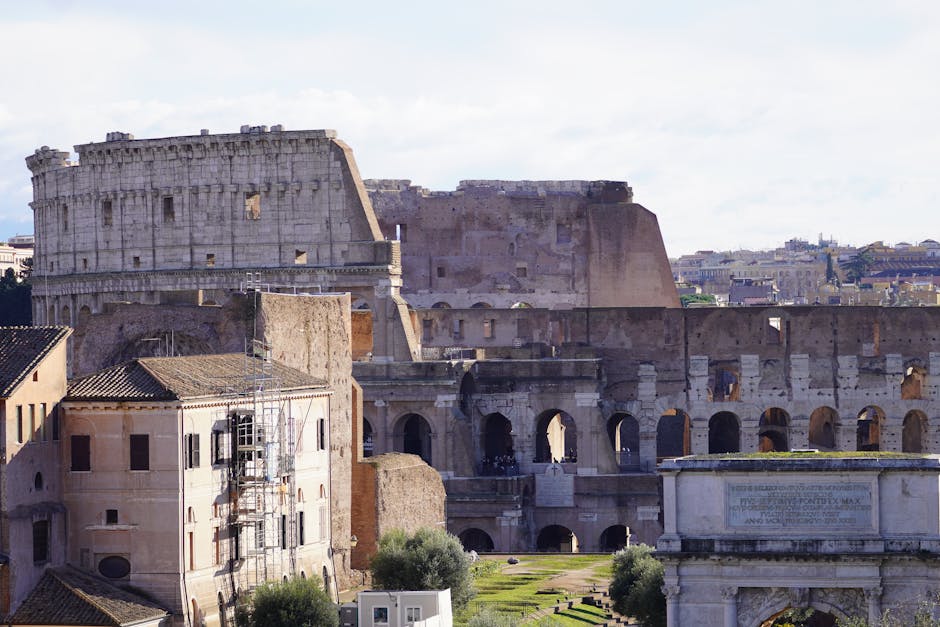 Easy
EasyRome, Italy
Explore Rome’s whimsical Fairytale District. A self-guided walk through Art Nouveau palaces, mythical fountains, and the magical Coppedè architecture.
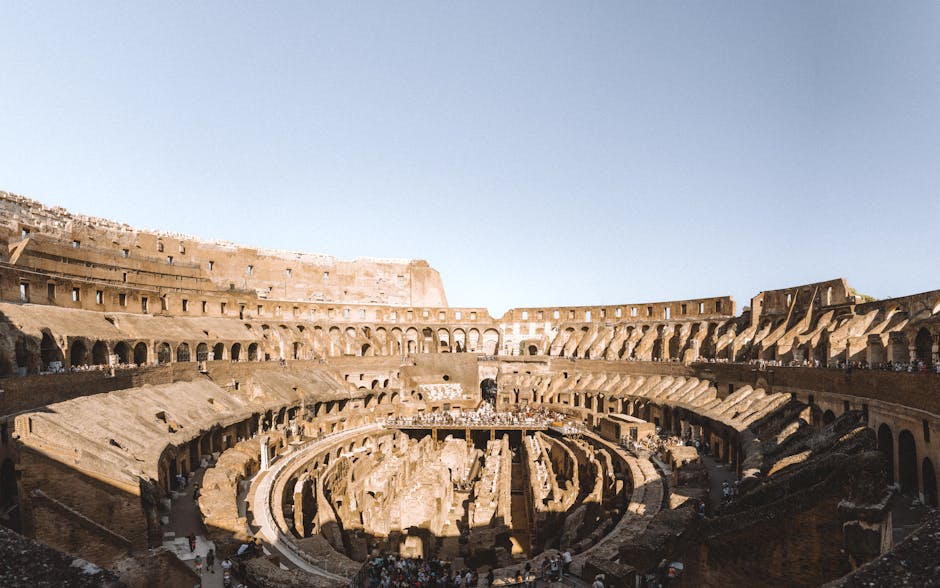 Moderate
Rome, Italy
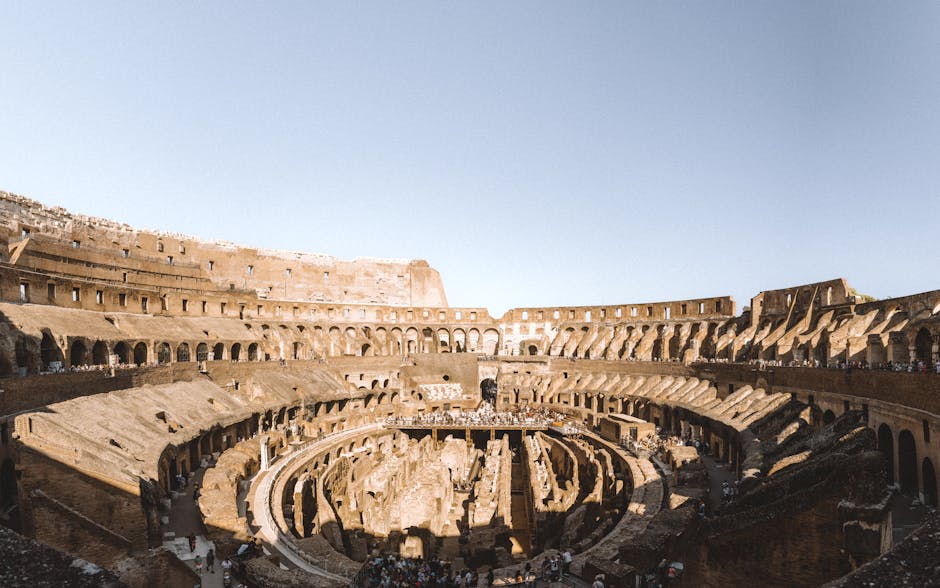
Uncover Rome's hidden history on this self-guided walk through ancient gladiator pits, subterranean temples, and buried Roman houses.
 Challenging
Rome, Italy
Walk the 'Queen of Roads.' Explore ancient catacombs, imperial villas, and historic basalt stones on this scenic self-guided Roman adventure.