Self-guided audio tour in Jaipur
Start Free on iPhone
Start free on iPhone to unlock this self-guided walking tour in Jaipur. Hear all the stories that make it amazing, walk at your own pace, and begin whenever you want.
Your Private Tour Guide
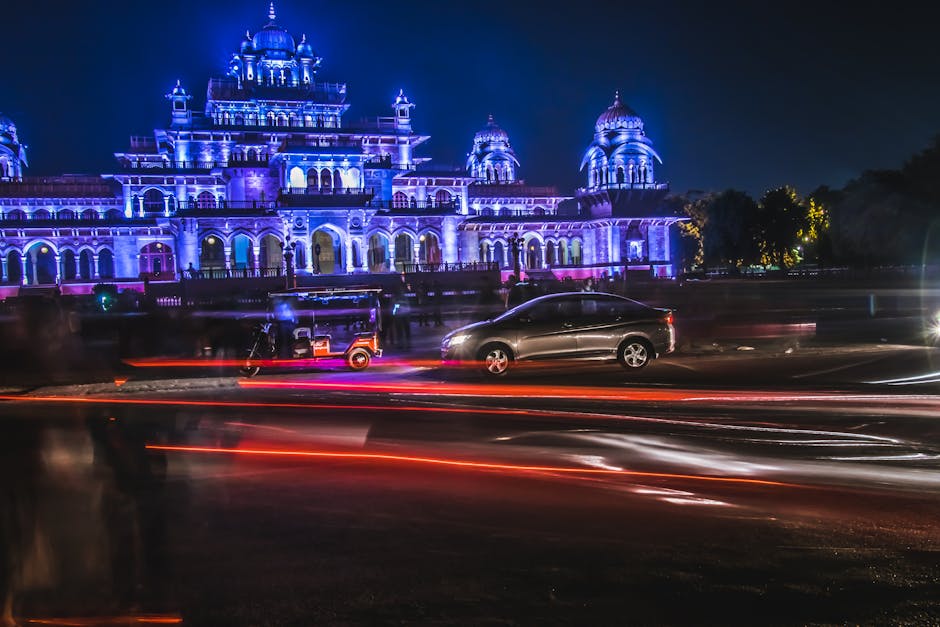
As the sun sets over the Aravalli Hills, Jaipur sheds its dusty daytime persona and transforms into a luminous wonderland of glowing sandstone and flickering neon. This self-guided walk takes you through the heart of the Pink City, exploring the transition between the royal heritage of the 18th century and the mid-century glamour of modern Rajasthan. You will start at the majestic Albert Hall Museum, which serves as a beacon of Indo-Saracenic architecture, brilliantly illuminated with shifting colors that highlight its intricate stone carvings. From there, the route leads you toward the bustling Mirza Ismail Road, or MI Road, the city's main artery where the old world meets the new. This neighborhood stroll captures the essence of Jaipur's nightlife, not through clubs or bars, but through the vibrant energy of its street life, historic cinemas, and late-night culinary institutions. You will experience the local legend of Lassiwala, where the recipe hasn't changed since the 1940s, and witness the meringue-like facade of the Raj Mandir Cinema, a temple of Bollywood culture. The journey concludes at the Hawa Mahal, the Palace of Breeze, which looks particularly ethereal when lit against the dark night sky. This walking route is designed for those who want to discover the city's history and architecture at their own pace, away from the heat of the day. By choosing a self-guided experience, you can linger under the arches of MI Road or spend extra time photographing the patterns of the palace windows. This walking tour Jaipur offers a unique perspective on the 'Pink City'—which, as you will see, takes on a whole new spectrum of gold and amber after dark.
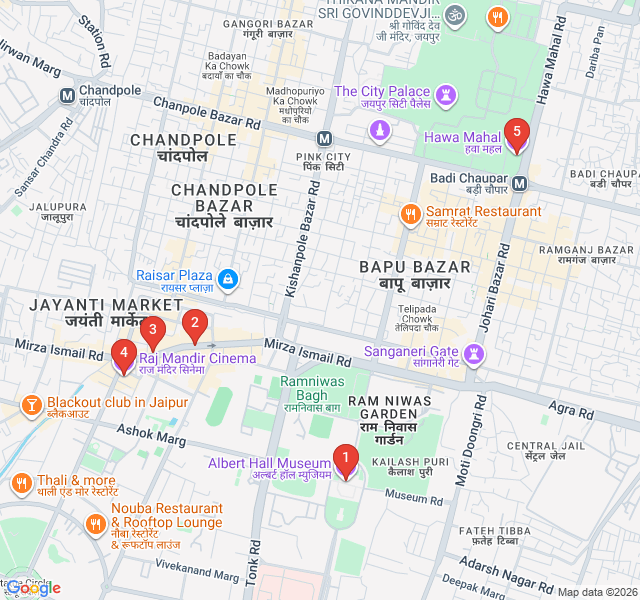
Numbers indicate the order of stops on the tour.
Welcome to the start of your self-guided adventure. The Albert Hall Museum is the oldest museum in Rajasthan, but it truly shines—literally—at night. Completed in 1887, it was named after King Edward VII (Albert Edward). The architecture is a prime example of the Indo-Saracenic style, a fusion of British, Mughal, and Rajput design. Notice the intricate stone ornaments, the many cupolas, and the way the modern LED lighting system plays across the sandstone surfaces. During the day, it houses an extensive collection of art and artifacts, but at night, the building itself is the masterpiece. It serves as a majestic gateway to the historic center of Jaipur.
As you walk toward the city center, you are traveling along Mirza Ismail Road, commonly known as MI Road. This is the transition zone between the ancient walled city and the modern suburbs. Named after a former Prime Minister of Jaipur State, this curved boulevard is lined with heritage buildings and high-end shops. Look up at the uniform architecture and the wide sidewalks, which were revolutionary when the road was developed. At night, the road is a hive of activity, reflecting the commercial spirit of Jaipur. It is the perfect place to observe the local rhythm, from the honking rickshaws to the neatly arranged window displays of jewelry and textiles.
No evening stroll in Jaipur is complete without a stop at this legendary spot. Established in 1944, this specific 'Lassiwala'—look for the one with the 'Since 1944' sign and the name Kishan Lal Govind Narain Agarwal—is the original. While lassi is often a morning drink, the shop's fame keeps it busy throughout the day. The lassi here is served in traditional 'kulhads,' or disposable clay cups, which add a faint earthy aroma to the thick, creamy yogurt drink. It is topped with a rich layer of 'malai' (cream). It’s a simple, historic taste of Jaipur that has remained unchanged for over seven decades.
Just a short walk away sits the 'Pride of Asia,' the Raj Mandir Cinema. Opened in 1976, this is not just a movie theater; it is an architectural statement in the Art Deco style. The exterior resembles a giant, pink, wavy meringue, and at night, it is bathed in soft neon lights. The interior is even more lavish, designed to make every cinema-goer feel like a royal guest. Even if you aren't staying for a three-hour Bollywood epic, the foyer and the external facade are worth admiring. It represents a specific era of Indian optimism and the cultural importance of film in local life.
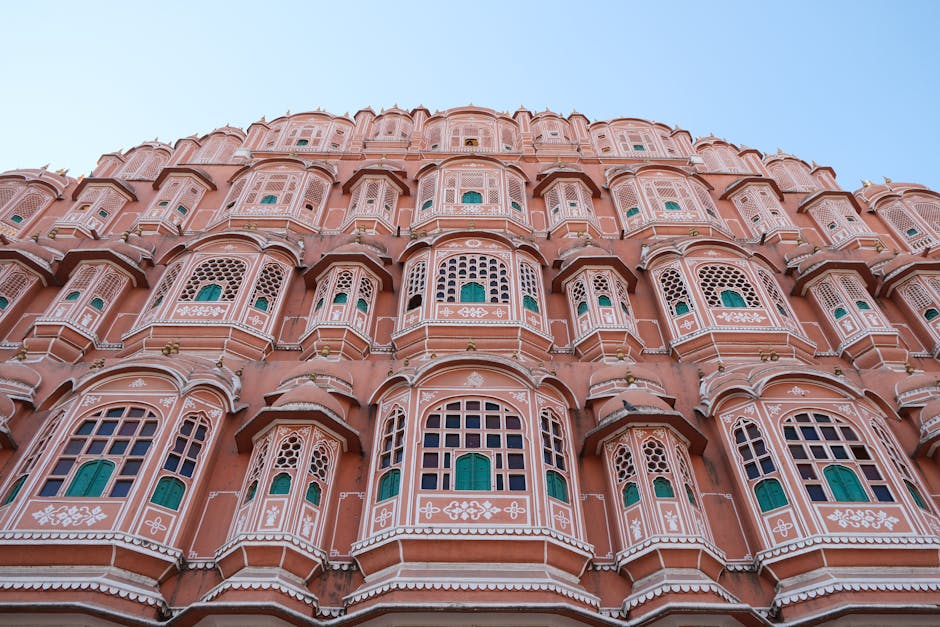
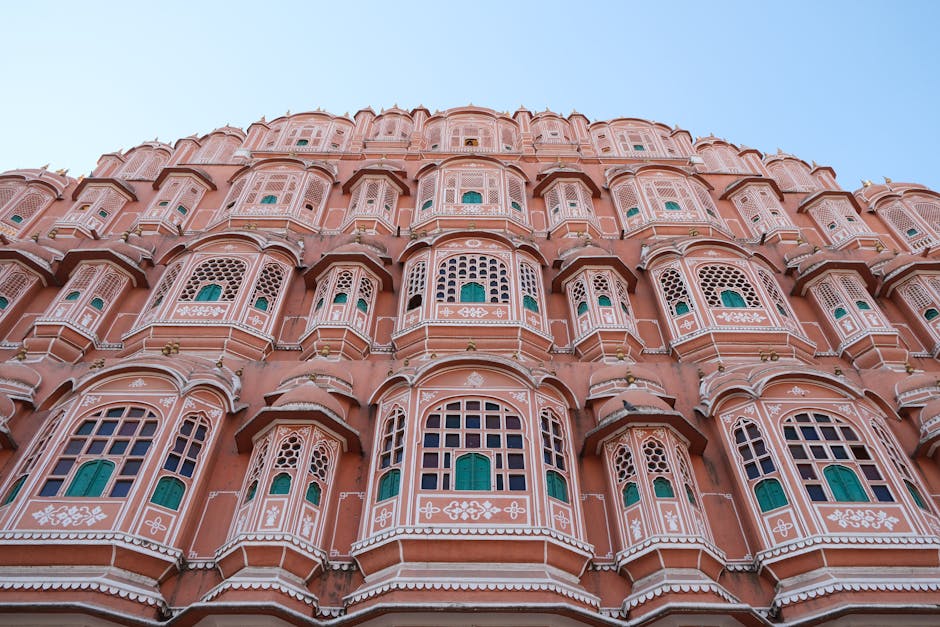
Your walk concludes at the most famous image of Jaipur: the Hawa Mahal, or Palace of Breeze. Built in 1799 by Maharaja Sawai Pratap Singh, this five-story facade features 953 small windows called 'jharokhas.' These were designed to allow royal ladies to watch everyday life and festivals in the street below without being seen. At night, the palace is beautifully lit, highlighting the honeycomb structure and the delicate latticework. While the interior is a museum by day, the exterior view at night from the street level provides a sense of the grandeur of the Rajput era, standing as a silent sentinel over the sleeping city.
Start Free on iPhone
Explore “Neon and Sandstone: The Walled City by Night” with your very own Private Tour Guide with Zigway. Start free on iPhone, skip the large group and the fixed routes, and hear the city come alive as you go.
Your Private Tour Guide
Don't miss the good stuff
Explore Freely
 Moderate
Jaipur, India
Discover Jaipur’s secret courtyards and stunning frescoes on this self-guided walk through the historic havelis and alleys of Purani Basti.
 Challenging
Jaipur, India
Ascend the historic ramparts of Amer Fort on this self-guided walk through ancient stepwells, royal gateways, and the dazzling Hall of Mirrors.
 Easy
EasyJaipur, India
Explore the rose-hued gates and vibrant markets of Jaipur on this self-guided architectural walk from Albert Hall to the historic Ajmeri Gate.
 Moderate
Jaipur, India
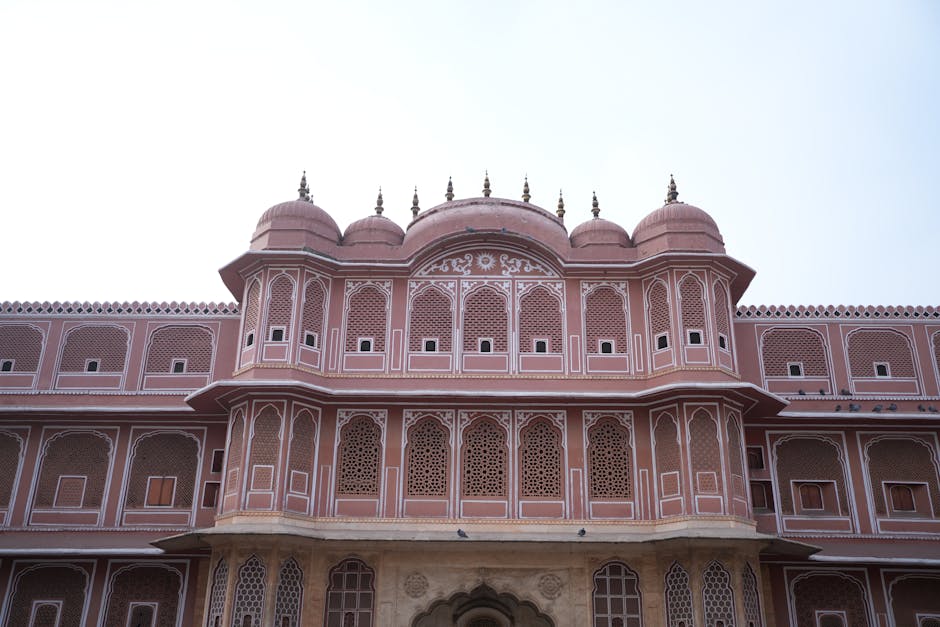
Explore Jaipur’s royal history at your own pace with this self-guided audio walk through the Pink City’s most iconic palaces and monuments.
 Easy
EasyNairobi, Kenya
Discover Nairobi's iconic skyline on this self-guided architecture walk through the CBD’s most famous modernist and Brutalist landmarks.
 Easy
EasyGdansk, Poland
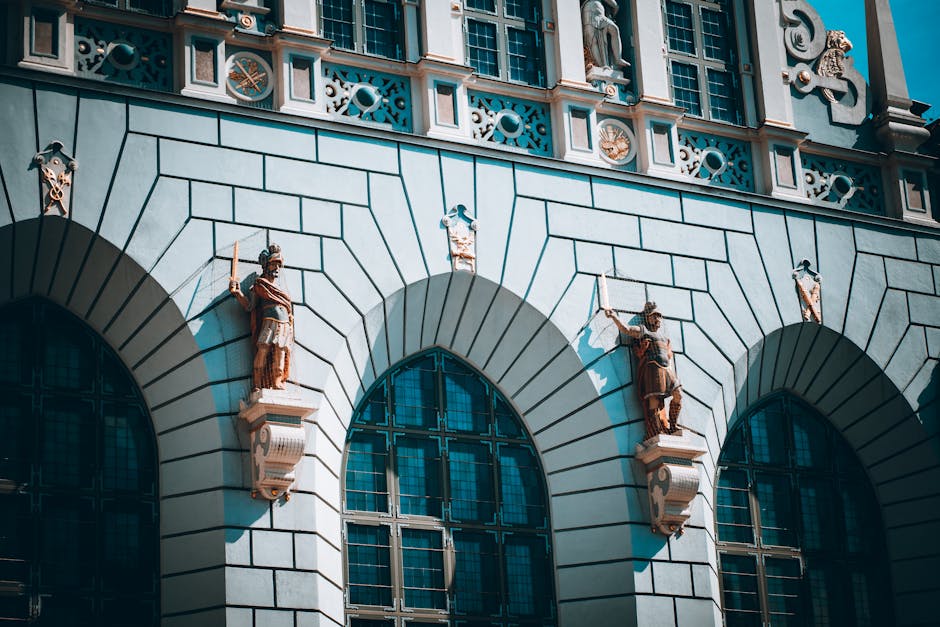
Discover the opulent Royal Way of Gdansk at your own pace. Explore Hanseatic history, gilded architecture, and the iconic Neptune's Fountain.
 Easy
EasyWarsaw, Poland
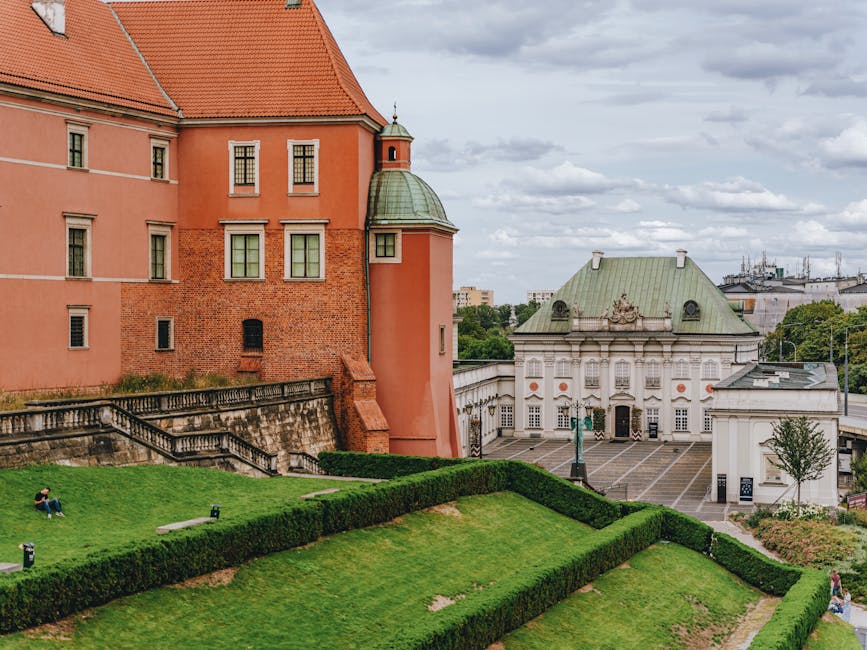
Explore the miracle of Warsaw's reconstructed Old Town on this self-guided walk through royal squares, medieval walls, and heroic monuments.
 Easy
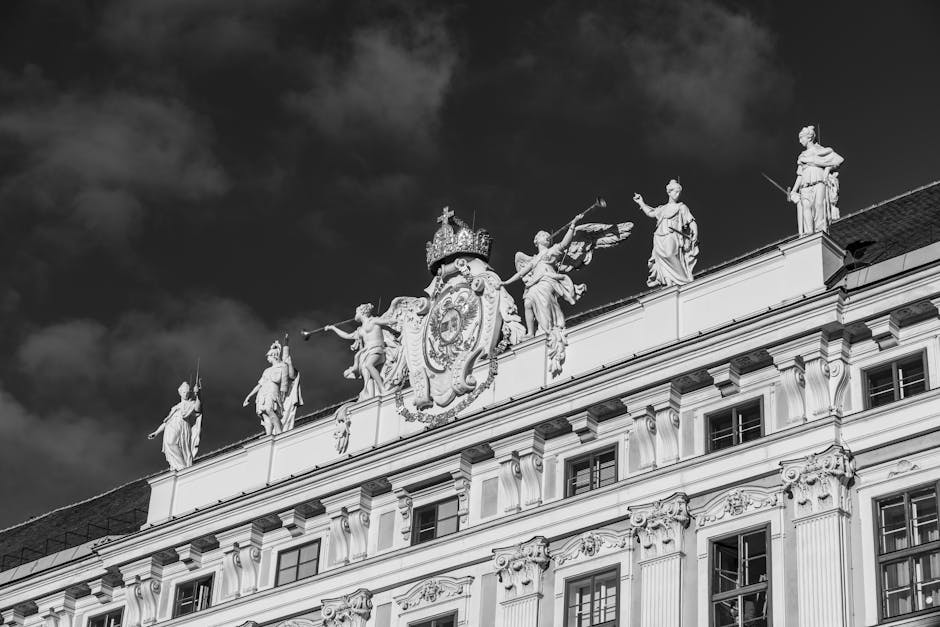
EasyVienna, Austria
Explore Vienna’s vibrant open-air gallery along the Danube Canal on this self-guided street art and nightlife stroll through Leopoldstadt.
 Easy
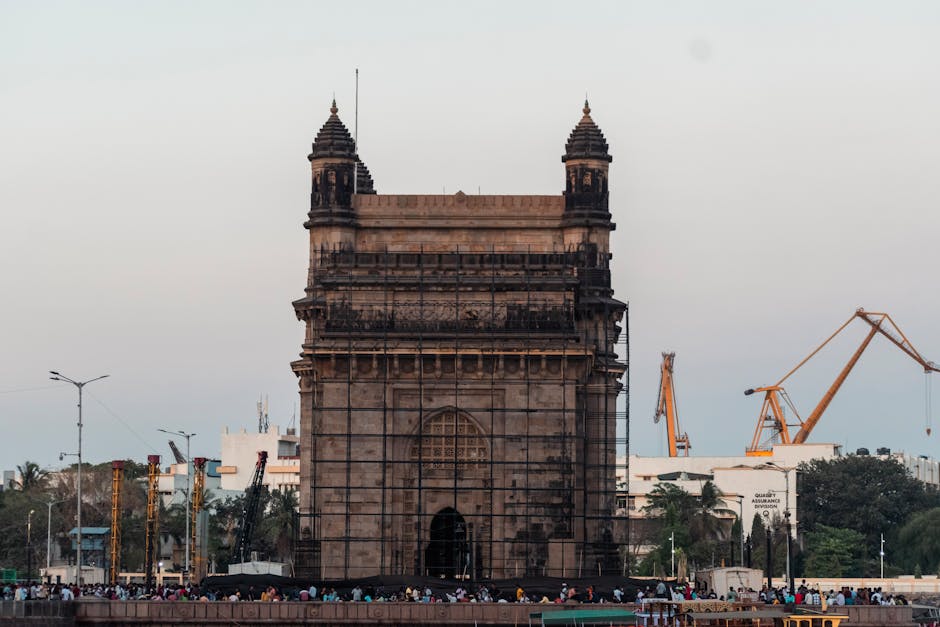
EasyMumbai, India
Explore Mumbai's stunning UNESCO Art Deco heritage on this self-guided walking route along the iconic Marine Drive promenade.
 Challenging
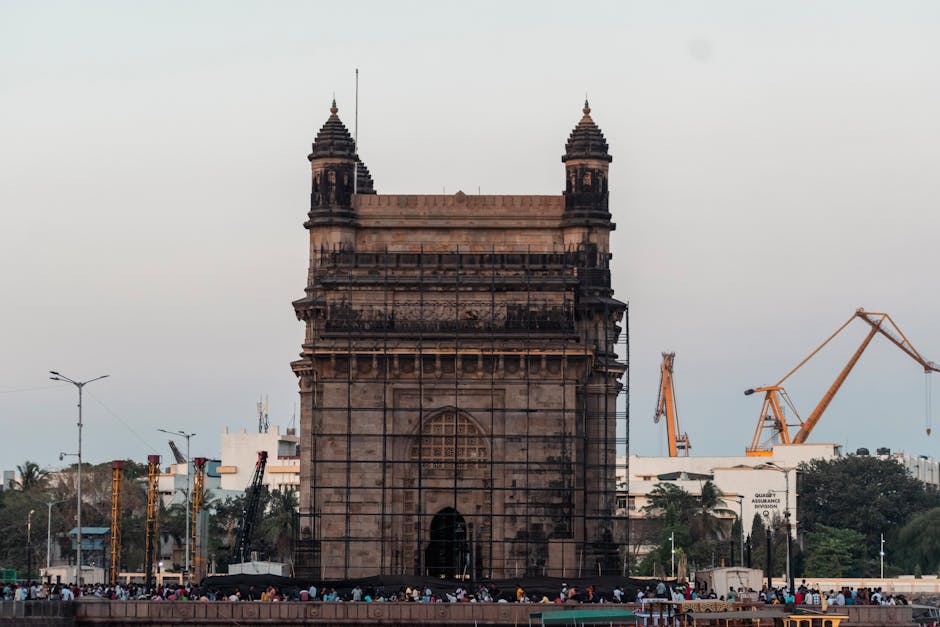
Mumbai, India
Experience the sensory explosion of Mumbai's historic markets on this challenging self-guided walk through Kalbadevi and Crawford Market.
 Easy
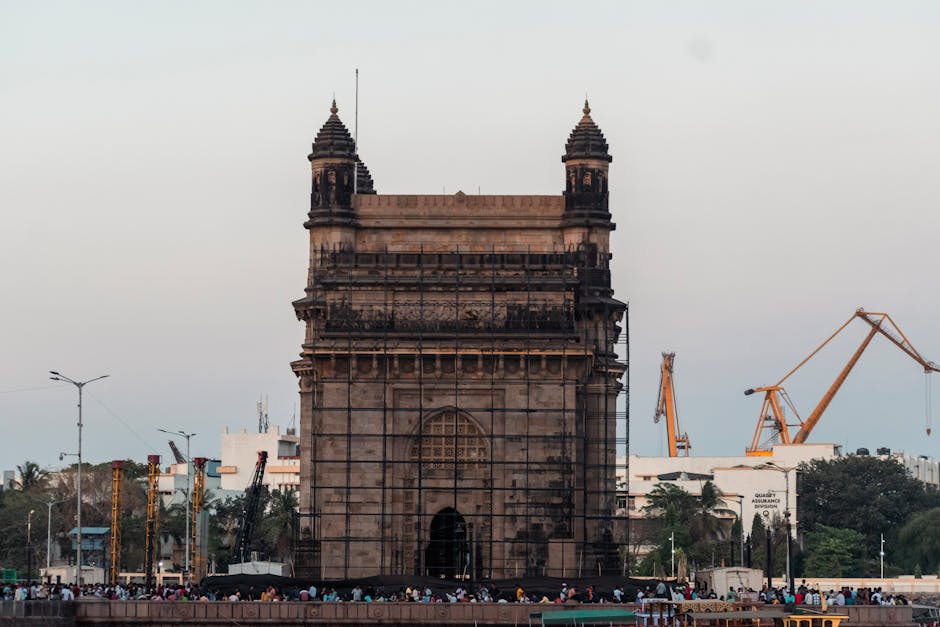
EasyMumbai, India
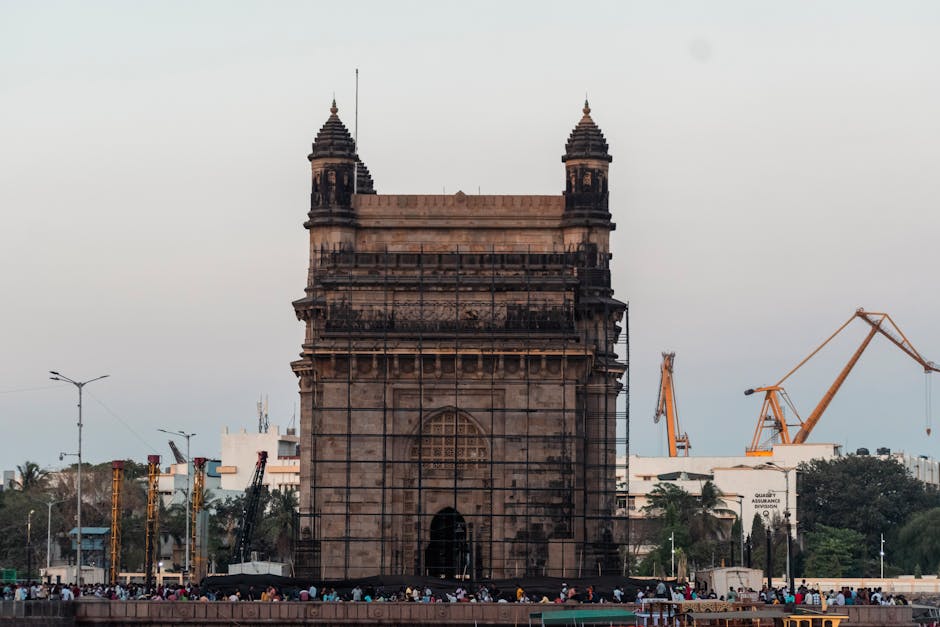
Explore Mumbai's colonial legacy on this self-guided walk through Colaba's iconic landmarks, from the Gateway of India to grand Art Deco palaces.
 Moderate
Mumbai, India
Explore the ancient fishing village of Worli Koliwada, historic forts, and stunning sea views on this self-guided cultural walking route.