Self-guided audio tour in Mumbai
Start Free on iPhone
Start free on iPhone to unlock this self-guided walking tour in Mumbai. Hear all the stories that make it amazing, walk at your own pace, and begin whenever you want.
Your Private Tour Guide
Step into the pulsating heart of Mumbai with this self-guided walk through Kalbadevi and its surrounding bazaars. This neighborhood stroll is a sensory immersion into the city's oldest commercial districts, where the air is thick with the scent of spices, the glitter of gold, and the rhythmic shouts of porters navigating narrow lanes. This route isn't just about shopping; it is a journey through the historical layers of Mumbai, from its religious origins at the Mumbadevi Temple to the Victorian grandeur of Crawford Market. Your independent exploration begins in the dense thicket of the BMC Market area, winding through the legendary Zaveri Bazaar, the epicenter of India's diamond and gold trade. You will navigate the organized chaos of Mangaldas Market—a fabric lover's paradise—and stand before the serene architectural beauty of the Jama Masjid. The route concludes at the iconic Crawford Market, a masterpiece of Norman-Gothic architecture that has served as the city's primary produce hub for over a century. This walking route Mumbai offers is designed for those who want to see the city without filters. You will witness the 'dabbawalas' in action, see centuries-old heritage buildings tucked behind modern signage, and experience the 'maximum city' at its most authentic. While this neighborhood stroll is challenging due to the crowds and heat, it provides a deep dive into the culture and commerce that define Mumbai's soul. Unlike a standard guided tour Mumbai often presents to tourists, this self-guided adventure allows you to linger where you choose, whether that is observing a ritual at a temple or haggling for textiles in a hidden alleyway. **Note:** This area is known for its ever-changing character. Street art, pop-up venues, and temporary exhibitions may differ from what's described. That's part of the adventure - you might discover something entirely new!
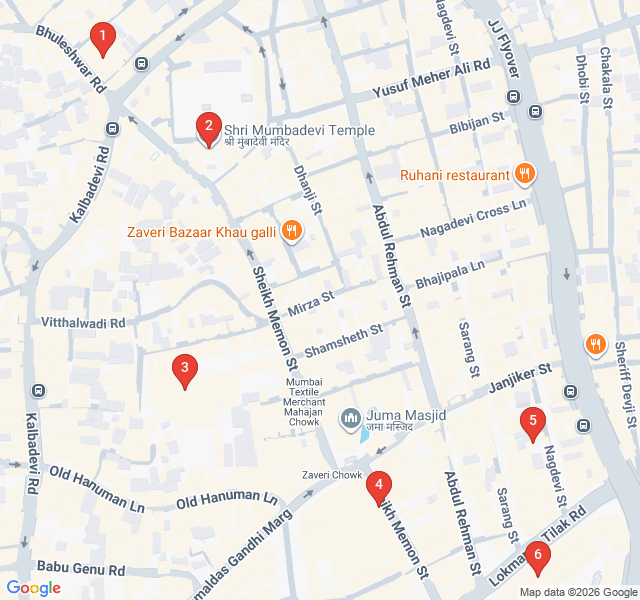
Numbers indicate the order of stops on the tour.
Welcome to the starting point of your self-guided walk. The area surrounding the Brihanmumbai Municipal Corporation (BMC) market is a gateway to the old city's commercial chaos. This isn't just one building; it's a sprawling ecosystem of street vendors and small shops selling everything from household hardware to seasonal fruits. As you stand here, notice the relentless movement of 'handcarts' and 'head-loaders'—the human engines of Mumbai's economy. The architecture here is a mix of crumbling colonial-era facades and functional modern structures, reflecting the city's constant state of flux. Take a moment to adjust to the noise and pace; you are about to enter one of the most densely populated commercial zones on the planet.
Hidden behind a screen of shops is the Shri Mumbadevi Temple, the spiritual anchor of the city. Dedicated to the goddess Mumba, a patron deity of the Koli fisherfolk (the original inhabitants of the seven islands), this 18th-century temple is the reason Mumbai has its name. In 1995, the city's name was officially changed from Bombay to Mumbai to honor this goddess. Inside, the atmosphere is electric with the sound of bells and chanting. Even if you don't enter, the flower stalls outside—selling marigolds and jasmine—offer a fragrant contrast to the industrial scents of the bazaar. Respectful attire is required if you decide to step inside the courtyard.
You are now entering Zaveri Bazaar, the most famous jewelry market in India. It is estimated that a significant portion of the country's gold trade passes through these narrow, high-security lanes. Look up and you'll see tiny windows—these often lead to 'gadis' or traditional workshops where artisans have been crafting jewelry for generations. The bazaar is a maze of gold, silver, diamonds, and precious stones. While the storefronts might look modest, the wealth contained within these blocks is staggering. Because this area is highly sensitive, you may notice a significant police presence. It is best to keep your phone and camera tucked away while navigating the tightest sections of these lanes.
Enter the gates of Mangaldas Market and you'll find yourself in a textile cathedral. This is one of the largest indoor fabric markets in Asia, organized into 'katras' or lanes based on the type of fabric sold—be it silk, cotton, or embroidered wedding wear. The market is surprisingly cool and organized compared to the streets outside. Merchants sit on raised white mattresses ('gadis'), surrounded by towers of colorful cloth. It’s a fantastic place to observe the art of Indian bargaining. The light filtering through the high ceilings creates a beautiful, dusty atmosphere perfect for capturing the vibrant colors of Indian fashion, though always ask permission before photographing individual shopkeepers.
Emerging from the fabric lanes, you will find the Jama Masjid, the oldest mosque in this part of Mumbai, completed in 1802. This stunning structure is built in the Indo-Islamic style and features a central water tank—a rare sight in such a crowded district. The mosque is built over a water reservoir, and the reflection of the minarets in the pool offers a moment of profound peace amidst the bazaar's clamor. While the mosque is an active place of worship and may have restricted access for non-Muslims during prayer times, the exterior architecture and the surrounding bookshops specializing in religious texts are well worth your attention.
Your walk concludes at Crawford Market, officially known as Mahatma Jyotiba Phule Mandai. Completed in 1869, this building is a masterpiece of Norman and Gothic styles, featuring stone carvings by Lockwood Kipling (father of author Rudyard Kipling). Look for the friezes above the entrance depicting Indian peasants in agricultural settings. Inside, the market is famous for its high-end produce, imported chocolates, and a somewhat controversial pet section. The skylights and massive iron girders are a testament to Victorian engineering. It’s the perfect place to grab some fresh Alphonso mangoes (if in season) or simply marvel at the scale of Mumbai's historic appetite.
Start Free on iPhone
Explore “Bazaar Chaos: Markets of Kalbadevi” with your very own Private Tour Guide with Zigway. Start free on iPhone, skip the large group and the fixed routes, and hear the city come alive as you go.
Your Private Tour Guide
Don't miss the good stuff
Explore Freely
 Easy
EasyMumbai, India
Explore Mumbai's stunning UNESCO Art Deco heritage on this self-guided walking route along the iconic Marine Drive promenade.
 Easy
EasyMumbai, India
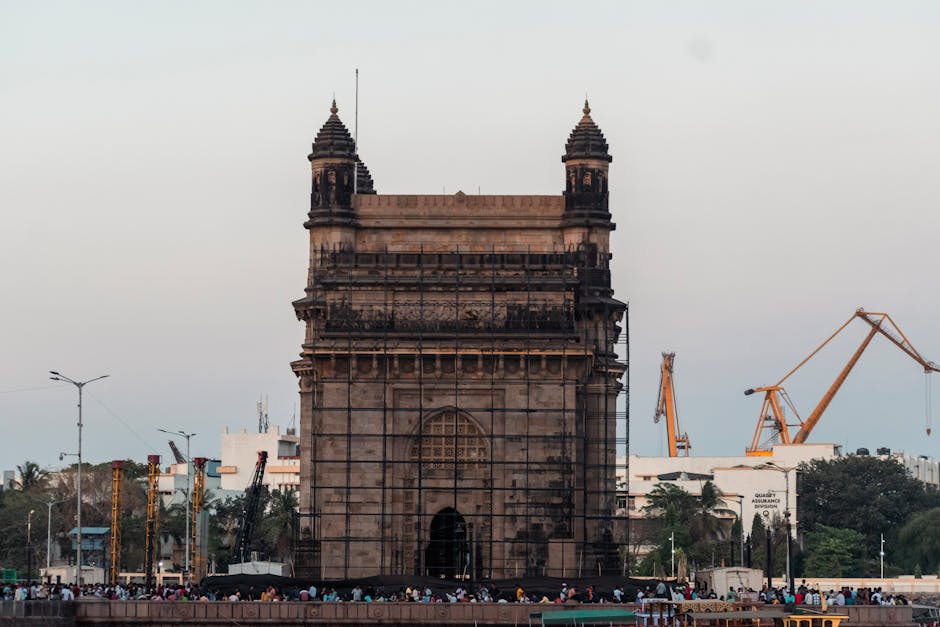
Explore Mumbai's colonial legacy on this self-guided walk through Colaba's iconic landmarks, from the Gateway of India to grand Art Deco palaces.
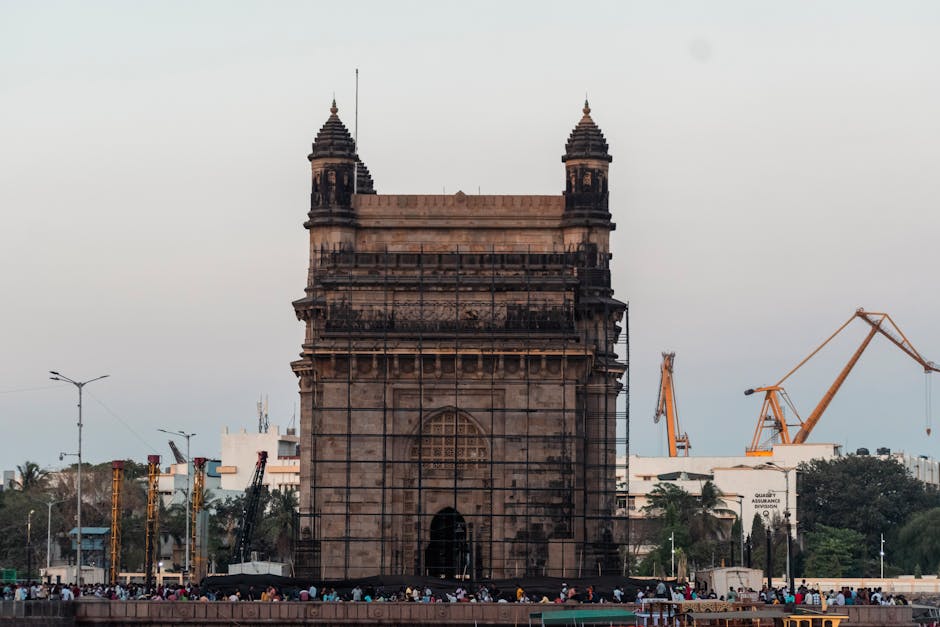 Moderate
Mumbai, India
Explore the ancient fishing village of Worli Koliwada, historic forts, and stunning sea views on this self-guided cultural walking route.
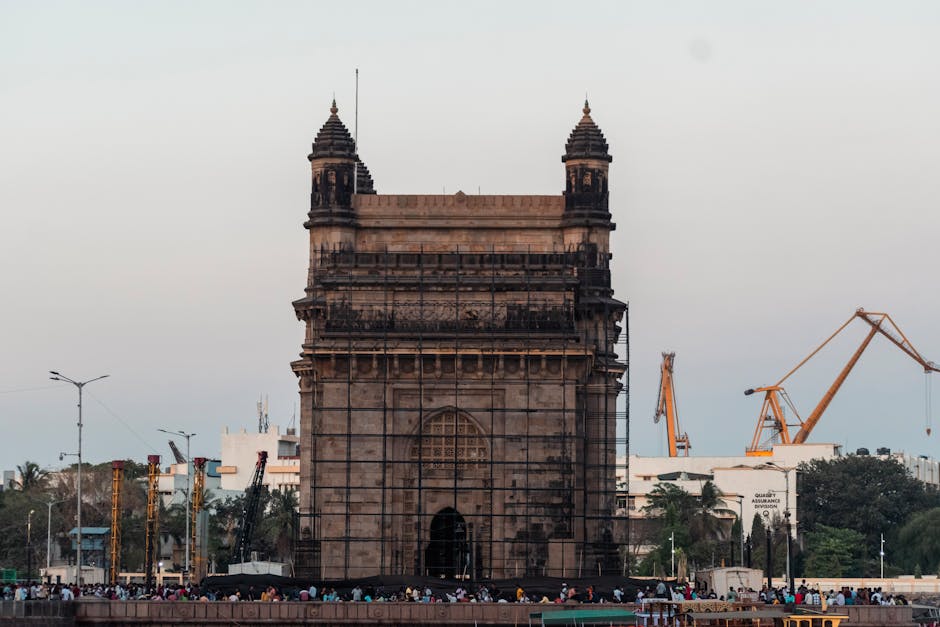 Easy
EasyMumbai, India
Discover vibrant murals and centuries-old heritage in Bandra’s hidden lanes on this self-guided neighborhood stroll through Ranwar and Chapel Road.
 Moderate
Nairobi, Kenya
Discover the pulse of Nairobi's contemporary art scene on this self-guided walk through the galleries and creative spaces of Kilimani.
 Moderate
Nairobi, Kenya
Taste your way through Nairobi's Westlands on this self-guided walk featuring street snacks, cultural landmarks, and hidden foodie gems.
 Easy
EasyVienna, Austria
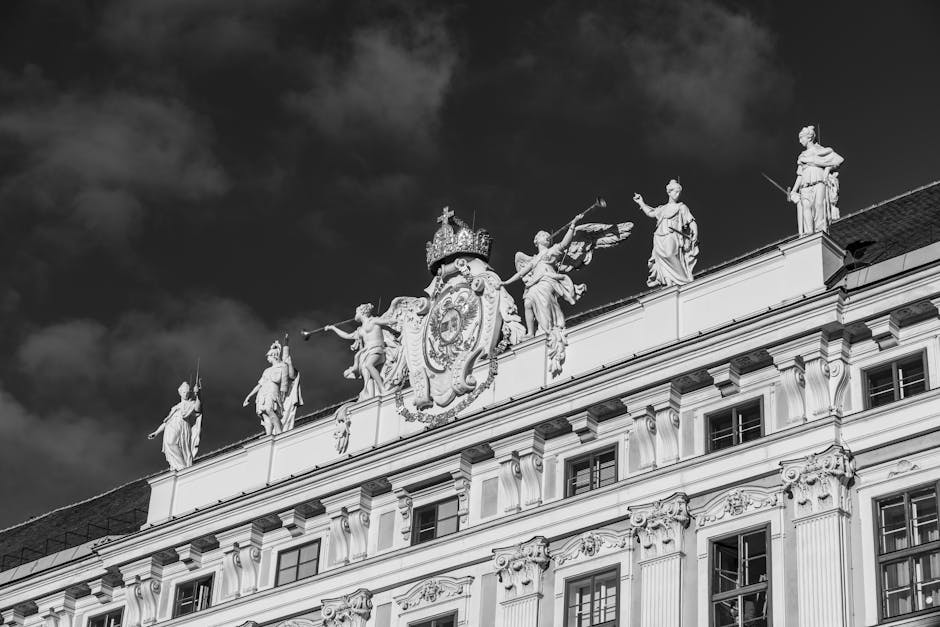
Explore Vienna’s vibrant open-air gallery along the Danube Canal on this self-guided street art and nightlife stroll through Leopoldstadt.
 Moderate
Nairobi, Kenya
Discover the creative soul of Nairobi on this self-guided walk through the city's premier art galleries, markets, and artisan workshops.
 Challenging
Delhi, India
Explore the legendary flavors of Old Delhi on this self-guided audio walk through the historic markets and hidden food stalls of the Walled City.
 Easy
EasyDelhi, India
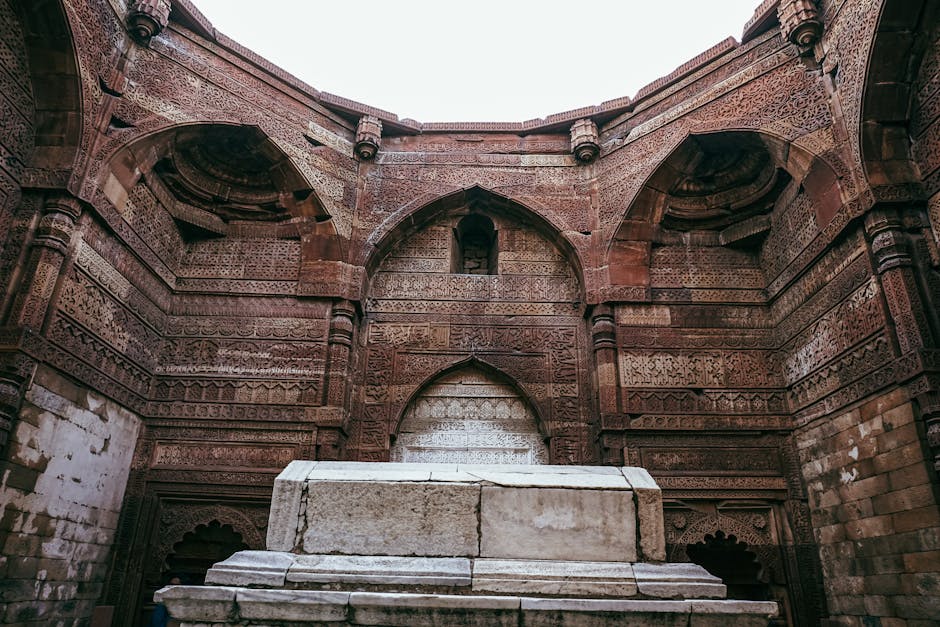
Explore where 14th-century ruins meet high-end fashion in Delhi's most creative urban village on this self-guided neighborhood stroll.
 Moderate
Delhi, India
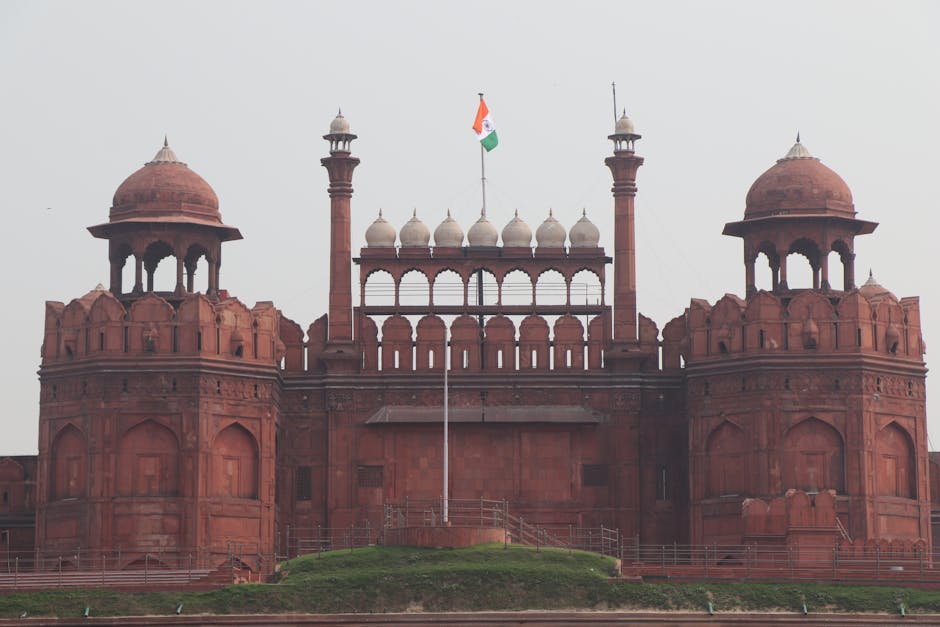
Explore Delhi's soul from the markets of Janpath to the hidden alleys of Little Tibet on this culture-rich, self-guided food and neighborhood stroll.
 Challenging
Delhi, India
Experience the sensory magic of Old Delhi on this self-guided walk through historic spice markets, silver lanes, and grand Mughal monuments.