Self-guided audio tour in Jaipur
Start Free on iPhone
Start free on iPhone to unlock this self-guided walking tour in Jaipur. Hear all the stories that make it amazing, walk at your own pace, and begin whenever you want.
Your Private Tour Guide
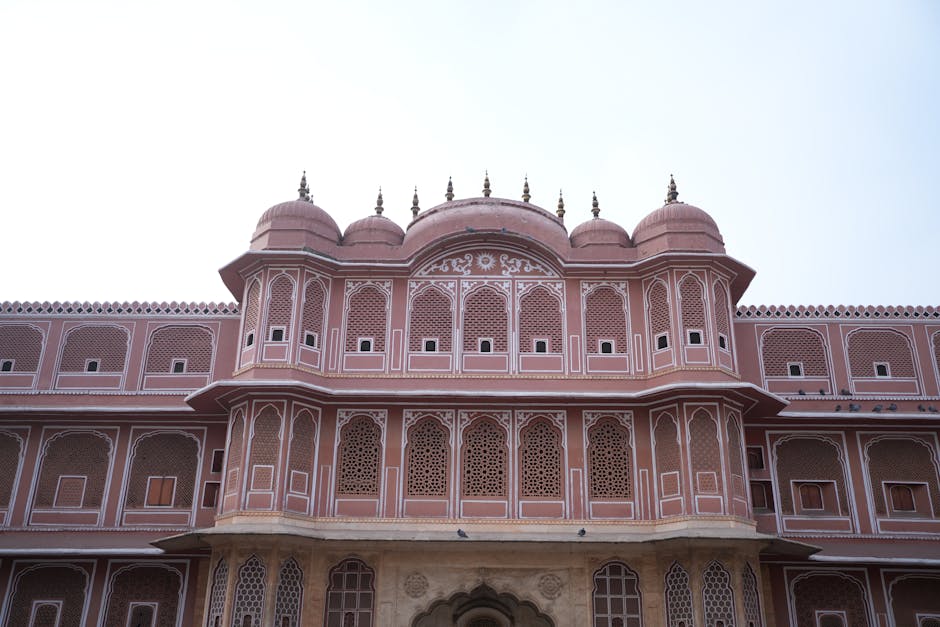
Step into the vibrant heart of the Pink City and uncover the legacy of the Kachwaha Rajputs on this self-guided neighborhood stroll. Jaipur is a city designed with intention, founded in 1727 by Maharaja Sawai Jai Singh II, who moved his capital from the rugged hills of Amber to this meticulously planned urban landscape. As you navigate the grid-like streets, you will witness a unique fusion of Rajput, Mughal, and European architectural styles that define the city's royal heritage. This walking route Jaipur offers explores the most iconic landmarks, from the towering Isarlat to the delicate lattice of the Hawa Mahal. Unlike a traditional guided tour Jaipur, this audio walk allows you to linger at the intricate Peacock Gate of the City Palace or marvel at the scientific precision of Jantar Mantar at your own speed. You will traverse the historic squares where royal processions once passed and discover how the city's 'pink' hue—actually a terracotta rose—was a welcoming gesture for a 19th-century royal visit. This self-guided adventure provides the historical context needed to truly appreciate the grandeur of the Maharaja’s vision, taking you through the administrative and ceremonial core of the city. Whether you are a history buff or a photography enthusiast, this walking route Jaipur provides an immersive look into the life of Indian royalty and the architectural brilliance of the 18th century.
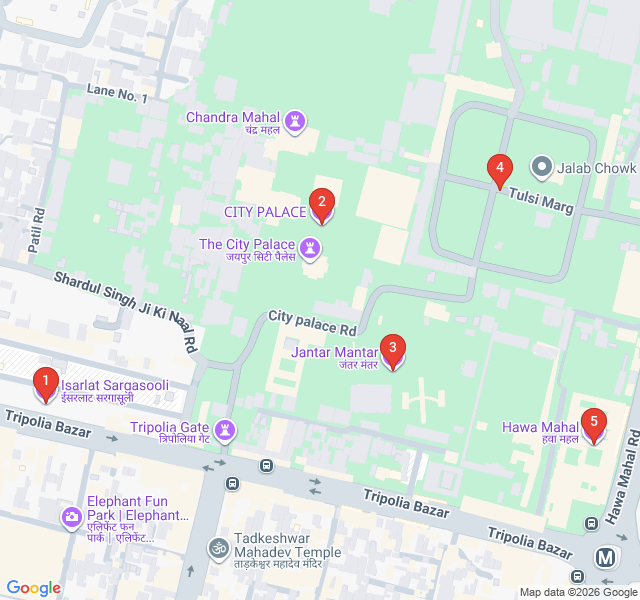
Numbers indicate the order of stops on the tour.
Start your journey at Isarlat, also known as the 'Tower to Heaven.' Built in 1749 by Maharaja Ishwari Singh, this seven-story minaret was constructed to commemorate a military victory over Mewar and the Marathas. Its height and yellow hue make it a standout landmark against the pink backdrop of the city. Architecturally, it draws inspiration from the Qutub Minar in Delhi but maintains a distinct Rajasthani character. As you stand before it, imagine the royal heralds using such heights to survey the burgeoning city. This tower serves as the perfect orientation point for your walk, offering a glimpse into the defensive and celebratory architecture of the early Jaipur era.
A short walk leads you to the City Palace, the ceremonial heart of Jaipur. This sprawling complex was the seat of the Maharaja and remains partially a royal residence today. As you explore the courtyards, look for the Mubarak Mahal, which blends Islamic, Rajput, and European influences, and the famous Pritam Niwas Chowk. This inner courtyard features four beautiful gates representing the four seasons; the Peacock Gate, representing autumn, is a masterpiece of colorful glass and carving. The palace is a testament to the wealth and artistic patronage of the Jaipur royals, housing museums that showcase royal textiles, weaponry, and the world's largest sterling silver vessels.
Located just outside the palace gates is Jantar Mantar, a UNESCO World Heritage site and a marvel of 18th-century science. Built by the astronomer-king Sawai Jai Singh II, this collection of nineteen fixed astronomical instruments was far ahead of its time. The most impressive is the Samrat Yantra, a giant sundial that can tell the time with an accuracy of two seconds. These stone structures were used to predict eclipses, track stars, and determine the onset of monsoons. The site reflects the Enlightenment-era curiosity of the Maharaja, who combined his royal duties with a deep passion for mathematics and the cosmos.
Exit the astronomical complex and enter Jalebi Chowk, one of the city's largest historic squares. In the days of the monarchy, this area served as a staging ground for royal processions, military parades, and public celebrations. Its name comes from the traditional sweet shops that once lined the area, serving the royal guards and visitors. Today, it remains a bustling transition point between the City Palace and the Govind Dev Ji Temple. Take a moment to observe the symmetry of the surrounding buildings, a hallmark of Jaipur's planned urban design, and enjoy the lively atmosphere of local vendors and pilgrims passing through.
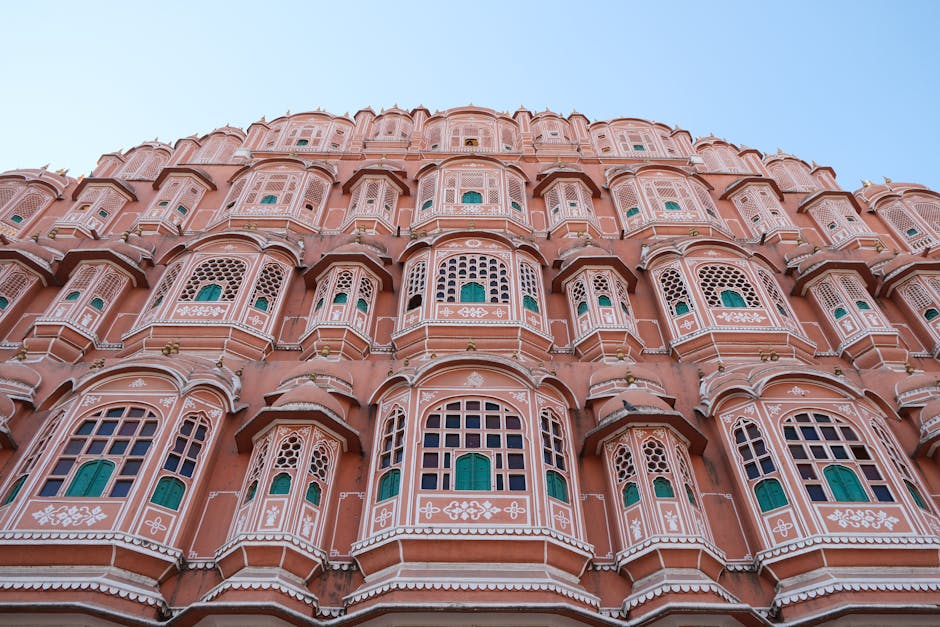
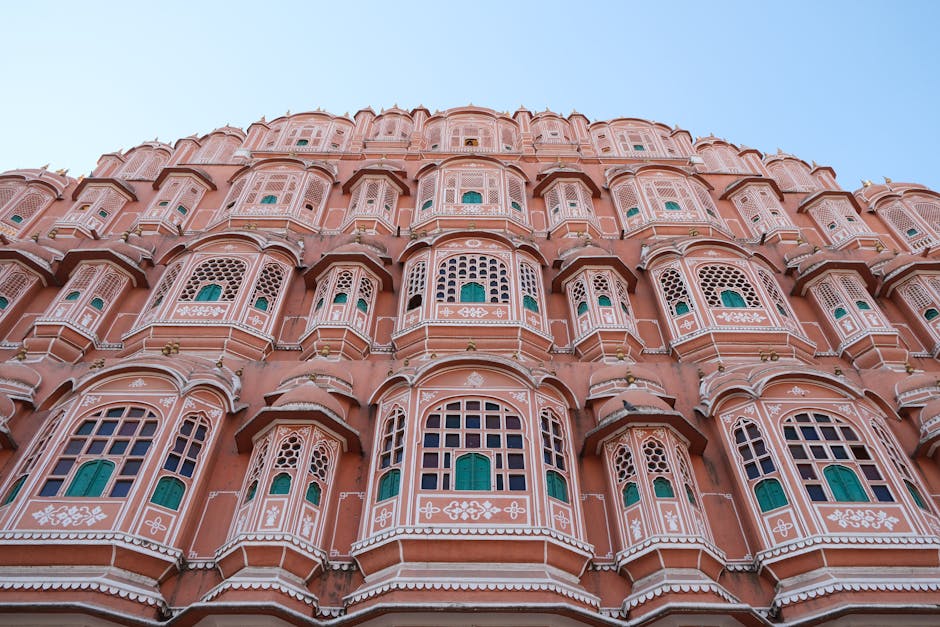
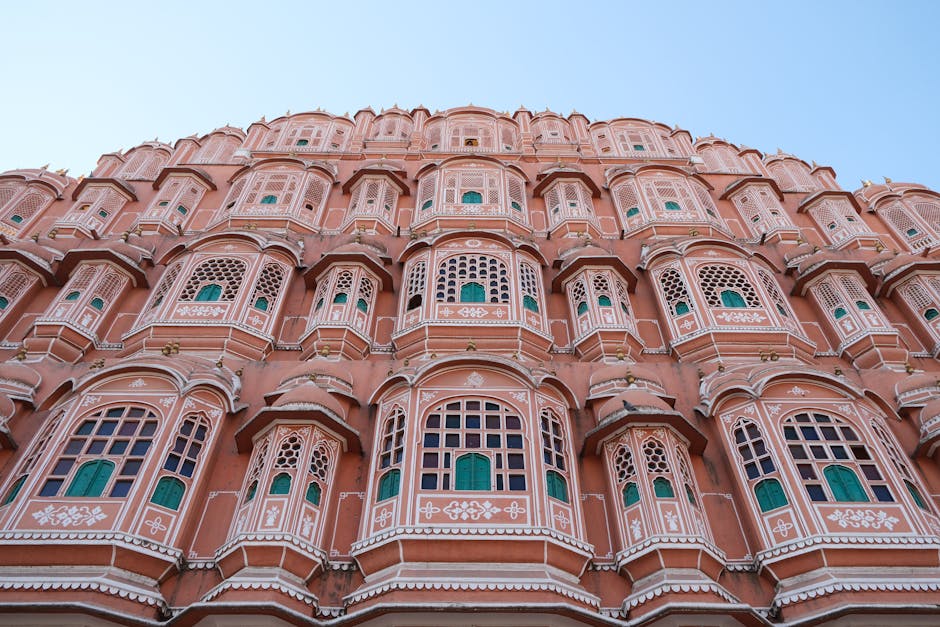
Conclude your walk at the world-famous Hawa Mahal, or 'Palace of Winds.' Built in 1799 by Maharaja Sawai Pratap Singh, its unique five-story exterior resembles the crown of the Hindu god Krishna. The structure is famous for its 953 small windows, known as jharokhas, decorated with intricate latticework. These were designed to allow royal ladies to observe everyday life and festivals in the street below without being seen themselves, while also creating a 'Venturi effect' that channeled cool air through the palace during the scorching summer. It is an architectural icon of Jaipur and the perfect place to reflect on the city's blend of beauty and functionality.
Start Free on iPhone
Explore “Regal Footsteps: The Maharaja’s Jaipur” with your very own Private Tour Guide with Zigway. Start free on iPhone, skip the large group and the fixed routes, and hear the city come alive as you go.
Your Private Tour Guide
Don't miss the good stuff
Explore Freely
 Moderate
Jaipur, India
Discover Jaipur’s secret courtyards and stunning frescoes on this self-guided walk through the historic havelis and alleys of Purani Basti.
 Challenging
Jaipur, India
Ascend the historic ramparts of Amer Fort on this self-guided walk through ancient stepwells, royal gateways, and the dazzling Hall of Mirrors.
 Easy
EasyJaipur, India
Explore the rose-hued gates and vibrant markets of Jaipur on this self-guided architectural walk from Albert Hall to the historic Ajmeri Gate.
 Easy
EasyJaipur, India
Explore Jaipur’s intellectual heart on this self-guided literary walk from historic libraries to iconic cultural hubs and legendary tea stalls.
 Moderate
Gothenburg, Sweden
Discover Gothenburg’s maritime soul on this self-guided walk from the historic Central Station to the scenic riverfront at Stenpiren.
 Easy
EasyNairobi, Kenya
Discover Nairobi's iconic skyline on this self-guided architecture walk through the CBD’s most famous modernist and Brutalist landmarks.
 Moderate
Vienna, Austria
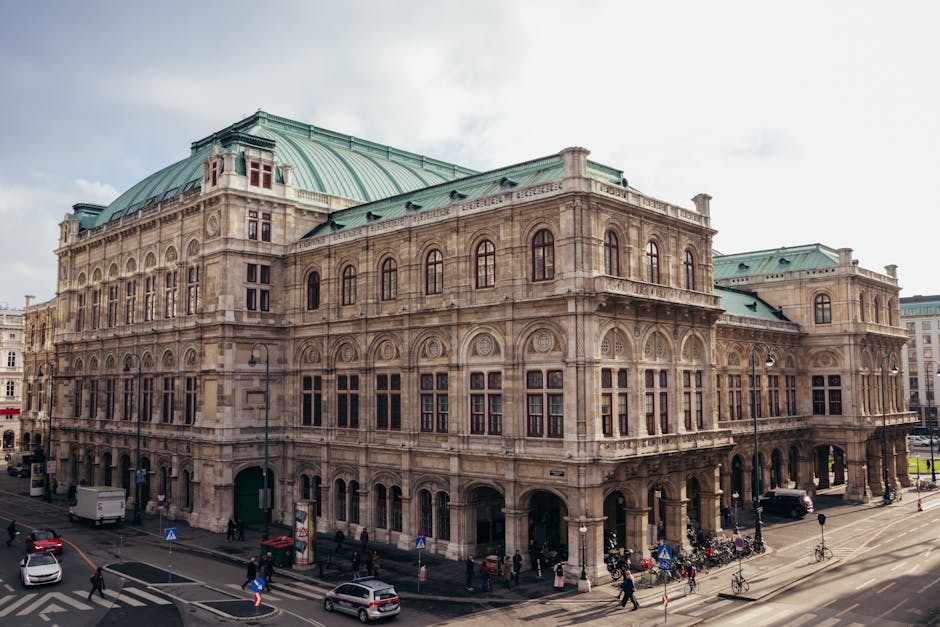
Follow the footsteps of Mozart and Strauss through Vienna’s historic center on this self-guided walk through the city's rich musical history.
 Easy
EasyGdansk, Poland
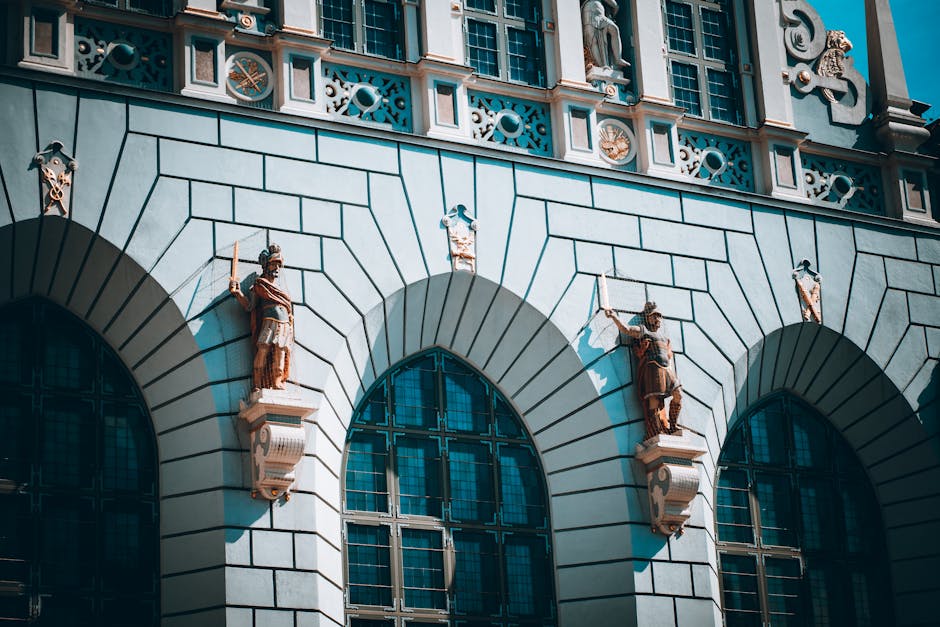
Discover the opulent Royal Way of Gdansk at your own pace. Explore Hanseatic history, gilded architecture, and the iconic Neptune's Fountain.
 Easy
EasyMumbai, India
Explore Mumbai's stunning UNESCO Art Deco heritage on this self-guided walking route along the iconic Marine Drive promenade.
 Challenging
Mumbai, India
Experience the sensory explosion of Mumbai's historic markets on this challenging self-guided walk through Kalbadevi and Crawford Market.
 Easy
EasyMumbai, India
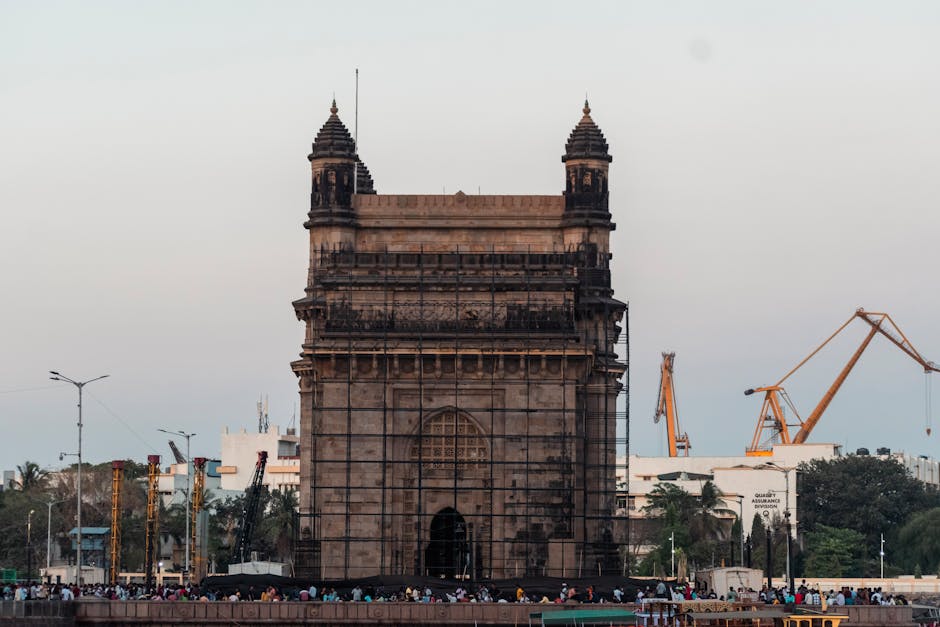
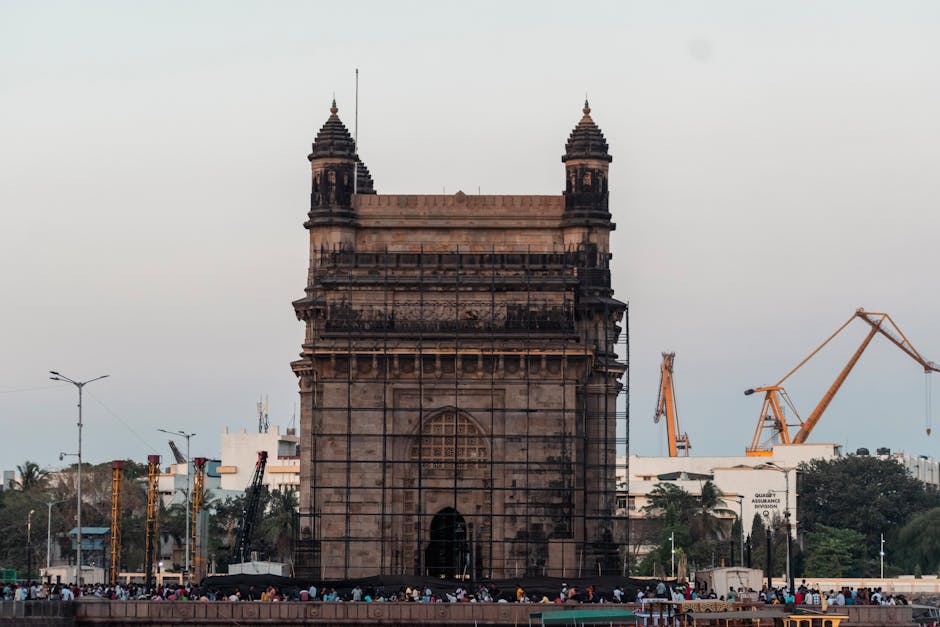
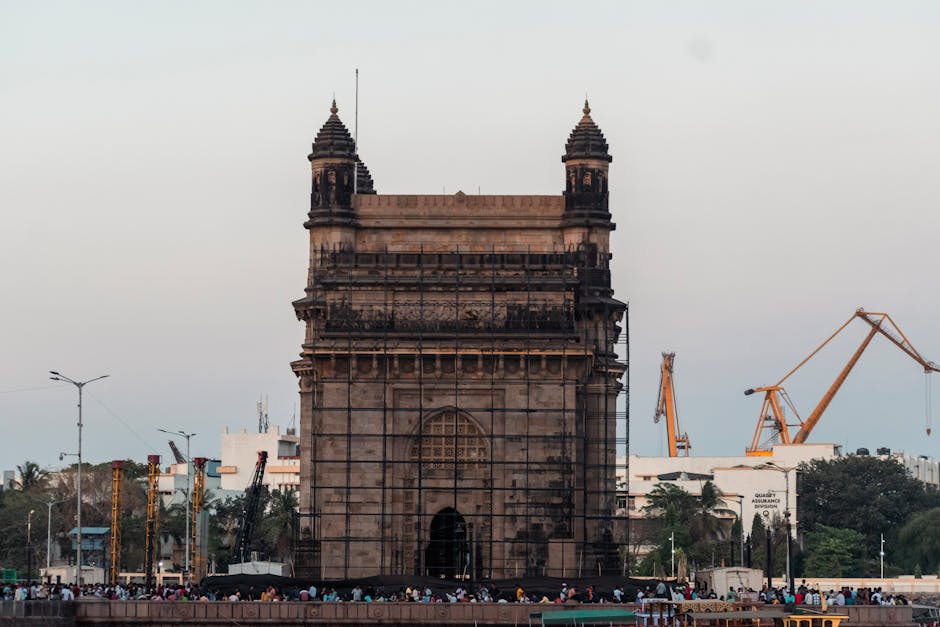
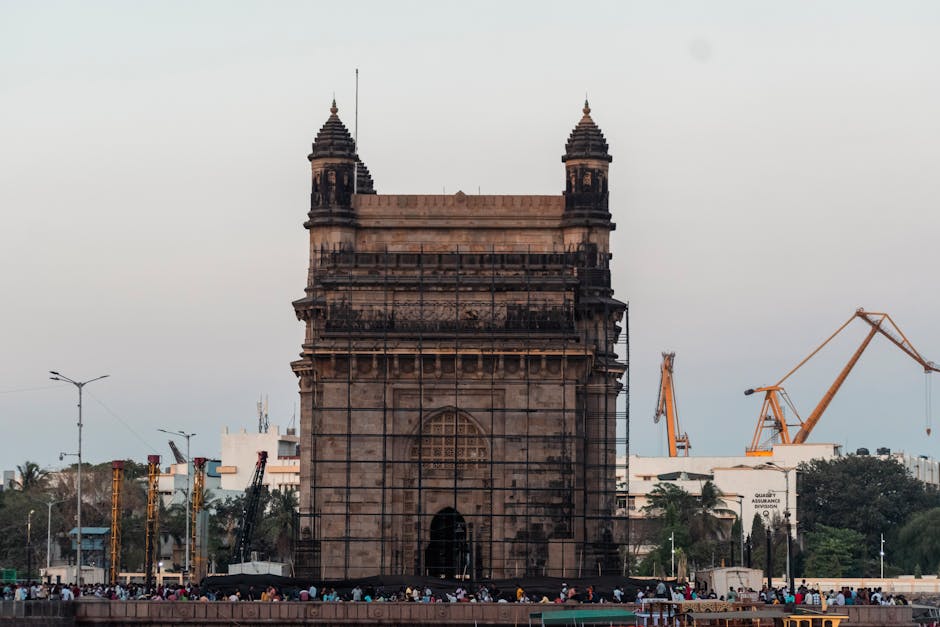
Explore Mumbai's colonial legacy on this self-guided walk through Colaba's iconic landmarks, from the Gateway of India to grand Art Deco palaces.
 Moderate
Mumbai, India
Explore the ancient fishing village of Worli Koliwada, historic forts, and stunning sea views on this self-guided cultural walking route.