Self-guided audio tour in Cartagena
Start Free on iPhone
Start free on iPhone to unlock this self-guided walking tour in Cartagena. Hear all the stories that make it amazing, walk at your own pace, and begin whenever you want.
Your Private Tour Guide
Step into the shadows of Cartagena's past on this self-guided walk through the historic heart of the Walled City. This walking route delves into the chilling history of the Spanish Inquisition, exploring the very streets and buildings where power, religion, and fear once converged. As you navigate the cobblestone alleys of the Centro neighborhood, you will uncover the stories behind the grand colonial facades that make this UNESCO World Heritage site so captivating. This neighborhood stroll is designed for those who want to experience history beyond the colorful balconies and vibrant flowers, touching on the legends and dark legacies that shaped modern Colombia. The journey begins at the Palace of the Inquisition, arguably the most significant site of religious judicial power in the New World. From here, you will trace the path of the accused through the Calle de la Inquisición and into the Plaza de Bolívar, a space that has witnessed centuries of public spectacles and political shifts. You will also see the towering Catedral de Santa Catalina de Alejandría, a fortress-like church that survived pirate sieges and served as the spiritual anchor for the city's elite. Unlike a typical walking tour Cartagena experience, this audio-led journey allows you to pause whenever you wish, perhaps to admire the intricate door knockers or to grab a refreshing coconut water from a street vendor. This route also explores the legends of the 'Calle de las Damas' and concludes at the formidable Baluarte de San Ignacio, part of the city's massive defensive walls. Whether you are a history buff or a curious traveler, this self-guided adventure provides a deep dive into the complex heritage of the Caribbean. By following this walking route, you gain a unique perspective on how the Inquisition influenced social life and architecture in colonial South America. Discover at your own pace the layers of history that lie beneath the surface of one of the world's most beautiful colonial cities.
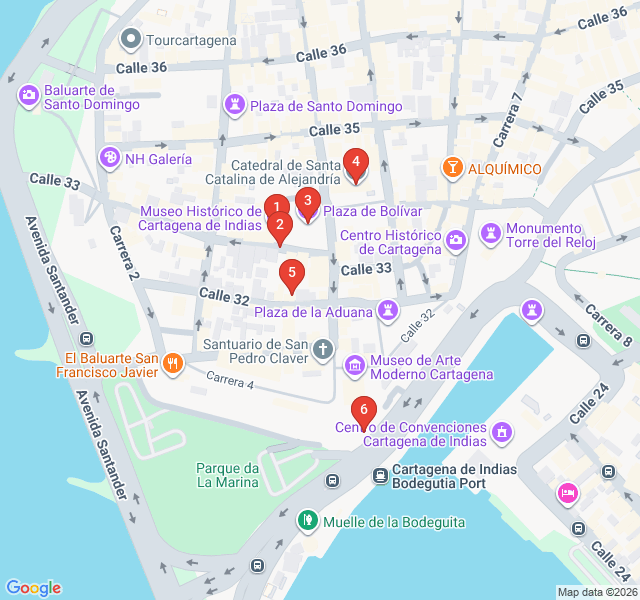
Numbers indicate the order of stops on the tour.
Welcome to the Palace of the Inquisition, one of the most beautiful yet somber examples of colonial architecture in Cartagena. Completed in 1770, this building served as the seat of the Holy Office of the Inquisition. Notice the magnificent Baroque limestone portal and the characteristic wooden balconies. Inside, the Inquisition held trials and kept prisoners accused of crimes against the Catholic faith, such as witchcraft or heresy. While the museum today houses instruments of torture and historical exhibits, the building itself is a masterpiece of Spanish colonial design. It represents the immense power the church and crown held over the daily lives of citizens in the New Kingdom of Granada. Take a moment to appreciate the thick walls and cool courtyards, which were designed to provide relief from the Caribbean heat.
Walking down this narrow street, you are following the same path once trodden by those summoned before the inquisitors. This street is famous for the 'Window of the Denunciation,' a small opening in the wall of the Palace where citizens could anonymously drop off accusations against their neighbors. It created a climate of suspicion and fear that permeated colonial society. Beyond its dark history, the street is a quintessential example of Cartagena's charm, with its overhanging balconies draped in bougainvillea. Look closely at the door knockers, or 'aldabas.' In colonial times, these weren't just decorative; they signaled the profession or social status of the residents. Lions often represented the military, while sea creatures suggested a merchant family.
Now known as Plaza de Bolívar, this central square was originally called the Plaza de la Inquisición. This was the stage for 'Autos-da-fé,' public ceremonies where the Inquisition's sentences were read aloud and punishments were carried out. Today, the atmosphere is far more peaceful. In the center stands the equestrian statue of Simón Bolívar, 'The Liberator,' who played a key role in South America's independence from Spain. The park is a favorite spot for locals to play chess or enjoy the shade of the massive trees. Surrounded by the Cathedral, the Palace of the Inquisition, and the Gold Museum, this square has remained the heart of Cartagena's civic life for over four centuries.
Gaze up at the towering belfry of the Cathedral of Saint Catherine of Alexandria. Construction began in 1577, but the progress was famously interrupted in 1586 when the pirate Francis Drake attacked the city. Legend says Drake held the partially built cathedral for ransom, firing a cannonball that damaged one of its columns to prove his point. The building was eventually completed in 1612. Its fortress-like appearance, with thick coral stone walls, was a practical necessity in a city constantly under threat from Caribbean buccaneers. Inside, the cathedral is surprisingly simple and elegant, housing an ornate gilded altar and the remains of several prominent bishops. It stands as a symbol of the city's spiritual resilience.
This street, Calle de las Damas, is steeped in local lore. According to one popular legend, it earned its name because the Spanish King, Charles IV, once visited and was so impressed by the beauty of the women standing on these balconies that he named the street in their honor. Another version suggests it was where the most elite women of the city lived and socialized. As you walk, observe the architectural details of the houses. Many of these structures were built by wealthy merchants who made their fortunes in the slave trade or through the export of gold. The large, heavy doors and high ceilings were designed to keep the interiors cool during the humid afternoons, showcasing the practical side of colonial luxury.
You have reached the Baluarte de San Ignacio, a vital part of Cartagena's world-renowned defensive walls. Built in the early 17th century by the Italian engineer Battista Antonelli, this bastion was specifically positioned to protect the nearby Jesuit college and the harbor entrance. From this vantage point, you can see the modern skyline of Bocagrande in the distance, contrasting sharply with the ancient stone beneath your feet. The walls of Cartagena were so expensive and massive that the King of Spain supposedly joked he should be able to see them from Madrid through a telescope. This is the perfect place to end your walk, especially as the sea breeze picks up and the sun begins to set over the Caribbean Sea.
Start Free on iPhone
Explore “The Inquisition Trail: Dark History and Legends” with your very own Private Tour Guide with Zigway. Start free on iPhone, skip the large group and the fixed routes, and hear the city come alive as you go.
Your Private Tour Guide
Don't miss the good stuff
Explore Freely
 Moderate
Cartagena, Colombia
Follow the footsteps of Gabriel García Márquez on a self-guided walk through the magical realism of Cartagena’s historic walled city.
 Easy
EasyCartagena, Colombia
Taste the heart of Cartagena on this self-guided street food walk through the vibrant alleys of Getsemaní and the historic Walled City.
 Easy
EasyCartagena, Colombia
Explore Cartagena's legendary defensive walls and historic bastions on this self-guided walk through colonial history and Caribbean views.
 Easy
EasyCartagena, Colombia
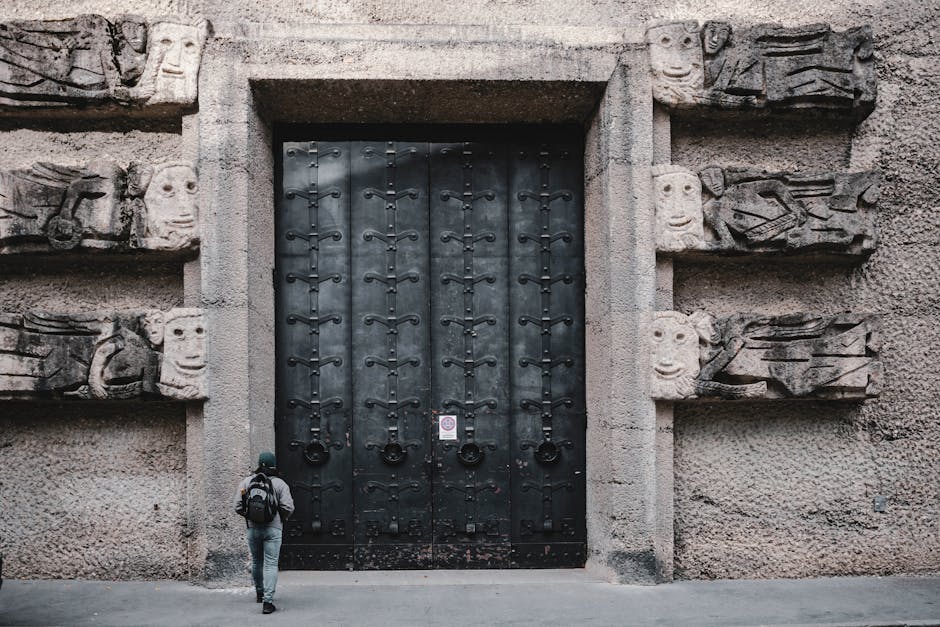
Discover the tranquil charm, colorful streets, and hidden architectural gems of Cartagena’s most bohemian neighborhood on this self-guided walk.
 Easy
EasySalzburg, Austria
Discover the 'Rome of the North' on this self-guided walk through the Baroque squares and monumental legacy of Salzburg’s Prince-Archbishops.
 Easy
EasyWarsaw, Poland
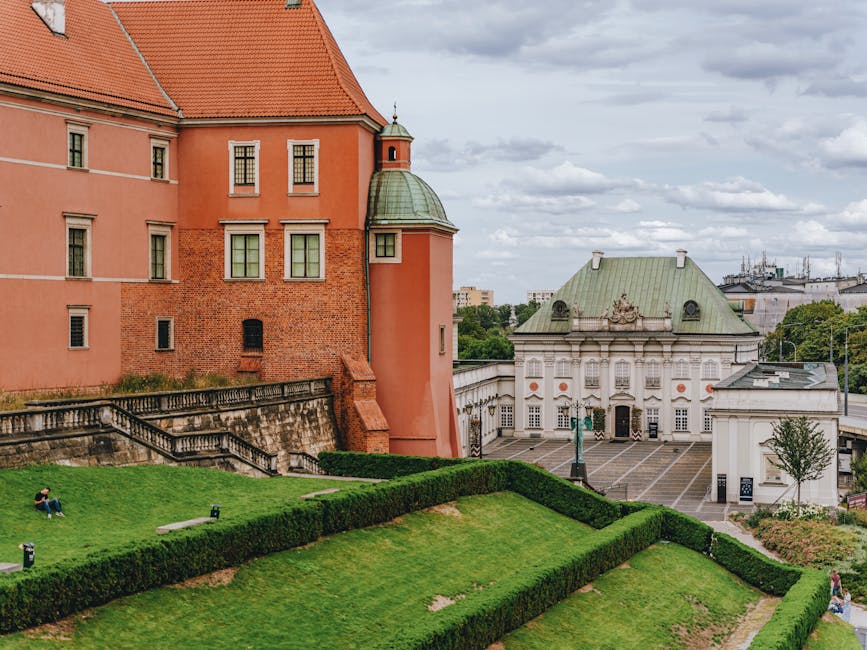
Explore the miracle of Warsaw's reconstructed Old Town on this self-guided walk through royal squares, medieval walls, and heroic monuments.
 Easy
EasyGothenburg, Sweden
Explore Gothenburg's elegant academic district, featuring grand 19th-century stone architecture and the iconic cultural hub of Götaplatsen.
 Easy
EasyGothenburg, Sweden
Discover Gothenburg’s 17th-century Dutch foundations, historic canals, and military fortifications on this self-guided architectural walk.
 Moderate
Bogota, Colombia
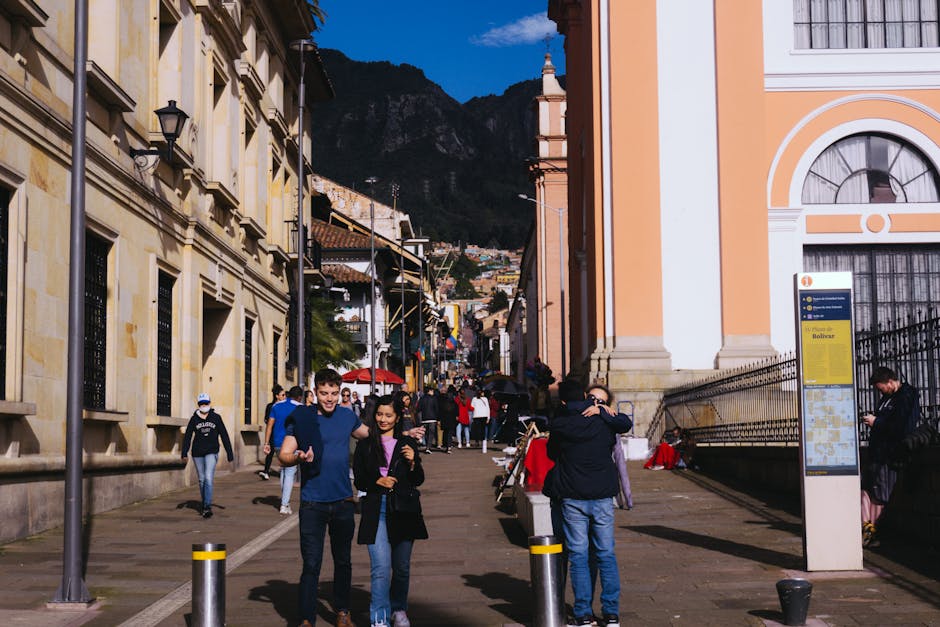
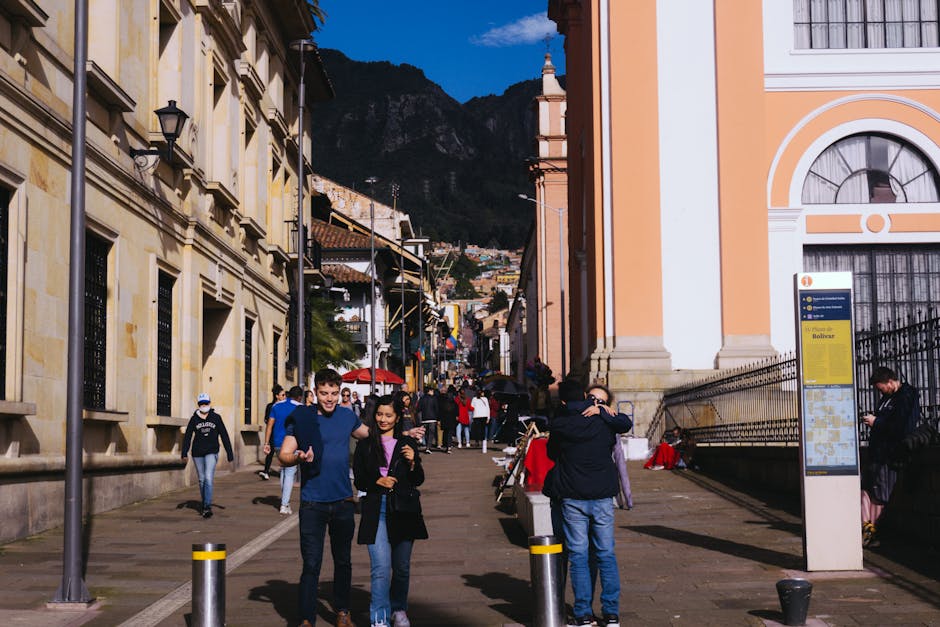
Explore the historic base of Monserrate, from Bolivar's colonial villa to the legendary founding spot of Bogota on this self-guided walking route.
 Easy
EasyBogota, Colombia
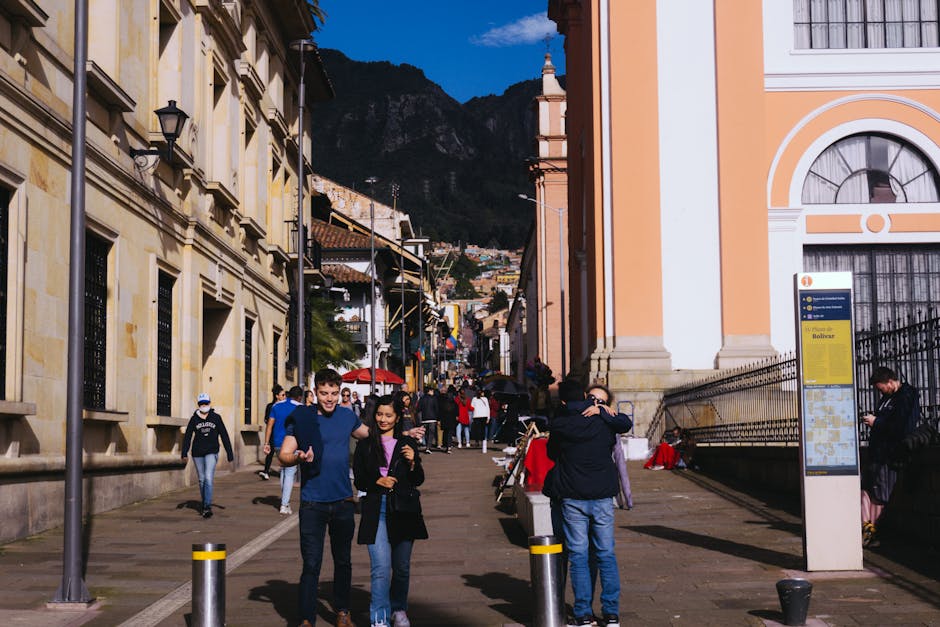
Discover the colonial charm and artistic soul of Bogota's oldest neighborhood on this self-guided audio walking route through La Candelaria.
 Easy
EasyBogota, Colombia
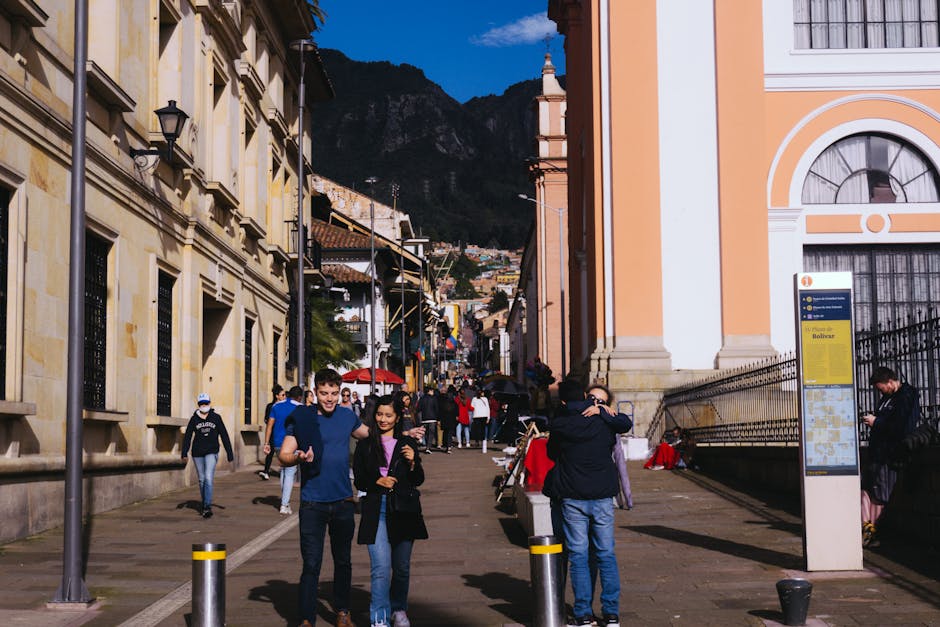
Discover the 'Green Fire' of Colombia on this self-guided walk through Bogota's legendary emerald district and informal street markets.
 Easy
EasyBogota, Colombia
Trace the footsteps of Jorge Eliécer Gaitán and explore the sites of the 1948 riots that reshaped modern Colombia on this self-guided audio walk.