Self-guided audio tour in Cartagena
Start Free on iPhone
Start free on iPhone to unlock this self-guided walking tour in Cartagena. Hear all the stories that make it amazing, walk at your own pace, and begin whenever you want.
Your Private Tour Guide
Step into a living museum where every door handle and overhanging balcony tells a story of status, trade, and colonial ambition. This self-guided walk through Cartagena’s historic 'Centro' neighborhood invites you to look beyond the vibrant bougainvillea and pastel facades to decode the hidden language of the city’s architecture. In the 17th and 18th centuries, your house was your resume, and this walking route reveals how the Spanish elite used wood, stone, and bronze to signal their place in the world. As you explore independently, you will discover why certain houses feature massive bronze lizards while others boast fierce lions or intricate sea creatures. This neighborhood stroll begins in the shadow of the cathedral and winds through the most prestigious streets of the Walled City. You will encounter the Plaza de Santo Domingo, home to legendary colonial churches and modern bronze sculpture, before diving into the narrow lanes of Calle de la Factoría. Here, the architecture is designed for the tropical climate, featuring the iconic wooden balconies that allowed for cross-breezes and social observation. The route highlights the Casa del Marqués de Valdehoyos, a prime example of a merchant noble's residence, where the height of the windows and the scale of the stone portals served as a clear display of wealth. Unlike a typical guided tour Cartagena visitors might join, this audio walk allows you to linger at the most photogenic corners without a crowd. You can pause to capture the perfect shot of the Calle de Don Sancho or stop for a coffee in a hidden courtyard. By the end of this self-guided adventure, you will not just see a beautiful city; you will understand the social hierarchy and architectural ingenuity that built the 'Crown Jewel of the Indies.' Whether you are a photography enthusiast or a history buff, this route offers a deep dive into the stable, historic heart of Colombia’s most iconic coastal city.
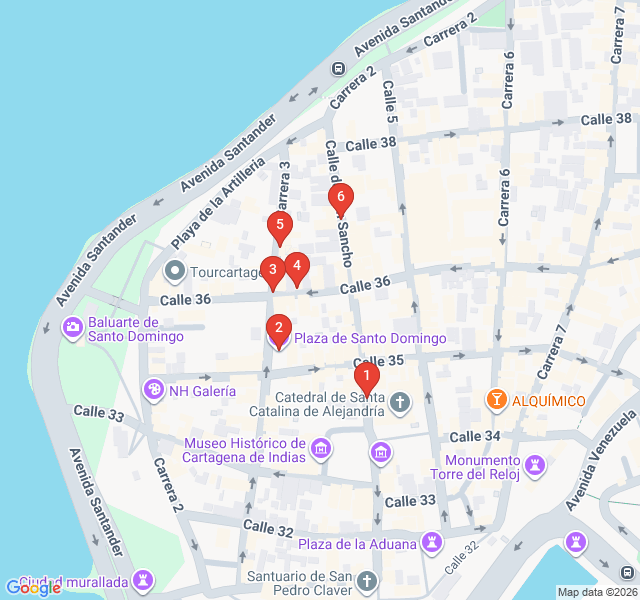
Numbers indicate the order of stops on the tour.
Start your journey on one of the most atmospheric streets in the city. The 'Street of the Stone Saints' gets its name from the statues adorning the facade of the Cathedral of Santa Catalina of Alexandria. As you look up, notice the transition from the heavy, defensive stone walls to the lighter, more decorative elements of the upper stories. This street serves as the perfect introduction to the city's scale. In the colonial era, this was a primary artery connecting the religious heart of the city to the residential quarters of the elite. Pay close attention to the massive wooden doors here; they are the first examples you will see of the city's famous 'portals' designed to allow horse-drawn carriages direct access into central courtyards.
This plaza is a study in contrasts. On one side stands the Church of Santo Domingo, the oldest church in the city, with its noticeably leaning bell tower—a result of building on the marshy ground of the Caribbean coast. In the center of the square, you will find 'Gorda Gertrudis,' a voluminous bronze sculpture by the world-renowned Colombian artist Fernando Botero. Tradition says that touching her brings good luck, which explains her polished sheen. The architecture surrounding the square showcases the evolution of the city, from the austere religious structures of the 16th century to the more flamboyant colonial mansions that eventually housed the city's wealthy merchant class.
Calle de la Factoría is often cited as the most beautiful street in Cartagena, and for good reason. This lane is a masterclass in colonial urban planning. Notice how the balconies nearly touch from opposite sides of the street; this wasn't just an aesthetic choice, but a functional one to provide maximum shade to the pedestrians below. The woodwork here is exceptional. Look for the 'canecillos'—the carved wooden brackets that support the balconies. These were often carved from tropical hardwoods like cedar or mahogany to withstand the salt air and humidity. This street was historically home to the city’s administrative officials and high-ranking merchants, reflected in the sheer size of the residences.
Stop outside this impeccably restored mansion to appreciate the classic 'Casa Alta' or high house layout. In Cartagena, the ground floor was typically used for business, storage, or housing staff, while the 'piano nobile' or second floor was the family’s primary residence, catching the best breezes. The door knockers here, known as aldabones, are particularly fine. During the Spanish colonial period, these were not merely decorative. A lion knocker signified a resident with military ties, while a lizard or iguana was reserved for those with royal connections or nobility. Sea creatures, like fish or dolphins, usually identified the home of a wealthy merchant who made their fortune through maritime trade.
This grand residence, now an alternate site for the Ministry of Foreign Affairs, represents the pinnacle of 18th-century colonial luxury. The Marquis of Valdehoyos was a powerful merchant who held a monopoly on the importation of flour and enslaved people. The scale of the stone entrance—the 'portada'—is meant to intimidate and impress. Look at the windows on the ground floor; the heavy iron grilles (rejas) were both a security measure and a social barrier, allowing young women of the house to speak with suitors on the street while remaining under the watchful eye of the family. The interior, though often closed to the public, features a massive cistern for rainwater, a necessity in a city with no natural freshwater source.
Conclude your architectural walk on Calle de Don Sancho. This street offers some of the most iconic views in Cartagena, leading your eye toward the yellow dome of the Cathedral or the Adolfo Mejía Theater. The houses here are famous for their vibrant colors—ochre, cobalt, and terracotta—which were historically regulated by the Spanish Crown but have since evolved into the Caribbean palette we see today. Notice the intricate 'carpentry' of the balconies, which often feature 'persianas' or wooden slats that could be angled to let in light while maintaining privacy. It is the perfect place to end your stroll and appreciate how these 'secrets' of wood and stone created one of the most resilient and beautiful urban environments in the Americas.
Start Free on iPhone
Explore “Knockers and Balconies: Colonial Architecture Secrets” with your very own Private Tour Guide with Zigway. Start free on iPhone, skip the large group and the fixed routes, and hear the city come alive as you go.
Your Private Tour Guide
Don't miss the good stuff
Explore Freely
 Moderate
Cartagena, Colombia
Follow the footsteps of Gabriel García Márquez on a self-guided walk through the magical realism of Cartagena’s historic walled city.
 Easy
EasyCartagena, Colombia
Taste the heart of Cartagena on this self-guided street food walk through the vibrant alleys of Getsemaní and the historic Walled City.
 Easy
EasyCartagena, Colombia
Explore Cartagena's legendary defensive walls and historic bastions on this self-guided walk through colonial history and Caribbean views.
 Easy
EasyCartagena, Colombia
Discover the tranquil charm, colorful streets, and hidden architectural gems of Cartagena’s most bohemian neighborhood on this self-guided walk.
 Easy
EasyNairobi, Kenya
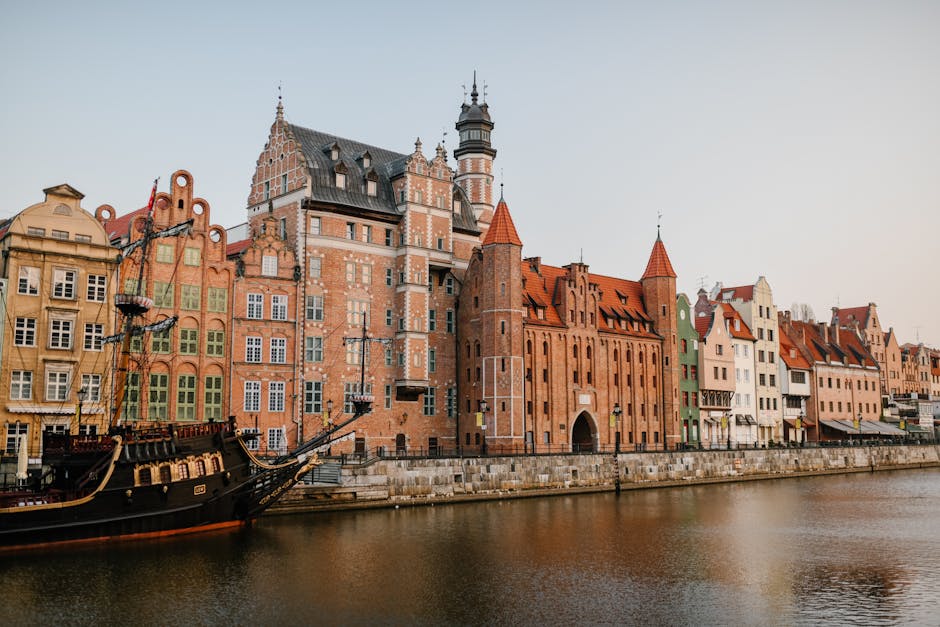
Discover Nairobi's iconic skyline on this self-guided architecture walk through the CBD’s most famous modernist and Brutalist landmarks.
 Easy
EasyGdansk, Poland
Discover the 'Baltic Gold' on this self-guided walk through Gdansk's historic mills, massive cathedrals, and the magical Mariacka Street.
 Easy
EasyNairobi, Kenya
Explore Nairobi's architectural evolution from colonial-era landmarks to iconic Brutalist skyscrapers on this historic self-guided walking route.
 Easy
EasyKrakow, Poland
Explore the prestigious Jagiellonian University district, featuring Neo-Gothic architecture, Baroque churches, and Krakow's hidden scholarly gems.
 Moderate
Bogota, Colombia
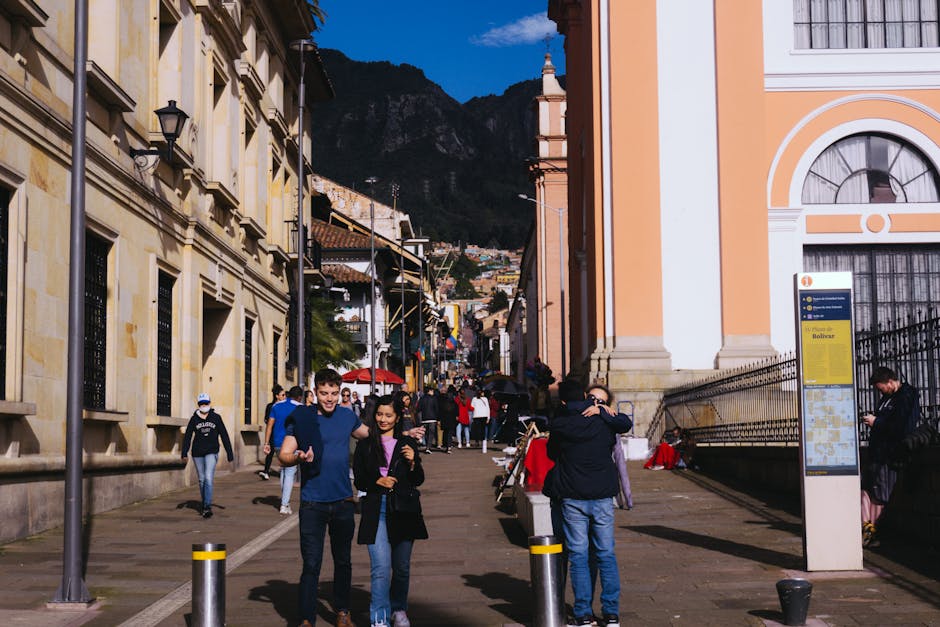
Explore the historic base of Monserrate, from Bolivar's colonial villa to the legendary founding spot of Bogota on this self-guided walking route.
 Easy
EasyBogota, Colombia
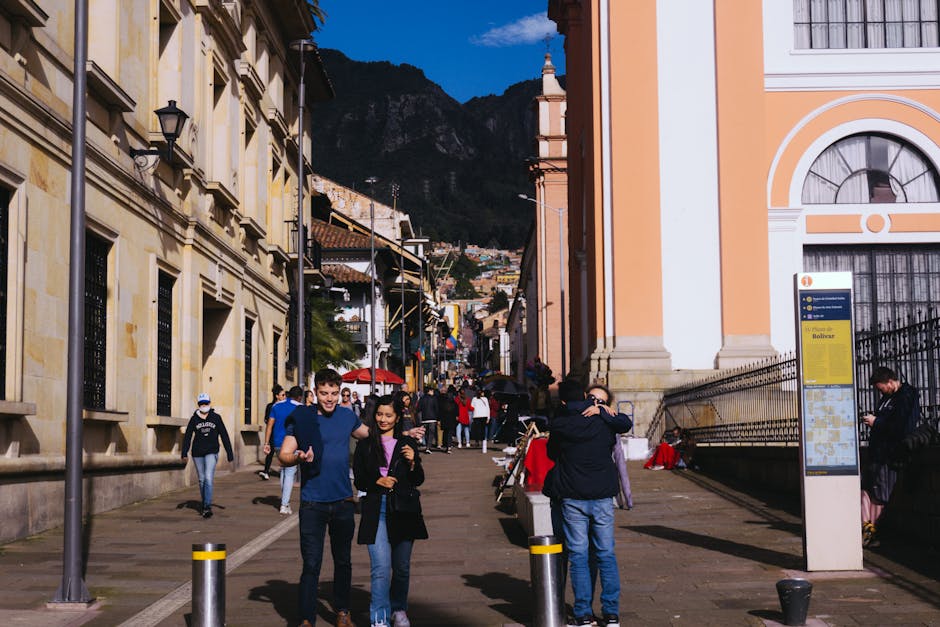
Discover the colonial charm and artistic soul of Bogota's oldest neighborhood on this self-guided audio walking route through La Candelaria.
 Easy
EasyBogota, Colombia
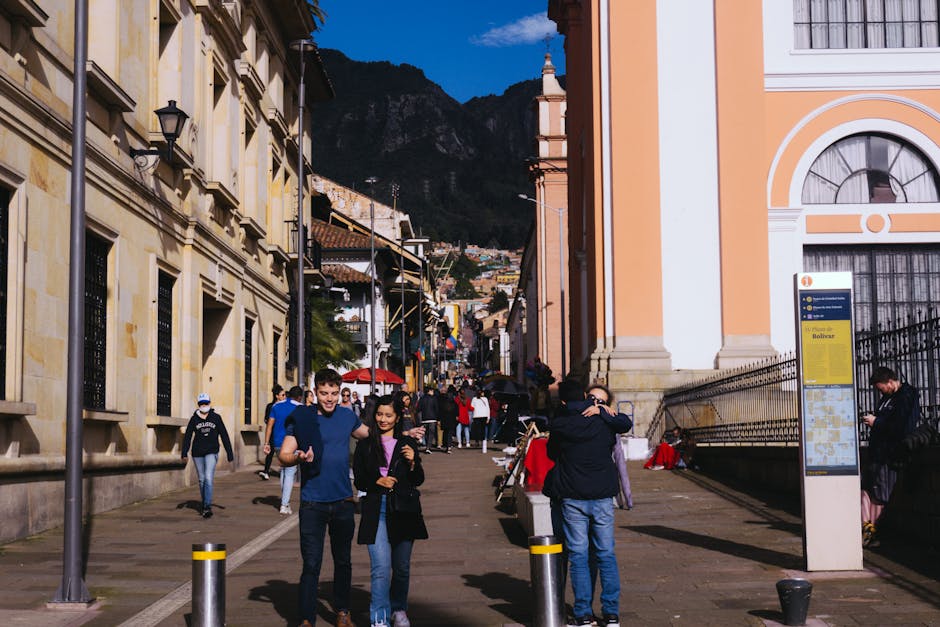
Discover the 'Green Fire' of Colombia on this self-guided walk through Bogota's legendary emerald district and informal street markets.
 Easy
EasyBogota, Colombia
Trace the footsteps of Jorge Eliécer Gaitán and explore the sites of the 1948 riots that reshaped modern Colombia on this self-guided audio walk.