Self-guided audio tour in Hiroshima
Start Free on iPhone
Start free on iPhone to unlock this self-guided walking tour in Hiroshima. Hear all the stories that make it amazing, walk at your own pace, and begin whenever you want.
Your Private Tour Guide
Hiroshima is often celebrated for its resilience and history, but its true identity is inextricably linked to the water. Known as the 'City of Water,' Hiroshima was built on the Ota River delta, where the main channel splits into seven distinct branches. This self-guided walk invites you to step away from the crowded transit lines and follow the rhythmic flow of these waterways. By traversing the promenade, you will discover how the rivers serve as both a memorial landscape and a vibrant space for modern local life. This walking route offers a unique perspective on the city, blending the somber history of the Peace Memorial area with the lush, curated beauty of traditional gardens and the panoramic views from the city's forested hills. As you begin your self-guided adventure, you will encounter iconic landmarks like the Motoyasu Bridge, which offers some of the most poignant views of the A-Bomb Dome reflecting in the water. However, the route also delves into hidden gems, such as the sunken Hannover Garden and the quiet paths of the Kyobashi River. Photography enthusiasts will find endless inspiration in the play of light on the water and the contrast between ancient garden aesthetics at Shukkeien and the modern urban skyline. Whether you are interested in the flora of Hijiyama Park or the quirky charm of local animal cafes, this neighborhood stroll provides a comprehensive look at Hiroshima's natural and cultural heart. This walking tour Hiroshima experience is designed for those who prefer to explore independently, moving at a pace that allows for quiet reflection and spontaneous discovery along the riverbanks.
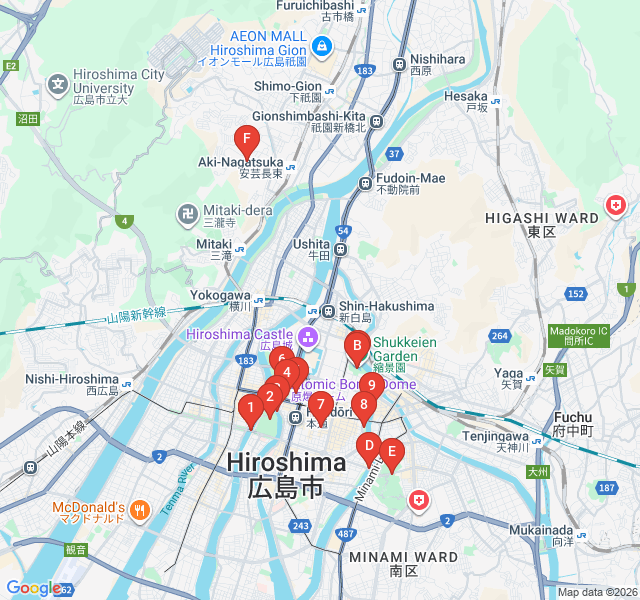
Numbers indicate the order of stops on the tour.
Welcome to the start of your riverside exploration. Nishiheiwao Bridge, or the West Peace Bridge, serves as a symbolic entrance to the Peace Memorial Park. Designed by the renowned sculptor Isamu Noguchi, the bridge's railings are shaped to represent the 'sun' or the 'future.' As you stand here, notice how the Ota River begins to define the landscape. This bridge was part of the post-war reconstruction effort, intended to symbolize the city's rebirth. The smooth, concrete curves contrast with the dark history the area witnessed, setting a tone of hope and renewal that will follow you throughout this self-guided walk.
Before we follow the water further, take a moment at the Memorial Cenotaph. This saddle-shaped monument frames the Peace Flame and the A-Bomb Dome in a single, direct line of sight. It holds the names of all those who lost their lives to the atomic bombing. The design is inspired by the 'Haniwa' houses found on ancient Japanese tombs, intended to protect the souls of the departed. The inscription reads, 'Let all the souls here rest in peace, for we shall not repeat the evil.' It is a place of profound silence amidst the city's flow.
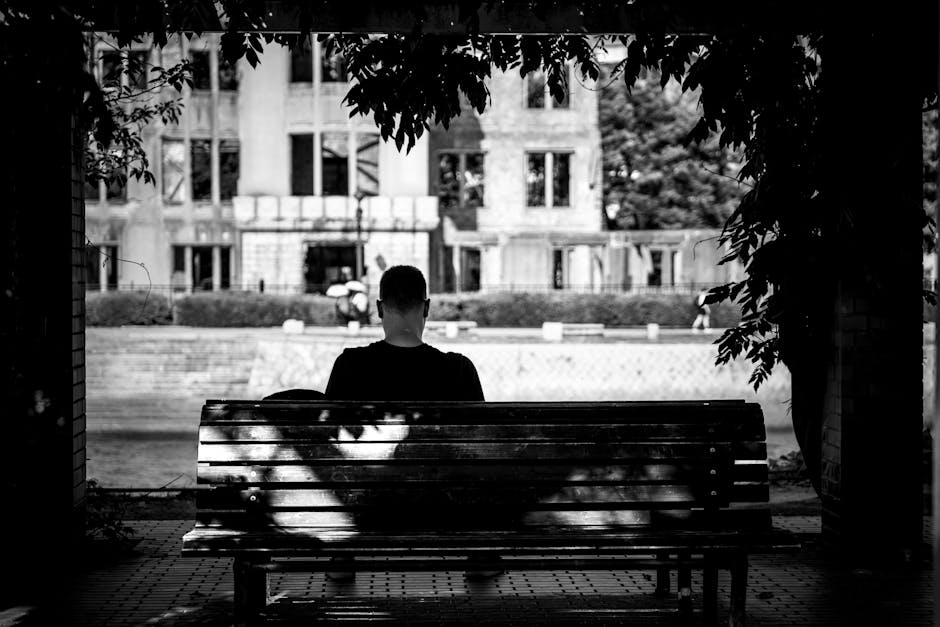
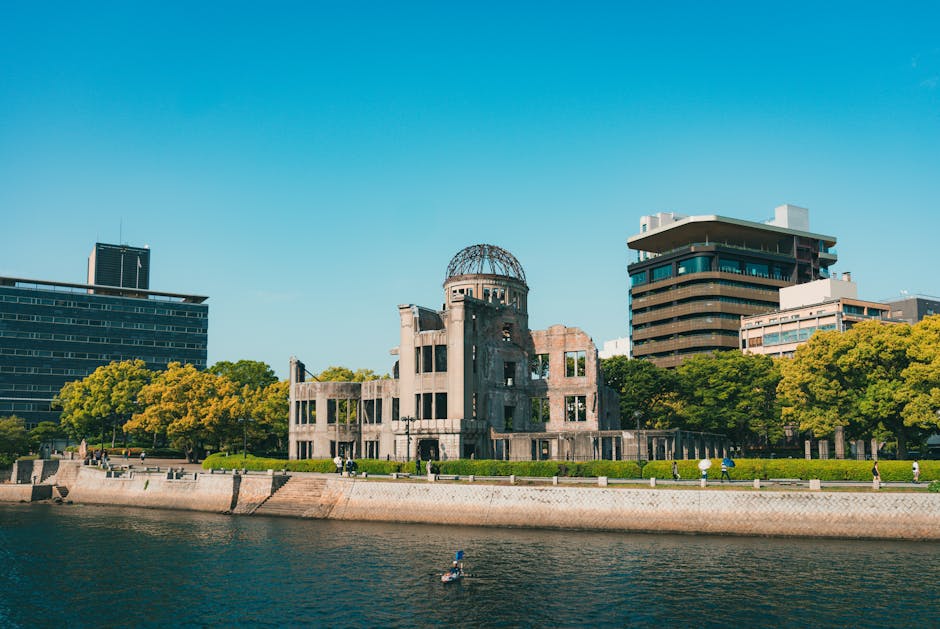
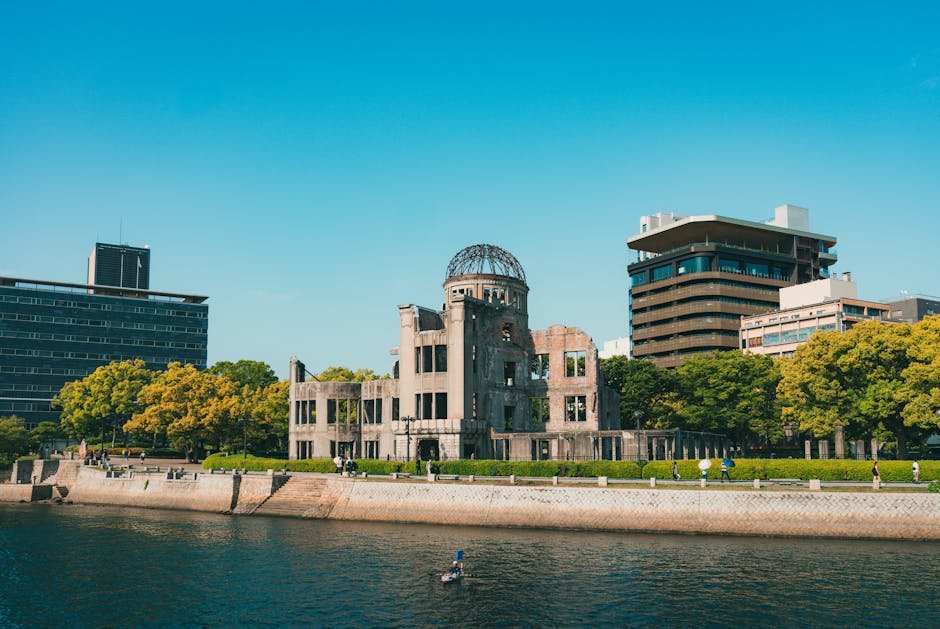
Motoyasu Bridge is perhaps the most photographed bridge in Hiroshima. From here, you get an unobstructed view of the Motoyasu River as it glides past the A-Bomb Dome. Historically, this bridge was a vital link for the city's merchants. Every August 6th, this river becomes the site of the 'Toro Nagashi' ceremony, where thousands of paper lanterns are floated downstream to guide the spirits of the ancestors. The contrast between the skeletal remains of the Dome and the shimmering water captures the dual nature of Hiroshima: a city of deep memory and vibrant life.
As you transition from the memorial area toward the Motomachi district, you'll encounter a more modern side of the city. Cat Café MOFF offers a glimpse into contemporary Japanese urban culture. In a city where many apartment buildings don't allow pets, these cafes serve as essential community living rooms. It is a place for residents to decompress and find a moment of quiet companionship. While the river outside tells a story of history, this stop tells a story of the daily lives and simple comforts of the people who call Hiroshima home today.
Located within the urban fabric of the Motomachi district, this small aquarium—often called the Aqua Alive Museum—connects the city's love for water with education. While much of Hiroshima's water story is about the rivers, this stop highlights the biodiversity of the Seto Inland Sea. It is a modest, local-favorite spot that emphasizes the delicate balance between the urban environment and the natural world. It’s a reminder that the rivers flowing through the city eventually meet the sea, linking Hiroshima to the wider world.
This unique sunken garden is a tribute to the sister-city relationship between Hiroshima and Hannover, Germany. Designed in the style of a European garden, it offers a distinct aesthetic departure from the traditional Japanese landscapes you'll see later. The garden is located near the site of the former Hiroshima Castle grounds and provides a quiet, sheltered space away from the street level. It symbolizes the international bonds formed by the city during its recovery, showing how Hiroshima has woven global connections into its own physical layout.
Continuing the theme of Hiroshima’s quirky modern culture, Owl de Base is another local animal interaction spot. Much like the cat cafes, these spaces are popular for their 'iyashi' or healing effect. While owls are often associated with wisdom in the West, in Japan, they are also seen as symbols of good fortune and protection from suffering. It’s a whimsical stop that highlights the variety of experiences tucked away in the city’s riverside neighborhoods, away from the main tourist hubs.
As you move toward the Kyobashi River, you enter the Kodani area. This part of the walk feels more residential and local. Here, the 'Seven Rivers' theme becomes tangible as the urban density thins out and the riverbanks widen. You might see locals jogging, fishing, or simply enjoying the breeze. This area represents the 'hidden-gems' aspect of the city—places that don't make the front page of guidebooks but are essential to understanding the peaceful, slow-paced quality of life that the Ota River delta provides.
The Kyobashi River is one of the most beautiful branches of the Ota delta. Its banks are lined with willow and cherry trees, making it a favorite for photography. Historically, this river was a key transportation route for goods entering the city. Today, it is known for its 'Open River Cafe' concept, where small terraces and cafes allow you to sit right by the water. The atmosphere here is sophisticated and calm, embodying the 'City of Water' moniker in its most elegant form.
You have arrived at the entrance to one of Hiroshima's most significant cultural treasures. Shukkeien Garden dates back to 1620, commissioned by the local Daimyo. The name 'Shukkeien' translates to 'shrunken-scenery garden,' as it is designed to mimic various famous landscapes from across Japan and China in a miniature format. Though the garden was devastated in 1945, it was painstakingly restored to its former glory. This ticket office marks your transition from the modern city into a meticulously preserved Edo-period world.
Inside the Shukkeien Garden, the Kokokyo Bridge is a masterpiece of traditional design. This 'rainbow bridge' arching over the central pond survived the atomic blast, though its surface was scarred. It is the heart of the garden's layout, connecting the various 'shrunken' landscapes. Crossing it is meant to be a meditative experience, forcing you to slow your steps and look down at the koi fish swimming in the clear water. It is a perfect spot for capturing the timeless beauty of Japanese garden architecture.
Take your time to wander the winding paths of Shukkeien. The garden is centered around the Takuei-chi pond, with various tea houses and miniature mountains dotted around the perimeter. Each turn offers a new, carefully framed view. The garden was designed to be enjoyed by walking—a 'stroll garden'—where the scenery changes with every step. In the spring, the plum and cherry blossoms are breathtaking, while the autumn maples turn the landscape into a sea of red and gold. It is a testament to the enduring Japanese art of harmonizing nature and human design.
Leaving the garden, you head south toward Hijiyama. Tsurumi Bridge crosses the Kyobashi River and serves as a gateway to the city's eastern hills. From the bridge, look back at the skyline; you'll see how the greenery of the gardens and the blue of the rivers create a vibrant patchwork within the city. This area is particularly lively during the cherry blossom season, as the riverbanks are a prime location for 'hanami' or flower-viewing parties. The bridge itself offers a wide, open view of the river's curve.
Hijiyama Park sits on a small hill overlooking the city. It is a massive green space that houses the Hiroshima City Museum of Contemporary Art and the Manga Library. For the 'nature' theme of our walk, this is a highlight. The park’s elevated position offers a panoramic view of the 'Seven Rivers' spreading out toward the sea. It is a place where history and modernity meet; the park contains ancient burial mounds as well as cutting-edge sculpture. It’s the perfect place to see the city as a whole, nestled between the mountains and the water.
Our final stop takes us to Oukatei, a scenic spot that offers a different perspective of Hiroshima's northern reaches and the Ota River floodway. This area is more rugged and natural than the manicured gardens downtown. Oukatei is often associated with quiet contemplation and traditional aesthetics, providing a serene conclusion to your journey. As you look out over the water one last time, reflect on how the Ota River has shaped everything you've seen today—from the somber memorials to the flourishing gardens and the vibrant, modern neighborhoods. The river remains the lifeblood of Hiroshima, a constant flow through a city of change.
Start Free on iPhone
Explore “The Seven Rivers: Ota River Promenade Walk” with your very own Private Tour Guide with Zigway. Start free on iPhone, skip the large group and the fixed routes, and hear the city come alive as you go.
Your Private Tour Guide
Don't miss the good stuff
Explore Freely
 Moderate
Hiroshima, Japan
Discover Hiroshima's samurai history on this self-guided walk through Shukkeien Garden, the historic Hiroshima Castle, and serene Moto-machi parks.
 Easy
EasyHiroshima, Japan
Explore Hiroshima's maritime heritage on this scenic self-guided walk from historic red-brick museums to the peaceful Ujina Lighthouse.
 Easy
EasyHiroshima, Japan
Discover Hiroshima’s architectural evolution from pre-war survivors to visionary modernist masterpieces on this self-guided walking route.
 Easy
EasyHiroshima, Japan
Explore Hiroshima's electric Nagarekawa district. A self-guided walk through neon alleys, savory street food, and hidden local culture.
 Easy
EasyGdansk, Poland
Discover the monastic heritage, world-famous organs, and lush botanical gardens of Oliwa on this peaceful self-guided neighborhood stroll.
 Easy
EasyWarsaw, Poland
Discover Warsaw's intellectual heart through historic campuses, peaceful parks, and the stunning rooftop gardens of the University Library.
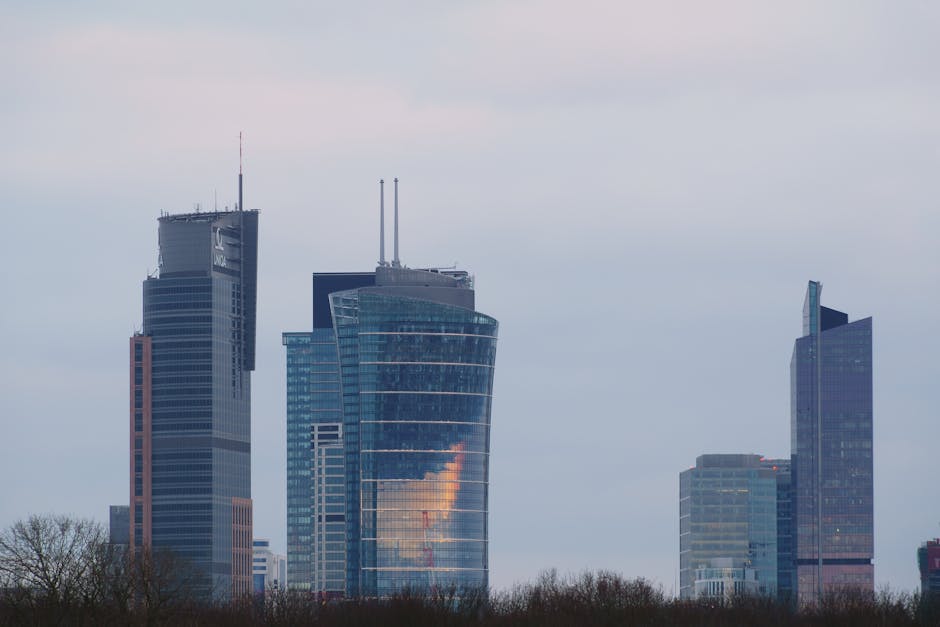 Easy
EasyWarsaw, Poland
Discover the hidden courtyards and grand pre-war architecture of Warsaw's most atmospheric neighborhood on this self-guided stroll.
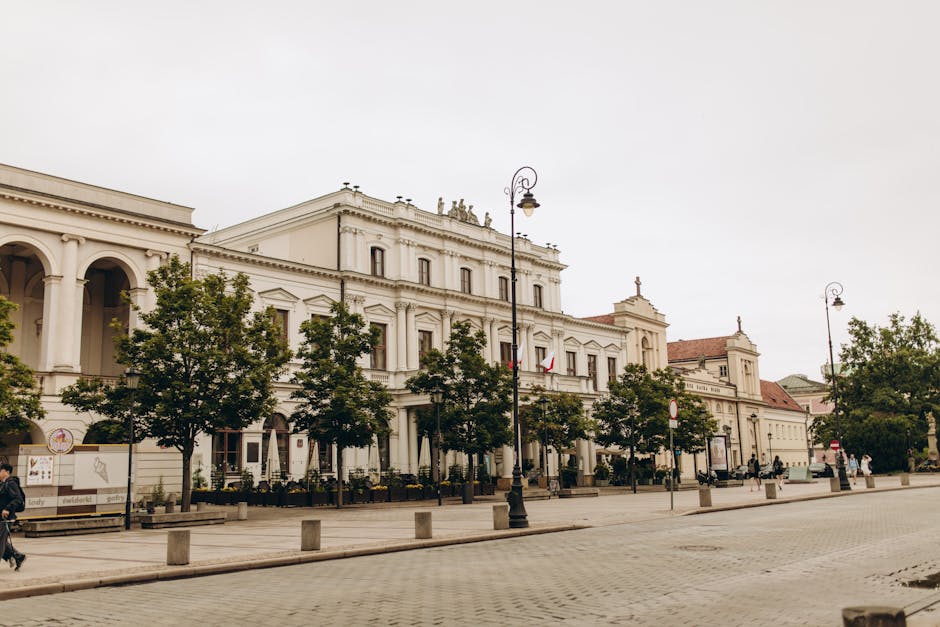 Easy
EasyWarsaw, Poland
Explore Warsaw's scenic riverfront, rooftop gardens, and industrial-chic architecture on this self-guided stroll through the Powiśle district.
 Moderate
Tokyo, Japan
Discover Tokyo's premier creative district on this self-guided walk through Roppongi’s world-class museums and striking modern architecture.
 Easy
EasyTokyo, Japan
Discover the 'Old Tokyo' charm of Yanaka on this self-guided walk through historic temples, artisan alleys, and a stunning torii gate shrine.
 Easy
EasyTokyo, Japan
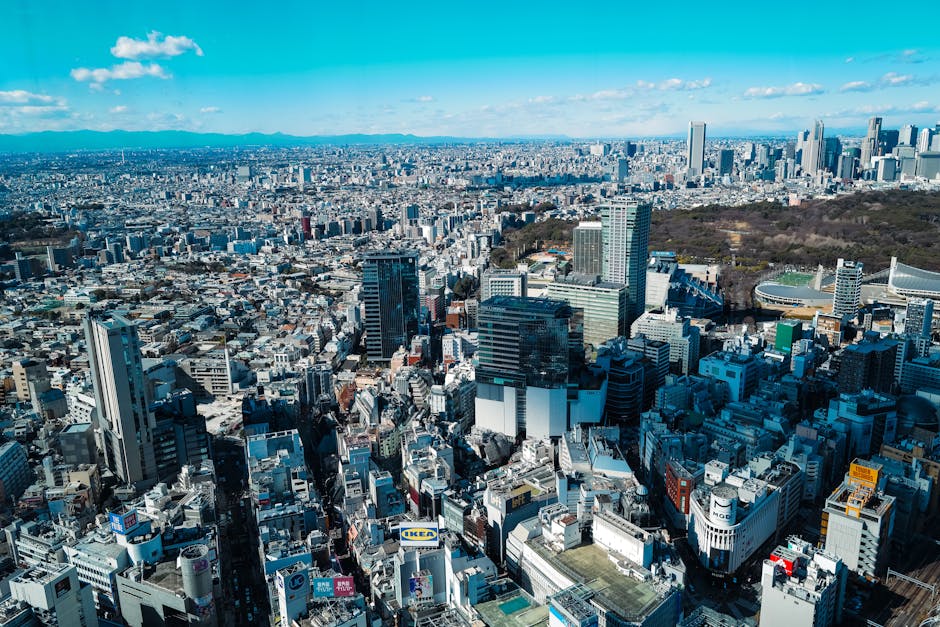
Experience Shibuya's electric energy on this self-guided walk from the iconic Scramble Crossing to the panoramic views of Shibuya Sky.
 Easy
EasyTokyo, Japan
Explore Tokyo's indie heart. From vintage fashion in Shimokitazawa to world-class art in Shinjuku, discover the city's creative soul independently.