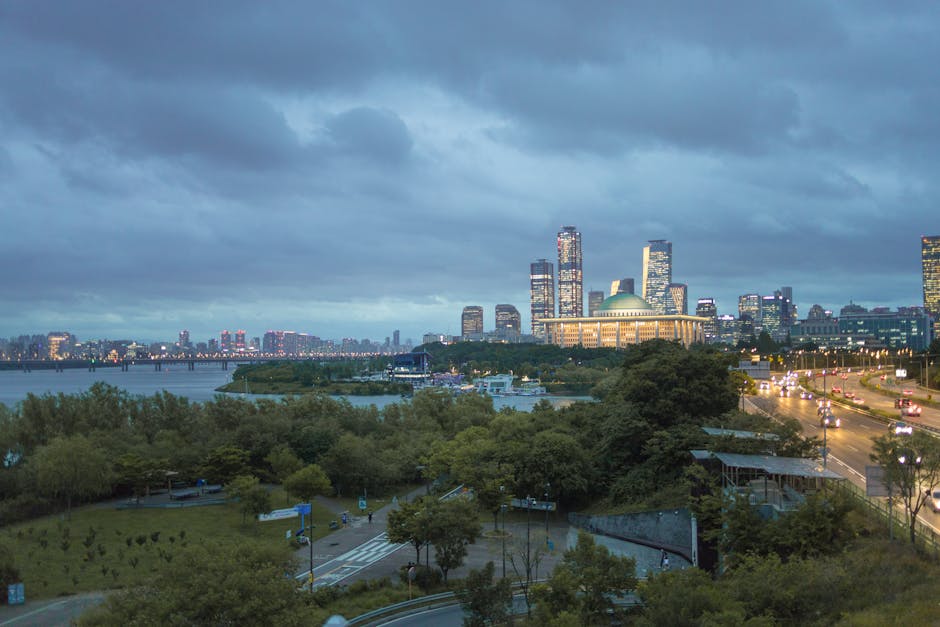
Self-guided audio tour in Seoul
Start Free on iPhone
Start free on iPhone to unlock this self-guided walking tour in Seoul. Hear all the stories that make it amazing, walk at your own pace, and begin whenever you want.
Your Private Tour Guide
Seoul is a city where the past doesn't just sit in a museum; it lives in the streets. This self-guided walking route through Jongno-gu invites you to step back into the Joseon Dynasty, a period of 500 years that shaped the Korean identity. You'll begin at the National Folk Museum of Korea, where the daily rhythms of ancient life come into focus, before stepping onto the grand grounds of Gyeongbokgung Palace. As the primary royal residence, its symmetry and scale are a testament to Confucian ideals. But the journey doesn't end with royalty. This neighborhood stroll leads you into the hilly, winding alleys of Bukchon Hanok Village. Here, hundreds of traditional houses, or hanoks, create a living museum of architecture. You'll discover the House of Baek Inje, a rare example of a modernizing aristocratic home, before concluding at Changdeokgung. Known as the most favored palace of many kings, Changdeokgung is celebrated for its seamless integration with the natural landscape. This walking tour Seoul offers provides a perfect blend of grand monuments and intimate residential charm. It is an ideal route for photography enthusiasts, history buffs, and anyone looking to explore the soul of the city independently. Whether you are admiring the vibrant dancheong paintwork on a palace eaves or finding a quiet corner in a secret alley, this route captures the timeless elegance of Seoul. The contrast between the towering skyscrapers of modern Seoul and the low-slung tile roofs of the hanoks is a visual reminder of the city's rapid evolution. This self-guided adventure ensures you have the time to linger at the details that matter most to you.
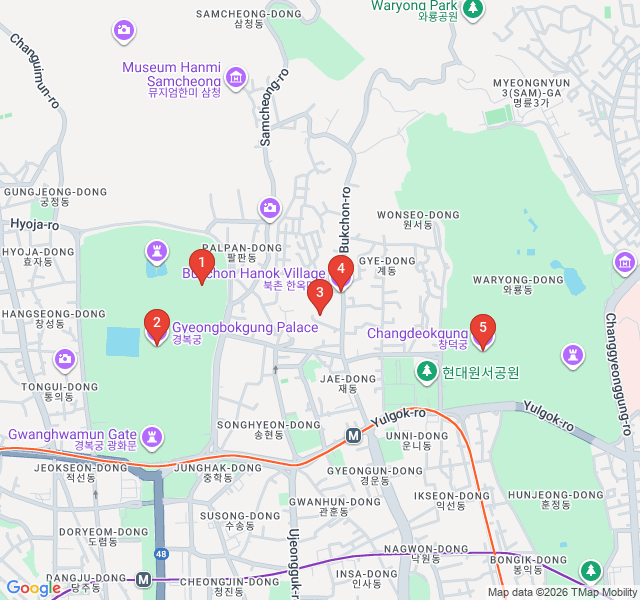
Numbers indicate the order of stops on the tour.
Located on the grounds of Gyeongbokgung Palace, the National Folk Museum of Korea offers a deep dive into the everyday lives of the Korean people. While the palaces showcase the lives of kings, this museum focuses on the seasonal cycles, agricultural traditions, and family rites of commoners. Look for the outdoor exhibition area, which features traditional stone statues and replicas of historic village structures. The architecture of the museum building itself is symbolic, incorporating design elements from several iconic Korean pagodas and halls. It serves as an essential primer for understanding the cultural context of the Joseon Dynasty before you explore the grand architectural feats of the royals.
Built in 1395, Gyeongbokgung is the largest and most significant of the Five Grand Palaces. Its name translates to Palace Greatly Blessed by Heaven. As you wander through the massive Geunjeongjeon, or the Throne Hall, notice the intricate ceiling carvings and the rank stones where officials once stood. The Gyeonghoeru Pavilion, which appears to float on a man-made lake, was used for royal banquets and is one of the most photographed spots in the city. Despite being destroyed during the Japanese invasions and later reconstructed, the palace remains the heart of Seoul’s royal heritage. Take a moment to admire the vibrant geometric patterns under the eaves, known as dancheong, which serve both aesthetic and protective purposes.
The House of Baek Inje offers a fascinating look at how traditional Korean architecture adapted to the early 20th century. Unlike the older hanoks in the village, this estate features two-story sections and extensive use of glass, reflecting the influence of the modern era. It was built for a high-ranking official and later owned by Dr. Baek Inje. The house is notable for its spacious gardens and the way it connects the inner and outer quarters, which was unusual for the time. It provides an intimate, domestic contrast to the massive scale of the royal palaces you've seen earlier on this route. It is one of the few large-scale hanoks open to the public that allows you to see the interior lifestyle of the upper class.
Bukchon Hanok Village is a preserved residential neighborhood that dates back 600 years. During the Joseon Dynasty, this area was home to high-ranking government officials and nobility. Today, it remains a living neighborhood where residents still reside in traditional timber-framed houses. As you navigate the steep, narrow alleys, you'll find the Bukchon 8 Views, specific spots designated for their architectural beauty or scenic vistas of the modern city skyline contrasting with tiled roofs. Please remember to keep your voice down, as these are private homes. The neighborhood is a masterclass in traditional urban planning and wood-and-stone craftsmanship, offering endless opportunities for photography.
Changdeokgung is often cited as the most beautiful of Seoul's palaces because of the way it respects the topography of the land. While Gyeongbokgung follows a strict, symmetrical layout, Changdeokgung’s buildings are arranged to harmonize with the surrounding hills and forests. It served as the primary royal residence for many centuries. The highlight for many is the Huwon, or Secret Garden, a massive woodland area filled with pavilions and ponds designed for the royal family's relaxation. The palace was designated a UNESCO World Heritage site for its exceptional example of Far Eastern palace architecture and garden design. It is the perfect place to conclude your walk, surrounded by the same nature that inspired Joseon kings.
Start Free on iPhone
Explore “Joseon Dynasty Splendor and Secret Hanok Alleys” with your very own Private Tour Guide with Zigway. Start free on iPhone, skip the large group and the fixed routes, and hear the city come alive as you go.
Your Private Tour Guide
Don't miss the good stuff
Explore Freely
 Challenging
Seoul, South Korea
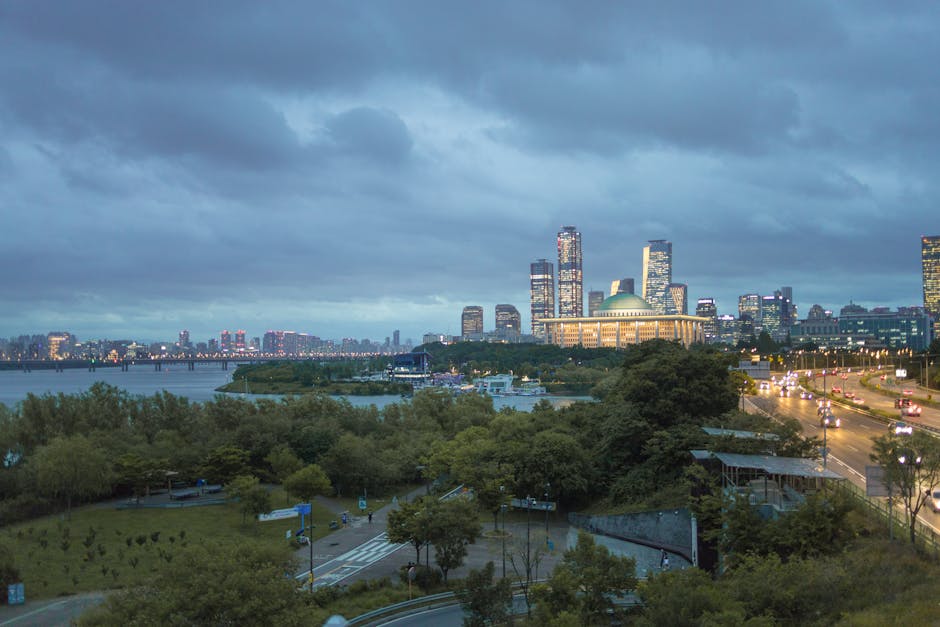
Scale Seoul's iconic peak on this self-guided walk featuring historic city walls, panoramic viewpoints, and the famous love locks of N Seoul Tower.
 Easy
EasySeoul, South Korea
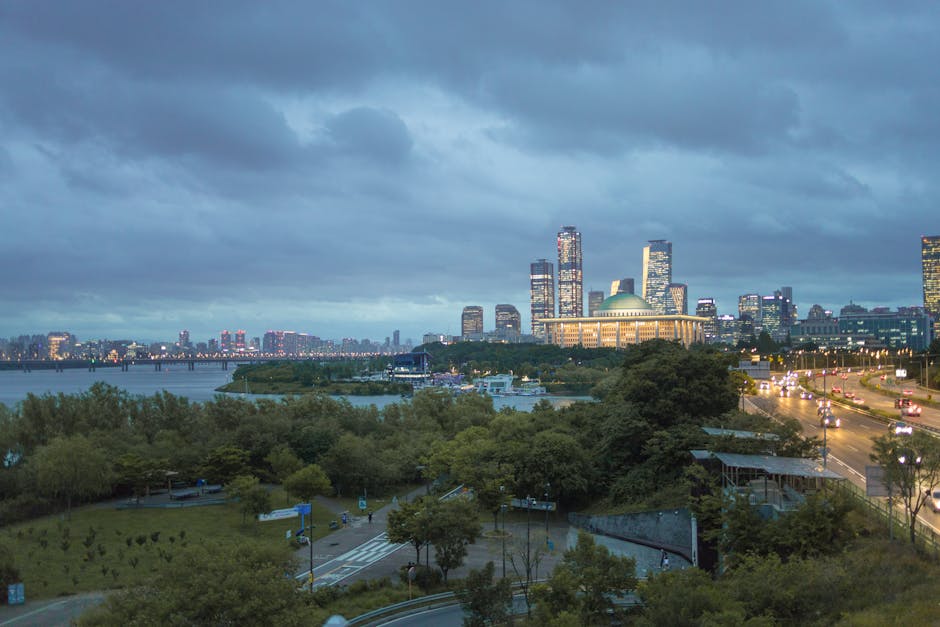
Discover Seoul's soul on a self-guided walk through historic hanok villages, traditional craft markets, and serene Buddhist temples.
 Easy
EasySeoul, South Korea
Discover 'Hip-jiro,' where gritty industrial alleys hide Seoul's trendiest secret cafes and vibrant nighttime beer culture on this self-guided walk.
 Moderate
Seoul, South Korea
Explore the sophisticated blend of high art, global culture, and trendy cafes in Seoul’s stylish Hannam-dong neighborhood at your own pace.
 Easy
EasySalzburg, Austria
Discover the 'Rome of the North' on this self-guided walk through the Baroque squares and monumental legacy of Salzburg’s Prince-Archbishops.
 Easy
EasyWarsaw, Poland
Explore the miracle of Warsaw's reconstructed Old Town on this self-guided walk through royal squares, medieval walls, and heroic monuments.
 Moderate
Gothenburg, Sweden
Discover Gothenburg’s maritime soul on this self-guided walk from the historic Central Station to the scenic riverfront at Stenpiren.
 Easy
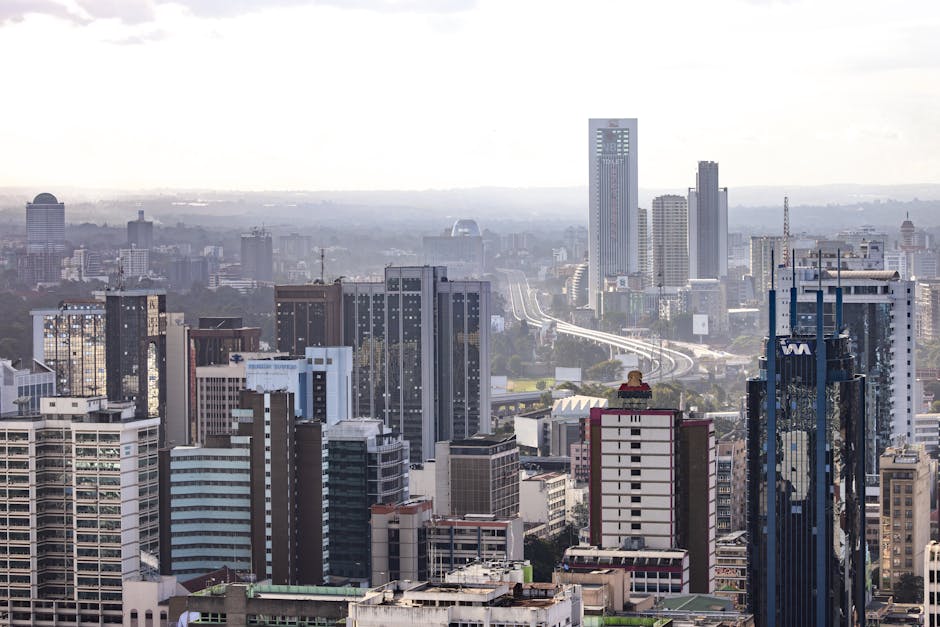
EasyNairobi, Kenya
Discover Nairobi's iconic skyline on this self-guided architecture walk through the CBD’s most famous modernist and Brutalist landmarks.
 Easy
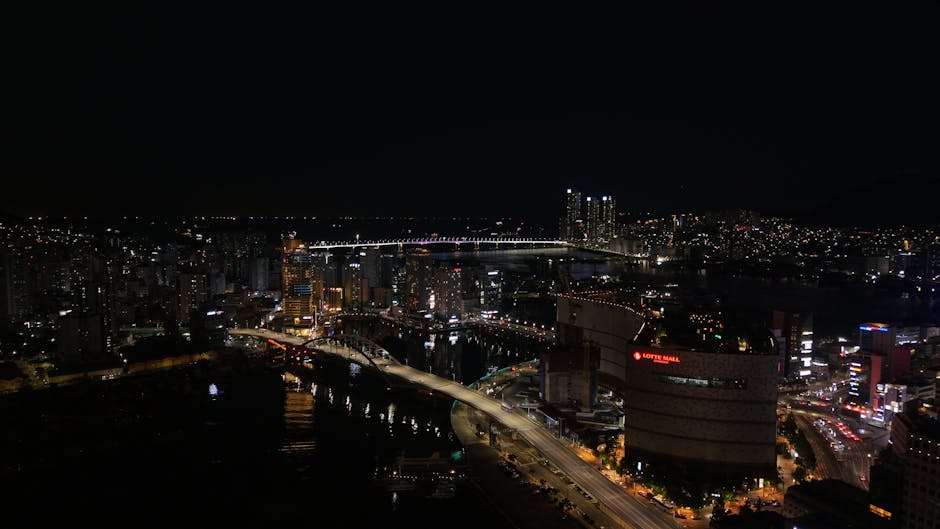
EasyBusan, South Korea
Explore Busan’s industrial-chic transformation. Discover hidden roasteries, redbrick alleys, and 'Newtro' culture in Jeonpo at your own pace.
 Easy
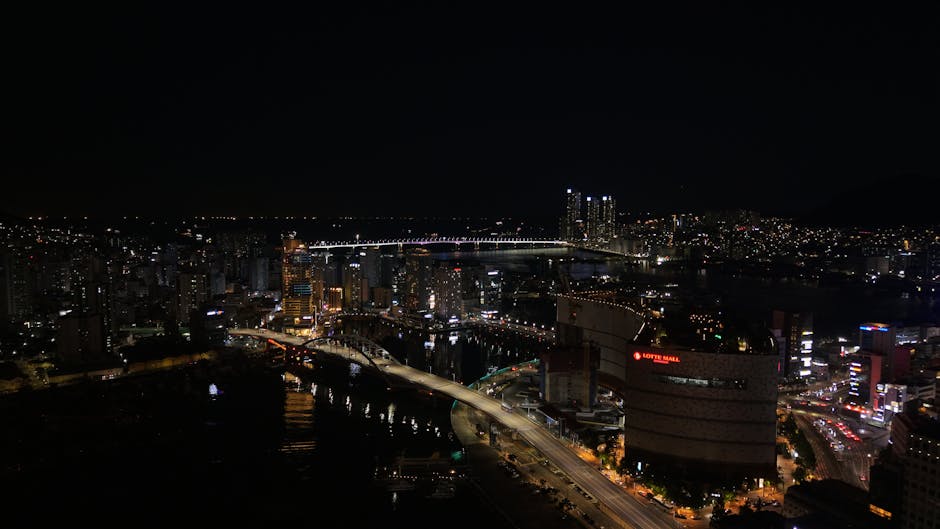
EasyBusan, South Korea
Eat your way through Busan's history on this self-guided walk through the iconic markets and neon-lit alleys of Nampo-dong.
 Easy
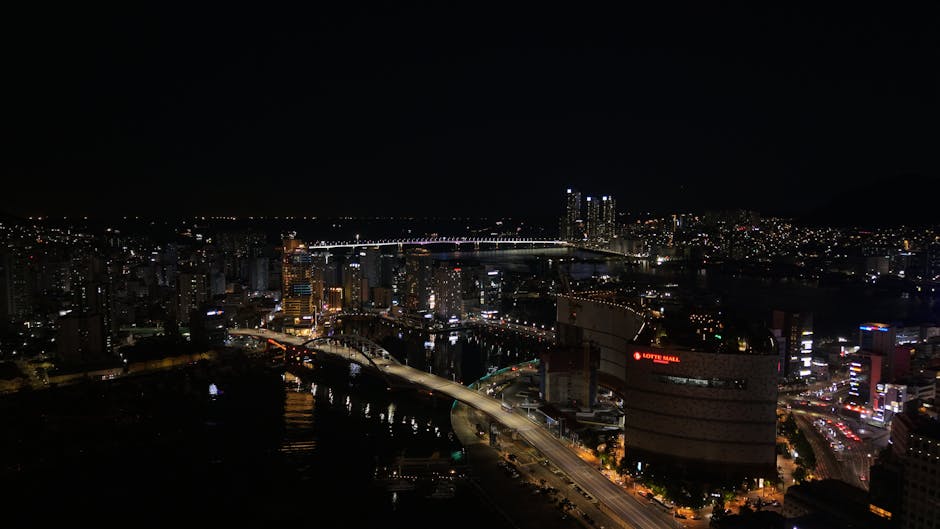
EasyBusan, South Korea
Discover the resilient heart of Busan through historic museums, the legendary Bosu-dong Book Alley, and the vibrant streets of Jung-gu.
 Easy
EasyBusan, South Korea
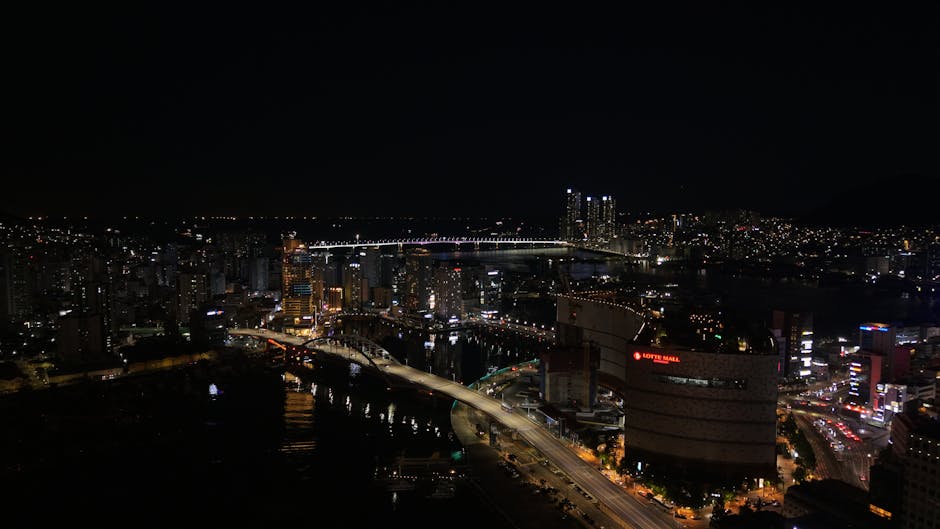
Discover Busan’s futuristic skyline, record-breaking malls, and avant-garde architecture on this self-guided walk through Centum City.