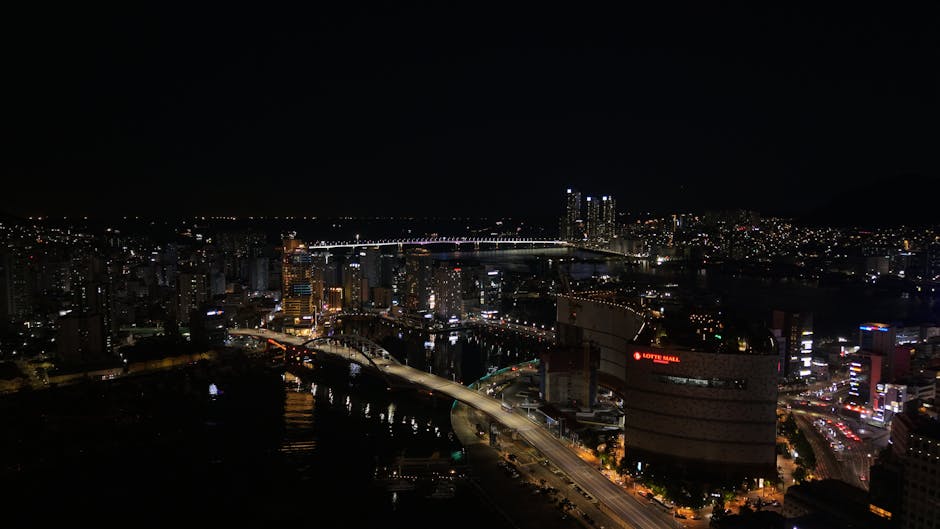
Self-guided audio tour in Busan
Start Free on iPhone
Start free on iPhone to unlock this self-guided walking tour in Busan. Hear all the stories that make it amazing, walk at your own pace, and begin whenever you want.
Your Private Tour Guide
Stepping into Busan’s Jung-gu district is like leafing through a weathered novel, where every corner reveals a layer of South Korea's complex history. This self-guided walk, 'Ink and Memories,' invites you to explore the literary soul and resilient spirit of a city that served as a provisional capital during the Korean War. The route begins at the Busan Modern and Contemporary History Museum Annex, a building that stands as a silent witness to the 20th century. Once a symbol of colonial exploitation, it now serves as a cultural hub, setting the stage for a deeper understanding of Busan’s transformation. From there, the neighborhood stroll leads you into the narrow, paper-scented corridors of the Bosu-dong Book Alley. This isn't just a place to find rare editions; it is a monument to the refugees who, even in the midst of war, prioritized education and stories. As you wander past stacks of books reaching toward the ceiling, you’ll feel the weight of history in the quiet rustle of pages. This walking route highlights the contrast between Busan's past and its vibrant present, eventually guiding you toward the neon-lit energy of Gwangbok-ro Fashion Street. Here, the name 'Gwangbok'—meaning the restoration of light—reminds visitors of the country's liberation and its subsequent economic miracle. Whether you are a bibliophile looking for a hidden gem or a history enthusiast eager to see the scars and triumphs of the city, this audio walk offers a meditative pace to discover Busan’s Jung-gu. You can stop for a coffee in a hidden alleyway cafe or spend extra time browsing through vintage magazines. By the end of this self-guided adventure, you will have traversed the distance from wartime survival to modern-day prosperity, all within a few atmospheric city blocks. This route is perfect for those who prefer to explore independently, away from the crowded tourist buses, allowing the echoes of the past to speak through the architecture and the ink.
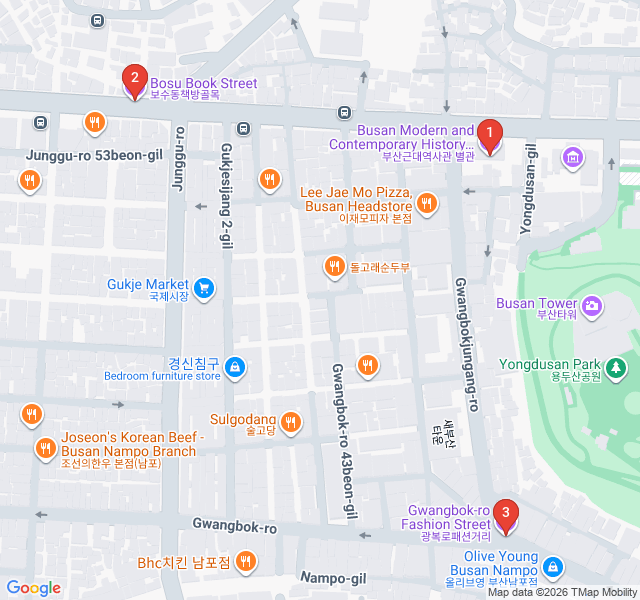
Numbers indicate the order of stops on the tour.
Your self-guided walk begins at a building that has worn many faces over the last century. Originally constructed in 1929 during the Japanese colonial period, this structure served as the Busan branch of the Oriental Development Company. After the liberation of Korea, it became the United States Information Service and was later a symbol of the democratic movement in the 1980s. Today, it has been reimagined as a library and museum space. As you look at the sturdy, neoclassical architecture, consider how this building transformed from a site of colonial control to a sanctuary for knowledge. It serves as the perfect prologue to our story, illustrating Busan's journey from a colonial port to a modern metropolis. Take a moment to appreciate the high ceilings and the historical exhibits that bridge the gap between Busan's difficult past and its creative future.
Follow the scent of old paper and ink into Bosu-dong Book Alley. This narrow labyrinth was born in the aftermath of the Korean War. When Busan became a city of refugees, families often had to sell their most precious belongings—their books—just to buy food. Conversely, students and intellectuals came here to find the textbooks and literature they needed to rebuild their lives. The alley began with a single couple selling magazines and grew into a cultural landmark. Today, it houses dozens of shops where books are stacked floor-to-ceiling in a seemingly impossible balance. As you explore, look for the 'Book Alley Stairs' decorated with murals. This is a place where time slows down, and the collective memory of the city is preserved in the millions of pages surrounding you. It remains one of the few places in Busan where the post-war atmosphere is still palpable.
Transitioning from the quiet stacks of Bosu-dong, you emerge into the vibrant energy of Gwangbok-ro Fashion Street. The name 'Gwangbok' translates to 'Restoration of Light,' commemorating Korea's independence in 1945. This street was once the center of Busan's administrative and commercial life. Today, it is a bustling pedestrian zone known for its fashion boutiques, art installations, and street food. While the neon signs and modern storefronts point toward the future, the history of the city remains beneath your feet. This area served as the heart of the provisional capital during the war, housing government offices and the hopes of a nation. As you conclude your walking route here, notice the contrast between the scholarly silence of the book alley and the celebratory noise of the fashion street. It is a testament to Busan’s incredible capacity for renewal and growth.
Start Free on iPhone
Explore “Ink and Memories: The Hidden Stories of Bosu-dong Book Alley” with your very own Private Tour Guide with Zigway. Start free on iPhone, skip the large group and the fixed routes, and hear the city come alive as you go.
Your Private Tour Guide
Don't miss the good stuff
Explore Freely
 Easy
EasyBusan, South Korea
Explore Busan’s industrial-chic transformation. Discover hidden roasteries, redbrick alleys, and 'Newtro' culture in Jeonpo at your own pace.
 Easy
EasyBusan, South Korea
Eat your way through Busan's history on this self-guided walk through the iconic markets and neon-lit alleys of Nampo-dong.
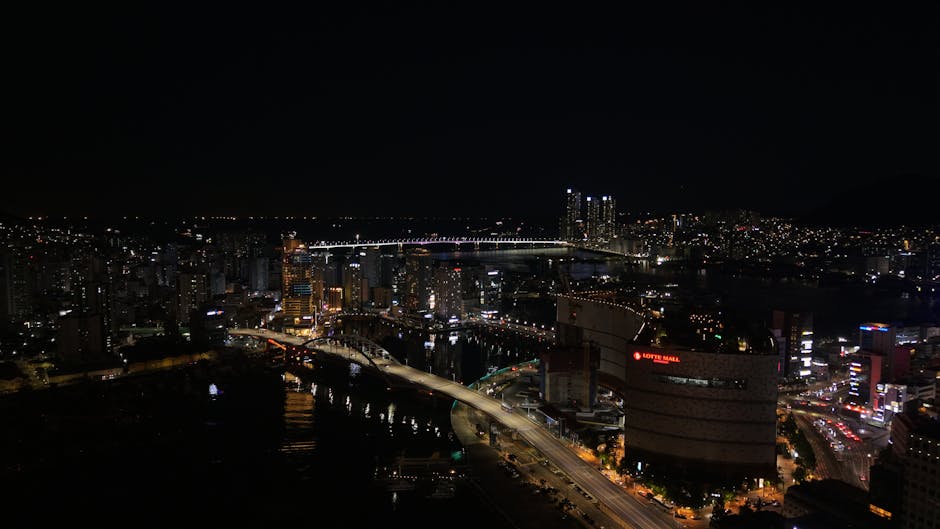 Easy
EasyBusan, South Korea
Discover Busan’s futuristic skyline, record-breaking malls, and avant-garde architecture on this self-guided walk through Centum City.
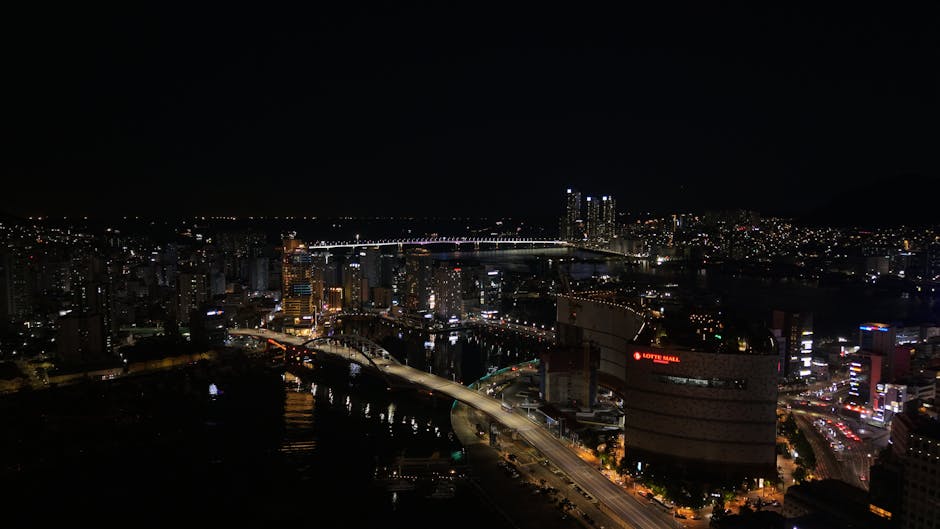 Moderate
Busan, South Korea
Explore the rugged shipyards, cliffside villages, and world-class coffee culture of Yeongdo Island on this independent audio walk through Busan.
 Easy
EasyKrakow, Poland
Explore the prestigious Jagiellonian University district, featuring Neo-Gothic architecture, Baroque churches, and Krakow's hidden scholarly gems.
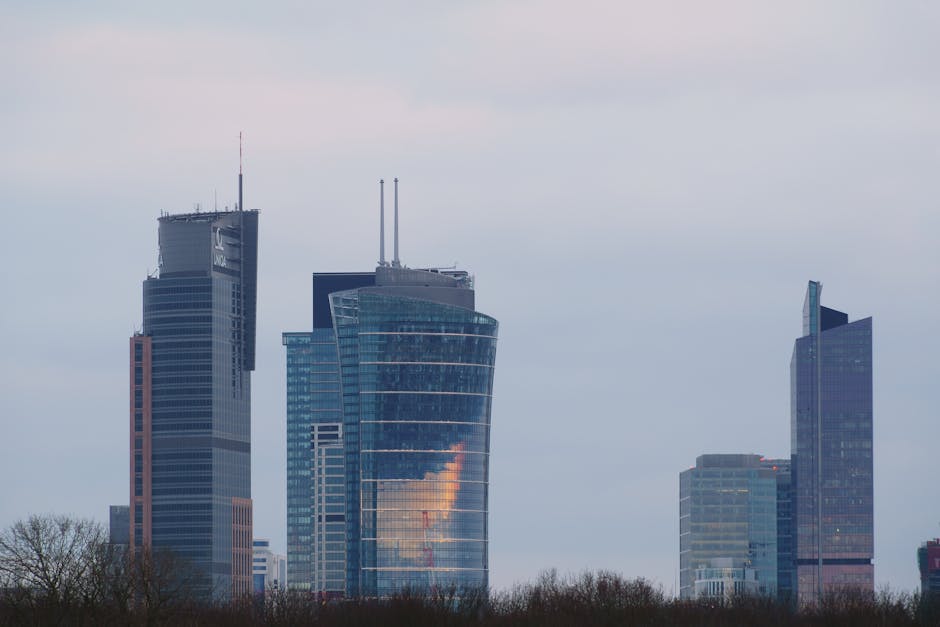 Easy
EasyWarsaw, Poland
Discover the hidden courtyards and grand pre-war architecture of Warsaw's most atmospheric neighborhood on this self-guided stroll.
 Easy
EasyNairobi, Kenya
Discover Nairobi’s literary soul on this self-guided walk through historic libraries, iconic bookshops, and cultural centers in the heart of the CBD.
 Moderate
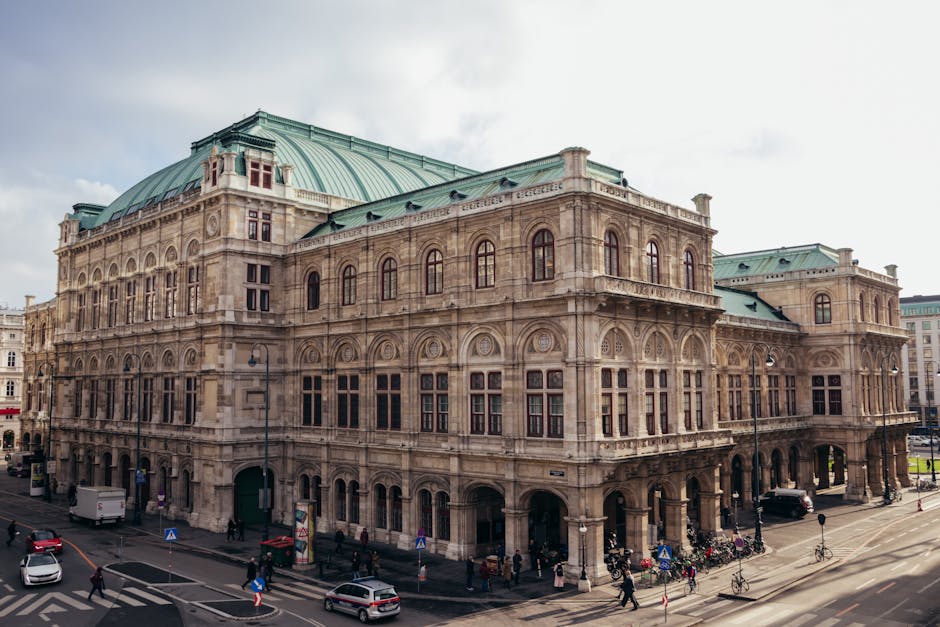
Vienna, Austria
Discover the noir world of The Third Man and Cold War Vienna on this atmospheric self-guided audio walk through the historic Innere Stadt.
 Moderate
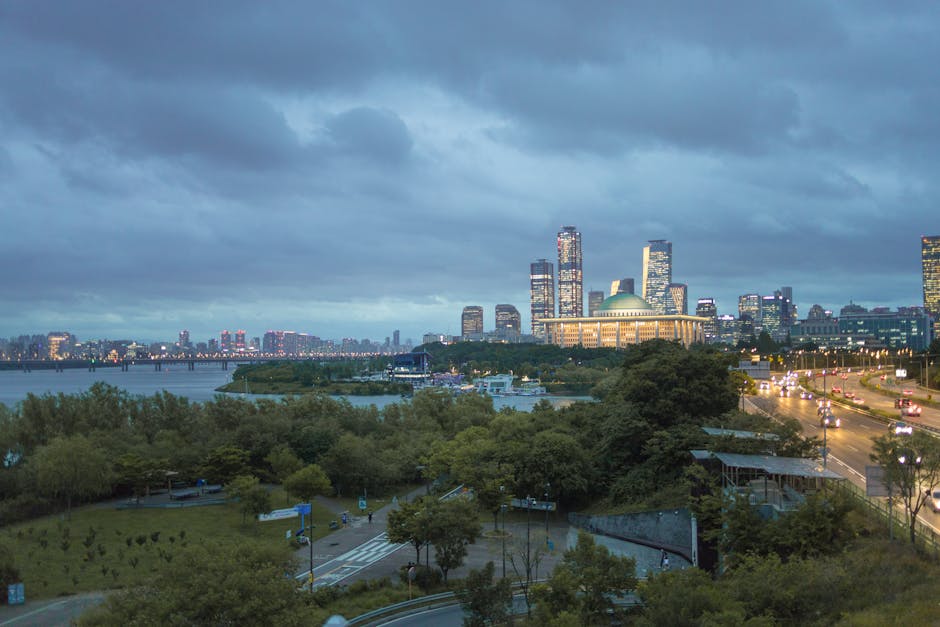
Seoul, South Korea
Explore the royal grandeur of Gyeongbokgung and the winding traditional alleys of Bukchon Hanok Village at your own pace.
 Challenging
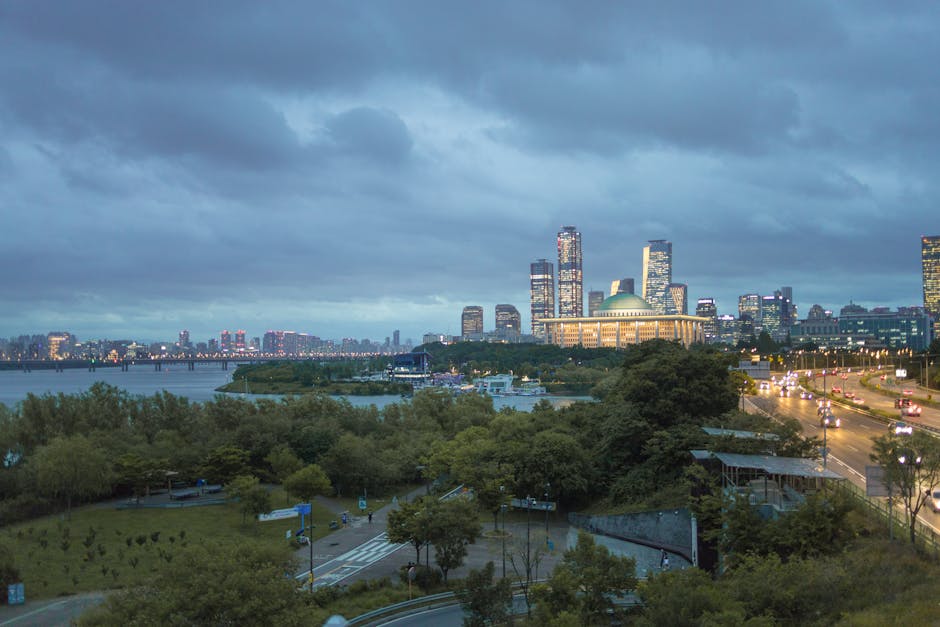
Seoul, South Korea
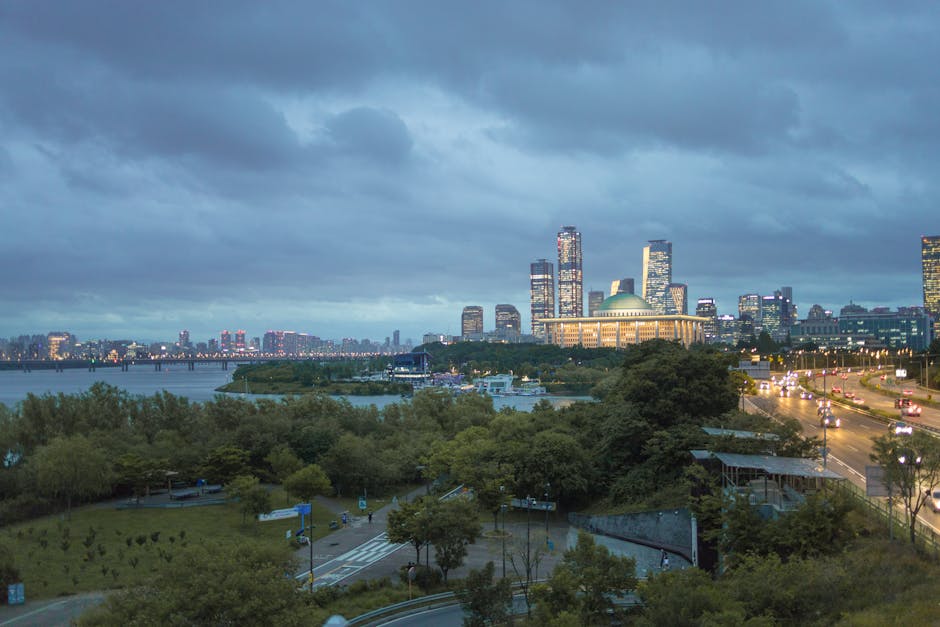
Scale Seoul's iconic peak on this self-guided walk featuring historic city walls, panoramic viewpoints, and the famous love locks of N Seoul Tower.
 Easy
EasySeoul, South Korea
Discover Seoul's soul on a self-guided walk through historic hanok villages, traditional craft markets, and serene Buddhist temples.
 Easy
EasySeoul, South Korea
Discover 'Hip-jiro,' where gritty industrial alleys hide Seoul's trendiest secret cafes and vibrant nighttime beer culture on this self-guided walk.