Self-guided audio tour in Munich
Start Free on iPhone
Start free on iPhone to unlock this self-guided walking tour in Munich. Hear all the stories that make it amazing, walk at your own pace, and begin whenever you want.
Your Private Tour Guide
Welcome to the Kunstareal, Munich's vibrant art district located in the heart of the Maxvorstadt neighborhood. This self-guided walk invites you to explore one of Europe's most significant cultural hubs, where five centuries of art history are packed into a single, walkable square kilometer. As you navigate these streets, you will witness a unique architectural dialogue between grand 19th-century Neoclassical temples and cutting-edge contemporary structures. This walking route is designed for those who want to experience the soul of Munich’s intellectual and creative life at their own pace. Unlike a typical guided tour Munich offers, this independent stroll allows you to linger in front of a Rubens masterpiece or grab a coffee in a student-filled cafe whenever you choose. The journey begins at the striking Museum Brandhorst, famous for its multi-colored ceramic facade, before leading you through the bustling Türkenstraße, where the city's academic energy is most palpable. You will then encounter the 'Big Three' Pinakotheks, each representing a different era of human creativity. The Alte Pinakothek houses a world-renowned collection of Old Masters, while the Pinakothek der Moderne serves as a cathedral for 20th and 21st-century design and art. Finally, the route opens up into the majestic Königsplatz. Here, the Glyptothek and the Staatliche Antikensammlungen stand as monuments to King Ludwig I’s obsession with Greek and Roman antiquity. This neighborhood stroll is not just for art historians; it is for anyone who appreciates the way a city preserves its past while embracing the future. Whether you are a first-time visitor or a long-time resident, this walking tour Munich experience offers a deep dive into the aesthetics that define the Bavarian capital. Prepare to be inspired by the sheer scale of the architecture and the intimacy of the hidden courtyards that make Maxvorstadt one of the city's most beloved districts.
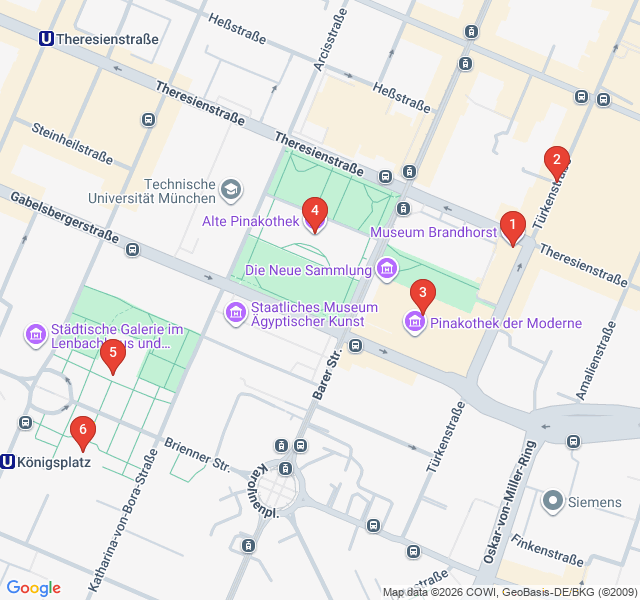
Numbers indicate the order of stops on the tour.
Start your self-guided adventure at the Museum Brandhorst, a building that is a work of art in itself. Opened in 2009, its facade is covered in 36,000 vertical ceramic rods in 23 different colors, creating a shimmering, multi-tonal effect as you move past it. This museum houses an incredible collection of modern and contemporary art, with a particular focus on the works of Cy Twombly and Andy Warhol. The architecture, designed by Sauerbruch Hutton, was specifically tailored to the large-scale works found inside. Take a moment to admire how the building’s sleek, modern lines contrast with the more traditional brick and stone structures nearby. It serves as a colorful gateway to the Kunstareal, signaling Munich’s commitment to the avant-garde.
Walking away from the Brandhorst, you enter Türkenstraße, the spine of the Maxvorstadt district. This street perfectly captures the local vibe of the neighborhood, which is home to the Ludwig Maximilian University. It is a place where high culture meets daily life. As you walk, notice the mix of historic residential buildings and the many bookstores, galleries, and cafes. This area has long been a haunt for intellectuals and artists; even Thomas Mann and Wassily Kandinsky once frequented the local establishments. Today, it remains one of the best spots in the city to observe Munich's student culture. The street provides a lively transition between the silent galleries of the museums and the academic energy of the nearby university campus.
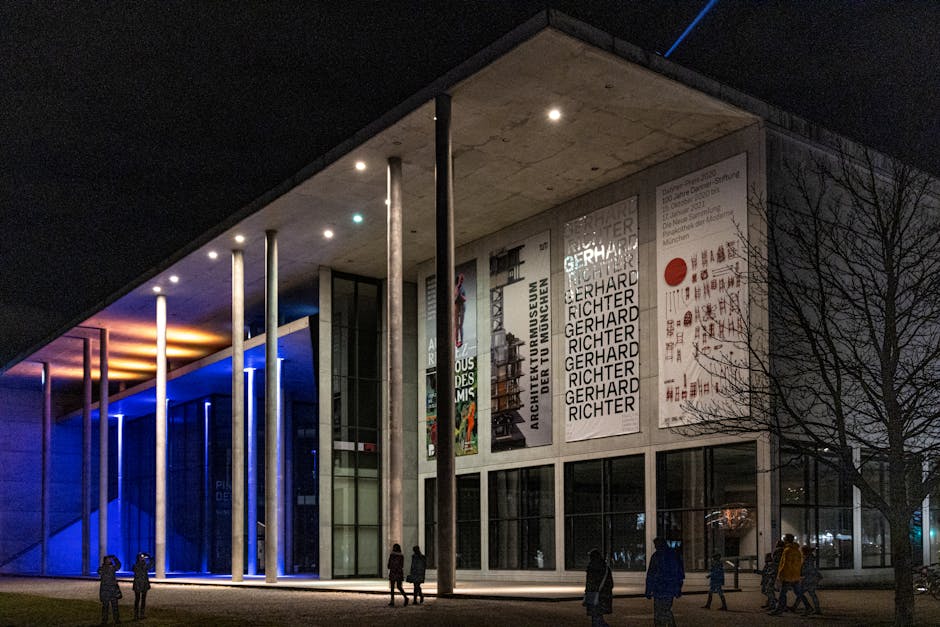
Next, you arrive at the Pinakothek der Moderne, one of the world's largest museums for modern and contemporary art, architecture, and design. The building, designed by Stephan Braunfels, is famous for its massive concrete rotunda and the soaring glass canopy that floods the interior with light. It houses four independent museums under one roof, covering everything from 20th-century painting to industrial design and graphic arts. Even if you don't step inside, the exterior's minimalist aesthetic and the surrounding sculpture garden are worth exploring. The building’s transparency is meant to invite the city in, bridging the gap between the public square and the exclusive world of fine art.
Directly across the green lawn stands the Alte Pinakothek, a majestic Neo-Renaissance structure completed in 1836. At the time of its construction, it was the largest museum building in the world and served as a model for galleries across Europe, including the National Gallery in London. It was built by Leo von Klenze to house the Wittelsbach dynasty's massive collection of Old Masters. If you look closely at the brickwork on the southern facade, you can see 'scars' where the building was repaired after heavy bombing during World War II. Rather than hiding the damage, the architect Hans Döllgast chose to make the repairs visible, serving as a powerful reminder of the city's history and resilience.
Continue your walking route toward Königsplatz, where you will find the Glyptothek. This is Munich's oldest public museum, commissioned by King Ludwig I to house his extensive collection of Greek and Roman sculptures. The building is a masterpiece of Neoclassical architecture, designed to resemble a Greek temple with its grand Ionic columns. Inside, the statues are displayed in light-filled halls with vaulted ceilings, stripped of excessive decoration to let the ancient marble speak for itself. The Glyptothek represents Ludwig’s vision of Munich as an 'Isar-Athens,' a northern center of classical learning and beauty. The surrounding lawn is a favorite spot for locals to sunbathe and relax during the summer months.
Directly opposite the Glyptothek stands the Staatliche Antikensammlungen, or State Collections of Antiquities. Built in the Corinthian style, it completes the ensemble of Königsplatz. While the Glyptothek focuses on sculpture, this museum houses an incredible array of ancient pottery, jewelry, and smaller bronze works, primarily from Greece, Etruria, and Rome. Together with the Propyläen gate nearby, these buildings form a monumental square that was intended to be a forum for the arts. This final stop on your stroll highlights the Bavarian monarchy's deep fascination with the classical world, leaving a permanent mark on the city’s skyline and cultural identity.
Start Free on iPhone
Explore “Masterpieces and Modernity: The Kunstareal Art Walk” with your very own Private Tour Guide with Zigway. Start free on iPhone, skip the large group and the fixed routes, and hear the city come alive as you go.
Your Private Tour Guide
Don't miss the good stuff
Explore Freely
 Easy
EasyMunich, Germany
Explore Munich's creative heartbeat in Werksviertel-Mitte. Discover vibrant street art, upcycled containers, and rooftop sheep on this urban stroll.
 Moderate
Munich, Germany
Discover river surfing, iconic Greek temples, and Bavarian beer culture on this scenic self-guided walk through Munich's English Garden.
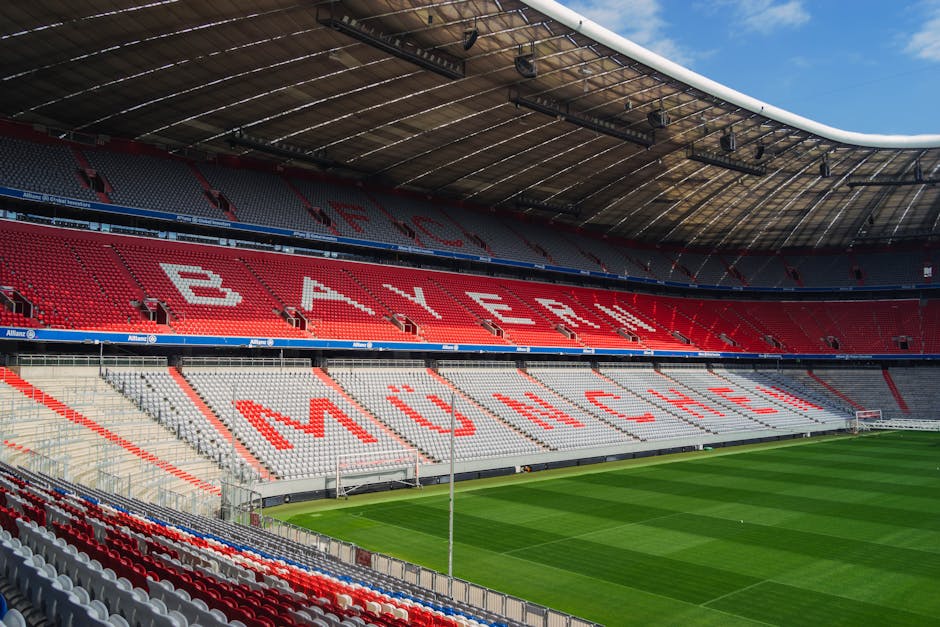 Easy
EasyMunich, Germany
Discover Munich's culinary heart on this self-guided walk through the vibrant Viktualienmarkt and its legendary food stalls.
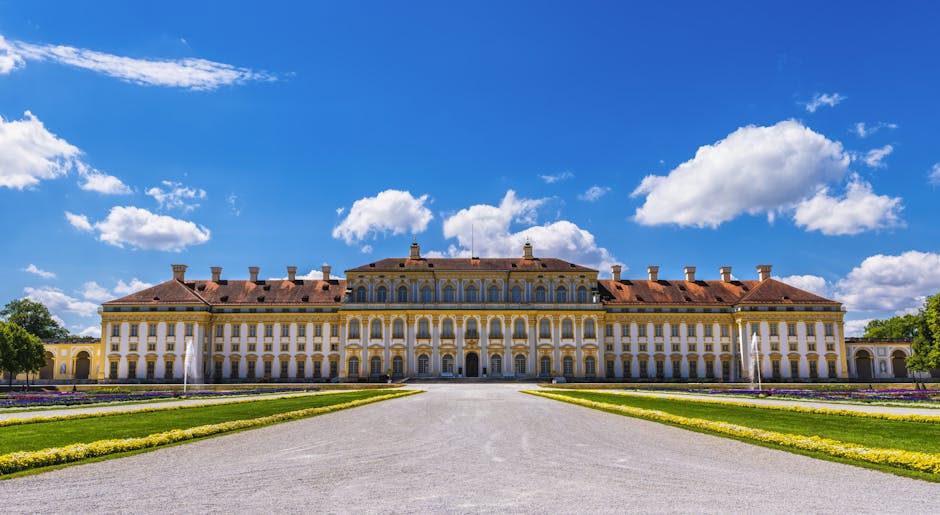 Easy
EasyMunich, Germany
Explore the majestic gardens and hidden pavilions of the Wittelsbach summer residence on this peaceful, self-guided walking route in Munich.
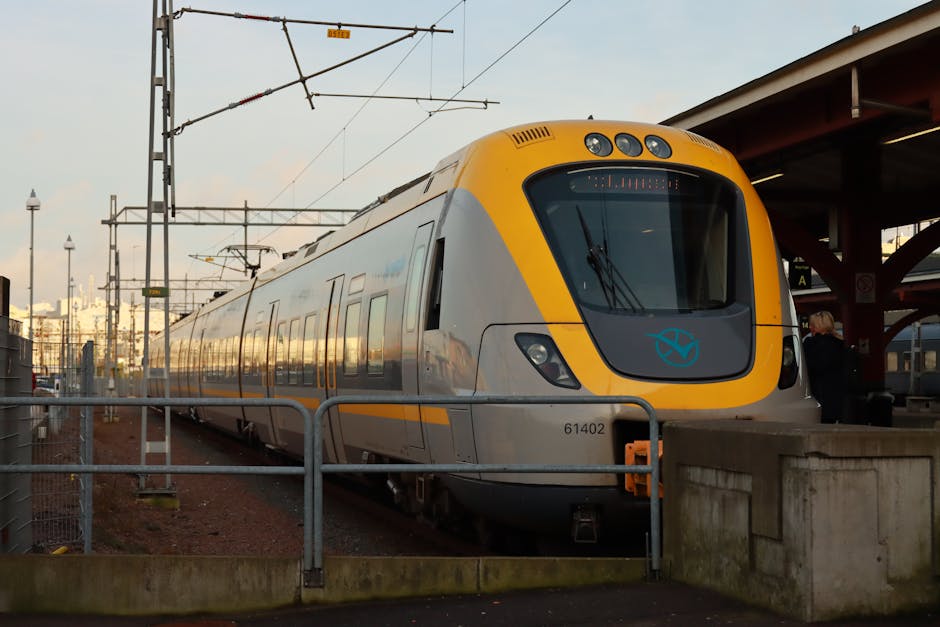 Easy
EasyGothenburg, Sweden
Explore Gothenburg's elegant academic district, featuring grand 19th-century stone architecture and the iconic cultural hub of Götaplatsen.
 Easy
EasyKrakow, Poland
Explore the prestigious Jagiellonian University district, featuring Neo-Gothic architecture, Baroque churches, and Krakow's hidden scholarly gems.
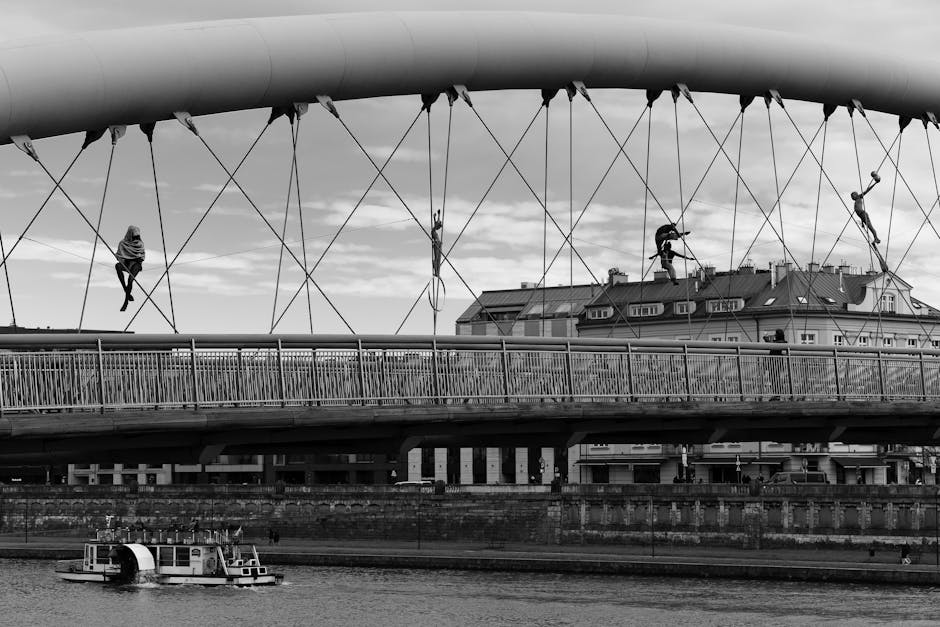 Easy
EasyKrakow, Poland
Discover Krakow’s creative soul in Zabłocie, exploring industrial heritage, contemporary art museums, and avant-garde architecture at your own pace.
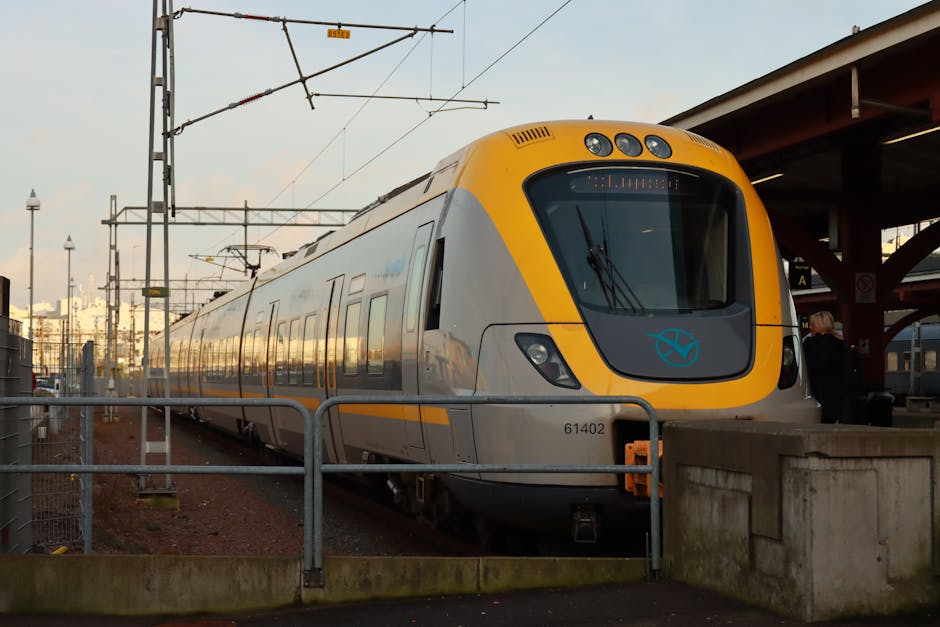 Easy
EasyGothenburg, Sweden
Discover Gothenburg’s 17th-century Dutch foundations, historic canals, and military fortifications on this self-guided architectural walk.
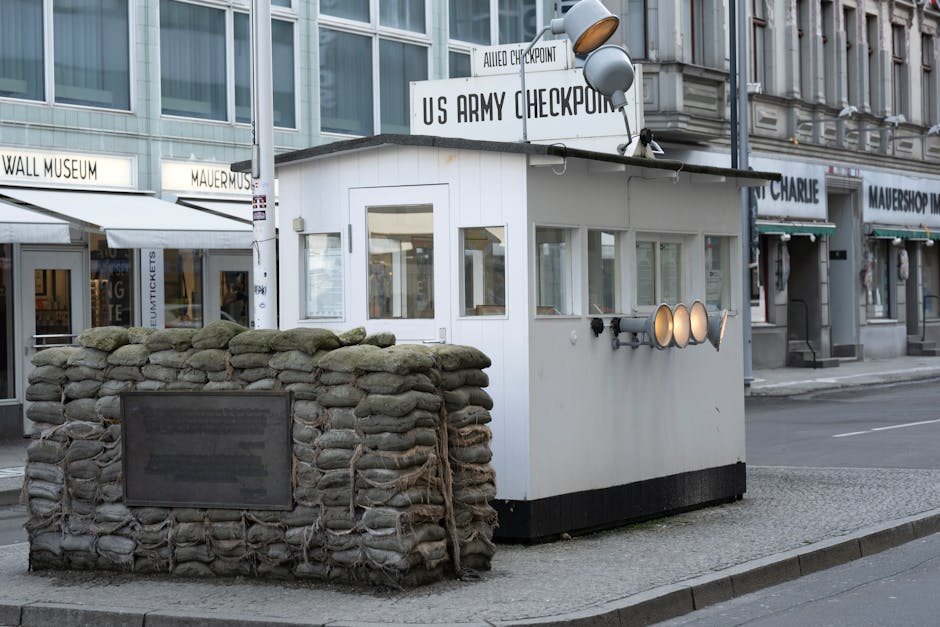 Easy
EasyBerlin, Germany
Explore the sites of Nazi power and the memorials that honor its victims on this self-guided walk through Berlin's historic Wilhelmstraße district.
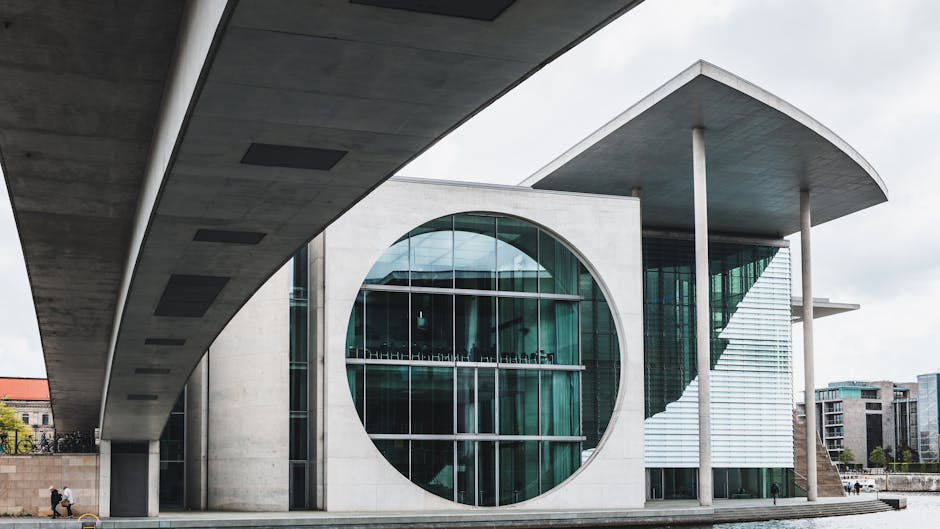 Moderate
Berlin, Germany
Explore Berlin’s 'Green Heart' on a self-guided walk through royal history, Cold War memorials, and serene lakeside gardens.
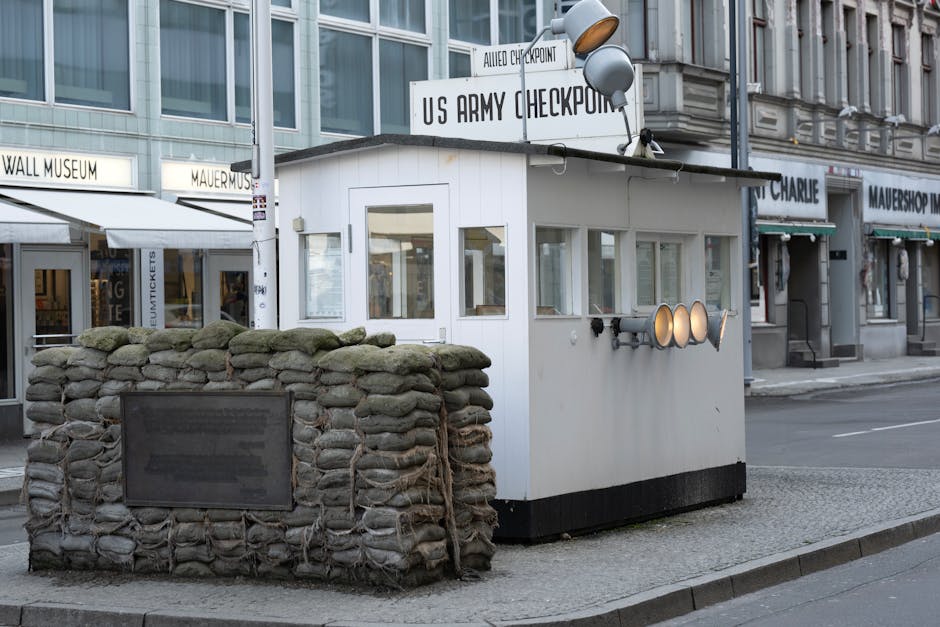 Moderate
Berlin, Germany
Discover the legacy of the Berlin Wall on this self-guided walk from historic ghost stations to the vibrant street art and cafes of Mauerpark.
 Easy
EasyBerlin, Germany
Discover the soul of 1920s Berlin on a self-guided walk through Charlottenburg’s iconic literary cafes, historic theaters, and artistic landmarks.