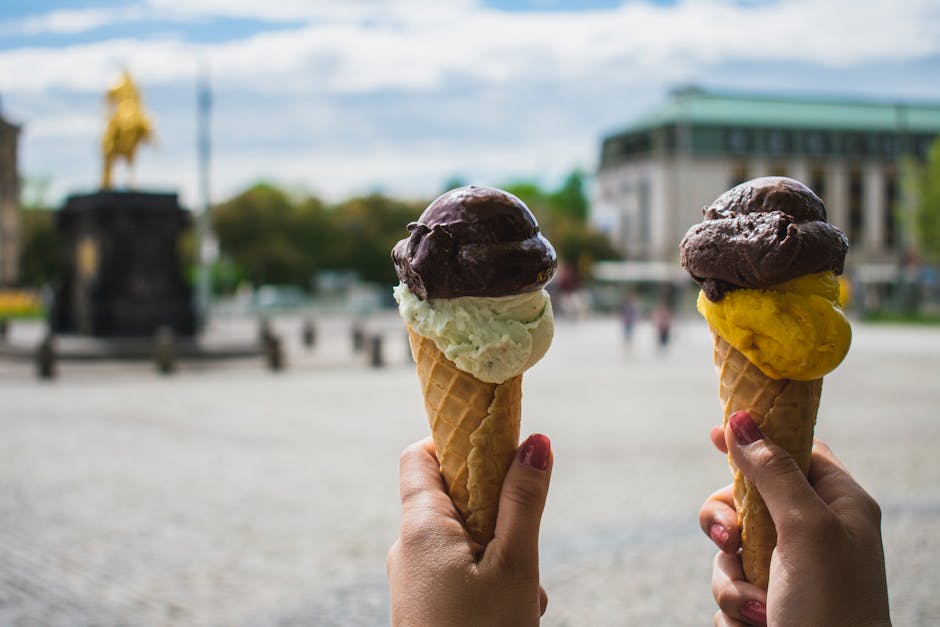
Self-guided audio tour in Dresden
Start Free on iPhone
Start free on iPhone to unlock this self-guided walking tour in Dresden. Hear all the stories that make it amazing, walk at your own pace, and begin whenever you want.
Your Private Tour Guide
Embark on a self-guided walk through Dresden, a city where architectural grandeur meets a rich culinary legacy. This neighborhood stroll takes you from the historic heart of the Altstadt (Old Town) across the Elbe River into the vibrant Neustadt (New Town). As you explore, you will discover how the 'Florence on the Elbe' earned its reputation not just for its Baroque skyline, but for its unique Saxon flavors. The journey begins at the Altmarkt, a space that has hosted markets for centuries and serves as the home of the world-famous Striezelmarkt. From there, you will delve into the subterranean history of the city at the Taschenbergpalais, where the spirit of August the Strong’s legendary feasts still lingers. This walking route is designed for those who want to experience the city at their own pace, moving from the reconstructed splendor of the historic center to the leafy, artistic boulevards of the northern bank. Crossing the Augustus Bridge provides one of the most iconic views in Europe, leading you to the Golden Horseman and the elegant Hauptstraße. Here, the vibe shifts from the monumental to the artisanal. You will visit a 19th-century indoor market hall that remains a local favorite for fresh produce and regional specialties. The walk concludes at a location often cited as the most beautiful dairy shop in the world, a testament to the industrial and artistic craftsmanship of the late 1800s. Along the way, you’ll learn about the history of Saxon chocolate, the secrets of the Dresdner Christstollen, and the resilience of a city that rebuilt its culture and its kitchens from the ashes of history. Whether you are a history buff or a food lover, this exploration offers a comprehensive taste of Dresden's dual identity.
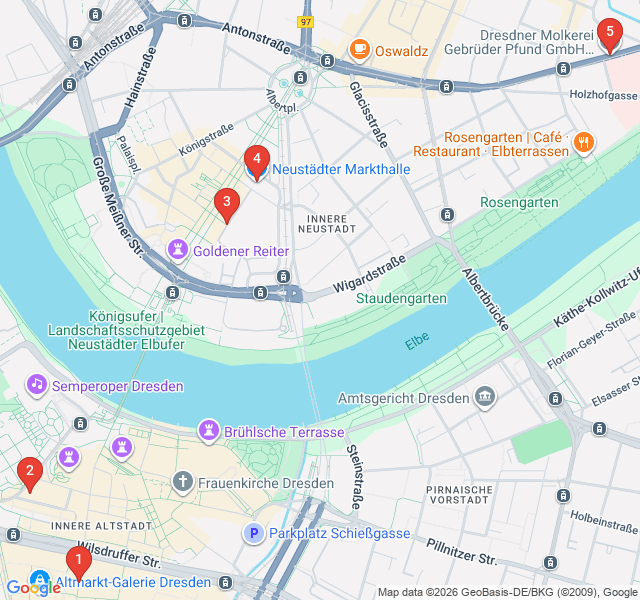
Numbers indicate the order of stops on the tour.
Welcome to the Altmarkt, the historic heart of Dresden. Since the 13th century, this square has been the city's central stage for commerce, festivals, and even tournaments. It is most famous as the home of the Striezelmarkt, Germany's oldest Christmas market, dating back to 1434. The name comes from 'Striezel,' the predecessor to the famous Dresdner Christstollen. Look around at the architecture; while much of what you see was rebuilt after 1945, the square retains its massive proportions. It was here that Saxon merchants once traded linens, spices, and the local agricultural bounty that fed the growing royal capital. This is the perfect place to start your exploration of Saxon flavors, as the traditions established in this square have defined the region’s culinary identity for over half a millennium.
Just a short walk from the Altmarkt brings you to the Taschenbergpalais, a palace built by August the Strong for his mistress, Countess Cosel. While the palace itself is a masterpiece of Baroque architecture, we are here for the Sophienkeller located in its depths. This vaulted cellar offers a window into the 18th-century court life of Saxony. August the Strong was known for his legendary appetite and extravagant feasts, which often lasted for days. The cellar's atmosphere, with its historical uniforms and rustic wooden tables, evokes the era when Saxon cuisine began to blend French sophistication with hearty local ingredients like forest mushrooms and river fish. It is a reminder that in Dresden, history is something you can almost taste.
As you cross the Elbe and pass the Golden Horseman statue, you enter the Hauptstraße. This is the spine of the 'Neustadt' or New Town. Ironically, after the Great Fire of 1685, this area was rebuilt in a more modern Baroque style than the 'Old' town across the river. The Hauptstraße was designed as a grand, tree-lined promenade. Historically, this was a district for wealthy craftsmen and merchants. As you walk down this pedestrian boulevard, notice the blend of historic townhouses and more modern structures. It has long been a center for Dresden’s café culture. In the 19th century, this area was bustling with specialty shops selling everything from Saxon porcelain to the city's famous chocolates, bridging the gap between royal luxury and everyday local life.
Step inside the Neustädter Markthalle to experience one of Germany’s most beautiful remaining indoor markets. Opened in 1899, this hall was a marvel of the industrial age, featuring a sophisticated iron construction and a glass roof that flooded the stalls with light. It was built to improve hygiene and modernize the way Dresdeners shopped for food. Today, the market hall still serves the neighborhood. As you walk through the different levels, you can find traditional Saxon meats, cheeses, and baked goods. It represents the transition from the open-air medieval markets of the Altmarkt to the organized, urban commerce of the late 19th century. It remains a vital hub for local food culture, far away from the typical tourist crowds.
Our final stop is Pfunds Molkerei, famously recorded in the Guinness Book of World Records as the 'most beautiful dairy shop in the world.' Founded in 1880 by the Pfund brothers, this shop was a pioneer in providing hygienic, high-quality milk to the city. The interior is entirely covered in hand-painted Neo-Renaissance tiles produced by Villeroy & Boch. The level of detail is staggering, depicting floral motifs, chubby cherubs, and scenes of dairy production. The Pfund brothers were marketing geniuses; they didn't just sell milk, they sold an experience of purity and art. While you are here, look for the local specialty: milk soap, or perhaps sample some of the regional cheeses that continue the legacy of this historic Saxon institution.
Start Free on iPhone
Explore “Saxon Flavors and Historic Markets” with your very own Private Tour Guide with Zigway. Start free on iPhone, skip the large group and the fixed routes, and hear the city come alive as you go.
Your Private Tour Guide
Don't miss the good stuff
Explore Freely
 Easy
EasyDresden, Germany
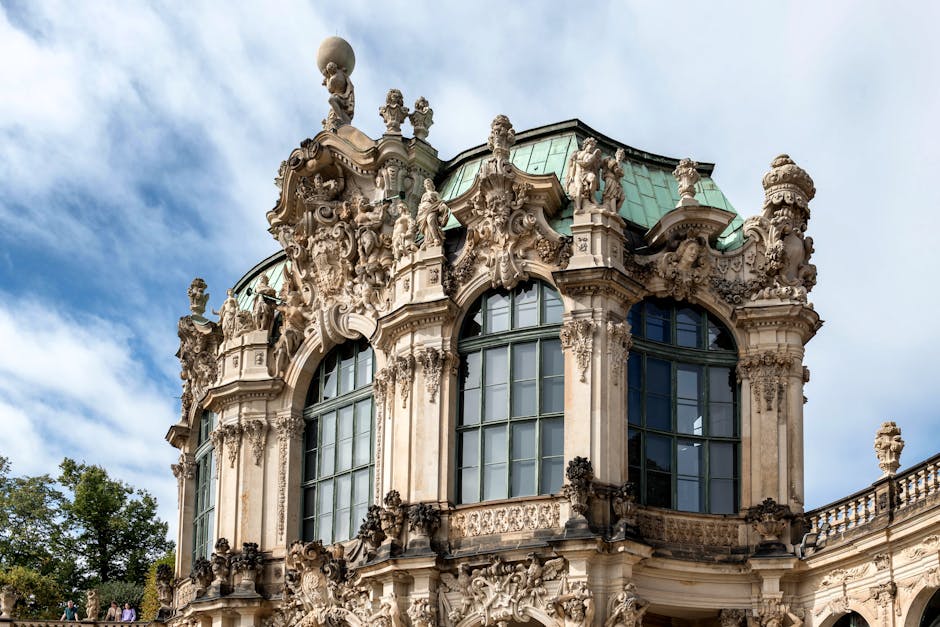
Discover the 'Florence on the Elbe' on this self-guided walk through Dresden’s reconstructed Baroque heart, from royal palaces to iconic domes.
 Moderate
Dresden, Germany
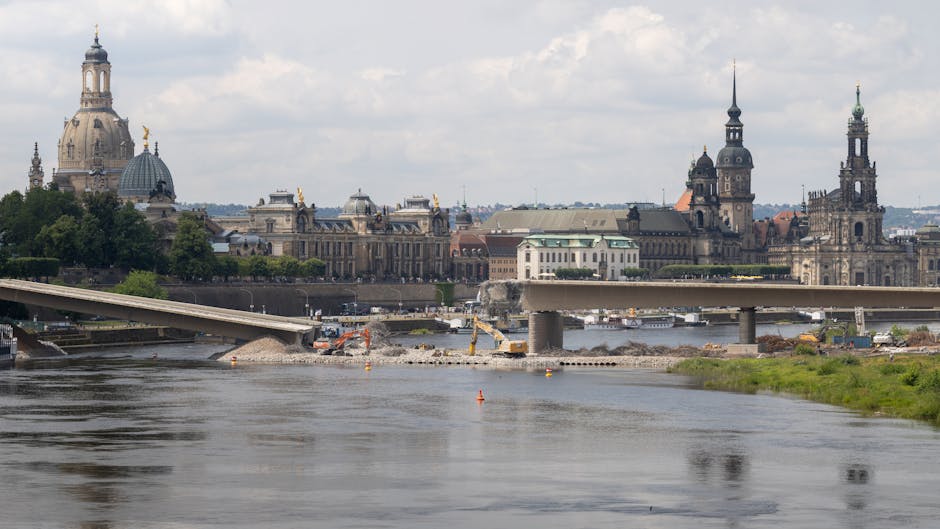
Experience Dresden's most iconic skyline views and Baroque landmarks on this scenic self-guided photography walk along the Elbe River.
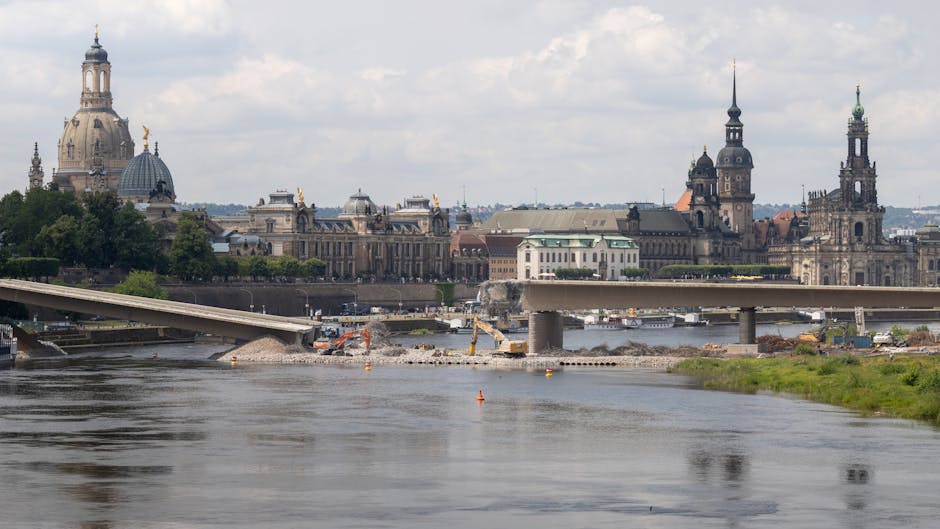 Easy
EasyDresden, Germany
Explore a stunning 19th-century power plant transformed into a vibrant cultural hub of theaters and art in this self-guided walking route.
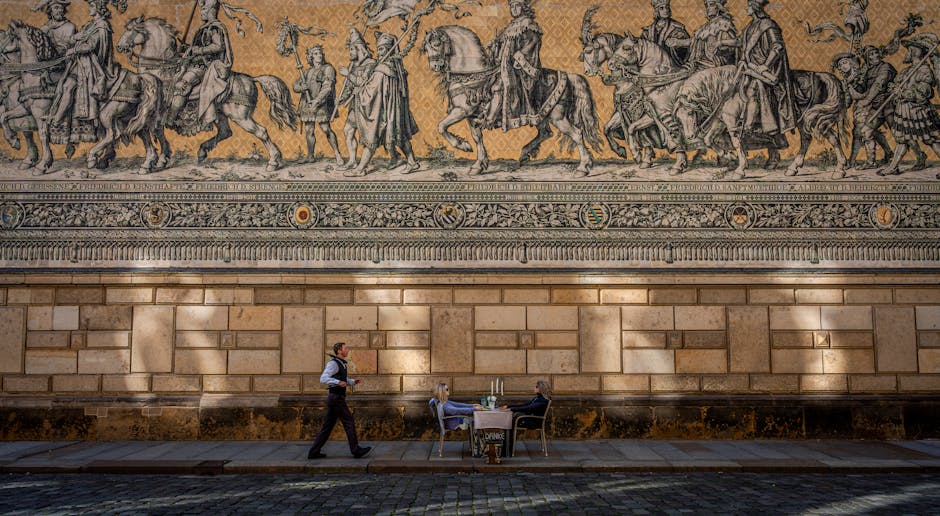 Easy
EasyDresden, Germany
Discover Dresden's vibrant soul on this self-guided walk through the street art, quirky courtyards, and bohemian spirit of the Äußere Neustadt.
 Easy
EasyGdansk, Poland
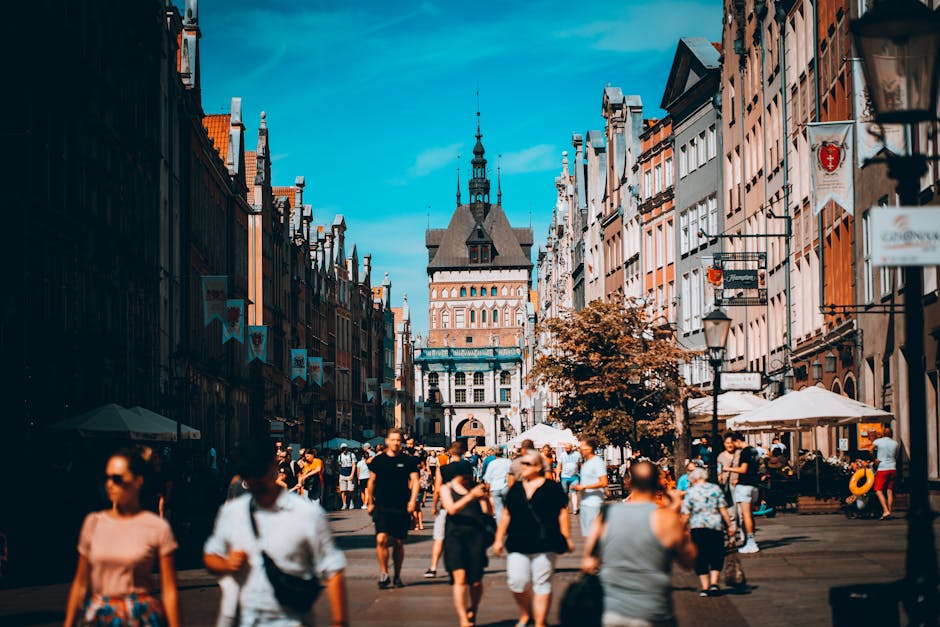
Taste the history of the Baltic. Explore Gdansk's culinary heritage from medieval markets to gold-flecked liqueurs on this self-guided walk.
 Easy
EasyGothenburg, Sweden
Explore Gothenburg’s historic wooden houses, legendary giant cinnamon buns, and panoramic fortress views on this self-guided neighborhood stroll.
 Moderate
Vienna, Austria
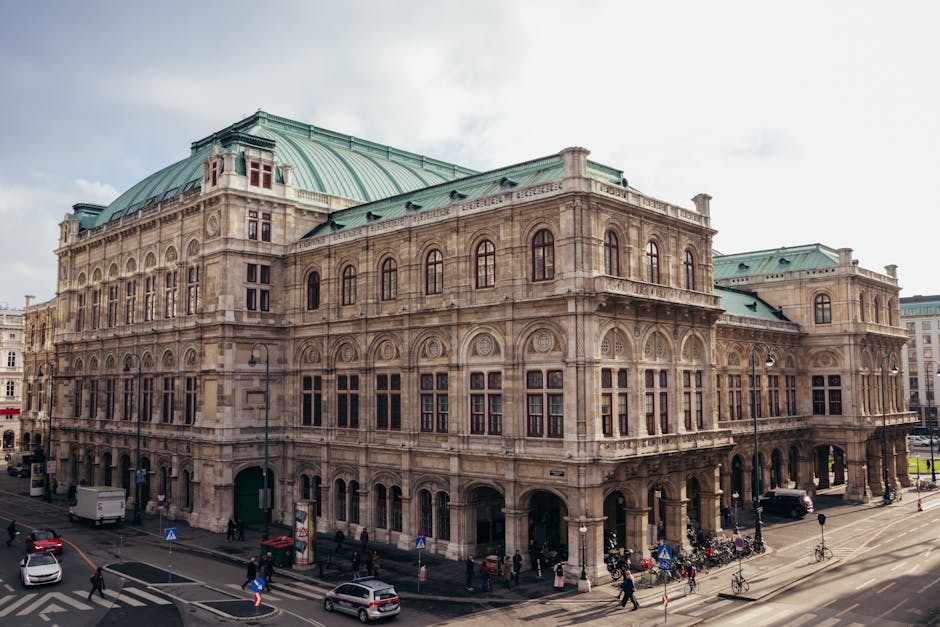
Follow the footsteps of Mozart and Strauss through Vienna’s historic center on this self-guided walk through the city's rich musical history.
 Easy
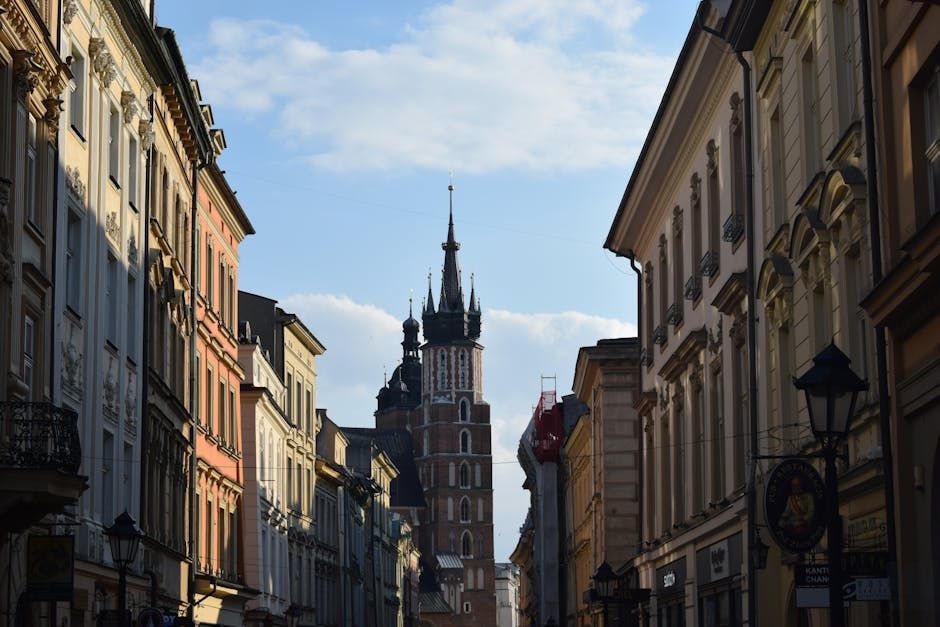
EasyKrakow, Poland
Savor the soul of Krakow on this self-guided walk through historic markets, bohemian cafes, and the city's best pierogi spots.
 Easy
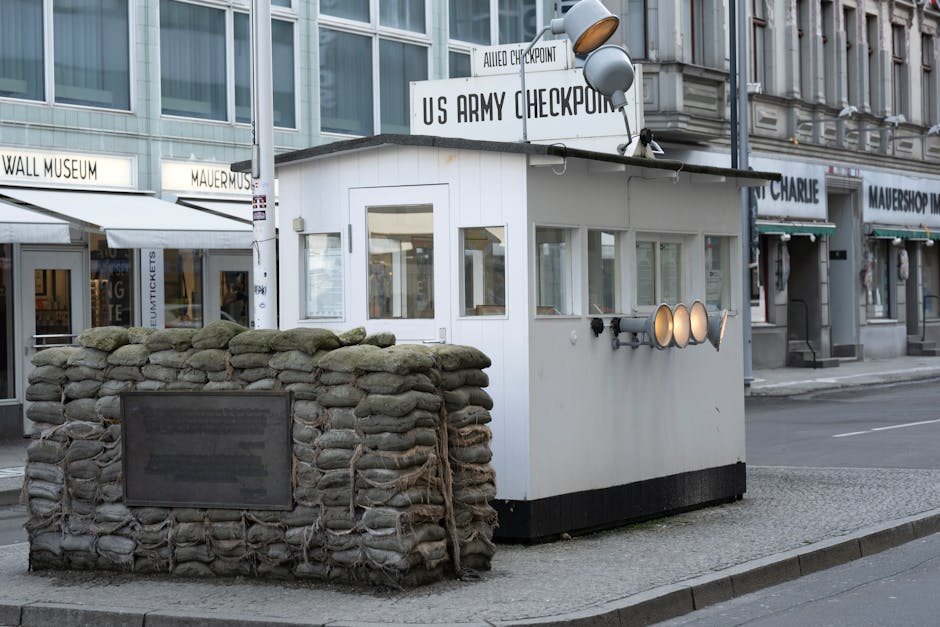
EasyBerlin, Germany
Explore the sites of Nazi power and the memorials that honor its victims on this self-guided walk through Berlin's historic Wilhelmstraße district.
 Moderate
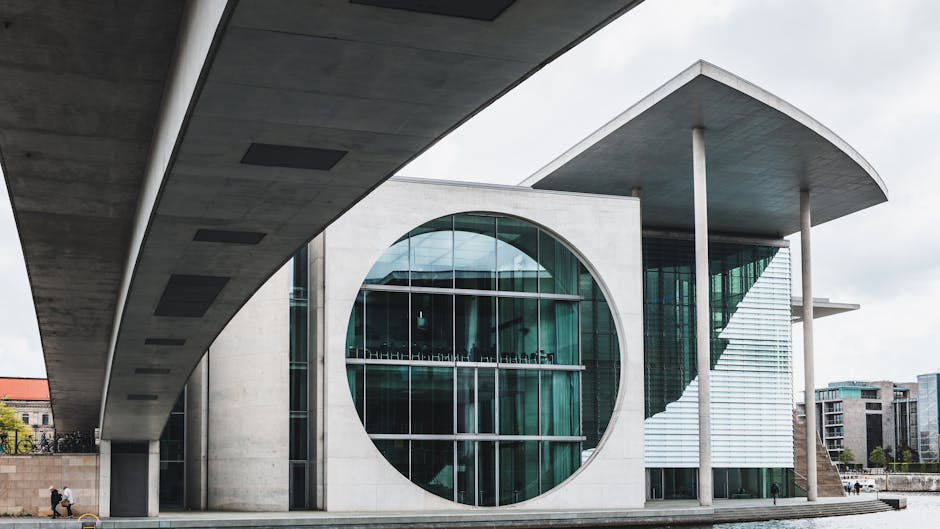
Berlin, Germany
Explore Berlin’s 'Green Heart' on a self-guided walk through royal history, Cold War memorials, and serene lakeside gardens.
 Moderate
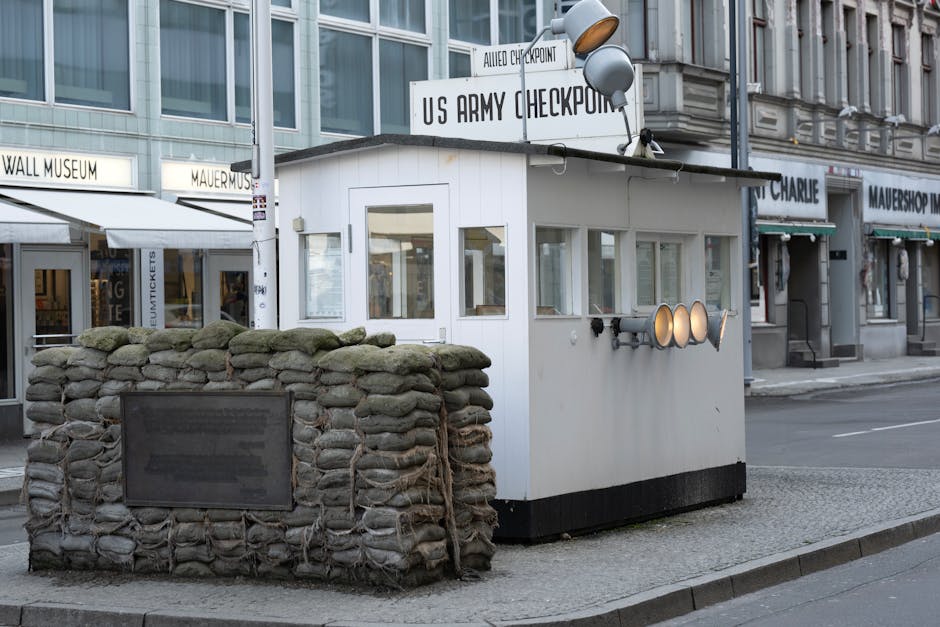
Berlin, Germany
Discover the legacy of the Berlin Wall on this self-guided walk from historic ghost stations to the vibrant street art and cafes of Mauerpark.
 Easy
EasyBerlin, Germany
Discover the soul of 1920s Berlin on a self-guided walk through Charlottenburg’s iconic literary cafes, historic theaters, and artistic landmarks.