Self-guided audio tour in Strasbourg
Start Free on iPhone
Start free on iPhone to unlock this self-guided walking tour in Strasbourg. Hear all the stories that make it amazing, walk at your own pace, and begin whenever you want.
Your Private Tour Guide
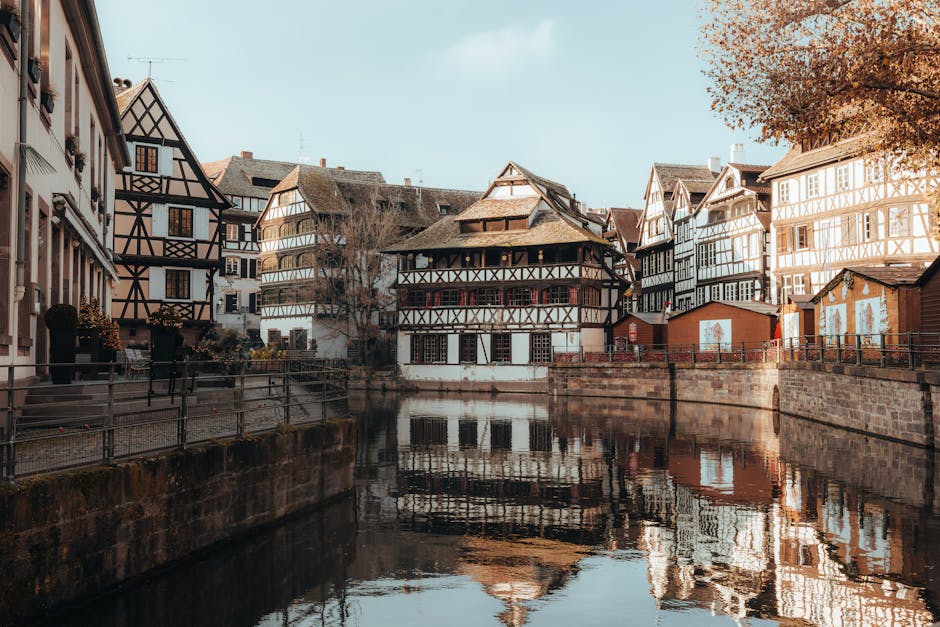
Step back in time to 16th-century Alsace with this self-guided walking route through Petite France, Strasbourg's most enchanting neighborhood. Known as the 'Quartier des Tanneurs' (Tanners' District), this area is a masterclass in preserved history and timber-framed architecture. On this neighborhood stroll, you will explore the narrow cobblestone alleys where fishermen, millers, and tanners once lived and worked along the banks of the River Ill. This walking tour Strasbourg highlights the transition of the city from a medieval defensive powerhouse to a hub of trade and craftsmanship. What makes this independent stroll special is the chance to witness the unique 'colombage' (half-timbered) houses that look as if they have been plucked from a storybook. You will discover why these buildings have such distinctive steeply pitched roofs and learn the secrets behind the massive medieval towers that still stand guard over the waterways. The route takes you from the bustling locks of Pont Saint-Martin to the panoramic heights of the Barrage Vauban, offering some of the best photography spots in the city. As you follow this walking tour Strasbourg, you will delve into the history of the tanners, whose trade defined the neighborhood’s layout and even its smell for centuries. Beyond the history, the route captures the romantic atmosphere of the canals, where the water reflects centuries-old facades and blooming flower boxes. Whether you are interested in the engineering of 17th-century fortifications or simply want to find the most Instagram-worthy corners of the Grand Île, this audio walk provides the context you need to appreciate the architectural evolution of this UNESCO World Heritage site at your own pace.
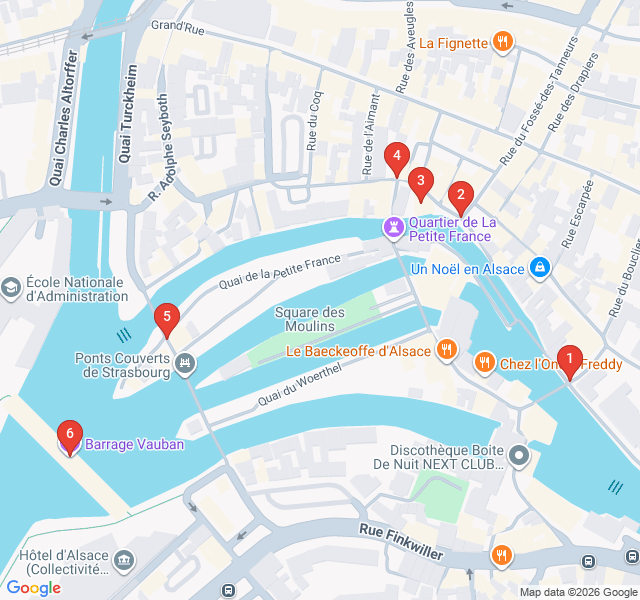
Numbers indicate the order of stops on the tour.
Begin your exploration at Pont Saint-Martin, one of the most atmospheric entry points into Petite France. From this bridge, you get a perfect view of the river locks and the rushing water of the Ill. Historically, this was a vital spot for the city's mills. Look toward the water to see how the houses seem to rise directly from the river. This bridge offers a clear view of the complex waterway system that once powered the local economy. It is also a prime spot to watch the 'Batorama' canal boats navigate the narrow locks, a feat of precision that bridges the gap between the modern city and its medieval roots.
Named after a famous local illustrator from the Napoleonic era, Place Benjamin Zix is the beating heart of Petite France. This small, triangular square is shaded by ancient plane trees and surrounded by some of the most beautiful half-timbered buildings in Alsace. In the past, this was a busy marketplace where local artisans gathered. Today, it is a peaceful spot to observe the intricate woodwork of the surrounding facades. Notice the varying colors and patterns in the timber frames; these weren't just decorative but often indicated the profession or status of the homeowner. It is a perfect place to pause and soak in the neighborhood's vibrant atmosphere.
Standing before you is perhaps the most famous building in Strasbourg: the Maison des Tanneurs, built in 1572. This former tannery is a classic example of Alsatian architecture. Look up at the top floor—notice the open galleries under the roof? This wasn't for style; tanners used these ventilated spaces to hang animal hides to dry in the wind. The building was converted into a restaurant in 1949, but its exterior remains a perfectly preserved relic of the leather-working trade that dominated this district for centuries. The dark wood and white plaster reflect the traditional 'colombage' style that defines the region’s visual identity.
Wander down Rue du Bain-aux-Plantes, one of the most photogenic streets in the city. The name translates to 'Plant Bath Street,' referring to the public baths that were once located here. As you walk, observe the narrowness of the street and the way the upper floors of the houses lean outward over the cobblestones. This 'jettying' technique was used to maximize floor space on upper levels while keeping the ground-level footprint small, which was taxed based on size. The street is lined with geranium-filled window boxes and carved wooden doorways, offering a glimpse into the domestic life of Strasbourg's historic merchant class.
The Ponts Couverts, or 'Covered Bridges,' are a set of three bridges and four massive stone towers that formed part of Strasbourg's 13th-century defensive walls. Interestingly, the bridges haven't actually been 'covered' since the 18th century, but the name stuck. These towers served as prisons and defensive bastions for centuries. As the city’s defenses evolved, these medieval structures were integrated into newer systems, yet they remain one of the most iconic silhouettes in the city. Standing here, you can see the clear divide between the old timber-framed Petite France and the more modern expansions of the city beyond the waterways.
Conclude your walk at the Barrage Vauban, a defensive dam and bridge built in the late 17th century by the famous French military engineer Sébastien Le Prestre de Vauban. Its primary purpose was to flood the lands south of the city during an attack, making Strasbourg impenetrable. Today, its greatest draw is the 'Panorama' terrace on the roof. From this elevated vantage point, you can look back over the Ponts Couverts and the entire Petite France district, with the spire of the Strasbourg Cathedral rising majestically in the background. It is the perfect spot to reflect on the architectural layers of the city, from medieval timber to 17th-century stone fortifications.
Start Free on iPhone
Explore “Timber and Tanners: The Charms of Petite France” with your very own Private Tour Guide with Zigway. Start free on iPhone, skip the large group and the fixed routes, and hear the city come alive as you go.
Your Private Tour Guide
Don't miss the good stuff
Explore Freely
 Easy
EasyStrasbourg, France
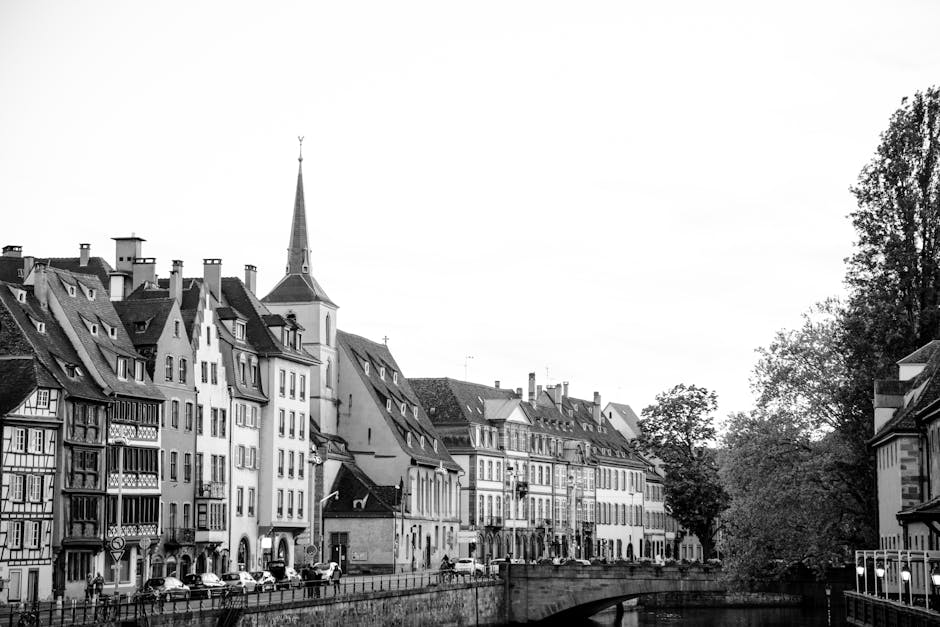
Discover the vibrant soul of Strasbourg’s student district. Explore historic factories, lively squares, and canal-side hangouts at your own pace.
 Easy
EasyStrasbourg, France
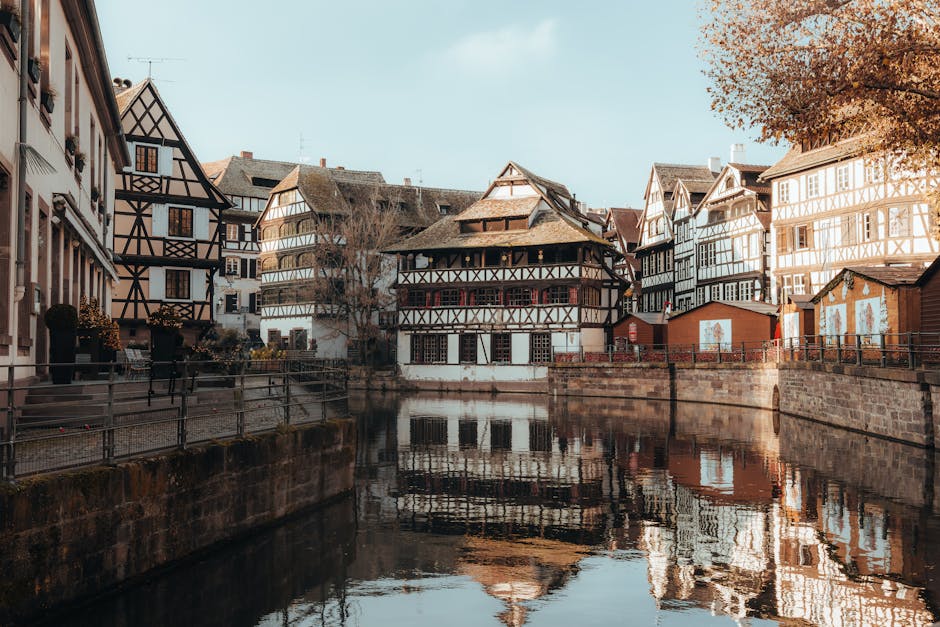
Explore Strasbourg’s Gothic heart and astronomical marvels on this self-guided walk through the historic Grande Île.
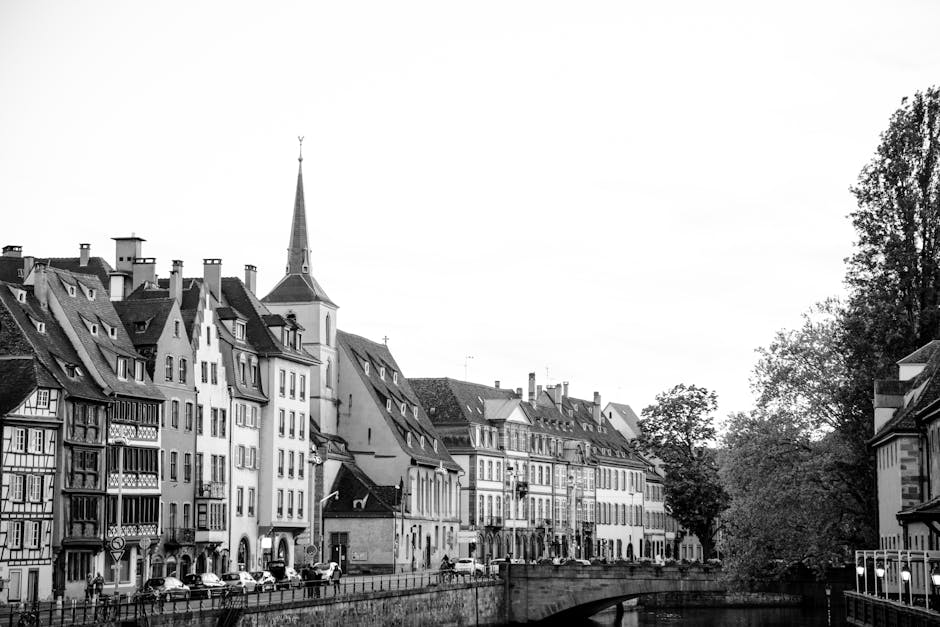 Easy
EasyStrasbourg, France
Discover Strasbourg’s soul on this self-guided stroll along historic quays, scenic bridges, and the fairytale canals of Petite France.
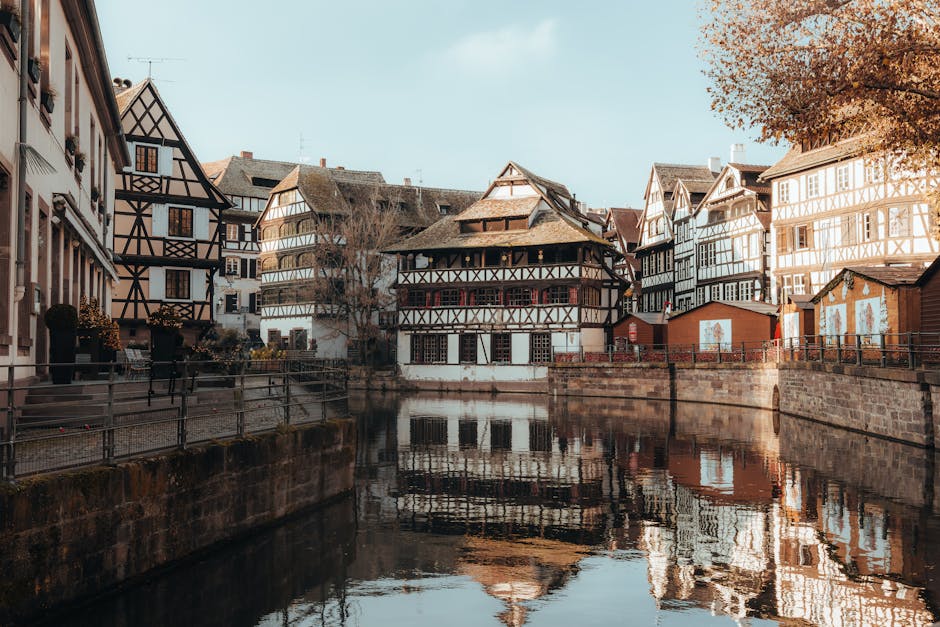 Moderate
Strasbourg, France
Explore the military genius of Vauban on this self-guided walk through Strasbourg’s historic bridges, dams, and riverside defenses.
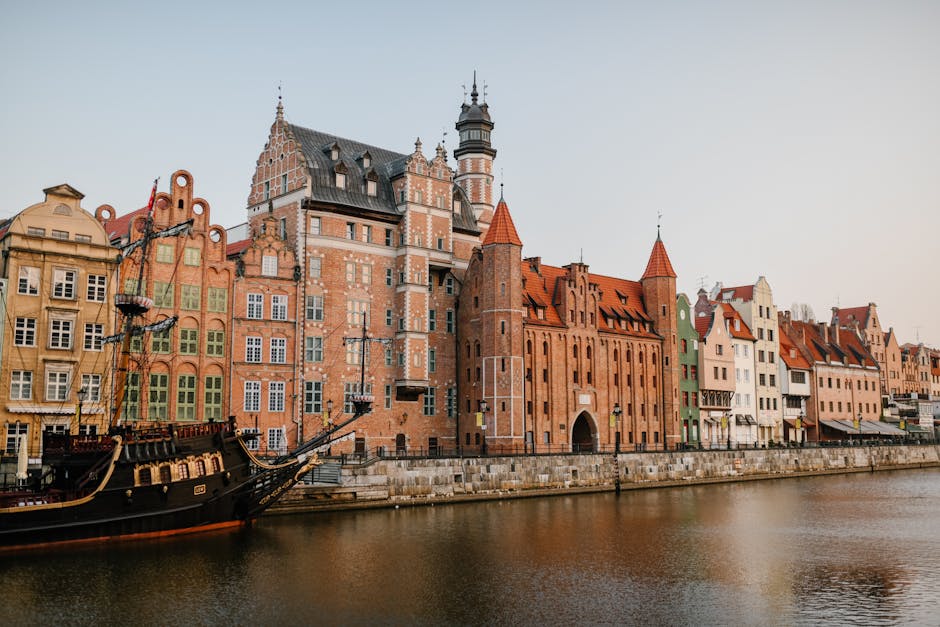 Easy
EasyGdansk, Poland
Discover the 'Baltic Gold' on this self-guided walk through Gdansk's historic mills, massive cathedrals, and the magical Mariacka Street.
 Easy
EasyNairobi, Kenya
Discover Nairobi's iconic skyline on this self-guided architecture walk through the CBD’s most famous modernist and Brutalist landmarks.
 Easy
EasyKrakow, Poland
Explore the prestigious Jagiellonian University district, featuring Neo-Gothic architecture, Baroque churches, and Krakow's hidden scholarly gems.
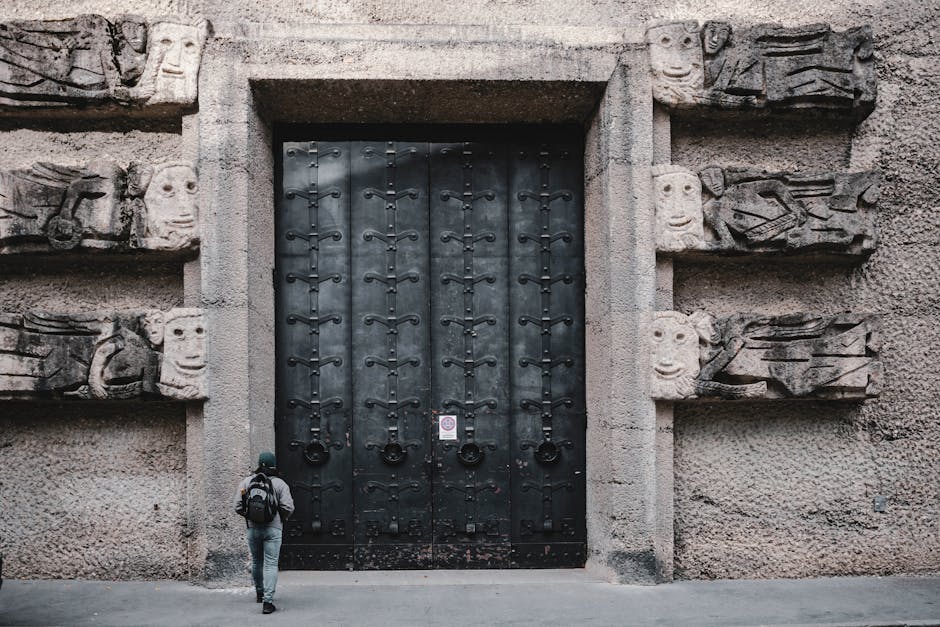 Easy
EasySalzburg, Austria
Discover the 'Rome of the North' on this self-guided walk through the Baroque squares and monumental legacy of Salzburg’s Prince-Archbishops.
 Challenging
Paris, France
Explore the secret vineyards, legendary artist studios, and hidden squares of Paris's iconic hilltop on this self-guided bohemian walking route.
 Easy
EasyParis, France
Explore the evolution of Parisian design from Art Nouveau whimsy to Le Corbusier's Modernist masterpieces on this self-guided architectural walk.
 Easy
EasyParis, France
Explore the flavors and history of Bastille on this self-guided walk through the legendary Aligre Market and the scenic Coulée Verte.
 Easy
EasyParis, France
Discover aristocratic mansions, secret medieval courtyards, and royal history on this self-guided walk through the enchanting Marais district.