Self-guided audio tour in Strasbourg
Start Free on iPhone
Start free on iPhone to unlock this self-guided walking tour in Strasbourg. Hear all the stories that make it amazing, walk at your own pace, and begin whenever you want.
Your Private Tour Guide
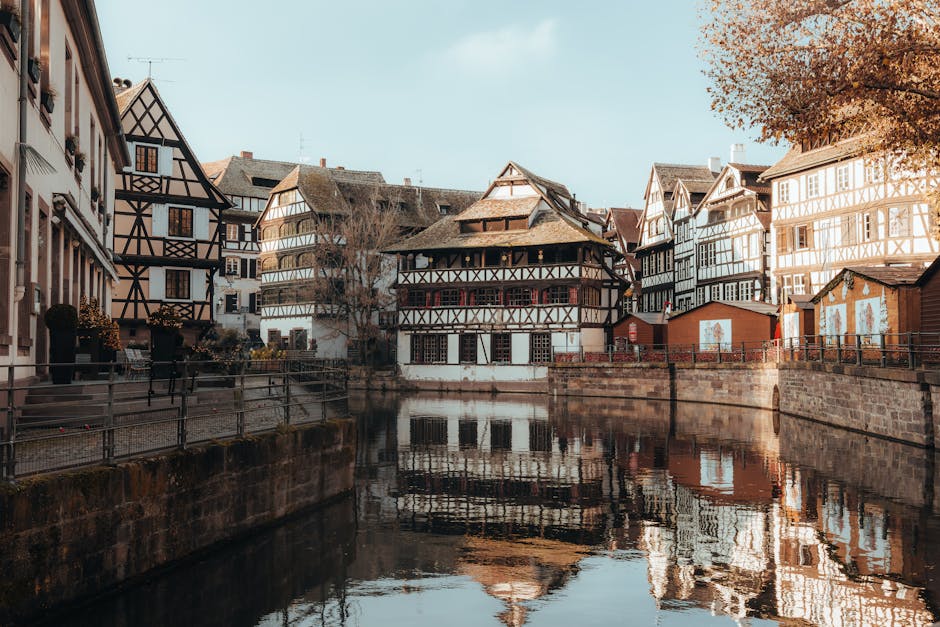
Strasbourg is a city defined by its water and its walls. For centuries, this border town was a prize fought over by empires, leading to the creation of some of Europe's most ingenious military architecture. This self-guided walk invites you to explore the formidable legacy of Sébastien Le Prestre de Vauban, the master engineer of King Louis XIV, whose designs transformed the city into an impregnable fortress. Starting at the expansive Place de l’Etoile, this walking route guides you through the heart of the city's defensive history. You will encounter the iconic Ponts Couverts, a series of medieval bridges and towers that once guarded the entrance to the Ill River. Just a short distance away, the Barrage Vauban—a massive defensive dam—showcases 17th-century engineering that could flood entire sections of the city to deter invaders. As you follow the water along the Canal du Faux-Rempart, the architectural layers of the city reveal themselves, from medieval stone to grand 19th-century expansions. This audio walk is perfect for those who want to discover the hidden stories behind the stones at their own pace. Rather than following a rigid schedule, you can pause to admire the timber-framed houses of Petite France or take in the panoramic views from the Vauban Dam terrace. The journey concludes at the Parc de la Citadelle, where the remains of a star-shaped fortress have been repurposed into a peaceful urban park. This neighborhood stroll offers a unique perspective on Strasbourg, focusing on how its strategic location shaped its layout and its survival through the ages. Whether you are a history buff or an architecture enthusiast, this walking route provides a deep dive into the military genius that earned Strasbourg its place on the UNESCO World Heritage list. Explore independently and see how the "City of Roads" protected its borders while blossoming into the European capital it is today. This walking tour Strasbourg experience connects the dots between medieval survival and modern urban beauty.
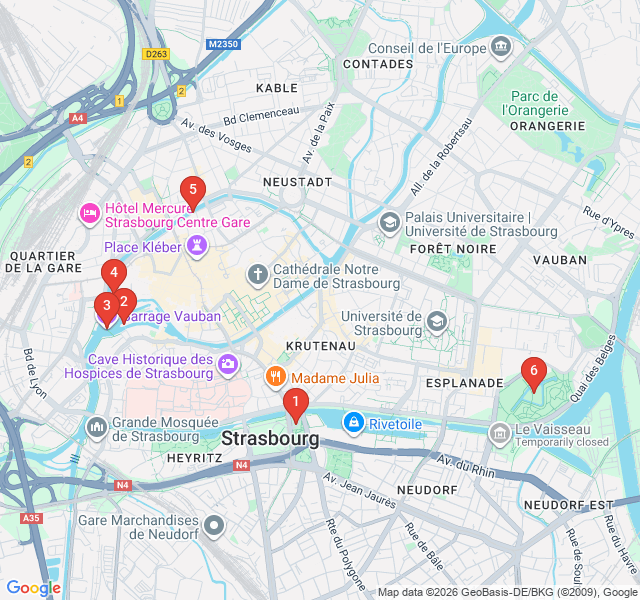
Numbers indicate the order of stops on the tour.
Welcome to the starting point of your exploration of Strasbourg's defenses. Today, Place de l'Etoile is a modern hub, but its name—meaning 'Star Square'—hints at the city’s military past. This area was once part of the complex outer fortifications designed to protect the city from the south. As Strasbourg grew, the old walls were dismantled to make room for expansion, but the layout of the streets still reflects the geometry of Vauban's military engineering. From here, you can see how the city bridges the gap between its historic core and its modern development as a European capital.
The Ponts Couverts, or Covered Bridges, are a striking remnant of the 13th century. Despite their name, they haven't actually been 'covered' by wooden roofs since the 18th century. These four square towers and three bridges served as the primary defense for the Ill River entrance into the city. Imagine the iron grates that could be lowered into the water to stop enemy boats. While Vauban later integrated them into his grander plans, these towers remain the most iconic symbols of medieval Strasbourg. They offer one of the most photographed views in the city, looking toward the timber-framed houses of Petite France.
Just across from the medieval bridges stands the Barrage Vauban, a masterpiece of 17th-century military engineering. Built by Vauban’s engineers, this 'Great Lock' was designed to defend Strasbourg by flooding the lands to the south in the event of an attack, making the city inaccessible to enemy artillery. It is constructed from beautiful pink sandstone from the Vosges mountains. Make sure to head up to the grassy terrace on the roof. From there, you get a spectacular panoramic view of the Ponts Couverts and the distant spire of the Strasbourg Cathedral.
As you move along the old perimeter, you encounter the Tour du Bourreau, or the Executioner's Tower. This tower was part of the medieval fortifications that predated Vauban. Its grim name comes from its historical resident; the city's executioner lived here, isolated from the rest of the citizenry. The tower stands as a reminder that the city's defenses were not just about repelling foreign armies, but also about maintaining internal order. Notice the thickness of the stone walls, designed to withstand the early siege engines of the Middle Ages.
The Canal du Faux-Rempart, or 'False Rampart Canal,' follows the line of the city's former northern moat. In the 19th century, this area underwent a massive transformation as Strasbourg expanded under German rule. However, the canal itself remains a key feature of the city's defensive hydrology. As you stroll along the water, look at the contrast between the older stone foundations and the grander architecture of the Neustadt district across the water. This canal essentially turns the historic center of Strasbourg into an island, known as the Grande Île.
Your journey ends at the Parc de la Citadelle. This park was once the heart of Vauban's star-shaped fortress, built shortly after Strasbourg became part of France in 1681. The Citadelle was a city within a city, housing thousands of soldiers and supplies. Much of it was destroyed during the Siege of Strasbourg in 1870, but you can still see the impressive masonry of the moats and the gateways. Today, it has been transformed into a peaceful park where the locals come to jog and play, proving that even the most formidable military structures can eventually become spaces for community and leisure.
Start Free on iPhone
Explore “Vauban’s Defenses: The Fortified City” with your very own Private Tour Guide with Zigway. Start free on iPhone, skip the large group and the fixed routes, and hear the city come alive as you go.
Your Private Tour Guide
Don't miss the good stuff
Explore Freely
 Easy
EasyStrasbourg, France
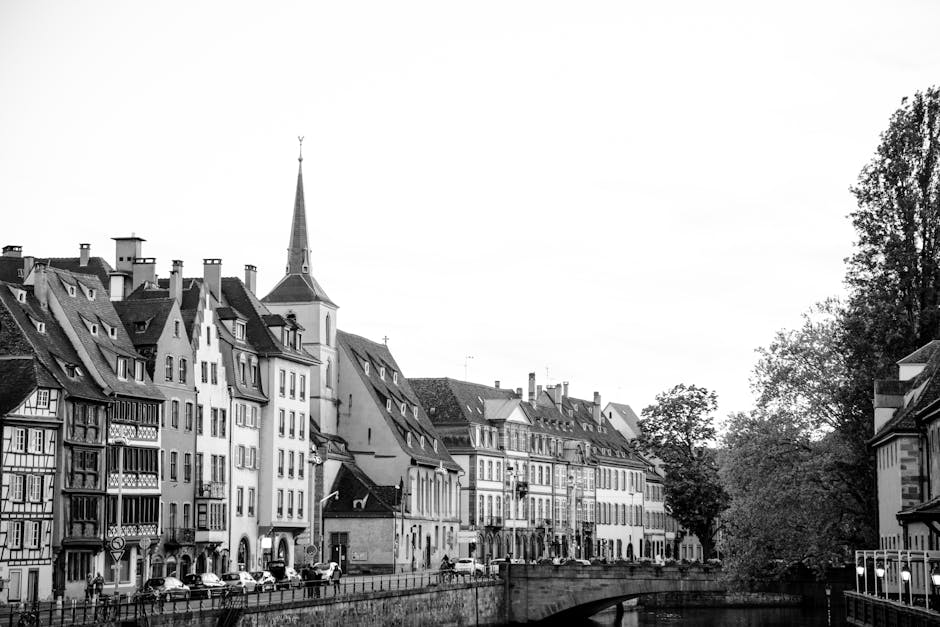
Discover the vibrant soul of Strasbourg’s student district. Explore historic factories, lively squares, and canal-side hangouts at your own pace.
 Easy
EasyStrasbourg, France
Explore Strasbourg’s Gothic heart and astronomical marvels on this self-guided walk through the historic Grande Île.
 Easy
EasyStrasbourg, France
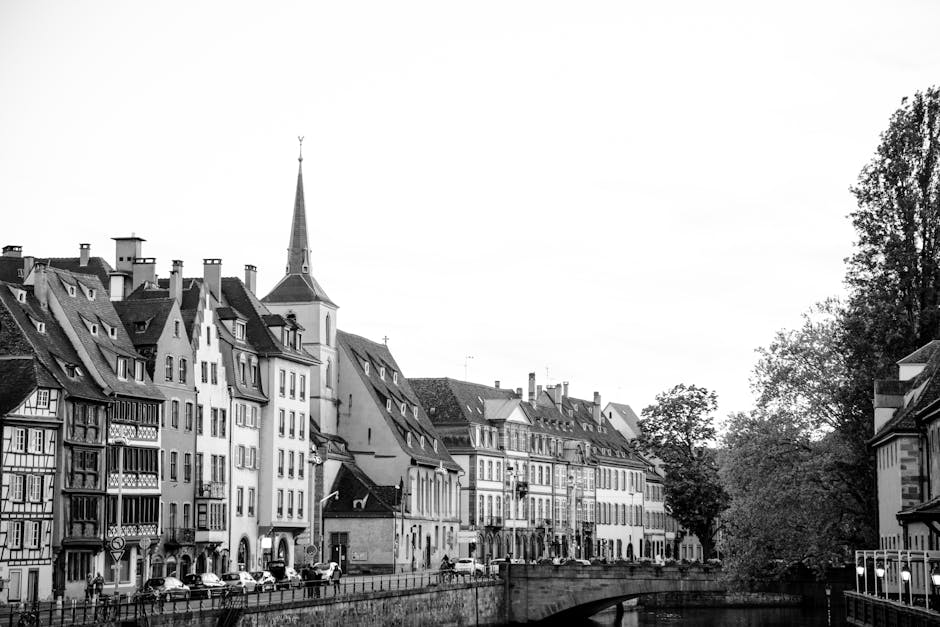
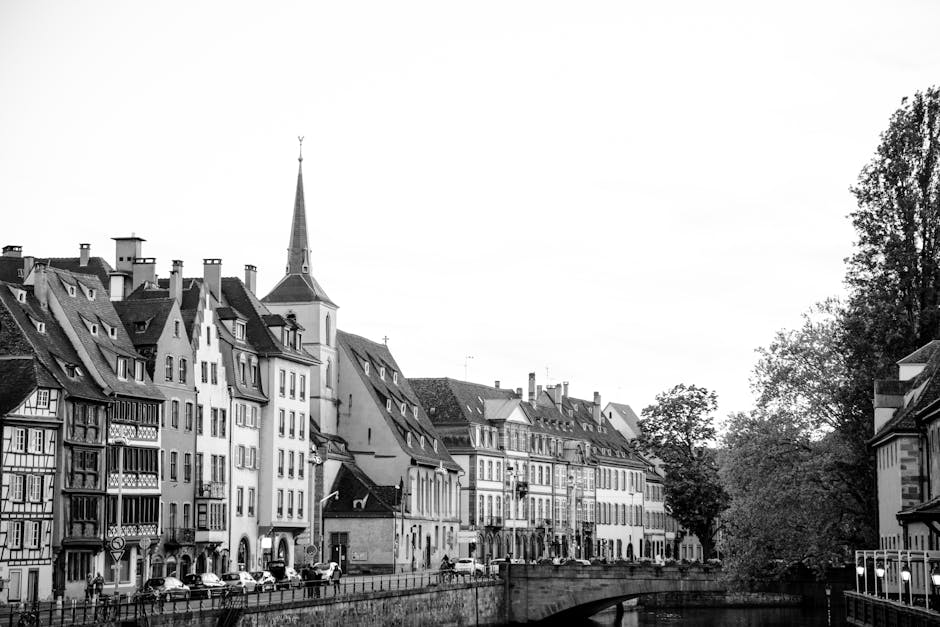
Discover Strasbourg’s soul on this self-guided stroll along historic quays, scenic bridges, and the fairytale canals of Petite France.
 Moderate
Strasbourg, France
Discover the monumental Prussian architecture and imperial history of Strasbourg's UNESCO-listed Neustadt on this self-guided audio walk.
 Easy
EasyGothenburg, Sweden
Discover Gothenburg’s 17th-century Dutch foundations, historic canals, and military fortifications on this self-guided architectural walk.
 Moderate
Vienna, Austria
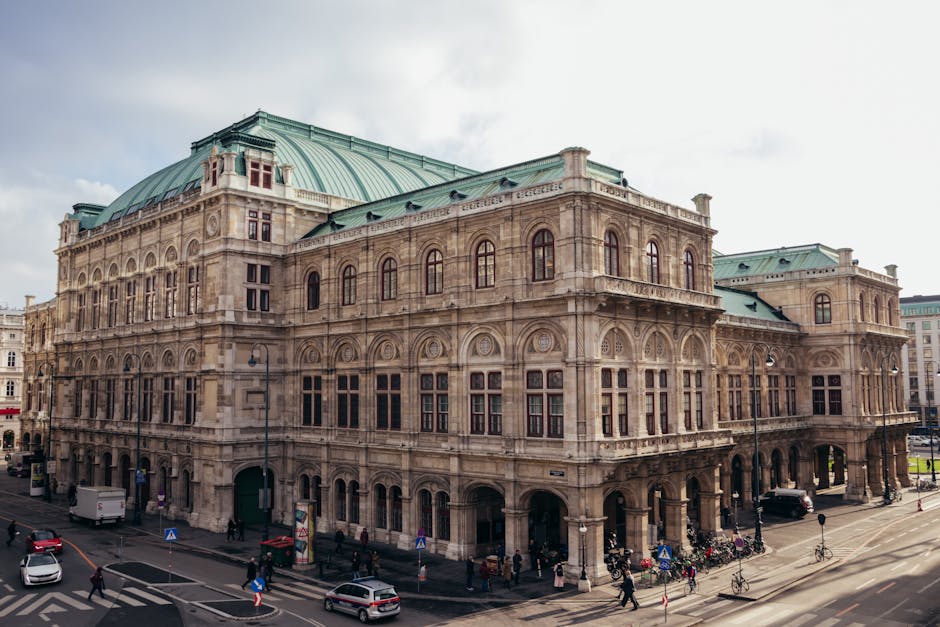
Discover the noir world of The Third Man and Cold War Vienna on this atmospheric self-guided audio walk through the historic Innere Stadt.
 Easy
EasyGothenburg, Sweden
Explore Gothenburg’s historic wooden houses, legendary giant cinnamon buns, and panoramic fortress views on this self-guided neighborhood stroll.
 Easy
EasyNairobi, Kenya
Explore Nairobi's architectural evolution from colonial-era landmarks to iconic Brutalist skyscrapers on this historic self-guided walking route.
 Challenging
Paris, France
Explore the secret vineyards, legendary artist studios, and hidden squares of Paris's iconic hilltop on this self-guided bohemian walking route.
 Easy
EasyParis, France
Explore the evolution of Parisian design from Art Nouveau whimsy to Le Corbusier's Modernist masterpieces on this self-guided architectural walk.
 Easy
EasyParis, France
Explore the flavors and history of Bastille on this self-guided walk through the legendary Aligre Market and the scenic Coulée Verte.
 Easy
EasyParis, France
Discover aristocratic mansions, secret medieval courtyards, and royal history on this self-guided walk through the enchanting Marais district.