Self-guided audio tour in Pittsburgh
Start Free on iPhone
Start free on iPhone to unlock this self-guided walking tour in Pittsburgh. Hear all the stories that make it amazing, walk at your own pace, and begin whenever you want.
Your Private Tour Guide
Discover the birthplace of the 'Steel City' on this immersive self-guided walk through Downtown Pittsburgh. This route begins at the historic Market Square and leads you to the dramatic confluence of the Allegheny, Monongahela, and Ohio rivers. As you explore independently, you will witness the evolution of the city from a strategic military outpost to a modern architectural marvel. The journey starts in the vibrant atmosphere of Market Square, once the site of the city’s first courthouse and jail, now a thriving hub of local life. From there, you’ll stroll past the ornate Heeren Building, a testament to the city’s early commercial wealth, before entering the mid-century modern landscape of Gateway Center. These sleek towers represent the post-WWII 'Pittsburgh Renaissance,' a period of massive urban renewal that transformed the city's skyline. As you move toward the point, the theme of history and nature merges at the Fort Pitt Block House, the oldest structure in Western Pennsylvania. Built in 1764, it stands as a silent witness to the French and Indian War and the struggle for control of the American frontier. Nearby, the Fort Pitt Museum provides deeper context into the strategic importance of this land. The walk concludes at the magnificent Point State Park Fountain. Here, at the very tip of the Golden Triangle, you can stand where three rivers meet and feel the spray of the 150-foot plume of water. This walking tour Pittsburgh offers is perfect for history buffs and nature lovers alike. Whether you are interested in colonial skirmishes or the innovative urban planning that reclaimed this industrial wasteland into a beautiful public park, this walking route provides a comprehensive look at the city’s roots. Experience the layers of Pittsburgh’s past at your own pace, enjoying the scenic views and the quiet strength of the riverfront.
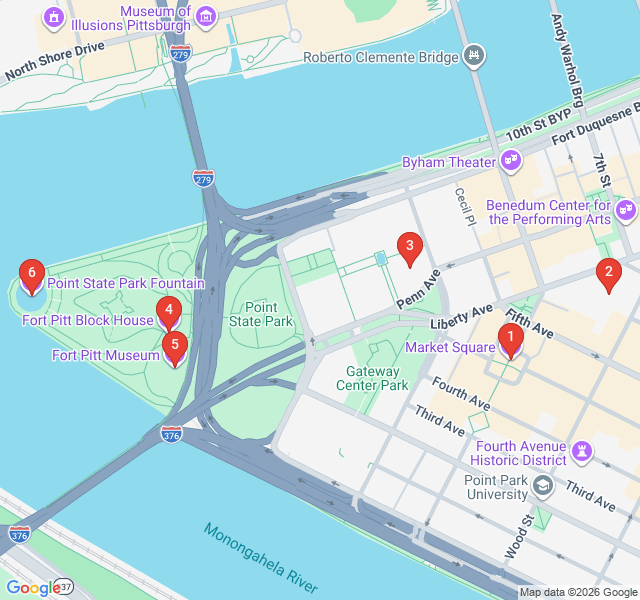
Numbers indicate the order of stops on the tour.
Welcome to the historic heart of the city. Market Square has been a central gathering place since Pittsburgh was first laid out in 1784. Originally, this was the site of the city's first courthouse and jail, and for decades, it hosted a bustling public market house. Today, it is a vibrant pedestrian plaza surrounded by shops and cafes. As you look around, notice the blend of old and new architecture. This space has undergone many transformations, evolving from a gritty commercial hub into the social center of the Golden Triangle. It serves as the perfect starting point to understand how Pittsburgh balances its industrial past with its modern, livable present.
Standing at the corner of Penn Avenue and Stanwix Street, the Heeren Building is an architectural gem of the late Victorian era. Completed in the late 1800s, this building reflects the commercial prosperity that flooded Pittsburgh during the height of the glass and steel industries. Its ornate facade stands in stark contrast to the glass towers nearby. It originally served as a manufacturing and retail space for the Heeren Brothers, who were prominent jewelers and clockmakers. The building's survival is a testament to Pittsburgh's preservation efforts, reminding us of the intricate craftsmanship that defined the city's skyline before the era of modern skyscrapers.
As you enter the open plazas of Gateway Center, you are walking through a monument to the first 'Pittsburgh Renaissance.' After World War II, the city faced severe pollution and urban decay. In the 1950s, this area was cleared of industrial warehouses and rail yards to create this mid-century modern 'city within a city.' These stainless steel and glass towers were revolutionary at the time, emphasizing open space, light, and air. This project marked the moment Pittsburgh pivoted away from being purely an industrial center toward becoming a headquarters for major corporations, setting the stage for the clean, green city you see today.
Tucked away near the park entrance is the Fort Pitt Block House, the oldest authenticated structure in Western Pennsylvania. Built in 1764, this small, red-brick fortification was part of the massive British Fort Pitt. While the rest of the fort was dismantled or buried, this 'redoubt' survived because it was converted into a private residence for many years. Look for the 'loopholes' in the walls—narrow slits designed for muskets. It is a rare, tangible link to the colonial era, standing on the very ground that was once the most contested point of the American frontier during the struggle between the British and the French.
The Fort Pitt Museum is located in a reconstructed bastion of the original British fort. This site was strategically vital because whoever controlled this point controlled the Ohio River, the gateway to the West. Long before the British arrived, the French built Fort Duquesne here, which they eventually destroyed to prevent it from falling into English hands. The museum site tells the story of the French and Indian War and the American Revolution. Even if you don't head inside, take a moment to look at the ground around you; the stone outlines in the grass mark the original locations of the fort's massive walls.
You have reached the tip of the Golden Triangle. Here, the Allegheny River from the north and the Monongahela River from the south join to form the Ohio River. The massive fountain at the center of the point is an engineering marvel, drawing water from an underground glacial formation known as the 'fourth river.' When active, it sprays water 150 feet into the air. This spot was once a maze of industrial piers and bridges, but it was reclaimed in the 1970s to create this tranquil state park. Stand at the edge of the stone basin and look out at the water—you are standing at the very beginning of a river system that flows all the way to the Gulf of Mexico.
Start Free on iPhone
Explore “The Three Rivers Confluence: Point State Park History” with your very own Private Tour Guide with Zigway. Start free on iPhone, skip the large group and the fixed routes, and hear the city come alive as you go.
Your Private Tour Guide
Don't miss the good stuff
Explore Freely
 Easy
EasyPittsburgh, United States
Explore the dramatic transformation of Pittsburgh's East Liberty through its Gilded Age architecture and vibrant modern art scene.
 Easy
EasyPittsburgh, United States
Taste the heart of the Steel City on this self-guided audio walk through the legendary markets and eateries of Pittsburgh's vibrant Strip District.
 Easy
EasyPittsburgh, United States
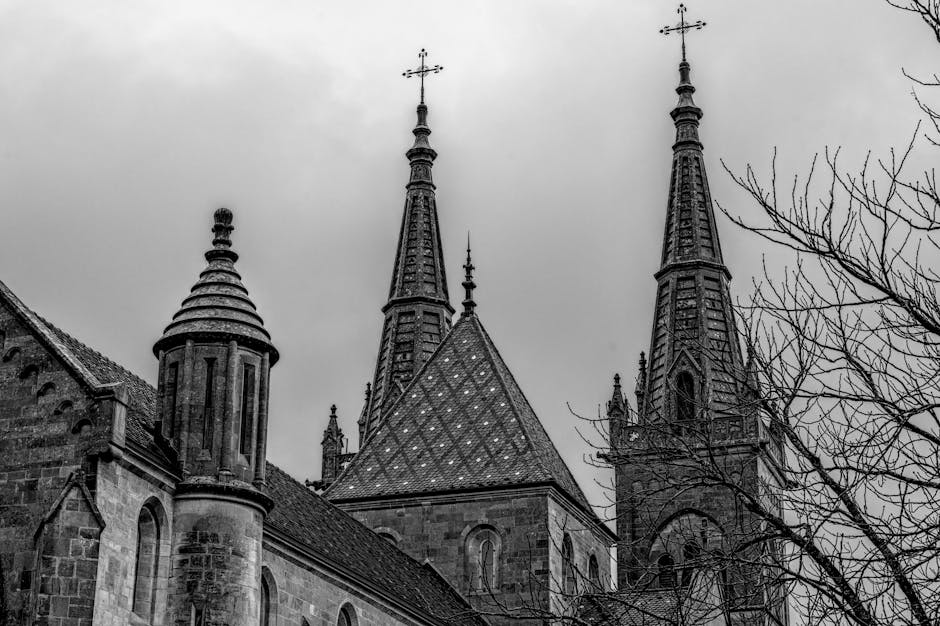
Explore Pittsburgh's Gilded Age grandeur and modern glass spires on this self-guided architecture walk through the historic Golden Triangle.
 Moderate
Pittsburgh, United States
Explore Pittsburgh's vibrant history and hidden gems from Downtown to the heights of Polish Hill and the grandeur of Oakland on this audio walk.
 Easy
EasyInnsbruck, Austria
Uncover the myths and legends of Innsbruck on this self-guided walk through the historic Altstadt and beyond.
 Easy
EasyGdansk, Poland
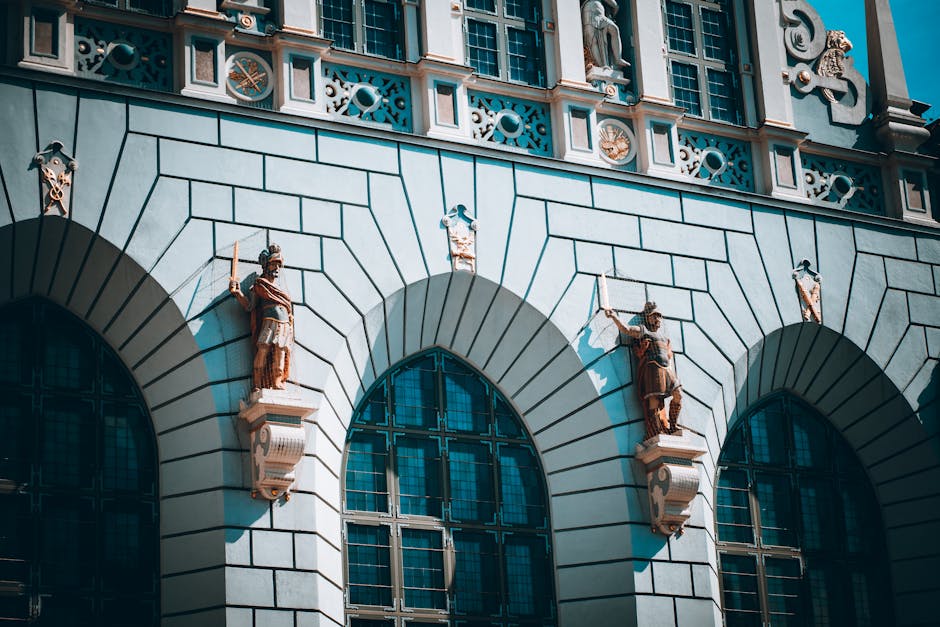
Discover the opulent Royal Way of Gdansk at your own pace. Explore Hanseatic history, gilded architecture, and the iconic Neptune's Fountain.
 Easy
EasyGothenburg, Sweden
Discover Gothenburg’s 17th-century Dutch foundations, historic canals, and military fortifications on this self-guided architectural walk.
 Easy
EasyNairobi, Kenya
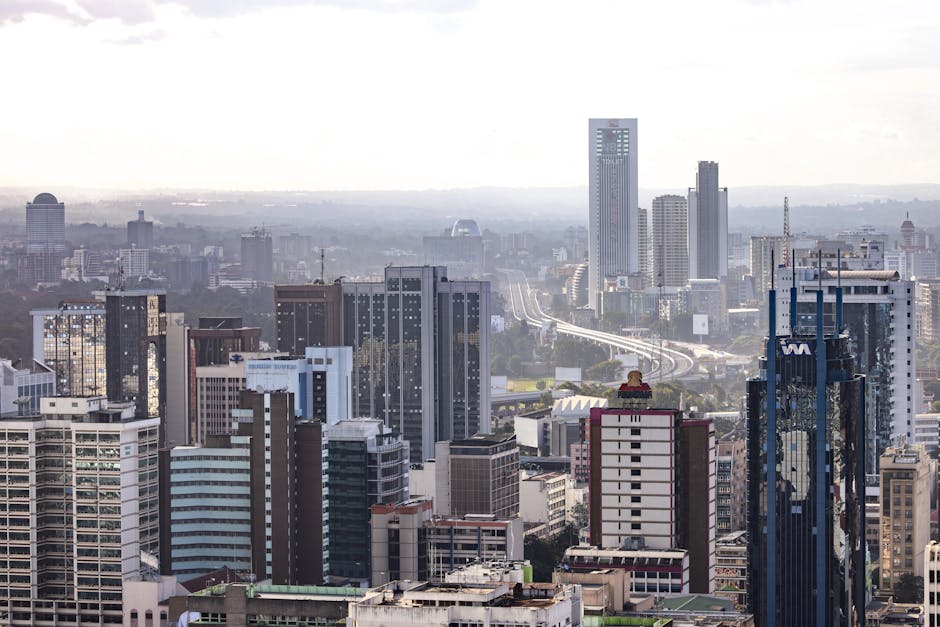
Explore Nairobi's architectural evolution from colonial-era landmarks to iconic Brutalist skyscrapers on this historic self-guided walking route.
 Easy
EasyNashville, United States
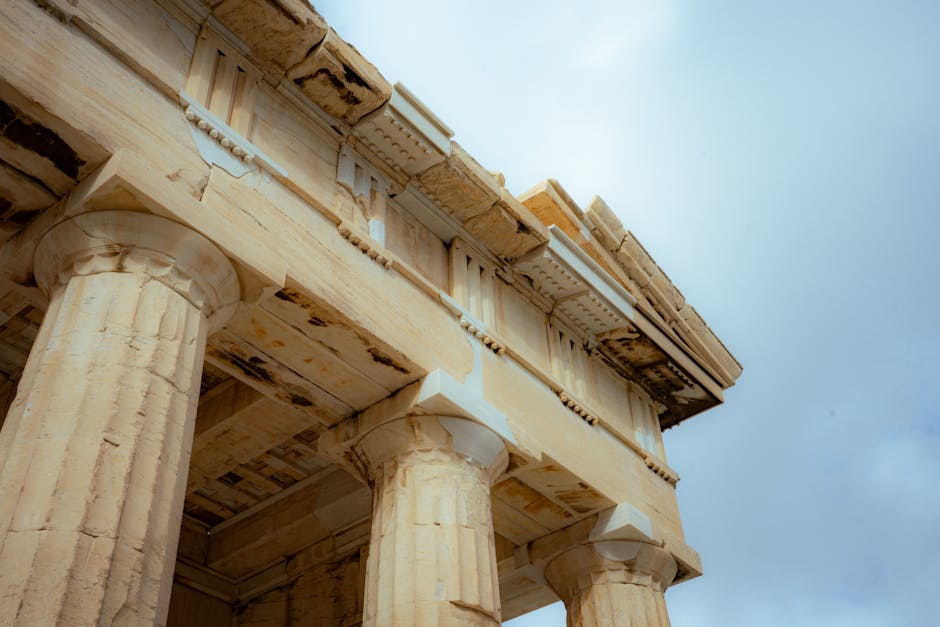
Explore the 'Athens of the South' on this self-guided walk through Centennial Park, featuring the world's only full-scale Parthenon replica.
 Easy
EasyNashville, United States
Explore Nashville's academic heart and Art Deco gems on this self-guided walk through historic Hillsboro Village.
 Easy
EasyNashville, United States
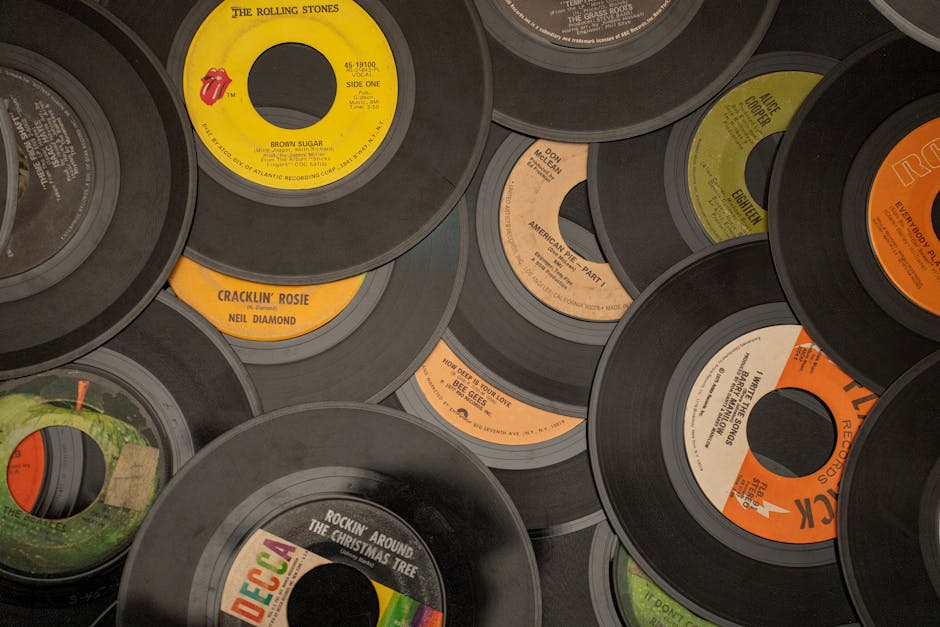
Explore the heart of Nashville's music industry. Discover iconic studios and the history of the legendary Nashville Sound at your own pace.
 Easy
EasyNashville, United States
Explore Nashville's oldest neighborhood! Discover Victorian architecture, Civil War history, and world-class craft beer on this self-guided walk.