Self-guided audio tour in St. Augustine
Start Free on iPhone
Start free on iPhone to unlock this self-guided walking tour in St. Augustine. Hear all the stories that make it amazing, walk at your own pace, and begin whenever you want.
Your Private Tour Guide
Step back in time to the dawn of European influence in North America with this self-guided walk through St. Augustine. As the oldest continuously inhabited European-established settlement in the contiguous United States, this city serves as a living museum of Spanish colonial history and religious devotion. This walking route, known as the Sacred Path, invites you to explore the profound Catholic heritage that has shaped the city's identity for over 450 years. From the site of the first parish Mass in 1565 to the soaring spires of the Cathedral Basilica, you will discover how faith and architecture intertwined to create one of Florida's most unique cultural landscapes. Your journey begins at the northern end of the historic district, where the harsh realities of early frontier life meet the spiritual aspirations of the Spanish settlers. As you wander down the narrow, brick-lined streets, you'll encounter iconic landmarks like the Castillo de San Marcos, a fortress built to defend both the Spanish crown and the Catholic faith. The route also takes you into the heart of the Lincolnville neighborhood, highlighting the diverse history of the St. Benedict the Moor Catholic Church and the enduring legacy of the Sisters of St. Joseph. This isn't just a lesson in history; it's an opportunity to experience the quiet beauty of hidden gardens, the solemnity of ancient cemeteries, and the grandeur of Gilded Age architecture. Whether you are a history buff, an architecture enthusiast, or a spiritual seeker, this neighborhood stroll offers a flexible way to see the sights at your own pace. Discover the stories of the missionaries, soldiers, and citizens who built this city from the ground up. By the time you reach the final stops, you will have a deep appreciation for the 'Sacred Path' that remains the backbone of St. Augustine's enduring charm. This walking tour St. Augustine provides a comprehensive look at the intersection of faith and fortitude in the Ancient City.
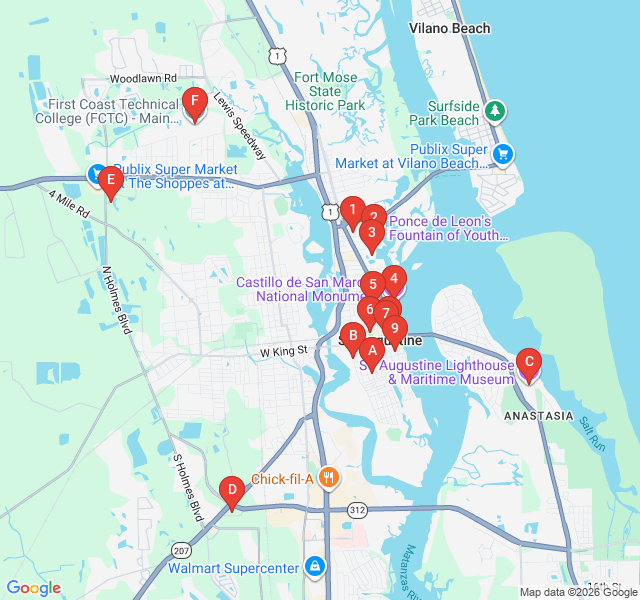
Numbers indicate the order of stops on the tour.
Start your self-guided adventure at the Old Jail. Built in 1891 by Henry Flagler, this Romanesque Revival building was designed to look like a hotel so it wouldn't clash with the nearby architecture. While the exterior is charming, the interior tells a darker story of frontier justice. In the context of our Catholic heritage walk, the jail represents the secular authority that governed the city, often in close proximity to religious institutions. It serves as a reminder of the complex social structures in early Florida, where the law and the church often worked in tandem to maintain order in the Spanish and later American territories.
Just a short walk away is the site where legend says Juan Ponce de Leon sought the waters of eternal life in 1513. While the 'fountain' is the famous draw, the park is actually the site of the first Spanish settlement in 1565. This is where the cultural and religious history of St. Augustine truly begins. Archeological digs here have uncovered the remains of the first Spanish mission and the original fort. It was here that the Spanish first interacted with the Timucua people, setting the stage for the missionary work that would define the region for centuries to come.
Step onto the grounds of the Mission Nombre de Dios, arguably the most sacred spot in the city. On September 8, 1565, Pedro Menéndez de Avilés landed here and celebrated the first parish Mass in what is now the United States. Look for the Great Cross, standing 208 feet tall, which commemorates that event. This mission served as the headquarters for Franciscan friars who traveled throughout the Southeast. The peaceful grounds, the Shrine of Our Lady of La Leche, and the rustic chapel offer a serene environment to reflect on the spiritual foundations of the 'Ancient City.'
As you walk south, the massive walls of the Castillo de San Marcos come into view. Built from coquina, a unique limestone composed of seashells, this fort was the protector of the Spanish colony and its Catholic missions. For over 300 years, it stood as a symbol of Spanish power. Interestingly, the fort also served as a place of refuge for the city's inhabitants during sieges. The religious identity of the city was so strong that the defense of the Castillo was seen as the defense of the faith itself against rival European powers.
This historic cemetery sits on the site of a former Christian Indian village. It became a formal Catholic cemetery in the late 1700s during the British and Second Spanish periods. As you peer through the gates, you are looking at the final resting place of many notable St. Augustinians, including Father Felix Varela, a candidate for sainthood. The cemetery is a quiet testament to the diverse community of the city, housing the remains of Spanish, Minorcan, and African American Catholics who shaped the local culture over the centuries.
While not a religious building, Flagler College—formerly the Ponce de Leon Hotel—is a masterpiece of Spanish Renaissance architecture that pays homage to the city's heritage. Built by tycoon Henry Flagler in 1888, the building features intricate mosaics, terracotta carvings, and a grand rotunda. Flagler's investment transformed St. Augustine into a winter playground for the elite, but he was careful to respect the city's historic aesthetic. Notice the towers and courtyards that echo the monastic and royal architecture of old Spain, blending luxury with the city's deep-rooted historical themes.
Walk through the heart of the historic district, where the layout follows the 1573 Spanish 'Law of the Indies.' This royal decree dictated that colonial towns be centered around a main plaza with the church as the focal point. As you stroll down St. George Street, imagine the processions and religious festivals that have filled these narrow lanes for generations. The blend of Spanish colonial, British, and American architecture reflects the many flags that have flown over this city, all while maintaining the central importance of the public square and the church.
Standing proudly on the Plaza de la Constitución, the Cathedral Basilica is the seat of the oldest Catholic parish in the United States. The current structure, with its distinctive Spanish Renaissance and Neoclassical facade, was completed in 1797. Inside, the stunning murals and stained glass tell the story of Florida's Catholic history. The cathedral has survived fires and renovations, yet it remains the spiritual heart of the city. Take a moment to appreciate the bell tower and the statues of saints that have watched over the plaza for over two centuries.
A few blocks south lies the O'Reilly House, built around 1691. This is one of the oldest structures in the city. It was purchased by Father Miguel O'Reilly in the late 18th century and later became a center for religious education. The Sisters of St. Joseph have maintained this property for over 150 years. The garden is a hidden gem of tranquility, representing the long-standing commitment of religious orders to the education and welfare of St. Augustine's citizens. It is a vital link to the city's Spanish colonial past and its enduring religious community.
Located in the historic Lincolnville neighborhood, this church was founded in 1911 to serve the African American Catholic community. It played a significant role during the Civil Rights Movement, as the rectory and school were hubs for local activists. The church is named after the patron saint of African missions and stands as a symbol of resilience and the inclusive nature of the faith in St. Augustine. Its simple yet elegant architecture marks a transition from the grand downtown cathedrals to the community-focused parishes of the 20th century.
Housed in a beautifully restored 1907 ice plant, the distillery represents the city's modern spirit of preservation. While it's a popular spot for local spirits today, the building itself is an industrial landmark. In our heritage walk, it serves as a bridge between the historic religious core and the evolving commercial life of the city. The community effort to save and repurpose this building mirrors the city's broader dedication to maintaining its historic character, ensuring that even industrial sites contribute to the narrative of St. Augustine's longevity.
To reach the lighthouse, you'll cross the Bridge of Lions. This iconic structure has guided sailors into the harbor for centuries. For the Spanish settlers, the sea was their lifeline to the Catholic world of Europe and the Caribbean. The lighthouse stands as a beacon of safety and a monument to the city's maritime heritage. Many early lighthouse keepers were members of the local Catholic community, continuing the tradition of service and vigilance that has defined St. Augustine since its founding as a military and religious outpost.
As we move toward the modern outskirts, we see how the city's legacy of care and education continues. While this is a modern institution, it sits in a city where the first hospitals and schools were established by religious orders. The transition from mission-based care to professional health sciences reflects the city's growth. It reminds us that the 'Sacred Path' isn't just about old buildings; it's about a continuous tradition of serving the community that began with the very first settlers who landed on these shores.
This stop highlights the expansion of educational opportunities in the region. St. Augustine has always been a center for learning, from the early Spanish friars teaching the Timucua to the establishment of modern colleges. The presence of higher education here ensures that the history and culture of the region are studied and preserved for future generations. It serves as a modern pillar of the community, much like the missions and parish schools served the residents of the Ancient City in centuries past.
Our final stop at FCTC represents the practical skills and vocational training that have always been necessary to build and maintain a city like St. Augustine. From the stonemasons who carved the coquina for the Castillo to the modern technicians of today, the city's survival has depended on skilled labor. This college continues that legacy, preparing the next generation to contribute to the local economy. As you conclude your walk, reflect on how the 'Sacred Path' has evolved from a small mission outpost into a thriving, multi-faceted modern city.
Start Free on iPhone
Explore “The Sacred Path: Catholic Heritage Walk” with your very own Private Tour Guide with Zigway. Start free on iPhone, skip the large group and the fixed routes, and hear the city come alive as you go.
Your Private Tour Guide
Don't miss the good stuff
Explore Freely
 Moderate
St. Augustine, United States
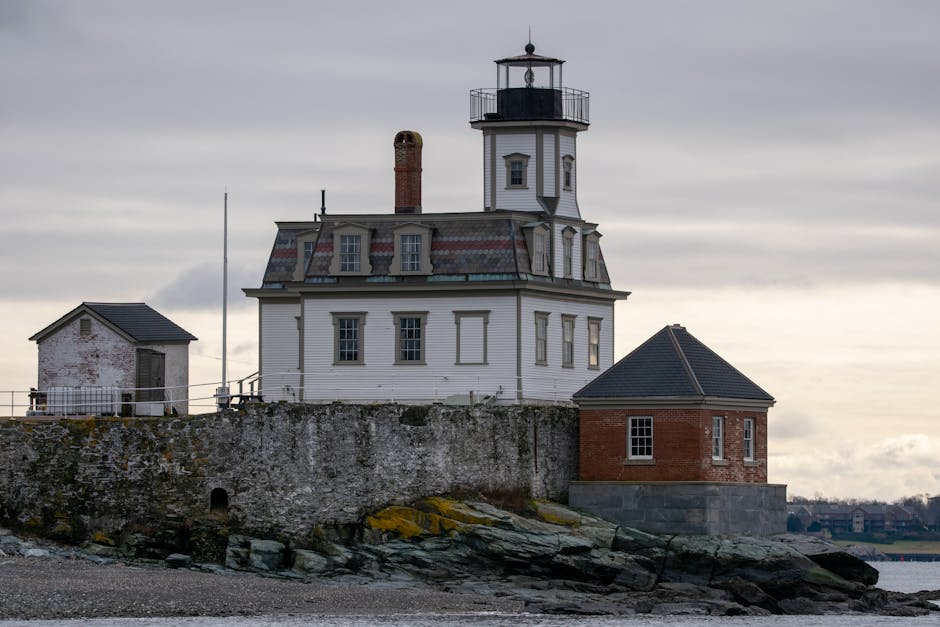
Explore maritime history and coastal nature on this self-guided walk from the Bridge of Lions to the dunes of Anastasia State Park.
 Easy
EasySt. Augustine, United States
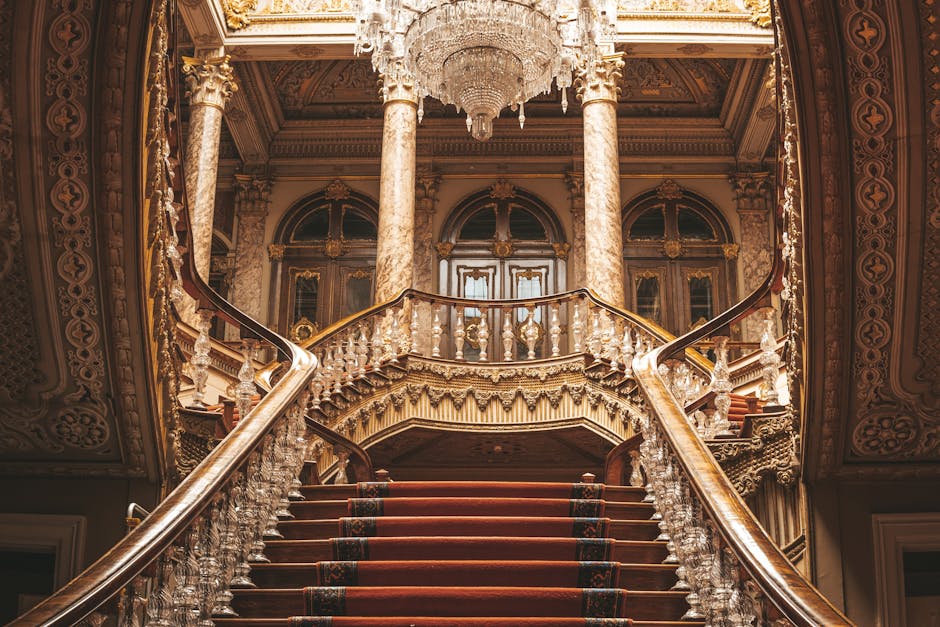
Discover the Gilded Age grandeur of St. Augustine's Flagler District on this self-guided walking route through historic hotels and cathedrals.
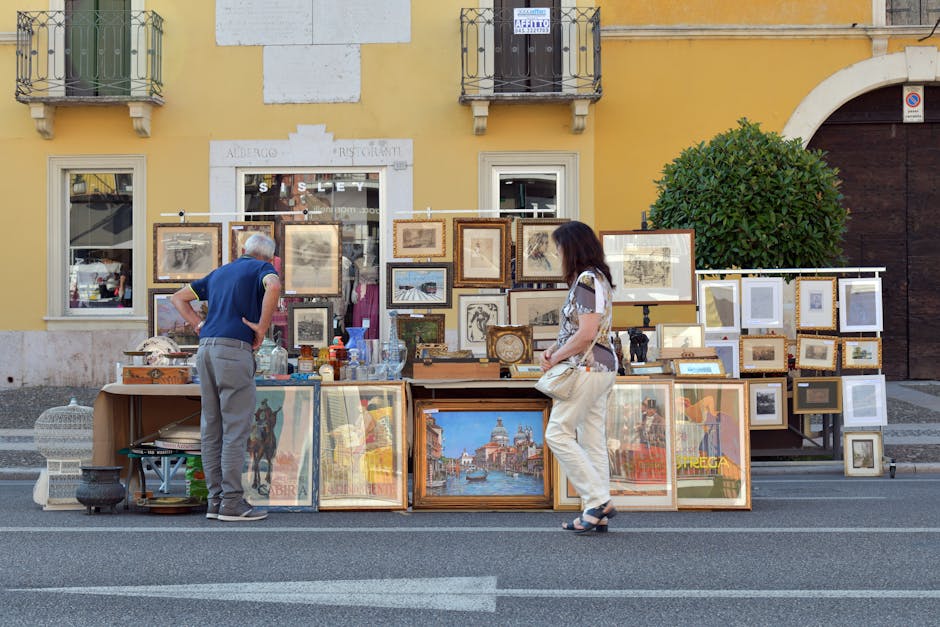 Easy
EasySt. Augustine, United States
Explore the oldest street in America through its historic courtyards, military history, and vibrant local art galleries on this self-guided walk.
 Easy
EasySt. Augustine, United States
Explore the Golden Age of Piracy on this self-guided walking route through St. Augustine’s historic waterfront and defensive fortifications.
 Easy
EasySalzburg, Austria
Discover the 'Rome of the North' on this self-guided walk through the Baroque squares and monumental legacy of Salzburg’s Prince-Archbishops.
 Easy
EasyKrakow, Poland
Explore the historic heart of Kazimierz on this self-guided walk through synagogues, ancient cemeteries, and vibrant squares.
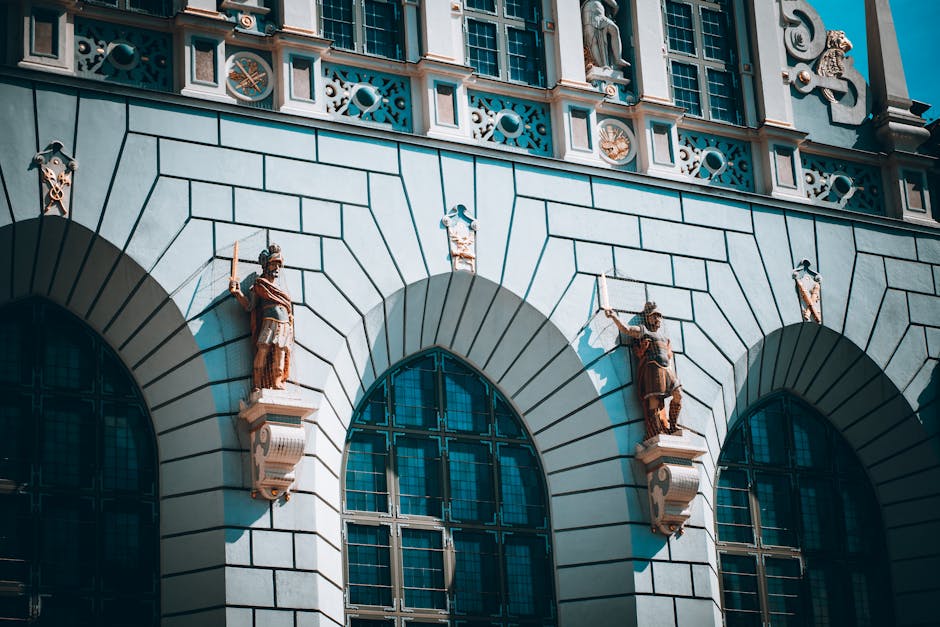 Moderate
Gdansk, Poland
Discover the origins of WWII in Gdansk on this self-guided walk through heroic last stands, massive museums, and strategic hilltop fortifications.
 Moderate
Warsaw, Poland
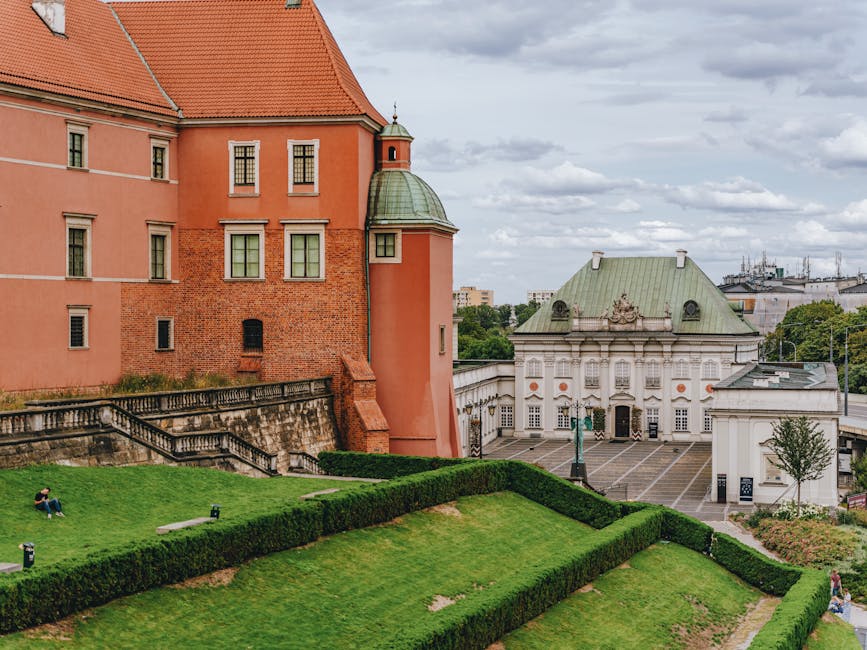
Explore the resilient spirit of Warsaw's Muranów district on this self-guided walk through the history and landmarks of the former Jewish Ghetto.
 Easy
EasyNashville, United States
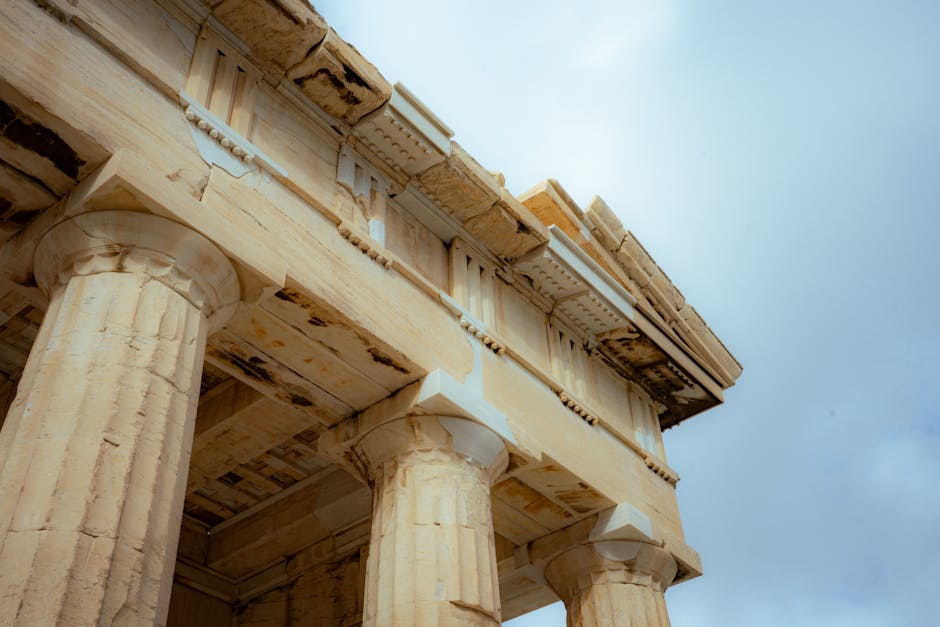
Explore the 'Athens of the South' on this self-guided walk through Centennial Park, featuring the world's only full-scale Parthenon replica.
 Easy
EasyNashville, United States
Explore Nashville's academic heart and Art Deco gems on this self-guided walk through historic Hillsboro Village.
 Easy
EasyNashville, United States
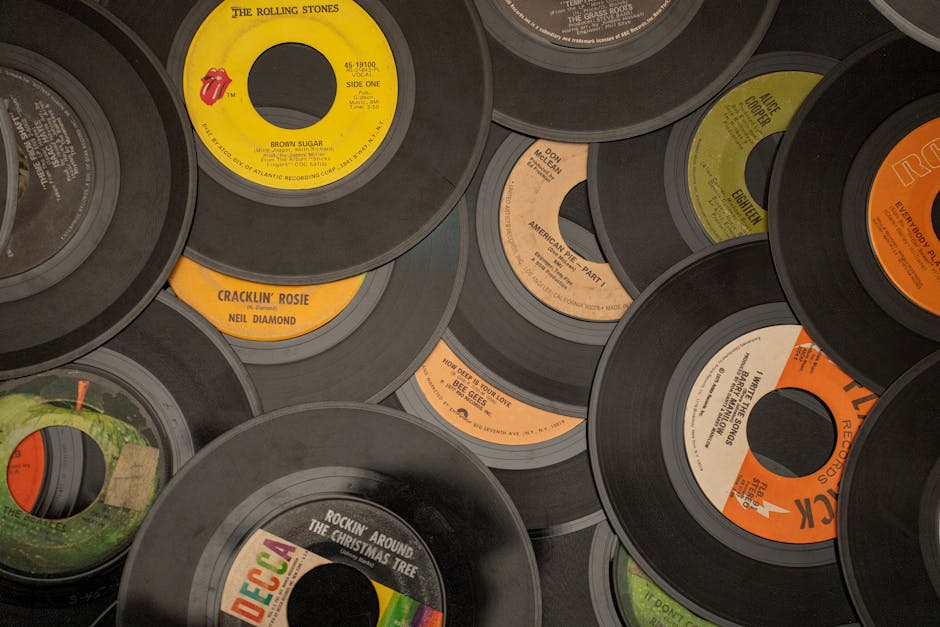
Explore the heart of Nashville's music industry. Discover iconic studios and the history of the legendary Nashville Sound at your own pace.
 Easy
EasyNashville, United States
Explore Nashville's oldest neighborhood! Discover Victorian architecture, Civil War history, and world-class craft beer on this self-guided walk.