Self-guided audio tour in Bucharest
Start Free on iPhone
Start free on iPhone to unlock this self-guided walking tour in Bucharest. Hear all the stories that make it amazing, walk at your own pace, and begin whenever you want.
Your Private Tour Guide
Step into a world where the elegance of 'Little Paris' meets the poignant history of one of Europe’s most vibrant former Jewish communities. This self-guided walk through Bucharest offers a deep dive into the layers of the city's identity, from the spiritual heart of the Jewish Quarter to the grand boulevards of the northern districts. You will explore a narrative of resilience, starting in the bustling University Square and winding through the narrow streets where Sephardic and Ashkenazi traditions once thrived. This walking route highlights the architectural gems that survived the radical urban planning of the communist era, including the stunning Choral Temple and the Great Synagogue, which now serves as a memorial to the Holocaust. As you transition from the religious history of the Jewish Quarter, the path leads you toward the cultural landmarks of Calea Victoriei. You will encounter the Romanian Athenaeum, a symbol of national pride, and the former Royal Palace. The journey concludes in the leafy northern neighborhoods, where the 'Spring Palace' offers a glimpse into the private life of the Ceaușescu family. This audio walk is designed for those who want to discover at their own pace, offering a blend of tragic history, architectural triumph, and the modern spirit of a city that has constantly reinvented itself. Whether you are interested in the intricate woodwork of a Brâncovenesc monastery or the sobering stories of the Jewish community's contribution to Romanian culture, this route provides a comprehensive overview of Bucharest's complex soul.
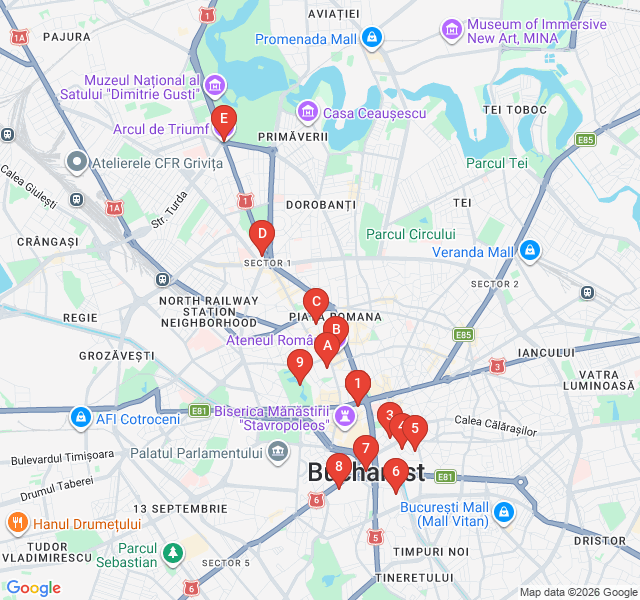
Numbers indicate the order of stops on the tour.
Welcome to the symbolic heart of Bucharest. University Square is more than just a transit hub; it is the 'Zero Kilometer' of Romanian democracy. As you look around, you see the University of Bucharest building, established in 1864. This square has been the site of major historical events, most notably the 1989 Revolution and the 1990 Golaniad protests. Beneath your feet lies a history of transformation, where medieval foundations meet neoclassical architecture. Take a moment to observe the four statues in front of the University, representing key figures in Romanian education and politics, before we head toward the older layers of the city.
Hidden amidst the bustle of the Old Town is the Stavropoleos Church, a masterpiece of the Brâncovenesc style. Built in 1724 by a Greek monk, this tiny church survived earthquakes, fires, and communist demolition plans. Notice the intricate stone carvings and the delicate combination of Byzantine and Baroque elements on the facade. The courtyard is a sanctuary of peace, housing fragments of other churches destroyed during the 1980s. Inside, the fresco and the library—which contains the largest collection of Byzantine music books in Romania—tell a story of deep spiritual and cultural preservation.
You are now standing before the most important Jewish house of worship in Romania. Built in 1866, the Choral Temple is a stunning replica of the Leopoldstädter Tempel in Vienna. Its Moorish-Byzantine facade, with vibrant red and yellow brickwork, stands as a testament to the once-thriving Jewish community that numbered 800,000 in Romania before WWII. Despite being vandalized by the far-right Iron Guard in 1941, the temple was restored and remains an active center for Jewish life. The interior is breathtaking, featuring intricate geometric patterns and a magnificent organ that survived the decades.
The Great Synagogue of Bucharest, built in 1845 by the Polish-Jewish community, is a site of profound historical weight. Unlike the Choral Temple, this synagogue is tucked away behind apartment blocks—a result of the 'systematization' projects of the 1980s that sought to hide religious buildings from public view. Today, it houses the Museum of the Holocaust in Romania. As you explore the space, the exhibits detail the tragic history of the Jewish community during the 1940s, while the building's architecture itself reflects the eclectic styles popular in mid-19th century Bucharest.
This modest building is home to one of the oldest Yiddish-language theaters in the world with a continuous professional troupe. The theater was founded in 1876 in Iași and later moved here to the heart of the Jewish Quarter. Remarkably, it remained open during the dark years of World War II, though only Jewish actors were allowed to perform for Jewish audiences. It remains a vibrant cultural institution today, performing plays in Yiddish with Romanian subtitles, preserving a linguistic and artistic heritage that was nearly extinguished from the European landscape.
Perched on a hill overlooking the Dâmbovița River, Radu Vodă Monastery offers a glimpse into the princely history of Wallachia. Founded in 1568, it served as a cultural hub and a burial site for several rulers. The architecture you see today is a 19th-century restoration of the original foundation. The monastery is famous for its theological school and its connection to the Patriarchate. The peaceful gardens provide a stark contrast to the nearby massive concrete structures of the Centrul Civic, illustrating the architectural collisions that define modern Bucharest.
The Holy Union Temple (Templul Unirea Sfântă) now serves as the Museum of Jewish History in Romania. Built in 1836 by the Tailors' Guild, the building itself is a historical monument. Inside, you can find a vast collection of ritual objects, documents, and art that trace the Jewish presence in Romania from Roman times to the present day. The museum highlights the significant contributions of Jewish scientists, artists, and writers to Romanian society, offering a balanced view of both the community's triumphs and the challenges they faced through the centuries.
As the spiritual center of Romanian Orthodoxy, the Patriarchal Cathedral has stood on this hill since 1658. The complex includes the Patriarchal Palace and the residence of the Patriarch. The cathedral’s design is inspired by the Curtea de Argeș Monastery, featuring a classic trefoil plan and elegant domes. Inside, the golden iconostasis and the relics of Saint Dimitrie the New, the patron saint of Bucharest, draw pilgrims from across the country. This site represents the enduring influence of the Church in Romanian national identity and political history.
Welcome to the oldest public park in Bucharest. Opened in 1847, Cismigiu was designed by German landscape architect Carl Meyer to resemble an English garden. It is a favorite local retreat, featuring a large lake that becomes a skating rink in winter. As you walk the winding paths, look for the 'Sfatul Bătrânilor' (The Elders' Council), a circle of stone benches where writers and intellectuals used to meet. The park is a living museum of 19th-century romanticism, filled with rare trees, wrought-iron bridges, and statues of Romania’s literary giants.
Housed in the former Royal Palace on Calea Victoriei, this museum reflects the grandeur of the Romanian monarchy. The building was heavily damaged during the 1989 Revolution but has been meticulously restored. It now holds the National Gallery, featuring works by Romanian masters like Grigorescu and Aman, as well as an impressive European Gallery. The palace square outside was the site of Nicolae Ceaușescu’s final speech, making this location a pivot point where the era of kings met the era of communism and, finally, the birth of modern Romania.
The Romanian Athenaeum is the city’s most beloved landmark. Completed in 1888, it was funded almost entirely by public donations under the slogan 'Give a penny for the Athenaeum.' Its neoclassical circular design and high dome make it an acoustic marvel. Inside, a circular fresco depicts 25 key scenes from Romanian history. As the home of the George Enescu Philharmonic, the Athenaeum is the heart of the city's classical music scene. Its gardens and majestic columns provide one of the most photographed views in the capital.
This striking Art Nouveau house belonged to Maria Mihăescu, famously known as 'La Mița Biciclista.' She was a legendary figure of the early 20th century, known for being the first woman in Bucharest to ride a bicycle and for her high-society romances. The building, with its elaborate stucco work and lion-head balconies, captures the flamboyant spirit of the Belle Époque. Recently restored, it serves as a reminder of the eccentric and cosmopolitan life of Bucharest when it was known as the 'Paris of the East.'
Established in 1834, the Antipa Museum is one of the oldest research institutions in Romania. Named after the famed biologist who pioneered the 'diorama' concept for museum displays, it offers a fascinating look at global biodiversity. The museum is located in a beautiful building on Victory Square (Piața Victoriei), just across from the government headquarters. While it is a hit with families, its architectural presence and its role in Romanian science make it a significant stop on any cultural route through the city.
Bucharest’s Arch of Triumph was built to commemorate Romania’s victory in World War I and the coronation of King Ferdinand and Queen Marie. While the first version was made of wood in 1878, the current stone structure was completed in 1936. Designed by Petre Antonescu, it stands 27 meters high and features sculptures by the country's leading artists. It is a direct nod to the Arc de Triomphe in Paris, reinforcing the city's 19-century architectural ties to France and its aspirations as a modern European power.
Our walk ends at the 'Spring Palace' (Palatul Primăverii), the private residence of Nicolae and Elena Ceaușescu for 25 years. This villa offers a jarring contrast to the shortages faced by the Romanian people during the communist era. Inside, you can see gold-plated bathrooms, an indoor pool, and a cinema. The house remained a mystery to the public until after the 1989 Revolution. Exploring the grounds provides a complex look at the personal life of a dictator and the excess that defined the later years of the regime, set within the beautiful Primăverii neighborhood.
Start Free on iPhone
Explore “Echoes of the Past: Bucharest’s Jewish Heritage Trail” with your very own Private Tour Guide with Zigway. Start free on iPhone, skip the large group and the fixed routes, and hear the city come alive as you go.
Your Private Tour Guide
Don't miss the good stuff
Explore Freely
 Moderate
Bucharest, Romania
Explore Bucharest’s 'Little Paris' on this self-guided walk through grand parks, royal monuments, and the world-renowned National Village Museum.
 Moderate
Bucharest, Romania
Discover Bucharest’s soul through its flavors, from legendary market 'mici' to historic Old Town gems on this self-guided foodie adventure.
 Easy
EasyBucharest, Romania
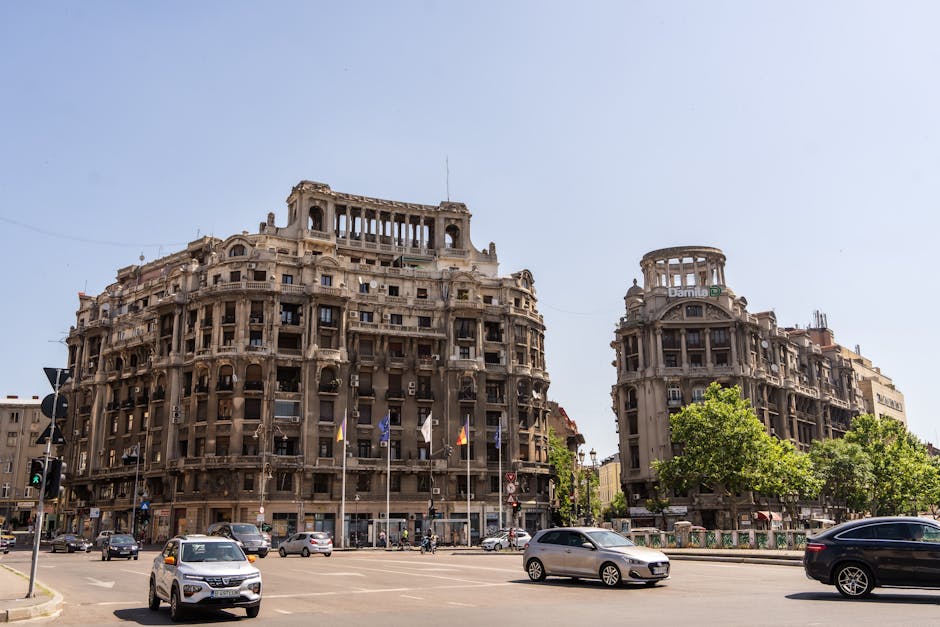
Discover the elegance of Cotroceni, a neighborhood of royal palaces, lush botanical gardens, and stunning interwar villas on this self-guided walk.
 Easy
EasyBucharest, Romania
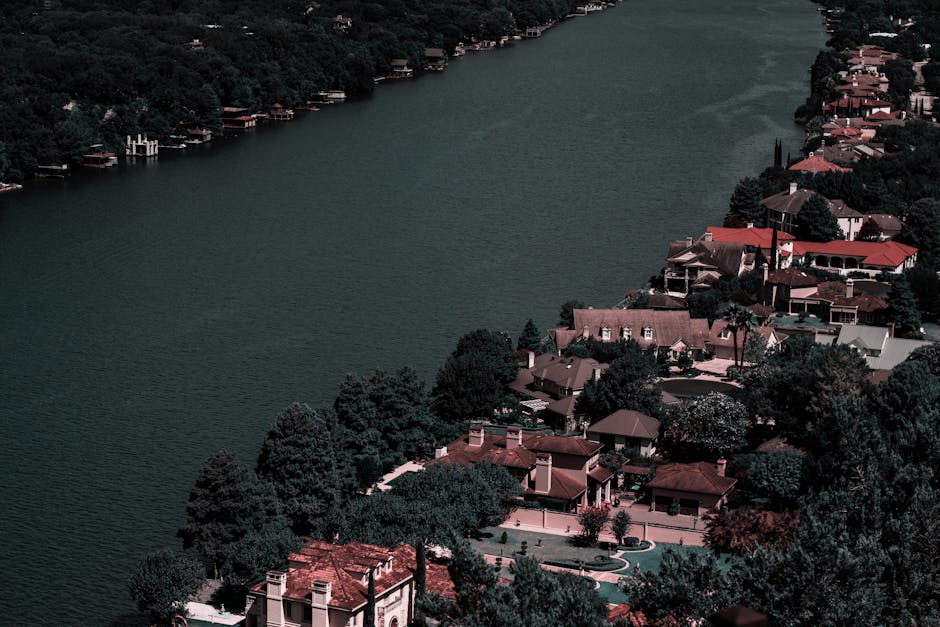
Discover Bucharest's hidden Armenian Quarter on this self-guided walk through merchant history, elegant villas, and the city's oldest private home.
 Easy
EasySalzburg, Austria
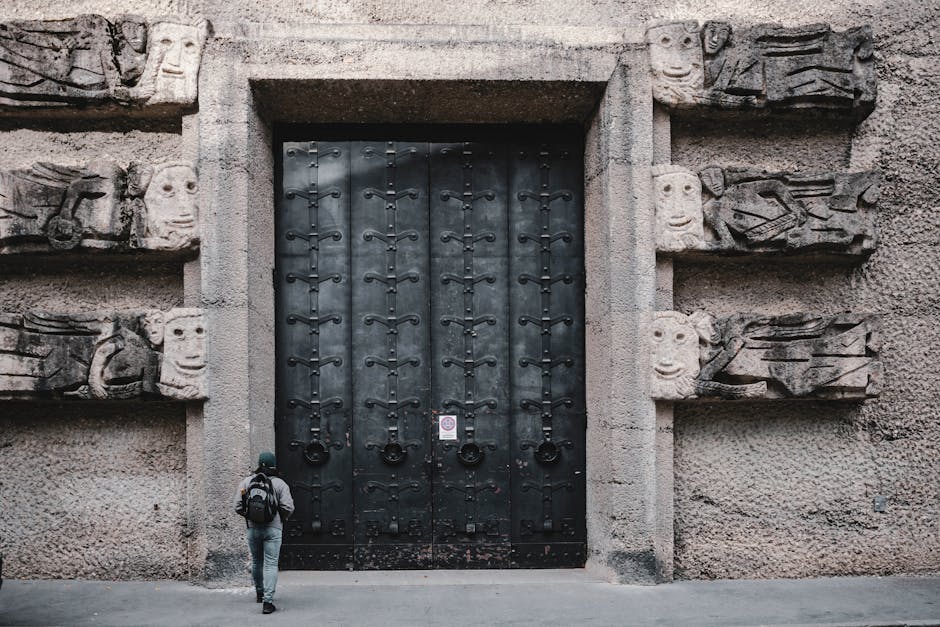
Discover the 'Rome of the North' on this self-guided walk through the Baroque squares and monumental legacy of Salzburg’s Prince-Archbishops.
 Easy
EasyNairobi, Kenya
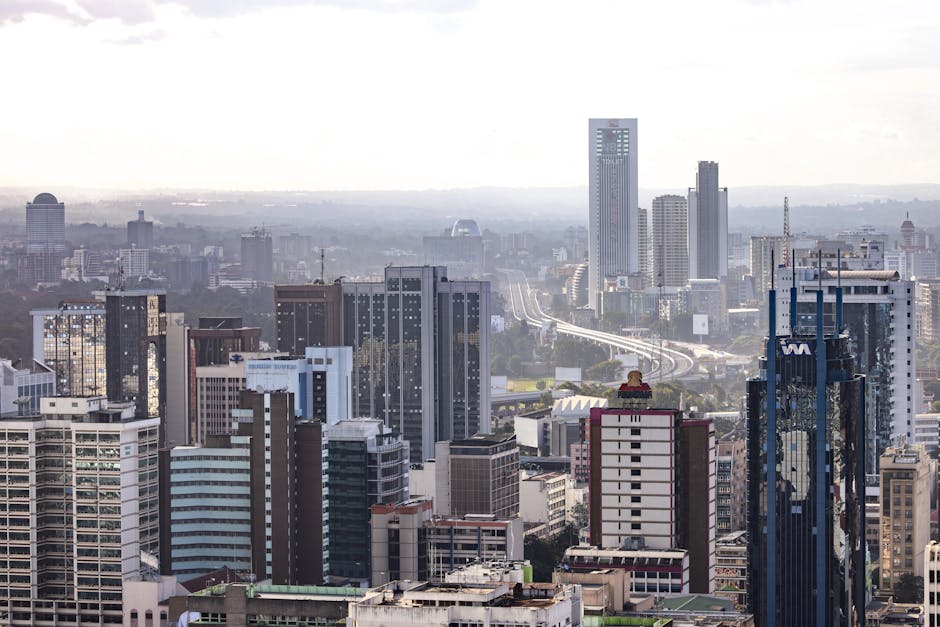
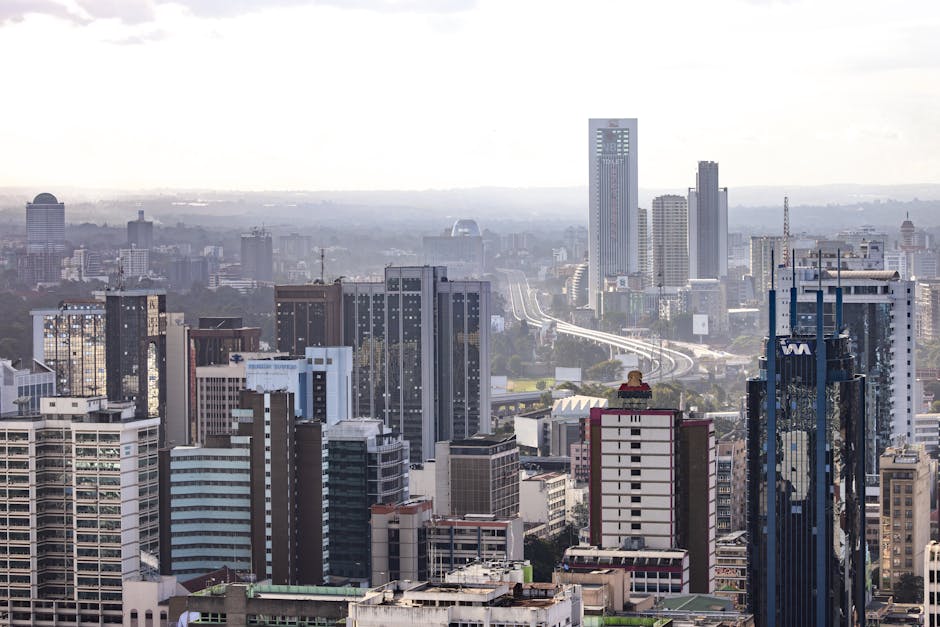
Explore Nairobi's architectural evolution from colonial-era landmarks to iconic Brutalist skyscrapers on this historic self-guided walking route.
 Easy
EasyNairobi, Kenya
Discover Nairobi's iconic skyline on this self-guided architecture walk through the CBD’s most famous modernist and Brutalist landmarks.
 Easy
EasyKrakow, Poland
Explore the prestigious Jagiellonian University district, featuring Neo-Gothic architecture, Baroque churches, and Krakow's hidden scholarly gems.
 Moderate
Brasov, Romania
Explore Brasov's medieval fortress walls and guild-defended bastions on this atmospheric self-guided audio walk through the historic Old Town.
 Challenging
Brasov, Romania
Experience Brasov from above. A high-altitude self-guided walk through medieval towers, mountain trails, and the city's most iconic panoramic points.
 Easy
EasyBrasov, Romania
Discover the artistic soul of Brașov on this self-guided walk through historic theaters, art galleries, and legendary concert halls.
 Easy
EasyBrasov, Romania
Explore Brasov’s vibrant craft beer and wine scene on this self-guided stroll through the medieval Old Town and beyond.