Self-guided audio tour in Berat
Start Free on iPhone
Start free on iPhone to unlock this self-guided walking tour in Berat. Hear all the stories that make it amazing, walk at your own pace, and begin whenever you want.
Your Private Tour Guide
Berat is known as the 'City of a Thousand Windows,' a UNESCO World Heritage site where stone and light perform a centuries-old dance. This self-guided walk invites you to look beyond the iconic facades and understand the masonry that has held this city together through Byzantine, Ottoman, and Communist eras. As you navigate the steep, narrow 'kalldrëm' (cobblestone) paths of the Mangalem and Gorica districts, you will discover how local artisans mastered the art of building into the mountainside. The route explores the delicate balance between public religious spaces and the private, fortified lives of Ottoman merchants. Your journey begins at the King's Mosque, a testament to the early Ottoman presence, before climbing into the heart of Mangalem. You will experience the architectural ingenuity of the 'thousand windows,' designed not just for aesthetics but to maximize light in a densely packed urban environment. The path then crosses the Osum River to Gorica, offering a different perspective on the city's layout and its Christian heritage. This walking route Berat provides is a physical workout as much as a historical one, requiring a steady foot on the slick, polished stones that have seen centuries of travel. Throughout this neighborhood stroll, you will encounter the layers of Berat’s history: from the defensive walls of the massive Kala (Castle) to the somber reminders of the 20th century, including partisan monuments and Cold War bunkers. By exploring independently, you can take the time to notice the small details—the carved wooden ceilings of the Halveti Tekke, the rare exterior frescoes of the Bachelors' Mosque, and the transition from medieval stone to socialist-era planning near the municipality. This audio walk is designed for those who want to feel the texture of the stone and understand the engineering that makes Berat one of the world's most enduring architectural gems.
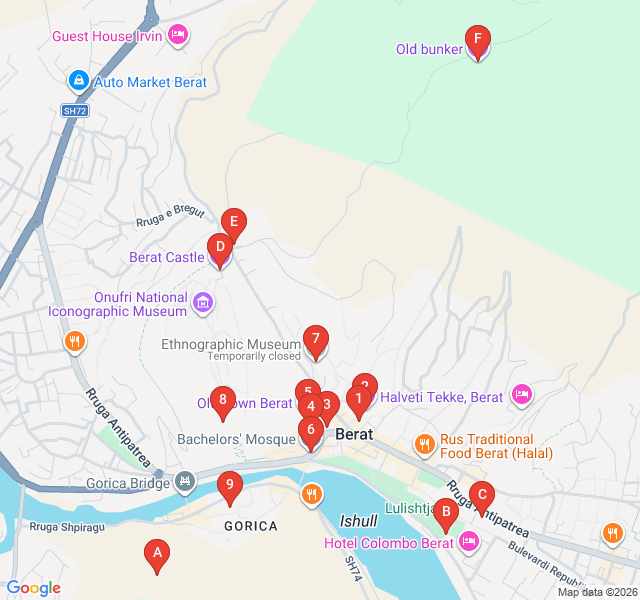
Numbers indicate the order of stops on the tour.
Start your exploration at the King's Mosque, one of the oldest in Albania, built by Sultan Bayezid II in the 15th century. Look closely at the portal; it represents the classic Ottoman style with its heavy stone construction and elegant proportions. This mosque was the center of the city's spiritual life for centuries. The masonry here is functional and grand, designed to establish the presence of the Empire. Take a moment to appreciate the silence of the courtyard before we move toward the more mystical side of Berat’s religious history.
Adjacent to the mosque is the Halveti Tekke, a place of worship for the Sufi order. While the exterior is modest stone, the interior is a masterpiece of craftsmanship. The wood-carved ceiling is hand-painted and decorated with gold leaf, creating a celestial atmosphere. This space was designed for meditation and 'dhikr' (remembrance). It highlights the contrast in Berat’s architecture: rugged, defensive stone on the outside, and delicate, artistic devotion on the inside. The acoustics here were carefully engineered to carry the rhythmic chants of the dervishes.
These are the remnants of the palaces of the Vrioni family, one of the most powerful landowning dynasties in Ottoman Albania. Though much of the original grandeur has faded, the scale of the masonry indicates the wealth that once flowed through Berat. These 'Sarays' served as administrative hubs and private residences. Notice the thick walls and the way the building is integrated into the slope. It serves as a bridge between the religious center we just left and the residential labyrinth of Mangalem that lies ahead.
You are now standing before the most famous view in Albania. The 'Thousand Windows' of Mangalem are a marvel of Ottoman urban planning. Because the houses are built on such a steep incline, they appear to be stacked on top of each other. Each house was designed with a large number of windows on the upper floors to catch the light, as the narrow streets below are often in shadow. This wasn't just for beauty; it was a practical solution for living in a high-density, vertical neighborhood. The white-washed walls and dark wood frames create the city's signature look.
As you walk deeper into the Old Town, pay attention to the 'kalldrëm'—the traditional cobblestones. These stones were harvested from the river and the surrounding hills. They are notoriously slippery when wet, but they have survived centuries of horse and foot traffic. The layout of the streets is intentionally confusing, a defensive feature meant to disorient invaders. In this part of the city, the boundary between public street and private home is blurred, with stone arches and overhangs creating a sheltered, intimate environment.
Located near the riverbank, the Bachelors' Mosque was built in the early 19th century for the city's unmarried shop assistants and craftsmen. What makes it unique are the vibrant floral frescoes on the exterior walls. It is rare to see such decorative painting on the outside of a mosque. These paintings reflect the late Ottoman 'Tulip Period' influence, where art became more secular and nature-focused. The masonry here is lighter, reflecting a more prosperous and decorative era of Berat’s history compared to the fortress-like mosque where we began.
This structure is a classic example of a Berat merchant house. The ground floor is built of heavy stone and was used for storage, stables, or workshops. The upper floor, where the family lived, is made of lighter materials like wood and plaster, featuring wide windows and 'çardaks' (open galleries). This design kept the living quarters cool in the summer and safe from dampness. It shows the social hierarchy of the time: the higher you lived, the more status and light you enjoyed.
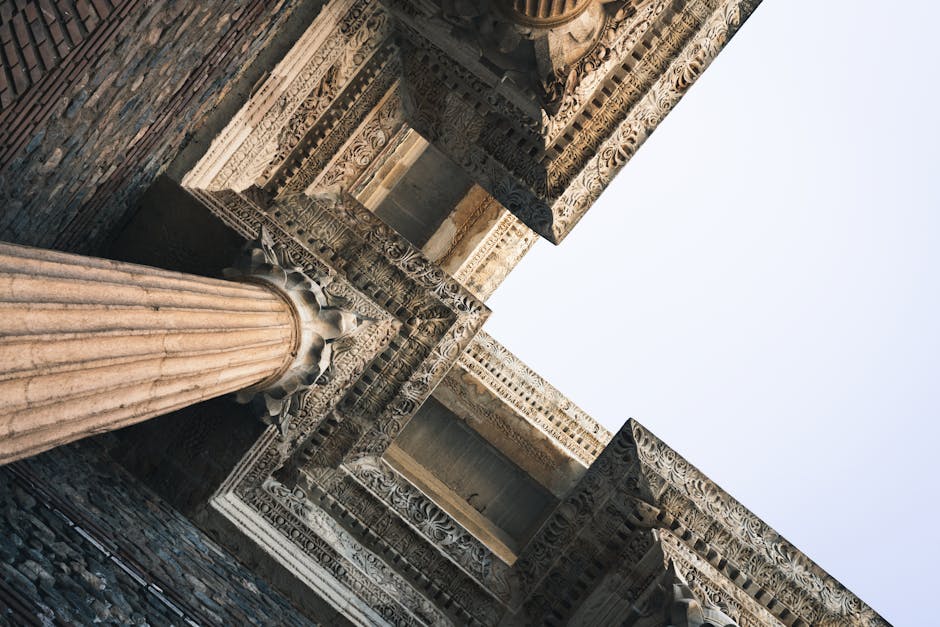
As you climb toward the citadel, you encounter the massive fortifications. These walls contain layers of history—you can see Roman foundations, Byzantine brickwork, and Ottoman repairs. The stone here is rough-hewn and massive, designed to withstand siege engines and cannons. Look for the 'monogram' bricks in some sections, which were marks of the Byzantine emperors who funded the repairs. These walls have protected the inhabitants of Berat for over two millennia and remain one of the largest inhabited fortresses in the Balkans.
Across the Osum River lies Gorica. Historically the Christian quarter, it mirrors Mangalem in style but receives less direct sunlight, making it cooler in the summer. From here, you get the best view of the Mangalem windows. The bridge connecting the two—originally wood, now stone—symbolizes the coexistence of the two communities. The masonry in Gorica is slightly different, often using darker stone from the local quarries. It feels quieter and more secluded than the bustling Mangalem side.
High above the Gorica neighborhood are the ruins of a secondary fortification. While not as famous as the main castle, these ruins offer a glimpse into the broader defensive network of the valley. The masonry here is more ruinous, reclaimed by nature, but you can still trace the perimeter of the ancient Illyrian walls. It is a steep climb, but the reward is a view that encompasses the entire river valley and the Tomorr Mountain in the distance, which was considered a sacred peak by locals.
Moving back toward the modern center, the Public Library represents the transition into the 20th century. While it lacks the ancient stone of the upper town, it is a vital cultural hub. Berat has a long history of literacy and codex production—most notably the Purple Codex of Berat. This building sits on the edge of the historic and modern zones, where the tight Ottoman alleys begin to open up into the wider boulevards of the socialist era.
The Municipality building is an example of mid-20th-century civic architecture. It stands in sharp contrast to the organic, winding paths of Mangalem. Here, the masonry is precise, geometric, and planned. This area was cleared and redesigned during the communist period to create a more 'modern' and 'ordered' city center. It reflects the shift from the private, hidden life of the Ottoman era to the public, state-centered life of the People's Republic.
You are now entering the 'Kala,' the crown jewel of Berat. Unlike many castles, this one is still a living neighborhood with houses, shops, and churches inside its walls. The stone here is everywhere—under your feet, in the towering walls, and in the small Byzantine churches tucked away in the alleys. The most famous is the Church of the Holy Trinity, which features exquisite brickwork. This is the ultimate example of Berat’s masonry: a fortress that became a home, surviving for over 2,400 years.
Near the castle, you will find this monument dedicated to Italian soldiers who, after the Italian capitulation in 1943, joined the Albanian partisans to fight against the German occupation. It is a poignant reminder of Berat’s role in World War II. The socialist-realist style of the monument—sharp angles and heroic figures—marks a final shift in the city's architectural narrative, moving from religious and domestic stone to political and memorial stone.
Your walk concludes at a concrete bunker, a ubiquitous symbol of Enver Hoxha’s Albania. During the Cold War, over 170,000 of these were built across the country. This one, perched with a view over the valley, shows the 20th-century obsession with defense. Unlike the ancient stone walls of the castle which protected a community, these bunkers were designed for isolated, paranoid defense. It is the final, modern layer of 'masonry' in Berat, marking the end of our journey through the city’s complex history of building and survival.
Start Free on iPhone
Explore “Crafting Stone: The Masonry of Old Berat” with your very own Private Tour Guide with Zigway. Start free on iPhone, skip the large group and the fixed routes, and hear the city come alive as you go.
Your Private Tour Guide
Don't miss the good stuff
Explore Freely
 Easy
EasyBerat, Albania
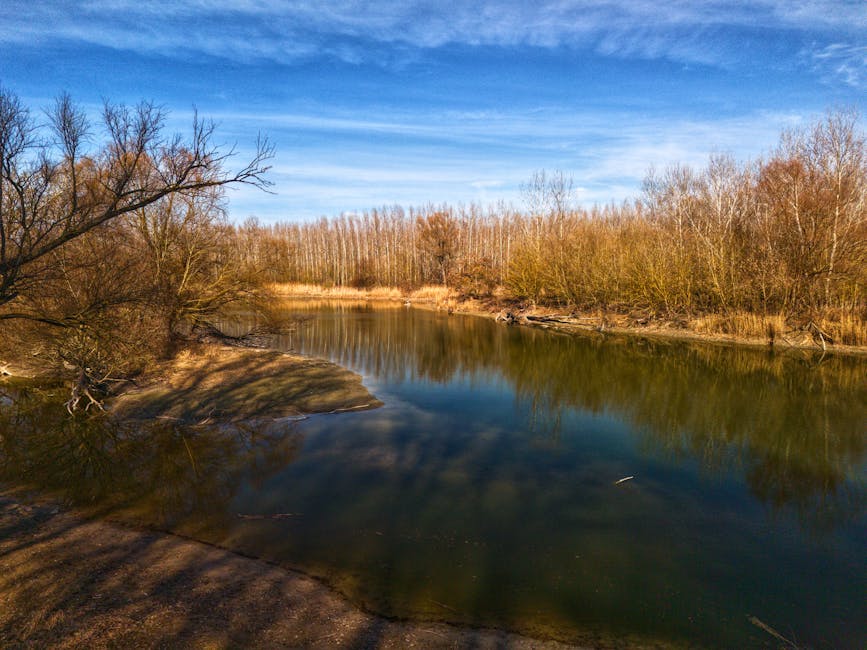
Explore Berat’s stunning riverside, historic bridges, and iconic 'thousand windows' views on this peaceful self-guided nature and photography walk.
 Moderate
Berat, Albania
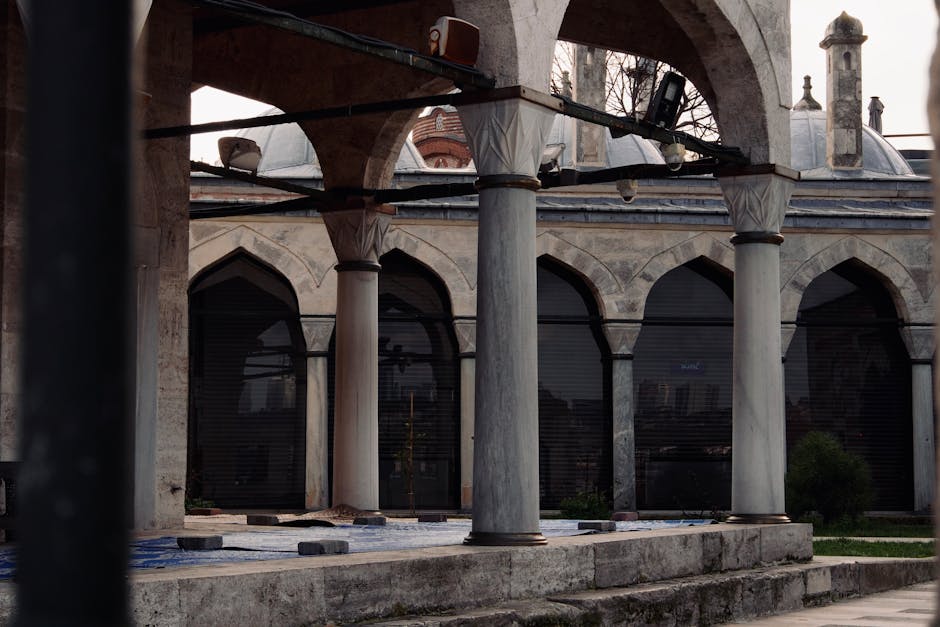
Explore Berat’s unique religious harmony on this self-guided walk through ancient mosques, Sufi shrines, and Byzantine churches.
 Moderate
Berat, Albania
Discover the legends and landmarks of Berat on this self-guided walk through Ottoman neighborhoods and the ancient living citadel.
 Moderate
Berat, Albania
Explore the 'City of a Thousand Windows' on this self-guided walk through the historic Ottoman districts of Mangalem and Gorica in Berat.
 Easy
EasyKrakow, Poland
Explore the historic heart of Kazimierz on this self-guided walk through synagogues, ancient cemeteries, and vibrant squares.
 Easy
EasyGothenburg, Sweden
Explore Gothenburg’s historic wooden houses, legendary giant cinnamon buns, and panoramic fortress views on this self-guided neighborhood stroll.
 Easy
EasyNairobi, Kenya
Discover Nairobi's iconic skyline on this self-guided architecture walk through the CBD’s most famous modernist and Brutalist landmarks.
 Moderate
Vienna, Austria
Discover the noir world of The Third Man and Cold War Vienna on this atmospheric self-guided audio walk through the historic Innere Stadt.
 Easy
EasyTirana, Albania
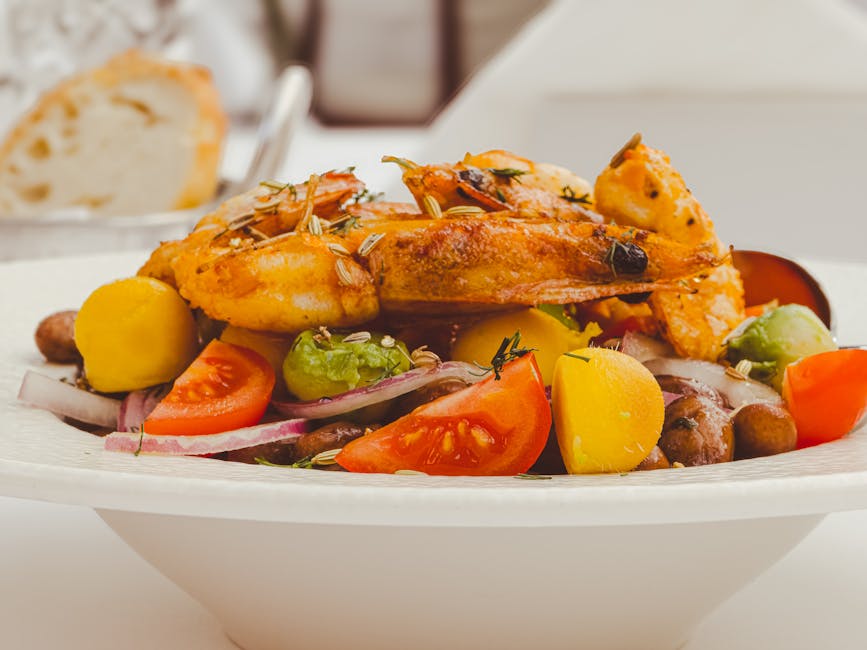
Explore the vibrant stalls of Pazari i Ri and the trendy eateries of Blloku on this flavor-focused self-guided walk through Tirana.
 Moderate
Tirana, Albania
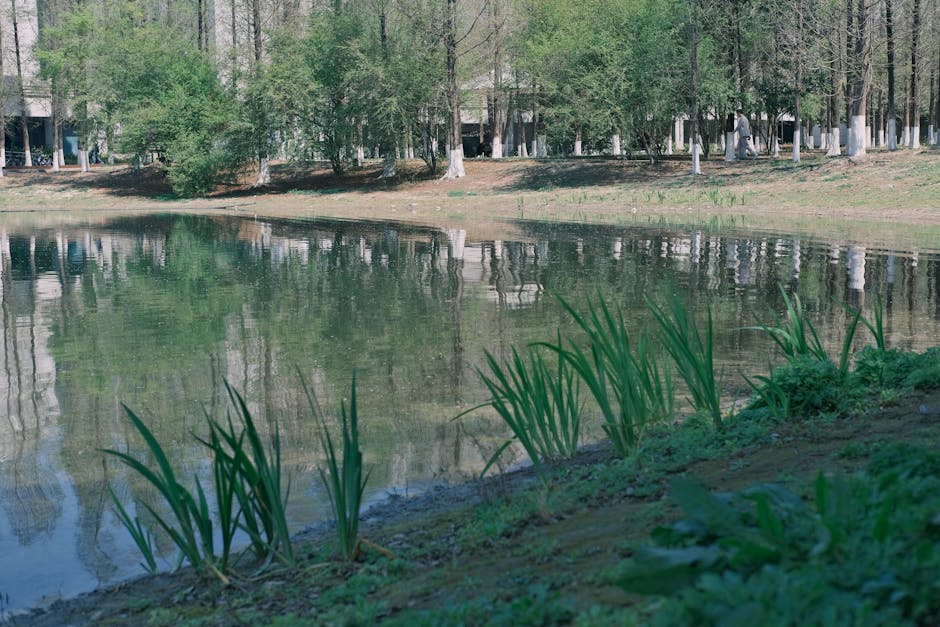
Explore Tirana's green side on this self-guided walk from Skanderbeg Square to the serene Grand Park and hidden lakeside memorials.
 Easy
EasyTirana, Albania
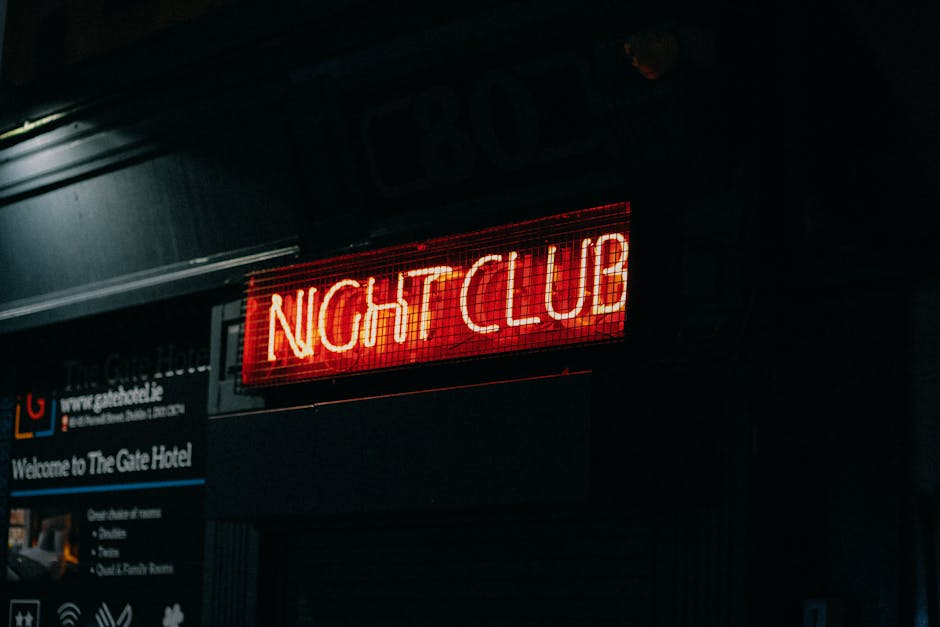
Explore Tirana’s neon-lit landmarks and vibrant nightlife districts on this self-guided evening photography walk.
 Easy
EasyTirana, Albania
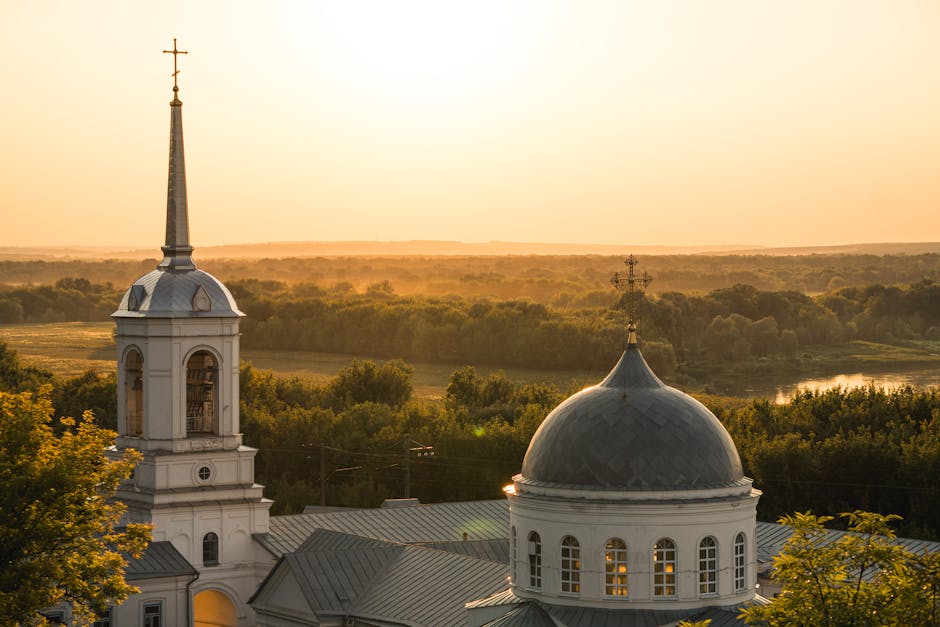
Explore Tirana’s unique religious harmony on this self-guided walk through historic mosques, grand cathedrals, and Ottoman landmarks.