Self-guided audio tour in Malacca
Start Free on iPhone
Start free on iPhone to unlock this self-guided walking tour in Malacca. Hear all the stories that make it amazing, walk at your own pace, and begin whenever you want.
Your Private Tour Guide
Melaka’s identity is a complex tapestry of colonial influences, but none are quite as distinct or resilient as the Kristang community. Descended from 16th-century Portuguese settlers and local Malays, this unique ethnic group has preserved its own language, known as Papia Kristang, along with a fervent Catholic faith and a fiery, spice-heavy cuisine. This self-guided walk takes you beyond the typical tourist trails, beginning in the vibrant heritage core of Jonker Street and moving toward the coastal sanctuary of the Portuguese Settlement in Ujong Pasir. It is an exploration of survival, flavor, and cultural pride that has lasted for over 500 years. On this walking route Malacca, you will experience the transition from the bustling Chinese shophouses of the center to the quiet, breezy lanes of the 'Mini Lisbon' by the sea. Your journey starts amidst the sensory overload of Jonker Street, where the legacy of the Peranakan and Kristang people often overlaps in the shared love for pungent spices and coconut milk. As you wander, you will discover hidden cafes tucked away in vintage shophouses and legendary eateries serving Nyonya Laksa. Moving southward, the walk leads you to St. John’s Fort, a silent witness to the strategic importance of this coastline during the shifts between Portuguese and Dutch rule. The final leg of this neighborhood stroll brings you into the heart of the Portuguese Settlement. Here, the atmosphere shifts; the air smells of grilled seafood and the architecture reflects a community that remains deeply connected to its maritime roots. Whether you are sampling the legendary Devil’s Curry at the Portuguese Square or catching the sunset over the Malacca Strait, this route offers a rare look at a living heritage. This is not just a walking tour Malacca; it is a deep dive into the soul of a community that continues to celebrate its unique Luso-Malay identity through every festival and every meal. By exploring independently, you can linger over a bowl of Cendol or spend extra time reflecting at the historic Our Lady of the Immaculate Conception Church, making the most of Melaka's rich, multicultural history.
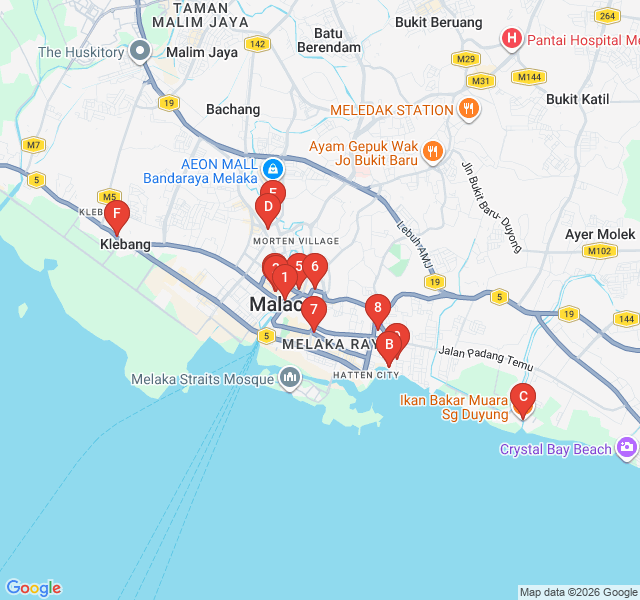
Numbers indicate the order of stops on the tour.
Start your self-guided adventure at the heart of Melaka's heritage zone. While famous for its weekend night market, Jonker Street is a living museum of shophouses every day of the week. This area represents the melting pot of Melaka, where Chinese, Malay, and European influences merged. As you begin your walk, notice the intricate carvings on the doorways. This street was once the residential center for the Peranakan elite, and today it serves as the gateway to the city's culinary soul. Take a moment to soak in the atmosphere before we head deeper into the local food scene.
Tucked away inside a vintage souvenir shop, this cafe is a prime example of Melaka’s adaptive reuse of heritage buildings. It is famous for its Pandan pancakes, which utilize the local 'screwpine' leaf that is a staple in both Malay and Kristang desserts. The interior retains its raw, industrial charm with original brickwork and air-wells. It’s a perfect spot to observe how the younger generation is keeping the heritage of Jonker Street alive through modern culinary twists. The blend of old-world architecture and new-world flavors sets the tone for our cultural exploration.
Coffee is more than just a drink in Melaka; it is a daily ritual. At Kopi Harian, you can experience the traditional 'Kopi' culture. Local coffee beans are often roasted with sugar and margarine, giving them a dark, caramelized flavor profile that is distinct from Western roasts. This style of coffee fueled the laborers and traders of old Melaka. It’s a simple, no-frills stop that reminds us of the city's hardworking maritime past, providing the caffeine kick needed to continue our walk toward the coast.
This is a pilgrimage site for food lovers. Jonker 88 is renowned for its Nyonya Laksa—a rich, spicy coconut milk-based noodle soup—and its Cendol, a dessert made of shaved ice, palm sugar (Gula Melaka), and green jelly noodles. The restaurant is decorated with a dizzying array of antiques and memorabilia, making it feel like a meal inside a museum. The flavors here represent the Peranakan influence that shares many spice profiles with Kristang cooking, such as the heavy use of lemongrass, galangal, and belacan (shrimp paste).
As we move further, we encounter Restoran Baba Kaya. This spot highlights the 'One Malaysia' concept through its menu, blending the best of Baba-Nyonya and local Malay flavors. For the Kristang community, food is a way of preserving their history; many of their dishes, like the spicy and sour 'Asam Pedas', are variations of what you find here. It’s a great place to see how the different ethnic groups in Melaka have influenced each other's kitchens over centuries of coexistence.
This modern bakery offers a brief departure from the traditional, showing the evolving palate of the city. While the techniques might be contemporary, the ingredients often pay homage to local produce. It represents the 'New Melaka'—a city that respects its history but isn't afraid to innovate. Grab a quick snack here as we prepare to leave the dense shophouses of the Jonker area and head toward the historic fortifications and the sea.
Located in the Melaka Raya district, this restaurant is a staple for those seeking authentic Peranakan flavors. The Atlantic Nyonya is famous for its 'Ayam Pongteh' (braised chicken in fermented soybean paste) and 'Udang Masak Lemak Nenas' (prawns in pineapple coconut gravy). These dishes share the same soul as Kristang home-cooking, which often features slow-braised meats and complex spice pastes. This stop marks our transition from the old town into the areas reclaimed and developed during the 20th century.
Perched atop St. John's Hill, this fort was originally a Portuguese chapel dedicated to St. John the Baptist. When the Dutch took over Melaka, they rebuilt it into a fortification in the late 18th century. What makes this fort unique is that the gun embrasures face inland rather than out to sea, reflecting the Dutch fear of attacks from the hinterland. From this vantage point, you can see the coastline and the Portuguese Settlement nearby. It is a quiet, breezy spot that offers a moment of reflection on the military history that shaped the Kristang community's ancestors.
This church is the spiritual heart of the Portuguese Settlement. The Kristang people are devout Catholics, and their faith is a cornerstone of their identity. The original church was established by the Portuguese, and though the current building is more modern, it stands on ground that has seen centuries of prayer. If you visit during the Feast of San Pedro in June or during Christmas, you will see the church at the center of vibrant processions and celebrations that feel more like Lisbon than Malaysia.
Welcome to the 'Mini Lisbon' of Melaka. Built in the late 1980s, the Portuguese Square was designed to be the social hub of the settlement. The architecture, with its white-washed walls and red-tiled roofs, is a nod to Portuguese styles. This is where the community gathers for folk dances, like the 'Branyo', and where the Papia Kristang language can still be heard among the elders. It is a unique cultural enclave, the only one of its kind in Southeast Asia, where the legacy of 1511 still lives on.
This is the highlight for foodies. The food court is the best place to try authentic Kristang dishes. Look for 'Devil’s Curry' (Debal), a fiercely spicy curry flavored with vinegar, and 'Ikan Bakar' (Portuguese-style grilled fish coated in spicy sambal). The dining experience here is communal and lively, especially in the evenings when the sea breeze kicks in. Eating here supports the local community and offers a taste of a culinary tradition that is found nowhere else in the world.
A short distance from the main settlement lies the mouth of the Duyung River. This area is legendary among locals for its seafood. 'Ikan Bakar' here is often prepared with the freshest catch brought in by local fishermen. The technique of grilling fish over charcoal while wrapped in banana leaves is a shared heritage between the Malay and Kristang people. It’s a more rustic, less touristy experience that rewards those who venture slightly off the main path.
As we head back toward the city center, we pass this modern landmark. It represents the rapid development of Melaka as a global tourism destination. From its upper floors, one can see the contrast between the low-rise heritage settlement we just left and the burgeoning skyline of modern Melaka. It serves as a reminder of the city's ongoing transformation from a colonial port to a modern heritage city.
Located along the banks of the Malacca River, this spot is famous for its modern take on Cendol. They often top their shaved ice with fresh fruits like durian or mango, alongside the traditional Gula Melaka. Sitting by the river, you can watch the tourist boats go by and reflect on how this waterway was once the most important trading artery in the world. It’s a refreshing way to cool down after our walk through the settlement.
We conclude our walk with a local sweet treat. Kuih Keria are donuts made from sweet potato and glazed with palm sugar. This specific stall is 'international' in name because people travel from all over Malaysia to queue for these donuts. The use of sweet potato and Gula Melaka perfectly encapsulates the flavors of the region. It’s a sweet ending to a journey that has taken us through the complex history and vibrant flavors of Melaka’s Kristang and Malay heritage.
Start Free on iPhone
Explore “Kristang Culture: The Portuguese Settlement Walk” with your very own Private Tour Guide with Zigway. Start free on iPhone, skip the large group and the fixed routes, and hear the city come alive as you go.
Your Private Tour Guide
Don't miss the good stuff
Explore Freely
 Moderate
Malacca, Malaysia
Discover the European heart of Melaka on this self-guided walk through Portuguese ruins, Dutch landmarks, and historic squares at your own pace.
 Easy
EasyMalacca, Malaysia
Explore the soul of Old Melaka on this self-guided walk through workshops of master craftsmen and centuries-old vanishing traditions.
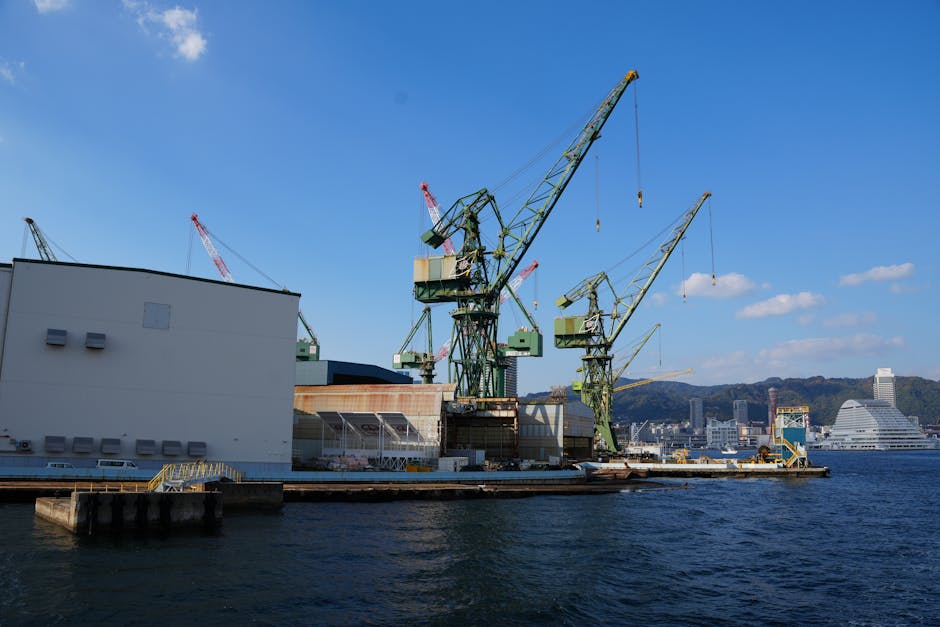 Easy
EasyMalacca, Malaysia
Discover the legends of the spice trade and sunken treasures on this self-guided maritime walk through Malacca’s historic Quayside.
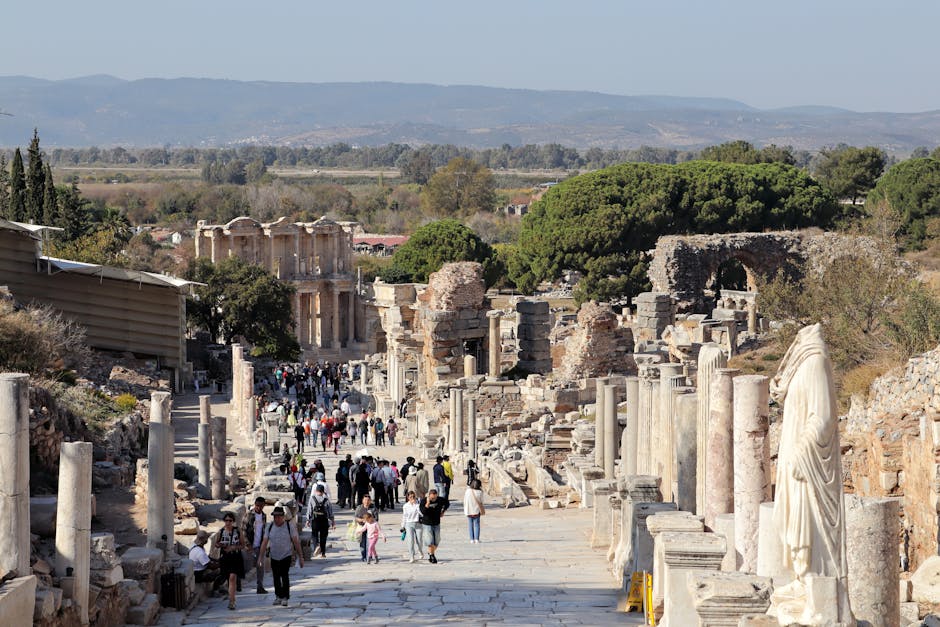 Easy
EasyMalacca, Malaysia
Explore Malaysia's oldest houses of worship on a single street. A self-guided stroll through Malacca's multicultural history and religious harmony.
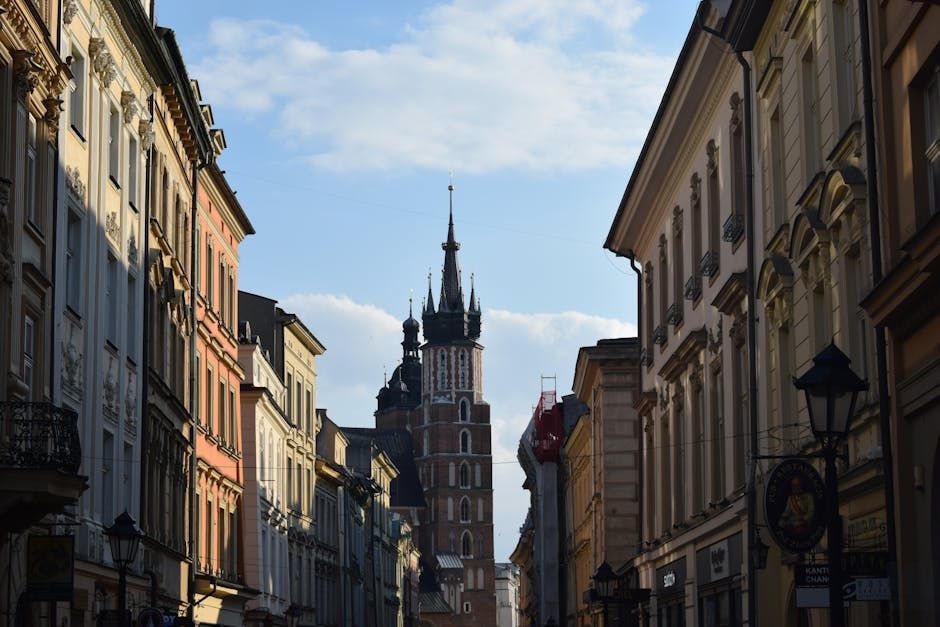 Easy
EasyKrakow, Poland
Savor the soul of Krakow on this self-guided walk through historic markets, bohemian cafes, and the city's best pierogi spots.
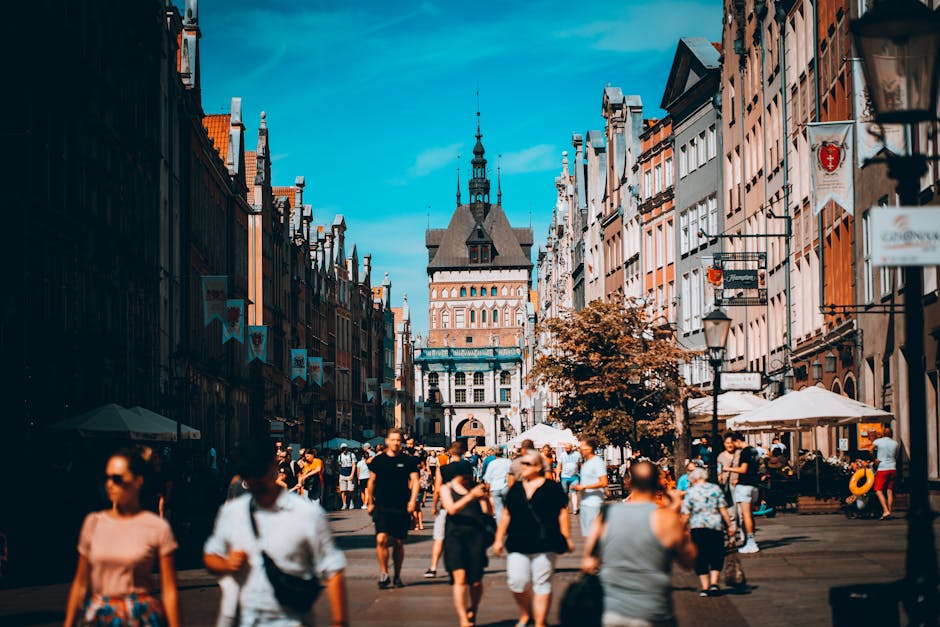 Easy
EasyGdansk, Poland
Taste the history of the Baltic. Explore Gdansk's culinary heritage from medieval markets to gold-flecked liqueurs on this self-guided walk.
 Easy
EasyVienna, Austria
Explore Vienna’s vibrant open-air gallery along the Danube Canal on this self-guided street art and nightlife stroll through Leopoldstadt.
 Easy
EasyNairobi, Kenya
Discover Nairobi’s literary soul on this self-guided walk through historic libraries, iconic bookshops, and cultural centers in the heart of the CBD.
 Easy
EasyKuala Lumpur, Malaysia
Discover the futuristic architecture and lush parklands of KLCC on this photography-focused self-guided walk through Kuala Lumpur's iconic center.
 Moderate
Kuala Lumpur, Malaysia
Discover Kuala Lumpur's rainforest heart on this self-guided walk through the Bukit Nanas canopy, historic markets, and iconic green spaces.
 Easy
EasyKuala Lumpur, Malaysia
Explore the vibrant colors, scents, and diverse spiritual landmarks of Kuala Lumpur's Little India on this sensory self-guided audio walk.
 Moderate
Kuala Lumpur, Malaysia
Explore Kuala Lumpur’s most iconic bookstores and creative hubs on this half-day self-guided literary adventure.