Self-guided audio tour in Paphos
Start Free on iPhone
Start free on iPhone to unlock this self-guided walking tour in Paphos. Hear all the stories that make it amazing, walk at your own pace, and begin whenever you want.
Your Private Tour Guide
Step away from the sun-loungers and discover the soul of Cyprus on this immersive neighborhood stroll through Ktima and the historical harbor. While many visitors stick to the beach, this self-guided walk invites you to explore the winding alleys of Old Paphos, where the scent of freshly ground Cypriot coffee mingles with the sawdust of artisan workshops. This route is designed for those who want to see the authentic side of the city, from the restored splendor of Ibrahim's Khan to the quiet dedication of modern potters and weavers. You will begin in the upper town, known as Ktima, where the local community has preserved its heritage through a vibrant arts scene. Here, the 'coffee' part of the journey isn't just about a caffeine fix; it's about the 'kafeneio' culture—a slow, social ritual that has defined Cypriot life for centuries. As you descend from the limestone plateau of the old town toward the sparkling Mediterranean, the theme shifts from living crafts to the ancient artistry of the past. This walking route Paphos offers a unique bridge between the two, showing how the creative spirit of the island has evolved from the intricate floor mosaics of Nea Paphos to the contemporary design studios of the local universities. You will encounter hidden catacombs, sacred pillars, and the iconic Paphos Castle, all while moving at your own pace. The journey concludes along the rugged coastline, where the dramatic silhouette of a shipwreck serves as a reminder of the sea’s enduring influence on this island. Whether you are a photography enthusiast looking for the perfect play of light on old stone or a history buff eager to see UNESCO-listed sites without a crowd, this audio walk provides the context and stories to make the city come alive. This walking tour Paphos is less about ticking boxes and more about feeling the rhythm of a city that has been a crossroads of culture for millennia. Discover hidden gems that are often overlooked, and find the perfect spot for a traditional 'sketos' coffee as you watch the world go by in one of the Mediterranean’s most storied ports. **Note:** This area is known for its ever-changing character. Street art, pop-up venues, and temporary exhibitions may differ from what's described. That's part of the adventure - you might discover something entirely new!
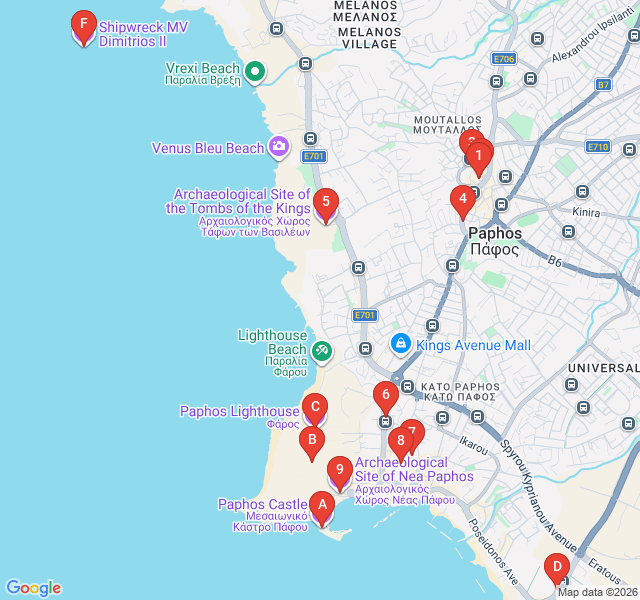
Numbers indicate the order of stops on the tour.
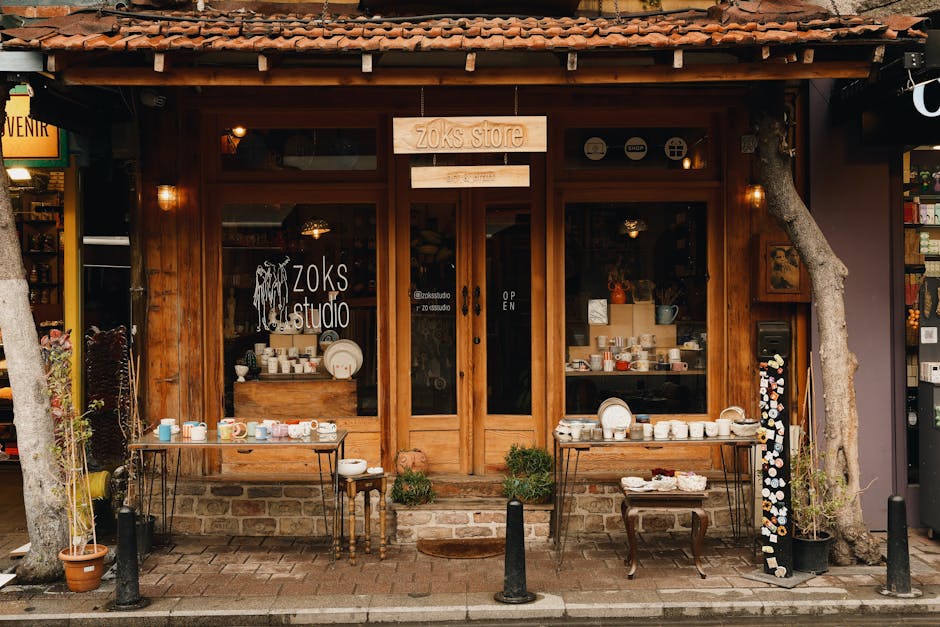
Start your self-guided adventure on Votsi Street, the backbone of Old Paphos’s traditional commercial life. This narrow street is a living museum of Cypriot commerce. As you walk, look for the small, unassuming storefronts where local artisans still practice crafts that have been passed down through generations. You might see traditional basket weaving, where tough willow branches are transformed into sturdy 'paneri' baskets, or leather workers crafting handmade sandals. The atmosphere here is a stark contrast to the modern malls; it is tactile, fragrant, and wonderfully slow. Take a moment to notice the architecture—many of these shops are housed in colonial-era buildings with distinct shutters and stone facades that tell the story of a city that was once the administrative heart of the island.
Welcome to Ibrahim's Khan, a site that perfectly encapsulates the 'Crafts and Coffee' theme. Historically, a 'khan' was an inn or caravanserai where merchants, travelers, and their animals would rest. For decades, this site fell into disrepair until a major restoration project transformed it into a cultural center. Today, the central courtyard—once filled with camels and donkeys—is surrounded by workshops for painters, woodcarvers, and jewelry makers. It is a peaceful oasis where the old stone walls provide a cool respite from the sun. The restoration successfully blended modern glass and steel with the original masonry, creating a space where history and contemporary creativity coexist. It's a prime example of how Paphos honors its past while fostering a new generation of makers.
Just a short walk away is 'The Place,' a dedicated home for Cypriot arts and crafts. This is more than just a shop; it is an interactive workshop space designed to keep traditional techniques alive. Depending on the day, you might find artisans spinning wool, painting icons, or firing ceramics in a kiln. The scents here are evocative—herbs, beeswax, and damp clay. It is the best location on the route to see the 'how' behind the 'what.' You can observe the patience required for lace-making or the precision of glass blowing. It’s also a great spot to sample local products like carob syrup or honey, which are as much a part of the island’s craft heritage as the physical objects produced here.
It is time for the 'coffee' portion of our journey. The Vintage Coffee House is a local favorite that captures the nostalgic charm of Ktima. In Cyprus, coffee is never just a drink; it’s a pause. If you choose to stop here, consider trying a traditional Cypriot coffee, brewed in a small long-handled pot called a 'briki.' It is served with a glass of cold water and can be ordered 'sketos' (plain), 'metrios' (medium sweet), or 'glykis' (sweet). Notice the decor—vintage memorabilia and mismatched furniture create a living-room atmosphere. This is where the community gathers to discuss politics, play backgammon, or simply watch the street life. It represents the social glue that holds the neighborhood together.
As we move toward the coast, we encounter the artistry of the ancient world. Despite the name, no kings were actually buried here; instead, these are the final resting places of high-ranking officials and aristocrats from the Hellenistic and Roman periods. What makes this site a 'craft' marvel is that the tombs are carved directly out of the solid rock. The underground chambers mimic the houses of the living, complete with Doric columns and peristyle courtyards. Walking through these silent, sun-baked ruins, you can appreciate the immense labor and architectural skill required to hollow out these intricate structures from the limestone plateau over two thousand years ago.
This stop takes us underground into a site of profound spiritual craft. Agia Solomoni is a Christian catacomb complex that was originally a Hellenistic tomb. The most striking feature isn't the stone, but the large terebinth tree standing above the entrance. It is draped with hundreds of pieces of fabric, handkerchiefs, and ribbons. This is a folk tradition where believers leave a piece of cloth as a votive offering, hoping for a cure for an ailment. Inside the cool, damp chambers, you can see remnants of 12th-century frescoes. It’s a place where formal religious art meets the humble, personal 'craft' of folk devotion, creating an atmosphere that is both eerie and deeply moving.
As you approach the harbor area, stop by Anemomylos. This shop is a bridge between the traditional crafts of the upper town and the tourist-friendly lower town. It often features high-quality local products, ranging from hand-painted ceramics to textiles. In this area, look for the 'evil eye' charms and blue-and-white pottery that are synonymous with Greek and Cypriot identity. While the neighborhood here is busier, shops like this maintain a focus on authentic production rather than mass-produced souvenirs. Take a moment to examine the patterns—many of them are inspired by the ancient mosaics you are about to see, showing the continuity of design over millennia.
This site is a cornerstone of Christian history in Paphos. According to tradition, this is the pillar where Saint Paul was tied and whipped before he eventually converted the Roman governor to Christianity. Beyond the legend, the site is a fascinating archaeological puzzle. You are looking at the ruins of a 4th-century Byzantine basilica, which was once one of the largest on the island. Look closely at the fragments of marble columns and the intricate floor mosaics still visible under the walkways. The 'craft' here is in the masonry and the survival of these elements despite centuries of earthquakes and raids. It’s a quiet spot for reflection amidst the surrounding bustle of Kato Paphos.
We now enter the crown jewel of Paphos’s ancient history. Nea Paphos was the capital of Cyprus in the Hellenistic and Roman periods. This sprawling site is a testament to the sheer scale of ancient urban planning. As you walk the dusty paths, you are walking over a city that was once home to thousands. The site includes villas, a theater, and an odeon. The craftsmanship required to build a city of this magnitude on the water’s edge is staggering. Keep an eye out for the various stages of excavation; archaeology is a slow, meticulous craft in itself, and you may see teams at work during the cooler months, carefully brushing away centuries of soil to reveal the stone beneath.
Standing guard over the harbor, Paphos Castle has a rugged, utilitarian beauty. Originally built as a Byzantine fort to protect the harbor, it was destroyed by an earthquake, rebuilt by the Lusignans, dismantled by the Venetians, and finally restored by the Ottomans. Its thick stone walls and small windows reflect its role as a prison and a salt storehouse. The 'craft' here is military engineering—the ability to create a structure that could withstand both the pounding of the sea and the cannons of invaders. Today, the square in front of the castle serves as a stage for cultural festivals, proving that even a fortress can eventually become a place of art and celebration.
Located within the Nea Paphos site, the House of Dionysus contains some of the finest mosaic floors in the world. These are the pinnacle of ancient craft. Using thousands of tiny colored stones called 'tesserae,' ancient artists created incredibly detailed scenes from Greek mythology. The House of Dionysus is named after the many mosaics depicting the god of wine. Look at the shading on the figures and the geometric borders—the precision is so great that they almost look like paintings from a distance. These floors were a status symbol for the wealthy elite of the Roman city, designed to impress guests during banquets. They have survived for nearly 2,000 years, their colors still remarkably vivid.
Perched on a small hill within the archaeological park, the Paphos Lighthouse is a more modern addition to the landscape, dating back to 1888 during the British administration. It serves as a navigational landmark for ships approaching the harbor. The walk up to the lighthouse offers the best vantage point in the city; from here, you can see the layout of the ancient ruins against the backdrop of the modern town and the endless blue of the Mediterranean. It represents the maritime 'craft' of navigation and safety. The area around the lighthouse is often covered in wildflowers in the spring, making it one of the most photographed spots on the island.
Leaving the ancient sites behind, we move toward the contemporary intellectual heart of the city. Neapolis University represents the modern evolution of Paphos. While it may look like a standard academic building, its presence marks the city’s transition from a tourist town to a center for education and innovation. The 'craft' here is the cultivation of minds. The university brings a youthful, international energy to the city, with students from all over the world studying everything from architecture to theology. It’s a reminder that Paphos is not just a relic of the past, but a living city that continues to build its future through knowledge and modern design.
The Cyprus University of Technology, or TEPAK, has a significant presence in Paphos, particularly in the fields of tourism and management. Their buildings often occupy renovated structures in the city center, showcasing a 'craft' for urban renewal. By placing a university in the heart of the town, Paphos has revitalized older neighborhoods. This institution focuses on applied sciences and technology, bridging the gap between traditional industry and the digital age. It is the modern equivalent of the ancient schools of philosophy that once thrived in the Mediterranean, ensuring that the island remains a place of learning and technical skill.
We conclude our self-guided walk with a dramatic sight: the shipwreck of the MV Dimitrios II. This cargo ship ran aground in 1998 during a heavy storm while carrying a cargo of timber. It now sits permanently on a rocky reef just offshore. While it wasn't 'crafted' to be here, the wreck has become a poignant part of the coastal landscape. Over the years, the sea and salt have 'sculpted' the rusted hull into a haunting monument to the power of nature. It’s a favorite spot for local photographers, especially at sunset when the light hits the rusted iron. It serves as a final, striking reminder of the maritime heritage that has shaped Paphos for thousands of years.
Start Free on iPhone
Explore “Crafts and Coffee: The Artisans of Old Paphos” with your very own Private Tour Guide with Zigway. Start free on iPhone, skip the large group and the fixed routes, and hear the city come alive as you go.
Your Private Tour Guide
Don't miss the good stuff
Explore Freely
 Easy
EasyPaphos, Cyprus
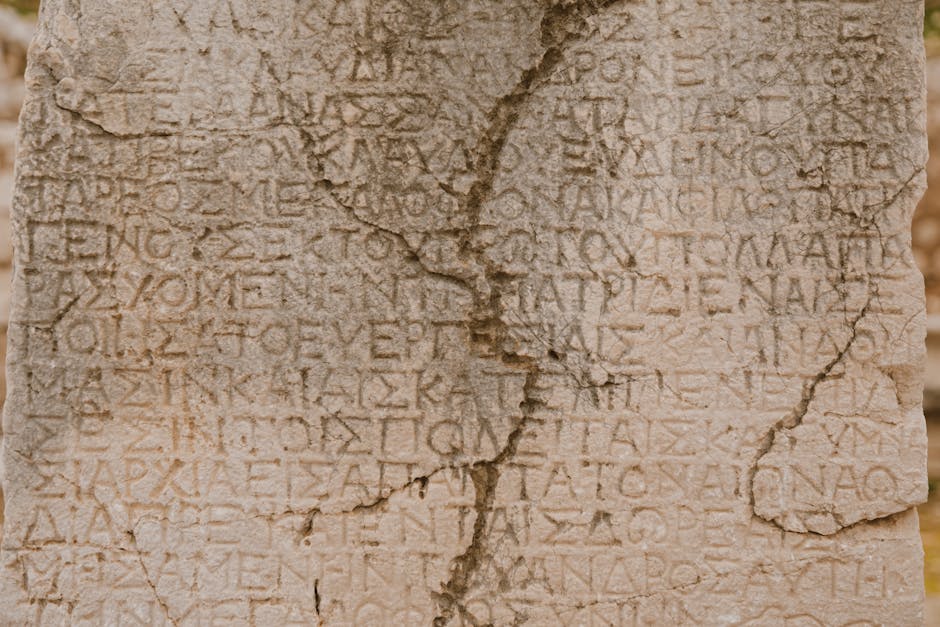
Explore Paphos' maritime history on this self-guided walk from ancient tombs and Roman mosaics to the iconic harbor fort and a coastal shipwreck.
 Easy
EasyPaphos, Cyprus
Experience the vibrant pulse of Paphos after dark, from the neon lights of Bar Street to sophisticated harbor-side cocktails on this self-guided walk.
 Easy
EasyPaphos, Cyprus
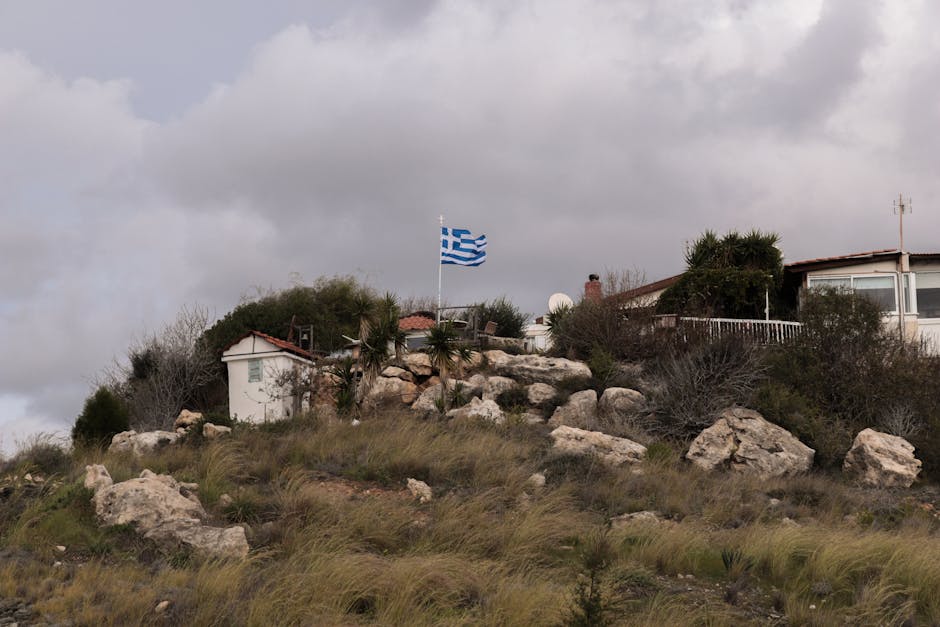
Experience the stunning Mediterranean coastline, historic lighthouse, and medieval castle on this scenic self-guided audio walk in Kato Paphos.
 Easy
EasyPaphos, Cyprus
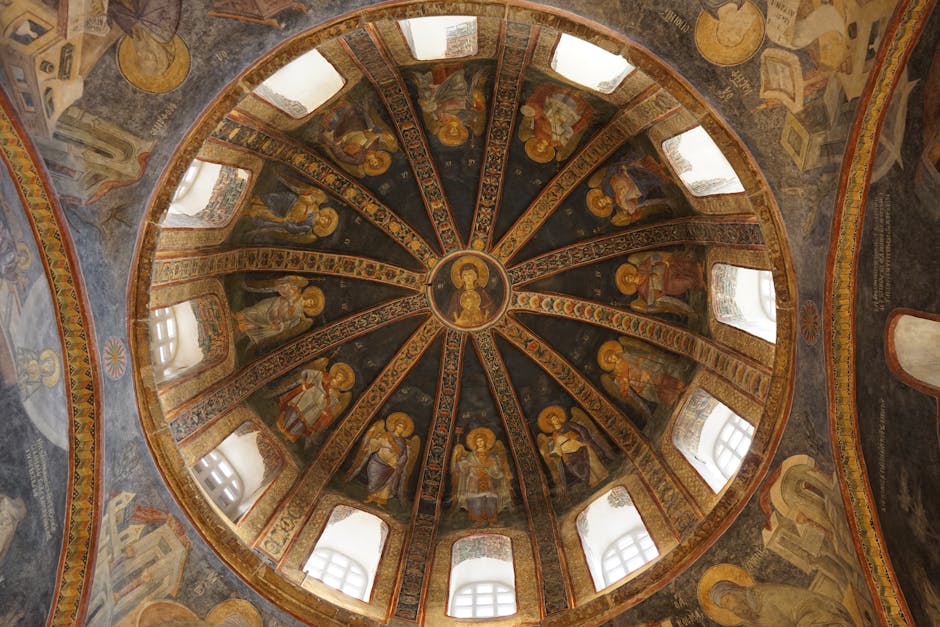
Discover UNESCO-listed ruins, Byzantine churches, and Roman mosaics on this self-guided audio walk through the historic heart of Paphos.
 Moderate
Gdansk, Poland
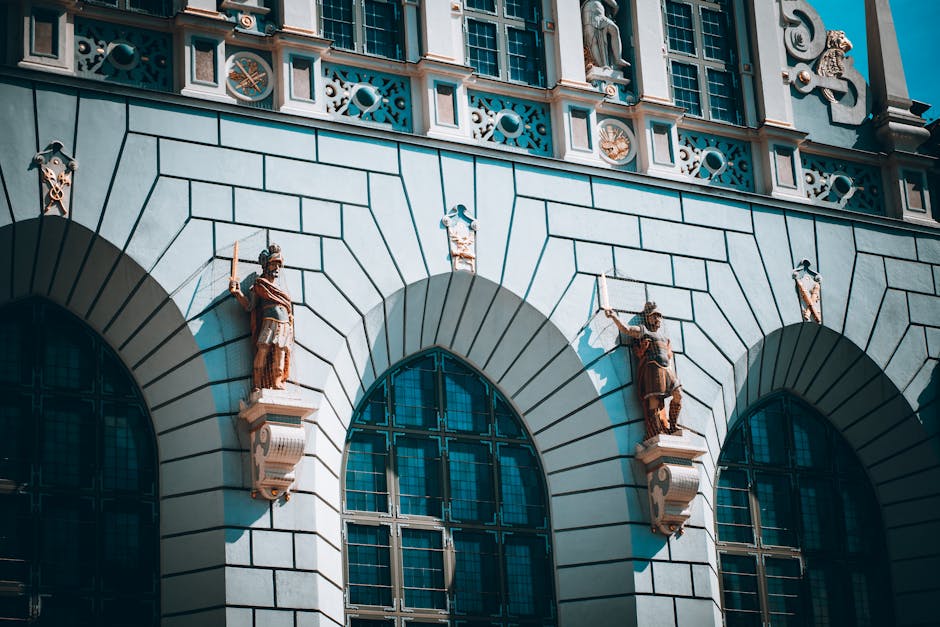
Discover Zaspa, a massive open-air gallery where grey housing blocks are transformed by over 60 monumental murals. Explore at your own pace.
 Easy
EasyWarsaw, Poland
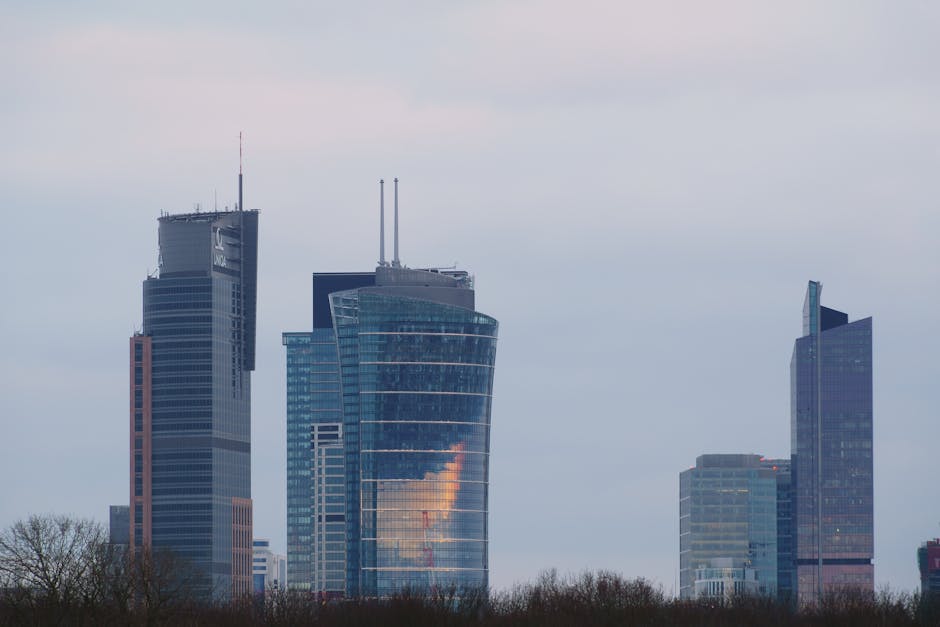
Discover the hidden courtyards and grand pre-war architecture of Warsaw's most atmospheric neighborhood on this self-guided stroll.
 Easy
EasyNairobi, Kenya
Discover Nairobi's iconic skyline on this self-guided architecture walk through the CBD’s most famous modernist and Brutalist landmarks.
 Easy
EasyNairobi, Kenya
Discover Nairobi’s literary soul on this self-guided walk through historic libraries, iconic bookshops, and cultural centers in the heart of the CBD.
 Easy
EasyNicosia, Cyprus
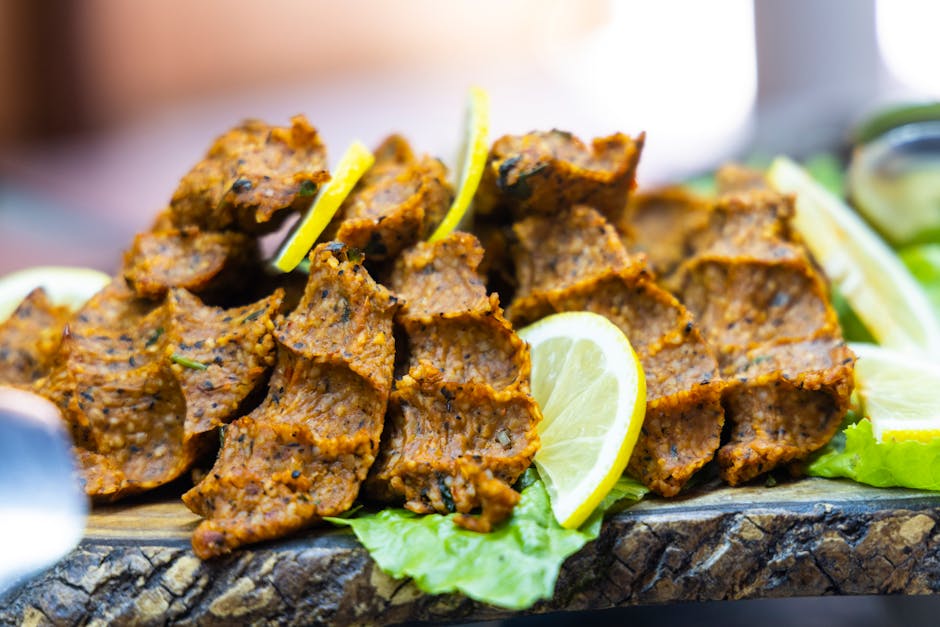
Explore Nicosia's culinary heart! A self-guided stroll from historic coffee roasters to modern meze spots across the city's unique divided center.
 Easy
EasyNicosia, Cyprus
Capture the soul of the world's last divided capital on this self-guided walk through Nicosia's historic streets, street art, and panoramic views.
 Easy
EasyNicosia, Cyprus
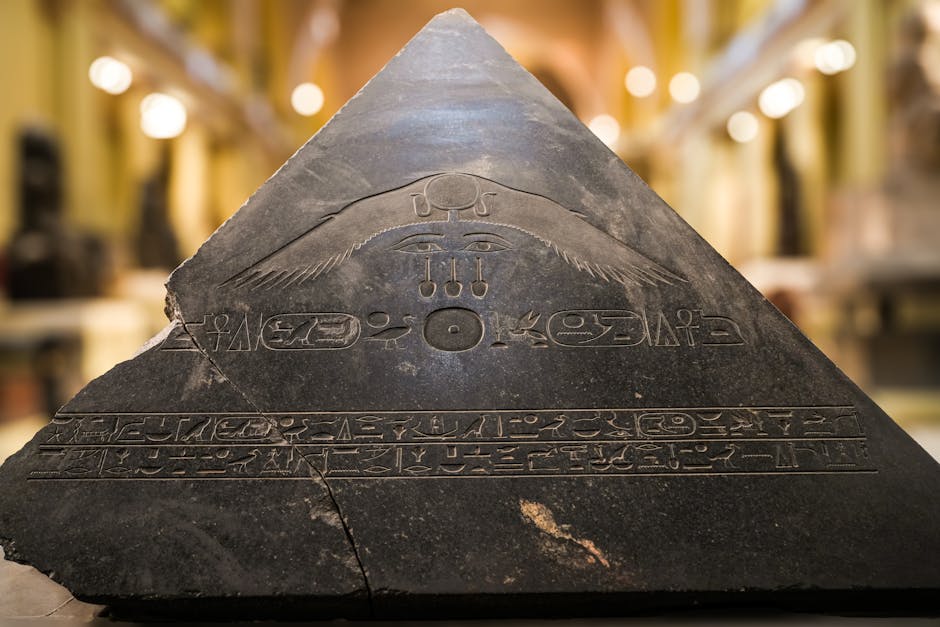
Explore Nicosia's rich heritage on this self-guided walk through premier museums, Ottoman mansions, and world-class archaeological collections.
 Easy
EasyNicosia, Cyprus
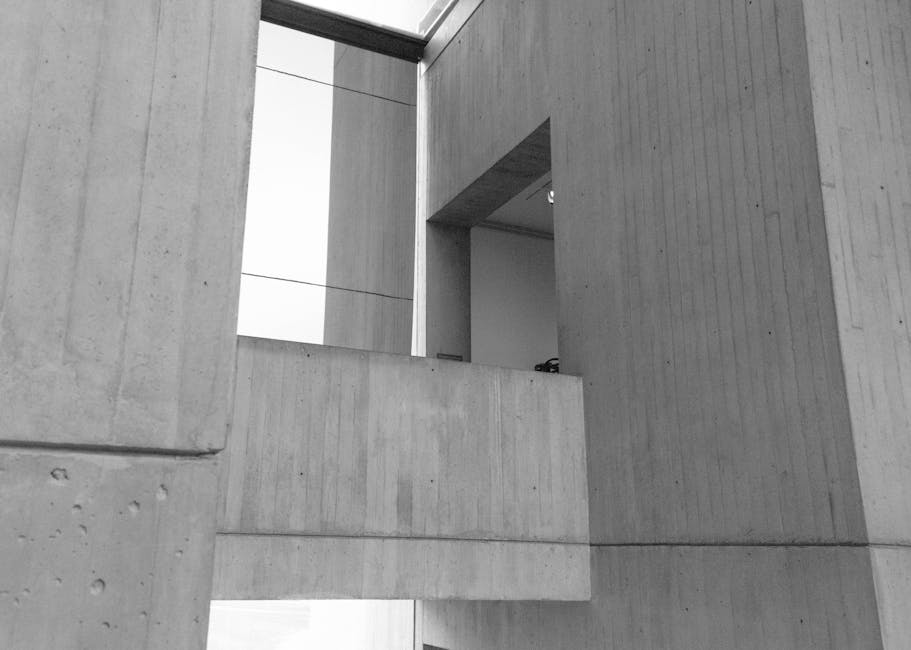
Explore Nicosia’s modern side, from Zaha Hadid’s fluid architecture to vibrant street art and Jean Nouvel's iconic bioclimatic 'White Walls.'