Self-guided audio tour in Paphos
Start Free on iPhone
Start free on iPhone to unlock this self-guided walking tour in Paphos. Hear all the stories that make it amazing, walk at your own pace, and begin whenever you want.
Your Private Tour Guide
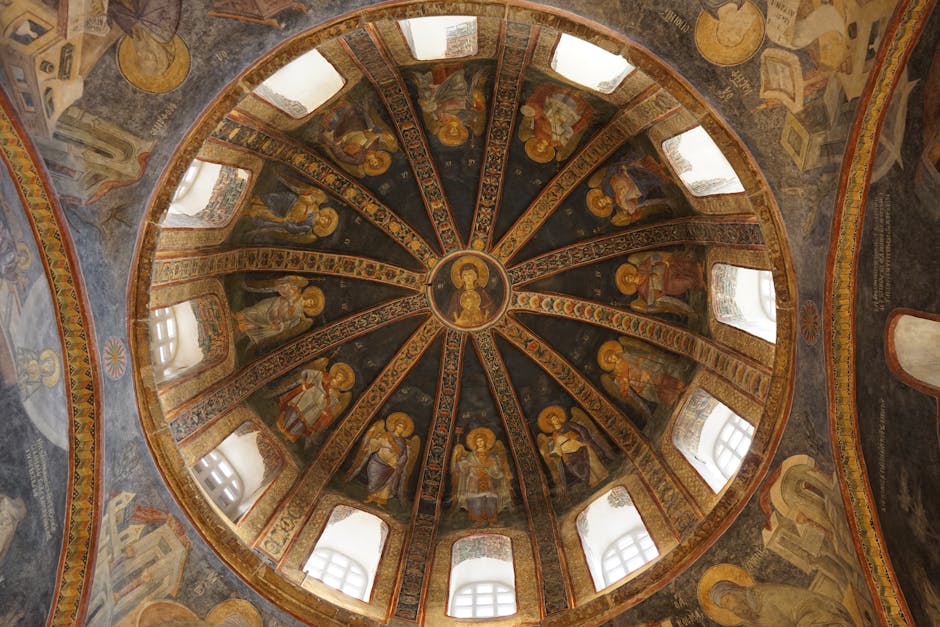
Step into a living museum where the echoes of the Byzantine Empire still resonate through sun-drenched stones. This self-guided walk through Paphos invites you to explore the layered history of a city recognized in its entirety as a UNESCO World Heritage site. From the early Christian catacombs to the majestic ruins of ancient villas, this walking route offers a deep dive into the spiritual and architectural evolution of Cyprus. Begin your journey in the upper town, where the Archaeological Museum of the Paphos District sets the stage with artifacts spanning millennia. As you descend toward the sapphire waters of the Mediterranean, you will encounter the Tombs of the Kings, a sprawling necropolis carved directly into the solid rock. The heart of this walking tour Paphos experience is the Panagia Chrysopolitissa Basilica. Here, among the intricate floor mosaics and fallen marble columns, stands Saint Paul’s Pillar—a site steeped in religious tradition where the Apostle is said to have faced trials for his faith. The route continues through the Kato Paphos Archaeological Park, a treasure trove of Roman history. You will explore the House of Dionysus, home to some of the finest mosaics in the eastern Mediterranean, and the Saranta Kolones, a fortress that once guarded the harbor against invaders. This self-guided adventure isn't just about the ancient world; it also takes you past the iconic Paphos Castle and the colonial-era lighthouse, offering panoramic views of the coast. Whether you are a history buff or a curious traveler, this neighborhood stroll provides the flexibility to discover these landmarks at your own pace. With Zigway, you can skip the rigid schedules of a traditional walking tour Paphos and instead immerse yourself in the stories of saints, emperors, and merchants who shaped this Mediterranean crossroads. End your exploration by the sea, perhaps catching a glimpse of the MV Dimitrios II shipwreck, a modern reminder of the ocean's enduring power.
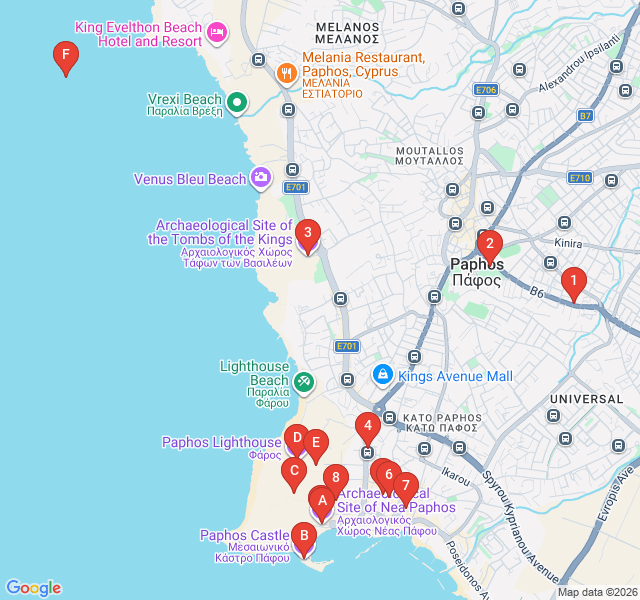
Numbers indicate the order of stops on the tour.
Start your journey at the Archaeological Museum of the Paphos District. This museum serves as the memory bank of the region, housing artifacts that date from the Neolithic age up to the 18th century. As you explore independently, look for the exquisite collection of pottery and the unique 'Paphos Aphrodite' figurines. The museum provides a vital foundation for understanding how this city evolved from a small settlement into a major Mediterranean power. Pay close attention to the Roman-era surgical instruments and the clay hot-water bottles, which offer a surprisingly relatable glimpse into daily life thousands of years ago.
A short walk brings you to the Paphos Town Hall, a beautiful example of Neoclassical architecture. Built in the mid-20th century, its design reflects the enduring influence of Greek classical aesthetics on Cypriot identity. The surrounding square is the civic heart of the town, often used for public celebrations and events. While the building itself is a working administrative office, the exterior and the nearby public library are worth admiring for their clean lines and grand columns. This area marks the transition from the modern administrative center to the ancient layers of the city below.
Despite its name, no kings were actually buried here. This UNESCO-listed site is a vast necropolis where high-ranking officials and aristocrats were laid to rest between the 4th century BC and the 3rd century AD. The tombs are carved directly into the calcarenite rock, featuring impressive Doric columns and frescoed walls. As you walk through the underground chambers, you will notice the 'atrium' style, where the tombs were built around a central courtyard. It is a hauntingly beautiful place that showcases the wealth and social hierarchy of ancient Paphos.
Step down into the cool shadows of the Agia Solomoni Catacombs. Originally a Hellenistic tomb complex, it was later used as a Christian chapel during the Byzantine era. At the entrance stands a large terebinth tree, draped in colorful ribbons and pieces of cloth. These are votive offerings left by people seeking healing for various ailments. Inside, you can see remnants of early Christian frescoes and a holy well. The site is dedicated to Solomoni, a Jewish martyr who fled to Cyprus to escape persecution, blending local folklore with early Christian history.
This humble marble pillar is one of the most significant sites in Christian history. According to tradition, the Apostle Paul was tied to this post and given 39 lashes by the Roman governor before he eventually converted the governor to Christianity, making Cyprus the first province in the Roman Empire to be ruled by a Christian. Today, the pillar stands within the grounds of the Panagia Chrysopolitissa complex. It remains a place of pilgrimage for Christians from around the world, symbolizing the early spread of the faith through the Mediterranean.
The ruins of Panagia Chrysopolitissa represent one of the largest and most important early Christian basilicas on the island. Built in the 4th century, it was originally a seven-aisled structure. Today, you can walk along raised wooden walkways to admire the stunning floor mosaics that have survived for over 1,500 years. Interestingly, the site is now shared by the Anglican and Catholic communities, who hold services in the small 13th-century church built over the ruins. It is a rare example of 'ecumenical' cooperation in a place with such deep religious roots.
Perched on a small rocky outcrop, the Panagia Theoskepasti Church is steeped in legend. Its name means 'Veiled by God.' According to local tradition, during the Arab raids in the 7th century, a thick fog descended to hide the church from the invaders, protecting it from destruction. The current building was constructed in the early 20th century on the site of the older Byzantine church. Inside, you will find a beautifully carved iconostasis and a silver-plated icon of the Virgin Mary, believed to be one of the seventy icons painted by Saint Luke the Evangelist.
Known locally as Saranta Kolones, this site contains the ruins of a Byzantine castle built in the 7th century to protect the harbor. Its name comes from the large number of granite columns found scattered around the site, which were likely scavenged from the nearby ancient Agora. The fortress was eventually destroyed by an earthquake in 1222 and never rebuilt. As you explore the ruins, you can still see the remains of the dungeons, the bakery, and the complex system of towers that once made this a formidable defensive structure.
Welcome to the heart of the UNESCO World Heritage site. This vast open-air museum encompasses the majority of the ancient Greek and Roman city of Paphos. While most of the city remains unexcavated, the parts that have been uncovered reveal a sophisticated urban center with paved streets, public buildings, and grand villas. This park is a testament to the city's status as the capital of Cyprus during the Roman period. Take a moment to appreciate the scale of the site, which has been preserved for centuries beneath the soil.
Nea Paphos, or 'New Paphos,' was founded in the late 4th century BC. It was strategically located to take advantage of the natural harbor. As you walk through this section of the park, you are walking on the foundations of a city that served as a hub for trade, religion, and politics for nearly a millennium. Look for the traces of the ancient city walls and the layout of the residential quarters. The transition from Hellenistic to Roman rule is visible in the changing architectural styles and the increasing opulence of the private residences.
Standing proudly at the edge of the harbor, Paphos Castle has seen many iterations. Originally a Byzantine fort built to protect the port, it was later rebuilt by the Lusignans, dismantled by the Venetians, and finally restored by the Ottomans in the 16th century. It has served as a fortress, a prison, and even a salt warehouse under British rule. Today, the castle is the backdrop for the annual Paphos Aphrodite Festival. Its sturdy walls and small windows offer a stark contrast to the delicate mosaics you saw earlier, reminding us of the city's turbulent military history.
The House of Dionysus is the jewel of the Archaeological Park. This 2nd-century Roman villa covers 2,000 square meters and is famous for its exceptionally preserved floor mosaics. The designs depict scenes from Greek mythology, with a particular focus on Dionysus, the god of wine. The level of detail and the vibrant colors achieved with natural stone tesserae are world-class. As you circle the rooms, you will see depictions of hunting scenes, four seasons, and famous myths like Pyramus and Thisbe. It offers an incredible look at the luxury enjoyed by the Roman elite in Paphos.
Standing tall amidst the ancient ruins is the Paphos Lighthouse, built in 1888 during the British colonial administration. While much younger than the surrounding archaeology, it is a vital landmark for sailors navigating the treacherous western coast of Cyprus. The lighthouse is still operational today. Its white tower provides a striking visual contrast against the blue Mediterranean sky and the honey-colored ruins below. From this vantage point, you can enjoy some of the best views of the entire archaeological site and the coastline stretching toward Coral Bay.
The Agora was the central marketplace and social hub of ancient Paphos. Only part of this large rectangular courtyard has been excavated, but you can still see the remains of the colonnades that once sheltered shops and stalls. This was the place where citizens gathered to discuss politics, trade goods from across the empire, and socialize. Nearby is the Odeon, a small semi-circular theater used for musical performances and poetry readings. Together, these buildings formed the civic heart of the city, where the public life of Nea Paphos unfolded every day.
Conclude your walk with a view of the MV Dimitrios II shipwreck. This cargo ship ran aground in 1998 during a heavy storm while carrying a load of timber from Greece to Syria. Though the crew was safely rescued, the ship remained stuck on the rocks just offshore. Over the years, it has become a local landmark and a favorite subject for photographers, especially at sunset. It serves as a modern 'echo' of the many ancient shipwrecks that lie beneath these waters, reminding us that the sea has always been both a provider and a peril for Paphos.
Start Free on iPhone
Explore “Byzantine Echoes: Panagia Chrysopolitissa and Beyond” with your very own Private Tour Guide with Zigway. Start free on iPhone, skip the large group and the fixed routes, and hear the city come alive as you go.
Your Private Tour Guide
Don't miss the good stuff
Explore Freely
 Easy
EasyPaphos, Cyprus
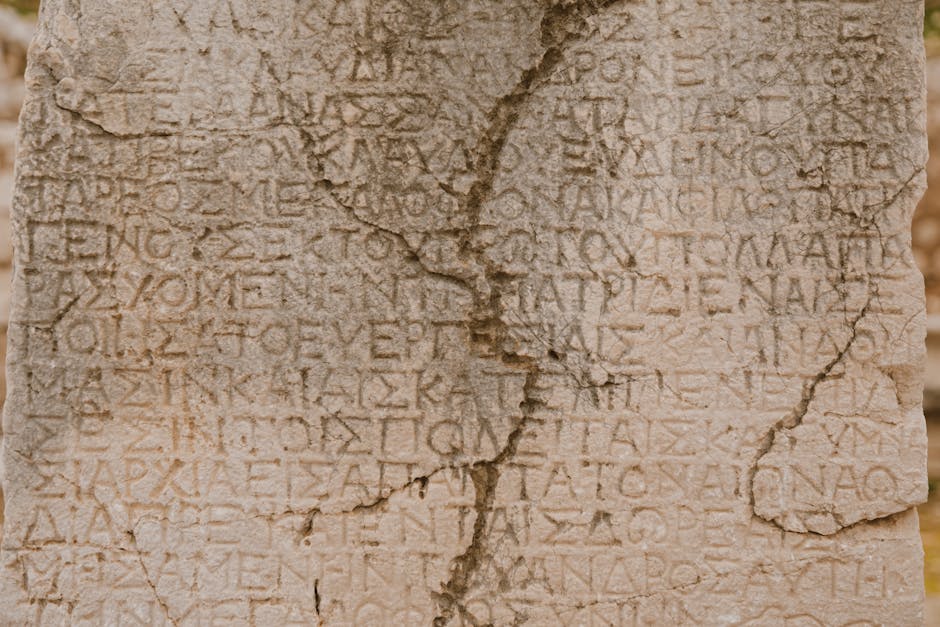
Explore Paphos' maritime history on this self-guided walk from ancient tombs and Roman mosaics to the iconic harbor fort and a coastal shipwreck.
 Easy
EasyPaphos, Cyprus
Experience the vibrant pulse of Paphos after dark, from the neon lights of Bar Street to sophisticated harbor-side cocktails on this self-guided walk.
 Easy
EasyPaphos, Cyprus
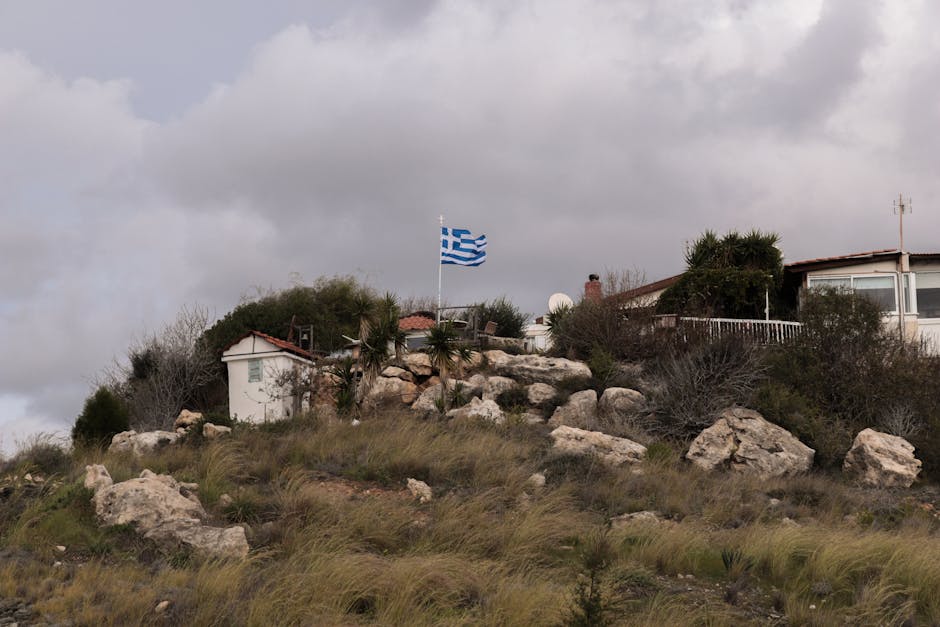
Experience the stunning Mediterranean coastline, historic lighthouse, and medieval castle on this scenic self-guided audio walk in Kato Paphos.
 Moderate
Paphos, Cyprus
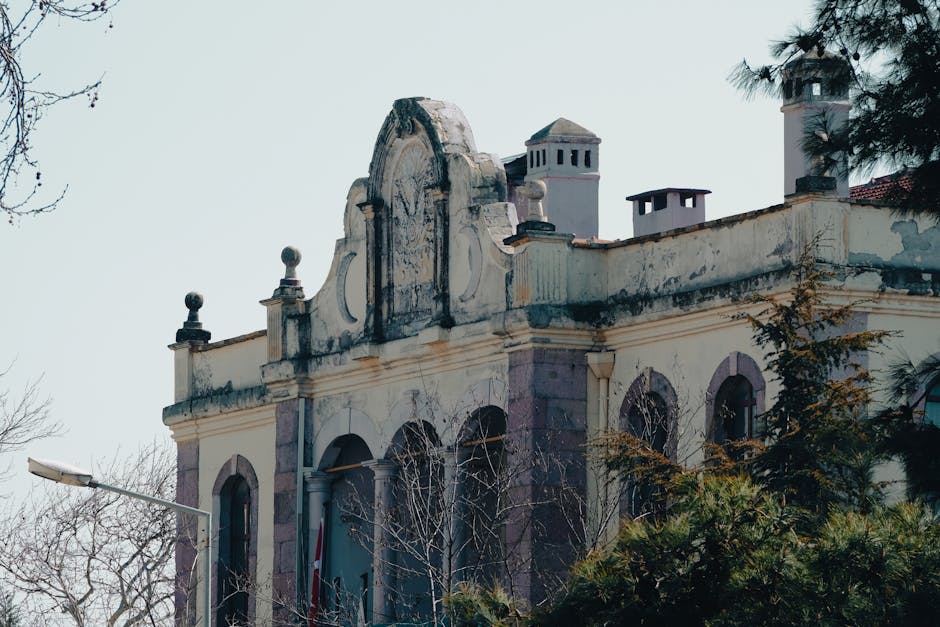
Discover the neoclassical beauty of Ktima and the ancient ruins of Kato Paphos on this comprehensive self-guided walking route through history.
 Easy
EasySalzburg, Austria
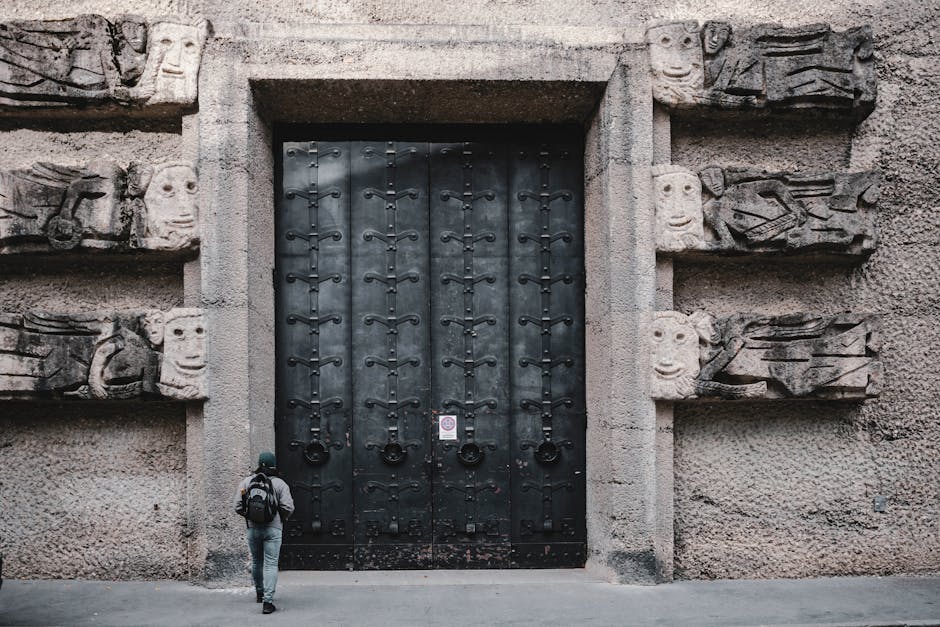
Discover the 'Rome of the North' on this self-guided walk through the Baroque squares and monumental legacy of Salzburg’s Prince-Archbishops.
 Easy
EasyNairobi, Kenya
Explore Nairobi's architectural evolution from colonial-era landmarks to iconic Brutalist skyscrapers on this historic self-guided walking route.
 Easy
EasyNairobi, Kenya
Discover Nairobi's iconic skyline on this self-guided architecture walk through the CBD’s most famous modernist and Brutalist landmarks.
 Easy
EasyKrakow, Poland
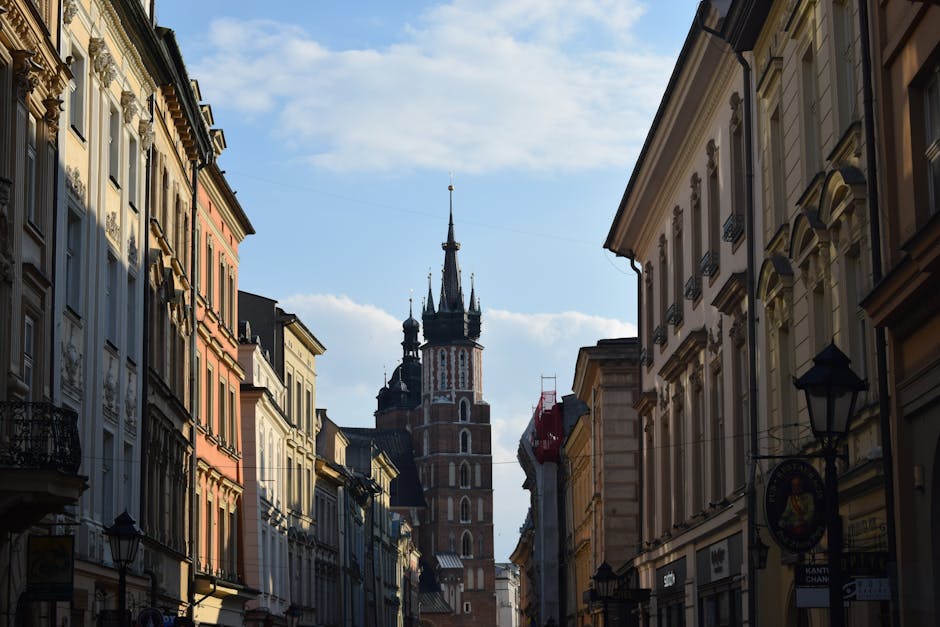
Uncover Krakow's legendary past on this self-guided walk from literary monuments to the fire-breathing Wawel Dragon.
 Easy
EasyNicosia, Cyprus
Explore Nicosia's culinary heart! A self-guided stroll from historic coffee roasters to modern meze spots across the city's unique divided center.
 Easy
EasyNicosia, Cyprus
Capture the soul of the world's last divided capital on this self-guided walk through Nicosia's historic streets, street art, and panoramic views.
 Easy
EasyNicosia, Cyprus
Explore Nicosia's rich heritage on this self-guided walk through premier museums, Ottoman mansions, and world-class archaeological collections.
 Easy
EasyNicosia, Cyprus
Explore Nicosia’s modern side, from Zaha Hadid’s fluid architecture to vibrant street art and Jean Nouvel's iconic bioclimatic 'White Walls.'